 English
 عربى
عربى
 中文繁体
中文繁体

Content
- 0.1 1. Natural Rubber (NR)
- 0.2 2. Ethylene Propylene Diene Monomer Rubber (EPDM)
- 0.3 3. NBR Rubber
- 0.4 4. HNBR Rubber
- 0.5 5. FKM (Fluoroelastomer)
- 0.6 6. VMQ (Silicone Rubber)
- 0.7 7. CR (Chloroprene Rubber)
- 0.8 8. SBR (Styrene-Butadiene Rubber)
- 0.9 9. IIR (Butyl Rubber)
- 0.10 10. PU Elastomer
- 1 Comparison Table
- 2 How to Choose the Right Rubber Material
1. Natural Rubber (NR)
Advantages
- Excellent elasticity and resilience
- Outstanding tensile strength
- Excellent wear resistance
- Good fatigue resistance
- A renewable natural resource
- Easy to process
Disadvantages
- Poor oil resistance
- Poor ozone resistance
- Prone to aging in sunlight
- Limited heat resistance
Typical Applications
- Tires
- Conveyor belts
- Rubber rollers
- Shock absorbers
- Suspension bushings
- Dampers
2. Ethylene Propylene Diene Monomer Rubber (EPDM)
Advantages
- Outstanding weather resistance
- Excellent UV resistance
- Excellent ozone resistance
- Good water resistance
- Excellent electrical insulation properties
Disadvantages
- Poor resistance to petroleum-based oils
- Not suitable for gasoline environments
Applications
- Automotive seals
- Window seals
- Roofing membranes
- Solar panel seals
- Electrical insulation
- Water pipe seals
3. NBR Rubber
Nitrile Butadiene Rubber (NBR) is renowned worldwide for its outstanding oil resistance.
Advantages
- Outstanding oil resistance
- Good wear resistance
- High tensile strength
- Cost-effective
Disadvantages
- Poor UV resistance
- Limited ozone resistance
Applications
- O-rings
- Oil seals
- Hydraulic seals
- Fuel hoses
- Automotive gaskets
4. HNBR Rubber
HNBR is a hydrogenated version of NBR. Compared with NBR, HNBR offers the following advantages:
Advantages
- Higher heat resistance
- Stronger ozone resistance
- Better aging resistance
- Higher mechanical strength
Applications
- Automotive timing belts
- Air-conditioning seals
- Oil drilling equipment
- Heavy machinery
5. FKM (Fluoroelastomer)
FKM is considered one of the highest-performing rubber materials available today.
Advantages
- Outstanding oil resistance
- Outstanding chemical resistance
- Continuous operating temperature up to 250°C
- Long service life
Disadvantages
- Expensive
- Difficult to process
Applications
- Aerospace
- Petrochemical industry
- Automotive engines
- Semiconductor equipment
6. VMQ (Silicone Rubber)
Silicone rubber is known for its exceptionally wide working temperature range.
Advantages
- Operating range from -60°C to 250°C
- Food-grade options available
- Medical-grade options available
- Excellent flexibility
- Excellent aging resistance
Applications
- Medical devices
- Kitchenware
- Baby products
- Electronic insulation
- Healthcare products
7. CR (Chloroprene Rubber)
Commonly known as neoprene.
Advantages
- Flame resistance
- Weather resistance
- Moderate oil resistance
- Good ozone resistance
Applications
- Diving suits
- Industrial hoses
- Cable jacketing
- Conveyor belts
8. SBR (Styrene-Butadiene Rubber)
SBR is one of the most economical synthetic rubbers available.
Advantages
- Low cost
- Excellent wear resistance
- Easy to process
Disadvantages
- Poor oil resistance
- Moderate weather resistance
Applications
- Tires
- Shoe soles
- Conveyor belts
- Rubber flooring
9. IIR (Butyl Rubber)
Among common rubber materials, IIR offers the best gas impermeability.
Advantages
- Outstanding air-tightness
- Good weather resistance
- Good chemical resistance
Applications
- Tire inner tubes
- Pharmaceutical stoppers
- Vacuum seals
- Food packaging
10. PU Elastomer
Although technically an elastomer rather than a traditional rubber, polyurethane is often discussed alongside rubber materials because its applications are similar.
Advantages
- Outstanding wear resistance
- High load-bearing capacity
- Excellent tear resistance
Applications
- Rollers
- Mining equipment
- Forklift tires
- Industrial machinery
Comparison Table
| Material | Oil Resistance | Heat Resistance | Weather Resistance | Elasticity | Main Application |
|---|---|---|---|---|---|
| NR | 1 Star | 2 Star | 1 Star | 5 Star | Tires, rollers |
| EPDM | 1 Star | 3 Star | 5 Star | 4 Star | Sealing strips |
| NBR | 5 Star | 3 Star | 2 Star | 3 Star | Oil seals |
| HNBR | 5 Star | 4 Star | 4 Star | 4 Star | Automotive |
| FKM | 5 Star | 5 Star | 5 Star | 3 Star | Aerospace |
| VMQ | 3 Star | 5 Star | 5 Star | 5 Star | Medical |
| CR | 3 Star | 3 Star | 4 Star | 3 Star | Cable |
| SBR | 1 Star | 2 Star | 2 Star | 4 Star | Tires |
| IIR | 2 Star | 3 Star | 4 Star | 3 Star | Inner tubes |
| PU | 4 Star | 3 Star | 3 Star | 3 Star | Rollers |
How to Choose the Right Rubber Material
When selecting a rubber material, manufacturers should consider:
- Operating temperature
- Exposure to oils or chemicals
- Outdoor or indoor environment
- Mechanical strength requirements
- Compression set requirements
- Product service life
- Manufacturing process
- Production volume
For example, automotive oil seals typically use NBR or HNBR, outdoor sealing strips typically use EPDM, medical products typically use silicone rubber, and high-temperature industrial seals typically require FKM.
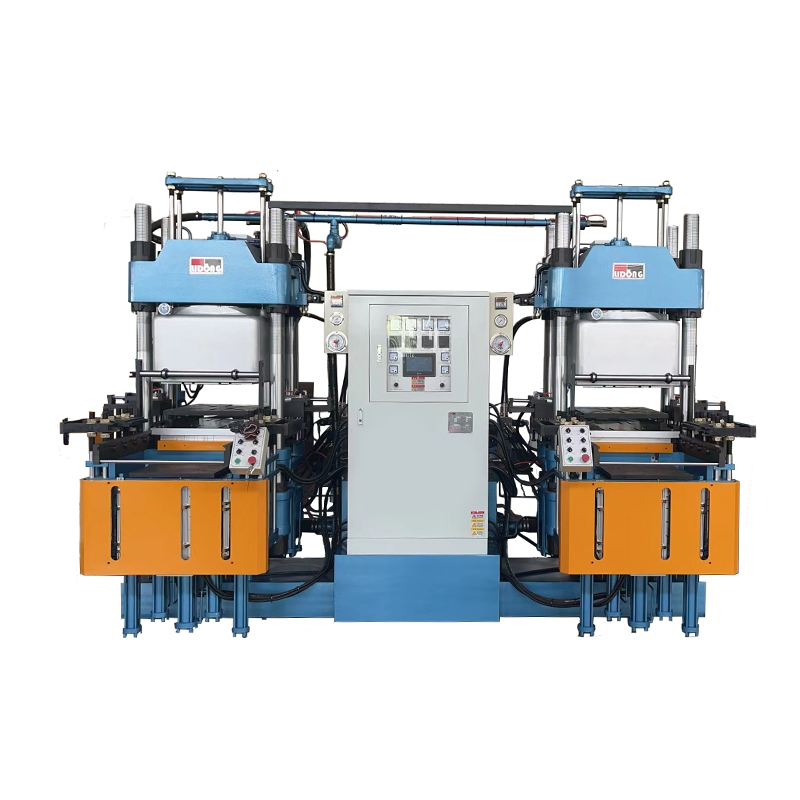
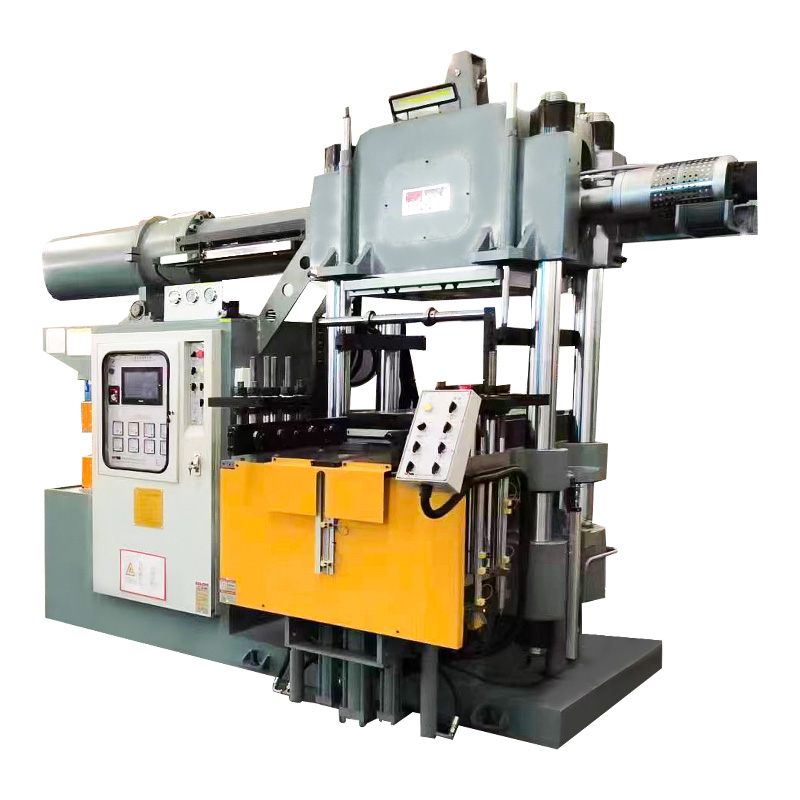
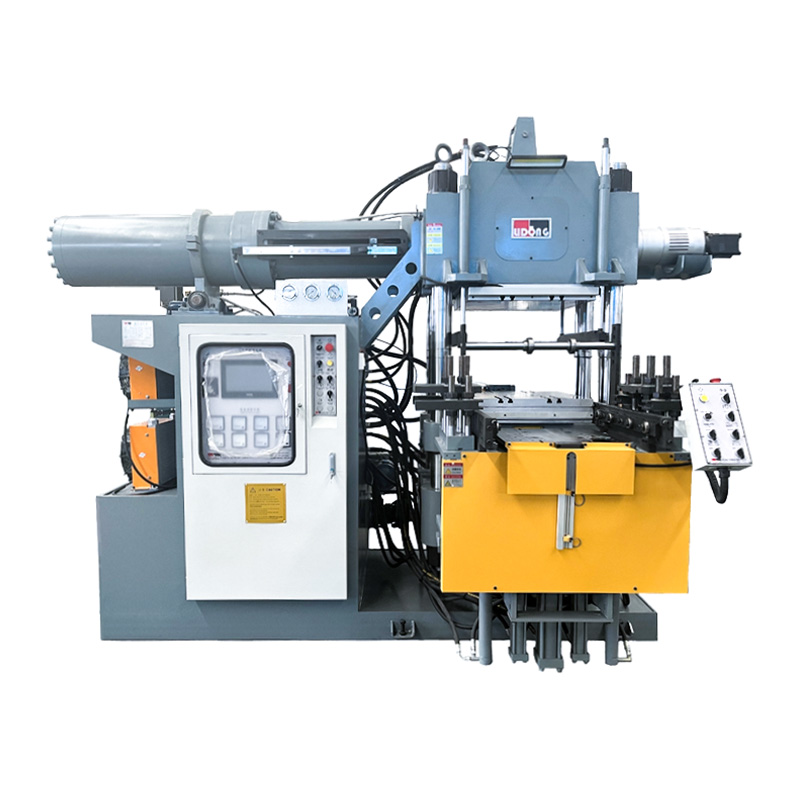
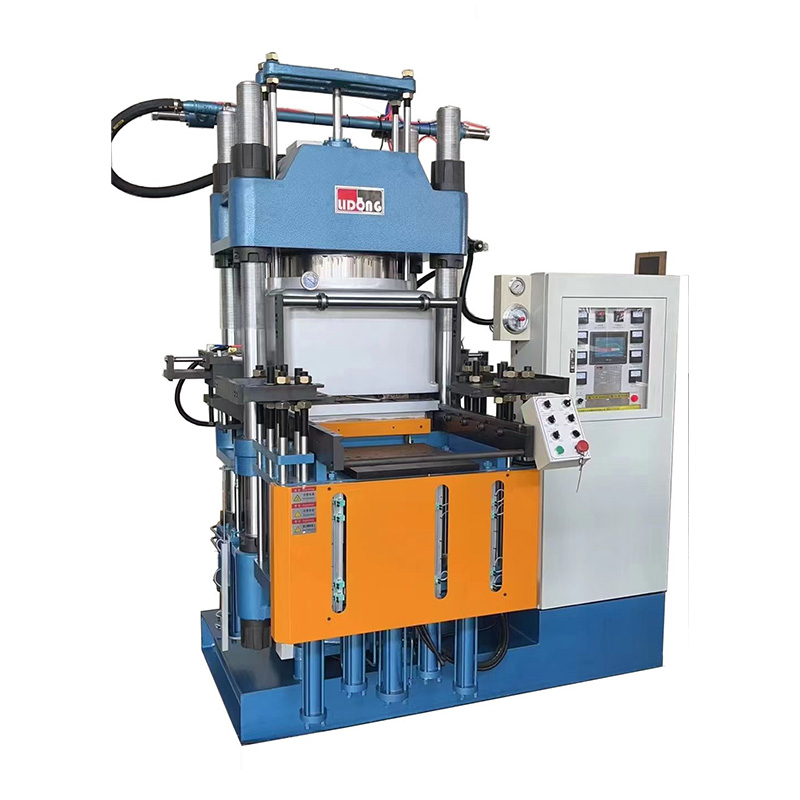
Equally important is selecting the right molding equipment. Different rubber formulations have different processing requirements in terms of injection pressure, temperature control, curing time, and mold design. A properly configured rubber injection molding machine helps achieve stable production, minimize material waste, and improve product consistency.