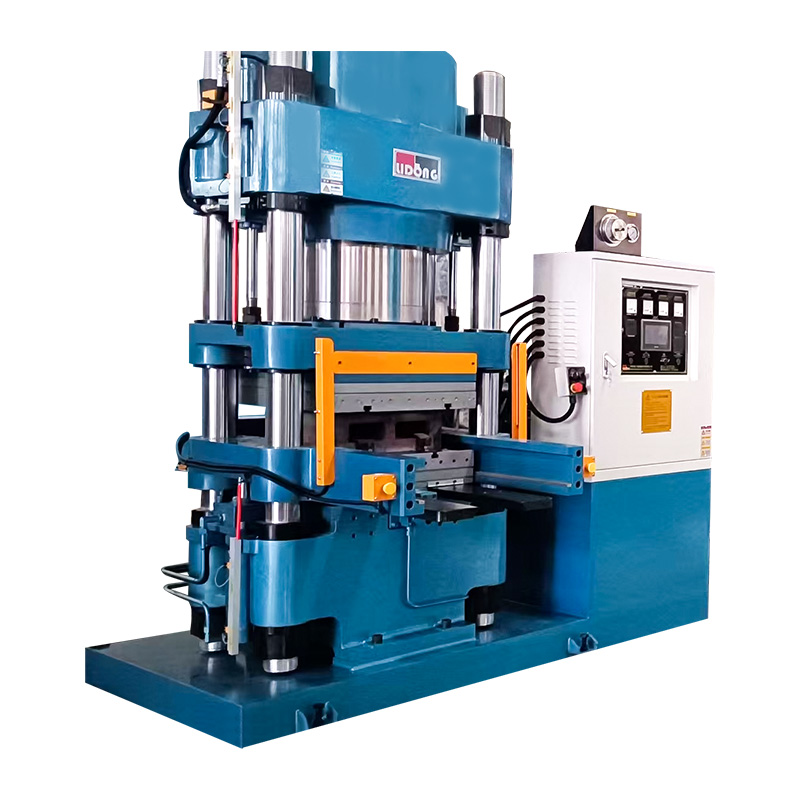
Key Considerations for Routine Maintenance and Upkeep of a Bus Brake Pad Press Machine
Regular Inspection of Hydraulic and Mechanical Components
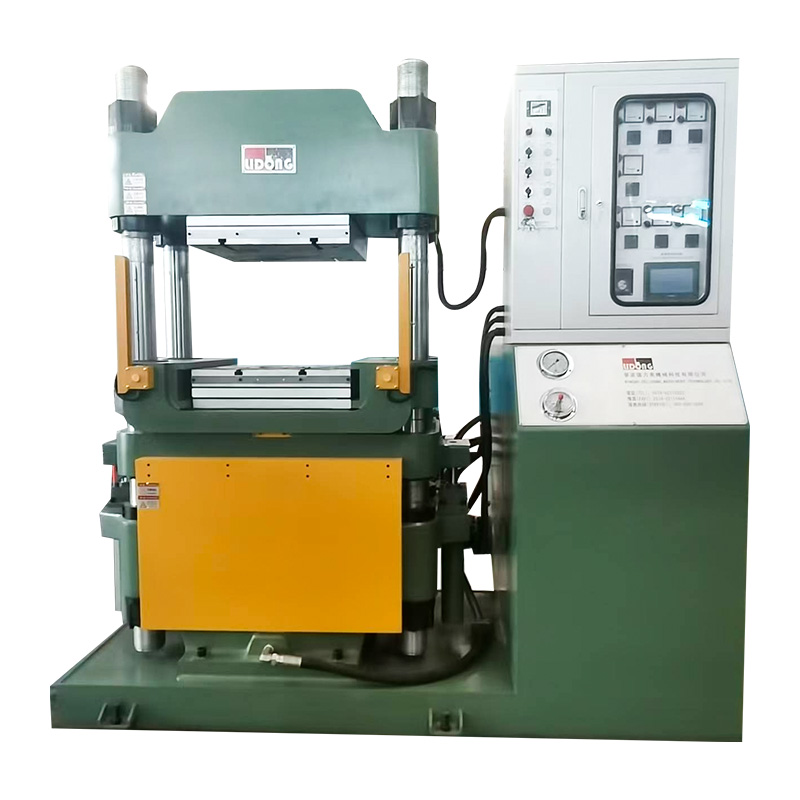
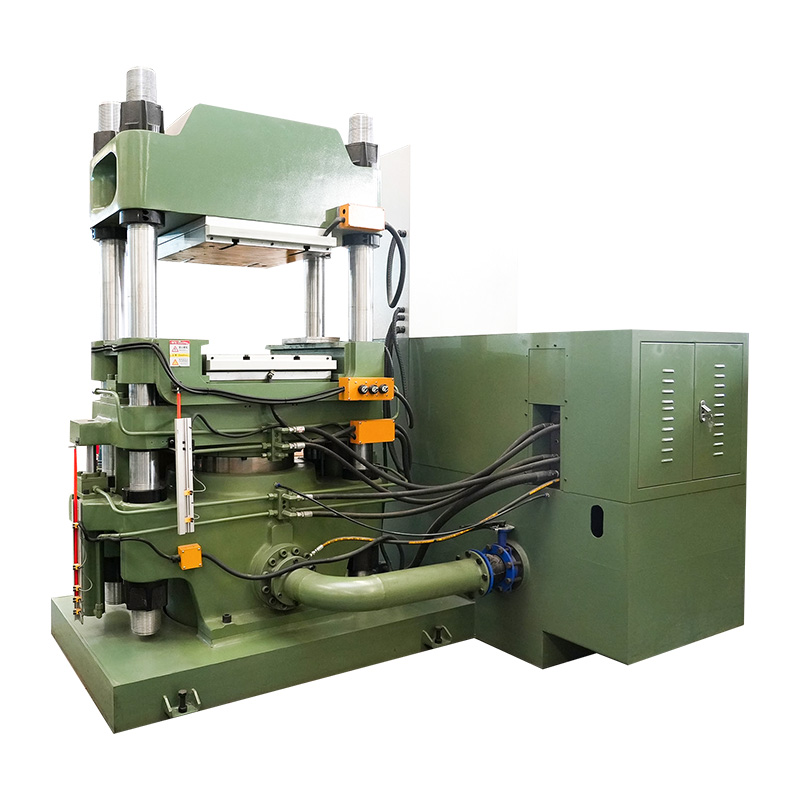
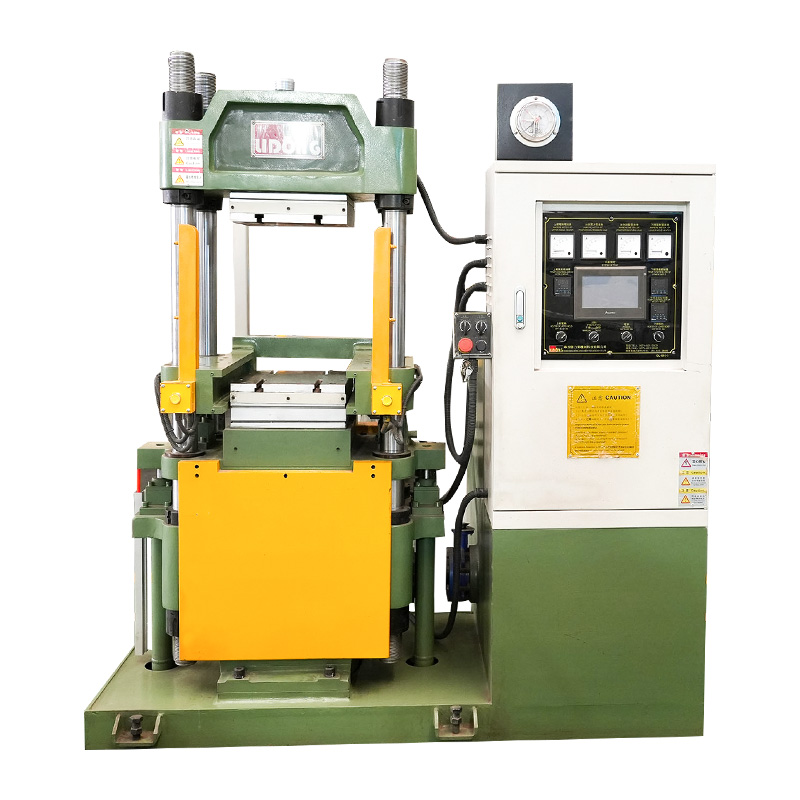
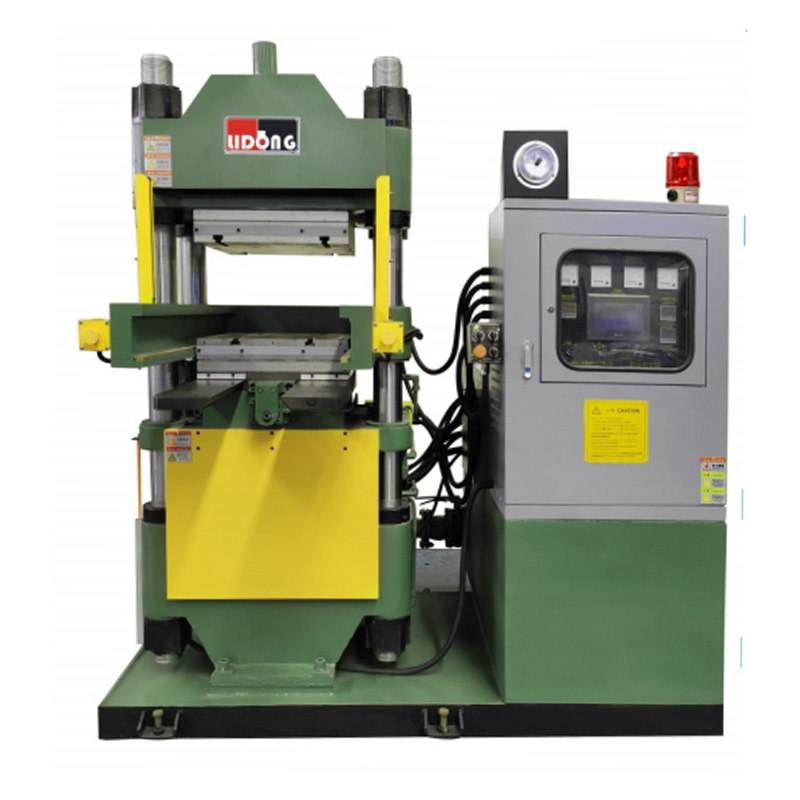
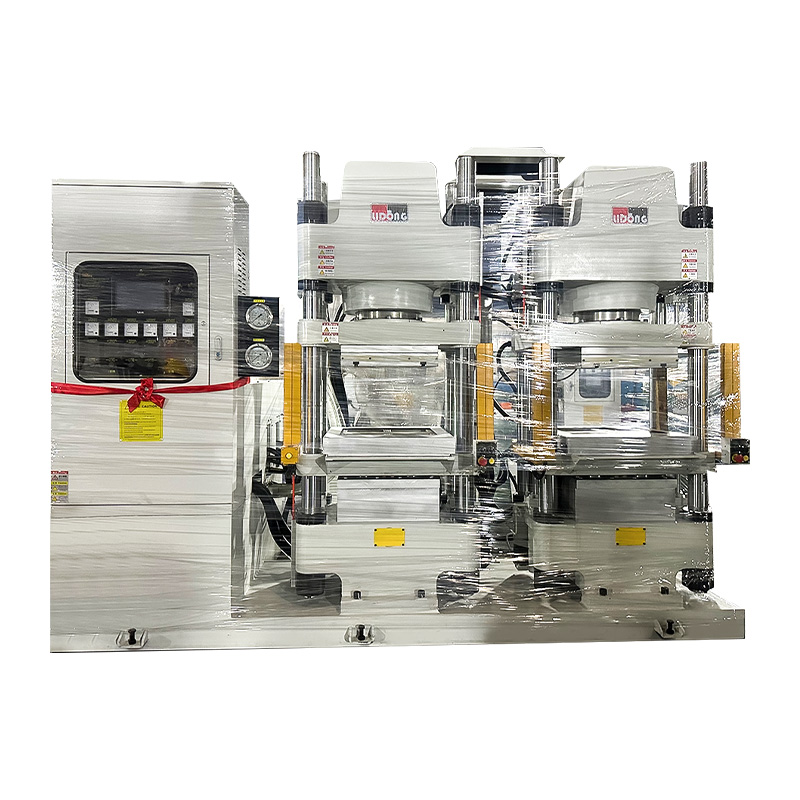
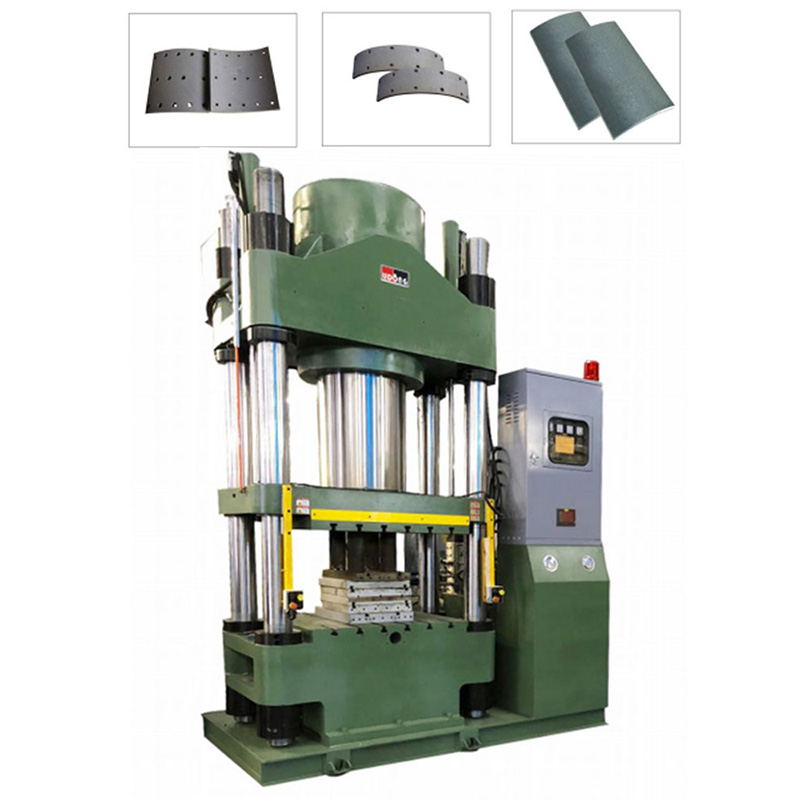
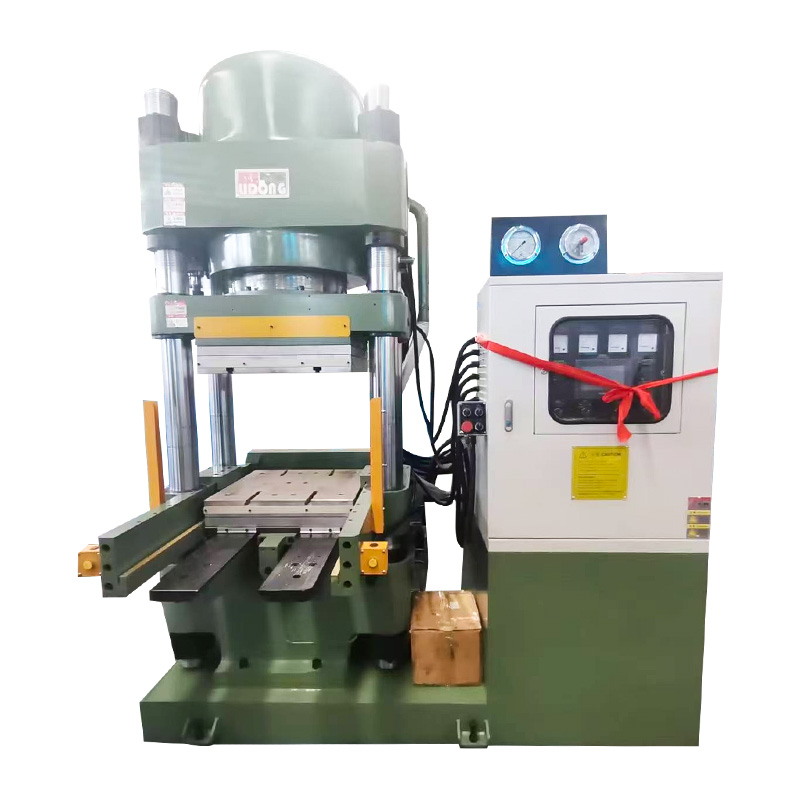
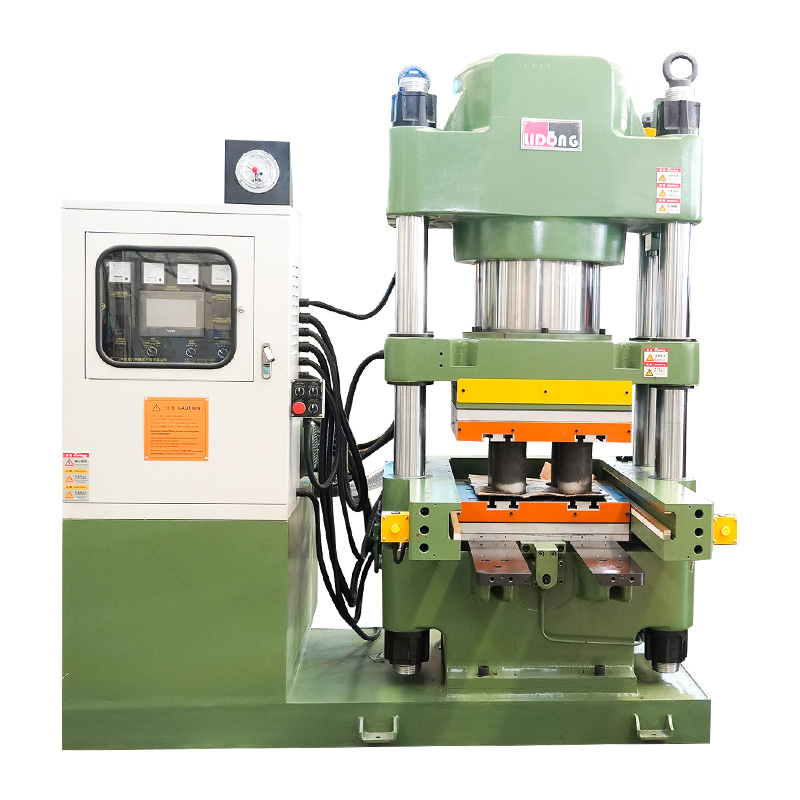
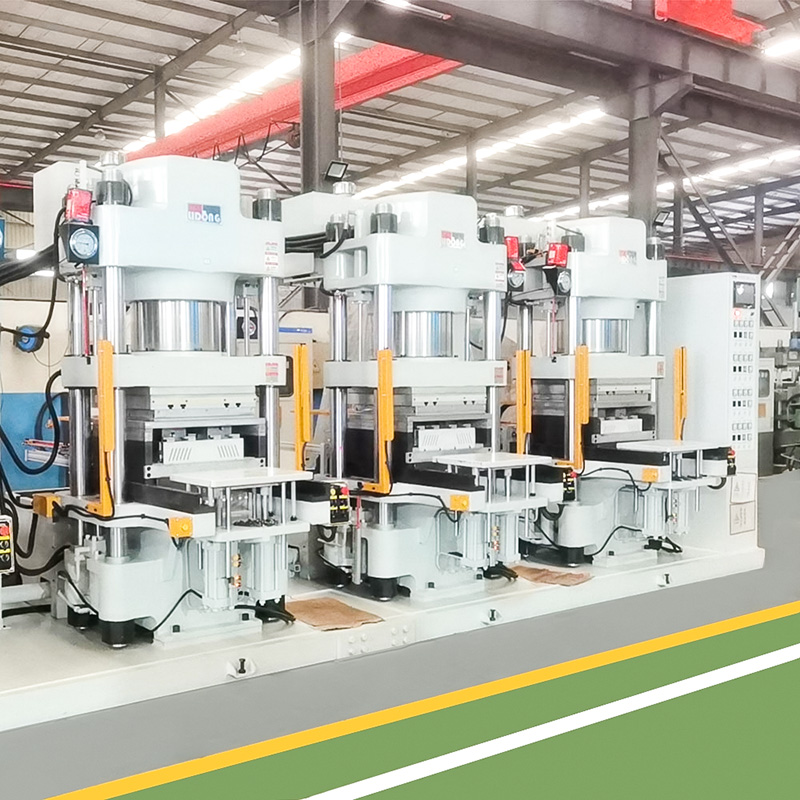
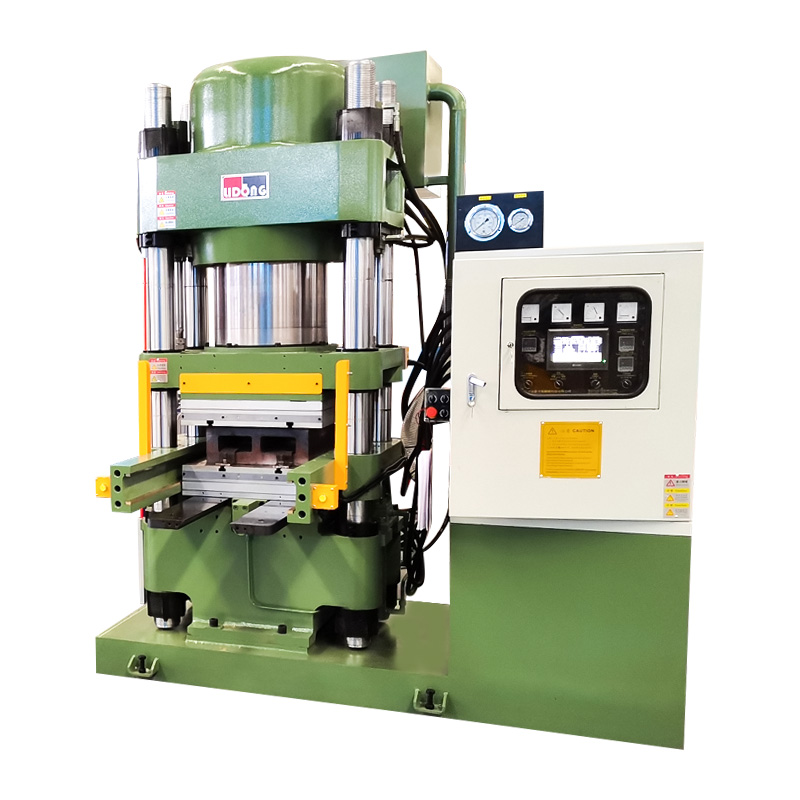
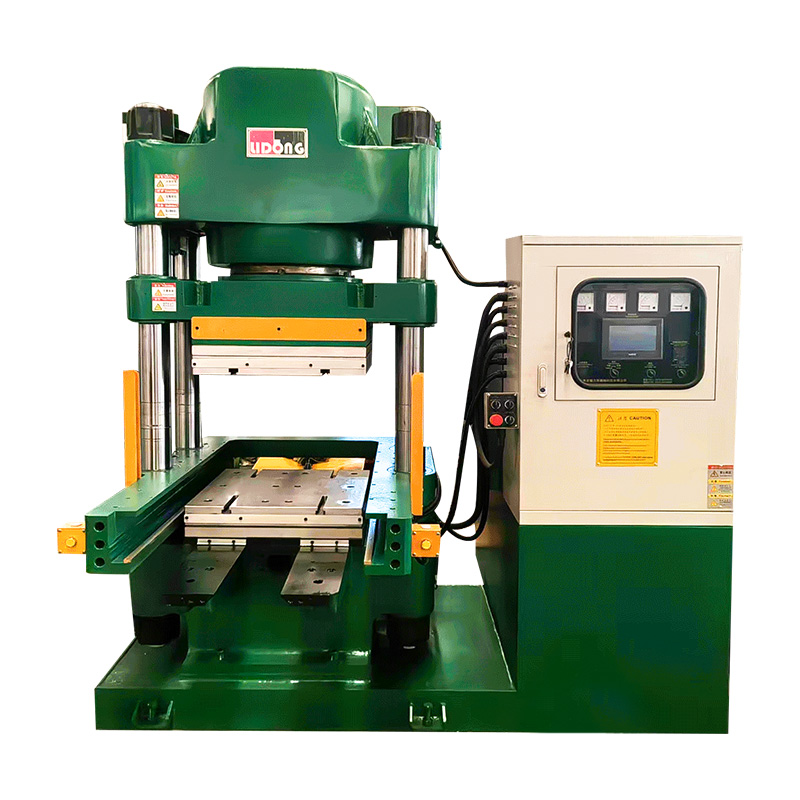
Bus brake pad press machines rely heavily on hydraulic and mechanical systems to provide consistent pressing force and accurate molding cycles. Companies such as Ningbo Delidong Machinery Technology Co., Ltd. design machines with robust hydraulic units and precision mechanical components. Routine inspection involves checking for hydraulic leaks, worn seals, or irregularities in cylinders and pistons. Mechanical elements like guide rails, screws, and clamping plates should be examined for alignment and wear. Addressing minor issues early helps maintain consistent operation and prevents unexpected downtime.
Lubrication and Wear Prevention
Proper lubrication is critical to ensure smooth operation and extend component life. Brake pad press machines from Ningbo Delidong incorporate moving parts that require regular lubrication, including bearings, sliding guides, and pivot points. Consistent lubrication reduces friction, minimizes wear, and maintains consistent cycle performance. Maintenance schedules should follow manufacturer guidelines, considering both usage intensity and operating environment, to prevent premature degradation of critical components.
Monitoring and Servicing Control Systems
Modern bus brake pad presses feature integrated control systems to manage pressing cycles, pressure, and timing. Routine maintenance should include checking electrical connections, sensors, and controllers for stability and accuracy. Ningbo Delidong Machinery Technology Co., Ltd. equips machines with interfaces that allow operators to verify system performance and calibrate sensors when needed. Ensuring the control system functions correctly helps maintain consistent quality and supports predictive maintenance strategies.
Cleaning and Mold Care
Mold condition is a major factor affecting product quality. Regular cleaning prevents material buildup that can cause defects or uneven pressing. Ningbo Delidong machines are designed with accessible molds to facilitate routine cleaning and inspection. Additionally, molds should be checked for surface wear, corrosion, or misalignment. Proper mold maintenance ensures consistent density and surface finish in brake pads and prolongs the lifespan of the mold itself.
Hydraulic Fluid and Cooling System Maintenance
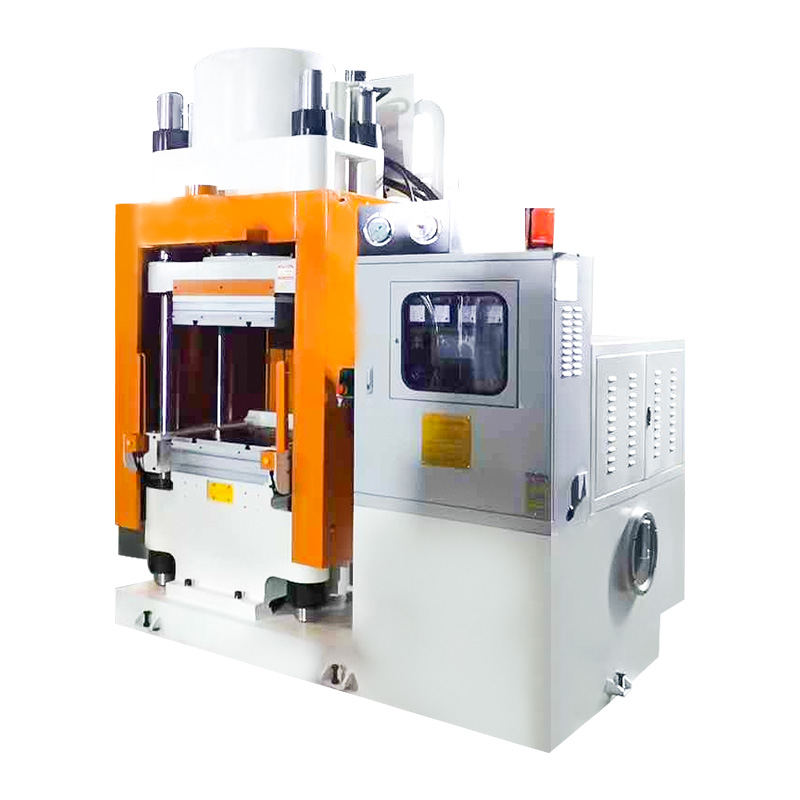
Hydraulic fluid quality is essential for consistent machine performance. Periodic replacement of hydraulic oil, along with monitoring for contamination or degradation, ensures stable pressure and responsiveness. Machines from Ningbo Delidong include temperature-controlled hydraulic circuits, and the cooling system should be inspected regularly to prevent overheating. Maintaining fluid quality and cooling efficiency contributes to the reliability of the press and consistent part quality.
Preventive Maintenance Scheduling
Establishing a preventive maintenance schedule helps ensure that bus brake pad press machines operate continuously without unexpected interruptions. This schedule should include inspections, lubrication, cleaning, and calibration tasks. By documenting maintenance activities and component conditions, production teams can predict potential issues and plan replacements or servicing proactively. For manufacturers like Ningbo Delidong Machinery Technology Co., Ltd., preventive maintenance supports high-volume production and reduces the risk of costly downtime.
Key Maintenance Parameters Table
| Maintenance Item |
Purpose |
Recommended Frequency |
| Hydraulic System |
Ensures consistent pressing pressure and smooth operation |
Monthly inspection, oil change as per operating hours |
| Mechanical Components |
Prevents wear and maintains alignment |
Weekly visual inspection and lubrication |
| Control Systems and Sensors |
Maintains accurate cycle timing and pressure monitoring |
Monthly system check and calibration |
| Molds |
Ensures product consistency and prevents material buildup |
After each production batch or weekly cleaning |
| Cooling System |
Prevents overheating of hydraulic components |
Monthly inspection of fluid flow and temperature regulation |
Record Keeping and Operator Training
Maintaining detailed records of maintenance activities and machine performance is essential for long-term reliability. Operators should be trained to recognize early signs of wear, hydraulic leaks, or sensor irregularities. Ningbo Delidong Machinery Technology Co., Ltd. provides guidance on operational procedures and maintenance best practices. Continuous training and proper documentation support consistent production quality and reduce the likelihood of unexpected failures.
FAQ
Q: What types of bus brake pad press machines does Delidong offer, and can they be customized for specific production requirements?
A: Delidong manufactures a range of brake pad press machines covering drum brake pad presses, disc brake pad presses, and construction machinery brake pad presses. Beyond standard configurations, the company has strong non-standard customization capabilities backed by multiple invention and utility model patents, allowing engineering teams to develop press machines tailored to specific mold dimensions, pressing tonnage, cycle times, or automation integration requirements that standard equipment may not accommodate.
Q: How does a bus brake pad press machine ensure consistent pressing pressure across each production cycle?
A: Consistent pressing pressure is achieved through a closed-loop hydraulic control system that monitors and adjusts pressure in real time throughout each cycle. This ensures that the density and bonding strength of the friction material remain uniform across batches — a critical requirement for bus brake pads, where performance variation between individual pads can affect braking balance and safety. Delidong's machines are engineered with this consistency requirement as a core design priority.
Q: What is the typical production capacity of a bus brake pad press machine, and what factors influence cycle time?
A: Production capacity varies depending on the machine configuration, mold cavity count, and the specific friction material formulation being pressed. Key factors influencing cycle time include pressing temperature, holding pressure duration, material cure characteristics, and the degree of automation integrated into the loading and unloading process. Delidong's intelligent manufacturing systems can be paired with press machines to reduce manual handling time and increase overall output per shift.
Q: What heating system is used in bus brake pad press machines, and how is temperature uniformity maintained across the mold surface?
A: Bus brake pad press machines typically use electric heating platens with embedded resistance elements distributed across the mold surface. Temperature uniformity is maintained through zone-based temperature control, where multiple sensors monitor different areas of the platen independently and adjust heating output to compensate for any variance. Delidong applies this approach across its vulcanizing press product lines, drawing on experience from vacuum vulcanizing machine development where precise thermal control is similarly critical.
Q: How does Delidong's experience in intelligent manufacturing systems benefit buyers of bus brake pad press machines?
A: As a company recognized as a National High-Tech Enterprise and National Technological Innovation Enterprise, Delidong integrates intelligent manufacturing capabilities directly into its press machine offerings. This means buyers can opt for machines equipped with PLC-based control systems, data logging, fault diagnostics, and remote monitoring functions that improve process traceability and reduce downtime. For bus brake pad manufacturers operating under quality management systems that require production data records, this integration adds practical value beyond the mechanical pressing function itself.
Q: What safety features are typically incorporated into a bus brake pad press machine for operator protection?
A: Safety features commonly include dual-hand operation controls that prevent the press from closing unless both hands are engaged, emergency stop circuits, overload pressure relief valves, and physical guarding around moving components. For automated configurations, light curtains or proximity sensors provide additional protection by halting machine motion when an operator enters the working zone during a cycle. Delidong designs its equipment in line with industrial safety standards applicable to hydraulic press machinery.
Q: What maintenance requirements should operators plan for to keep a bus brake pad press machine running reliably over time?
A: Routine maintenance for a bus brake pad press machine covers hydraulic oil condition and level checks, filter replacement at scheduled intervals, inspection of seals and cylinder components for wear, verification of heating element performance, and calibration of pressure and temperature sensors. Mold surfaces also require periodic cleaning to prevent friction material residue buildup that can affect part release and dimensional accuracy. Delidong provides maintenance documentation with its equipment and offers technical support for operators establishing preventive maintenance schedules.

 English
 عربى
عربى
 中文繁体
中文繁体