Industry Background and Equipment Positioning
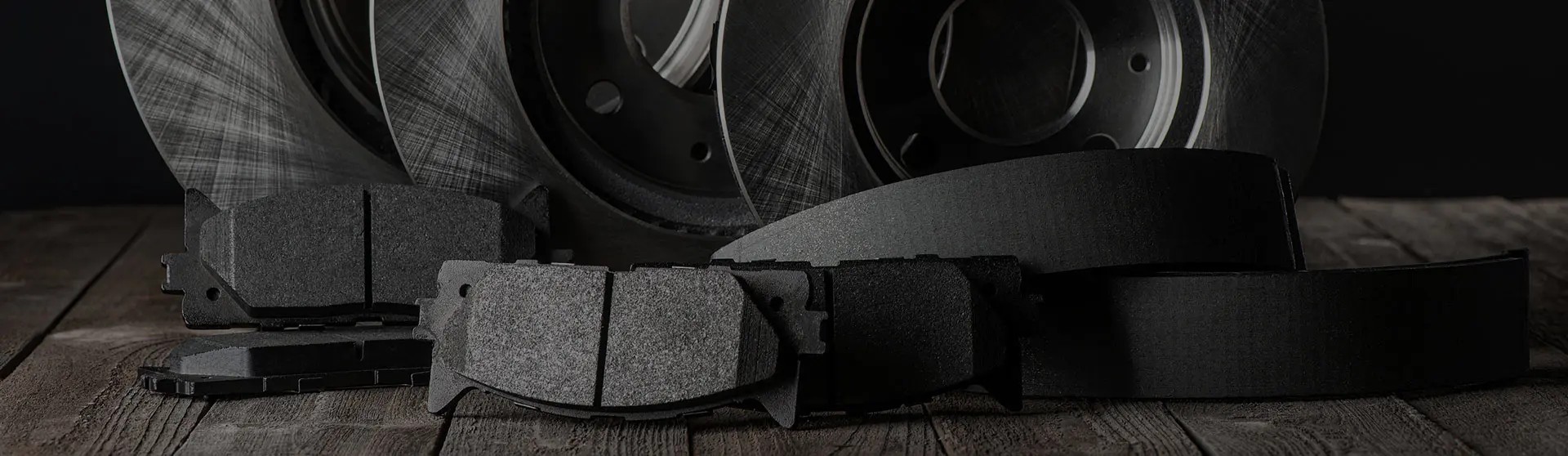
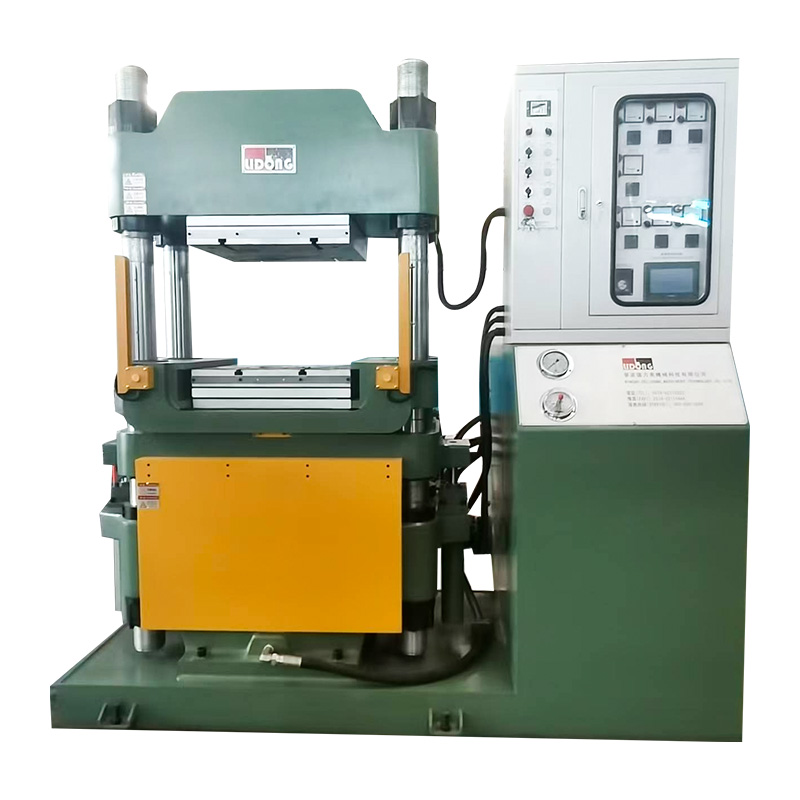
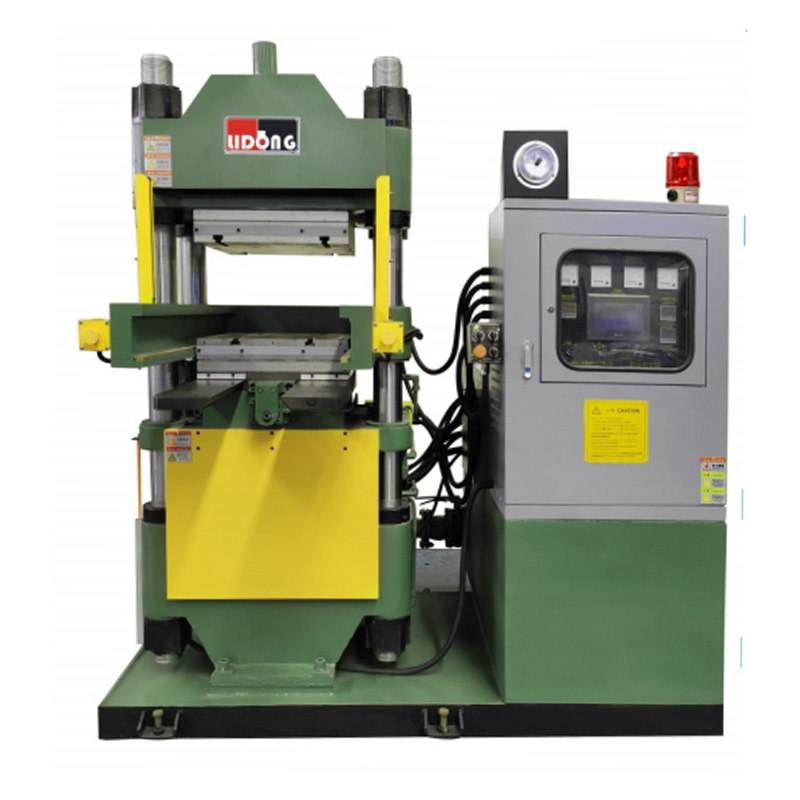
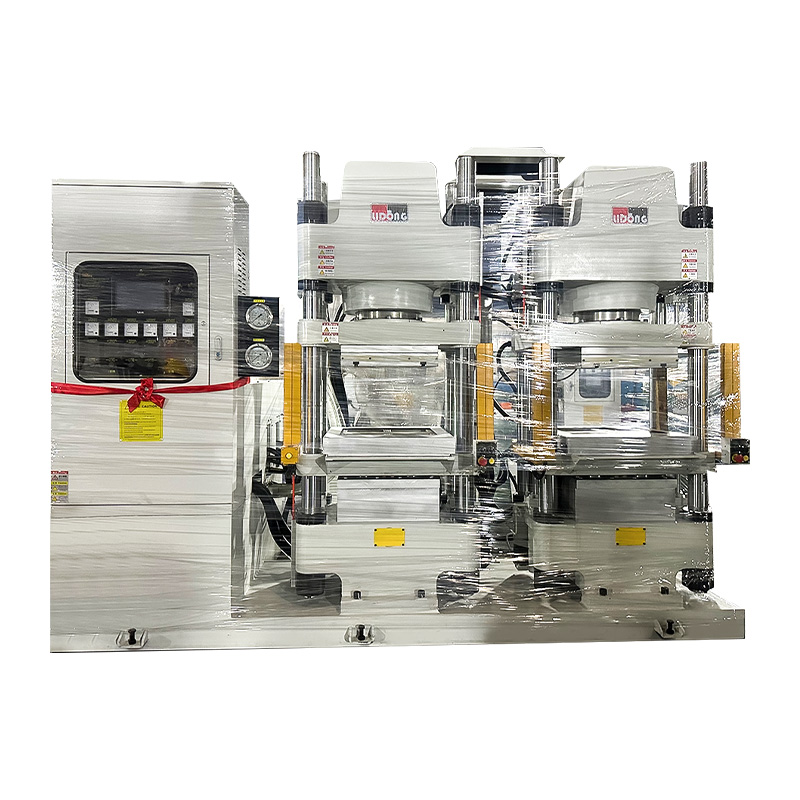
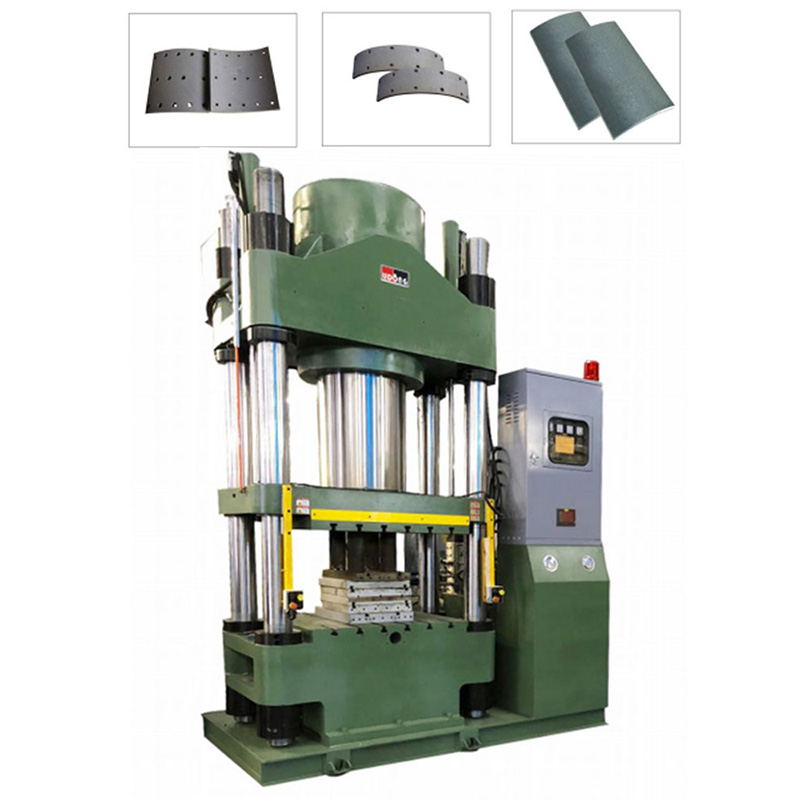
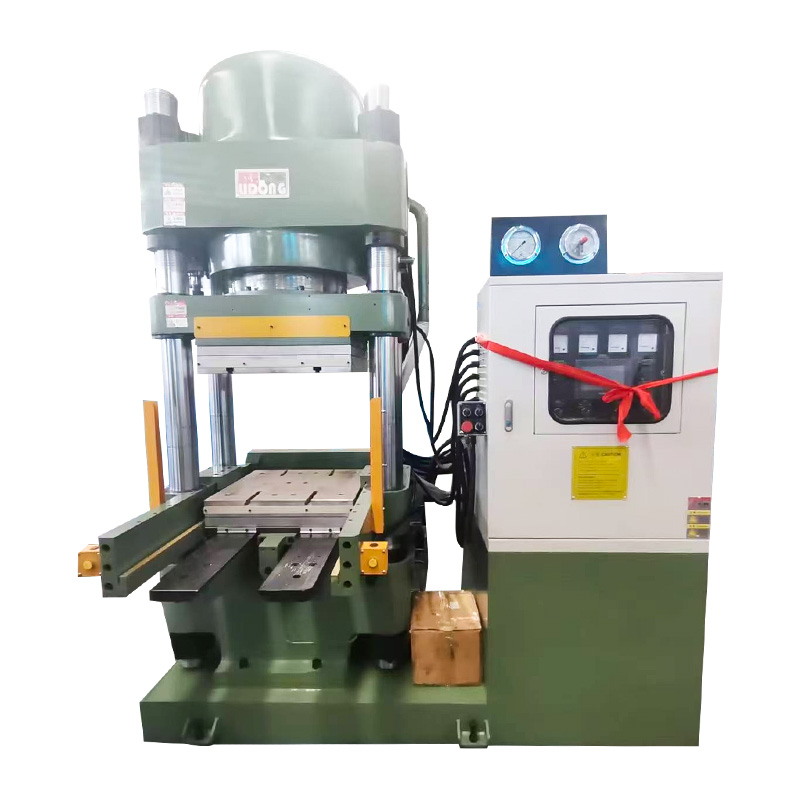
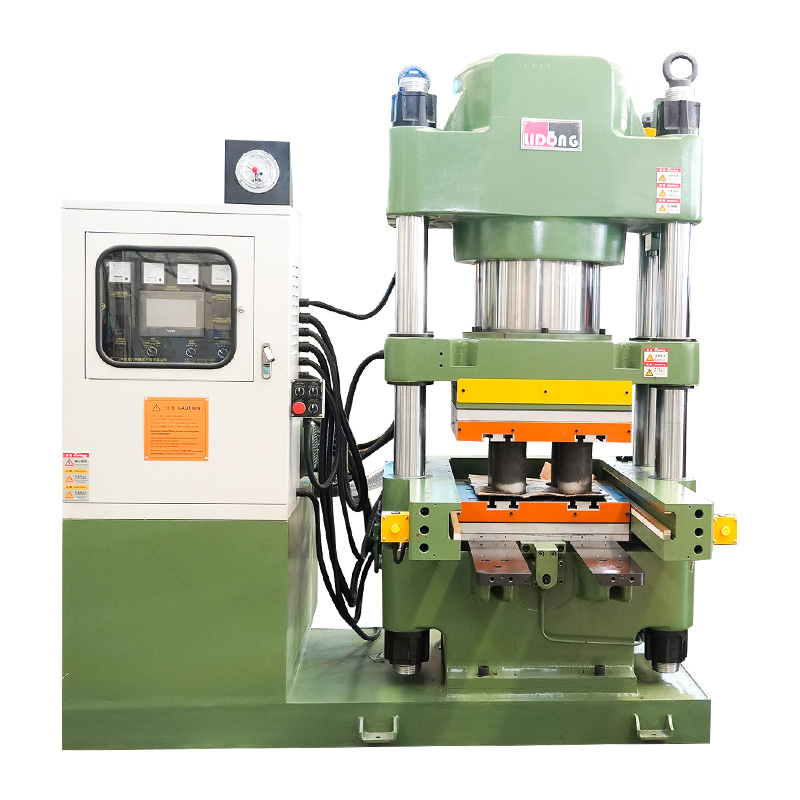
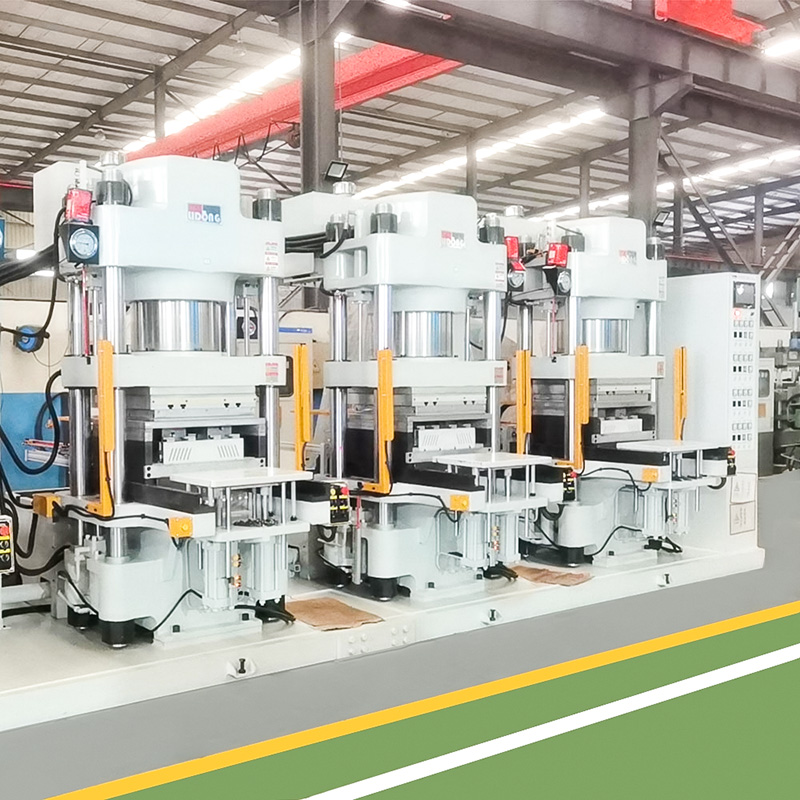
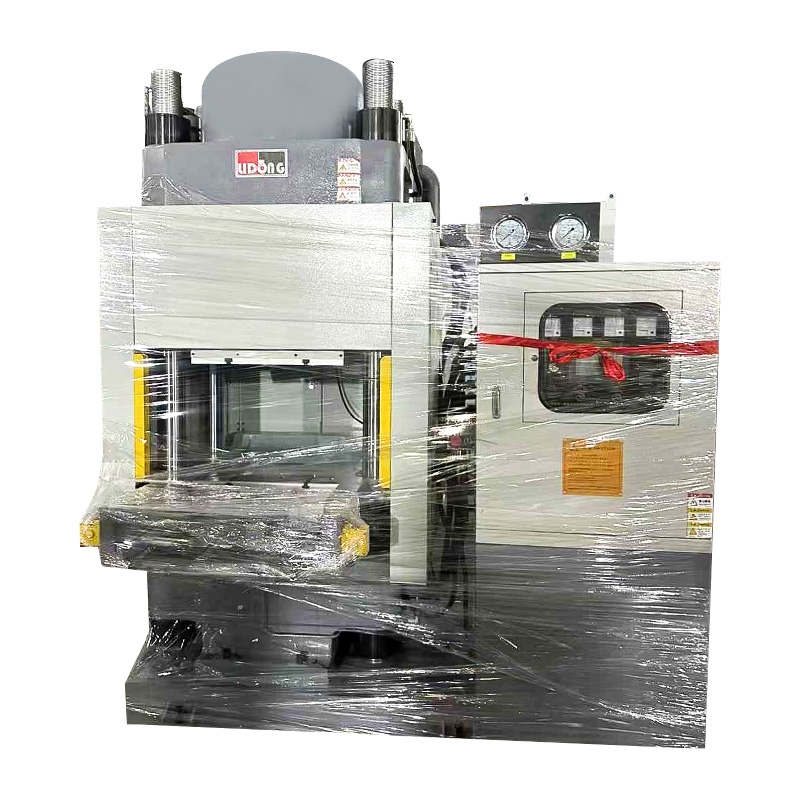
The Copper Base Brake Pad Press Machine falls under the category of friction material molding equipment and constitutes one of the critical assets within the automotive braking system supply chain. Brake pad production typically comprises several stages—including mixing, pre-forming, hot-press molding, and post-processing—among which the pressing stage directly determines the product's density, mechanical strength, and friction performance, making it the core operation within the entire manufacturing workflow.
Copper-Based Friction Material Systems
Copper-based brake pads utilize copper powder as the core material for thermal conduction and performance modulation. Typical formulations also incorporate resins, graphite, sulfides, fiber reinforcements, and various other fillers. Within this composition, copper primarily serves to:
- Facilitate rapid heat dissipation, thereby minimizing temperature rise during braking;
- Enhance friction stability;
- Improve fade resistance under high-temperature operating conditions.
During the hot-pressing process, the materials undergo initial curing and structural formation under conditions of high temperature and high pressure, thereby establishing the foundation for their subsequent performance characteristics.
Principles of the Pressing Process (Hot Press Molding)
The equipment utilizes a hydraulic system to generate high pressure, working in conjunction with a mold heating system to achieve hot press molding. The core of this process lies in the synergistic interaction of "Temperature + Pressure + Time":
- The material softens as it is heated within the mold.
- Under the application of pressure, the material densifies and internal gases are expelled.
- The resin undergoes a cross-linking reaction to form a stable structural matrix.
- The final shape is set through a process of cooling or pressure holding.
This process directly influences the density uniformity and frictional performance stability of the brake pads.
Analysis of Core Equipment Systems
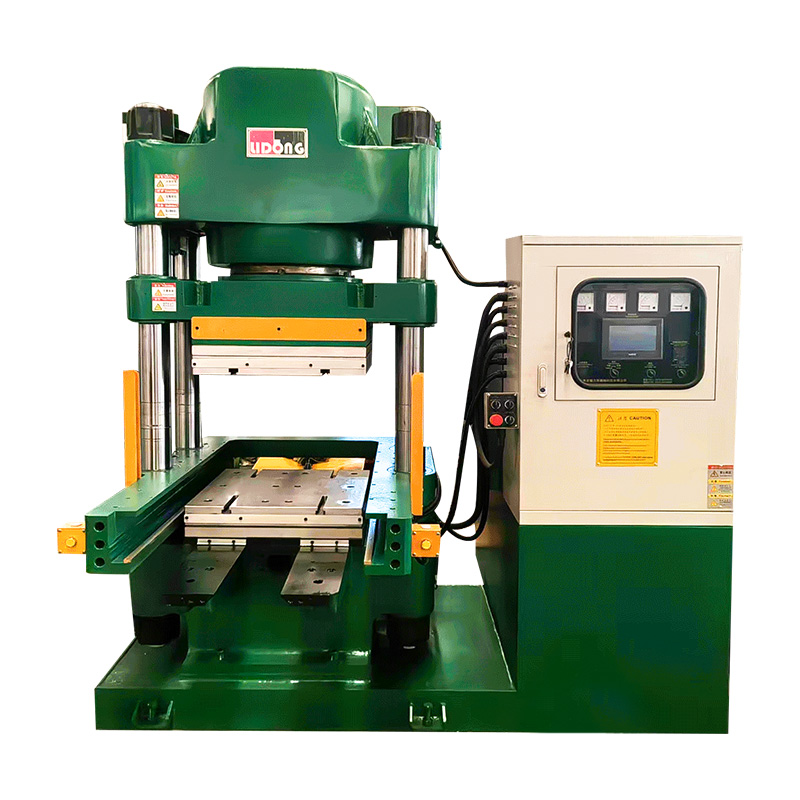
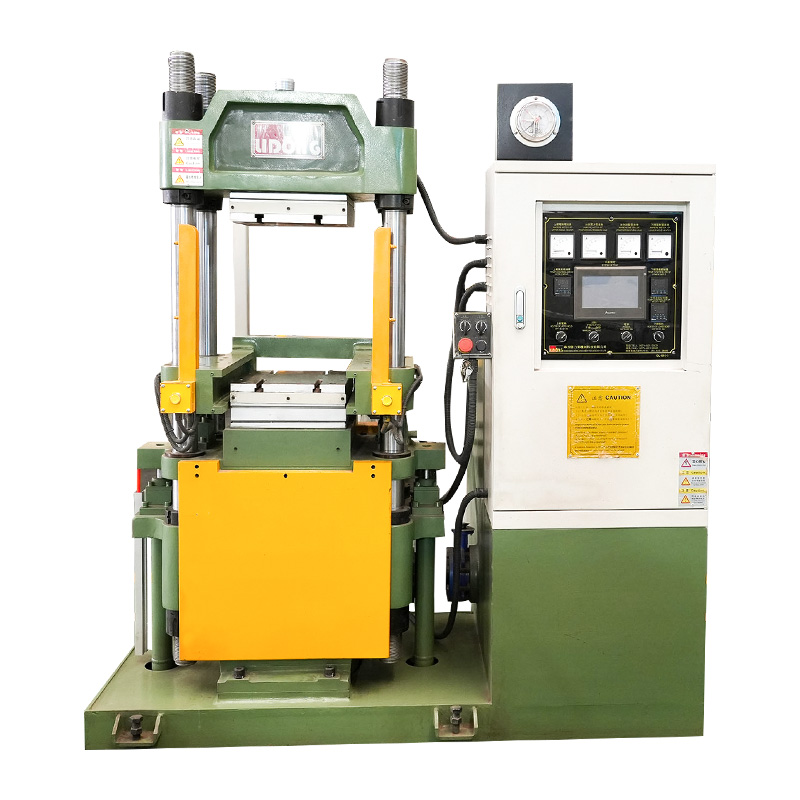
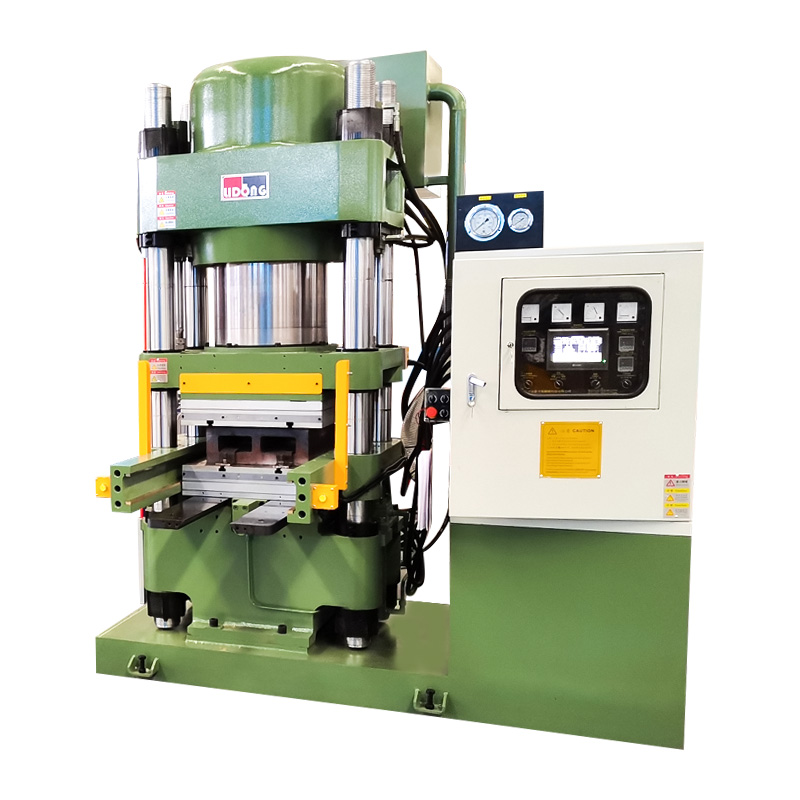
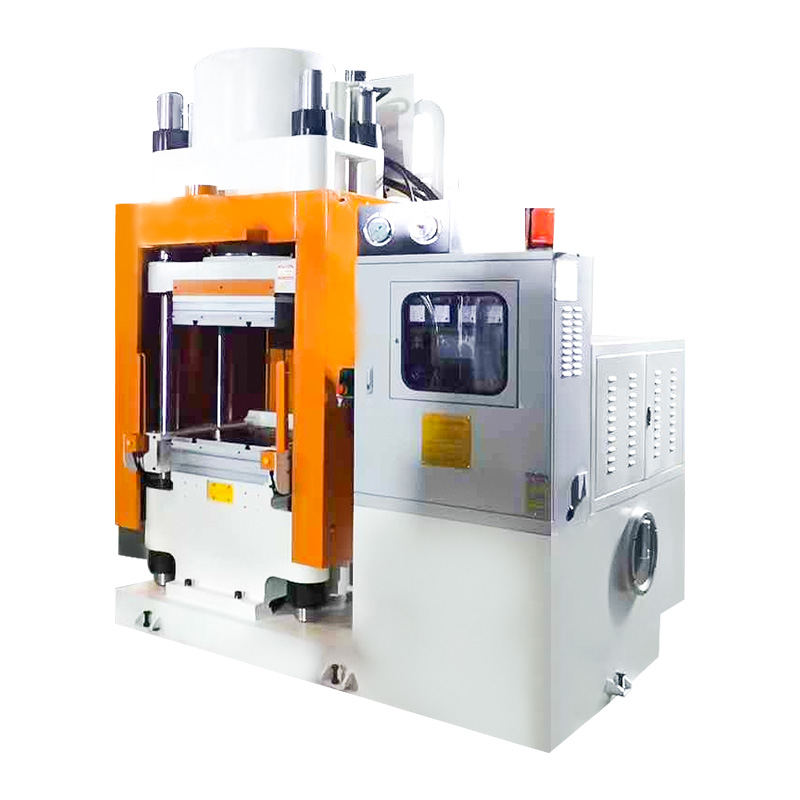
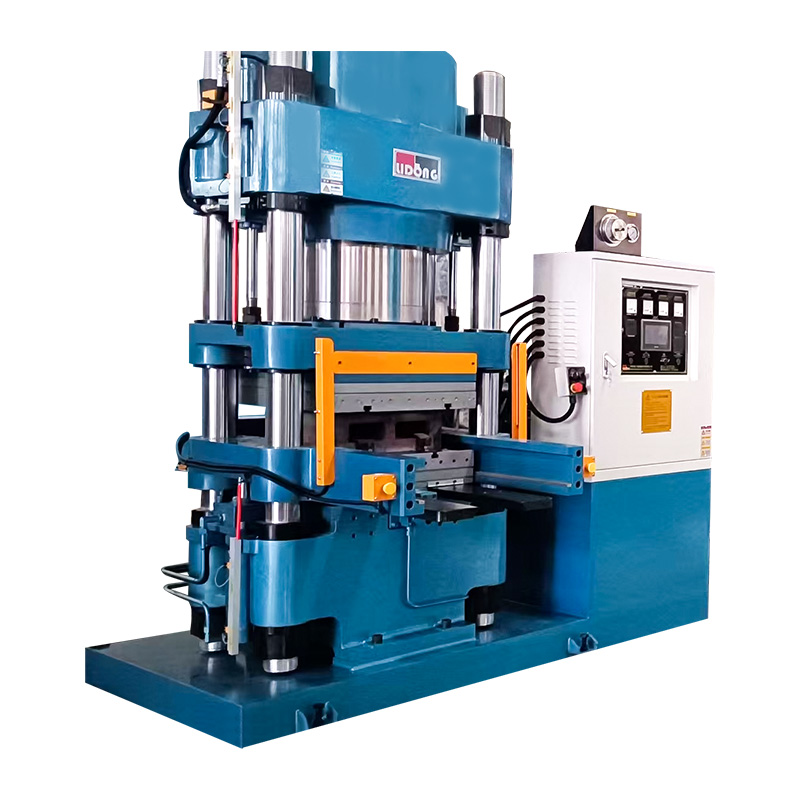
- Frame System: Constructed from high-strength steel, the frame undergoes stress-relieving treatment to ensure stability under sustained, high-tonnage pressure over the long term.
- Hydraulic System: Provides the primary pressing force. Certain high-end models utilize servo-hydraulic systems to achieve precise pressure control and energy-efficient operation.
- Heating System: Typically employs electric heating or thermal oil heating. When integrated with a PID temperature control system, it ensures precise and uniform temperature regulation of the mold.
- Mold System: Molds are manufactured from highly wear-resistant alloy steel and undergo surface treatments (such as nitriding) to enhance their service life and demolding performance.
- Control System: Combining a PLC with a touchscreen interface, the system enables the programming of pressing curves (pressure-temperature-time profiles) and features automated operation and data logging capabilities.
Production Process and the Critical Role of the Press Machine
The manufacturing process for brake pads typically follows this sequence:
Raw Material Proportioning - Mixing - Pre-forming - Hot Press Molding (Critical Stage) - Post-curing - Machining - Inspection - Packaging
Among these stages, the Copper Base Brake Pad Press Machine determines the product's density, dimensional accuracy, and initial structural integrity; it serves as the core equipment within the entire quality control system.
Key Performance Indicators
- Pressure Range: 100T – 1000T and above
- Temperature Range: 150°C – 300°C
- Temperature Control Accuracy: Within ±1°C (for high-end equipment)
- Pressing Accuracy: Highly stable closed-loop control
- Automation Level: Capable of fully automated production
Industry Application Fields
Copper-based brake pads and their associated pressing equipment are widely utilized in the following sectors:
- Passenger vehicles and luxury automobiles
- Commercial vehicles and heavy-duty transport vehicles
- Construction machinery and mining equipment
- Public transportation systems
- High-performance racing vehicles and specialized operating environments
Environmental Regulations and Industry Challenges
As global environmental standards rise, the use of copper-based materials is facing increasing restrictions; for instance, regulations in the United States and the European Union are driving the development of "low-copper" or "copper-free" brake materials. This trend imposes more rigorous demands on manufacturing equipment:
- Greater process adaptability and flexibility
- Enhanced stability and consistency
- Broader material compatibility
Technological Trends and Corporate Capabilities
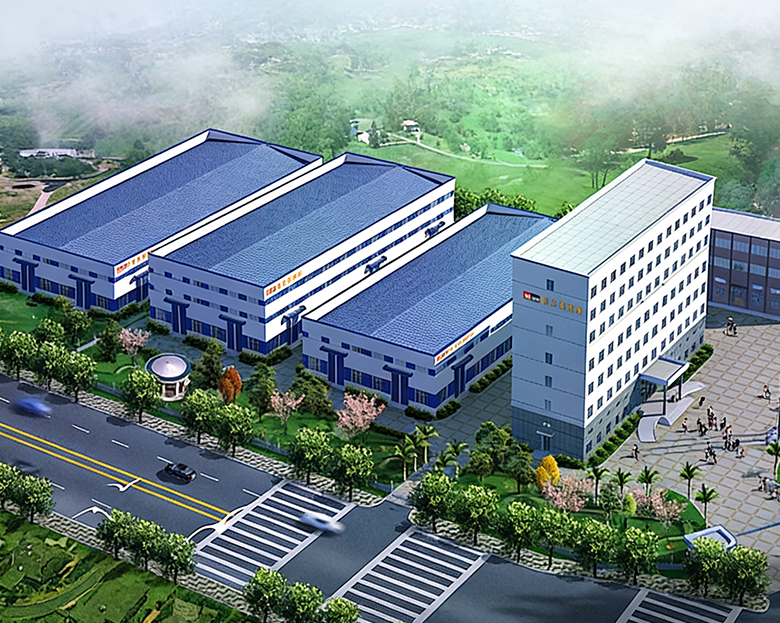
Against the backdrop of rapid technological advancement within the industry, Ningbo Delidong Machinery Technology Co., Ltd.—as a specialized manufacturer—possesses significant technical and market advantages in this field.
The company specializes in the manufacturing of equipment such as rubber injection molding machines, vacuum vulcanizing machines, custom-engineered non-standard vulcanizing equipment, as well as disc brake pad presses, drum brake pad presses, and heavy-duty machinery brake pad presses. Additionally, it provides a range of intelligent manufacturing systems and custom automation solutions.
The company holds numerous patents for both inventions and utility models. It has been officially recognized as a National High-Tech Enterprise and a National Technological Innovation Enterprise, and serves as a Council Member of the China Friction & Sealing Materials Association. These credentials underscore its technical prowess and prominent standing within the friction materials equipment sector.
In the development of equipment—such as Copper-Base Brake Pad Presses—the company leverages the following core strengths:
- Advanced design capabilities
- Mature manufacturing processes
- A comprehensive management system
- A professional after-sales service network
By continuously integrating advanced technologies and design concepts from both domestic and international sources, the company ensures that its equipment maintains high performance and exceptional stability during long-term operation, thereby guaranteeing the quality of the resulting brake pad products and meeting the diverse needs of its clientele.
Furthermore, the company's products are widely exported to both domestic and international markets. Having established long-term, stable cooperative relationships with numerous enterprises, the company has cultivated an excellent market reputation within the industry, thereby laying a solid foundation for its continued growth and development.
Equipment Selection and Application Recommendations
When selecting a Copper Base Brake Pad Press Machine, key factors to consider include:
- Product Type (Passenger Vehicles / Commercial Vehicles / Construction Machinery)
- Compatibility between Press Tonnage and Mold Dimensions
- Level of Automation and Production Line Integration Capabilities
- Precision of Temperature and Pressure Control
- Equipment Stability and Maintenance Costs
- Supplier Technical Support Capabilities
Future Development Trends in the Industry
In the future, this equipment—along with the entire brake pad manufacturing industry—is expected to evolve in the following directions:
- Highly automated and intelligent production lines
- Application of servo-driven and energy-saving technologies
- Enhanced precision and consistency control
- Adaptation to eco-friendly materials (low-copper/copper-free)
- Integration of digitalization and intelligent manufacturing systems
Throughout this process, enterprises possessing a strong foundation of technical expertise and innovative capabilities (such as Delidong) will play a pivotal role in the industry's upgrading, continuously driving improvements in equipment performance and fostering industrial advancement.

 English
 عربى
عربى
 中文繁体
中文繁体