 English
 عربى
عربى
 中文繁体
中文繁体

Content
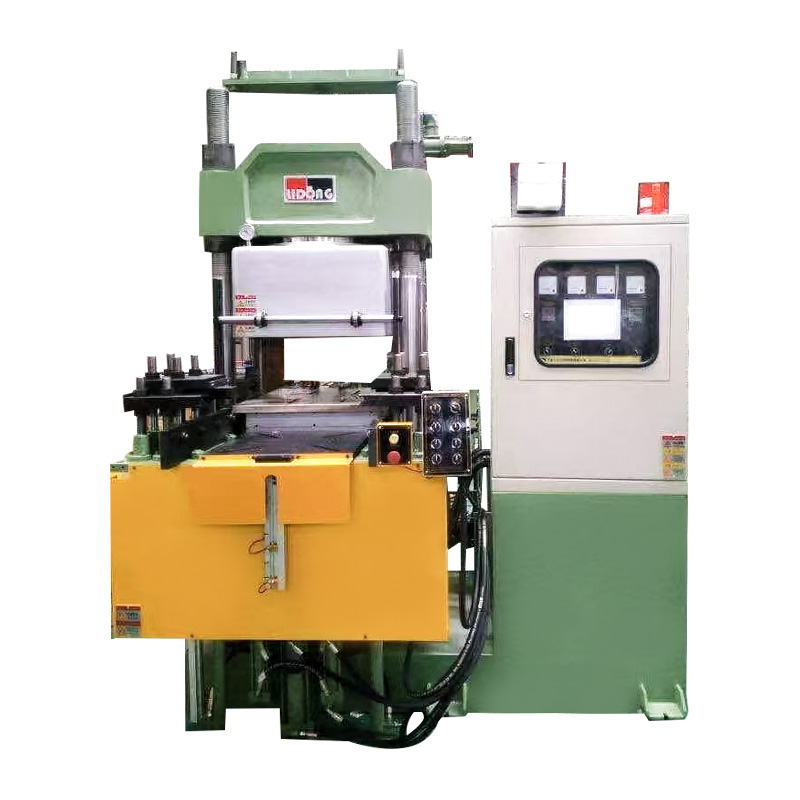
Valve vulcanizing machines are used to mold and cure rubber valve components—most commonly tire valve stems, industrial control valve seals, and automotive check valves—by applying controlled heat and pressure to raw rubber compound inside a precision mold. For manufacturers producing at scale, these machines typically deliver a return on investment within 12 to 24 months, driven primarily by reduced scrap rates, faster cycle times compared to manual or semi-automated curing methods, and the ability to meet the tight dimensional tolerances automotive and industrial buyers require.
We break down the specific applications of valve vulcanizing machines across automotive and industrial manufacturing, the cost factors that determine ROI, and how to evaluate whether the investment makes sense for your production volume.
What Valve Vulcanizing Machines Actually Do
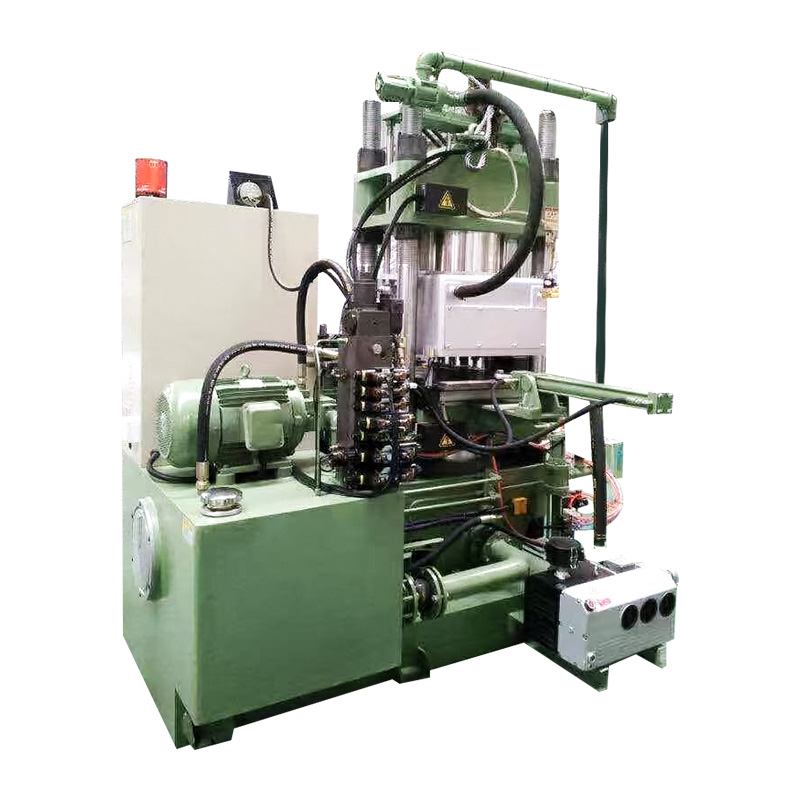
A valve vulcanizing machine clamps a metal mold containing raw, uncured rubber compound around a valve core or stem, then applies heat (typically 150°C–190°C) and pressure to trigger the vulcanization reaction—cross-linking the rubber's polymer chains to give it the elasticity, heat resistance, and durability required for automotive and industrial sealing applications. Without this controlled cure process, rubber valve components would remain soft, sticky, and structurally unstable, unable to hold pressure or resist the heat and chemical exposure they encounter in service.
Why Precision Matters Here Specifically
Valve components have tighter tolerance requirements than many other molded rubber parts because they need to form a reliable seal under pressure—often for the life of the vehicle or equipment. A tire valve stem, for example, must maintain an airtight seal against constant vibration, temperature swings, and road debris exposure for years without failure.
Automotive Applications
The automotive sector is the largest end market for valve vulcanizing machines, driven by high-volume, tightly specified components.
Tire Valve Stems
Tire valve stems represent the single largest volume application, with global tire production exceeding 2 billion units annually—each requiring a rubber valve stem molded to precise dimensional and pressure-holding specifications. High-speed valve vulcanizing machines with multi-cavity molds are standard in this segment to keep pace with tire manufacturing throughput.
TPMS (Tire Pressure Monitoring System) Valve Components
As TPMS has become mandatory in many markets (including the U.S. since 2007 under federal regulation), rubber valve seals for sensor housings have become a growing niche requiring even tighter tolerances than standard valve stems, since sensor electronics must remain sealed against moisture and road debris.
Engine and Fluid System Check Valves
Rubber-molded check valves used in fuel systems, coolant lines, and emissions control systems require vulcanized rubber components resistant to oil, fuel, and heat exposure—applications where cure consistency directly impacts vehicle safety and emissions compliance.
Industrial Applications
Beyond automotive, valve vulcanizing machines serve several industrial sectors where rubber valve components handle pressure, chemical exposure, or extreme temperatures.
Pneumatic and Hydraulic System Seals
Industrial pneumatic and hydraulic valves rely on precisely molded rubber seals and diaphragms to maintain pressure integrity in manufacturing equipment, often requiring specialty rubber compounds (nitrile, EPDM, or viton) cured at different temperature profiles than standard automotive components.
Industrial Gas and Fluid Control Valves
Chemical processing and gas handling industries require rubber valve seals that can withstand aggressive media exposure without degrading, making cure quality and compound selection especially critical—a poorly cured seal in this context can lead to costly leaks or safety incidents rather than just product returns.
Agricultural and Off-Highway Equipment
Heavy equipment manufacturers use vulcanized rubber valve components in irrigation systems, hydraulic implements, and tire valves for off-highway vehicles, where components must withstand harsher environmental conditions than typical passenger vehicle applications.
Breaking Down the ROI Calculation
ROI on a valve vulcanizing machine depends on production volume, labor savings, scrap reduction, and cycle time improvements compared to your current method. Manufacturers moving from manual or semi-automated curing to a fully automated, multi-cavity vulcanizing press typically see the fastest payback period.
Key ROI Drivers
| ROI Factor | Typical Impact |
|---|---|
| Scrap rate reduction | Precision temperature/pressure control can cut defect rates significantly vs. manual curing |
| Cycle time improvement | Multi-cavity, automated presses cut per-unit cure time substantially |
| Labor cost reduction | Automation reduces operator hours needed per production run |
| Energy efficiency | Modern electric heating systems reduce per-cycle energy cost vs. older steam systems |
Estimating Payback Period
For high-volume producers (tens of thousands of units monthly), payback periods of 12–18 months are common, while lower-volume or specialty industrial manufacturers may see payback periods closer to 24–36 months due to lower unit throughput offsetting the machine's higher upfront cost relative to output.
Cost Factors That Affect Total Investment
Beyond the machine's sticker price, several factors influence total cost of ownership and should be factored into any ROI calculation.
- Mold tooling costs – Multi-cavity molds cost more upfront but significantly increase per-cycle output, often paying for themselves quickly in high-volume runs.
- Automation level – PLC-controlled systems with automatic loading/unloading cost more initially but reduce ongoing labor expense substantially.
- Facility integration – Electrical infrastructure, compressed air supply, and floor space requirements can add meaningfully to installation costs.
- Maintenance and service contracts – Ongoing service costs vary by manufacturer; factor in expected downtime cost when comparing vendors.
Automotive vs. Industrial: Different ROI Profiles
Automotive applications generally favor high-speed, multi-cavity machines optimized for volume, where ROI comes primarily from throughput gains, while industrial applications often favor flexible, adjustable machines that can handle smaller batch sizes and varied compound types, where ROI comes more from scrap reduction and compliance with tighter quality specifications.
| Factor | Automotive | Industrial |
|---|---|---|
| Typical Volume | Very high | Low to moderate |
| Mold Cavities | Multi-cavity standard | Single or low-cavity common |
| Primary ROI Driver | Throughput/cycle speed | Scrap reduction/compliance |
Signs Your Operation Is Ready for This Investment
Not every manufacturer needs a dedicated valve vulcanizing machine right away. Consider the investment seriously if any of the following apply:
- Current scrap or rework rates on rubber valve components exceed 3–5% of production volume.
- You're outsourcing valve component curing and facing long lead times or quality inconsistency from suppliers.
- Production volume has grown to a point where manual curing methods can no longer keep pace with demand.
- Customer quality specifications (particularly in automotive) require tighter dimensional and cure consistency than current equipment can reliably deliver.