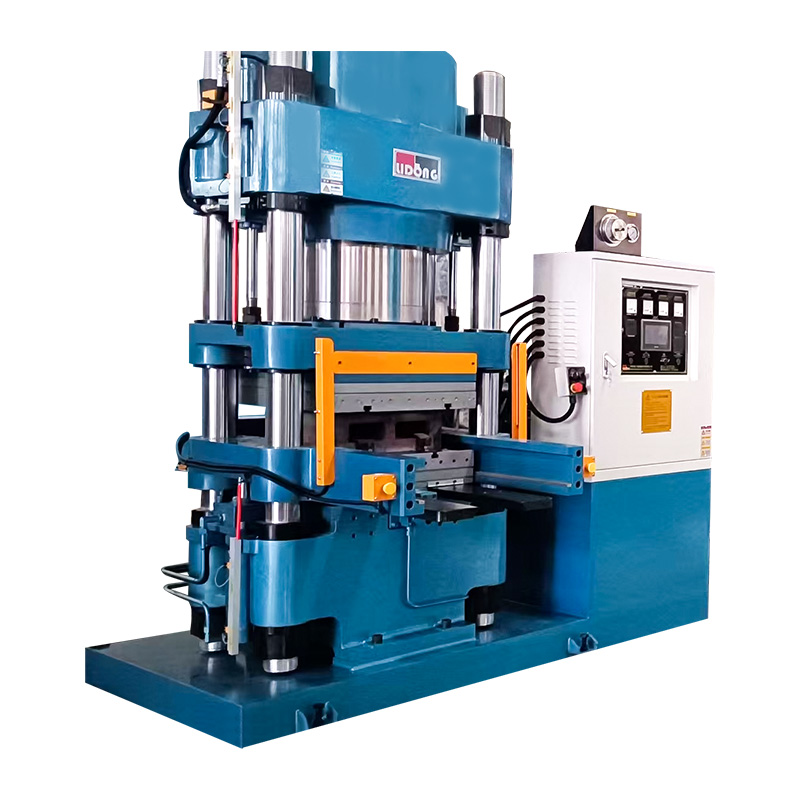
Remote Monitoring and Fault Diagnosis in Car Disc Brake Pad Press Machines
Integration of Intelligent Monitoring Systems
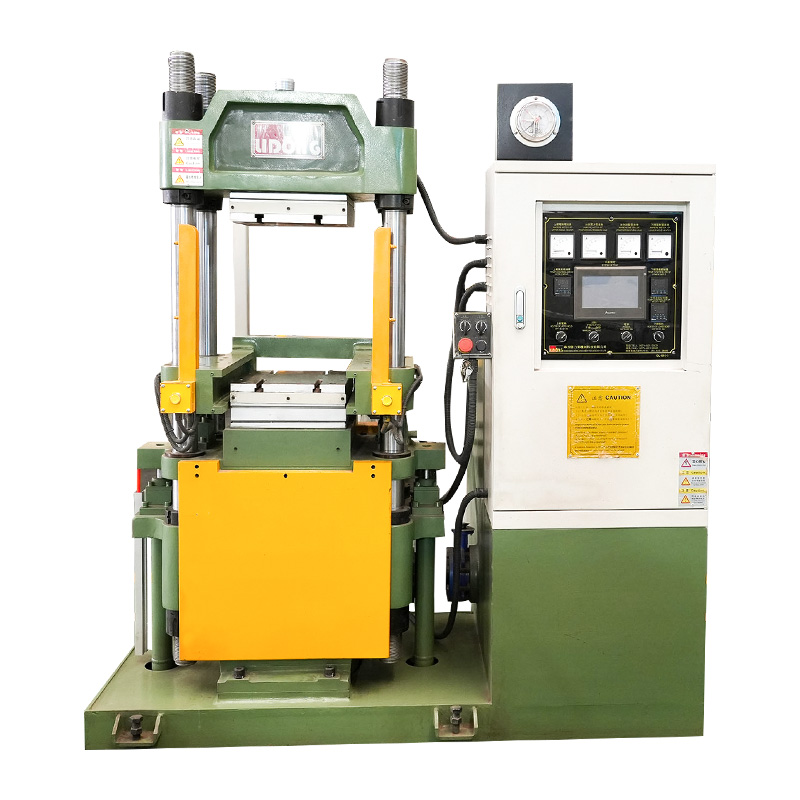
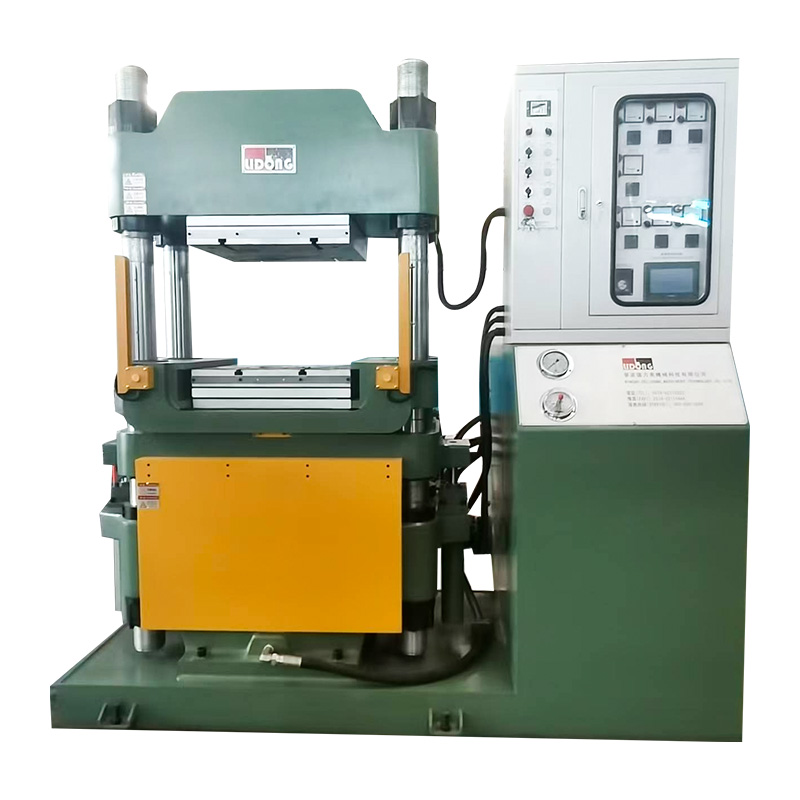
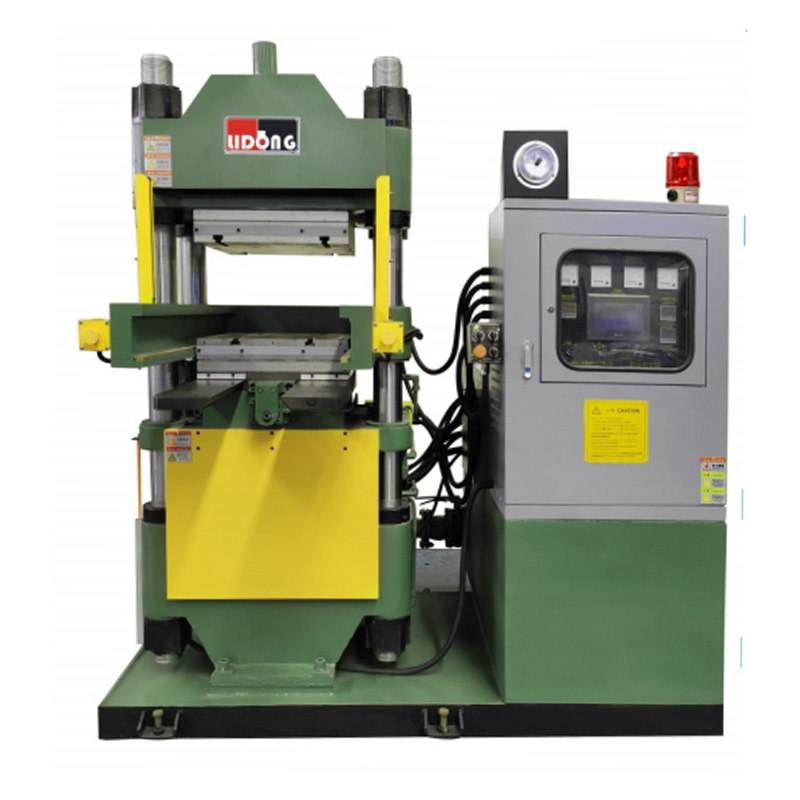
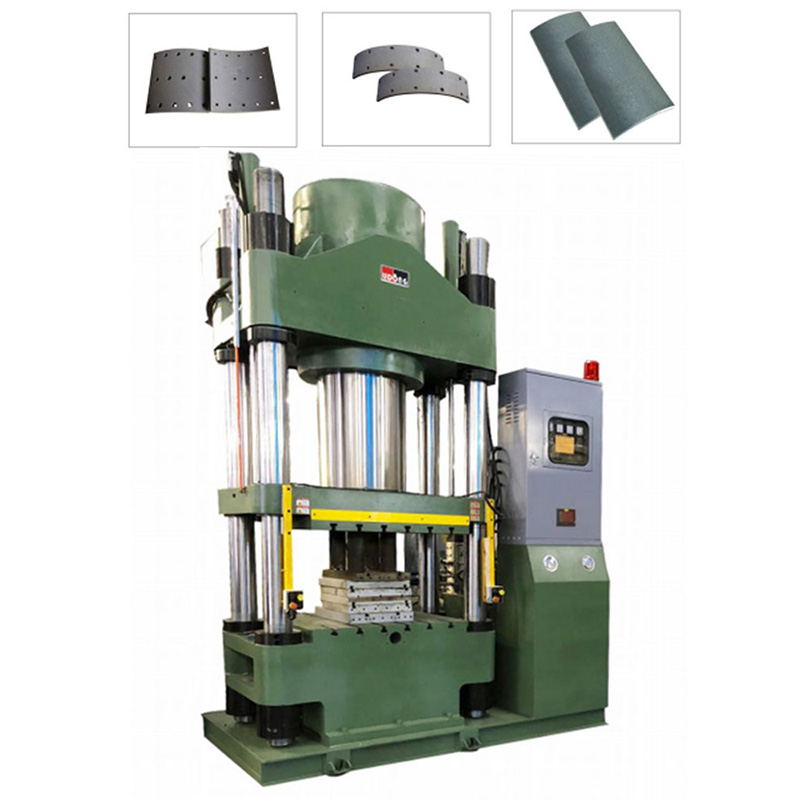
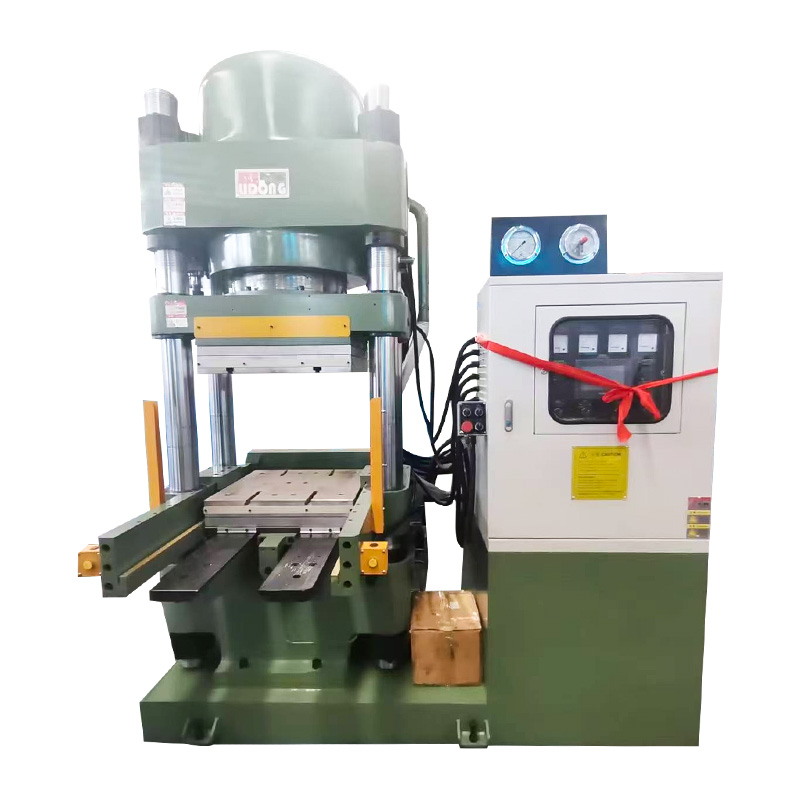
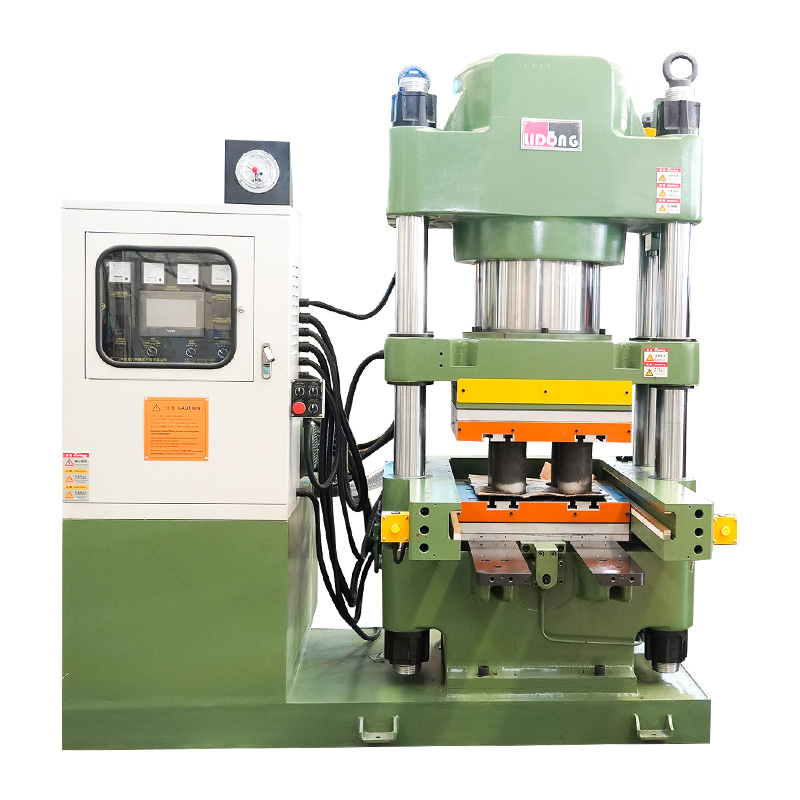
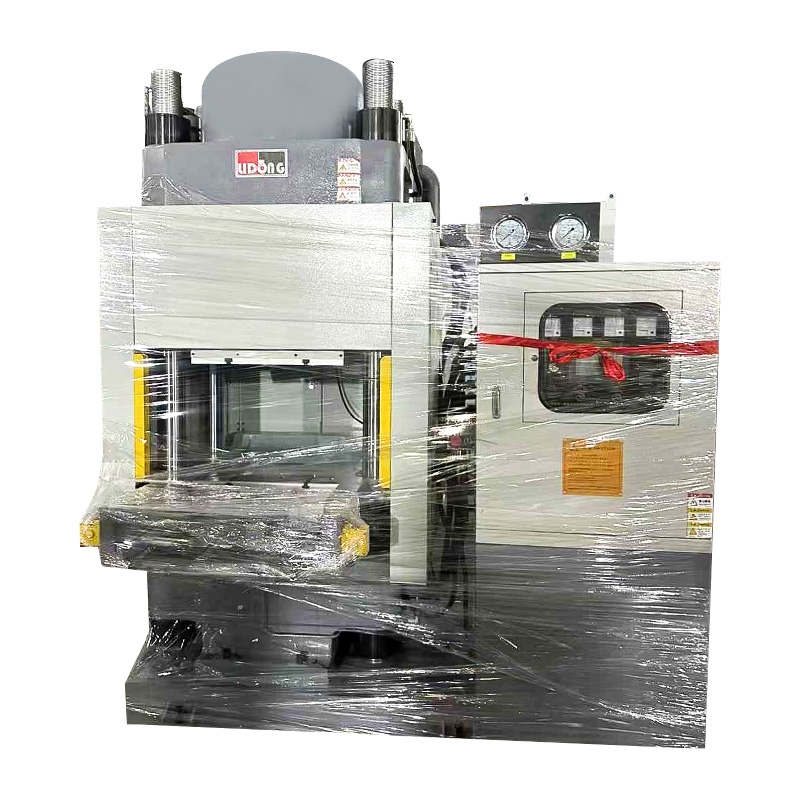
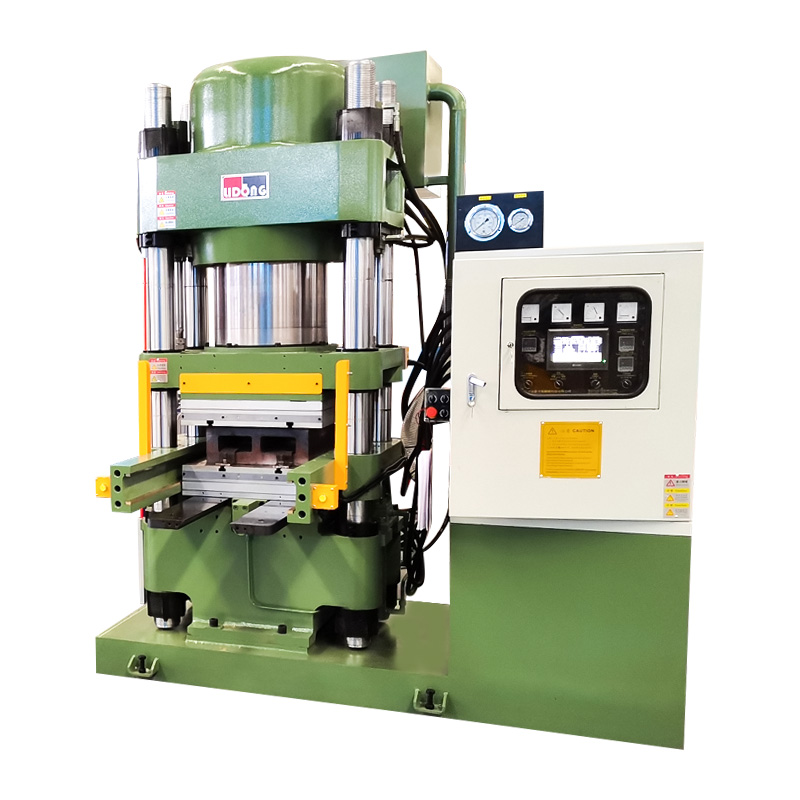
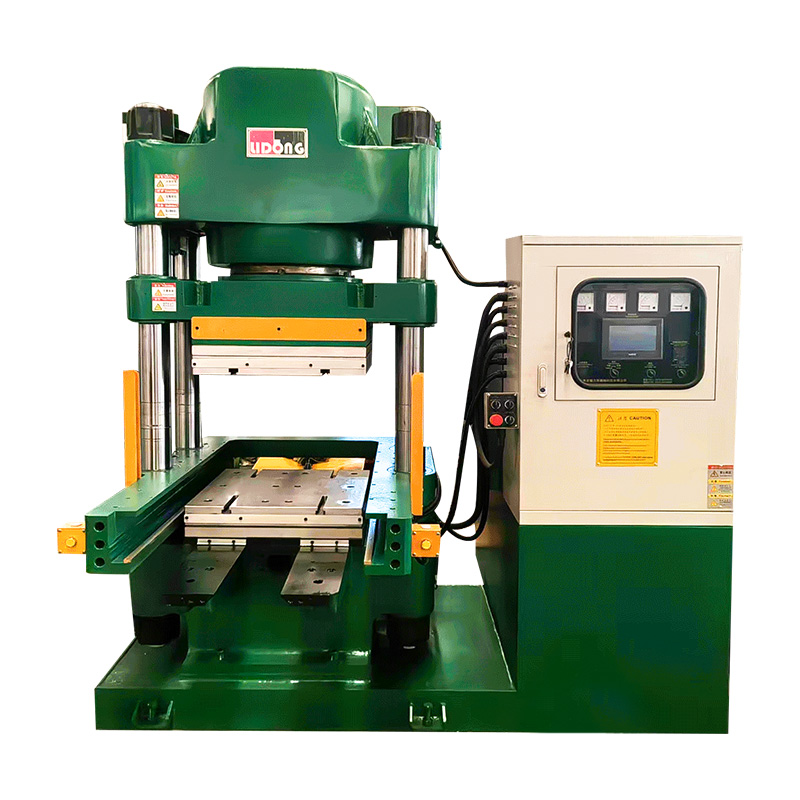
Modern car disc brake pad press machines increasingly incorporate intelligent monitoring systems to ensure operational stability and efficiency. Ningbo Delidong Machinery Technology Co., Ltd. has developed presses that can be integrated with remote monitoring technology. This integration allows operators to track key parameters, such as pressing pressure, hydraulic temperature, and cycle timing, from a centralized system. Continuous monitoring helps maintain process consistency and identify deviations in real time, which reduces the risk of producing parts that do not meet dimensional or material specifications.
Real-Time Fault Detection
The fault diagnosis capabilities in these machines are designed to detect abnormalities in mechanical, hydraulic, and electrical systems promptly. Sensors embedded throughout the press capture data on motion, pressure, and temperature, while software algorithms analyze this data to detect patterns indicative of potential failures. In the event of a detected anomaly, the system can generate alerts for operators or maintenance personnel. This functionality allows for proactive intervention, minimizing unplanned downtime and supporting consistent production output.
Remote Access and Data Analysis
Remote monitoring enables operators and engineers to access machine performance data without being physically present at the production line. Through secure network connections, authorized personnel can review real-time operational data, historical trends, and maintenance logs. This capability, implemented by Ningbo Delidong Machinery Technology Co., Ltd., allows production teams to make informed decisions regarding adjustments or preventive maintenance. It also supports multi-site management, as multiple presses can be monitored simultaneously from a central location.
Predictive Maintenance and Process Optimization
By leveraging continuous data collection, disc brake pad presses can implement predictive maintenance strategies. Historical trends in pressure fluctuations, hydraulic temperatures, or cycle times can be analyzed to anticipate component wear or system failures. Predictive maintenance reduces unexpected stoppages and extends the service life of critical components. In addition, the data collected supports process optimization by identifying bottlenecks or areas where parameters can be fine-tuned for greater operational consistency.
Enhanced Safety and Production Reliability
Remote monitoring and fault diagnosis contribute to the overall safety of the production environment. Operators can receive alerts and instructions without directly interacting with high-pressure hydraulic systems or moving parts, which reduces exposure to potential hazards. At the same time, the system ensures reliable production by maintaining stable operating conditions and quickly addressing deviations. For manufacturers like Ningbo Delidong Machinery Technology Co., Ltd., this enhances confidence in the ability to produce brake pads that meet industry specifications consistently.
Application in High-Volume Production
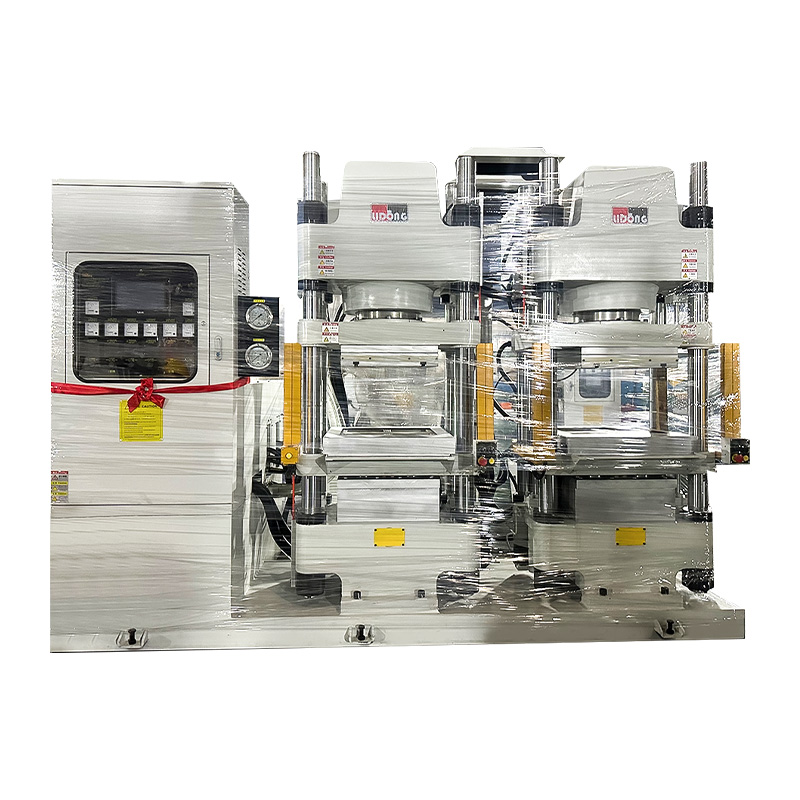
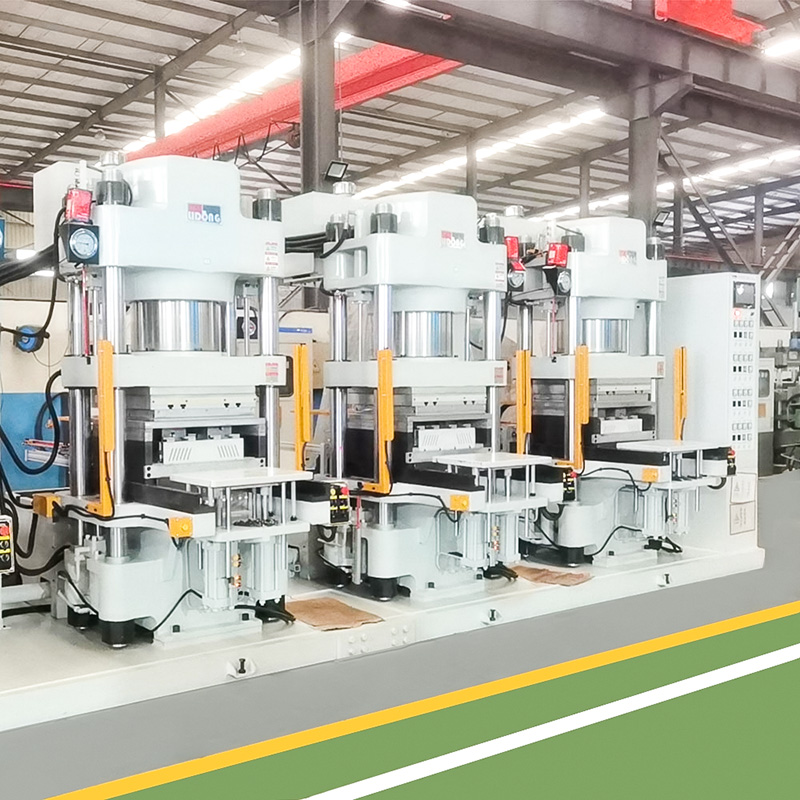
Car disc brake pad presses with remote monitoring capabilities are particularly beneficial in high-volume production environments. Consistent pressing pressure, cycle timing, and temperature control are critical for achieving uniform density and material properties in brake pads. Ningbo Delidong Machinery Technology Co., Ltd. designs machines that allow real-time monitoring of multiple presses in a production line, ensuring that each unit operates under optimal conditions. This reduces variation between batches and improves overall efficiency in large-scale manufacturing.
Key Monitoring Parameters Table
| Parameter |
Purpose |
Monitoring Method |
| Pressing Pressure |
Ensures consistent part density |
Pressure sensors with real-time feedback |
| Hydraulic Temperature |
Prevents overheating and system degradation |
Thermal sensors connected to the control system |
| Cycle Time |
Maintains production rate and consistency |
Automated timers and data logging |
| Electrical System Status |
Detects motor or circuit anomalies |
Real-time diagnostics via software interface |
| Machine Alignment |
Ensures mold halves and pressing plates are correctly positioned |
Position sensors integrated into the frame |
Data-Driven Decision Support
Remote monitoring systems provide valuable data that can inform operational decisions. For example, if a pattern of minor pressure drops is detected, maintenance can be scheduled during planned downtime rather than responding to an emergency failure. By analyzing data trends over time, production teams can refine operational parameters to maintain consistent quality and improve overall process efficiency. Companies like Ningbo Delidong Machinery Technology Co., Ltd. leverage these insights to align production practices with technological capabilities and industry standards.
FAQ
Q: How does Ningbo Delidong's car disc brake pad press machine ensure consistent pressing pressure for different brake pad types?
A: The machines from Ningbo Delidong Machinery Technology Co., Ltd. use hydraulic and servo-controlled systems to maintain stable pressing pressure throughout the entire cycle. This allows consistent density and surface quality across different brake pad materials, including disc, drum, and construction machinery applications.
Q: What remote monitoring capabilities are available in Ningbo Delidong’s brake pad presses?
A: Many of Ningbo Delidong’s car disc brake pad presses are equipped with remote monitoring systems that track key parameters such as pressing force, hydraulic temperature, cycle time, and system status. These capabilities allow operators to detect anomalies and schedule preventive maintenance without being physically present on the production floor.
Q: How do fault diagnosis features reduce downtime in brake pad production?
A: Integrated fault diagnosis systems continuously analyze mechanical, hydraulic, and electrical components to identify potential issues early. In case of irregularities, the system generates alerts for maintenance, helping to prevent unexpected stoppages and maintain continuous production efficiency.
Q: How are non-standard or customized brake pad shapes accommodated by these machines?
A: Ningbo Delidong Machinery Technology Co., Ltd. provides non-standard customization options for brake pad press machines. Adjustable molds, programmable pressing profiles, and flexible clamping systems allow the production of complex shapes while maintaining uniform quality and adherence to dimensional requirements.
Q: In what ways do automation systems improve production efficiency for brake pad presses?
A: Automation features, such as real-time process monitoring, cycle time control, and programmable pressure settings, reduce variability caused by manual operation. These systems ensure repeatable results, allow simultaneous management of multiple presses, and optimize throughput in high-volume production environments.
Q: How does material preparation impact the performance of car disc brake pad presses?
A: Properly prepared rubber and friction materials contribute to uniform pressing and curing. Ningbo Delidong machines are designed to handle pre-mixed, pre-heated, and accurately dosed materials, ensuring consistent viscosity and preventing defects such as uneven density or incomplete filling.
Q: Can these machines integrate with intelligent manufacturing systems for data analysis?
A: Yes, Ningbo Delidong’s car disc brake pad presses can connect with non-standard automation and intelligent manufacturing systems. This allows data collection, trend analysis, predictive maintenance planning, and process optimization to enhance overall production consistency and decision-making.

 English
 عربى
عربى
 中文繁体
中文繁体