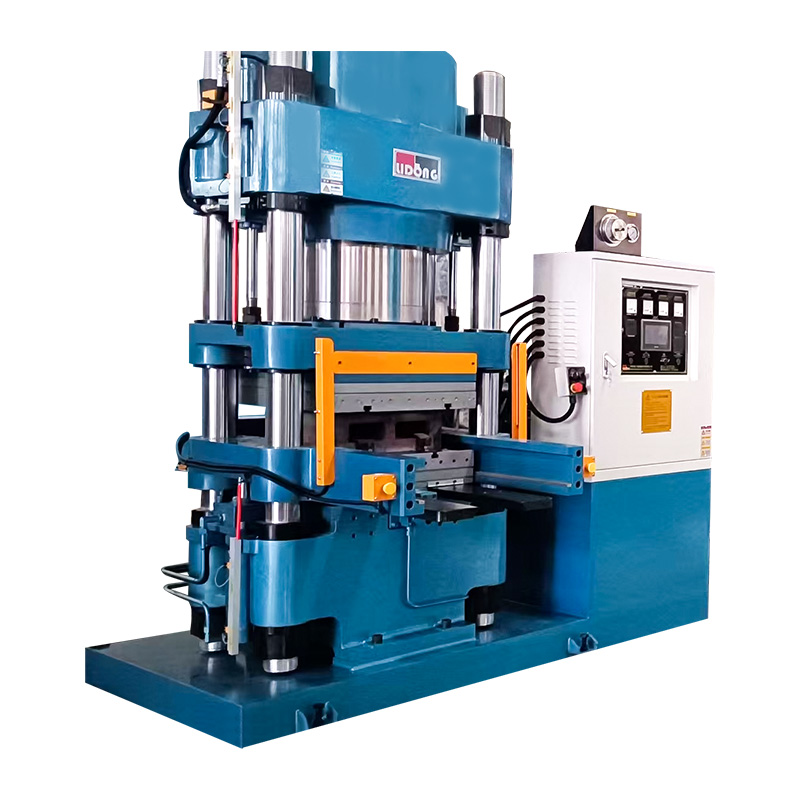
What Features Should You Look for in a Train Brake Shoe Press Machine?
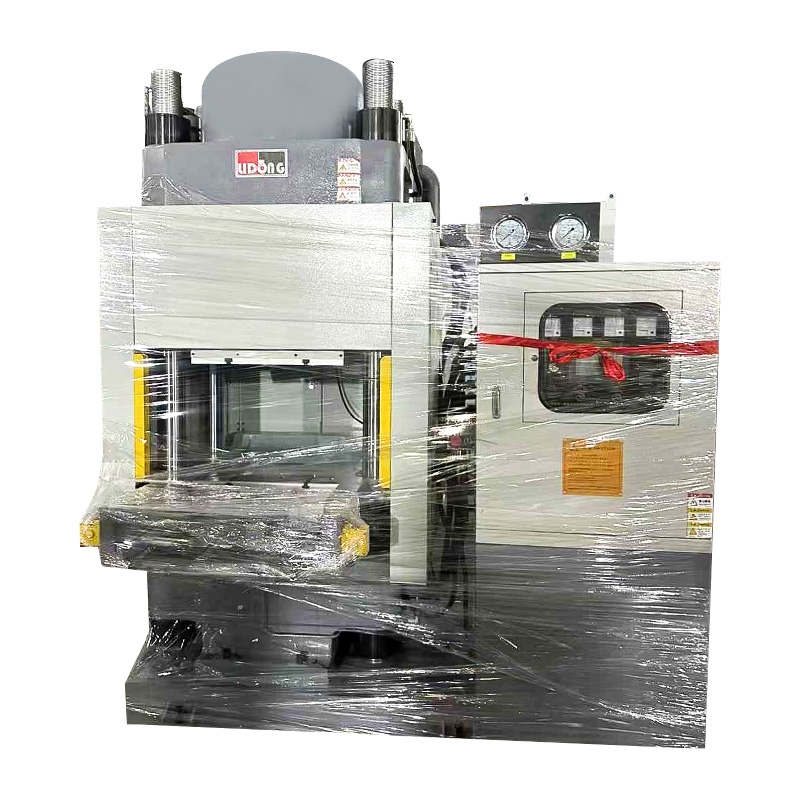
A train brake shoe press machine is a critical piece of manufacturing equipment whose performance directly determines the quality, consistency, and long-term reliability of the brake shoes it produces. Train brake shoes operate under extreme mechanical stress absorbing the kinetic energy of heavily loaded rail vehicles traveling at speed and the consequences of a substandard brake shoe in service can be severe. This makes the selection of the right train brake shoe press machine one of the most consequential procurement decisions a brake component manufacturer can make. Understanding which features genuinely matter, and why, is the foundation of a well-informed purchasing decision.
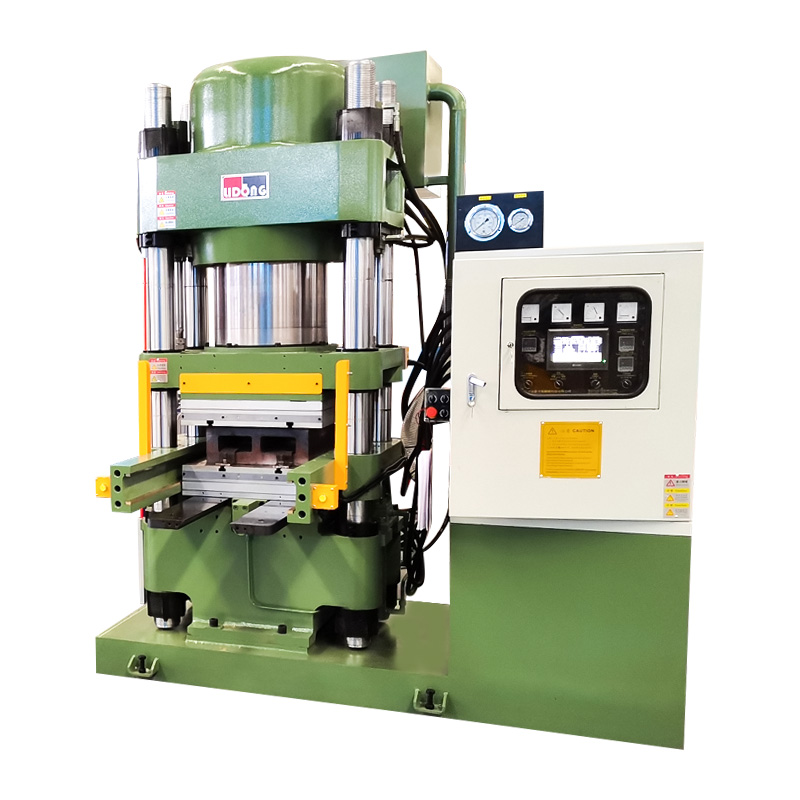
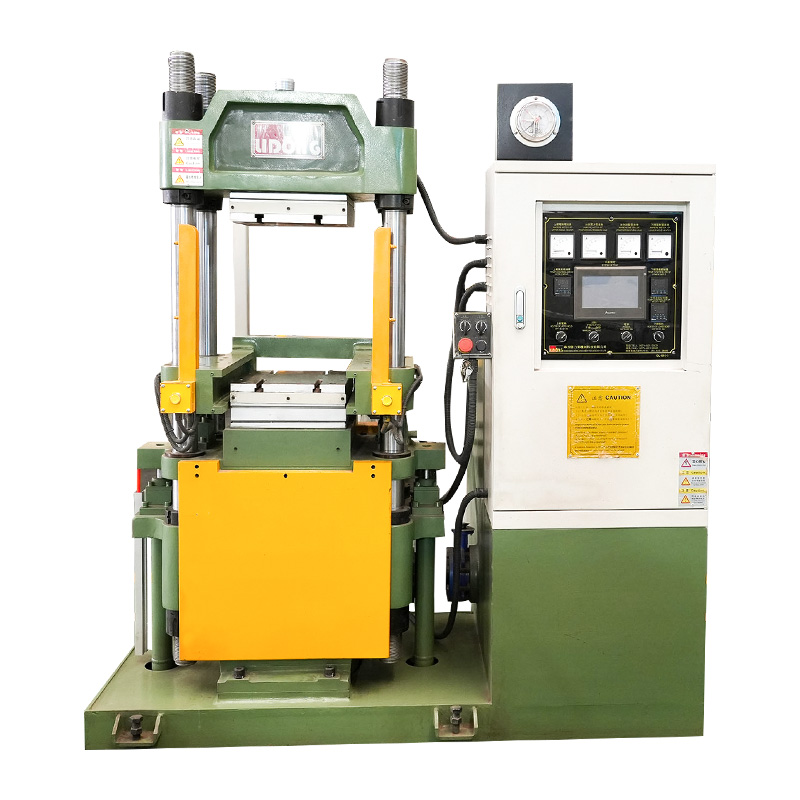
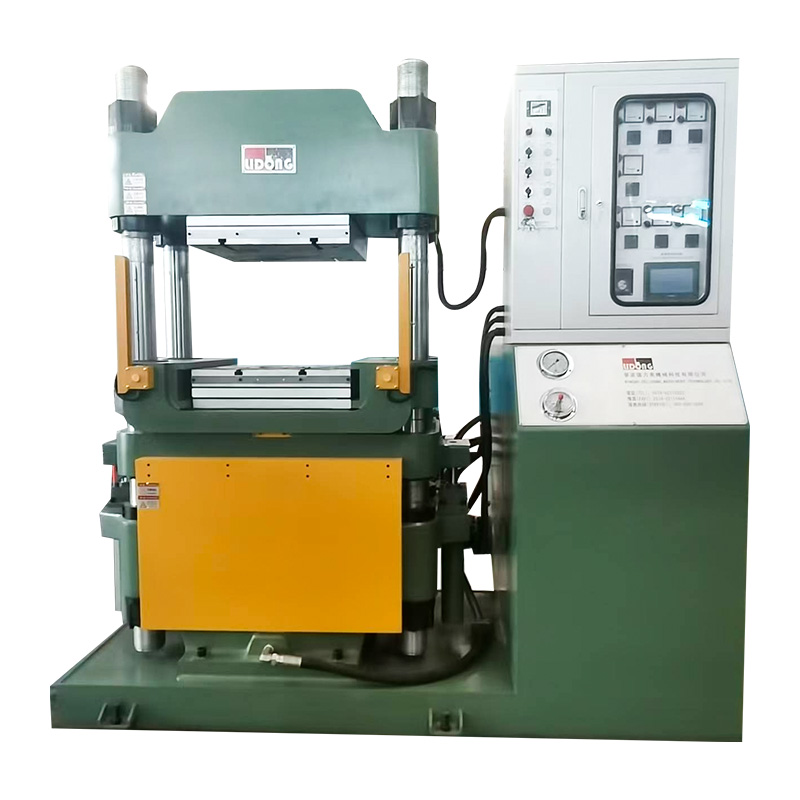
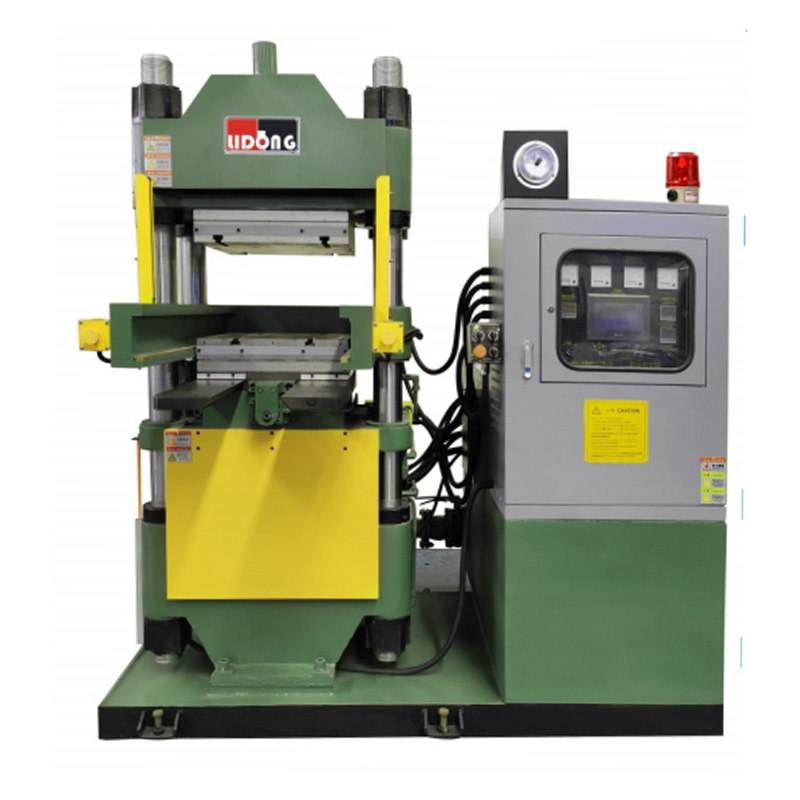
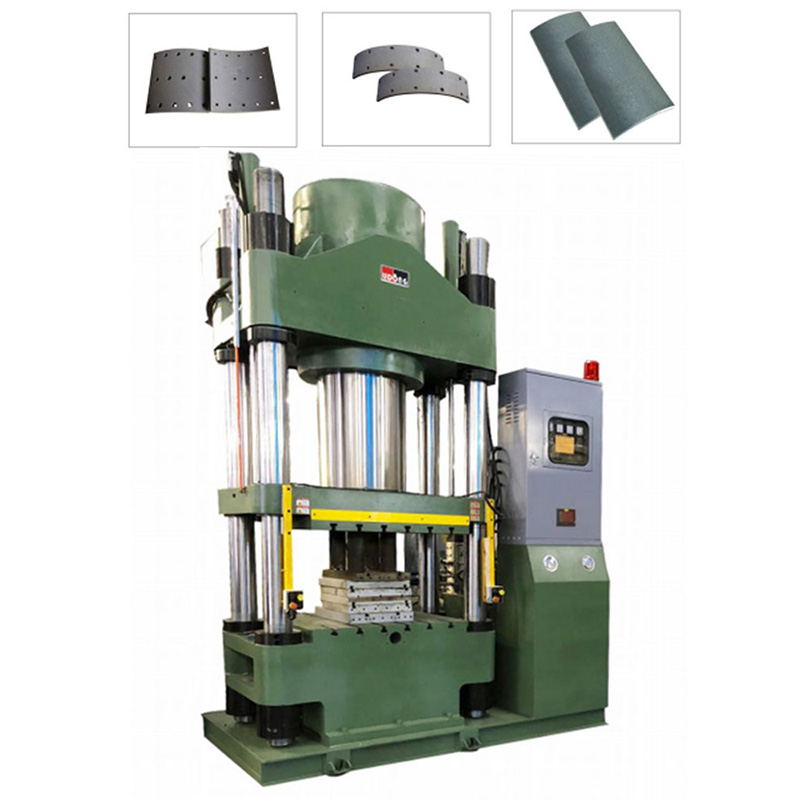
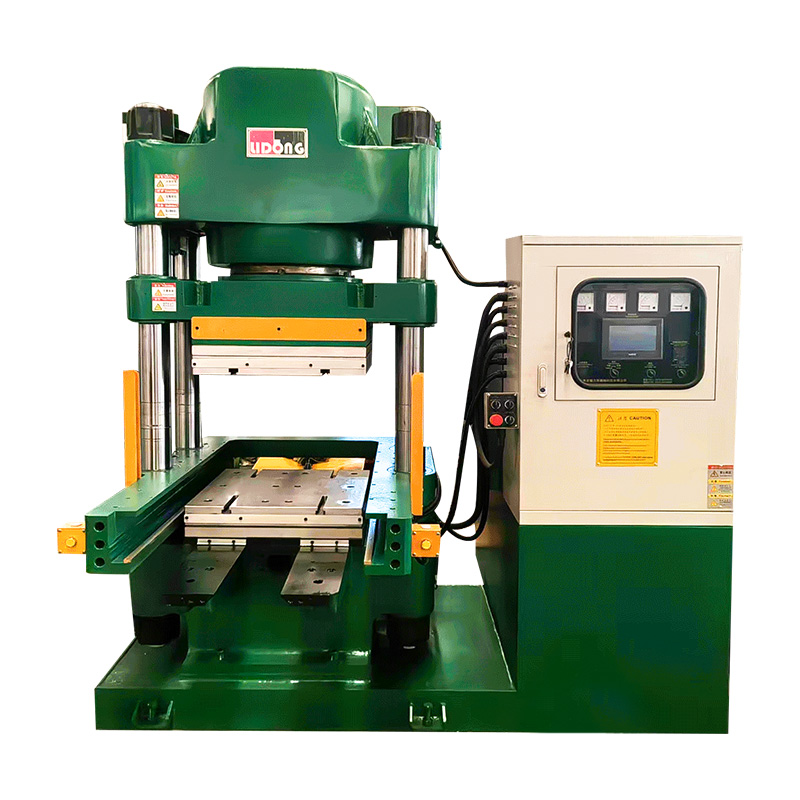
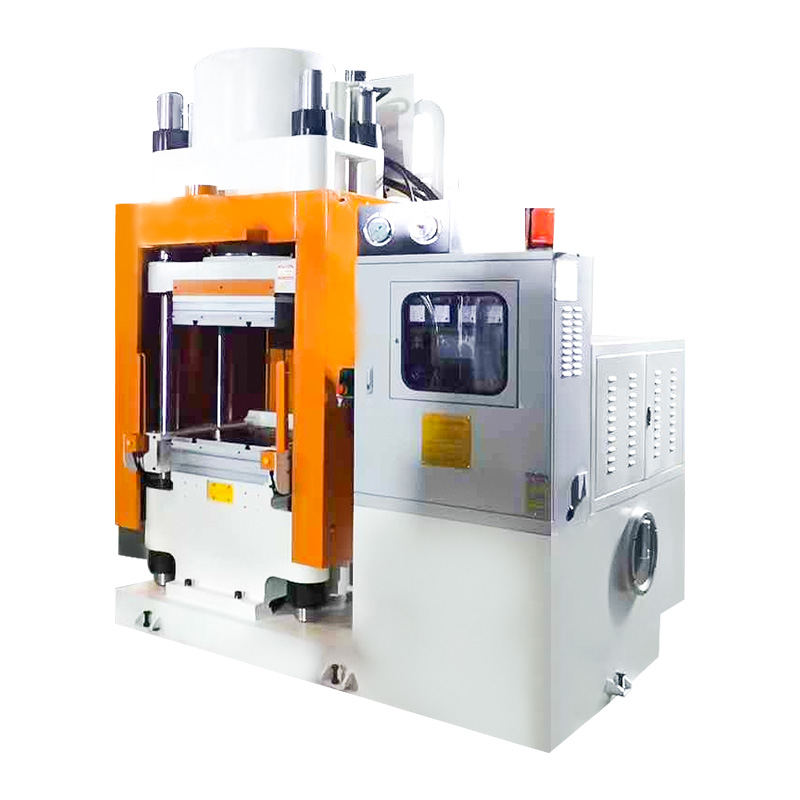
The core function of a train brake shoe press machine is to apply controlled, consistent hydraulic pressure to a composite or friction material compound placed in a precisely machined mold, forming the material into a finished brake shoe with the correct density, dimensions, and mechanical properties. Every design feature of a quality train brake shoe press machine is oriented toward achieving this outcome reliably, repeatedly, and with the minimum of waste across extended production runs. The features that distinguish high-performance machines from adequate ones can be grouped into four main categories: pressure system design, structural rigidity, control system capability, and mold compatibility.
Pressure System Design: Floating Oil Cylinder Technology
The hydraulic pressure system is the heart of any train brake shoe press machine, and the design of the oil cylinder arrangement is the most technically significant differentiator between competing products. Conventional press machines use fixed-position cylinders that apply force from a single direction, which creates an inherent risk of uneven pressure distribution across the mold face particularly in multi-cavity molds used for high-volume production. This unevenness manifests as density variation within the finished brake shoe, which in turn produces inconsistent wear characteristics and potentially premature failure in service.
The floating oil cylinder design addresses this limitation fundamentally. In a floating cylinder arrangement, the cylinder is free to self-align relative to the mold surface as pressure is applied, automatically compensating for minor variations in material thickness, mold wear, and dimensional tolerances that accumulate over time in any production environment. The result is pressure distribution that remains consistent across the entire mold face throughout the pressing cycle, regardless of the specific condition of any individual mold or the slight variations that inevitably arise between production batches. For train brake shoe production where dimensional and density consistency requirements are tightly specified the floating oil cylinder design is not a luxury feature but a fundamental engineering necessity.
Structural Rigidity and Frame Construction
The frame of a train brake shoe press machine must withstand the full hydraulic pressing force with negligible deflection throughout millions of press cycles over the operational life of the equipment. Frame deflection under load is the enemy of consistent product quality: even small amounts of flexure in the press frame translate directly into pressure distribution irregularities at the mold face. Quality train brake shoe press machines use heavy-gauge welded steel frame construction with precisely machined guide columns and platens that maintain alignment tolerances under full rated load.
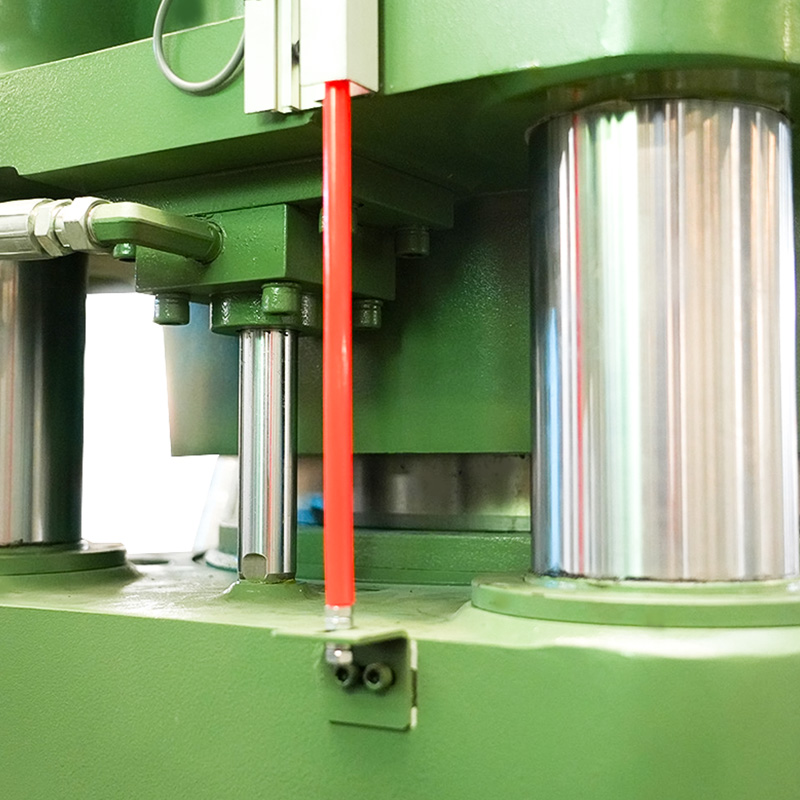
The guide column system typically four columns arranged at the corners of the press platen is particularly important for maintaining parallel platen alignment throughout the press stroke. Column diameter, surface hardness, and lubrication system design all contribute to the long-term maintenance of alignment accuracy. In a well-designed train brake shoe press machine, guide column wear is predictable and manageable through scheduled maintenance, rather than an unpredictable source of product quality variation.
Control System Capability and Process Programmability
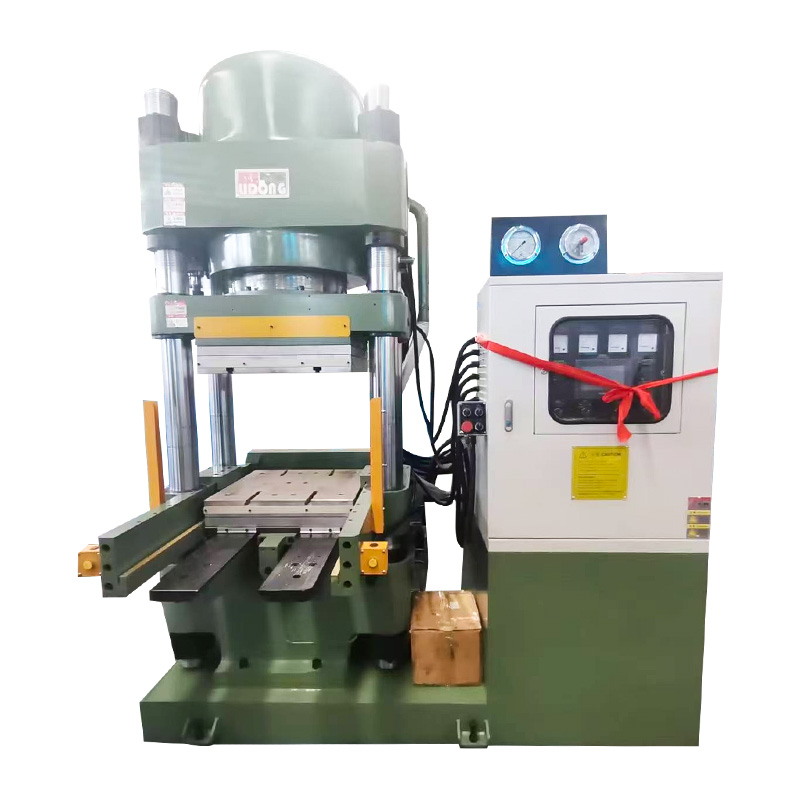
Modern train brake shoe press machines are equipped with programmable control systems that allow operators to define and store complete pressing programs specifying hydraulic pressure profiles, temperature settings, pressing duration, dwell time at maximum pressure, and decompression rates. The ability to store and recall these programs with precision is essential for production environments where multiple brake shoe specifications are manufactured on the same machine, and where process consistency from shift to shift and operator to operator is a quality requirement.
Advanced PLC-based control systems with touchscreen interfaces allow process parameters to be set with precision, monitored in real time, and logged automatically for quality traceability purposes. Alarm and fault detection systems that identify deviations from programmed parameters during the pressing cycle and stop the machine before a defective part is produced are a significant quality assurance feature that reduces scrap and rework costs in high-volume production.
Mold Compatibility and Quick-Change Systems
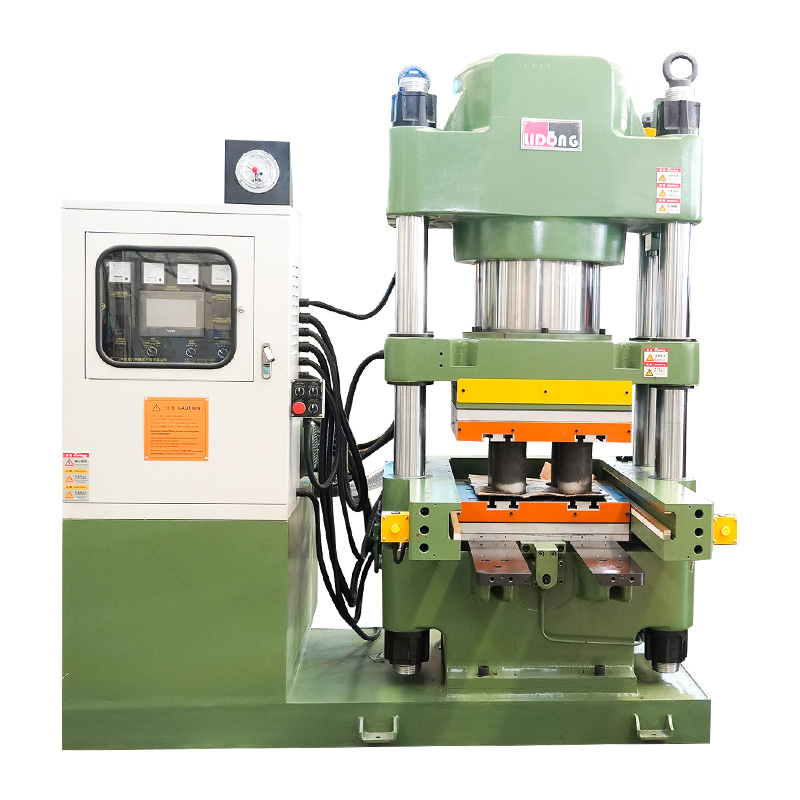
A train brake shoe press machine is only as versatile as its ability to accommodate the range of mold configurations required for the brake shoe specifications in production. Key considerations include the maximum mold size the machine can accept, the daylight opening between platens when the press is fully open, the platen surface area, and the mold mounting and alignment system used. Quick-change mold systems with standardized mounting interfaces, hydraulic mold clamping, and pre-set alignment features reduce mold changeover time significantly compared to manual bolt-down systems, which has a direct impact on production scheduling flexibility and overall equipment effectiveness.
How Does a Train Brake Shoe Press Machine Ensure Consistent Pressure Distribution?
Consistent pressure distribution is arguably the single most important performance requirement of a train brake shoe press machine, because it is the physical mechanism through which all the key quality attributes of the finished brake shoe dimensional accuracy, material density, mechanical strength, and wear characteristics are established. Understanding the engineering principles behind pressure consistency in press machine design reveals why certain technical features are non-negotiable in high-quality production equipment.
The Physics of Pressure Distribution in Compression Molding
When a train brake shoe press machine closes on a loaded mold, the hydraulic force applied by the cylinder must be transmitted through the platen and mold structure to the material compound uniformly. In an ideal system, every point on the mold face receives exactly the same pressure per unit area. In practice, achieving this ideal requires careful attention to platen deflection, cylinder alignment, mold design, and compound flow characteristics within the mold cavity.
Platen deflection is one of the most significant sources of pressure non-uniformity in press machines. When a hydraulic force is applied at the center of a platen (by a single central cylinder, as in many conventional designs), the platen bends slightly, with the center deflecting more than the edges. This deflection means that the material at the center of the mold receives more pressure than the material at the edges, resulting in a brake shoe with higher density at the center than at the periphery. In multi-cavity molds, this effect means that cavities positioned at the center of the mold produce denser parts than those at the edges a systematic inconsistency that is difficult to eliminate through process adjustment alone.
How Floating Cylinder Design Solves the Alignment Problem
The floating oil cylinder design used in high-performance train brake shoe press machines addresses both the alignment and the load distribution aspects of pressure consistency simultaneously. By allowing the cylinder to self-align to the mold face rather than being fixed in a position that may not perfectly match the mold orientation, the floating design ensures that the hydraulic force vector is always perpendicular to the mold surface. This eliminates the lateral force components that develop when a fixed cylinder presses against a mold that is not perfectly perpendicular to the cylinder axis components that create shear stress in the material compound and contribute to density gradients in the finished part.
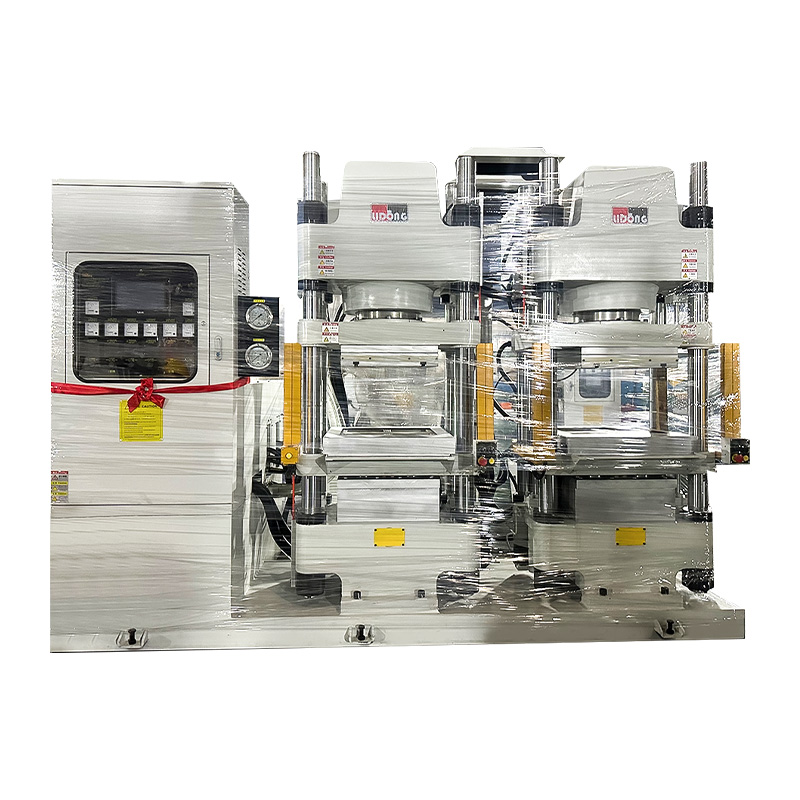
In multi-cavity mold applications, some train brake shoe press machine designs use multiple independently controlled hydraulic cylinders one per mold cavity or one per section of a large mold rather than a single central cylinder. This arrangement allows the pressure applied to each cavity or section to be individually adjusted, compensating for mold wear variations and material compound flow differences that develop in specific areas of a large mold over its production life.
Temperature Uniformity and Its Role in Pressure Response
In hot-press applications where the brake shoe compound is pressed at elevated temperature to initiate the vulcanization or curing reaction that gives the finished part its mechanical properties temperature uniformity across the mold face is as important as pressure uniformity. Temperature gradients across the mold platen cause the material compound to reach its curing temperature at different times in different areas of the mold, resulting in differences in flow characteristics, curing degree, and ultimately in the density and mechanical properties of the finished brake shoe.
Quality train brake shoe press machines for hot-press applications use electrically heated platens with multiple independent heating zones, temperature sensing at multiple points across the platen surface, and PID (proportional-integral-derivative) temperature control loops that maintain set-point temperatures with precision. The combination of uniform temperature and consistent hydraulic pressure creates the conditions for genuinely consistent brake shoe production across the full area of large molds and across extended production runs.
Pressure Distribution Performance Comparison Table
The following table compares the pressure distribution performance characteristics of different cylinder design approaches used in train brake shoe press machines, highlighting the engineering trade-offs between conventional and advanced designs.
| Cylinder Design |
Pressure Uniformity |
Self-Alignment Capability |
Multi-Cavity Suitability |
Maintenance Complexity |
Typical Application |
| Single Fixed Central Cylinder |
Moderate center-edge gradient present |
None |
Limited edge cavities under-pressured |
Low |
Small single-cavity molds, lower specification |
| Floating Single Cylinder |
Good self-alignment reduces gradient |
Yes full self-alignment |
Moderate improved over fixed |
Low to moderate |
Standard train brake shoe production |
| Multiple Independent Cylinders |
Excellent per-zone control |
Yes per-cylinder alignment |
Excellent individual cavity control |
Moderate to high |
High-volume, multi-cavity precision production |
| Hydraulic Cushion System |
Very good cushion absorbs gradient |
Partial cushion compensates for minor misalignment |
Good |
Moderate |
Large-format molds, complex geometries |
How Do Automated Brake Shoe Press Machines Improve Production Efficiency?
The shift from manually operated to automated train brake shoe press machines represents one of the most significant capability upgrades available to brake component manufacturers. Automation in the context of brake shoe pressing encompasses a broad range of technologies from basic PLC control of the press cycle through to fully integrated manufacturing cells with robotic material handling, automated mold loading and unloading, in-process quality measurement, and real-time production data management. Each level of automation delivers specific efficiency benefits, and understanding the full scope of what automated systems offer helps manufacturers identify where automation investment will deliver the greatest return.
Cycle Time Optimization Through Programmed Press Profiles
The most immediate efficiency benefit of automation in a train brake shoe press machine is the ability to execute optimized press cycle profiles with precision and repeatability that manual operation cannot match. A pressing cycle typically includes a rapid approach phase (where the platen moves quickly toward the mold before material contact), a controlled pressing phase (where pressure is built up at a specified rate), a dwell phase (where maximum pressure is maintained for a specified duration to allow material flow and initial cure), and a controlled decompression phase (where pressure is released at a rate that prevents delamination or surface defects in the finished part). Manually controlled machines rely on operator judgment and response time to execute these phases, which introduces variability in cycle duration and process parameters that directly affects product consistency.
An automated train brake shoe press machine executes each phase of the pressing cycle according to programmed parameters, with response times measured in milliseconds rather than the seconds that characterize manual intervention. This precision allows cycle times to be minimized using the shortest dwell time that consistently produces parts meeting specification, rather than the conservative dwell times that operators tend to use manually to ensure conformance which directly increases machine throughput without compromising product quality.
Material Utilization and Waste Reduction
Automated systems optimize material utilization in train brake shoe press machine operations by ensuring that the precise specified charge weight of compound is used for each pressing cycle, and that the pressing parameters are executed consistently enough to minimize the production of out-of-specification parts that must be scrapped or reworked. Manual operations are prone to charge weight variation operators loading compound by hand introduce weight variations that result in dimensional variation in the finished part and to process parameter variation that increases the scrap rate.
Automated compound loading systems using weigh-dispensing hoppers or pre-weighed compound charges eliminate charge weight variation at the source. Combined with the process consistency delivered by programmed press cycle control, this automation reduces material waste from scrap and rework to a fraction of what is typical in manual operations. For a material as costly as high-performance friction compound, this waste reduction represents a significant direct cost saving that contributes meaningfully to the economics of automated train brake shoe press machine investment.
Integration With Quality Monitoring and Traceability Systems
Automated train brake shoe press machines generate process data hydraulic pressure curves, temperature logs, cycle time records, and deviation alerts for every part produced. This data can be captured automatically and linked to part identification through barcode or RFID systems, creating a complete traceability record that connects every finished brake shoe to the specific process parameters under which it was produced. This traceability capability is increasingly required by railway industry quality standards and by end customers who need confidence in the manufacturing process behind safety-critical components.
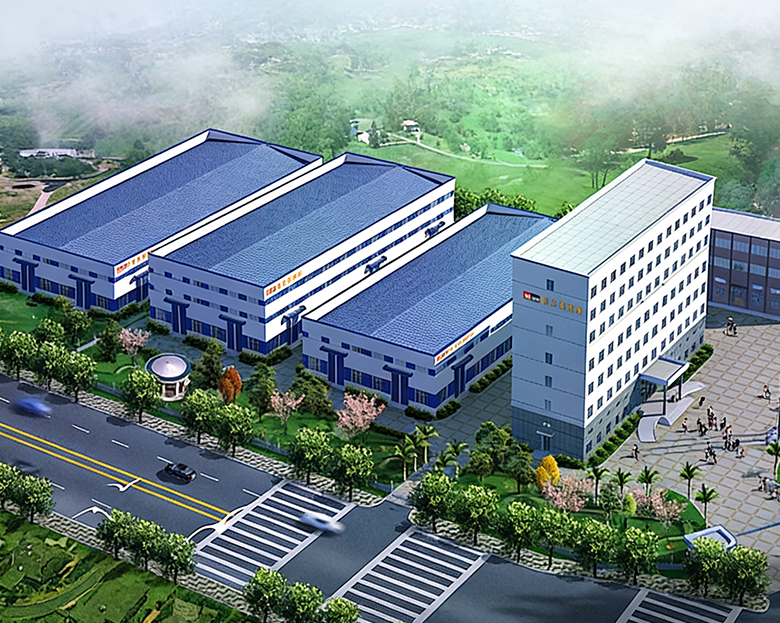
Ningbo Delidong Machinery Technology Co., Ltd. is a professional China Train Brake Shoe Press Machine Manufacturers with extensive engineering capability in automated press systems for railway brake component production. The company holds multiple invention and utility model patents and has been recognized as a National High-Tech Enterprise credentials that reflect the depth of engineering investment behind its automated train brake shoe press machine product range. Delidong's machines incorporate advanced PLC control, real-time process monitoring, and data logging systems that support the quality traceability requirements of railway industry customers.
Robotic Integration and Full Production Cell Automation
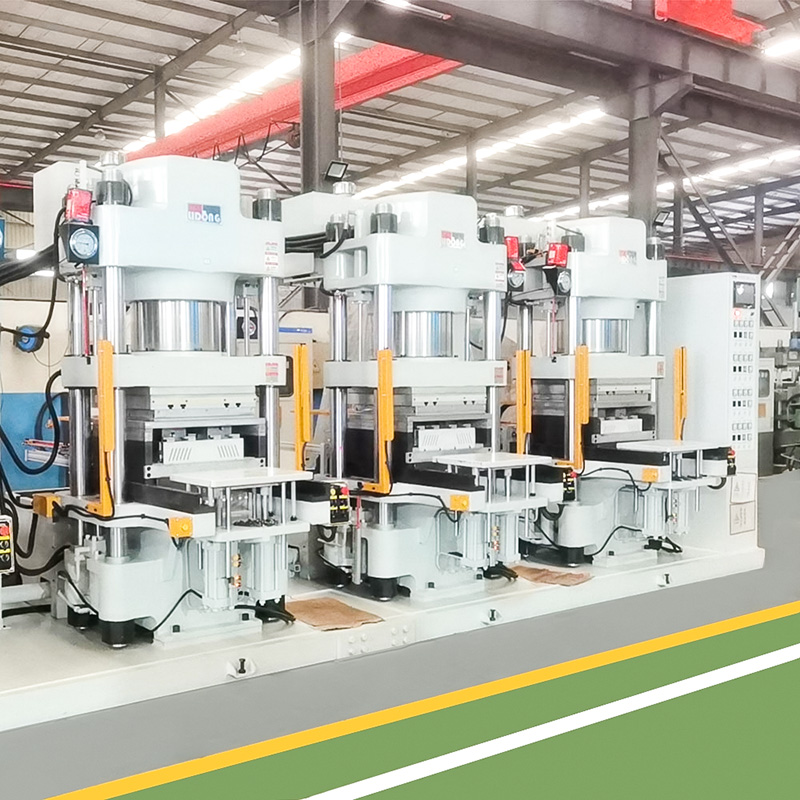
The most advanced automated train brake shoe press machine installations integrate the press itself into a complete manufacturing cell with robotic material handling automated compound loading from bulk storage, robotic mold loading and unloading, in-process dimensional checking, and automated sorting of conforming and non-conforming parts. These fully automated cells operate continuously with minimal operator intervention, maximizing productive press time and eliminating the labor cost and variability associated with manual handling operations.
Full automation also enables consistent operation across multiple shifts without the performance variation that occurs between operators with different skill levels and experience. In high-volume production environments where a single train brake shoe press machine may be expected to produce thousands of parts per shift, the consistency advantages of full automation translate directly into lower defect rates, higher yield, and lower overall cost per part than any level of manual operation can achieve.
Long-Term Efficiency: Maintenance, Uptime, and Equipment Life
Automated train brake shoe press machines are typically designed with predictive and preventive maintenance systems that monitor key components hydraulic pressure, oil temperature, cylinder seal condition, guide column lubrication, and electrical system performance and alert maintenance personnel to developing issues before they cause unplanned downtime. This condition-monitoring capability transforms maintenance from a reactive activity to a proactive one, which has a major impact on equipment availability and production schedule reliability.
As a professional Train Brake Shoe Press Machine Factory serving both domestic and international markets, Delidong Machinery provides comprehensive after-sales support including installation, operator training, preventive maintenance programs, and spare parts availability that ensures customers can sustain the efficiency benefits of their automated equipment throughout its operational life. The company's commitment to technical support, backed by its strong industry reputation and long-term partnerships with major brake component manufacturers, makes it a reliable partner for railway component producers investing in automated press technology. Continuous improvement through integration of the latest global design concepts ensures that Delidong's train brake shoe press machines maintain high performance and stability across years of demanding production service.

 English
 عربى
عربى
 中文繁体
中文繁体