 English
 عربى
عربى
 中文繁体
中文繁体
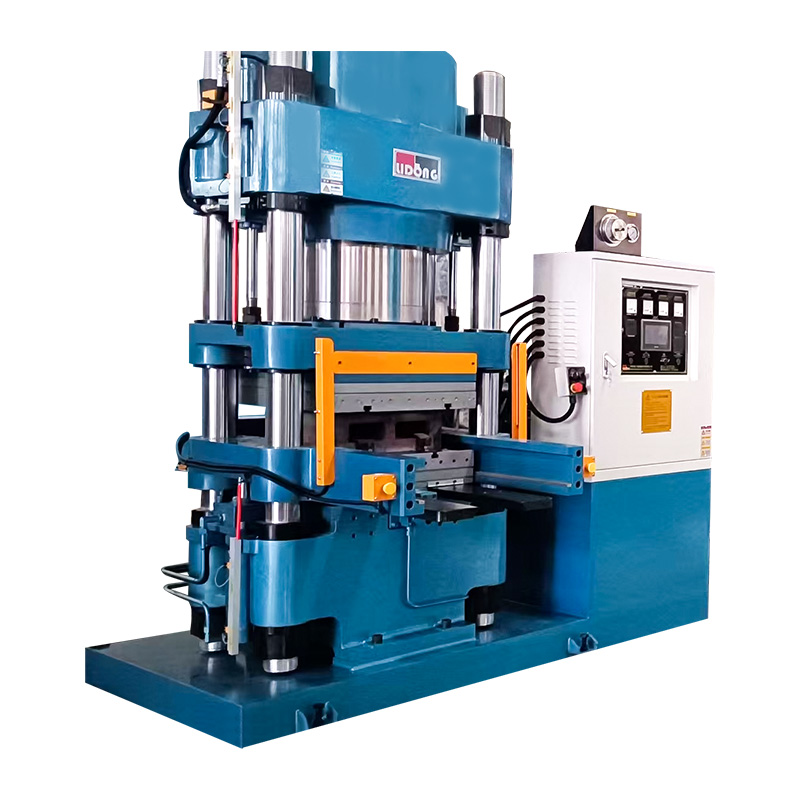
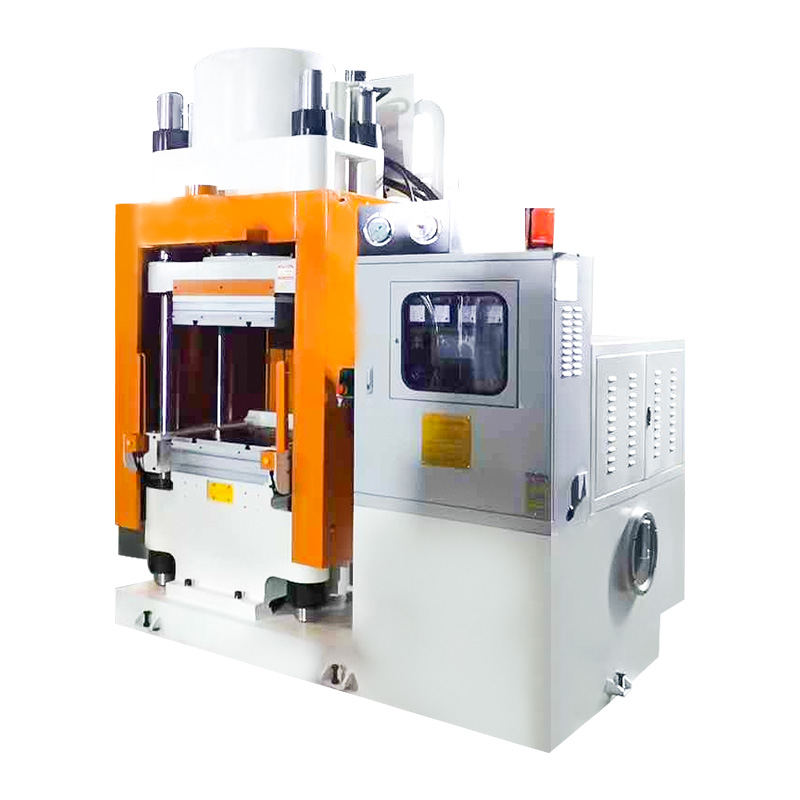
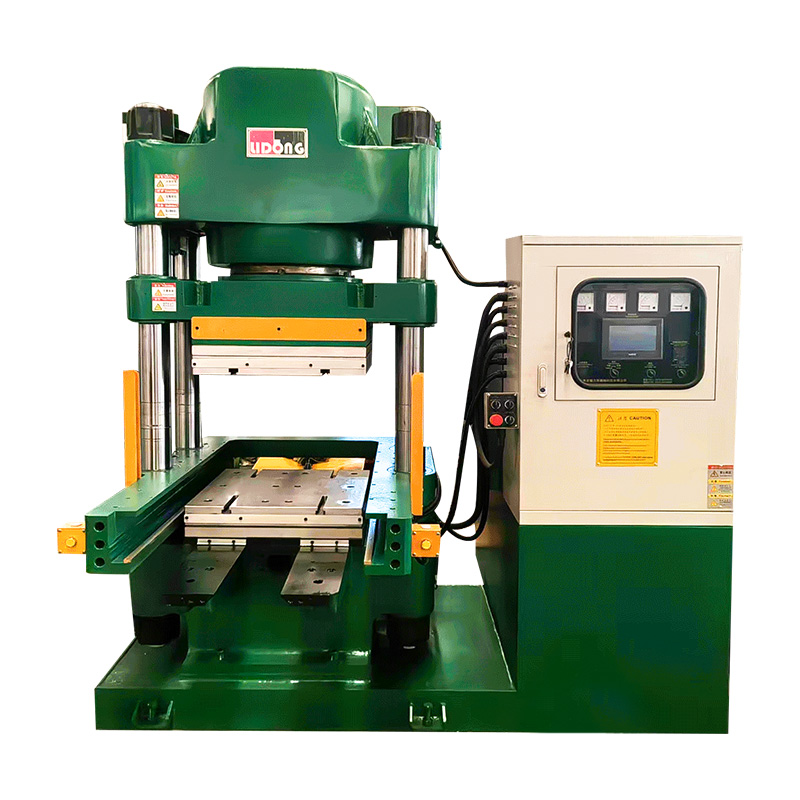
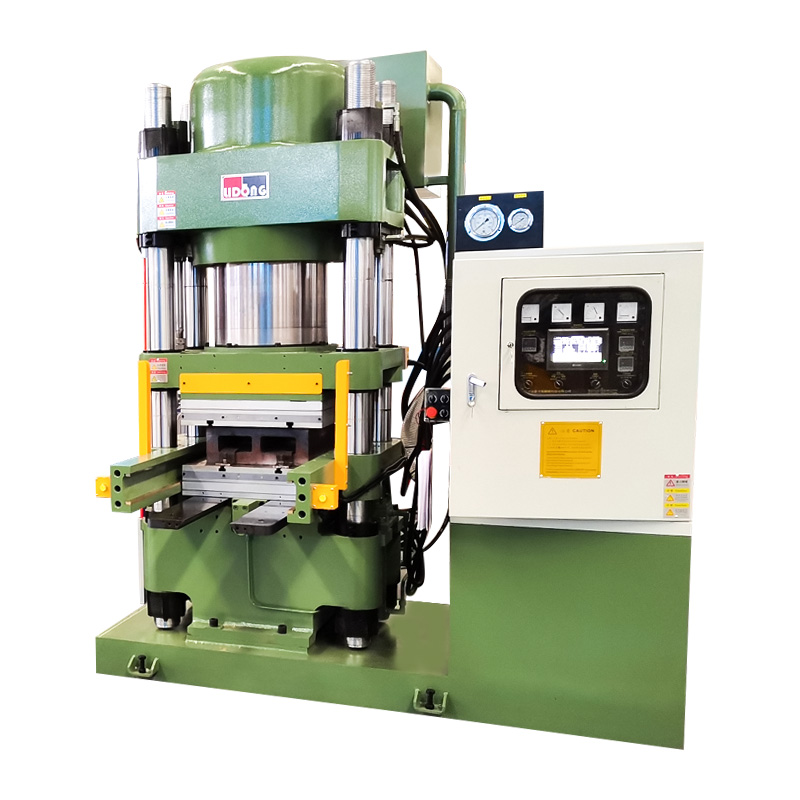
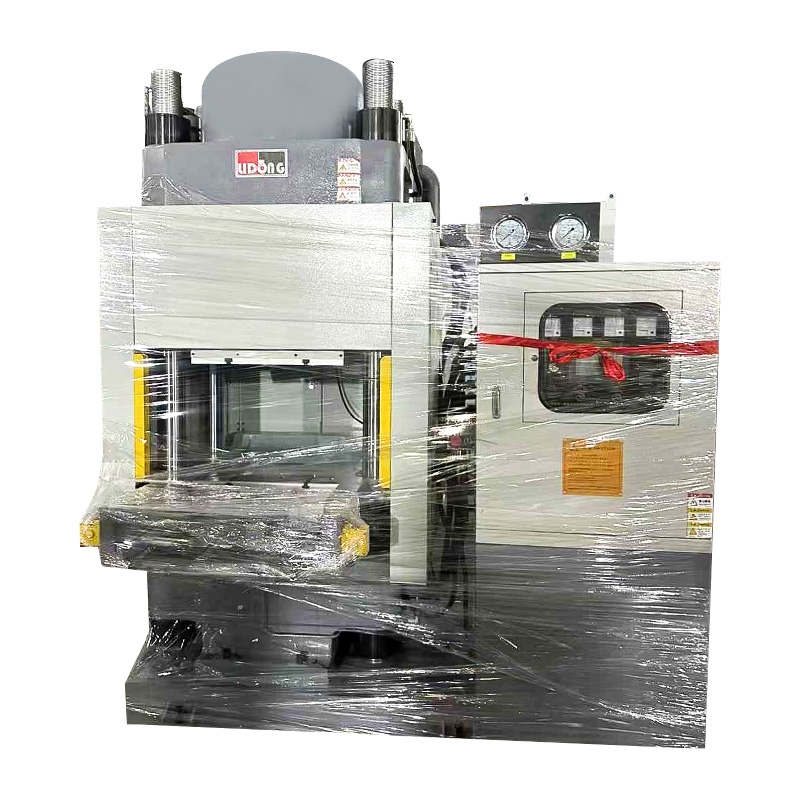
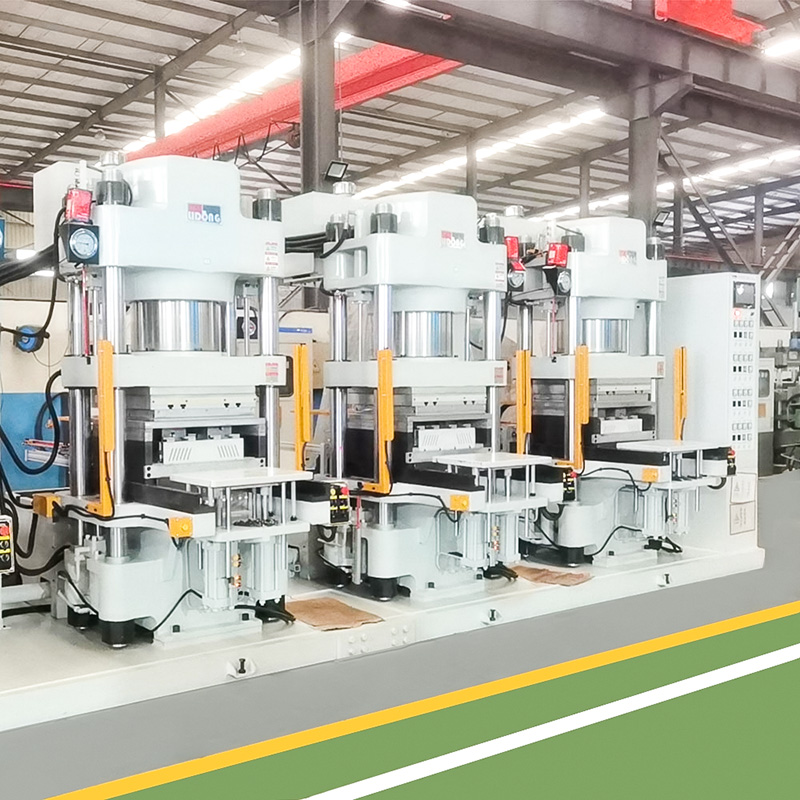
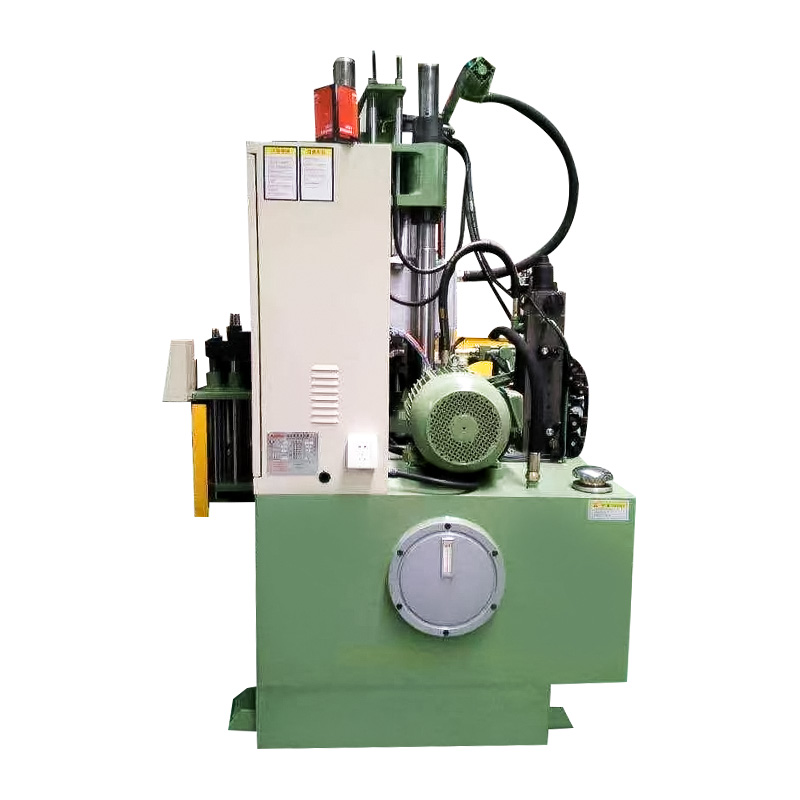
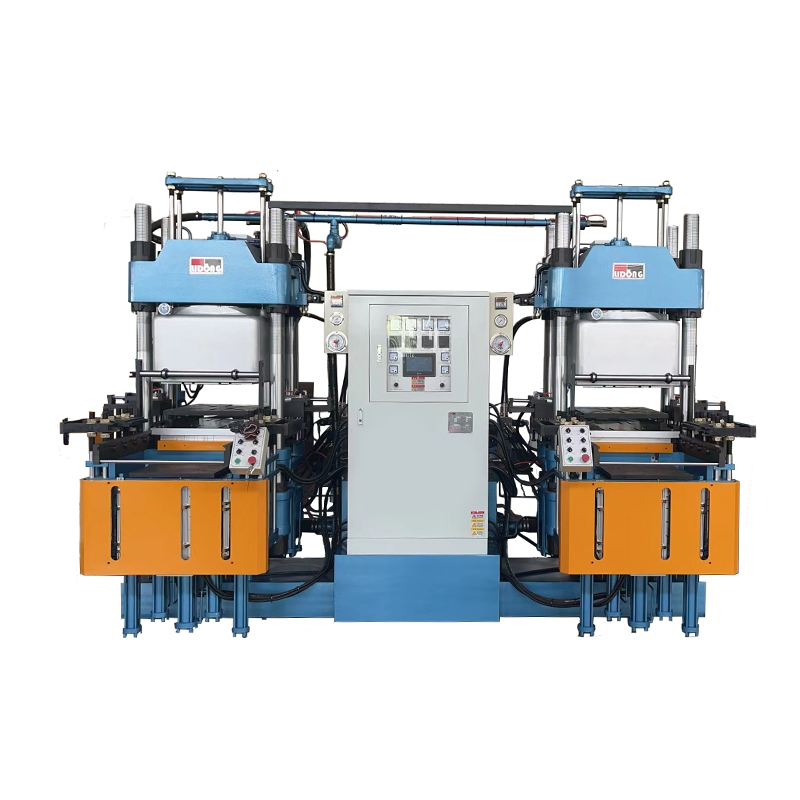
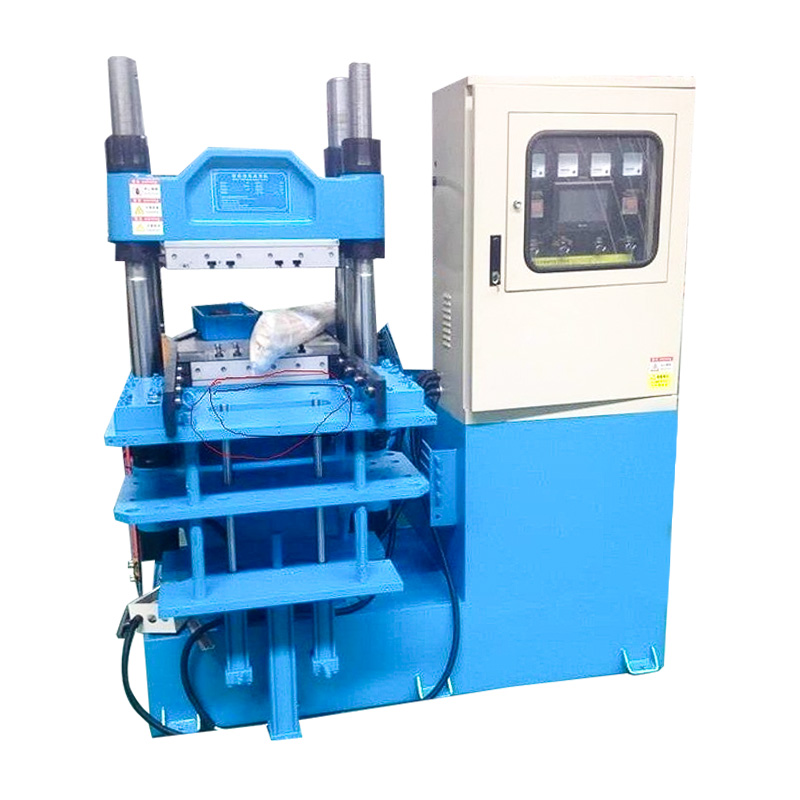
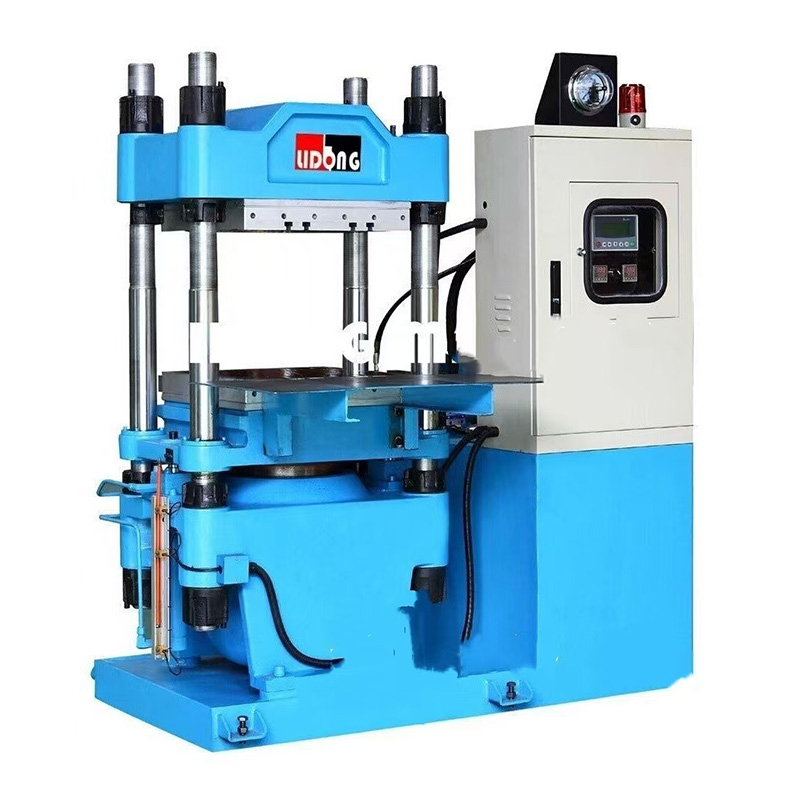
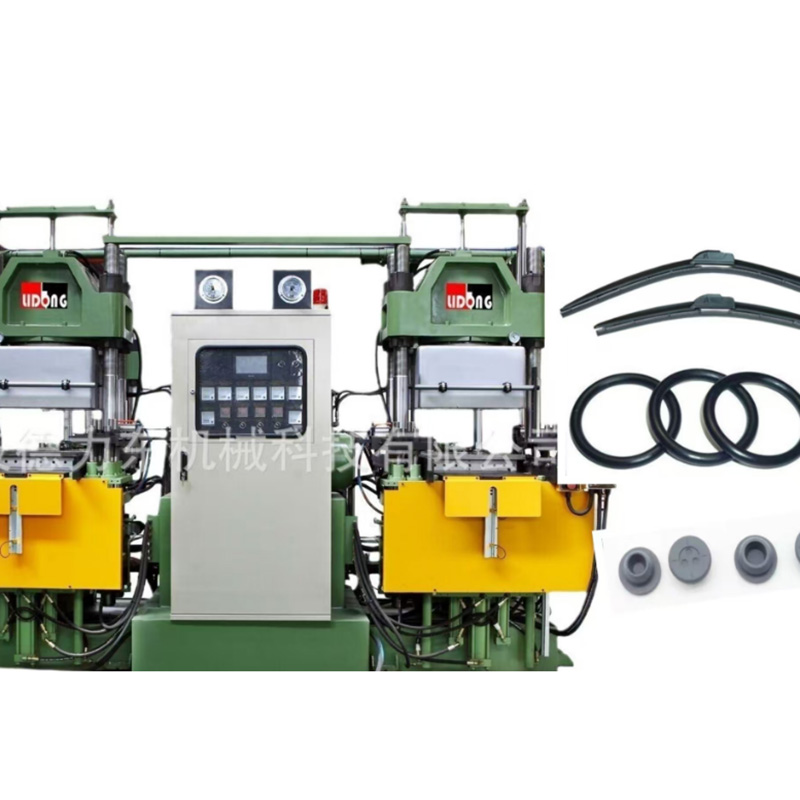
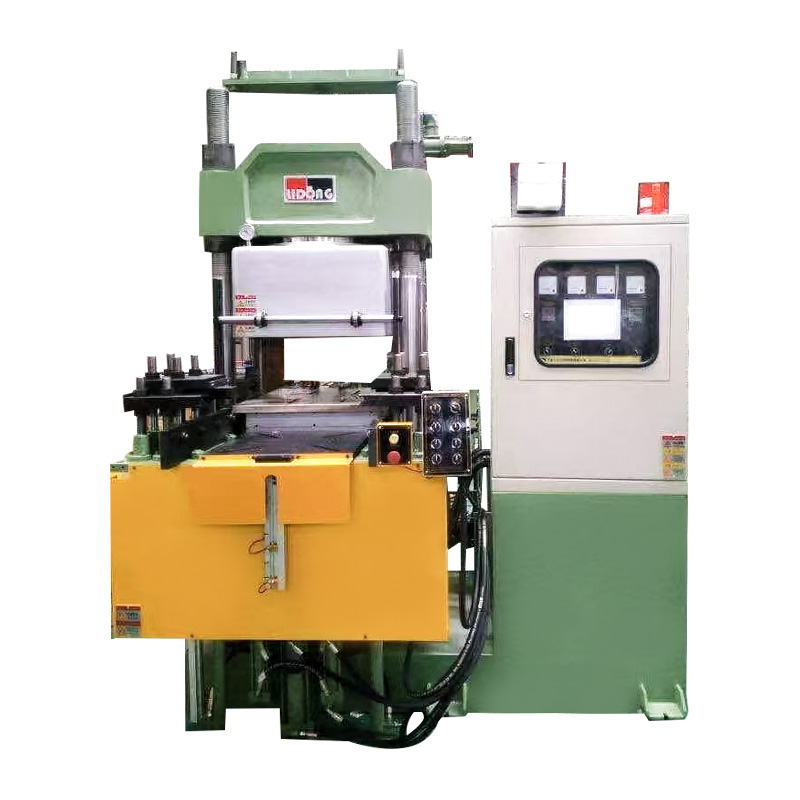
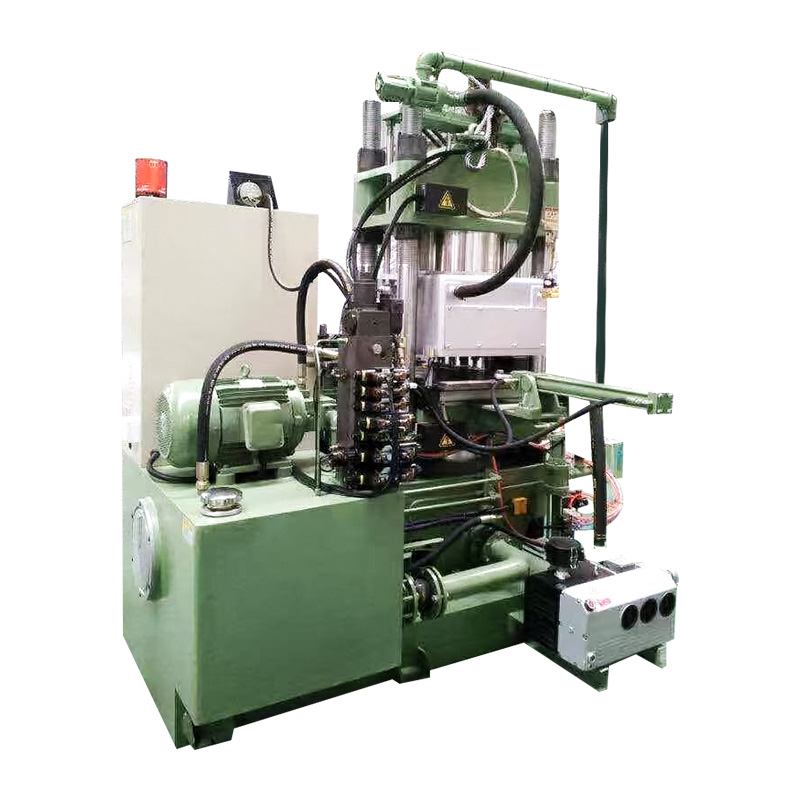
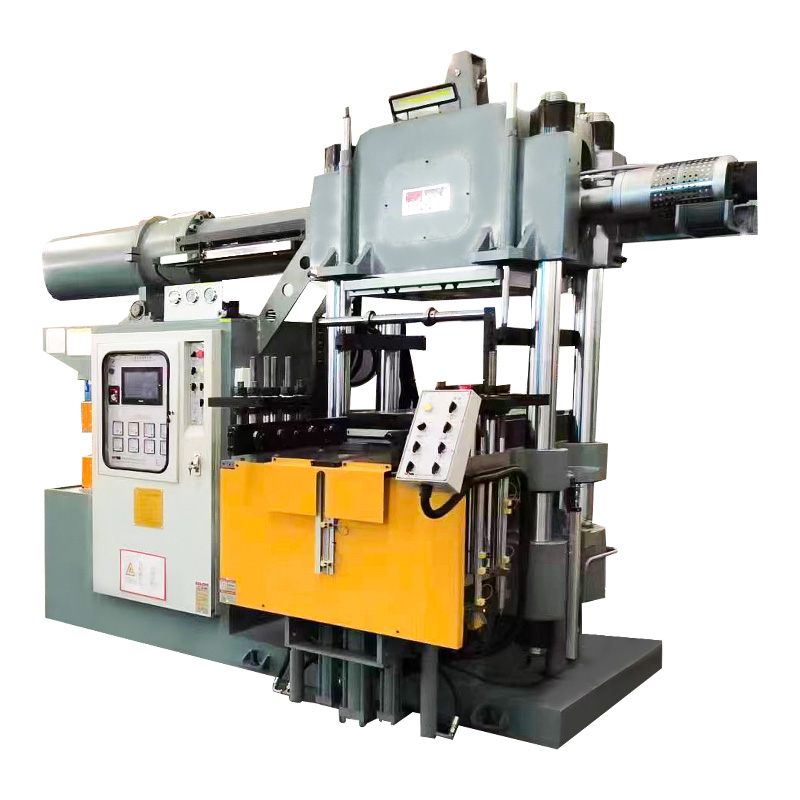
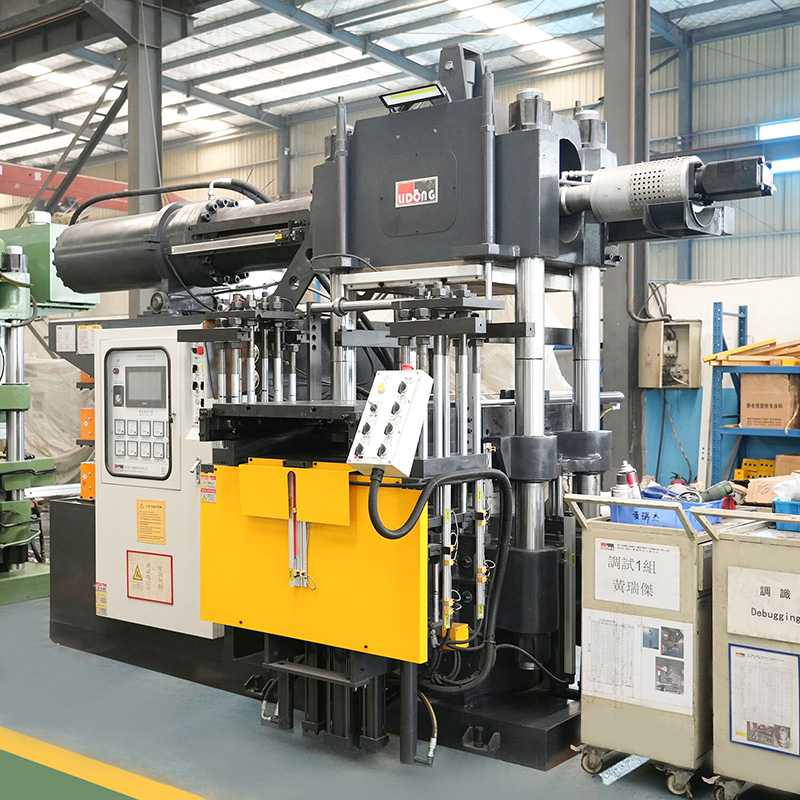
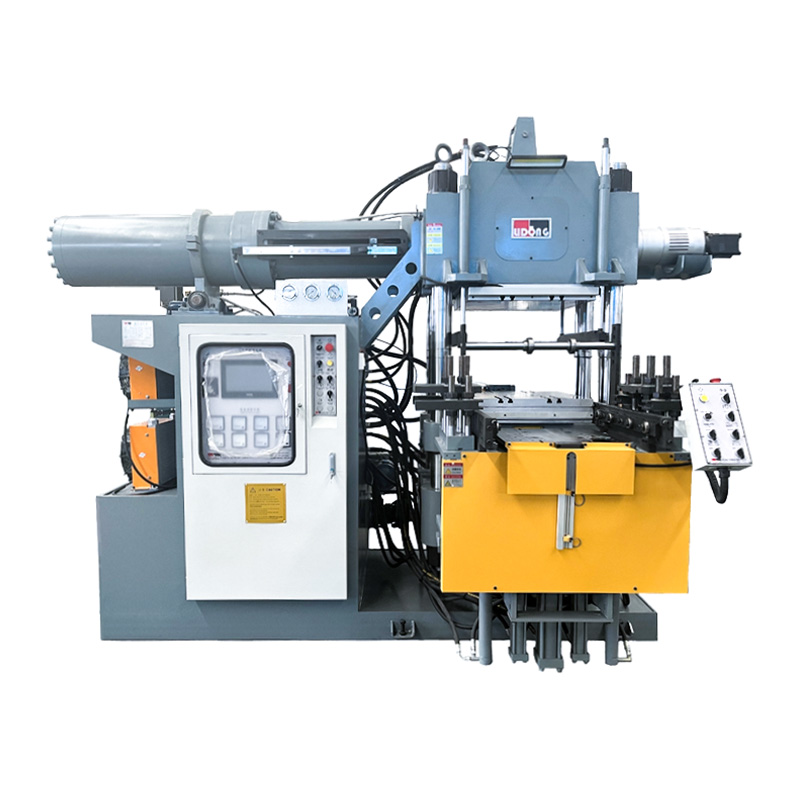
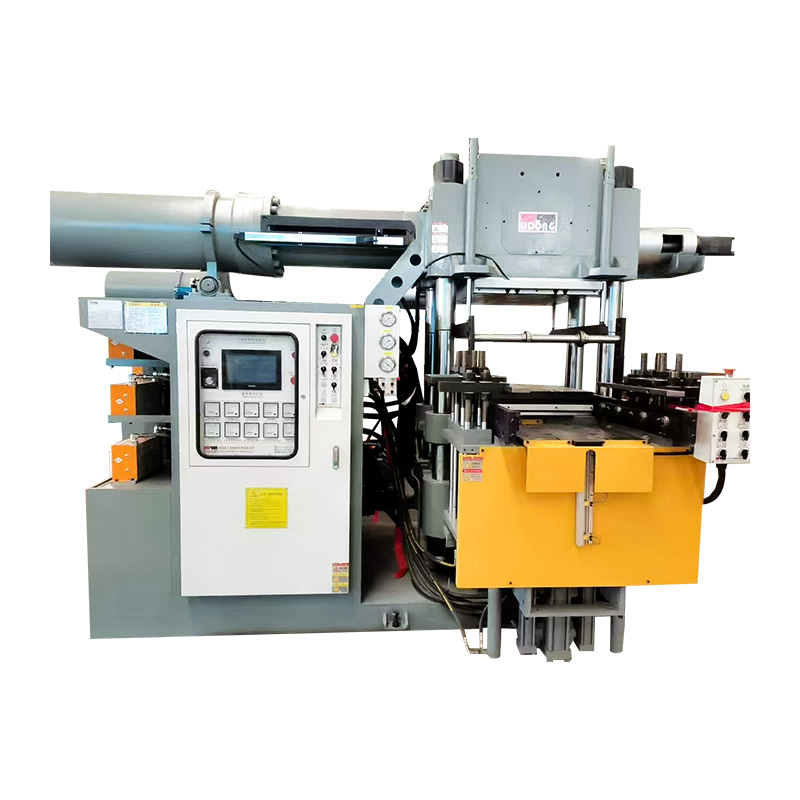
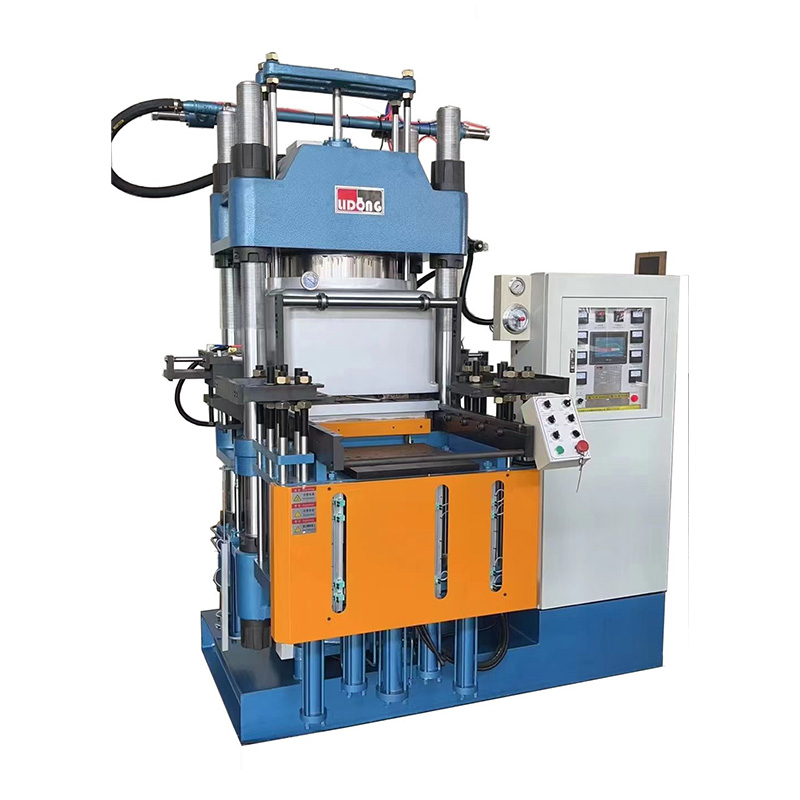
Valve vulcanizing machine is a equipment specially used for tire valve vulcanizing, its design and function are designed to improve production efficiency and quality.
Valve vulcanizing machine is a equipment specially used for tire valve vulcanizing, its design and function are designed to improve production efficiency and quality.

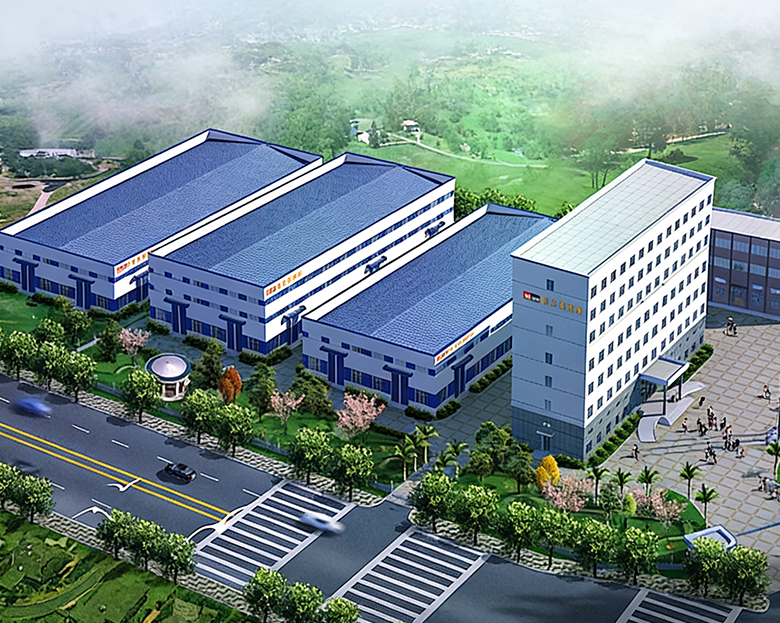
Enterprise establishment

Employees

In the modern transportation industry, the tire valve is a critical component for inflation and pressure maintenance, and its manufacturing precision directly affects vehicle safety. The Valve Vulcanizing Machine is the core technological equipment in this manufacturing process. It is specifically designed to achieve a molecular-level bond between the metal valve core and the rubber base through high temperature, high pressure, and precise timing.
This bonding process is known as vulcanization. Without the precise intervention of a Valve Vulcanizing Machine, rubber is merely a plastic raw material lacking elasticity and weather resistance. Through processing with this equipment, the rubber molecular chains undergo a cross-linking reaction, transforming into a thermosetting material with high strength, high resilience, and superior sealing performance.
Ningbo Delidong Machinery Technology Co., Ltd., as an expert in rubber machinery manufacturing, understands the importance of vulcanization quality to the final product. The Valve Vulcanizing Machine series developed by the company not only carries the technical heritage of a National High-Tech Enterprise but also ensures, through precision design, that tire valves maintain zero-leakage industrial standards even in extreme temperatures (-40°C to 120°C) and high-pressure environments.
The valve is the only channel for air exchange between the tire and the outside world. The role of the Valve Vulcanizing Machine is more than just simple molding; it determines:
Airtight Stability: Preventing micro-cracks at the metal-rubber interface during long-term vibration.
Pull-out Strength: Ensuring the valve does not detach under the centrifugal force of high-speed driving.
Aging Resistance: Optimizing the vulcanization curve to enhance the rubber's ability to resist ozone and ultraviolet rays.
The operation of a Valve Vulcanizing Machine is based on the three elements of vulcanization: Temperature, Pressure, and Time.
Temperature: Triggers the chemical reaction between the vulcanizing agent and rubber molecules.
Pressure: Drives the rubber material to fill the mold cavity, eliminates internal air bubbles, and compresses the metal inserts.
Time: Ensures the cross-linking reaction reaches the optimal positive vulcanization point, preventing over-vulcanization (brittleness) or under-vulcanization (insufficient strength).
A high-performance Valve Vulcanizing Machine is a crystallization of mechanical engineering, fluid mechanics, and microelectronic control. Ningbo Delidong Machinery Technology Co., Ltd. adopts leading global design concepts during the design process to ensure the equipment maintains high consistency during long-term industrial cycles.
The heating system is the heart of the Valve Vulcanizing Machine. Mainstream equipment typically uses embedded electric heating tubes or thermal oil circulation heating. Precision thermocouple sensing allows for real-time monitoring of mold temperature. Superior equipment can control the temperature difference within the mold cavity to within ± 1°C, which is vital for small precision parts like tire valves.
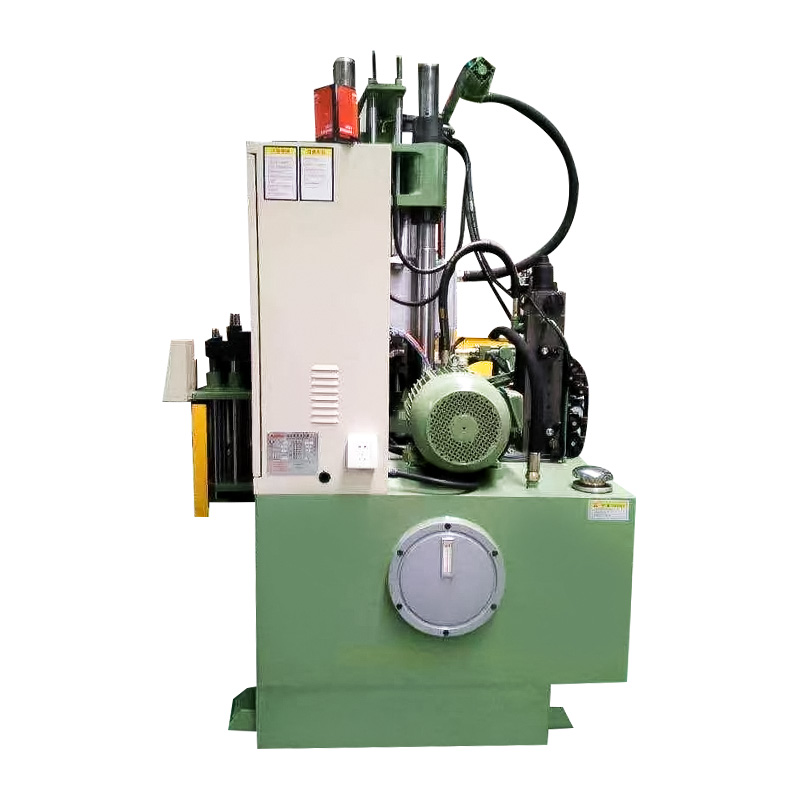
To prevent flash (excess material) during vulcanization, the Valve Vulcanizing Machine must provide strong clamping force. Utilizing low-noise, high-efficiency proportional hydraulic systems achieves fast mold closing and slow pressurization. During the multi-minute vulcanization cycle, the pressure compensation system ensures constant clamping pressure to guarantee product dimensional consistency.
Molds for the Valve Vulcanizing Machine are usually made of high-quality mold steel (such as P20 or H13) and undergo hardening treatment. To improve production efficiency, a single Valve Vulcanizing Machine can be configured with 4, 8, or even 16 cavities. Precision-machined positioning holes ensure the metal valve core is perfectly centered within the rubber.
Ningbo Delidong Machinery Technology Co., Ltd. equips its machines with advanced PLC control systems. Operators can intuitively set parameters such as vulcanization time, exhaust frequency, and temperature compensation via a Human-Machine Interface (HMI). Data logging supports storage and traceability of production parameters, meeting the requirements of modern quality management systems like IATF 16949.
When selecting or designing a Valve Vulcanizing Machine, technical parameter comparison is the core of decision-making. Below is a comparison table based on common technical specifications from Ningbo Delidong Machinery Technology Co., Ltd.:
| Key Parameters | Manual/Small Scale | Semi-Auto/Standard | Full-Auto/High Volume |
| Nominal Clamping Force | 200 - 500 kN | 1000 - 2000 kN | 2500 - 5000 kN |
| Heating Plate Size | 300 x 300 mm | 500 x 500 mm | 800 x 800 mm or larger |
| Working Stroke | 150 - 250 mm | 300 - 500 mm | 500 - 800 mm |
| Max. Working Temp | 200°C | 200°C | 250°C |
| Heating Power | 5 - 8 kW | 15 - 25 kW | 40 - 60 kW |
| Control System | Traditional Temp Table | PLC + Touch Screen | Intelligent Integrated System |
| Yield per Cycle | 2 - 4 pcs | 8 - 24 pcs | 48 - 96 pcs |
Ningbo Delidong Machinery Technology Co., Ltd. can provide non-standard customized Valve Vulcanizing Machines based on specific customer production needs, maximizing capacity utilization while ensuring stable performance.
In the actual operation of a Valve Vulcanizing Machine, valve molding is not a simple heating process but a systemic engineering task involving material science and precision mechanical coordination. Ningbo Delidong Machinery Technology Co., Ltd. considers every detail from raw material preparation to final demolding.
Before entering the Valve Vulcanizing Machine, metal cores must undergo strict surface treatment, including degreasing, sandblasting, and the application of specialized rubber-to-metal adhesives. Simultaneously, the raw rubber is pre-formed into specific weights and shapes to reduce flash.
The mold cavity design of the Valve Vulcanizing Machine is extremely precise. Operators or robotic arms place the pre-heated metal cores into positioning pins. Delidong equipment utilizes high-precision positioning mechanisms to ensure the displacement deviation of the metal core is less than 0.05 mm under pressure.
Once the mold is closed, the Valve Vulcanizing Machine enters the core cycle. The machine automatically performs 2-3 bumping (exhaust) actions to discharge air and prevent bubbles. The Delidong intelligent control system limits temperature fluctuations to a minimal range, ensuring a uniform cross-linking reaction. Continuous high pressure offsets thermal expansion and contraction, ensuring precise product dimensions.
Even with an advanced Valve Vulcanizing Machine, improper parameters can lead to quality issues. The following table summarizes common defects and solutions at the equipment level:
| Defect Type | Description | Valve Vulcanizing Machine Optimization |
| Delamination | Separation of metal and rubber | Check temp precision; extend vulcanization time |
| Porosity | Micro-voids on surface or interior | Increase bumping frequency or clamping pressure |
| Over-curing | Rubber becomes brittle or brown | Adjust PLC to lower temp or shorten cycle |
| Heavy Flash | Excessive material at parting line | Check mold fit or lower clamping pressure via valves |
| Under-curing | Poor resilience and low strength | Increase mold thermal compensation or cycle time |
Ningbo Delidong Machinery Technology Co., Ltd. provides comprehensive technical support to help manufacturers optimize Valve Vulcanizing Machine parameters, raising the qualification rate to over 99.5%.
For a factory pursuing sustainable development, the daily maintenance of the Valve Vulcanizing Machine directly determines the return on investment.
Hydraulic System Monitoring: Regularly check the viscosity and cleanliness of hydraulic oil. Delidong equipment protects valve groups with precision filters; oil replacement is recommended every 2000 working hours.
Heating Plate Parallelism: Heating plates may undergo slight deformation over time. It is recommended to use pressure-sensitive film quarterly to detect clamping pressure uniformity.
Mold Cleaning: Accumulation of carbon deposits from vulcanizing agents can occur. Regular ultrasonic cleaning or sandblasting protects the core precision of the Valve Vulcanizing Machine.
When choosing a Valve Vulcanizing Machine, Ningbo Delidong Machinery Technology Co., Ltd. suggests that large-scale manufacturers adopt multi-station designs. For example, a dual-sliding workstation allows an operator to load and unload on one side while the other side is vulcanizing. This can increase production efficiency by more than 40%.
As a national technological innovation enterprise, Delidong adheres to quality as its core. Its equipment is capable of 24-hour continuous operation and achieves industry-leading levels in Energy Efficiency Ratio.
In high-precision valve manufacturing, any residual air in the cavity causes surface pits. The vacuum hood function of the Valve Vulcanizing Machine extracts air before mold closing, ensuring 360-degree seamless wrapping of the rubber.
If temperature fluctuations on the PLC exceed ± 3°C or if heating speeds between different cavities are inconsistent, it usually indicates aging heating tubes.
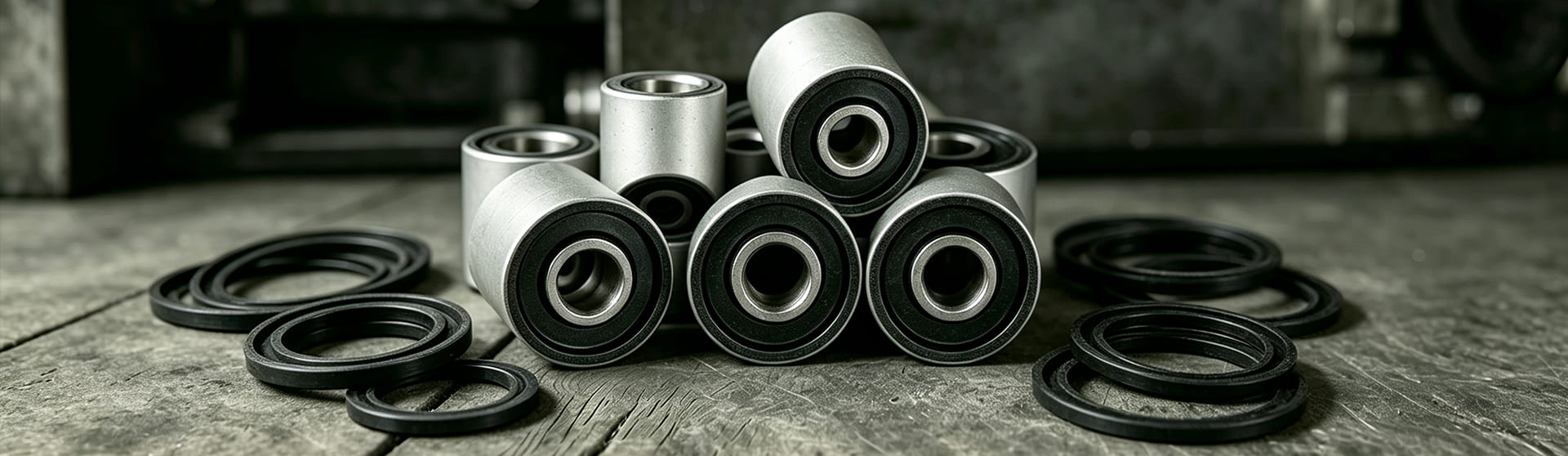
Yes. Ningbo Delidong Machinery Technology Co., Ltd. equipment is highly versatile. By changing molds and PLC parameters, it can produce oil seals, gaskets, and other precision rubber parts.
Besides adhesive quality, the mold-closing speed of the Valve Vulcanizing Machine matters. If it is too slow, the adhesive may thermally degrade before the rubber makes contact.
Delidong uses high-efficiency insulation to wrap heating plates, reducing heat loss. Combined with frequency-conversion hydraulic systems, it can save 20%-30% energy compared to traditional machines.
If you are interested in our products, please consult us
contact details
Address : Qinghua Road 188# Yinzhou District Ningbo City in Zhejiang Province China.
Tel: +0086-0574-6211 3333
Fax : +0086-0574-6211 6666
Email: [email protected]
news center
Mobile terminal




 Custom Valve Vulcanizing Machine Manufacturers