 English
 عربى
عربى
 中文繁体
中文繁体

Content
- 1 Common Types of Rubber Conveyor Belt Damage
- 2 The First Decision: Repair or Replace?
- 3 The Main Repair Methods for Rubber Conveyor Belts
- 4 Comparing Repair Methods: Strength, Downtime, and Cost
- 5 Equipment Considerations for Hot Vulcanization Repairs
- 6 When to Choose Repair vs Replacement
- 7 Practical Steps for a Reliable Repair
Your conveyor belt has just suffered a puncture. A 200 mm tear runs through the top cover, and production is stopped. The decision on how to repair it matters more than most people expect. A quick patch may get you running today, but the wrong repair method can create a recurring failure point that costs more in downtime than the repair itself. After assessing common repair practices, the most reliable approach for heavy-duty rubber belts is hot vulcanization, assuming you have or can rent the right equipment. Here we break down the options and what each one means for your operation.
Common Types of Rubber Conveyor Belt Damage
Damage to a conveyor belt rarely takes the same shape twice. The most frequent problems are longitudinal rips along the belt center, punctures caused by sharp ore or scrap metal, edge tears from belt mistracking, and cover wear or gouging from repeated impact. Each type has a different repair strategy. A puncture through the top cover only needs a small patch, while a long rip in the carcass requires a full vulcanized splice to restore tension rating.
The First Decision: Repair or Replace?
Before selecting a repair method, evaluate whether the belt is worth repairing at all. The extent of damage is the main driver. If the rip runs across the full belt width, or if the steel cords are broken and corroded, a repair will never restore the belt's original tension rating. In that case, replacement is the only safe choice.
Also consider the age and remaining cover thickness. A belt that has already lost 30% of its original cover thickness will not perform well after a local patch. In contrast, a rip that is less than 20% of the belt width, with intact fabric or cord, is a good candidate for repair.
The Main Repair Methods for Rubber Conveyor Belts
There are three widely used methods for repairing rubber conveyor belts. Each one has a different balance of speed, durability, and equipment cost.
Hot Vulcanization
Hot vulcanization, also called hot splicing, uses heat and pressure to cure a repair patch or a splice into the belt structure. The damaged area is skived, a new rubber strip is placed, and a vulcanizing press applies controlled heat and pressure for a set period. This process creates a chemical bond that is virtually as strong as the original belt. It also produces a clean, uniform surface that resists further tearing, abrasion, and moisture ingress.
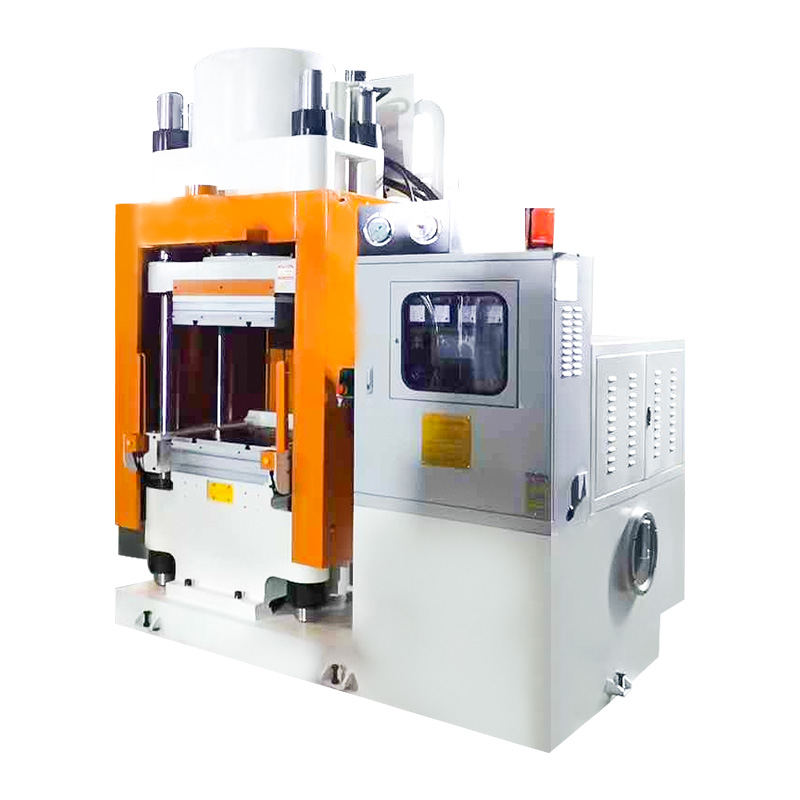
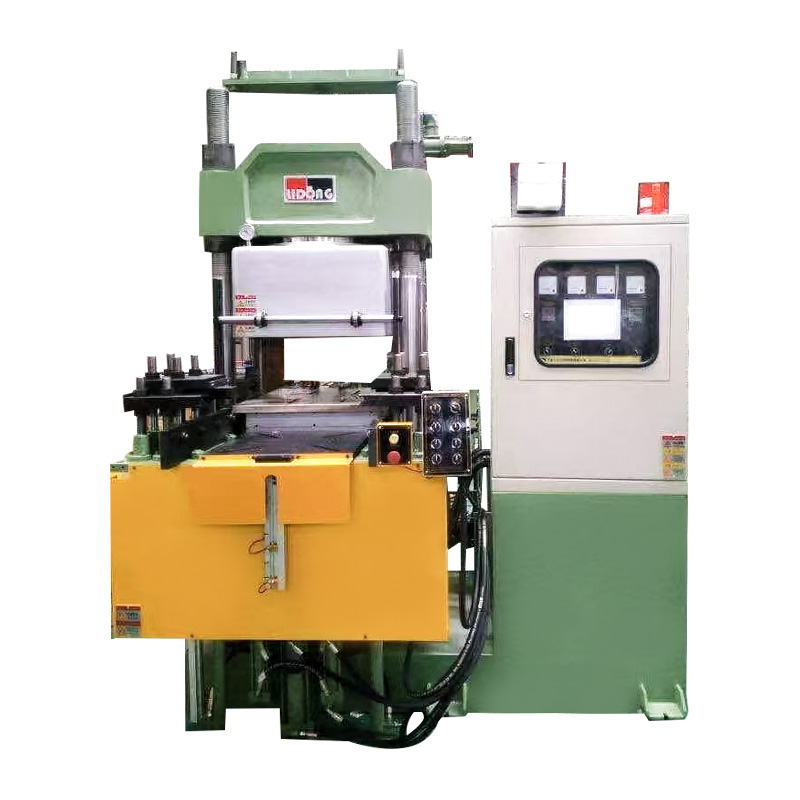
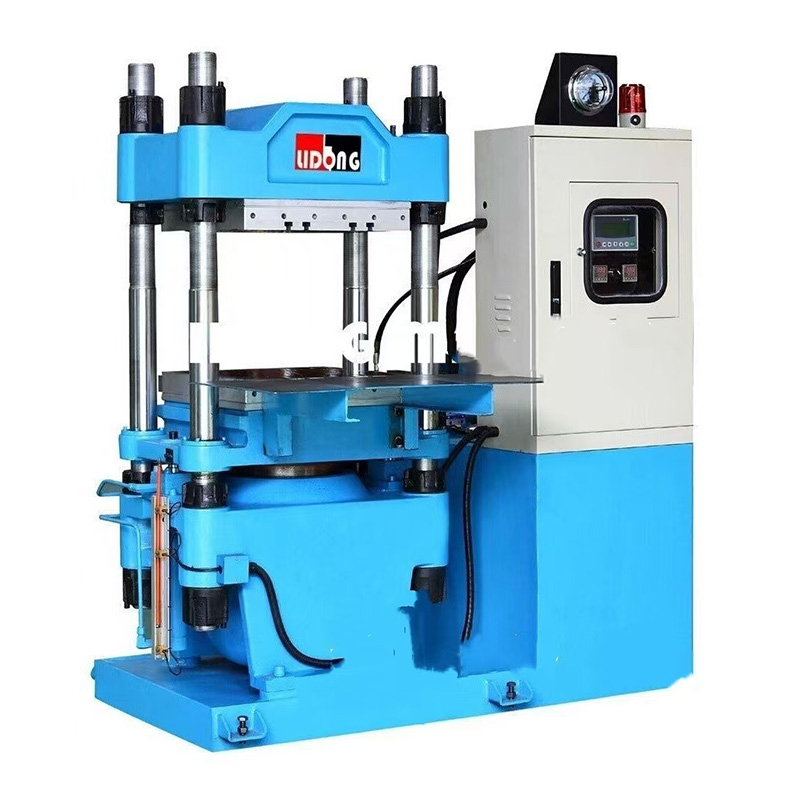 Plate Vulcanizing Press for Hot Splicing and RepairThis press uses heat and pressure to cure patches into belt structures, creating bonds nearly as strong as the original. Ideal for localized defects, it offers a clean, uniform surface resistant to tearing and moisture.View Product →
Cold Bonding
Cold bonding uses a two-component adhesive and a repair patch, without heat. It is fast and inexpensive, and it can be carried out on site with minimal tools. However, the bond line remains a weak point. Under high tension, aggressive material flows, or temperatures above 80°C, cold-bonded repairs often fail within weeks. It is best reserved for small surface defects, edge damage, or as a temporary fix while a permanent repair is planned.
Mechanical Fasteners
Mechanical fasteners, such as bolted plates or hinged splice systems, are the quickest method. A repair crew can install them in under an hour, and no curing time is needed. The downside is that fasteners create a flexing joint that can loosen, cause tracking issues at the head pulley, or catch on scrapers. They are useful for emergency restoration or for belts that operate at low speed with low-tension loads.
Comparing Repair Methods: Strength, Downtime, and Cost
The table below summarizes the key trade-offs you should consider when choosing a repair approach.
| Method | Strength | Downtime | Cost | Best For |
|---|---|---|---|---|
| Hot vulcanization | High, close to original | 4-12 hours including cooling | High equipment investment | Long tears, edge damage, high-tension belts |
| Cold bonding | Moderate | 1-3 hours | Low | Small cover defects, emergency patches |
| Mechanical fasteners | Low to moderate | 30-60 minutes | Low to moderate | Emergency temporary restoration |
Equipment Considerations for Hot Vulcanization Repairs
If you plan to standardize on hot vulcanization, the correct equipment is crucial. A portable vulcanizing press or a standard plate vulcanizing press must deliver a consistent platen temperature, typically in the range of 140°C to 160°C, and sufficient clamping pressure to force the repair strip into the belt matrix. The heating platen dimensions should cover the prepared repair area plus a border of at least 50 mm on all sides.
Pressure distribution is equally important. Air trapped between the repair patch and the belt can cause blisters and failure. A rubber vulcanizing machine buying guide can help you understand the key specifications that affect repair quality, such as pressure capacity, heating zone control, and mold transfer options.
For repairs on thick covers or when you need to minimize air entrapment, a vacuum-assisted vulcanizing machine provides more reliable results by removing air before curing.
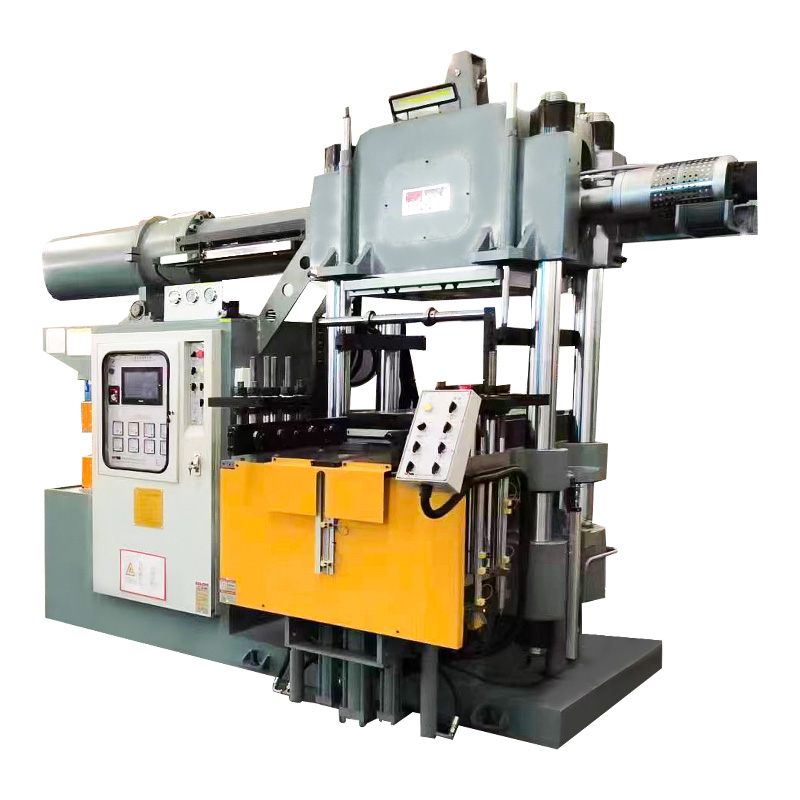
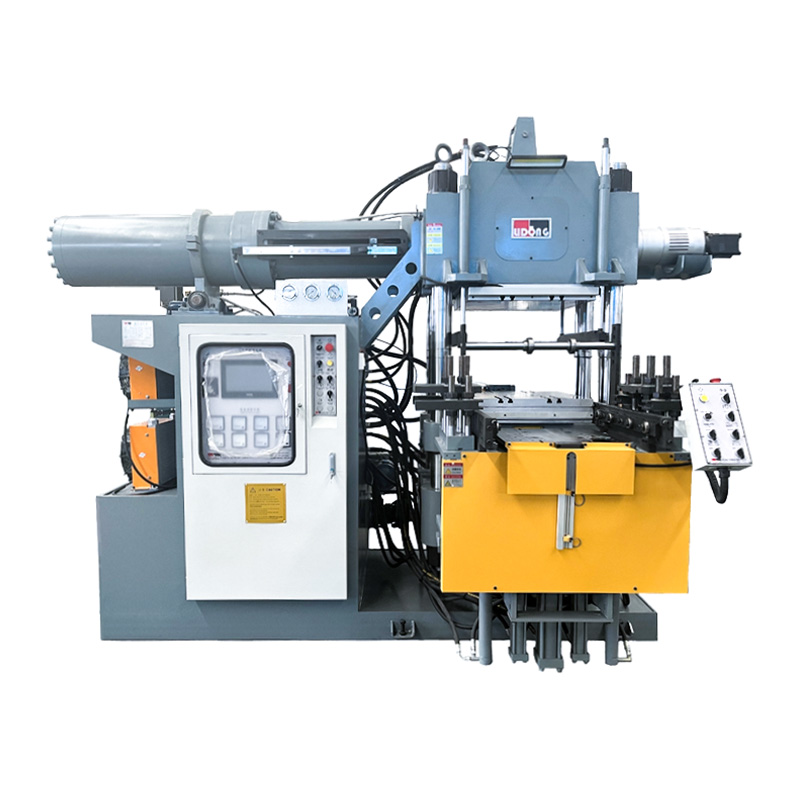
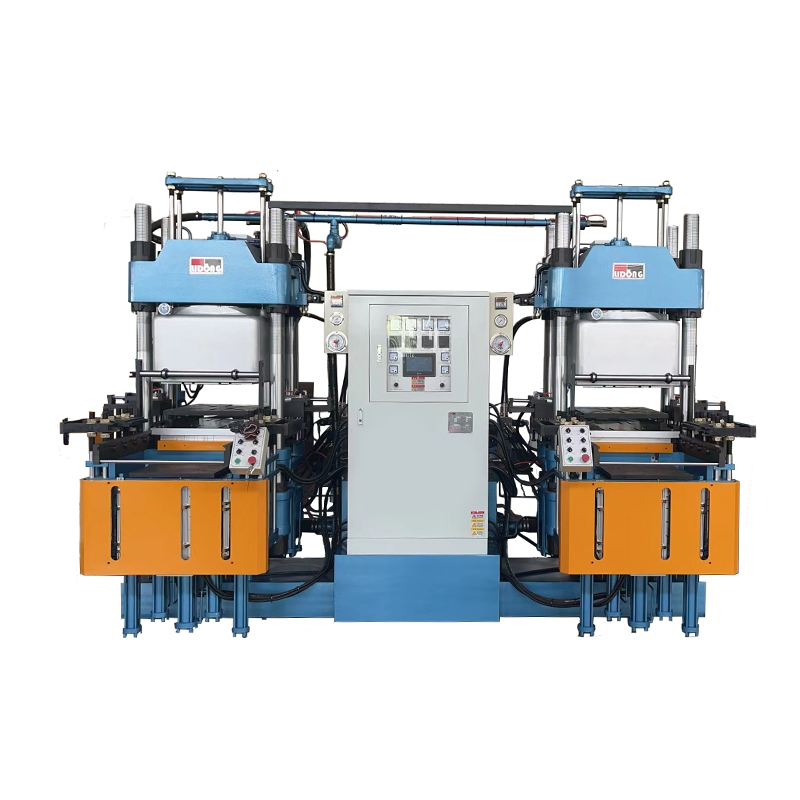 Vacuum Vulcanizing Machine for Air-Free Rubber RepairsBy removing air before curing, this machine reduces entrapment in thick covers and ensures reliable vulcanization. Suitable for seals, gaskets, and wiper strips, it improves product quality and process control.View Product →
When to Choose Repair vs Replacement
As a general rule, repair when the damaged area is localized and the belt's structural reinforcement remains sound. For example, a single side-edge tear of 100 mm can be hot-vulcanized successfully. However, you should replace the belt if a rip exceeds about 25% of the belt width, if there are three or more major defects in a one-meter section, or if the belt has already been repaired twice in the same area. A plate vulcanizing press can be used for both natural and synthetic rubber, which expands your repair options, but it does not change the underlying replacement criteria.
Practical Steps for a Reliable Repair
Follow these steps when performing a hot vulcanization repair on a rubber conveyor belt:
- Inspect and mark the exact boundaries of the damage, and determine whether any exposed carcass or steel cords are present.
- Skive the damaged area to a shallow, even cavity. Remove all loose rubber and dust.
- Apply a compatible repair strip or rubber compound, ensuring the patch is slightly larger than the cavity.
- Place the repair area between the platens of your vulcanizing machine. Set the temperature and pressure according to the belt manufacturer's recommendations.
- Maintain the heating cycle for the prescribed time, then allow the repair to cool without relieving pressure.
- Trim excess material and run the belt at reduced speed for the first day, checking for any signs of lifting or blistering.
Selecting the right repair method depends on the belt's condition, the time you can afford, and the equipment you have on site. Hot vulcanization remains the most durable choice for serious damage, and it is the only method that restores a seamless, full-strength belt surface. If you repair belts on a regular basis, investing in a reliable vulcanizing machine will rapidly pay for itself in reduced downtime and longer belt life. For a more detailed review of how different vulcanizing machines are set up and operated, talk with an equipment supplier about your specific repair scenarios.