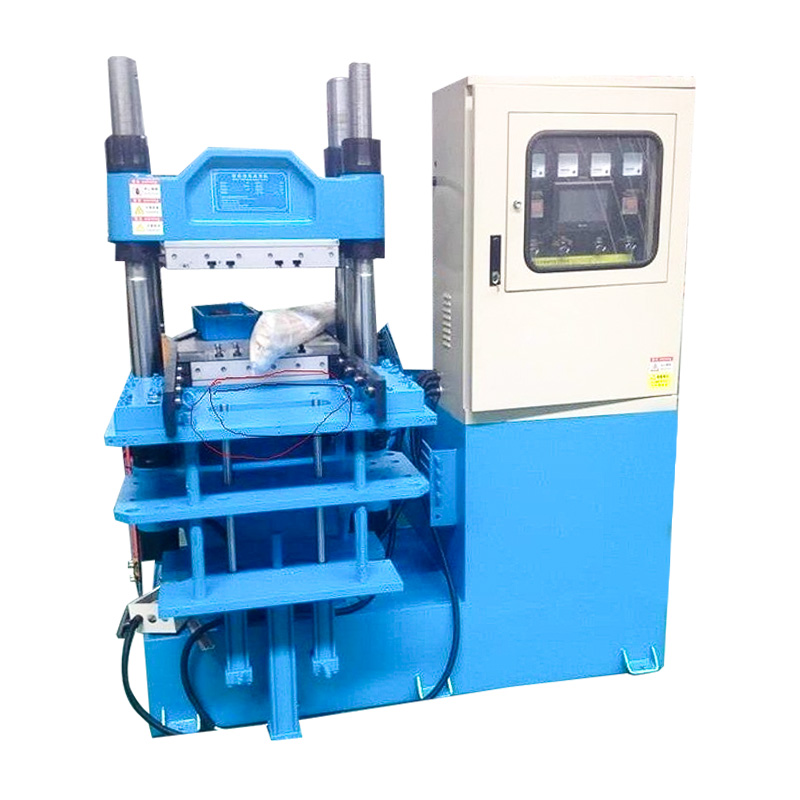
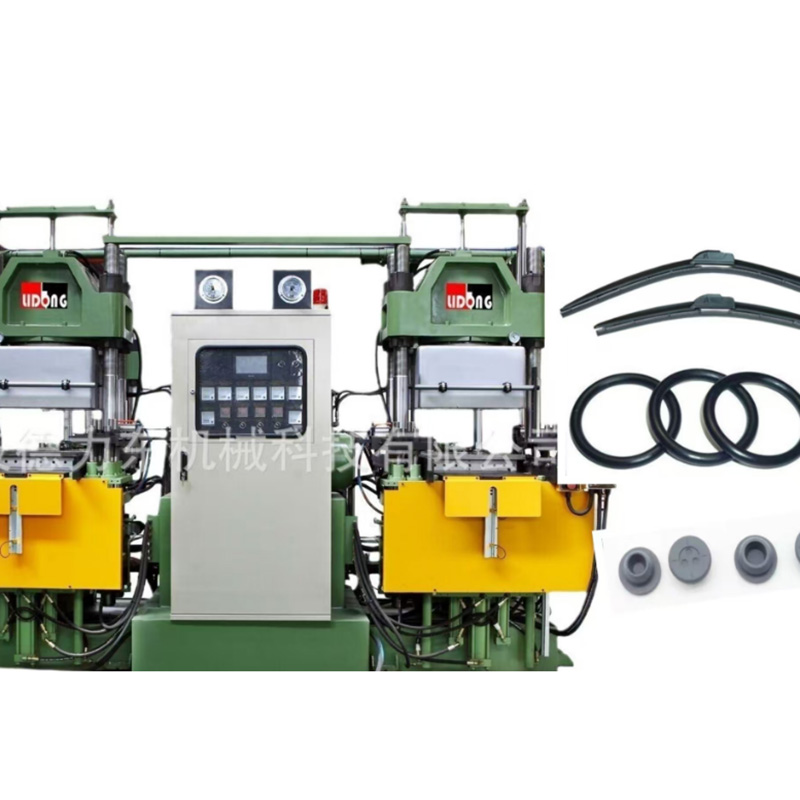
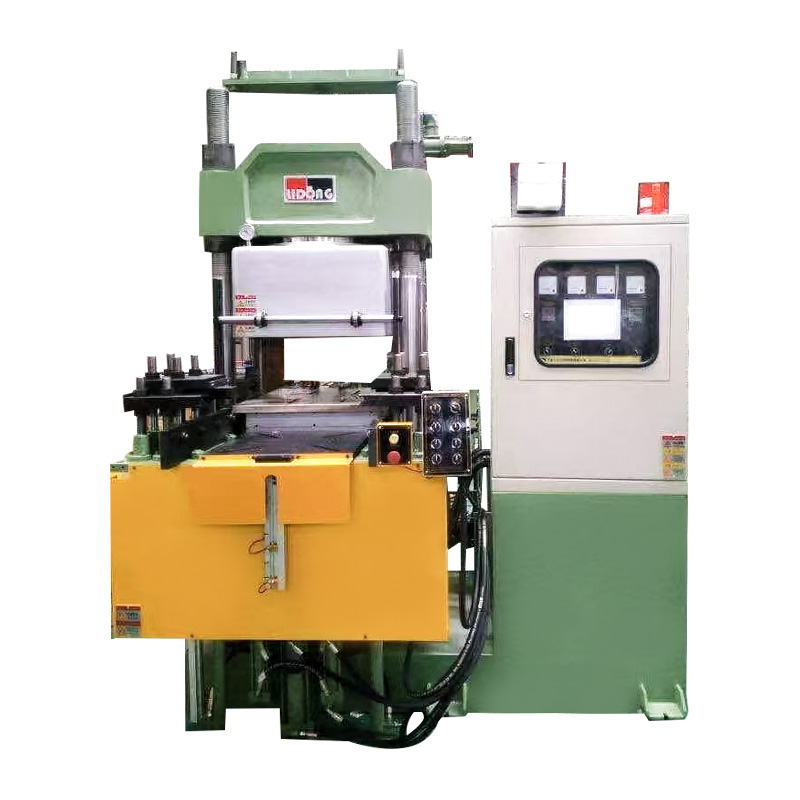
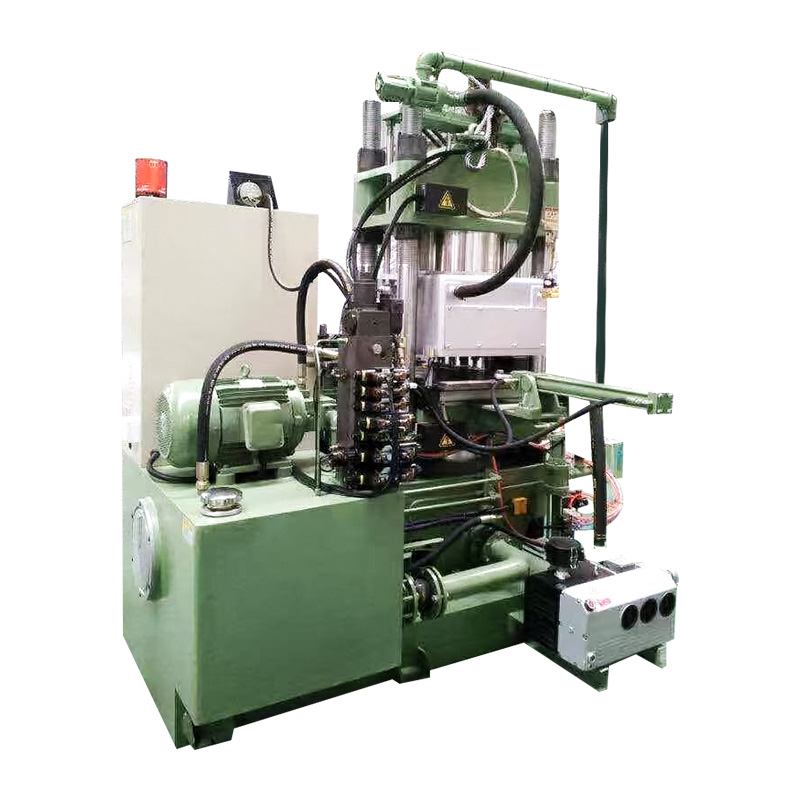
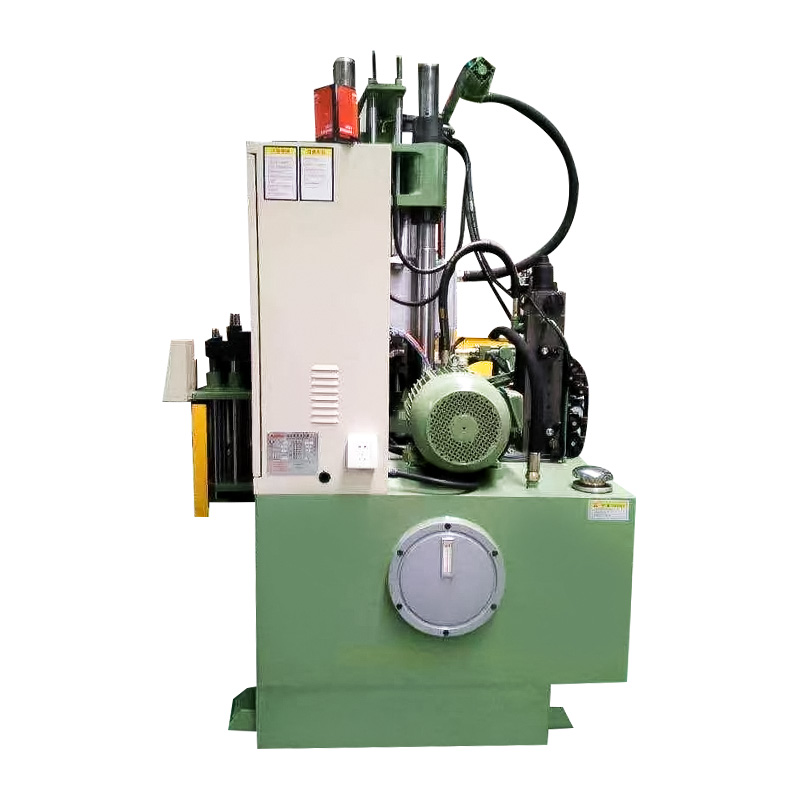
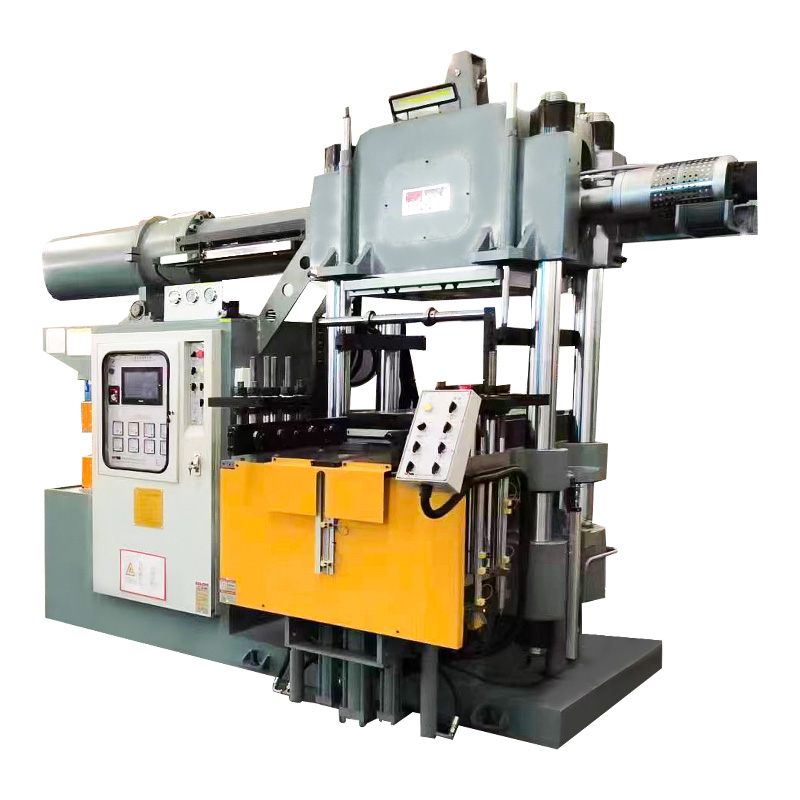
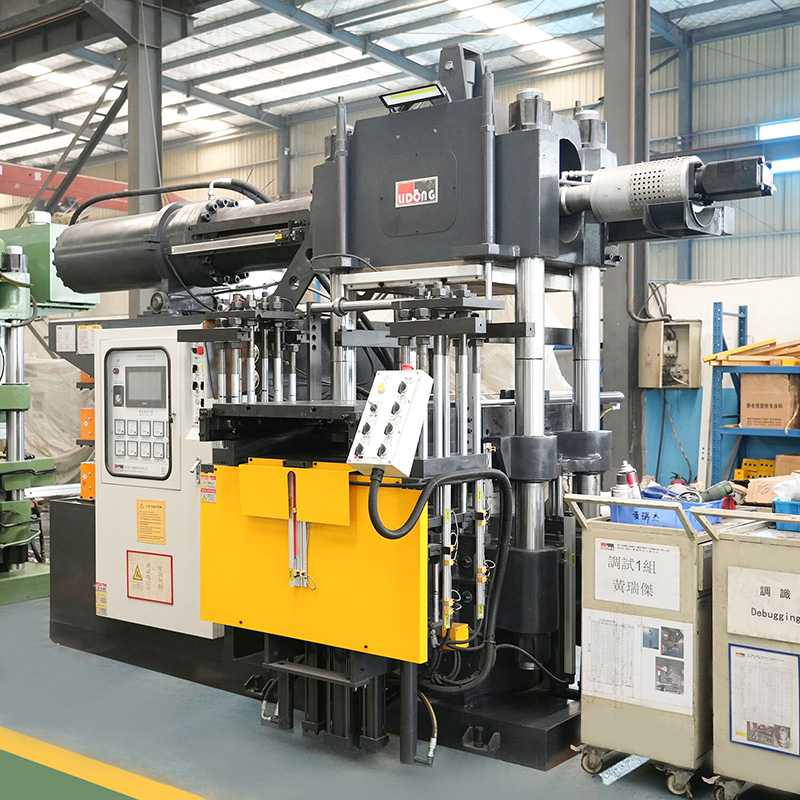
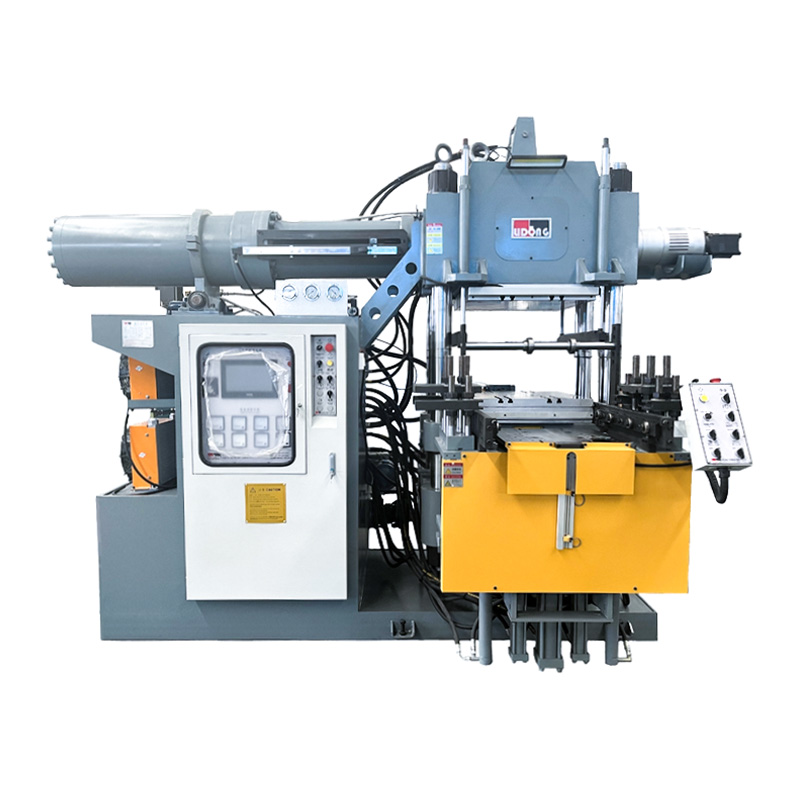
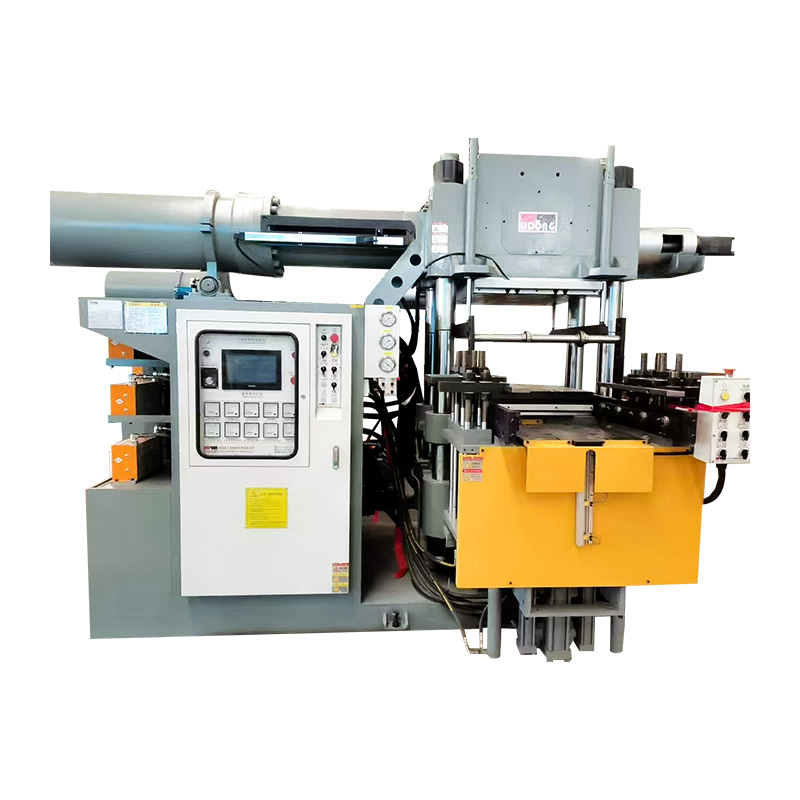
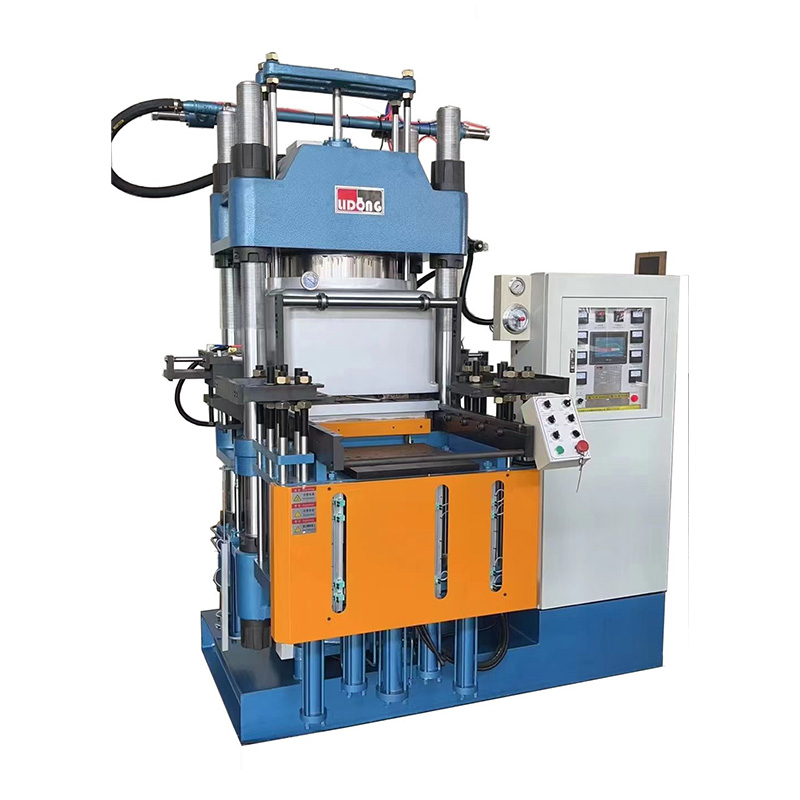
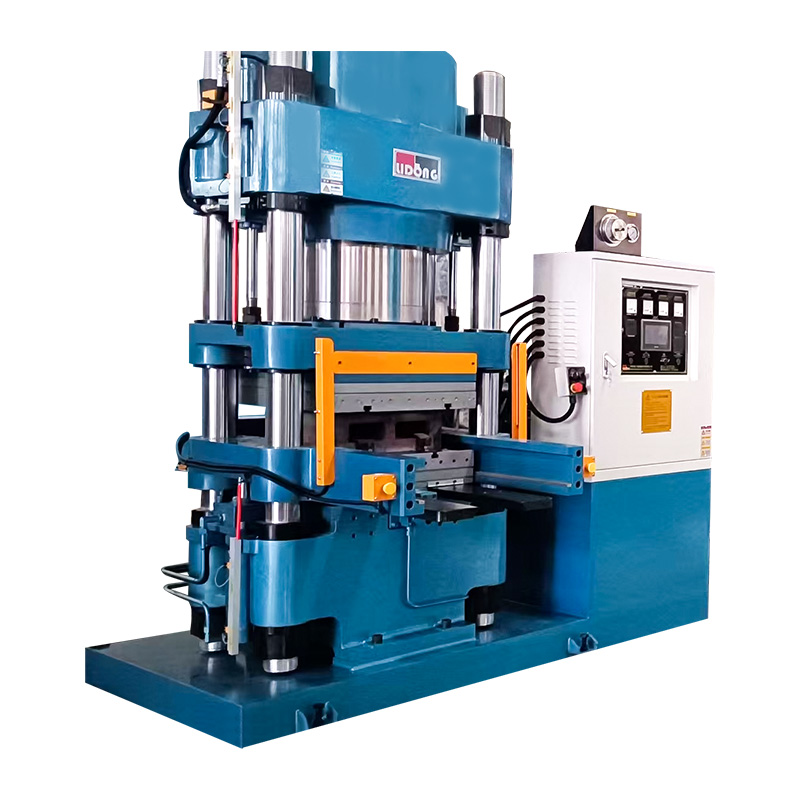
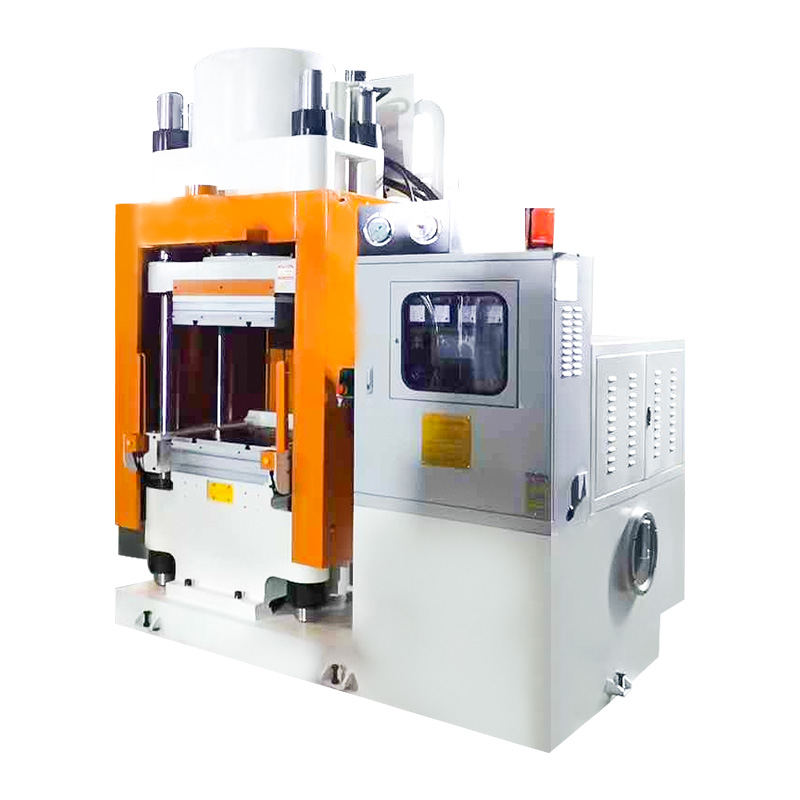
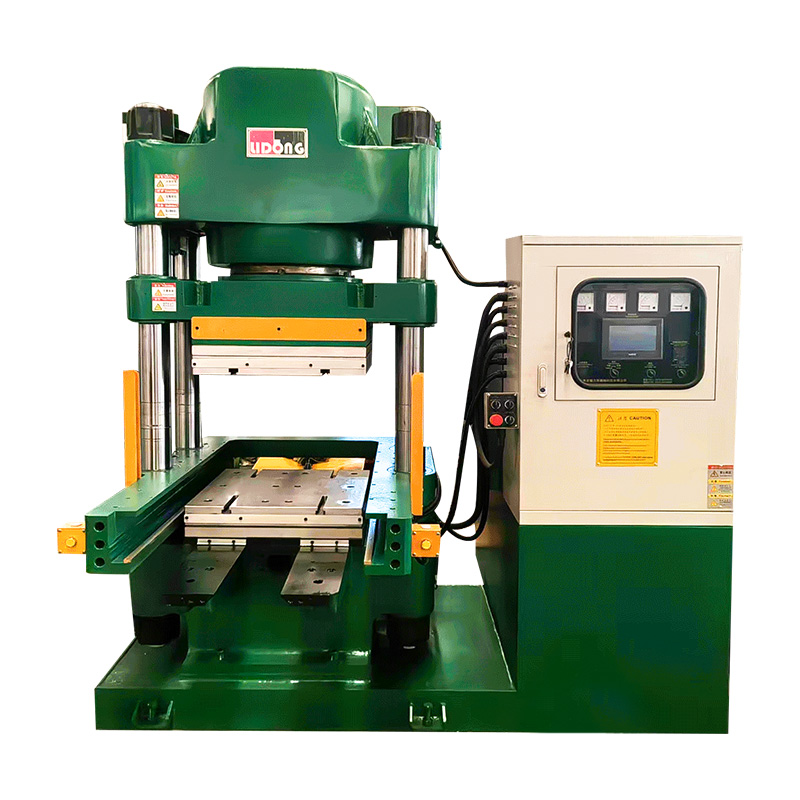
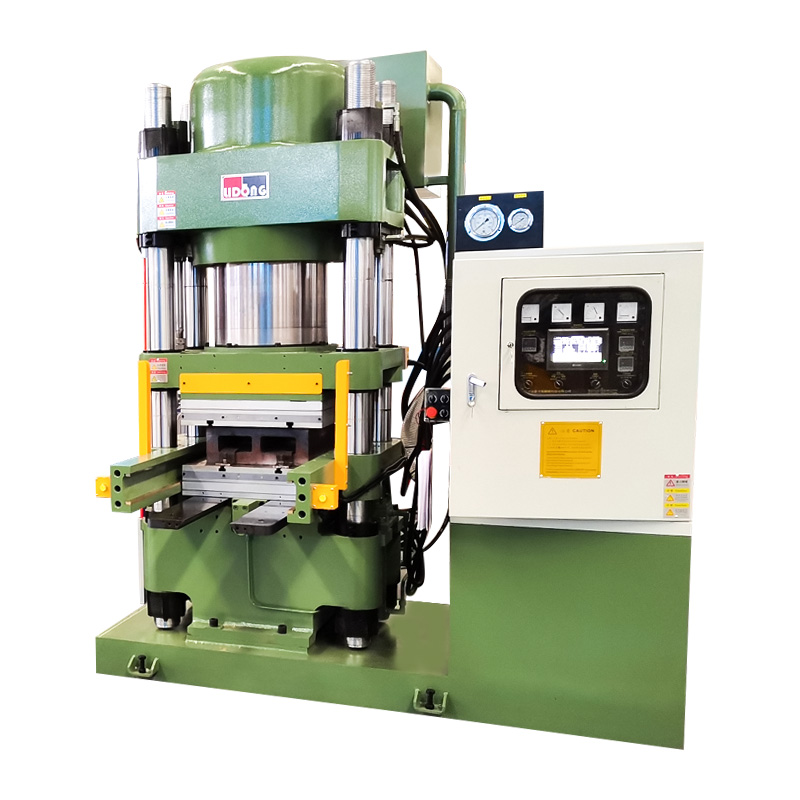
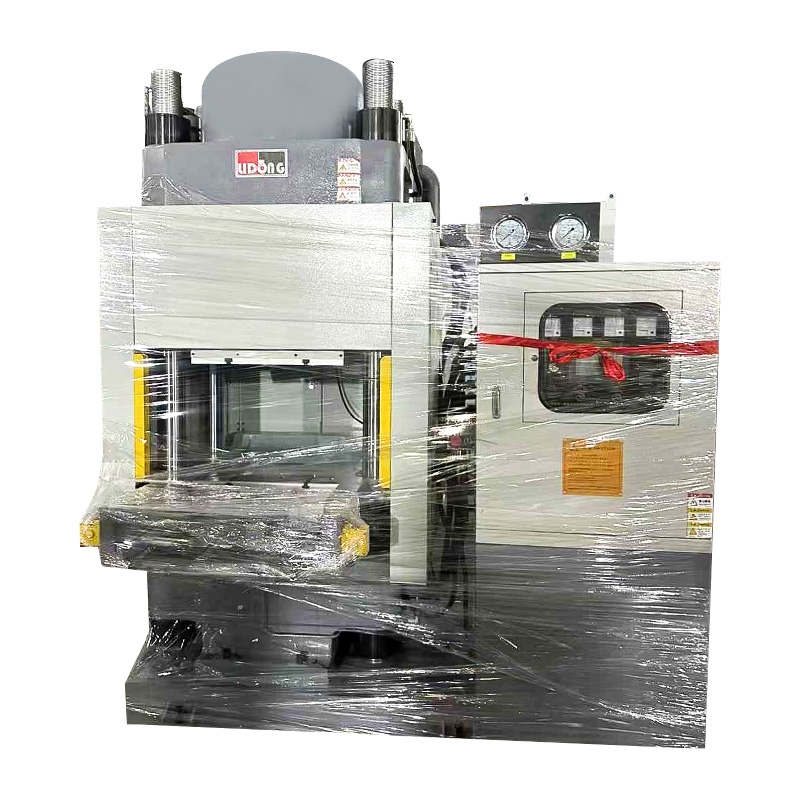
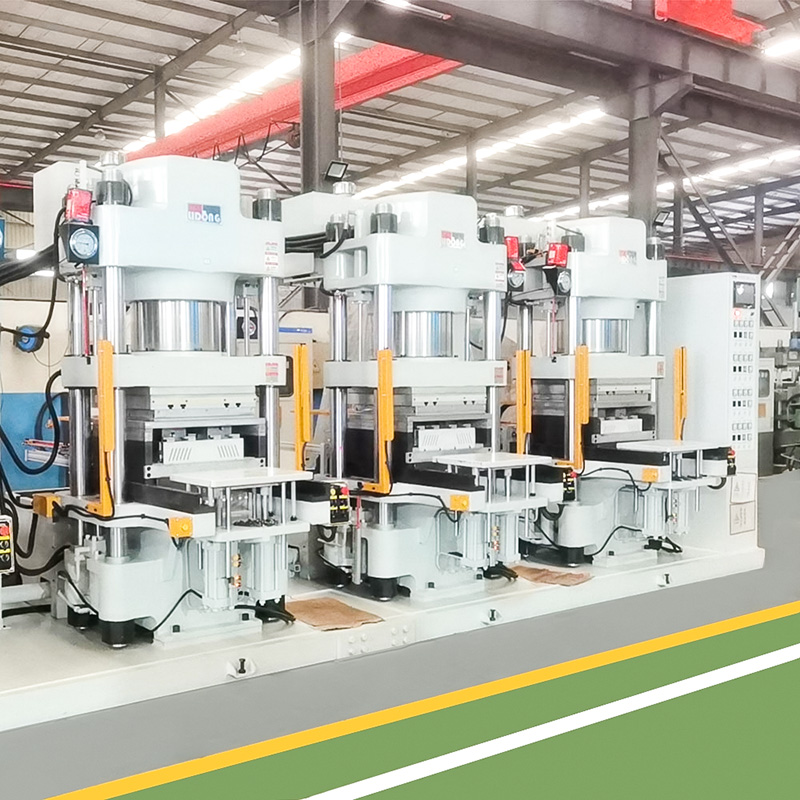
Overview of Plate Vulcanizing Press
The Plate Vulcanizing Press is a crucial machine in the rubber processing and industrial manufacturing sectors, widely used for vulcanizing rubber sheets, hoses, conveyor belts, and other industrial rubber products. Vulcanization is a chemical process where raw rubber is transformed into a more durable and elastic material by forming cross-links between polymer chains, typically using sulfur or other curing agents. This process enhances mechanical strength, heat resistance, and wear resistance of rubber, which are critical for industrial applications.
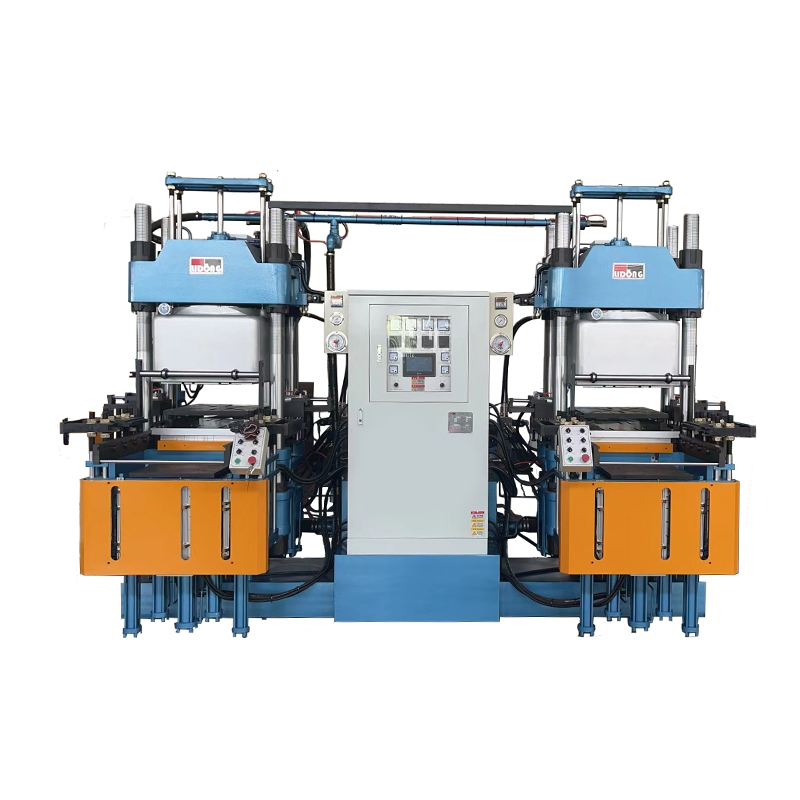
Modern plate vulcanizing presses are available in various types, including hydraulic, mechanical, and pneumatic models. Each type is designed to optimize heating efficiency, pressure distribution, and operational control to ensure consistent and high-quality output. Advanced models, like those supplied by Ningbo Delidong Machinery Technology Co., Ltd., also integrate programmable temperature controls, safety interlocks, and automated plate transfer systems, providing significant labor savings and improved production efficiency.
The industries that rely on plate vulcanizing presses are diverse, ranging from automotive and construction to mining and heavy machinery manufacturing. For example, conveyor belts in mining operations must withstand extreme tension, abrasion, and temperature variations, which can only be achieved through precise vulcanization. Similarly, rubber sheets and gaskets used in industrial equipment require uniform cross-linking to ensure reliability in harsh working conditions.
In addition to performance, modern presses focus on energy efficiency and ease of operation. Hydraulic systems allow precise pressure application with minimal energy waste, while automated control panels ensure that temperature and timing remain consistent across each batch. Companies like Ningbo Delidong Machinery Technology Co., Ltd. emphasize building robust, long-lasting presses with a balance of efficiency, safety, and precision, supporting both small workshops and large-scale industrial facilities.
| Feature |
Description |
| Type |
Hydraulic, Mechanical, Pneumatic |
| Application |
Rubber sheets, conveyor belts, hoses, gaskets |
| Pressure Range |
0.5 MPa – 5 MPa (adjustable by model) |
| Temperature Range |
100°C – 250°C (controlled) |
| Manufacturer Example |
Ningbo Delidong Machinery Technology Co., Ltd. |
Key Components and Working Principle
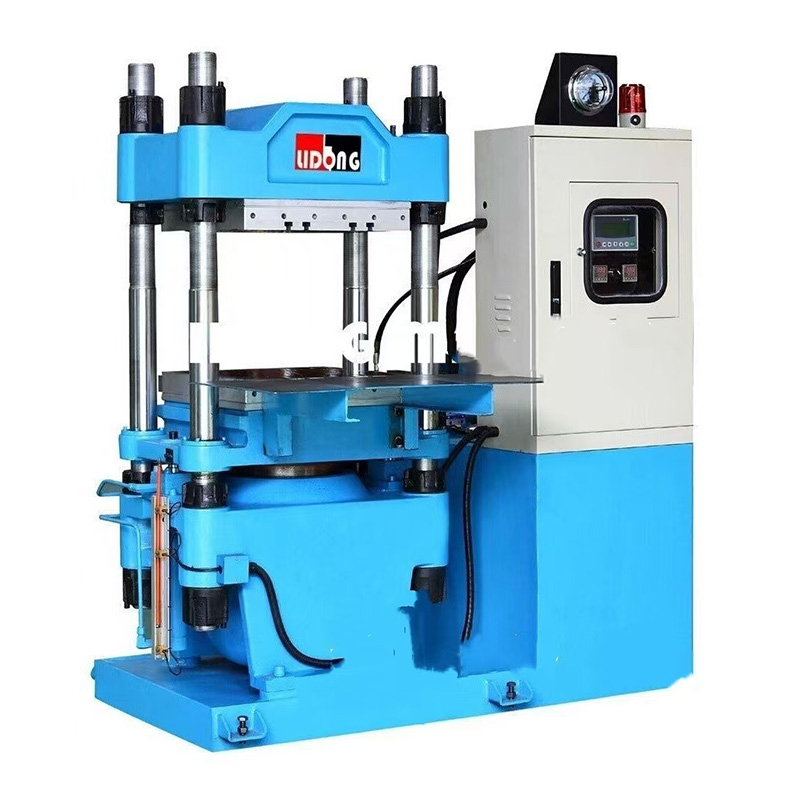
The operation of a Plate Vulcanizing Press depends on several core components, each contributing to precise and uniform vulcanization. At the heart of the machine are two parallel plates—upper and lower—equipped with high-quality heating elements and temperature sensors. These plates provide uniform heat, ensuring that the rubber material undergoes consistent chemical cross-linking. Uneven temperature distribution can lead to weak spots in the final product, which is unacceptable in industrial applications.
Pressure is applied through a hydraulic, mechanical, or pneumatic system, depending on the model. Hydraulic systems are the most common in modern presses due to their stability and ability to deliver adjustable pressure accurately. Precise pressure control is critical, as excessive force can deform the rubber, while insufficient force may result in incomplete vulcanization. Advanced machines, such as those produced by Ningbo Delidong Machinery Technology Co., Ltd., integrate sensors that monitor and maintain pressure in real-time, reducing the risk of defects.
The control panel serves as the operational hub, allowing operators to set temperature profiles, pressing duration, and safety parameters. Modern presses may feature programmable logic controllers (PLCs) for automated processes, including multi-step heating and cooling cycles. Automation not only improves productivity but also minimizes human error, which is essential when producing high-value rubber products. Safety mechanisms, such as emergency stop buttons, overload protection, and interlocks, protect operators and machinery, reflecting the high engineering standards of Ningbo Delidong Machinery Technology Co., Ltd.
Rubber products like conveyor belts, hoses, and industrial sheets are placed between the plates. Once the machine is activated, heat and pressure cause vulcanization to occur, producing a final product with enhanced elasticity, durability, and resistance to mechanical stress. By controlling these factors precisely, manufacturers can ensure that their products meet rigorous industrial standards.
| Component |
Function |
| Heated Plates |
Provide uniform heat for effective vulcanization |
| Hydraulic System |
Ensures precise and adjustable pressure application |
| Control Panel |
Monitors temperature, pressure, and time settings |
| Safety Mechanisms |
Overload protection, emergency stop, interlocks |
| Manufacturer Example |
Ningbo Delidong Machinery Technology Co., Ltd. |
Applications and Industrial Benefits
The versatility of a Plate Vulcanizing Press makes it indispensable across various industrial sectors. In mining and material handling, it is primarily used for vulcanizing conveyor belts that endure continuous heavy loads, abrasion, and extreme environmental conditions. Automotive industries utilize plate vulcanizing presses to manufacture hoses, gaskets, and vibration-resistant rubber components, ensuring safety and durability. The construction industry uses rubber sheets and seals for waterproofing, vibration reduction, and structural reinforcement.
The key advantage of using plate vulcanizing presses is their ability to produce uniform, high-quality rubber products with consistent mechanical properties. By ensuring precise control of temperature, pressure, and curing time, manufacturers can minimize material waste, reduce production defects, and improve product lifespan. Companies such as Ningbo Delidong Machinery Technology Co., Ltd. have specialized in producing presses that combine robust construction with advanced automation, allowing clients to scale production efficiently without compromising quality.
Moreover, these presses support innovation in rubber formulations. With accurate heating and pressing capabilities, manufacturers can experiment with different compound compositions, including specialty rubbers that resist chemicals, heat, or UV exposure. The result is a broader product range, enabling businesses to meet specialized customer demands while maintaining strict industrial standards.
Investing in a high-quality plate vulcanizing press from Ningbo Delidong Machinery Technology Co., Ltd. ensures that industrial rubber products meet durability, elasticity, and safety requirements. It also enhances operational efficiency, reduces labor costs, and allows for faster production cycles, giving manufacturers a competitive edge in global markets.
| Application |
Industry |
Benefit |
| Conveyor Belts |
Mining, Material Handling |
High durability and wear resistance |
| Rubber Sheets |
Automotive, Industrial Sealing |
Enhanced elasticity and tensile strength |
| Custom Rubber Components |
Construction, Automotive |
Precision dimensions, reliable performance |
| Manufacturer Example |
Ningbo Delidong Machinery Technology Co., Ltd. |
Efficient, reliable, and automated press systems |

 English
 عربى
عربى
 中文繁体
中文繁体