 English
 عربى
عربى
 中文繁体
中文繁体

Content
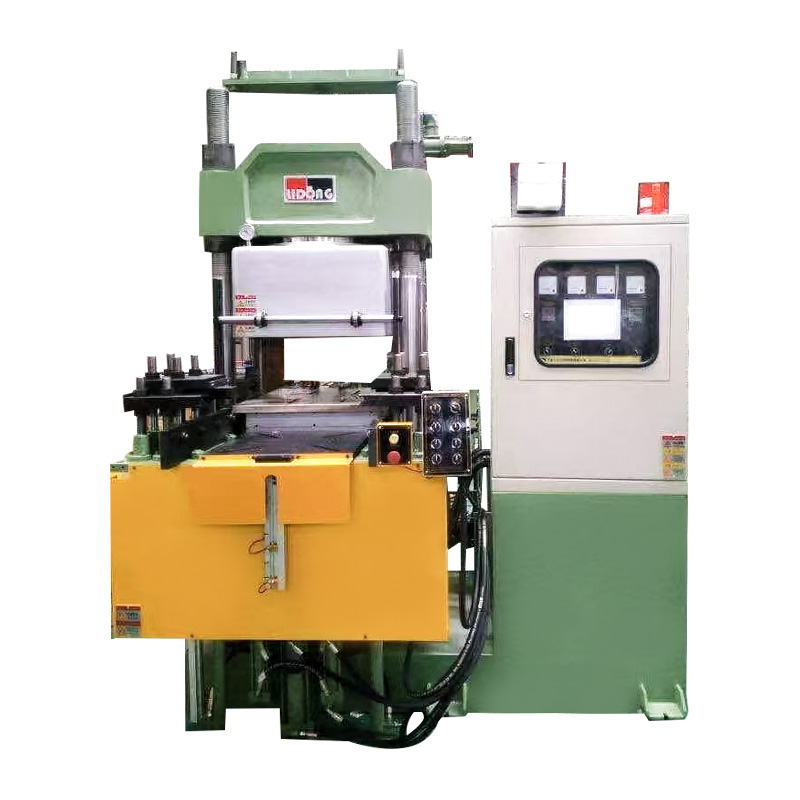
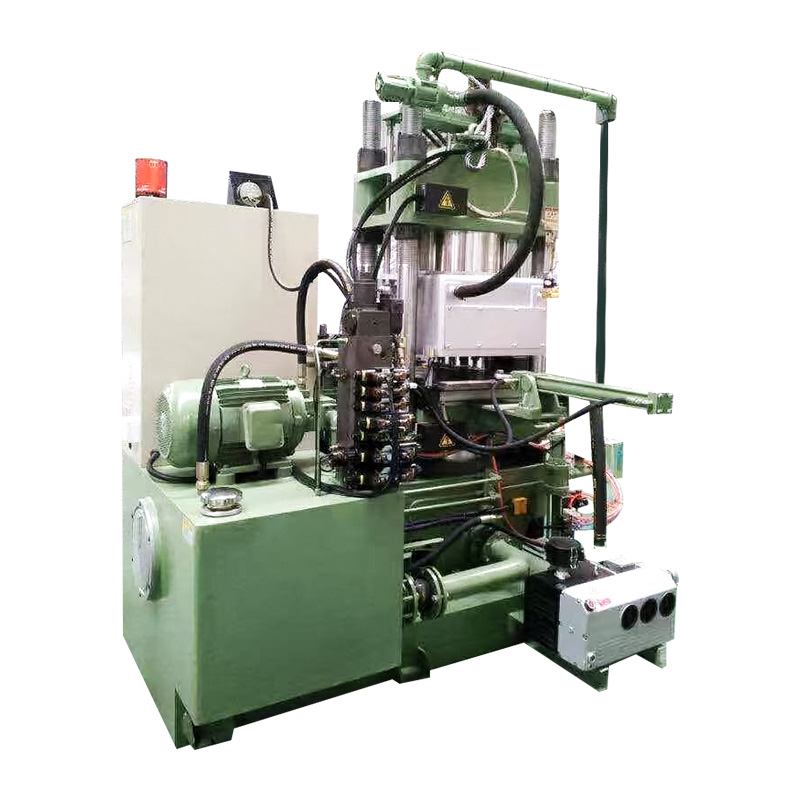
Choosing the right rubber vulcanizing machine comes down to matching three core specs to your product: platen size and daylight opening should exceed your largest mold by at least 2 inches on each side, clamping pressure typically needs to fall between 100–300 tons for standard rubber parts (higher for thick or large-surface-area molds), and heating system precision should hold temperature within ±1°C for consistent cure quality. Getting these three specs wrong is the most common reason manufacturers end up with inconsistent cure rates, flash defects, or equipment that can't scale with future product lines.
Below, we break down exactly how to evaluate capacity, pressure, heating systems, and other key specs—so you can select a rubber vulcanizing machine that fits your production volume, part complexity, and budget.
Understanding Machine Capacity
Capacity refers to the physical size of the machine's platens and the maximum mold dimensions it can accommodate. Undersizing capacity is one of the most expensive mistakes buyers make, since it locks out future product lines that require larger molds.
Platen Size
Platen size determines the maximum mold footprint the machine can press. Common sizes range from 400x400mm for small parts (seals, grommets, small gaskets) up to 1200x1200mm or larger for industrial components like conveyor belt sections or large molded rubber sheets.
Daylight Opening (Stroke)
Daylight opening—the maximum vertical distance between platens—must accommodate your tallest mold plus clearance for loading and unloading; a stroke that's too shallow will restrict which molds can physically fit in the machine. Standard daylight openings range from 300mm to 800mm depending on machine size.
Number of Working Layers (Openings)
Multi-layer (multi-daylight) machines allow multiple molds to be pressed simultaneously, significantly increasing throughput. A 4-layer machine can roughly quadruple output compared to a single-layer press of the same footprint, making it worth the added cost for high-volume production.
Understanding Clamping Pressure
Clamping pressure (measured in tons) is the force the machine applies to close the mold and eliminate flash or voids during curing. Insufficient pressure results in incomplete mold fill and porous parts, while excessive pressure wastes energy and accelerates wear on tooling.
Calculating Required Tonnage
A general industry formula is 2–5 tons of pressure per square inch of projected mold area, depending on rubber compound viscosity and part complexity. Thicker or more intricate parts with fine details typically require pressure at the higher end of this range to ensure complete cavity fill.
| Part Type | Typical Tonnage | Notes |
|---|---|---|
| Small seals/gaskets | 50–100 tons | Low surface area, simple geometry |
| Automotive rubber parts | 100–250 tons | Moderate complexity, mid-size molds |
| Large industrial sheets/mats | 300–500+ tons | Large surface area, high fill pressure needed |
Heating System Specifications
The heating system directly determines cure consistency, cycle time, and energy efficiency—making it one of the most important specs to scrutinize before purchase.
Electric Heating
Electric resistance heating is the most common system in modern vulcanizing machines, offering temperature control accuracy within ±1°C and faster heat-up times than older steam-based systems. It's also easier to integrate with PLC-based automation for precise cure cycle programming.
Steam Heating
Steam heating remains common in large industrial operations due to lower per-unit energy costs at scale, though it typically offers less precise temperature control (often ±3–5°C) and requires additional boiler infrastructure.
Temperature Range and Uniformity
Most rubber vulcanizing machines operate in the 140°C–220°C range depending on compound type. Look for machines with documented temperature uniformity testing across the full platen surface—uneven heating is a leading cause of inconsistent cure rates across a single mold.
Control System and Automation Level
Control systems range from basic manual timers to fully programmable PLC touchscreen interfaces. Investing in PLC-based control typically pays back through reduced scrap rates, since programmable cure profiles eliminate the operator error common with manual timing.
Key Automation Features to Look For
- Programmable cure cycles – store multiple time/temperature/pressure profiles for different products
- Automatic mold opening/closing – reduces cycle time and operator fatigue
- Data logging – records cure parameters for quality traceability, increasingly required in automotive and medical rubber part manufacturing
- Safety interlocks – prevent operation with the safety guard open or pressure out of range
Machine Types Compared
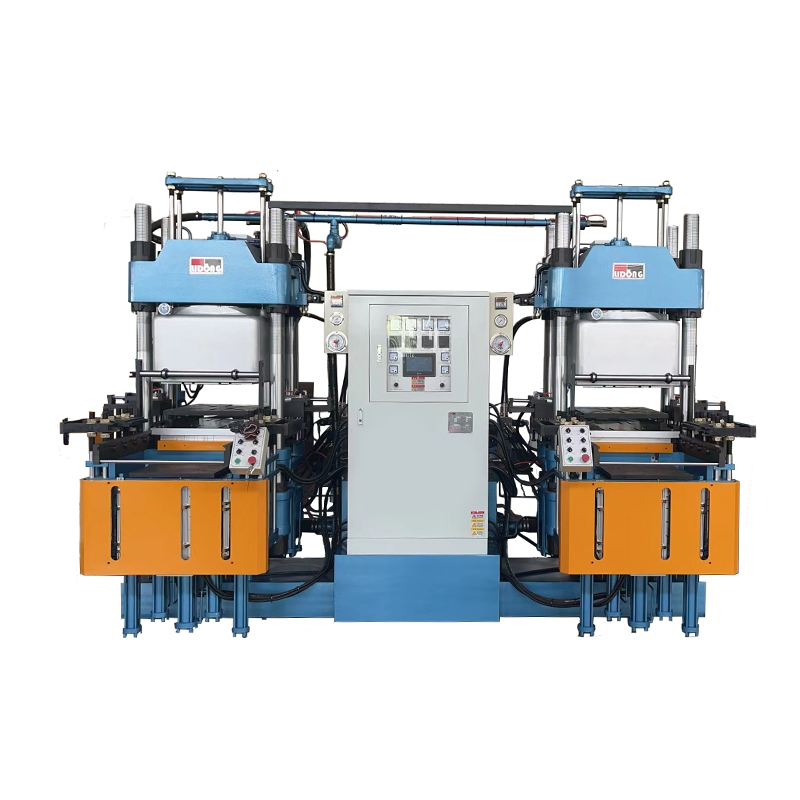
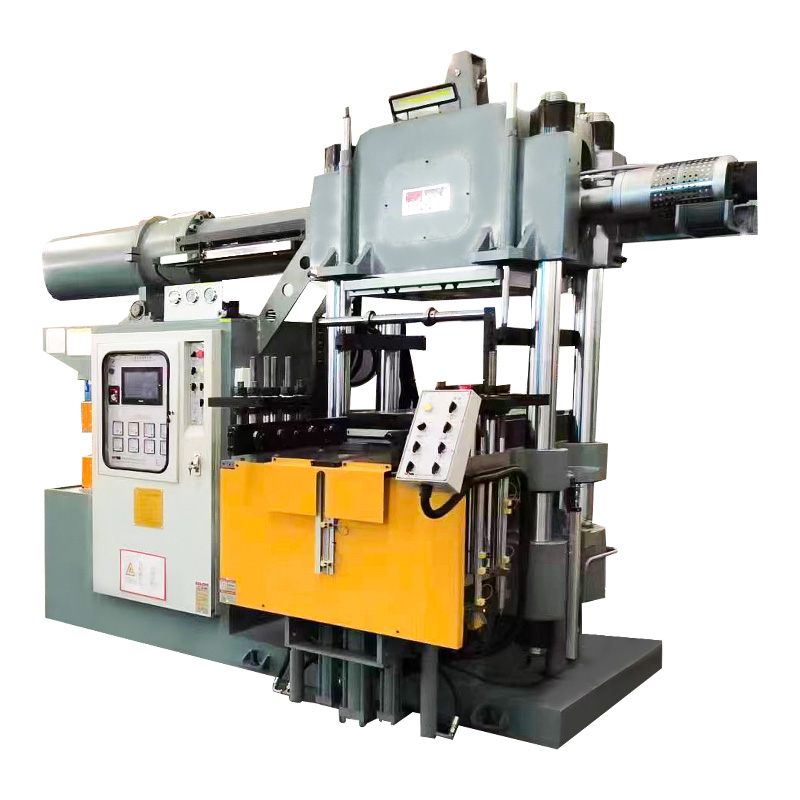
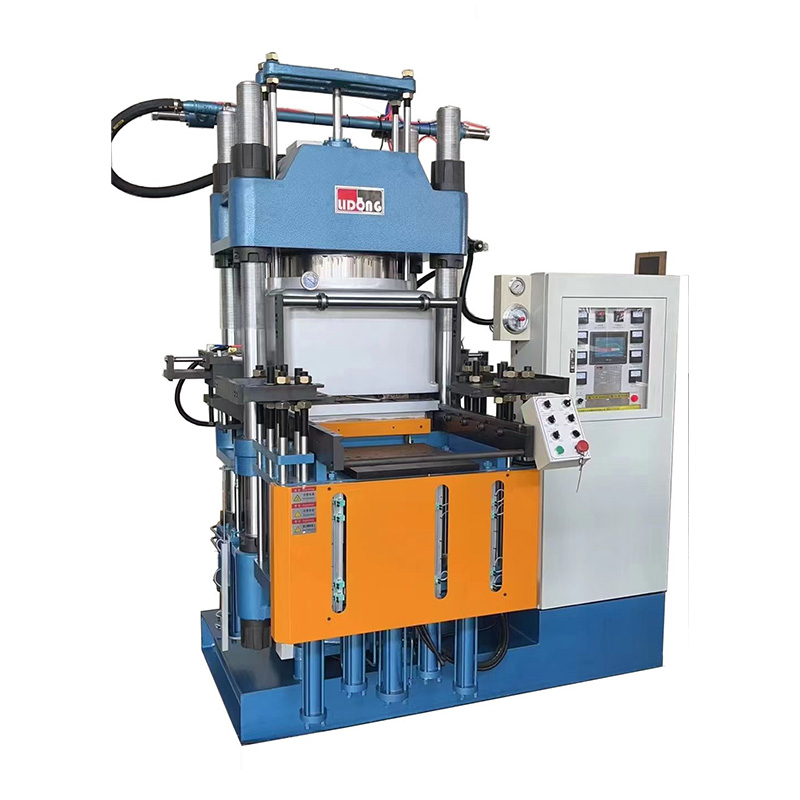
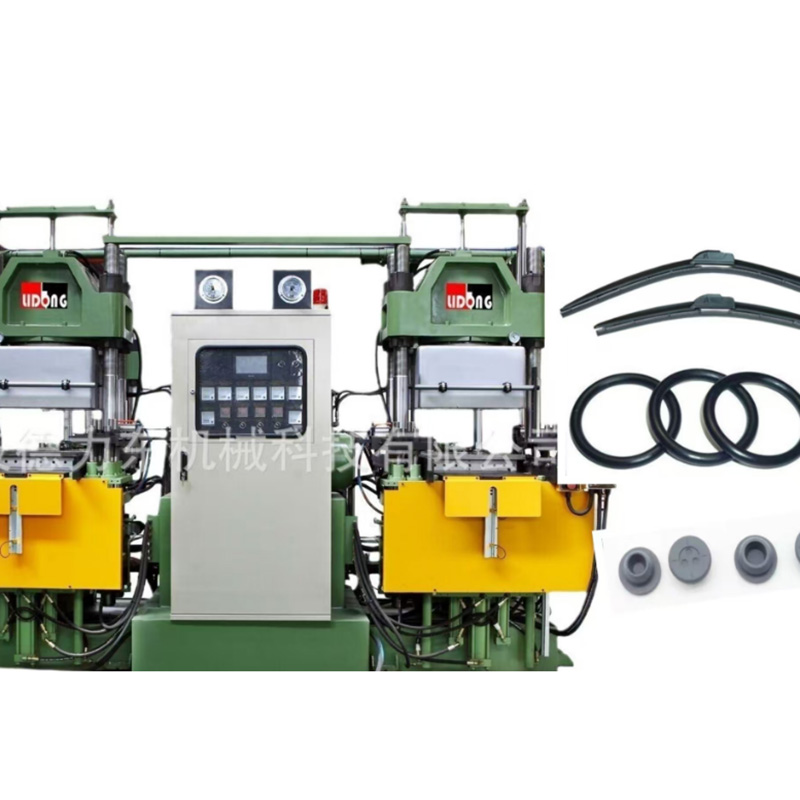
Rubber vulcanizing machines generally fall into a few core categories, each suited to different production needs.
| Machine Type | Best For | Key Advantage |
|---|---|---|
| Flat Platen Press | General molded parts, sheets | Versatile, widely available |
| Injection Vulcanizing Press | High-volume, precise parts | Faster cycle times, less flash waste |
| Rotary/Compression Press | Continuous production lines | High throughput automation |
Additional Specs to Verify Before Buying
Beyond capacity, pressure, and heating, several other specifications affect long-term operating cost and reliability.
- Power consumption – Compare kW ratings across models; higher-efficiency heating elements can meaningfully reduce electricity costs over the machine's lifespan.
- Cycle time – Faster cycle times increase throughput but must be balanced against proper cure duration for your specific rubber compound.
- Noise and vibration levels – Important for workplace safety compliance, especially in facilities running multiple machines simultaneously.
- Warranty and service support – Confirm availability of local technical support and spare parts, since downtime on a single press can halt an entire production line.
Final Checklist Before You Buy
Before finalizing your purchase, confirm the following to avoid costly mismatches between machine specs and production needs:
- Confirm platen size and daylight opening exceed your largest current and anticipated future mold dimensions.
- Calculate required tonnage based on your part's projected surface area, not just general product category.
- Verify documented temperature uniformity data across the full platen, not just a single center-point reading.
- Prioritize PLC-based control if consistent quality and production data traceability are priorities for your industry.