 English
 عربى
عربى
 中文繁体
中文繁体

During the mass production of brake pads, molding defects—such as delamination, cracking, material shortages, uneven density, surface indentations, and dimensional deviations—are common issues faced by the vast majority of manufacturers. An excessively high rate of defective finished products not only results in significant waste of friction materials, steel backplates, and labor hours but also directly impacts order fulfillment efficiency and brand reputation. Insufficient equipment precision, unstable pressure, imprecise temperature control, and human operational errors are the primary causes of these frequent defects.
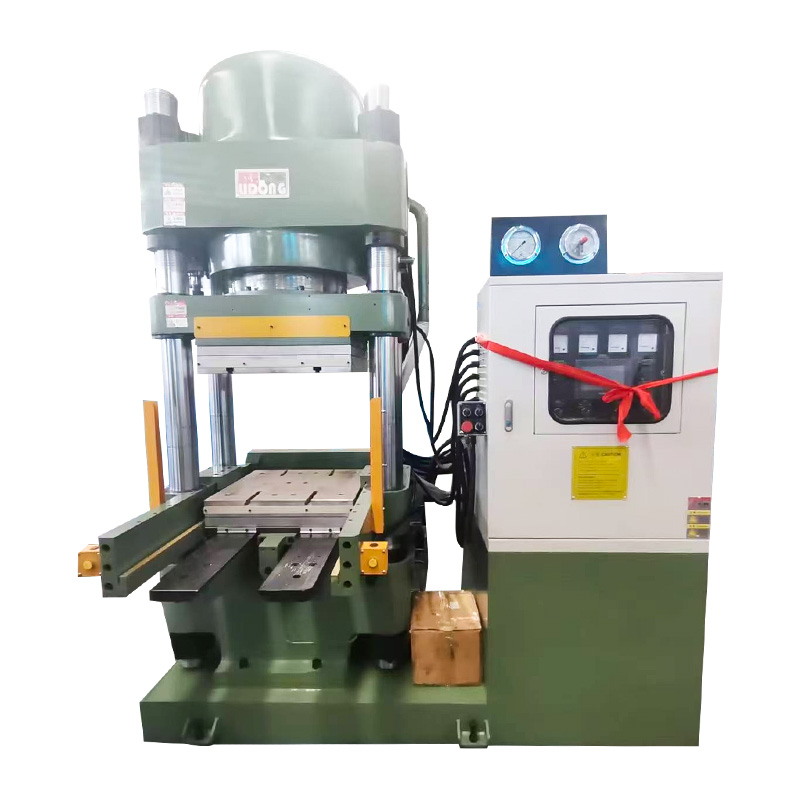
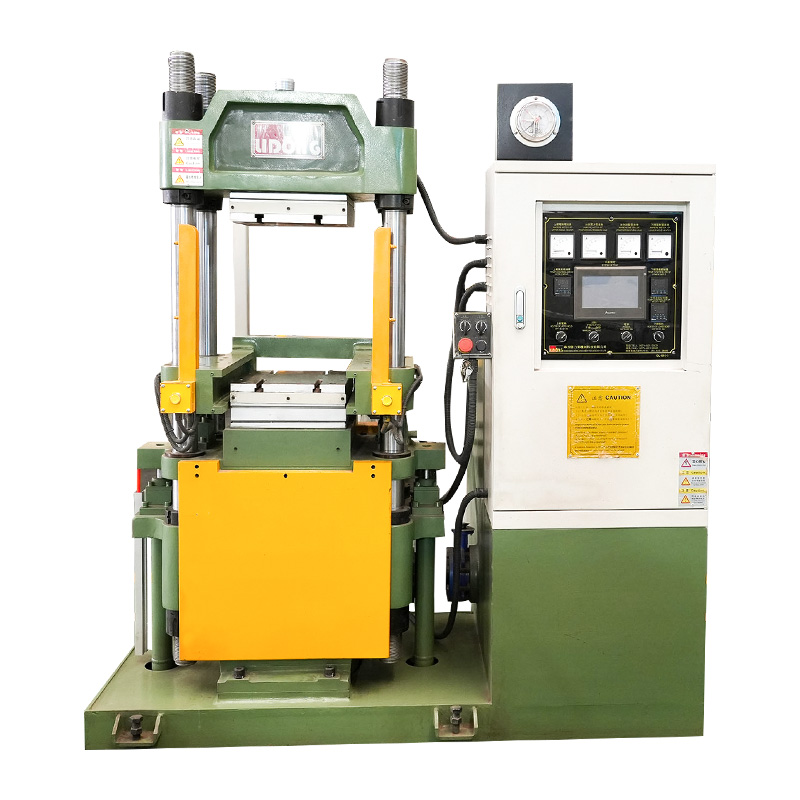
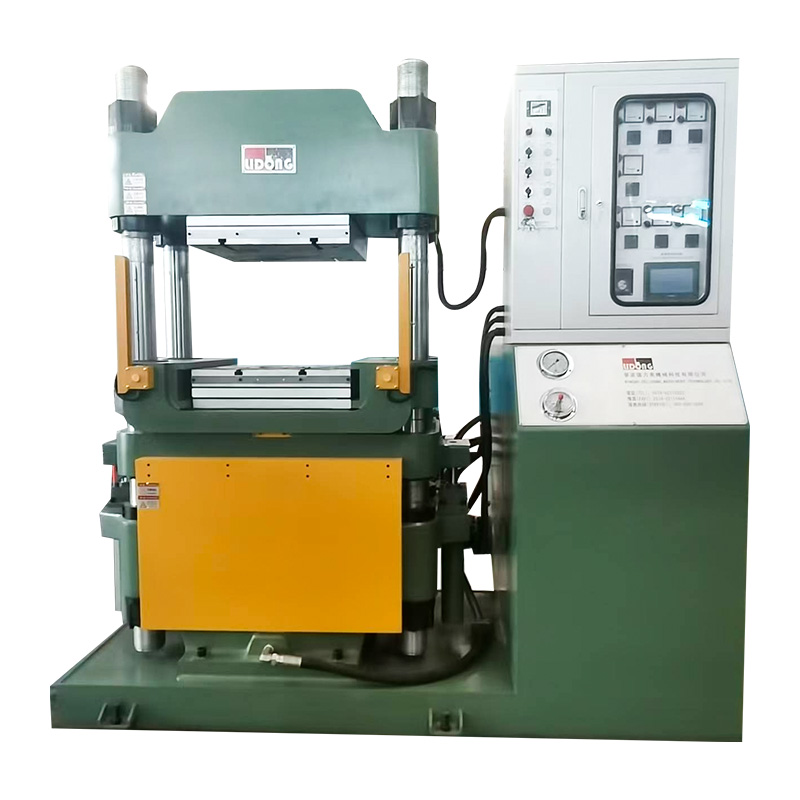
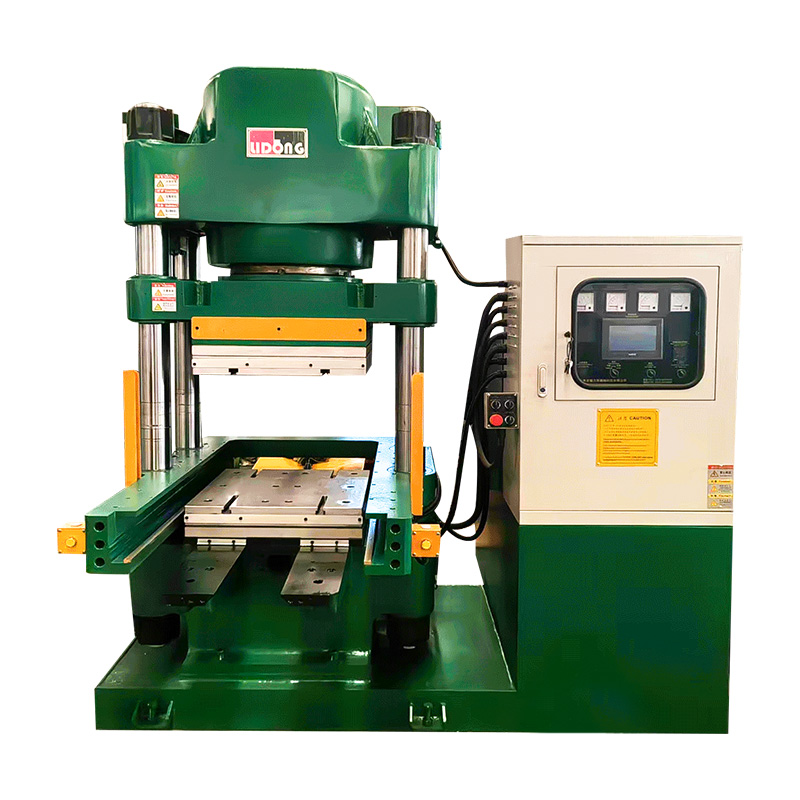
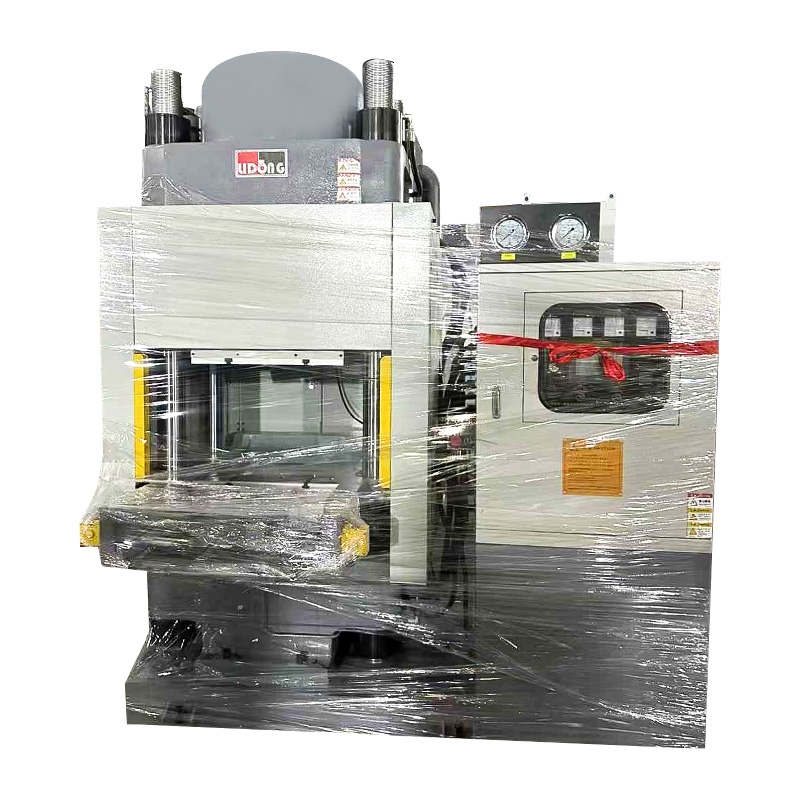
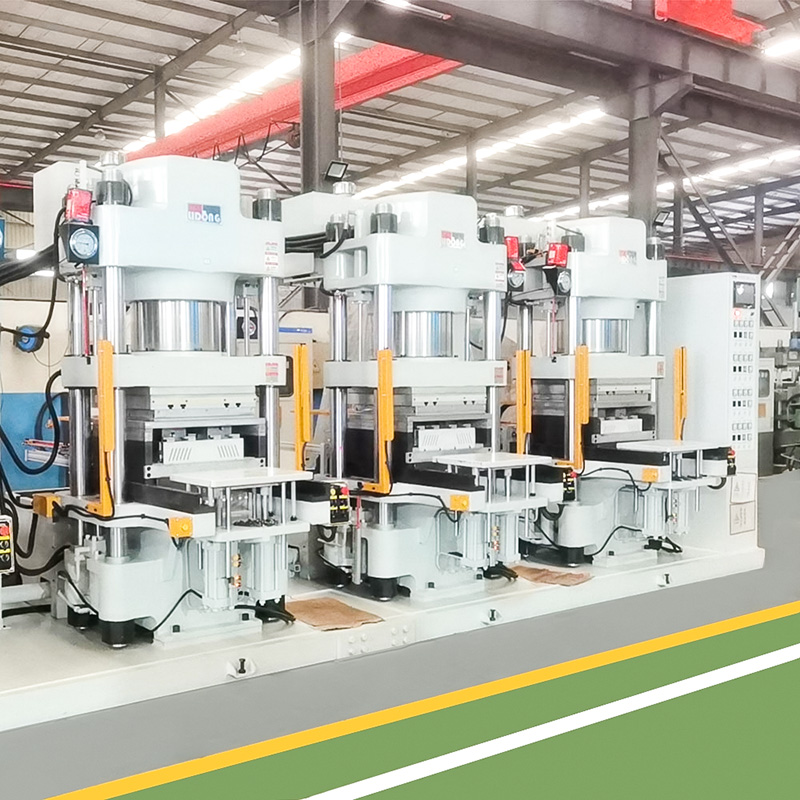
Leveraging advantages such as intelligent operation, high precision, and standardized molding, Delidong’s fully automatic brake pad hot press addresses production defects at the source. It significantly boosts the pass rate of finished brake pads, helping manufacturers improve quality while reducing costs.
Traditional semi-automatic brake pad presses rely on manual material loading, temperature control, and pressure maintenance; this approach is prone to significant human error and noticeable fluctuations in equipment parameters.
During mass production, issues such as inconsistent pressure, uneven pressure-holding times, and temperature instability frequently arise. These lead to significant density variations within the same batch, unstable braking performance, and quality defects like edge cracking or delamination. The precision limitations of traditional equipment are particularly pronounced in the production of ceramic friction materials and high-precision passenger vehicle brake pads, where they fail to meet the standards required for high-end products—a primary reason for the persistently high defect rates on many older production lines. In contrast, Delidong’s newly upgraded fully automatic brake pad hot press specifically resolves these industry pain points: low precision, unstable parameters, and poor consistency.
The Delidong fully automatic brake pad hot press features a proprietary intelligent CNC operating system, enabling fully automatic closed-loop control of the three core parameters: pressure, temperature, and time. The equipment allows for one-touch locking of molding process parameters tailored to specific friction material formulas; the process runs without manual intervention, completely eliminating production errors caused by human operation. Constant high-pressure output, a precise temperature control system, and a standardized pressure-holding process ensure high consistency in the density, flatness, and fit of every brake pad. This effectively resolves common molding defects such as delamination, cracking, deformation, and material shortages, guaranteeing uniform and stable product quality at the hardware level.
The Delidong fully automatic press offers exceptional process adaptability to meet the production needs of various brake pad types. When producing semi-metallic heavy-duty brake pads, the equipment delivers stable, high-intensity pressure to ensure material compaction; for lightweight NAO brake pads, precise pressure control prevents material crushing or deformation; and for high-end ceramic brake pads, the constant-temperature control system eliminates issues like high-temperature carbonization and thermal fade, comprehensively meeting the quality requirements for all product categories. Additionally, the equipment includes features for mold alignment calibration, automatic cleaning, and automatic demolding, preventing surface defects caused by mold impurities or uneven release, thereby minimizing the defect rate.
For brake pad manufacturers, upgrading to the Delidong fully automatic hot press is the most direct and efficient way to reduce costs and increase productivity. Stable equipment performance boosts the finished product pass rate to over 99%, significantly reducing raw material waste and rework costs while shortening production cycles. The standardized, fully automatic production model meets both rigorous domestic quality standards and the quality requirements for overseas export orders. This empowers manufacturers to enhance product competitiveness, capture market share in the mid-to-high-end brake pad sector, and build a core production advantage backed by superior molding equipment.