 English
 عربى
عربى
 中文繁体
中文繁体

Content
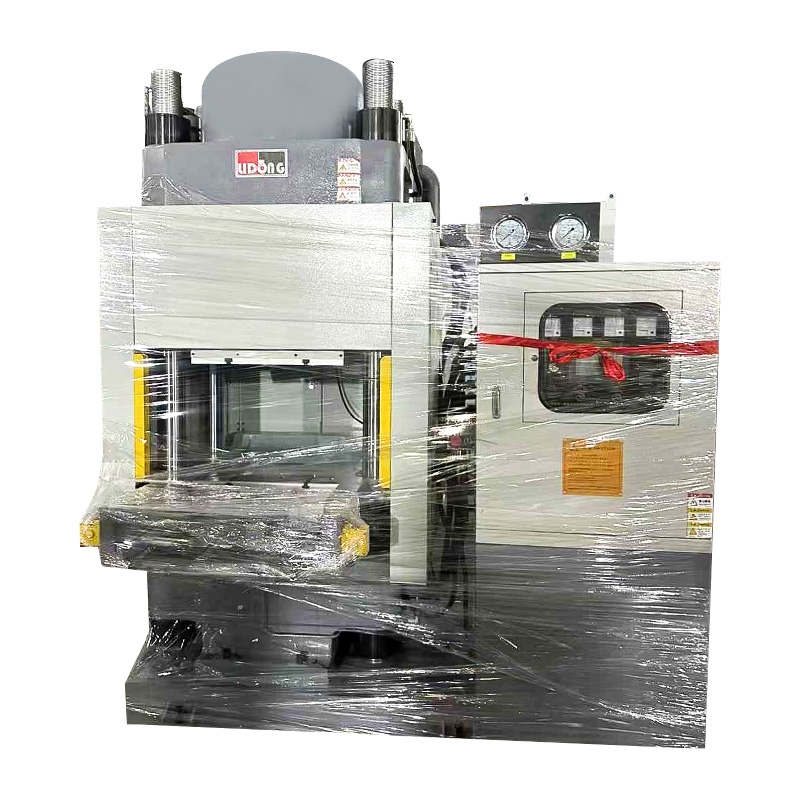
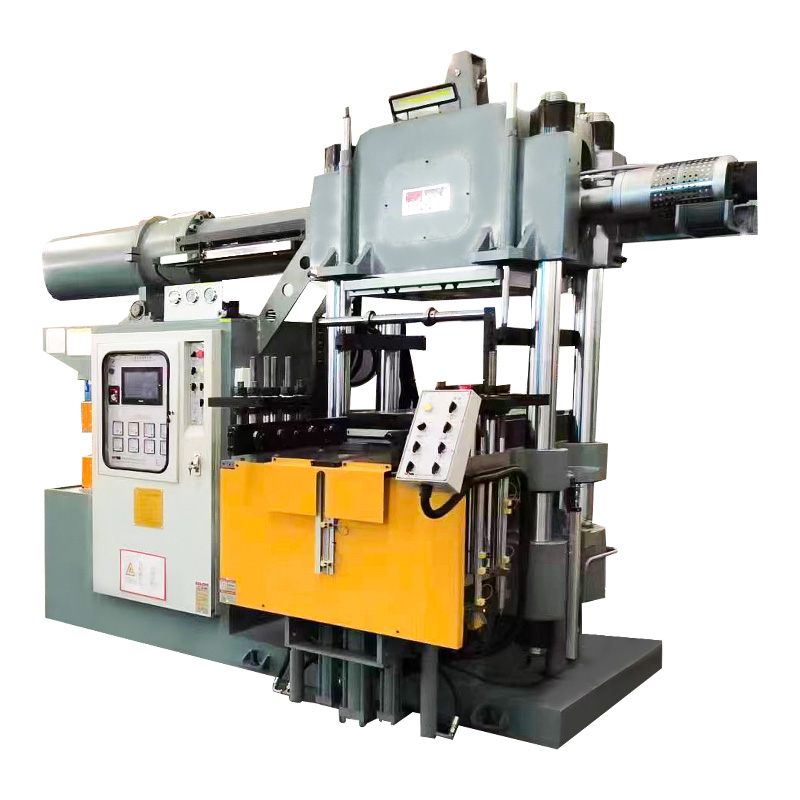 Rubber Injection Molding Machine for Precision PartsIntegrating injection and vulcanization in one cycle, this machine achieves near-perfect finished products with minimal flash, reducing labor and cycle time for complex rubber components.View Product →
In the world of industrial molding, a well-engineered hot press system is the backbone of consistent production. Over the years, we have seen how the right combination of heat, pressure, and control can transform raw materials into high-quality parts with minimal waste. At Delidong Machinery, we design our hot press systems to meet the practical needs of rubber and friction material manufacturers — not just on paper, but on the shop floor. From small-batch runs to high-volume lines, our equipment is built to deliver repeatable results day after day.
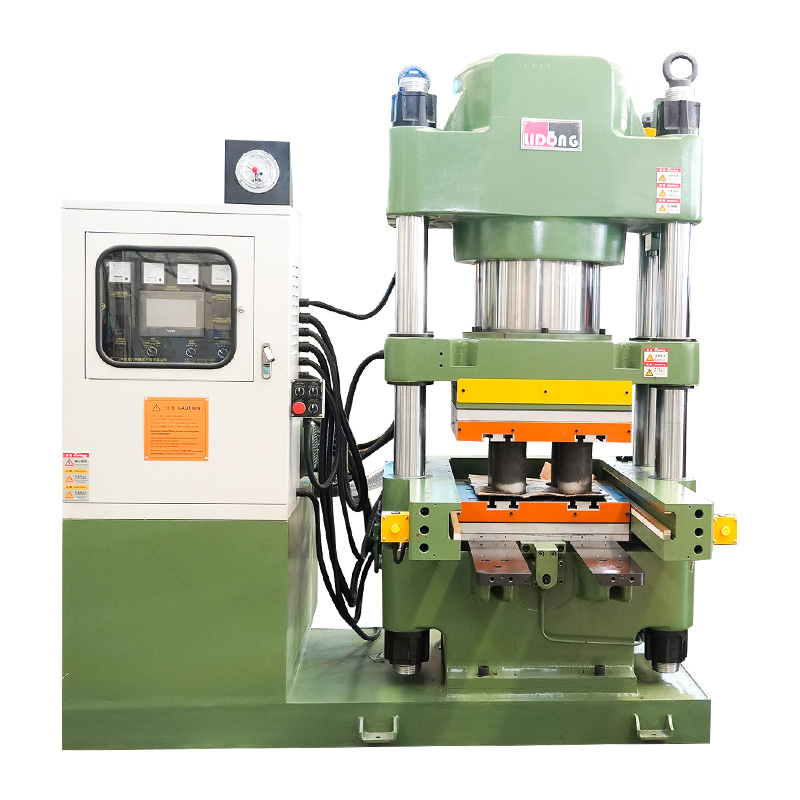
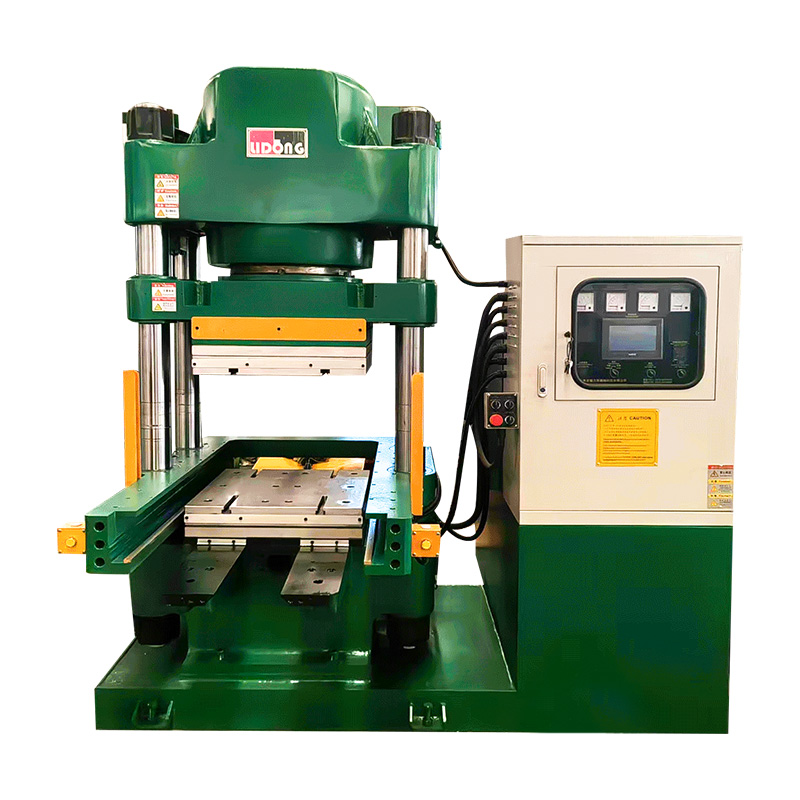
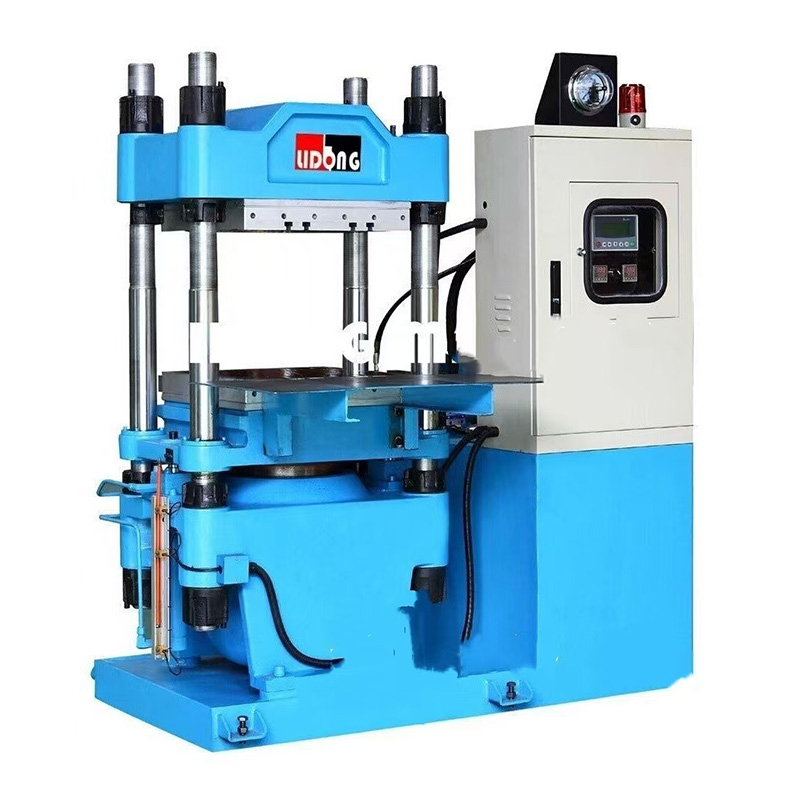 Plate Vulcanizing Press with Heating ZonesThis reliable workhorse features multiple independent heating zones and programmable temperature control, ensuring temperature uniformity for consistent cure quality across various rubber compounds.View Product →
Hot Press Systems for Rubber Vulcanizing
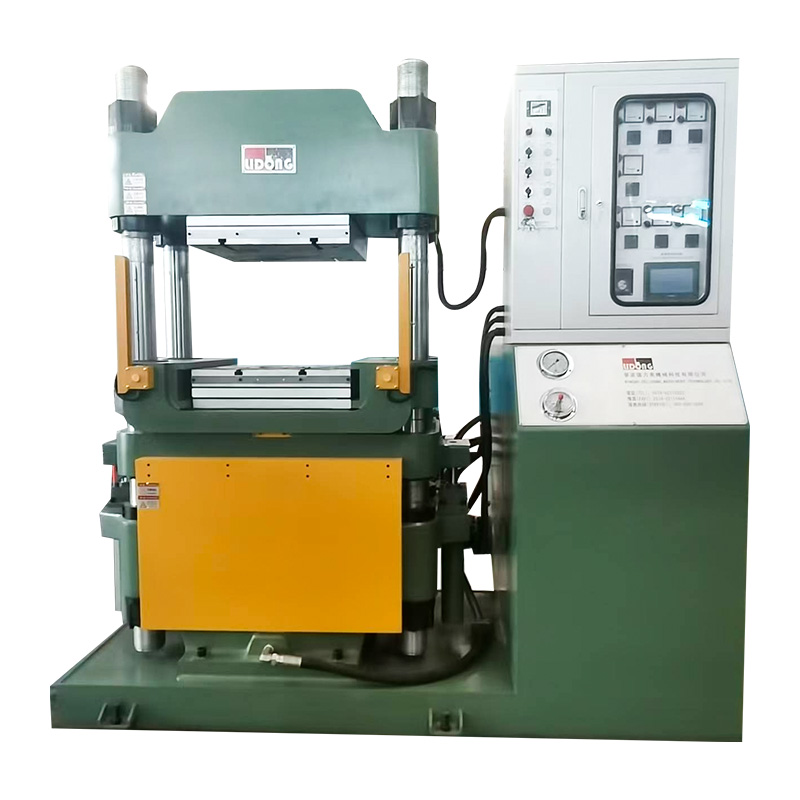
Rubber vulcanizing demands precise heat and pressure to cross-link polymers and achieve the desired physical properties. A hot press system for this application typically uses electrically heated platens that distribute thermal energy evenly across the mold cavity. Whether you are molding industrial seals, automotive gaskets, or silicone components, temperature uniformity directly affects cure consistency and scrap rates.
Our plate vulcanizing press has been a trusted workhorse for many workshops. It offers multiple independent heating zones, programmable temperature control, and robust hydraulic pressure to accommodate various mold sizes and rubber compounds. For more complex geometries, our rubber injection molding machine integrates injection and vulcanizing in one cycle, reducing labor and cycle time. We understand that each rubber part has unique requirements, and we tailor the hot press system parameters accordingly.
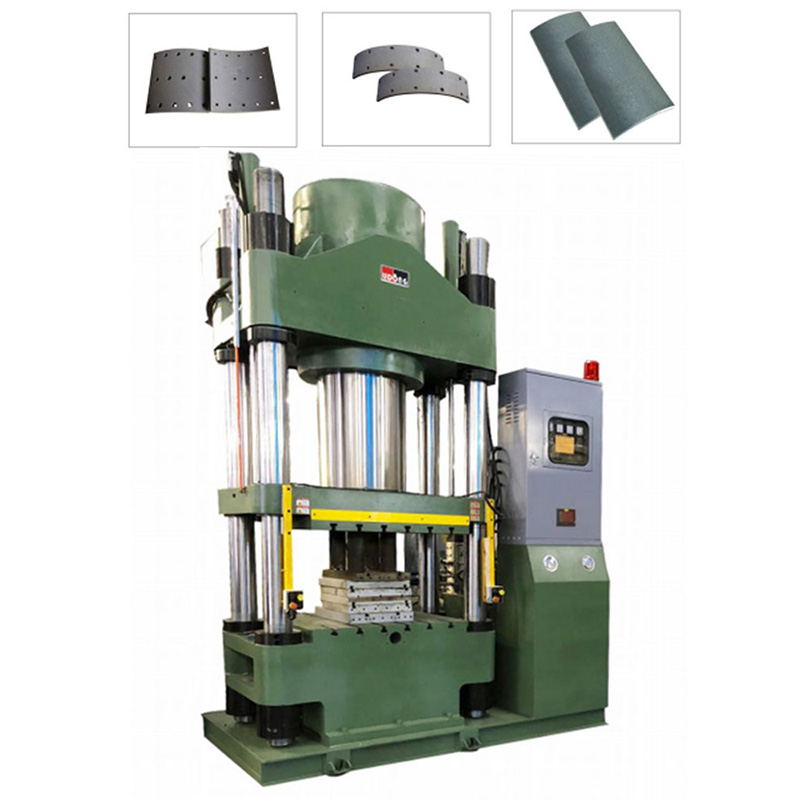
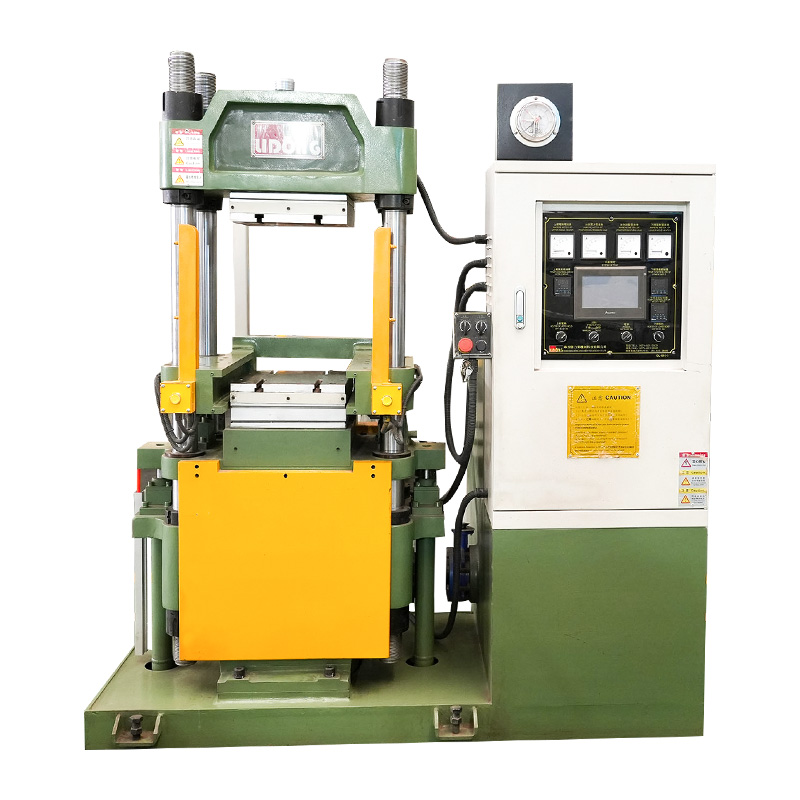 Car Disc Brake Pad Hydraulic Press MachineSpecifically designed for brake pad manufacturing, this PLC-controlled press applies precise heat and pressure through pre-pressing, forming, and post-cure stages for uniform density and adhesion.View Product →
Hot Press Systems for Brake Pad Manufacturing
Friction material pressing is a different challenge. Here, the hot press system must apply controlled heat and pressure to bond resin, fibers, and fillers into a dense, uniform pad. The process often involves multiple stages: pre‑pressing, final forming, and post‑cure. Our car disc brake pad press machine handles these steps with a PLC‑controlled cycle that ensures consistent density and adhesion across every batch.
We have supplied hot press systems for disc brake pads, drum brake shoes, and even high‑performance motorcycle pads. The key is precise pressure ramping and temperature profiling to prevent defects like delamination or uneven wear. Our machines also support optional vacuum systems for degassing, which is critical for high‑end friction materials. With over a decade of experience in this niche, we know what it takes to keep your production running smoothly.
Key Specifications to Consider When Choosing a Hot Press System
Selecting the right hot press system involves evaluating tonnage, platen size, heating method, and automation capabilities. For brake pad production you may need higher tonnage (200‑600 tons) to achieve full densification, while rubber vulcanizing often prioritizes even heat distribution over extreme force. The table below outlines typical parameters for both applications.
| Parameter | Rubber Vulcanizing | Brake Pad Pressing |
|---|---|---|
| Tonnage (tons) | 50–300 | 100–600 |
| Platen Temperature (°C) | 150–220 | 150–250 |
| Platen Size (mm) | 600×600 – 1200×1200 | 500×500 – 1000×1000 |
| Heating Method | Electric / Oil | Electric / Oil |
| Automation Level | Manual to Semi‑Auto | Semi‑Auto to Full Auto |
For a deeper dive into tonnage and output considerations, we have prepared a comprehensive brake pad press machine buying guide. It walks you through sizing calculations and automation options that directly impact your ROI.
Maintaining Your Hot Press System for Long-Term Reliability
A hot press system is a capital investment, and proper maintenance protects that investment. Regular checks on platen flatness, temperature sensor calibration, and hydraulic seal integrity can prevent costly downtime. We recommend a routine inspection schedule based on your actual production hours.
Whether you operate a rubber injection machine or a brake pad press, the fundamentals are similar. Our article on rubber injection molding machine maintenance offers practical tips that apply broadly to any hot press system. Keeping a log of performance data also helps you spot trends before they become problems.
Hot press technology continues to evolve, but the core principles of even heat, consistent pressure, and reliable control remain unchanged. At Delidong Machinery, we combine these principles with hands-on manufacturing experience to deliver hot press systems that simply work. If you are evaluating a new system or upgrading an existing line, we invite you to reach out — let us discuss how our hot press solutions can fit your production goals.