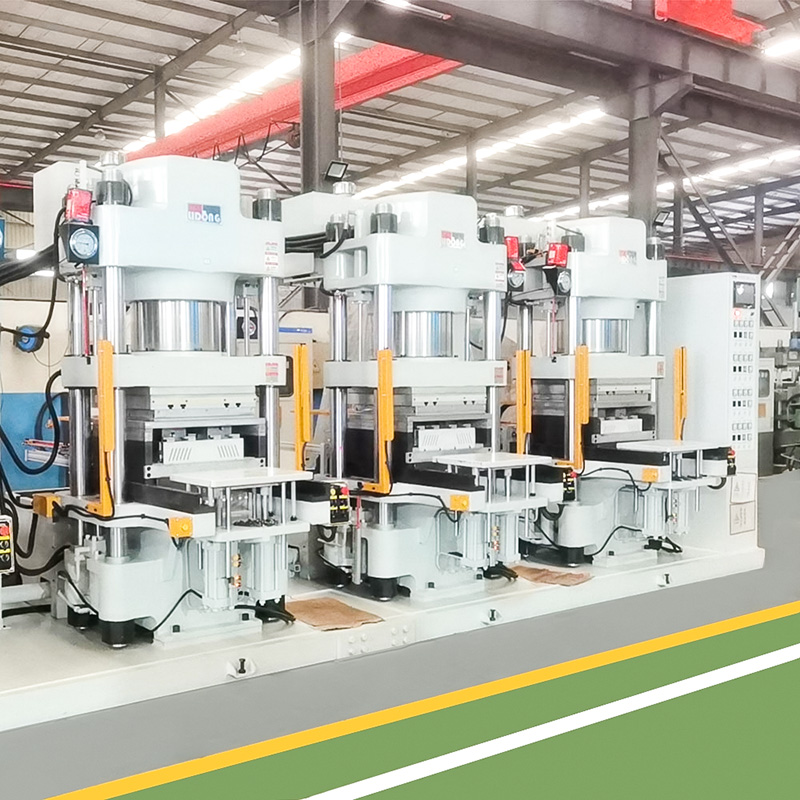
Performance Characteristics and Functional Advantages of Rubber Vacuum Vulcanizing Machine in Rubber Processing
The
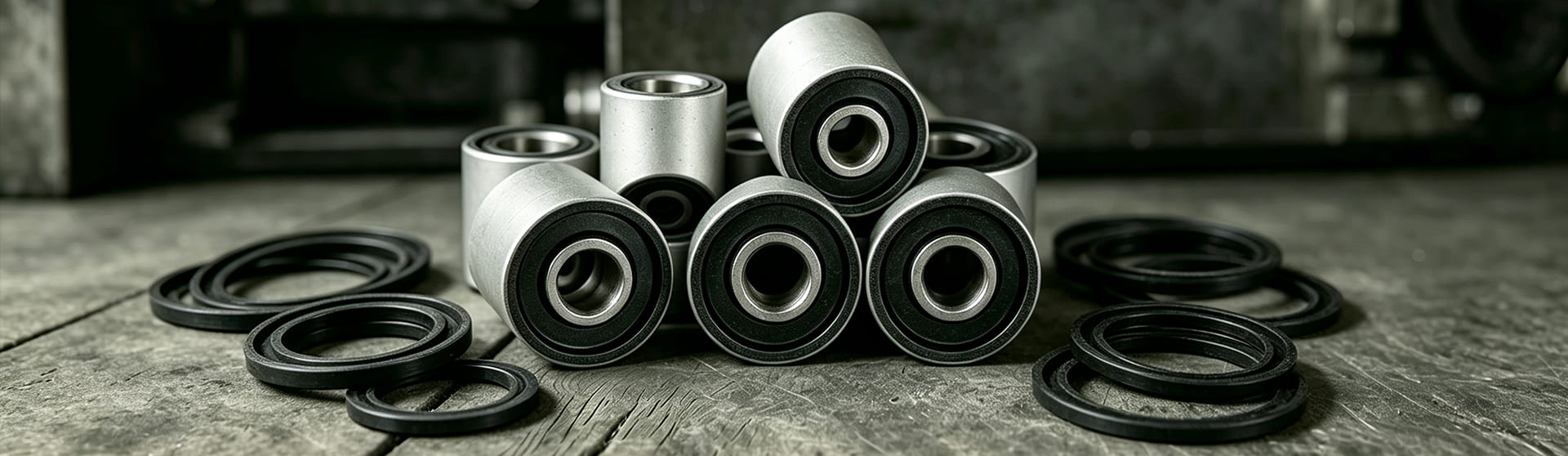
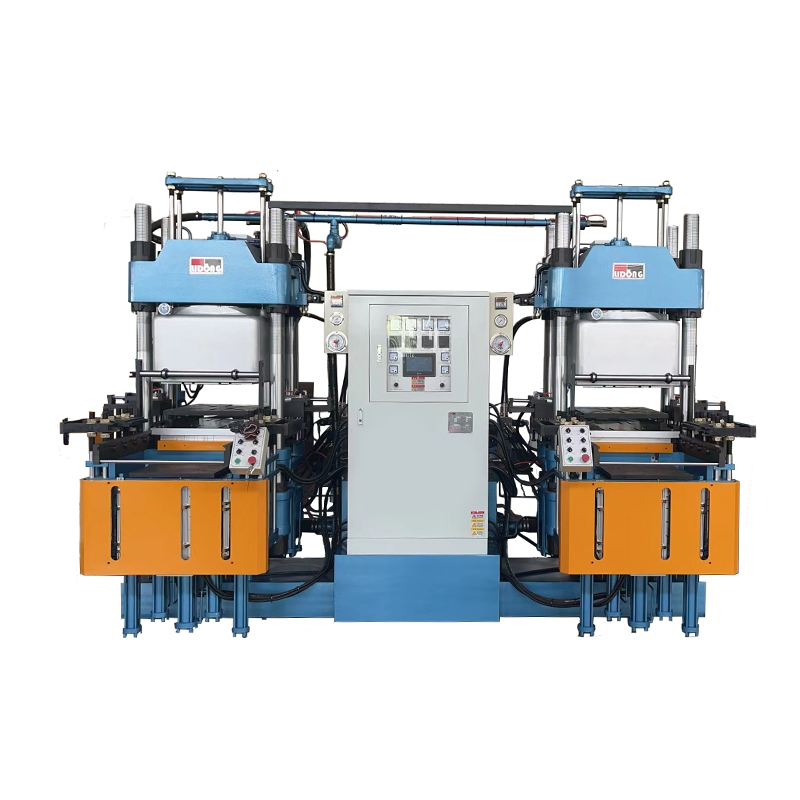
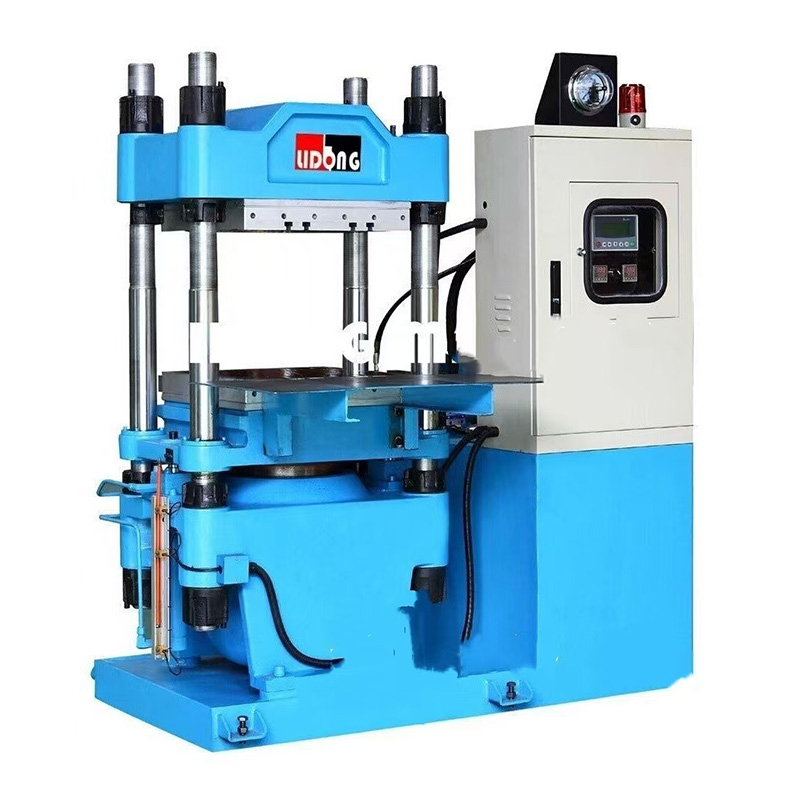
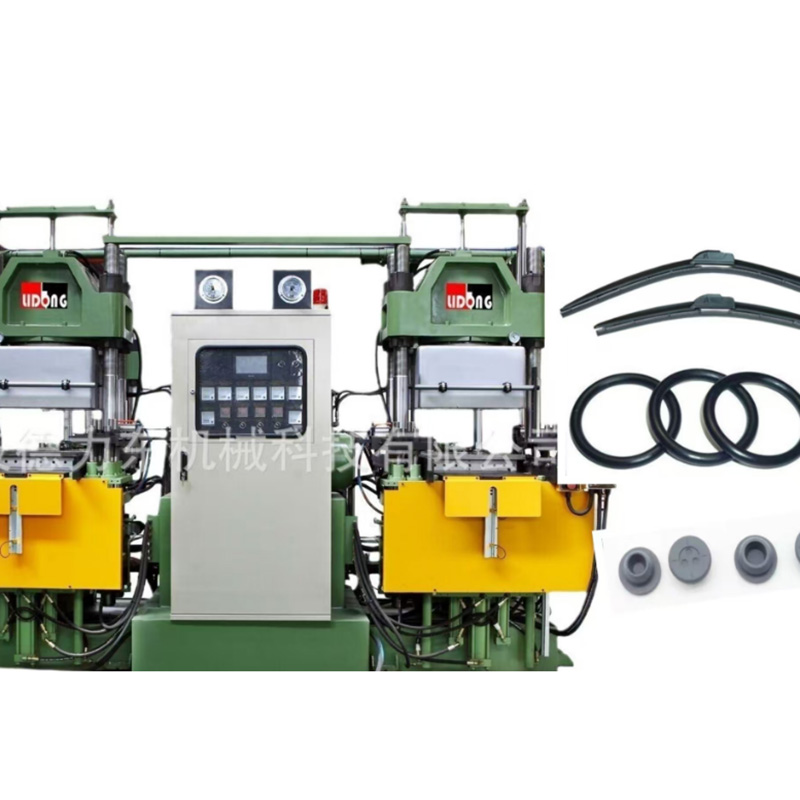
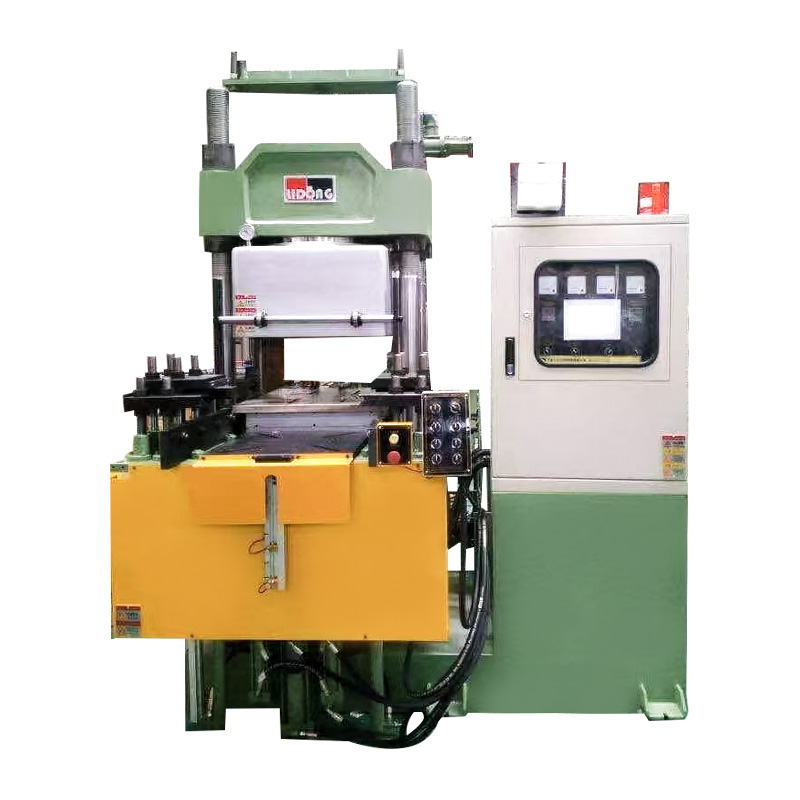
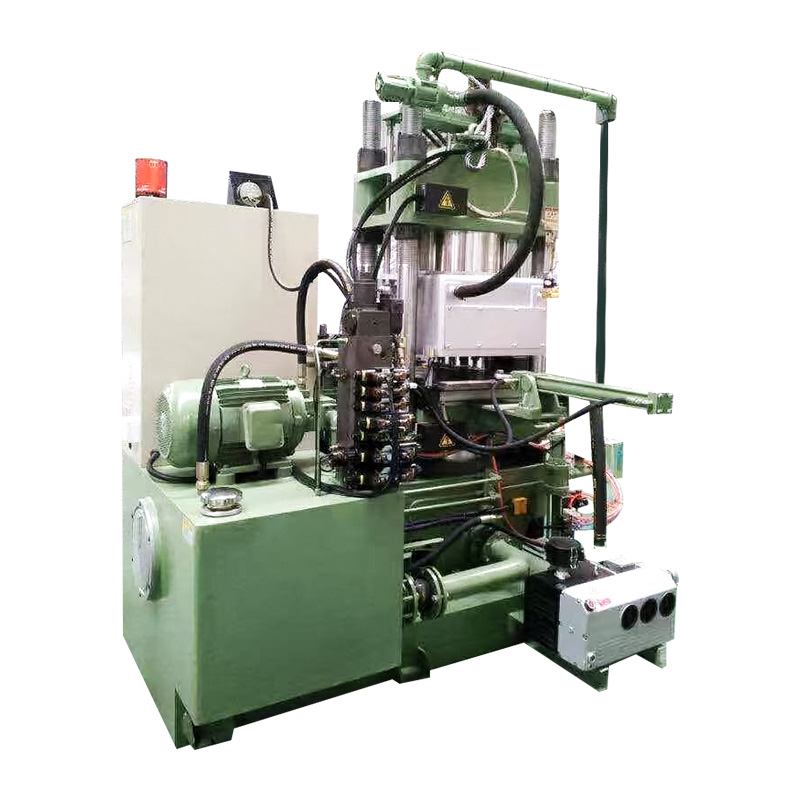
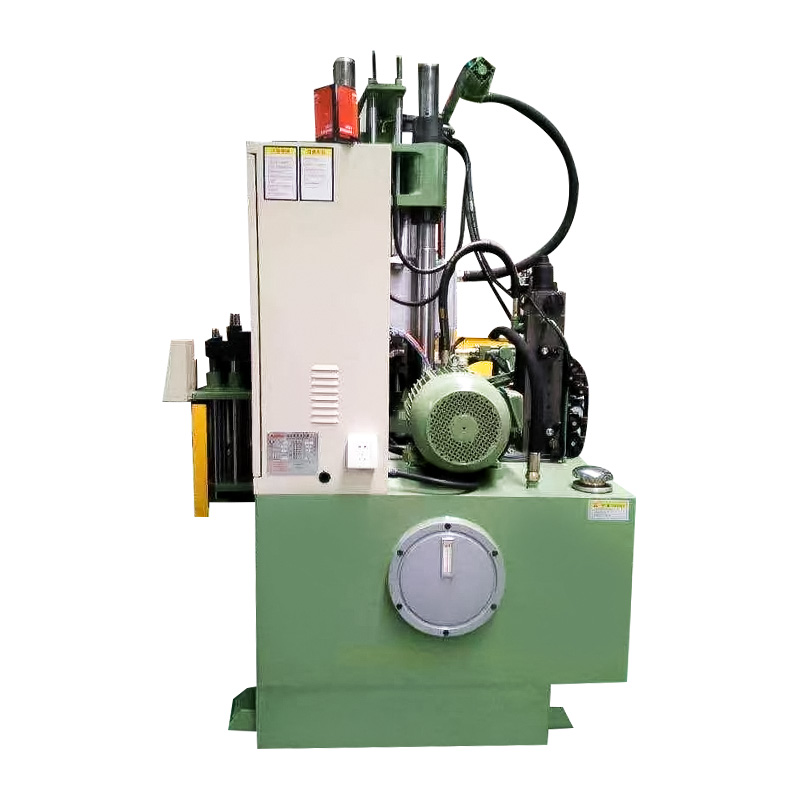
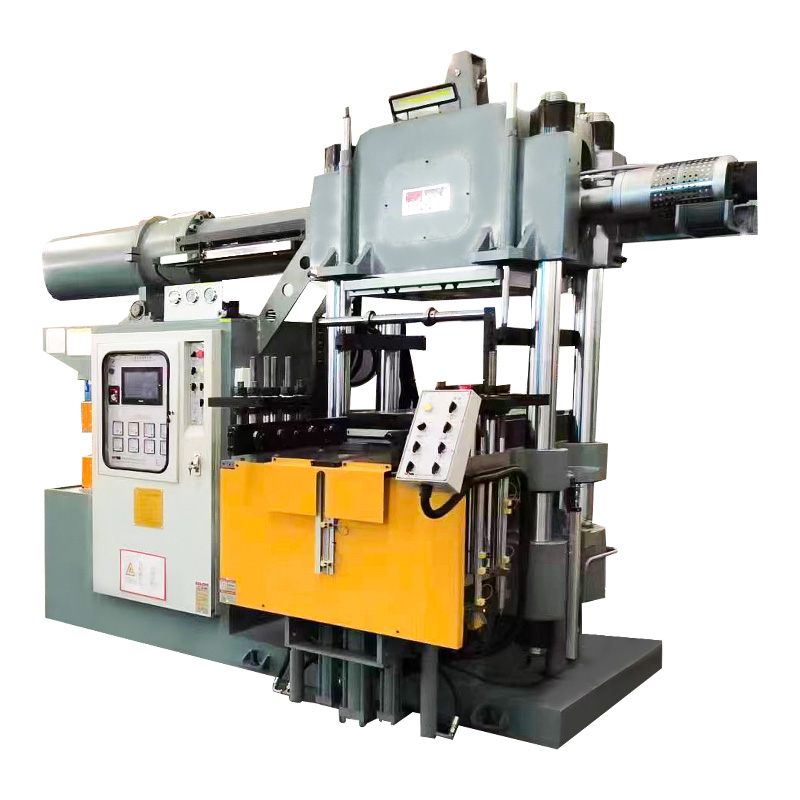
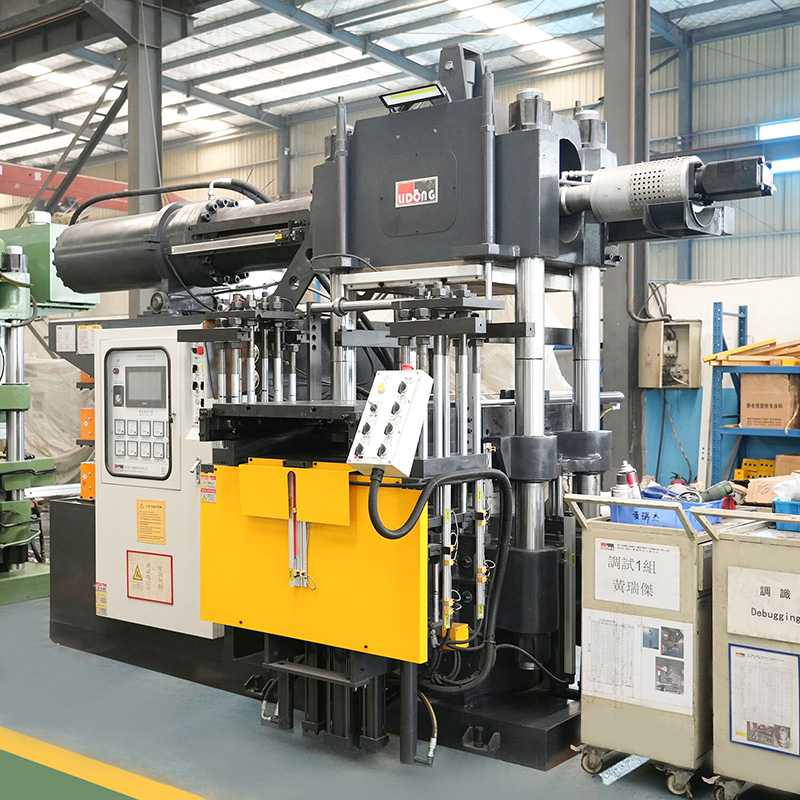
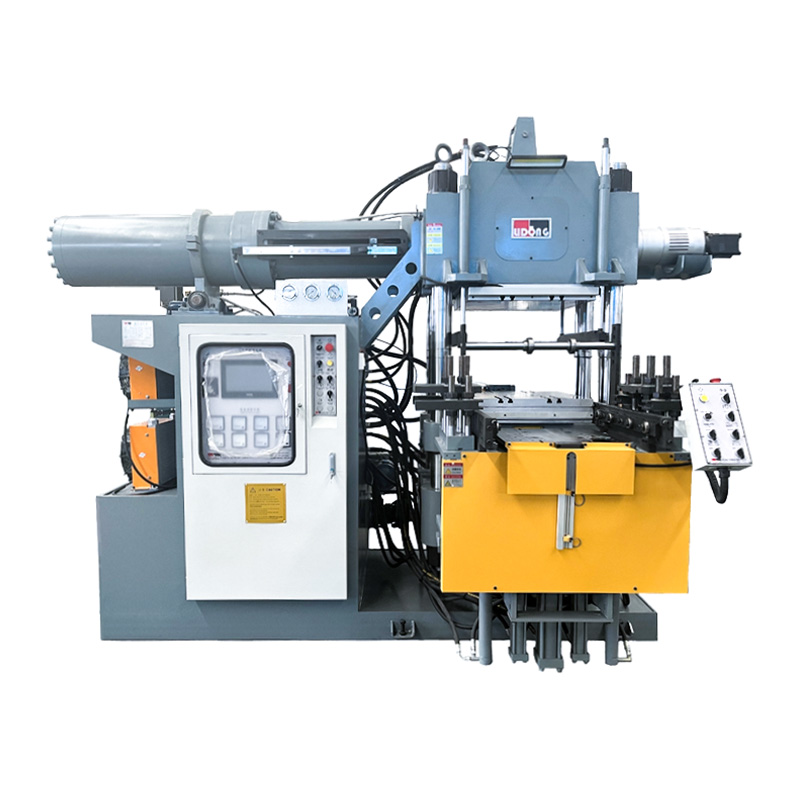
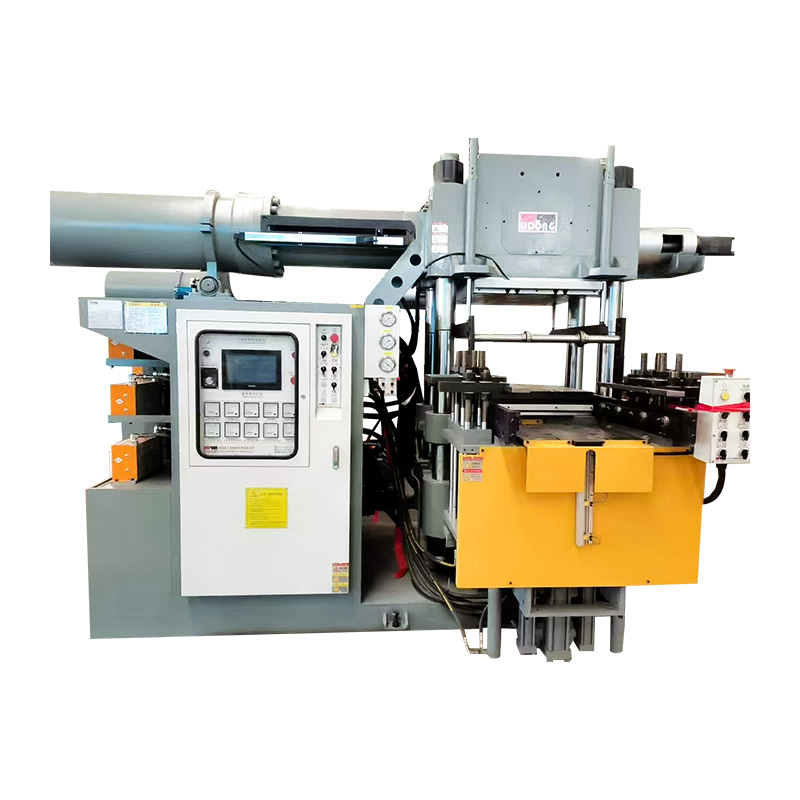
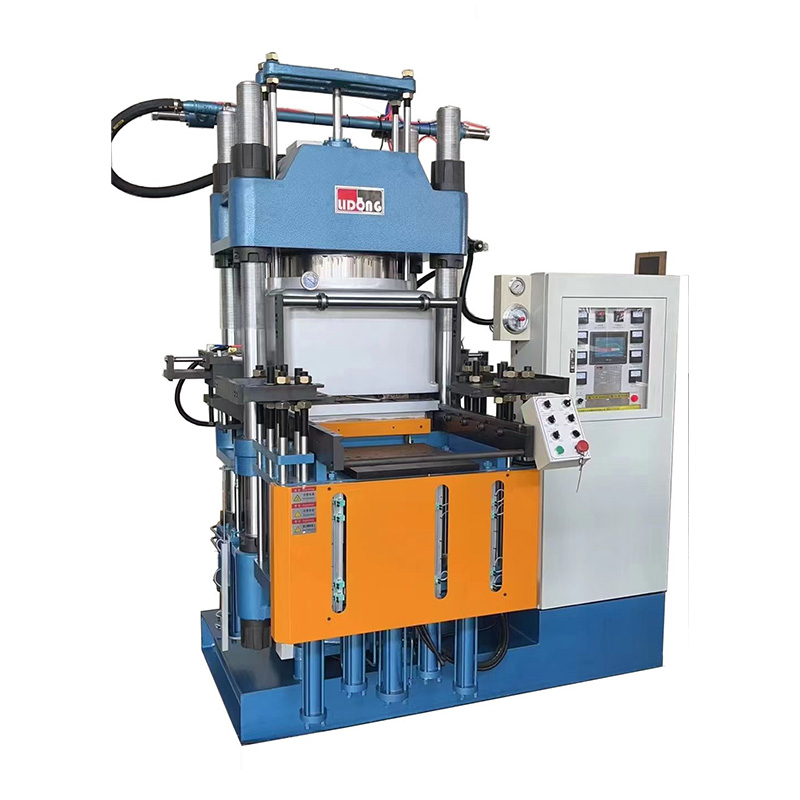
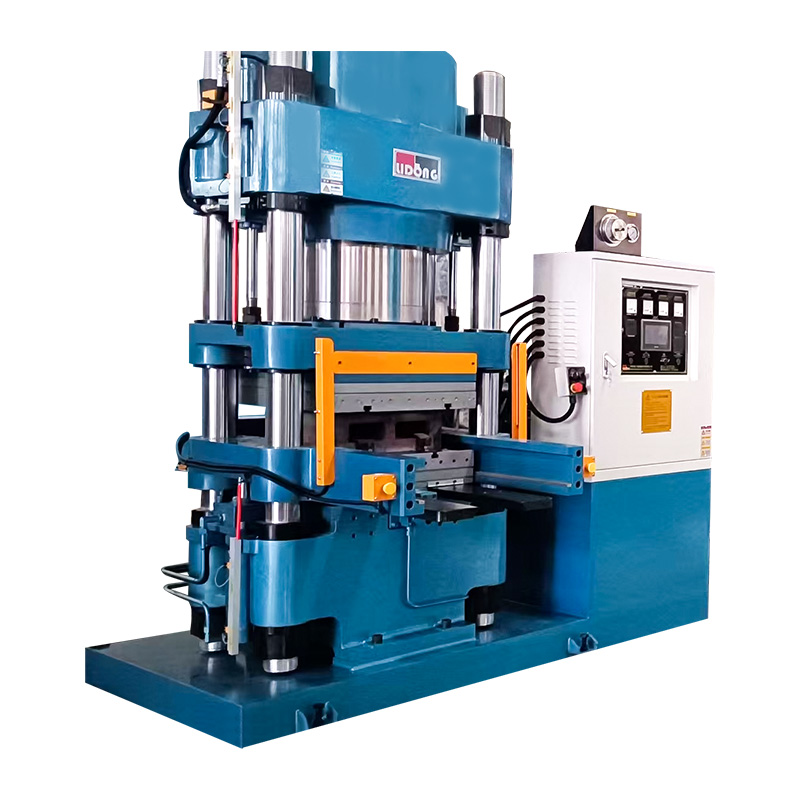
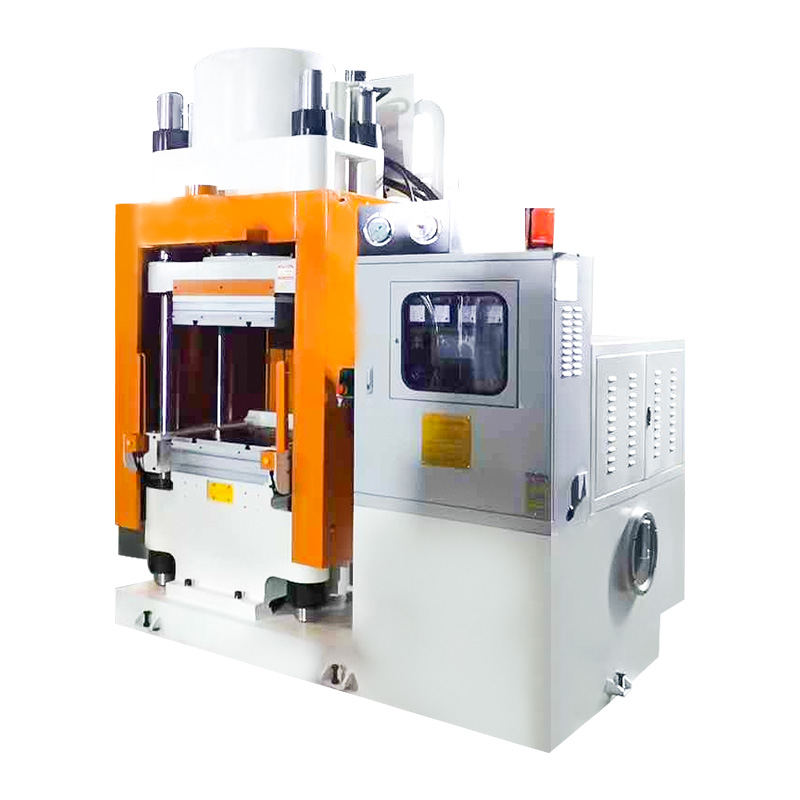
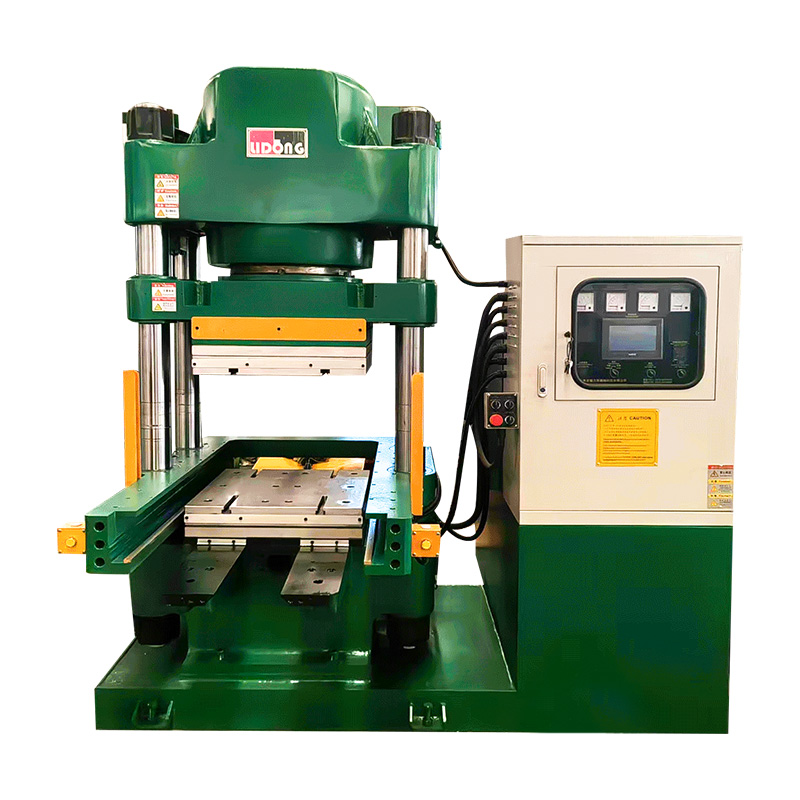
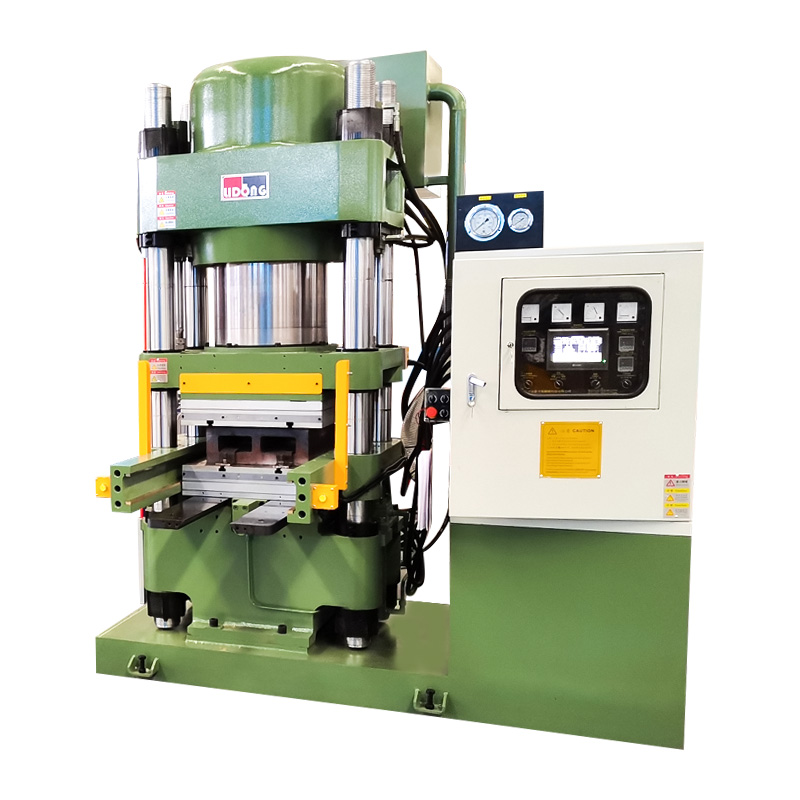
Rubber Vacuum Vulcanizing Machine significantly improves the density and structural integrity of rubber products by eliminating trapped air and moisture during the molding and curing process. At Ningbo Delidong Machinery Technology Co., Ltd., we design and manufacture equipment that integrates a high-efficiency vacuum system with precise pressure control, allowing us to achieve a compact and uniform internal structure in molded rubber components. When the mold cavity is subjected to vacuum conditions before and during vulcanization, residual gases are removed from the compound, enabling the material to flow and fill the cavity more completely. This process reduces the formation of internal voids, bubbles, and micro-defects that typically weaken structural performance. From a material science perspective, the absence of trapped air allows polymer chains to cross-link more uniformly during vulcanization. This uniformity enhances the mechanical cohesion of the rubber matrix, resulting in improved tensile strength, compression resistance, and durability under dynamic loads. Ningbo Delidong Machinery Technology Co., Ltd. incorporates advanced vacuum sealing structures and optimized chamber designs to ensure that vacuum integrity is maintained throughout the entire curing cycle. This consistency allows us to produce rubber components with stable density across batches, reducing variability in production. In practical applications, products manufactured using our Rubber Vacuum Vulcanizing Machine demonstrate higher resistance to deformation, fatigue, and environmental stressors such as temperature fluctuations and mechanical vibration. The improved internal structure also contributes to longer service life and reduced failure rates in demanding industrial environments. By maintaining strict control over process parameters, Ningbo Delidong Machinery Technology Co., Ltd. ensures that we deliver equipment capable of producing high-density rubber products that meet stringent industrial standards and customer requirements.
The Rubber Vacuum Vulcanizing Machine provides significant advantages in achieving superior surface finish and aesthetic quality of rubber products. At Ningbo Delidong Machinery Technology Co., Ltd., we engineer our machines with advanced vacuum systems and high-precision molds that allow us to minimize surface imperfections during the molding process. When the mold cavity is evacuated before injection or compression, air pockets that would otherwise become trapped at the interface between the mold and the rubber compound are effectively removed. This vacuum-assisted process enables the rubber material to closely replicate the mold surface texture, resulting in a smooth and defect-free finish. Surface defects such as pinholes, flow marks, and air streaks are greatly reduced. Ningbo Delidong Machinery Technology Co., Ltd. applies optimized heating plate designs and uniform temperature distribution systems to ensure consistent curing conditions across the entire mold surface. This uniformity prevents localized overheating or uneven curing, both of which can negatively affect surface appearance. In industries where appearance is a critical factor, such as automotive interiors, consumer goods, and precision sealing components, the visual and tactile quality of rubber products plays an important role in product acceptance. Our Rubber Vacuum Vulcanizing Machine allows us to produce components with high gloss consistency, accurate dimensional replication, and refined edges without requiring extensive post-processing. The improved surface quality reduces the need for secondary finishing operations such as trimming, polishing, or coating. This contributes to more efficient production workflows and lower manufacturing costs. By maintaining strict process control and leveraging advanced vacuum technology, Ningbo Delidong Machinery Technology Co., Ltd. enables us to consistently deliver rubber products with excellent aesthetic and functional surface characteristics.
| Parameter Name |
Typical Range / Specification |
Description |
Notes |
| Mold Size Compatibility |
Customized / Standard sizes |
Range of mold dimensions supported |
Adjustable based on requirements |
| Hydraulic System Pressure |
10 – 25 MPa |
Operating pressure of hydraulic system |
Ensures stable clamping force |
| Control System |
PLC + HMI Touch Screen |
Automation and user interface system |
Enables precise parameter control |
| Power Supply |
3 Phase, 380V / 50Hz |
Electrical requirements of the machine |
Can be customized for regions |
| Machine Structure Type |
Frame / Column / Custom |
Structural design of the machine body |
Influences stability and rigidity |
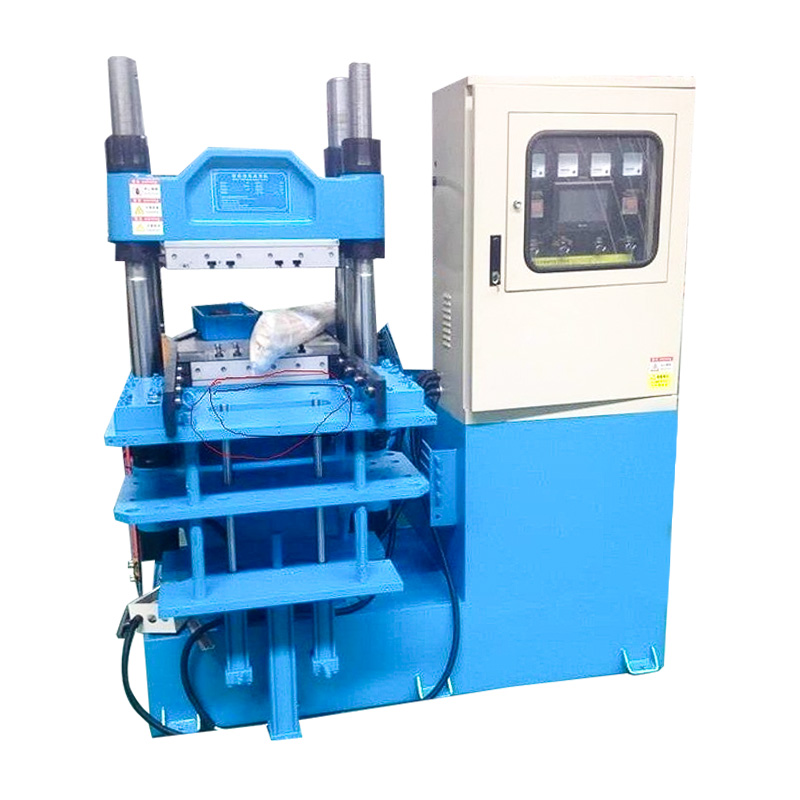
The Rubber Vacuum Vulcanizing Machine enhances the mechanical properties and overall material strength of rubber products by ensuring a controlled and uniform vulcanization process. Ningbo Delidong Machinery Technology Co., Ltd. incorporates advanced thermal control systems and hydraulic pressure mechanisms into our equipment to create optimal curing conditions. Under vacuum, the elimination of air pockets allows heat to be transferred more efficiently throughout the rubber compound, resulting in consistent cross-linking of polymer chains. This uniform cross-linking is essential for achieving balanced mechanical properties such as tensile strength, elongation at break, tear resistance, and hardness stability. Without trapped gases interfering with the material structure, the rubber matrix forms a dense and cohesive network that enhances load-bearing capacity and resistance to deformation. Ningbo Delidong Machinery Technology Co., Ltd. designs our machines with precise temperature regulation systems that maintain consistent heating across the mold surface, preventing uneven curing that could weaken certain areas of the product. We also implement stable hydraulic systems that apply uniform pressure during the vulcanization cycle. This pressure ensures that the rubber compound is compacted evenly within the mold cavity, further contributing to improved mechanical performance. The combination of vacuum conditions, controlled temperature, and consistent pressure allows us to produce rubber components with superior fatigue resistance and long-term durability. In demanding applications such as automotive components, industrial seals, and vibration isolation systems, these enhanced mechanical properties are critical for maintaining performance under repeated stress and environmental exposure. Ningbo Delidong Machinery Technology Co., Ltd. ensures that our Rubber Vacuum Vulcanizing Machine delivers reliable and repeatable results, enabling us to meet the stringent mechanical requirements of modern industrial applications.
High process stability and repeatability are essential performance characteristics of the Rubber Vacuum Vulcanizing Machine. At Ningbo Delidong Machinery Technology Co., Ltd., we focus on designing systems that allow us to maintain consistent processing conditions across multiple production cycles. Our machines are equipped with advanced control units that regulate temperature, pressure, and vacuum levels with high precision. Once optimal parameters are established, the system is capable of reproducing identical conditions for each cycle, ensuring that every product meets the same quality standards. This repeatability is achieved through the integration of programmable logic controllers and sensor-based feedback systems that continuously monitor and adjust process variables in real time. Ningbo Delidong Machinery Technology Co., Ltd. utilizes robust mechanical structures and high-quality components to minimize deviations caused by mechanical wear or environmental factors. Stable operation is further supported by our carefully engineered vacuum systems, which maintain consistent pressure levels throughout the curing process. Any fluctuations in vacuum conditions could affect material flow and curing uniformity; therefore, our designs prioritize airtight sealing and efficient vacuum generation. This stability allows us to maintain consistent product dimensions, mechanical properties, and surface quality across large production runs. In industrial manufacturing environments where high-volume output is required, process repeatability reduces variability and enhances quality control efficiency. Ningbo Delidong Machinery Technology Co., Ltd. ensures that our Rubber Vacuum Vulcanizing Machine provides reliable and predictable performance, enabling us to support continuous production with minimal interruption and consistent results.
Energy efficiency and resource optimization are important advantages of the Rubber Vacuum Vulcanizing Machine. Ningbo Delidong Machinery Technology Co., Ltd. incorporates energy-saving technologies into our equipment design to reduce operational costs and improve sustainability. Our machines utilize insulated heating systems and optimized thermal distribution to minimize heat loss during operation. The vacuum environment contributes to improved heat transfer efficiency, allowing the vulcanization process to proceed more quickly and effectively. This reduces the overall energy required for each production cycle. In addition, our hydraulic systems are designed for efficient pressure application, minimizing unnecessary energy consumption while maintaining stable performance. Resource optimization is also achieved through improved material utilization. By reducing defects such as bubbles, voids, and incomplete filling, our Rubber Vacuum Vulcanizing Machine helps us minimize scrap rates and rework. This leads to more efficient use of raw materials and reduces production waste. Ningbo Delidong Machinery Technology Co., Ltd. also integrates intelligent control systems that allow us to monitor and adjust energy usage based on real-time production requirements. These systems enable us to optimize operating conditions and avoid unnecessary energy expenditure during idle periods or low-load operations. Through these combined measures, our equipment supports efficient manufacturing processes that balance performance with resource conservation. This not only reduces operational costs but also aligns with modern industrial goals of sustainability and environmental responsibility.

 English
 عربى
عربى
 中文繁体
中文繁体