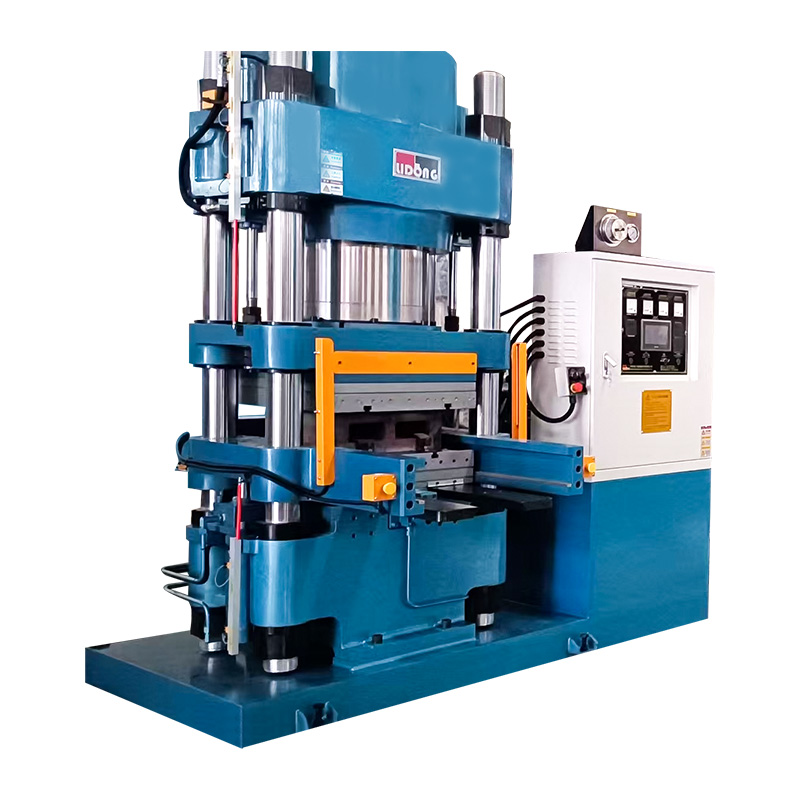
Equipment Definition and Industry Status
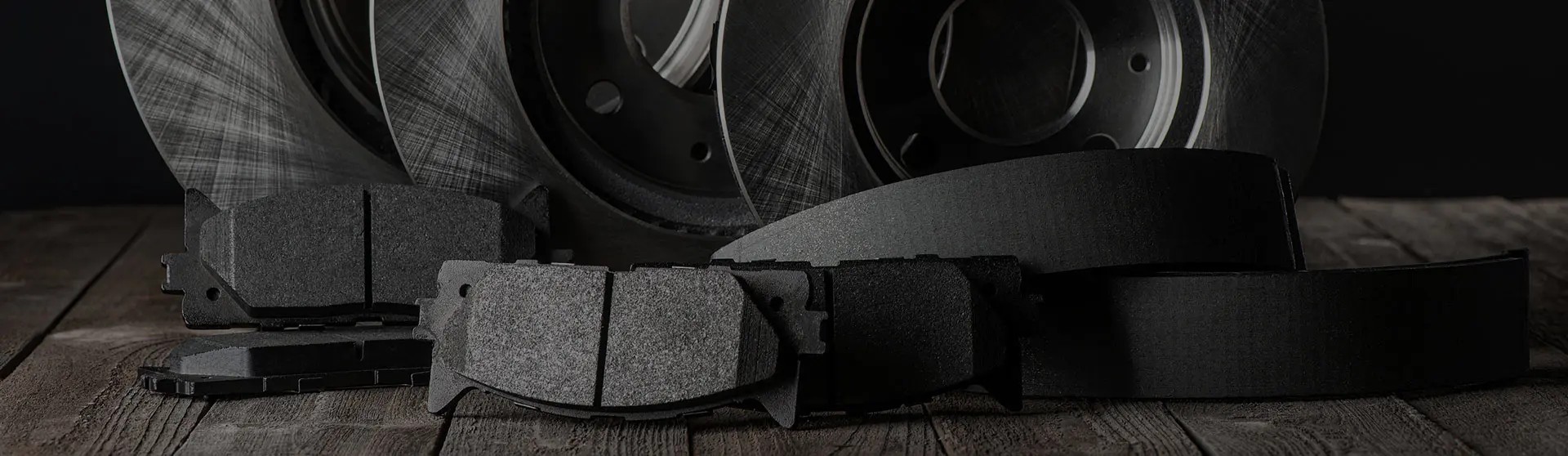
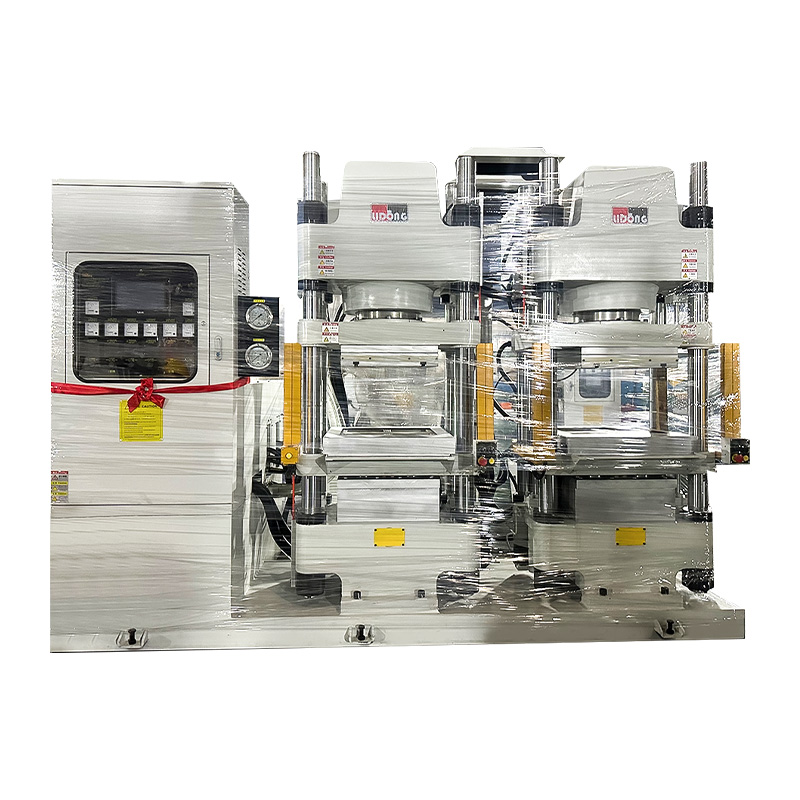
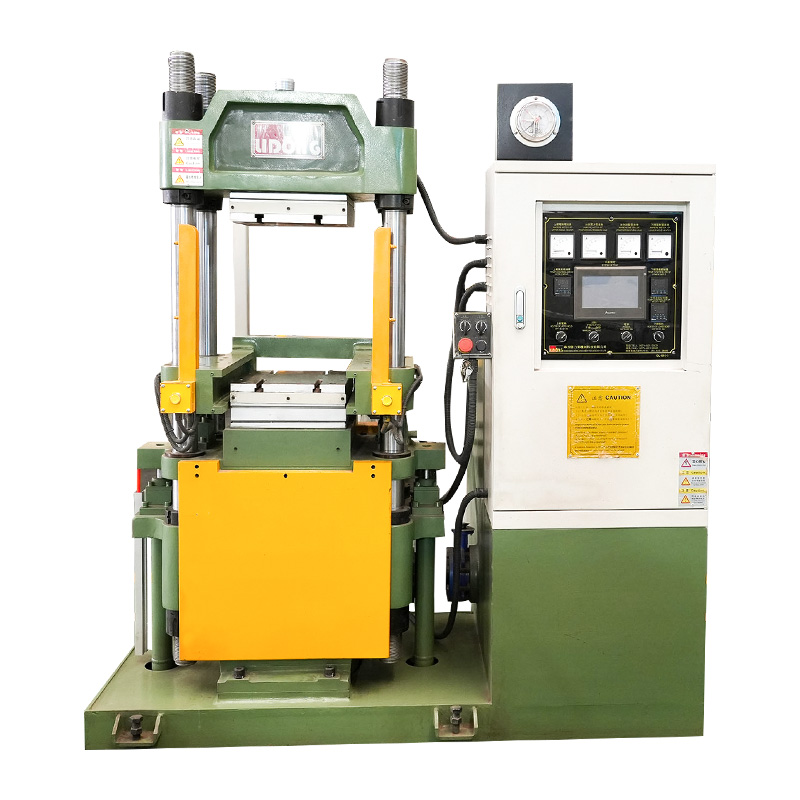
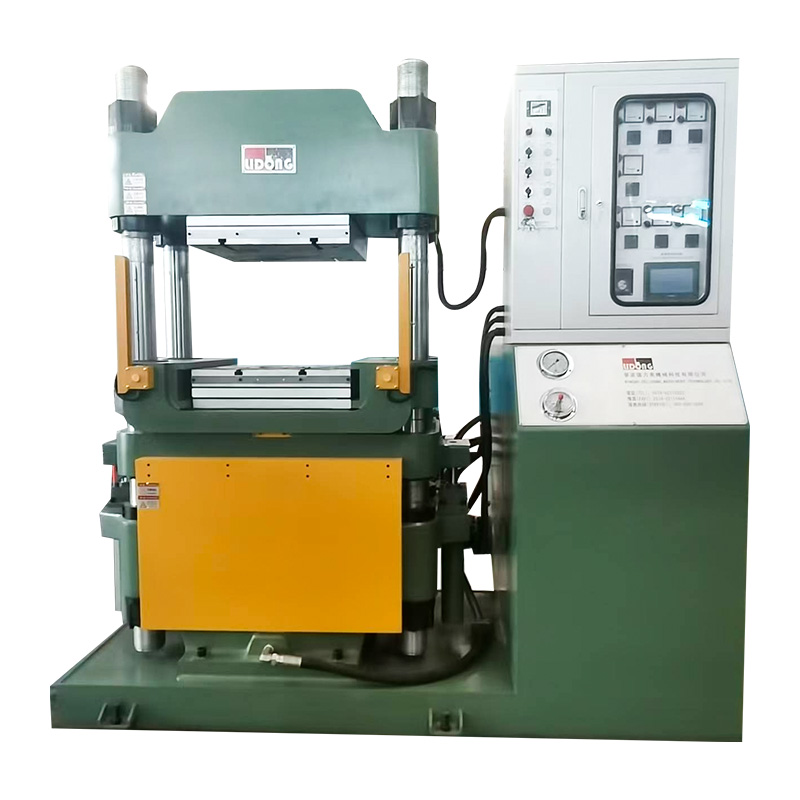
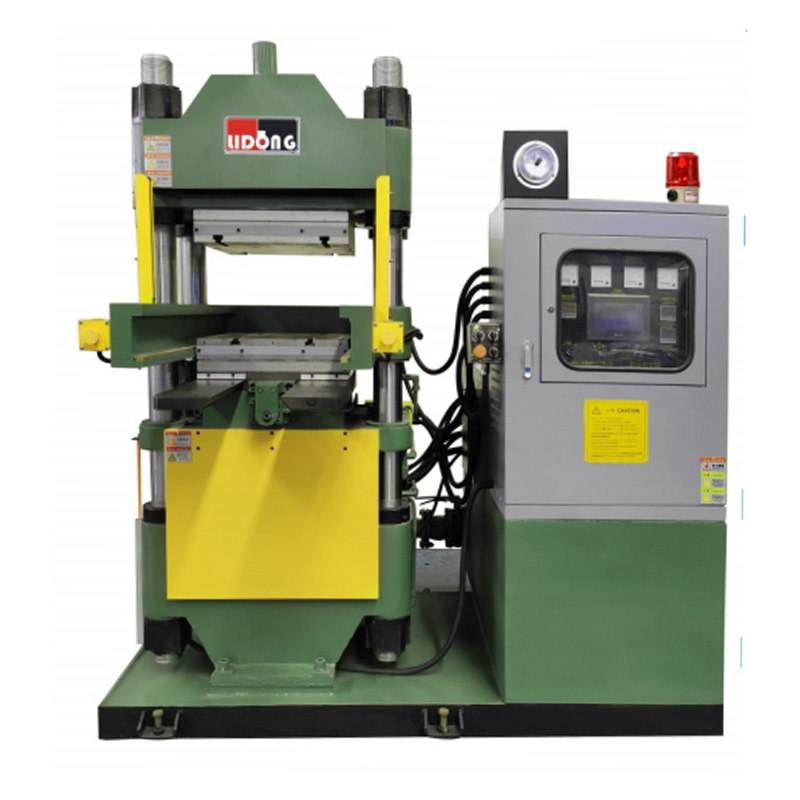
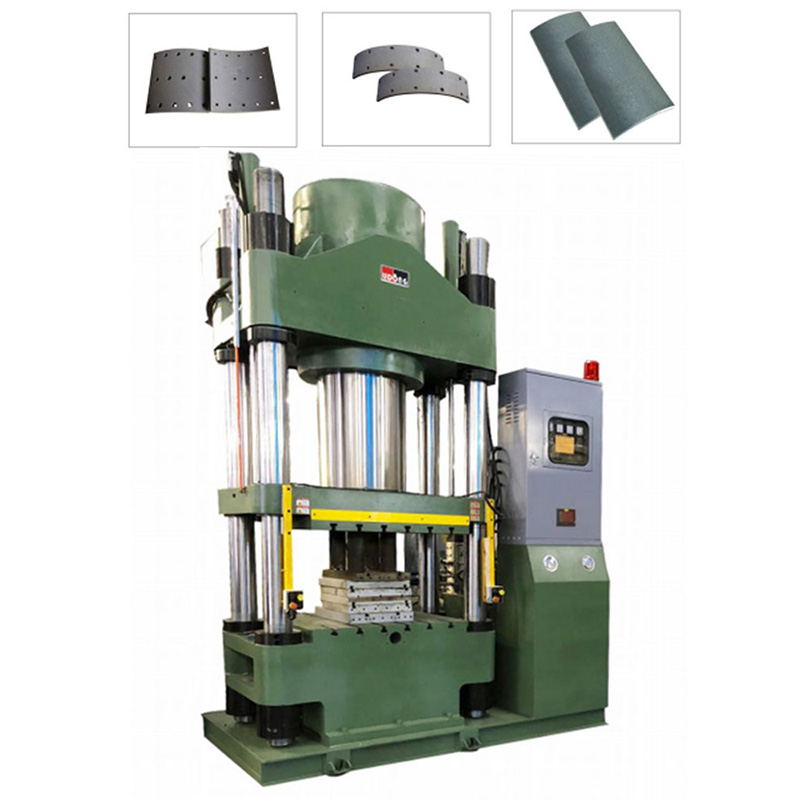
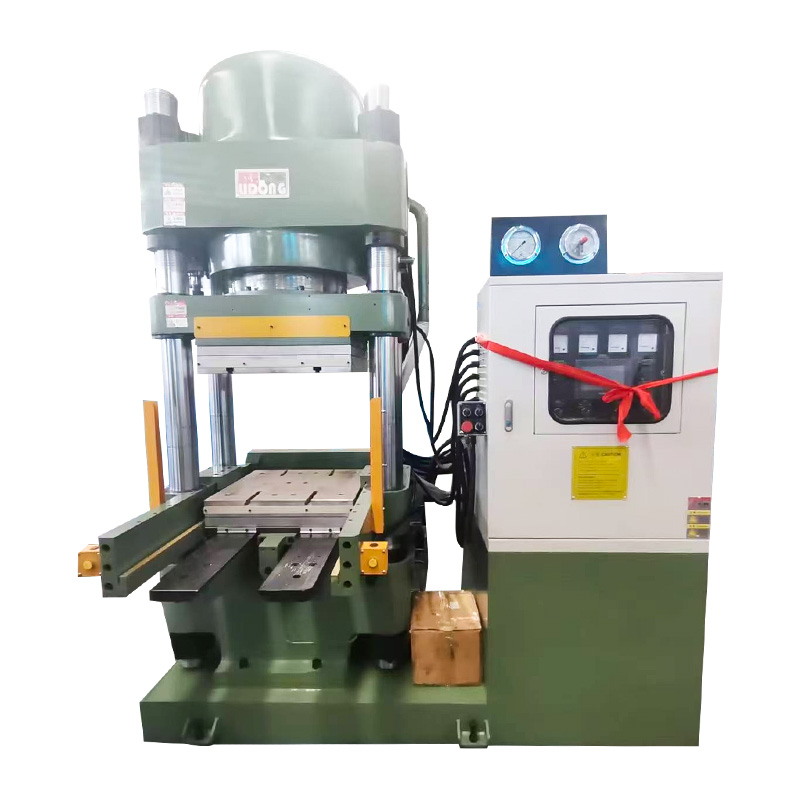
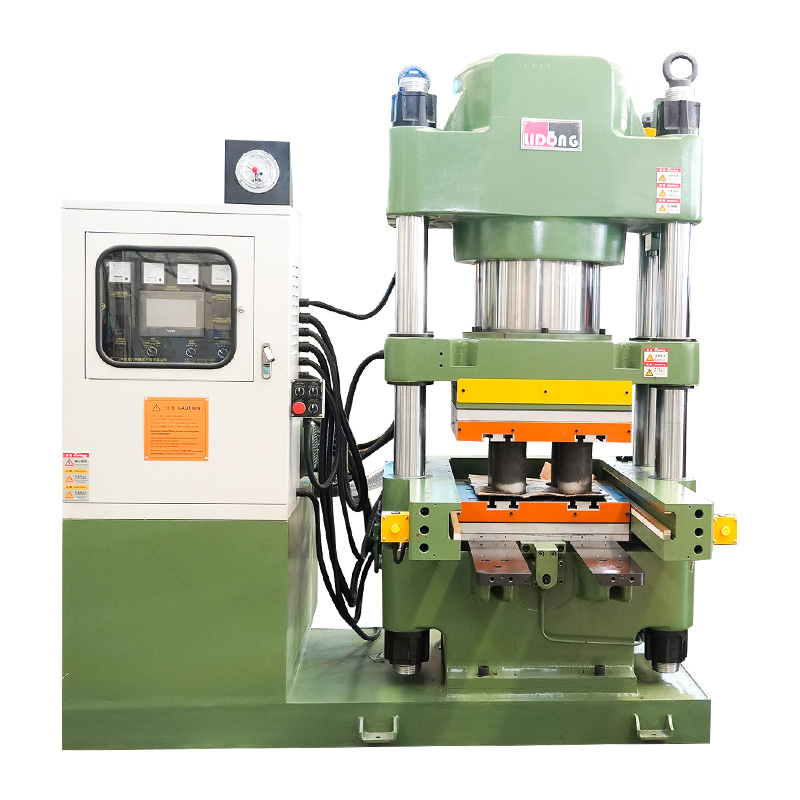
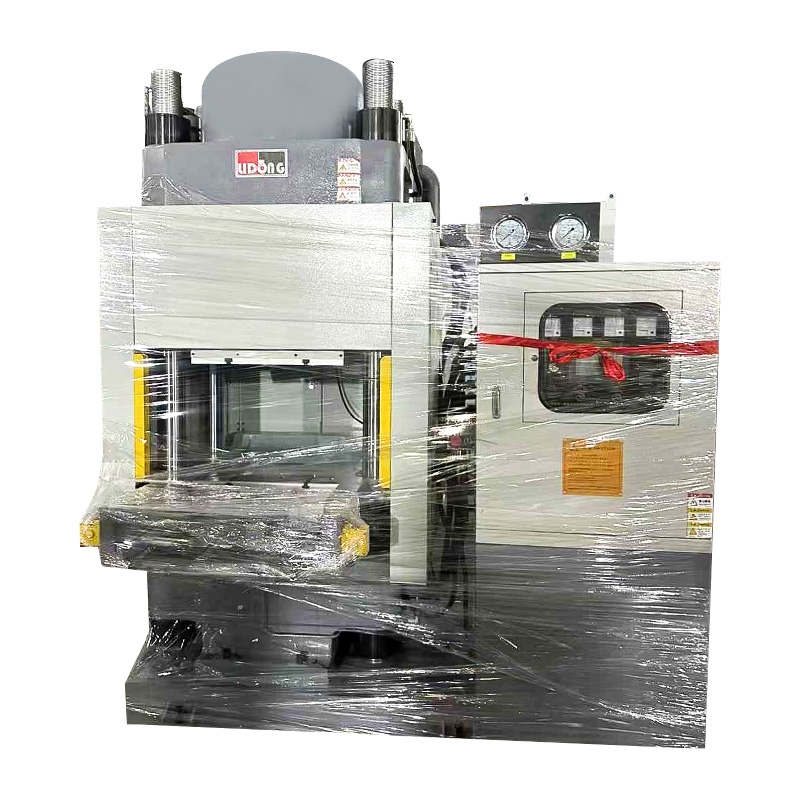
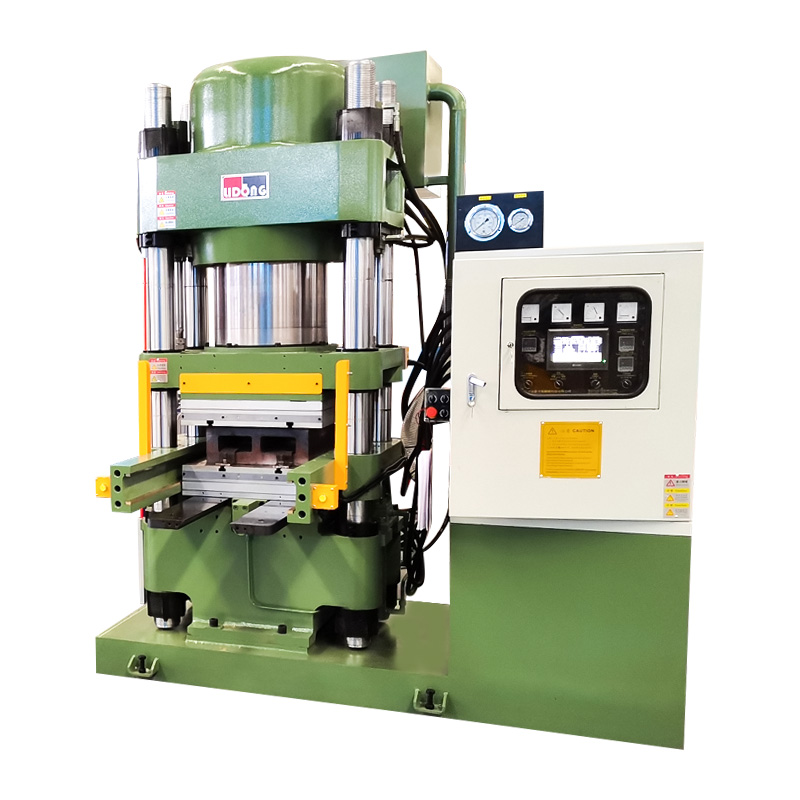
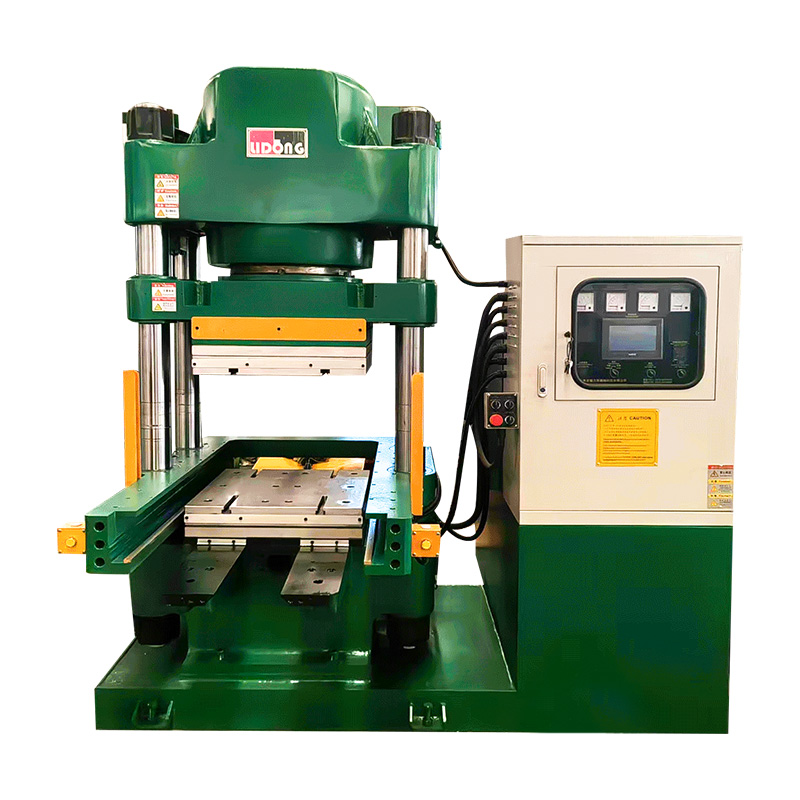
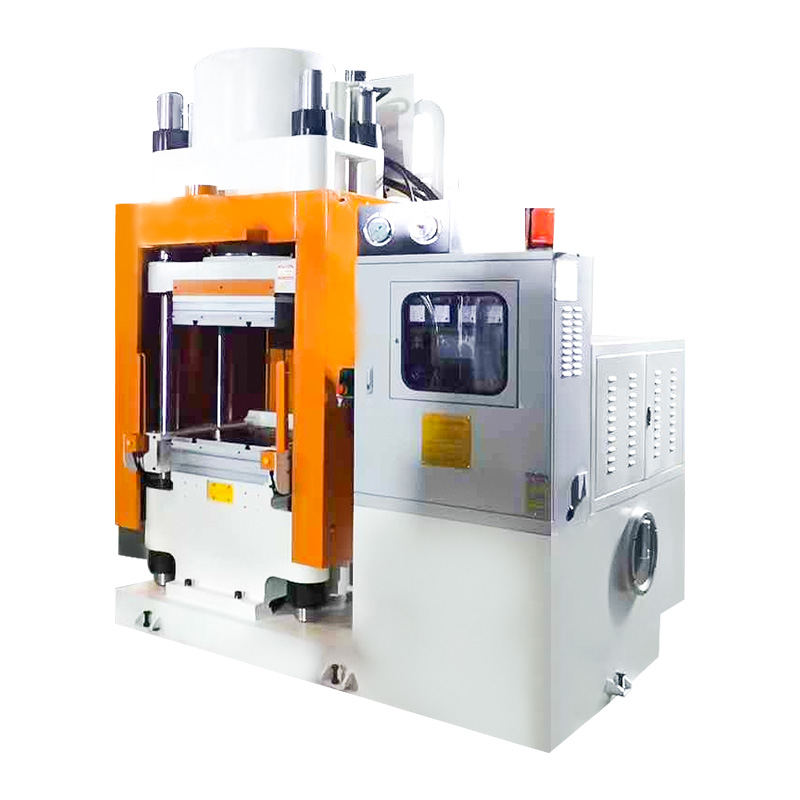
A Bicycle Brake Pad Press Machine is a specialized piece of equipment that uses pressure (and temperature) to densify friction materials. It is a crucial piece of equipment in the friction material manufacturing field, widely used in the production of bicycles, electric bicycles, and related braking products.
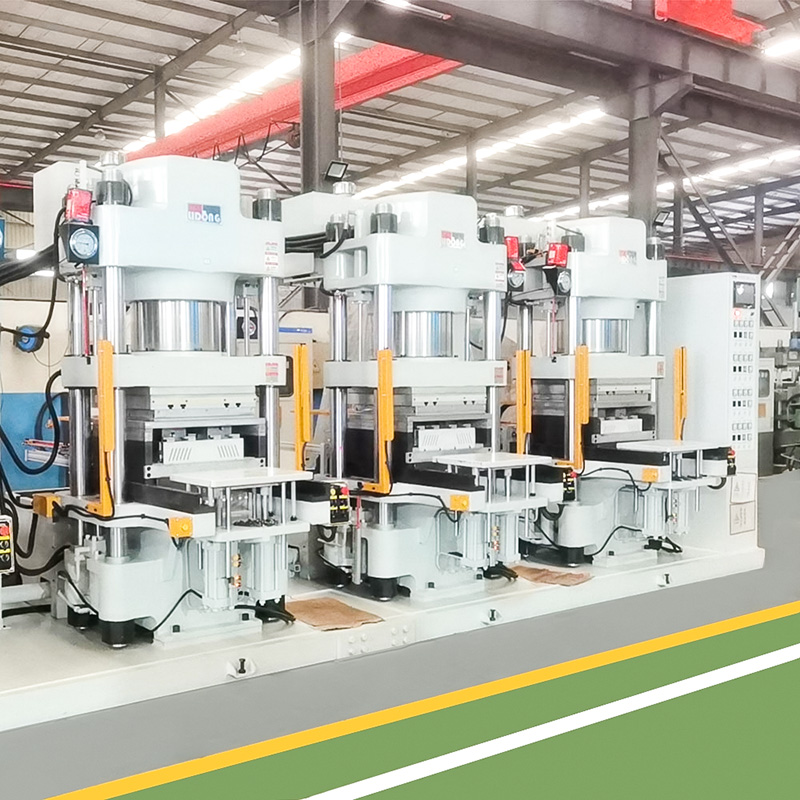
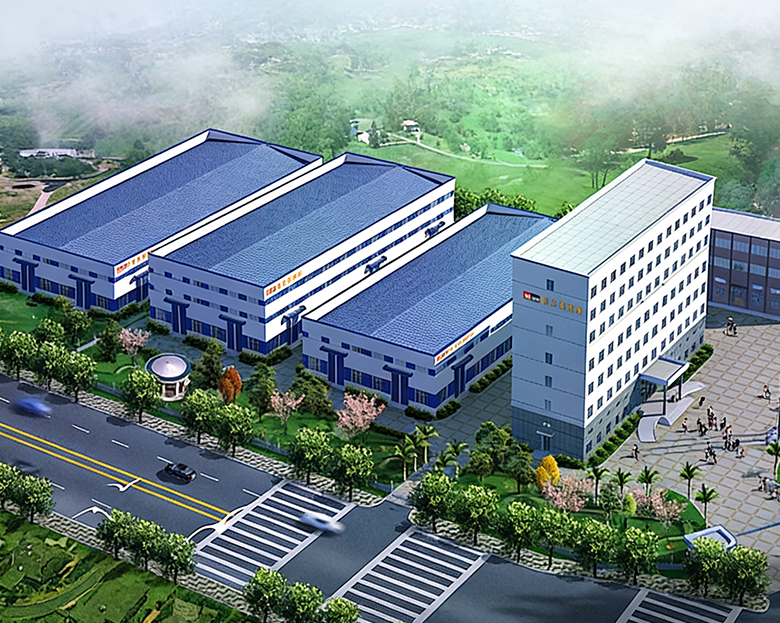
In industry practice, this type of equipment has gradually evolved from traditional single-function devices into integrated manufacturing units. For example, Ningbo Delidong Machinery Technology Co., Ltd., as a professional manufacturer, not only provides disc brake pad presses and drum brake pad presses, but also covers equipment such as rubber injection molding machines, vacuum vulcanizing machines, and intelligent manufacturing systems, demonstrating the core position and extensibility of pressing equipment in the entire friction material industry chain.
The core role of the pressing process is to transform material properties into actual product performance; its process control level directly determines the stability and safety of the brake pads.
Brake Pad Structure and Functional Layering
Friction Layer: The friction layer directly participates in the braking process. Its material composition is complex, including resin, metal powder, fibers, and lubricants. The pressing machine uses pressure and temperature to form a uniform and dense composite structure from these materials.
Back Plate: The back plate is a metal structural component, providing a mounting base and structural strength. During the pressing process, it needs to achieve a strong bond with the friction material, which places high demands on pressure uniformity.
Bonding Interface Layer: This layer is the transition area between the friction material and the back plate, and its bonding quality directly affects the product's durability. The pressing process uses high pressure and heat to create a stable mechanical and chemical bond at the interface.
In-depth Analysis of the Press Machine's Working Principle
The operation of a press machine involves complex physical and chemical changes in materials.
Powder Densification Mechanism: Under pressure, materials undergo particle rearrangement, pore compression, and plastic deformation, gradually forming a high-density structure.
Thermosetting Process: Under hot pressing conditions, the resin undergoes a cross-linking reaction, transforming the material from a plastic state to a stable solid structure.
Structural Stabilization and Stress Release: Through the pressure holding and cooling stages, internal stress is gradually released, thereby preventing deformation and cracking.
Equipment Structure and Key Component Details
The press machine consists of multiple systems, each affecting the final product quality.
Hydraulic System: Providing stable pressure output, it is the core system determining the pressing effect.
Mold System: Determining the product's shape and dimensional accuracy, multi-cavity molds can significantly improve production efficiency.
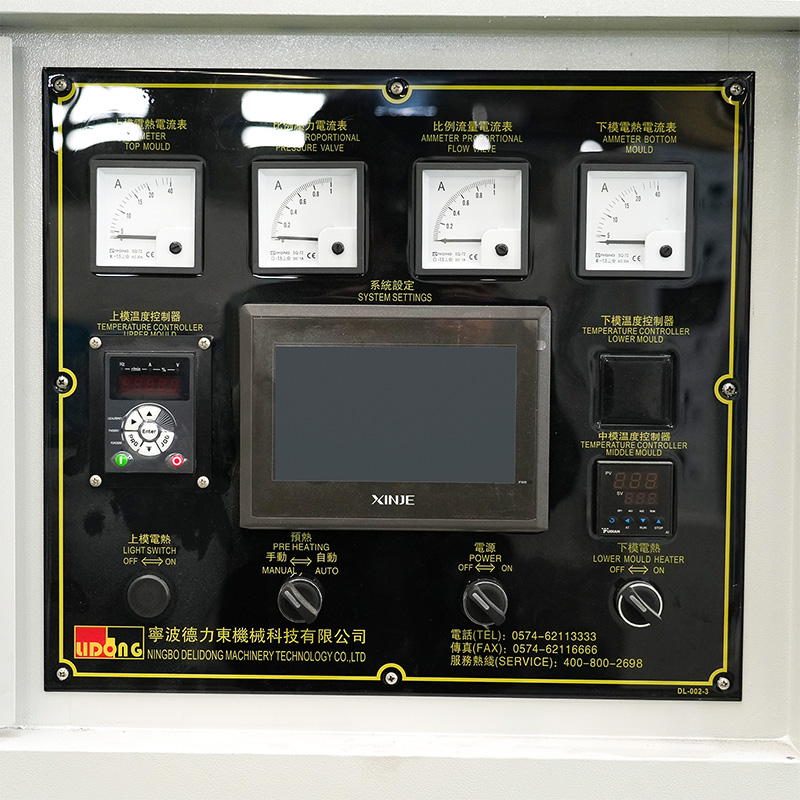
Temperature Control System: Achieving uniform heating through multi-point temperature control ensures consistent material curing.
Control System: Modern equipment commonly uses PLC control to achieve precise adjustment of process parameters and automated operation.
Automation and System Integration Capabilities: During industry upgrades, equipment no longer operates in isolation but evolves into a system. Companies like Ningbo Delidong Machinery Technology Co., Ltd. possess the capability to develop non-standard automated equipment and intelligent manufacturing systems, integrating press machines into complete automated production lines to achieve end-to-end integration from material feeding to inspection.
Detail Control in the Pressing Process
High-quality brake pads rely on meticulous process control.
Filler Uniformity: Directly affects product density distribution and performance consistency.
Mold Temperature Difference Control: Excessive temperature difference can lead to instability or even deformation of the product's internal structure.
Venting Design: Proper venting can prevent internal porosity and improve structural strength.
Surface Condition Control: Affects subsequent processing and product appearance quality.
Equipment Requirements for Different Production Modes
The configuration requirements for pressing machines vary significantly depending on the scale of production.
Small-Batch Flexible Production: Emphasis on equipment flexibility and parameter adjustability.
Medium-Scale Production: Requires a balance between efficiency and cost.
Large-Scale Automated Production: Relies on highly stable equipment and automated system integration capabilities. Companies with mature manufacturing processes and sound management systems, such as Ningbo Delidong Machinery Technology Co., Ltd., can typically provide stable equipment suitable for large-scale production and support long-term continuous operation.
Quality Inspection and Performance Verification
After pressing, the brake pads need to undergo multi-dimensional testing.
- Density and Structure Testing
- Shear Strength Testing
- Friction Performance Testing
- Thermal Attenuation Testing
- Noise and Vibration Testing
These test results, in turn, guide the optimization of pressing process parameters.
Key Points of Mold Design and Manufacturing
- Mold design is a crucial factor affecting pressing results.
- Mold Cavity Structure Design
- Materials and Heat Treatment Processes
- Surface Treatment Technology
- Multi-Cavity High-Efficiency Design
High-quality molds not only improve product precision but also significantly extend service life.
Automation and Intelligent Manufacturing Trends
With industrial upgrading, pressing machines are developing towards intelligentization.
Data-Driven Production: Quality traceability is achieved through real-time collection of process data.
Intelligent Process Optimization: Parameters are automatically adjusted to adapt to different product requirements.
Enhanced System Integration Capabilities: Equipment is gradually integrating into intelligent manufacturing systems. Under this trend, companies with continuous technological innovation capabilities have a greater competitive advantage. For example, Ningbo Delidong Machinery Technology Co., Ltd., which holds multiple patents and has been recognized as a high-tech enterprise, continuously optimizes equipment design by absorbing advanced technologies from home and abroad, enabling its pressing equipment to maintain high performance and high stability during long-term operation.
Energy Conservation and Environmental Protection Development Directions
Modern pressing equipment increasingly emphasizes energy efficiency and environmental performance.
- Servo Hydraulic Energy-Saving Technology
- Thermal Energy Utilization Optimization
- Noise Reduction Design
- Environmentally Friendly Material Adaptation
These improvements not only reduce production costs but also align with global manufacturing development trends.
Expanding Application Areas
The pressing technology has expanded from the traditional bicycle industry to a wider range of friction material applications:
- Electric bicycle braking systems
- Motorcycle brake pads
- Engineering machinery brake pads
- Industrial friction materials
As market demands upgrade, the requirements for equipment precision, stability, and automation levels are constantly increasing.
Global Market and Supply Chain Position
In the global supply chain, brake pad pressing machines occupy a key position in the manufacturing process, connecting raw materials and end products.
The current industry exhibits the following characteristics:
- Manufacturing focus is concentrated in China
- Technology continues to develop towards high-end levels
- Automation and intelligentization have become key areas of competition
Companies with comprehensive after-sales service systems and international market experience are more likely to establish long-term, stable partnerships. Manufacturers like Ningbo Delidong Machinery Technology Co., Ltd. have widely exported their products and established partnerships with numerous companies, building a strong reputation within the industry and laying the foundation for continued development.

 English
 عربى
عربى
 中文繁体
中文繁体