
 English
 عربى
عربى
 中文繁体
中文繁体

Content
Picture a conveyor belt carrying copper ore at 400 tons per hour. The belt has run for two years, but the splice at the junction of two sections begins to peel. Within hours, the belt tears completely and the entire conveyor line stops. A repair crew has to remove the damaged section and re-splice the belt under time pressure. Most of this risk was set months earlier, when the previous splice was vulcanized.
The same logic applies to any conveyor system: the splice is the weakest link, and vulcanization is the process that determines how weak it will be. Hot vulcanization creates a continuous, cured rubber bond between the belt ends. It is the standard method for heavy-duty belts because it delivers the highest joint strength and the longest service life. However, reliable vulcanization is not just a matter of following generic instructions. It depends on controlling temperature, pressure and time with a properly matched vulcanizing press.
What Is Conveyor Belt Vulcanization?
Vulcanization is a chemical process that transforms raw rubber into a cured, elastic material by adding cross-links between polymer chains. This reaction happens under heat and pressure. In conveyor belt splicing, the two belt ends are prepared by removing rubber layers and building a stepped overlap. The exposed fabric and rubber are then coated with a bonding agent, and the joint is placed inside a vulcanizing press that applies a calculated amount of heat and pressure for a specified time. The result is a continuous, seamless joint that can accept the same tension and flexing load as the rest of the belt.
The term is also used for conveyor belt repairs. A damaged cover can be repaired with a patch cured by a portable or permanent vulcanizer. In both cases, the underlying principle remains: heat plus pressure plus time equals a cured, cohesive bond.
How the Vulcanization Process Works
Even though belt types and splice designs vary, the basic sequence is consistent. The following steps are common in hot vulcanizing operations.
- Preparation. The operator marks the splice area, cuts the damaged section, and skives the belt ends to a taper. Every fabric ply is kept clean and free of dust, oil or moisture.
- Application of bonding materials. A layer of unvulcanized splicing rubber or cement is laid over the prepared surfaces. This layer will fuse with the belt plies during curing.
- Alignment and clamping. The belt ends are aligned in the press. Pressure bars, usually with silicone or rubber pads, distribute the clamping force across the full splice width.
- Heat and pressure application. Electric heating platens raise the splice to the recommended vulcanizing temperature. Hydraulic pressure pushes the platens together to close voids and expel trapped air.
- Curing and cooling. After the hold time completes, the press temperature is reduced while pressure remains. Once the belt cools to a safe level, the press is opened and the splice is inspected.
Each step has a direct effect on the final joint quality. A dirty surface can cause a low-bond zone; a misaligned splice can weaken the fabric; and insufficient pressure can leave air pockets that grow into bubbles under load.
Key Parameters That Determine Splice Quality
The most common evaluation points are temperature, pressure and cure time. All three have to be set according to the belt type and the splice design. The table below gives a general range for standard rubber conveyor belts.
| Parameter | Typical Range | Why It Matters |
|---|---|---|
| Curing temperature | 130–150 °C | Too low leaves rubber undercured; too high can scorch the cover or weaken the fabric plies. |
| Pressure | 0.5–1.2 MPa | Drives out air and compresses the splice. Low pressure causes porosity and reduced bond strength. |
| Hold time | 10–40 minutes | Must match the splice thickness. Under-curing leads to early peeling; over-curing can degrade rubber. |
| Temperature uniformity | ±5 °C across platen | Hot spots create uneven cure and stress concentrations that lead to splice failure. |
These figures are not substitutes for a belt-specific recommendation. The belt manufacturer or the splice supplier will provide exact values for the particular carcass, cover and splice pattern. The equipment must be able to maintain those values without drifting. A vulcanizing press with precise thermostats and a stable hydraulic system is therefore a practical investment for any maintenance shop.
Vulcanization vs. Mechanical Fasteners
For many years, operators have debated whether to use a vulcanized splice or a mechanical fastener for belt joining. The decision usually comes down to application requirements, downtime budget and belt condition.
- Strength: Vulcanized splices typically achieve 80–100% of the belt's rated tensile strength. Mechanical fasteners are generally limited to a lower percentage, which means a higher-tension belt may not be suitable for fasteners.
- Durability: A cured splice creates a smooth, continuous surface that resists cover wear and protects the carcass. Mechanical fasteners are vulnerable to vibration, impact and abrasive material passing over them.
- Belt cleaning and scraping: Smooth vulcanized splices allow belt scrapers and cleaners to work continuously without interruption. Fasteners can damage scraper blades or become jammed with carryback.
- Downtime: Hot vulcanization takes longer than bolting a mechanical fastener. However, if the equipment and tooling are ready, a well-planned vulcanization can be completed within a single maintenance window.
- Repair limitations: Some belts, especially thin-ply or lightly rated belts, may not tolerate vulcanizing heat. Mechanical fasteners might be the only option in those cases.
For most high-tonnage or long-distance conveyors, vulcanization remains the preferred method. The initial downtime is offset by fewer repairs, lower spillage and longer belt life.
Choosing the Right Vulcanizing Equipment
What vulcanization equipment does a maintenance workshop actually need? At the heart of the tooling is a vulcanizing press that can deliver uniform heat and even pressure across the splice width. Several features matter when selecting one.
First, the platen surface must be large enough for the belt width. A platen that is too short forces the operator to cure the splice in sections, increasing the chance of a weak seam. Second, temperature control should be accurate and repeatable. If the control system allows the temperature to overshoot by more than a few degrees during the hold time, the rubber may overcure near the heating elements. Third, the pressure system should be stable. Many presses use hydraulic cylinders to push the platens together; the pressure gauge should show a steady value throughout the cure cycle.
In many small repair shops and production environments, a multi-purpose plate vulcanizing press is a practical choice. It can be used for conveyor belt splicing as well as for other rubber molding and curing duties. The same press that cures a belt splice can also produce rubber seals, gaskets and wear-resistant parts. This versatility gives the maintenance department another use for an already essential asset.
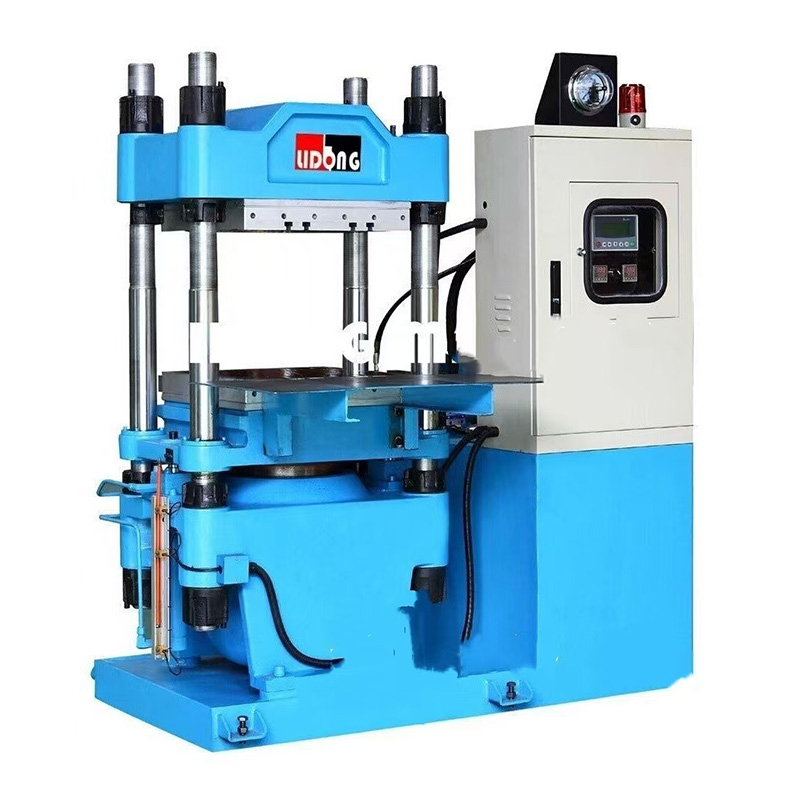 Multi-Purpose Plate Vulcanizing Press for Belt Splicing and Rubber MoldingThis versatile press handles conveyor belt splicing and other rubber curing tasks, offering automated controls for efficient production. It suits small shops seeking a durable, high-precision machine for seals, gaskets, and wear parts.View Product →
Before choosing a model, review the press's tonnage and platen dimensions. Also confirm heat-up time, temperature uniformity and the availability of digital controls. The press should be capable of holding the setpoint for the full curing cycle without manual adjustment. If you need to evaluate different types, the plate vulcanizing press buying guide can help you compare specifications and sizing options.
Common Mistakes in Conveyor Belt Vulcanization
Even with good equipment, operators can create defects in the splice. The following errors are frequently found in field repairs.
- Incomplete surface preparation. Grease, rubber dust or moisture on the plies prevents proper adhesion.
- Insufficient pressure. Air remains between layers and later forms blisters or delamination.
- Improper hold time. The operator shortens the cure to finish the job faster, but the rubber never reaches full cross-link density.
- Uneven heating. This happens when the platen has a damaged heating coil, or when the belt thickness varies across the splice.
- Skipping the cooling stage. Removing pressure while the belt is still hot can cause porosity in the splice.
One of the most overlooked issues is the condition of the pressure pad between the platen and the belt. A worn or hard silicone pad produces uneven compression. Replacing these pads on a schedule is cheap compared with the cost of a failed splice at 2 a.m.
Inspection and Aftercare
Once the splice has cooled, the rubber should appear smooth and slightly recessed relative to the belt cover. A small light tap with a wooden hammer can reveal hollow areas. Any visible bubbles, lift or soft spots mean the splice is suspect and should be cut out and redone. After the belt returns to service, the splice should be inspected at regular intervals during the first weeks, then less frequently as the belt settles.
Properly vulcanized splices can outperform the belt itself in some cases, but only if the parameters were respected and the equipment held them accurately. That is why selecting a reliable vulcanizing press is not an optional luxury. It is a direct factor in the maintenance cost and uptime of the entire conveyor line.
The bottom line is simple: conveyor belt vulcanization is a controlled heat/pressure chemical reaction. The quality of the joint is not a mystery — it is a direct result of preparation, parameters and equipment. With good workmanship, the right splice compound, and a press that holds accurate pressure and temperature, a conveyor belt can continue running for years without a splice-related failure.