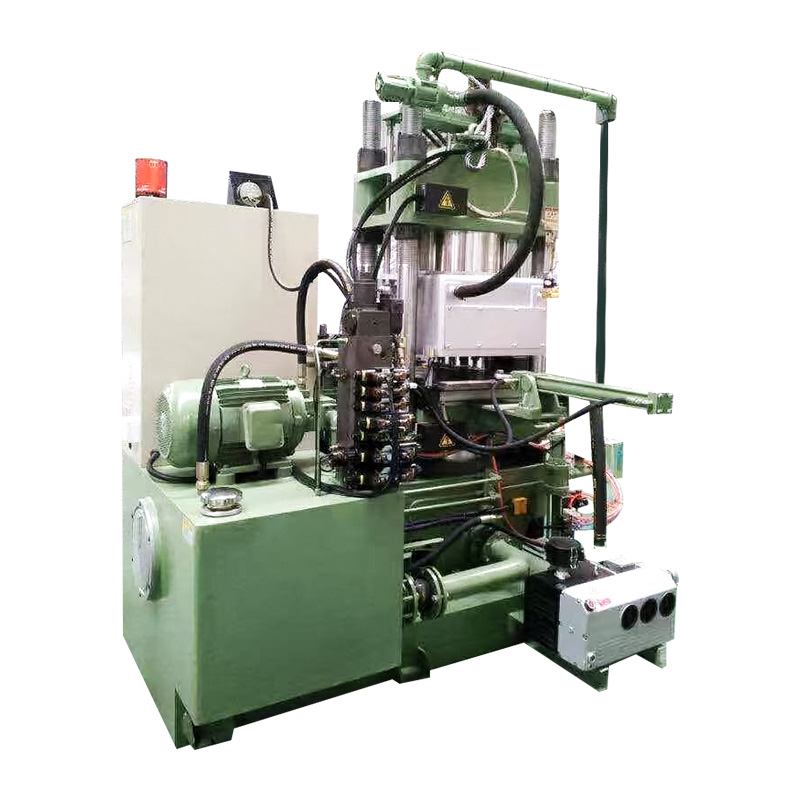
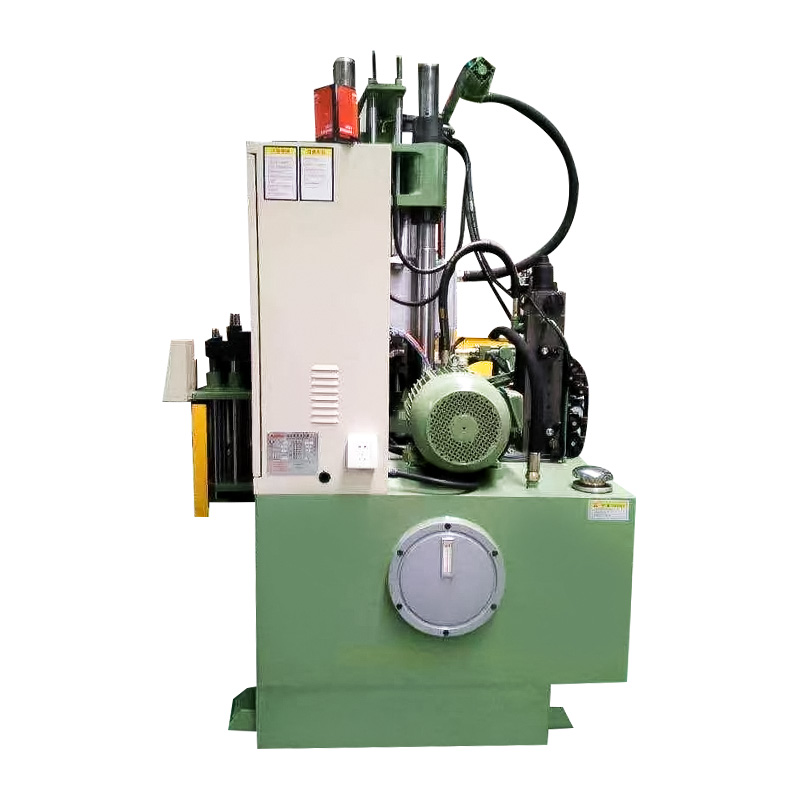
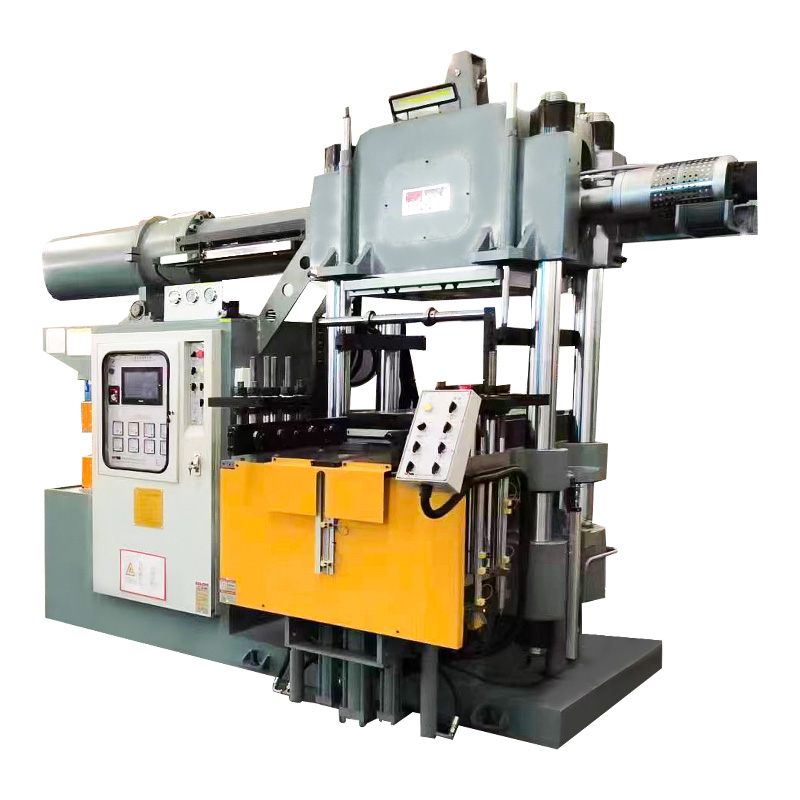
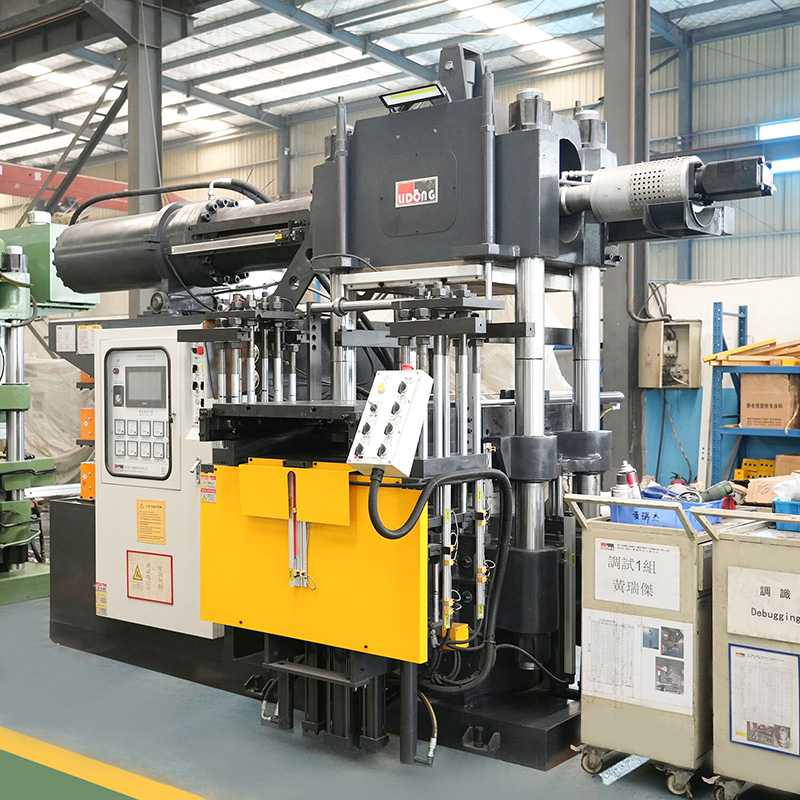
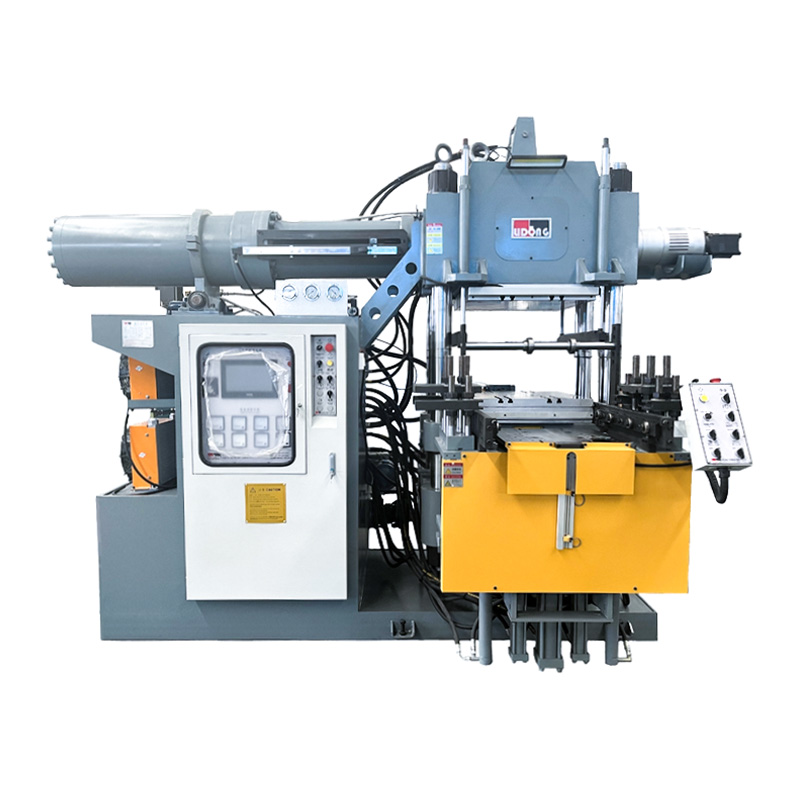
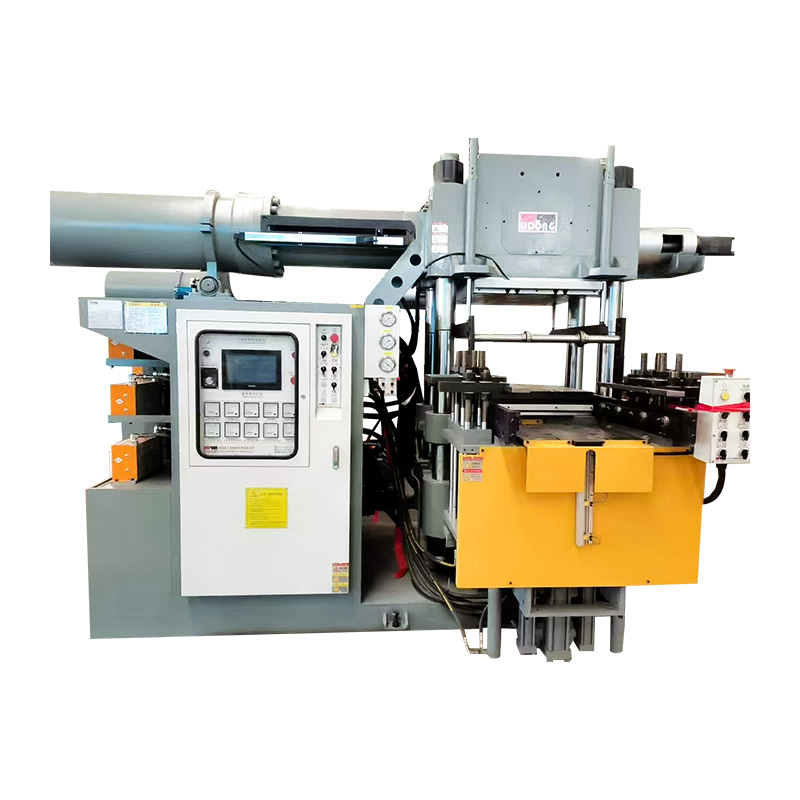
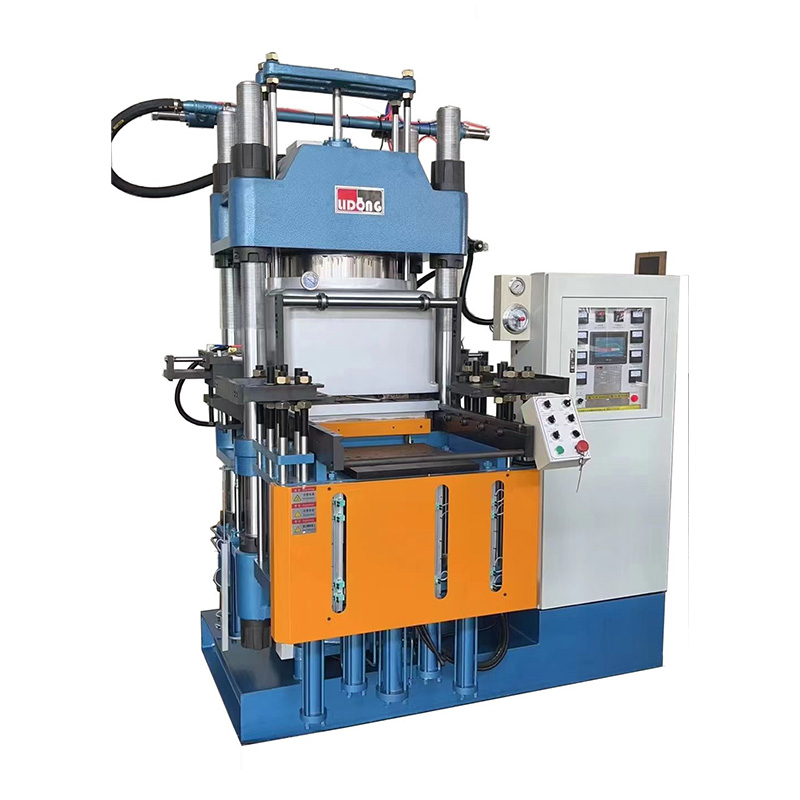
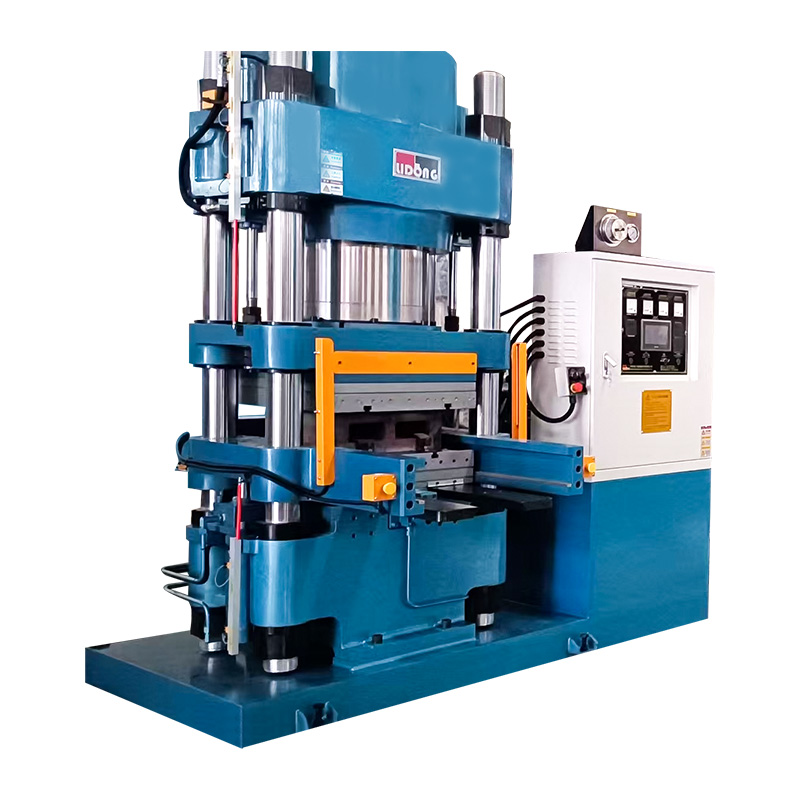
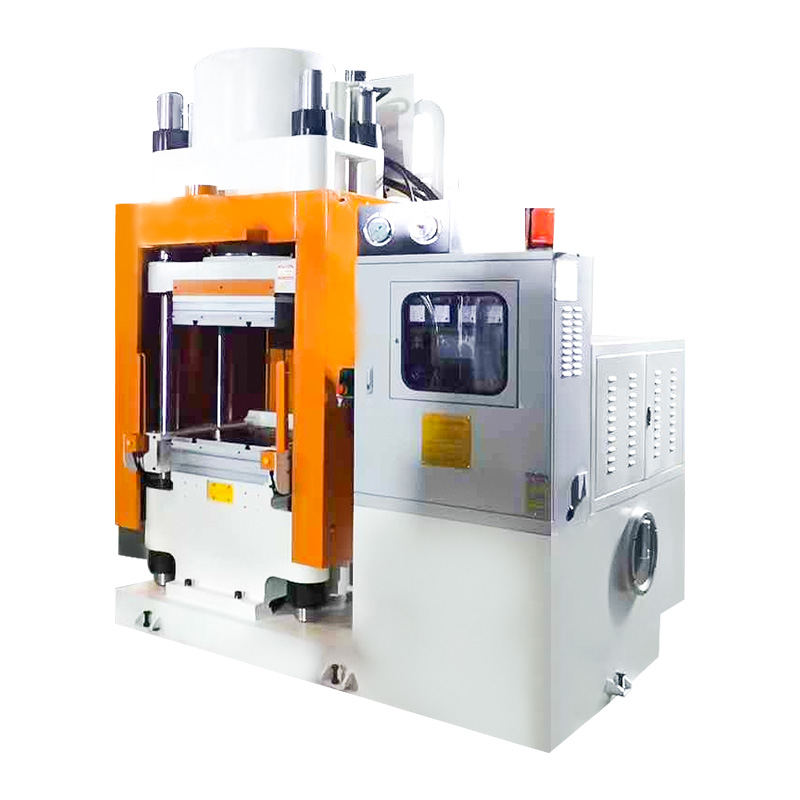
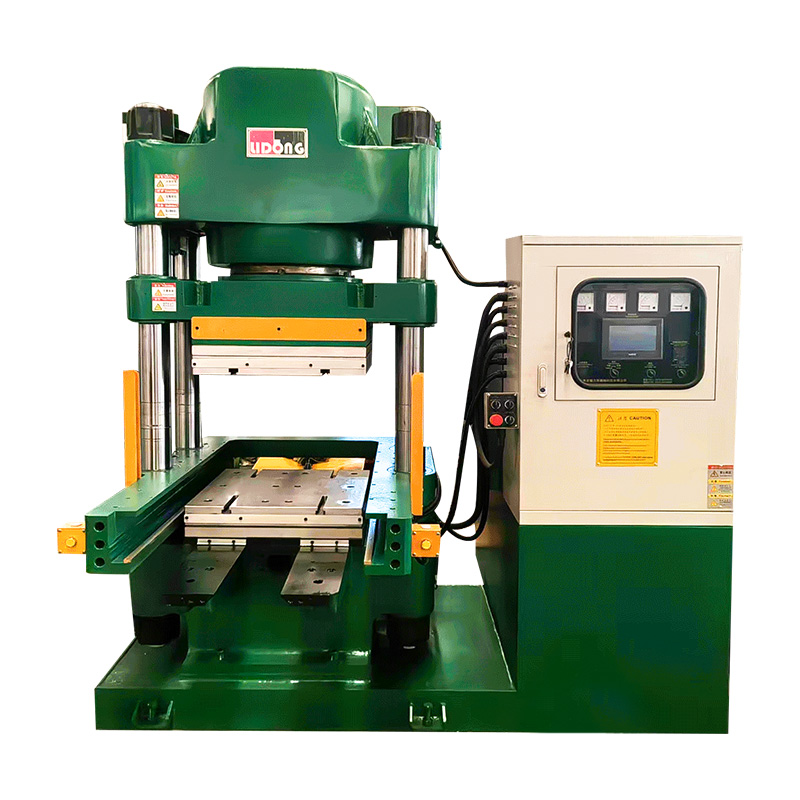
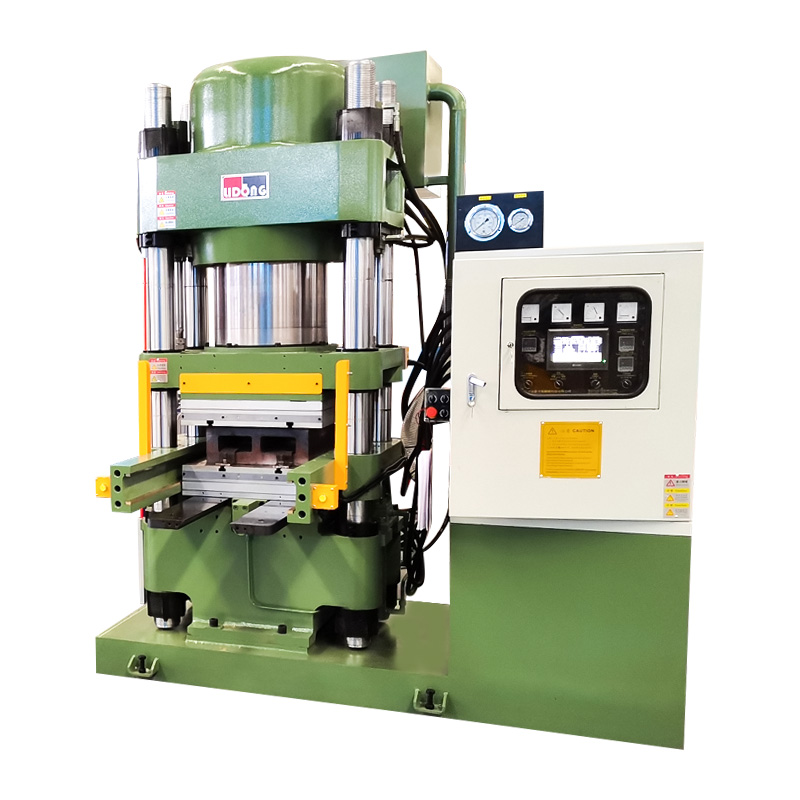
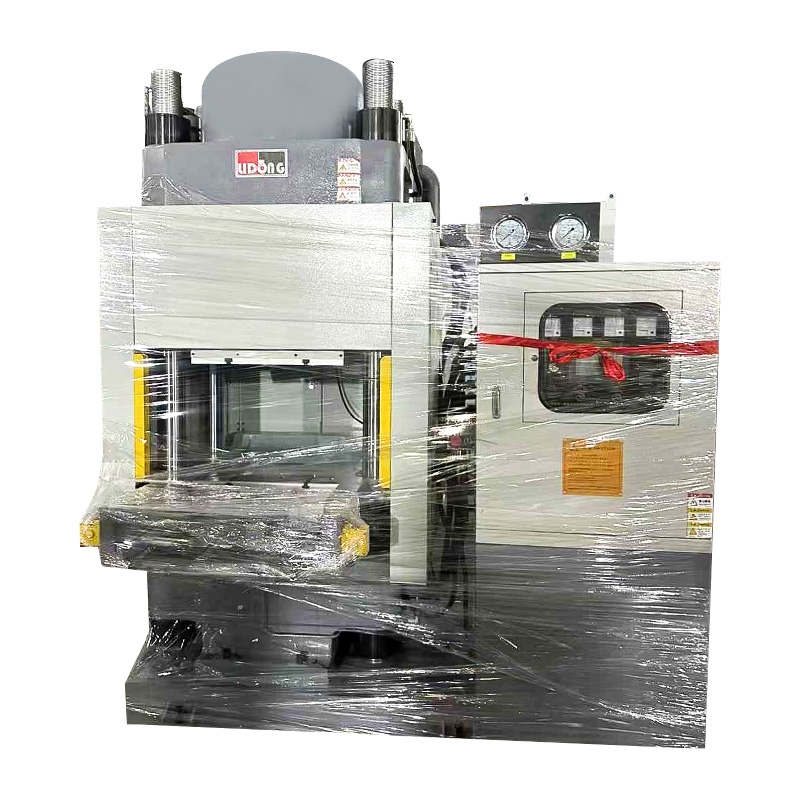
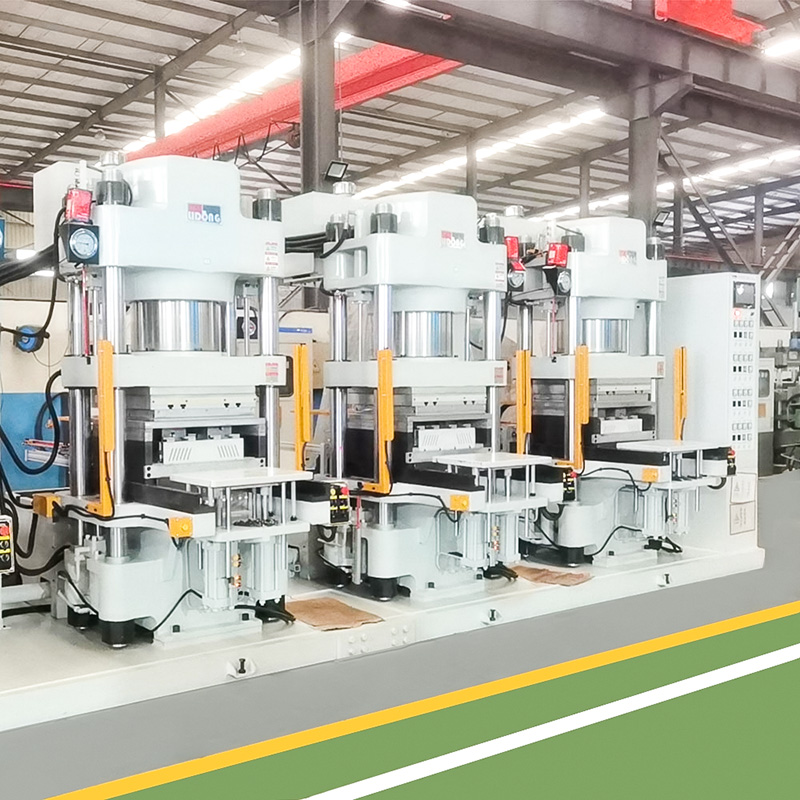
Revolutionizing Modern Pharmaceuticals and Nutraceuticals: The Rise of the Capsule Injection Molding Machine
In the rapidly evolving landscape of high-precision manufacturing, the Capsule Injection Molding Machine has emerged as a cornerstone technology, bridging the gap between traditional pharmaceutical processing and modern industrial efficiency. As industries move toward more sustainable, precise, and customizable delivery systems—ranging from health supplements to specialized industrial components—the demand for advanced injection molding solutions has never been higher.
Technological Evolution of Capsule Production
The shift from traditional dip molding to modern injection molding. Historically, the production of hard capsules relied almost exclusively on dip molding technology. This process involves dipping metal pins into a liquid solution (typically gelatin), followed by a lengthy drying phase. While functional, dip molding faces significant limitations in wall thickness consistency, material variety, and environmental control.
Definition of Capsule Injection Molding Machine
This equipment uses high-precision molds to convert thermoplastic materials or new plant-based materials into hard capsule shells. The introduction of the Capsule Injection Molding Machine represents a paradigm shift. By utilizing high-pressure injection of thermoplastic polymers or starch-based materials into precision-engineered molds, manufacturers can now achieve a level of structural integrity and dimensional accuracy that was previously impossible.
Industry Drivers
Why the market demand for customized sizes, tamper-evident designs, and special release characteristics is surging. Beyond traditional gelatin, the Capsule Injection Molding Machine allows for the use of HPMC, pullulan, and various biodegradable resins, catering to the growing vegan and eco-conscious markets. Unlike dipped capsules, injection-molded versions can feature snap-fit locks, internal chambers, or varying wall thicknesses to control the release rate of contents. By eliminating the need for massive drying tunnels associated with dip molding, the Capsule Injection Molding Machine significantly reduces the factory floor space required for production.
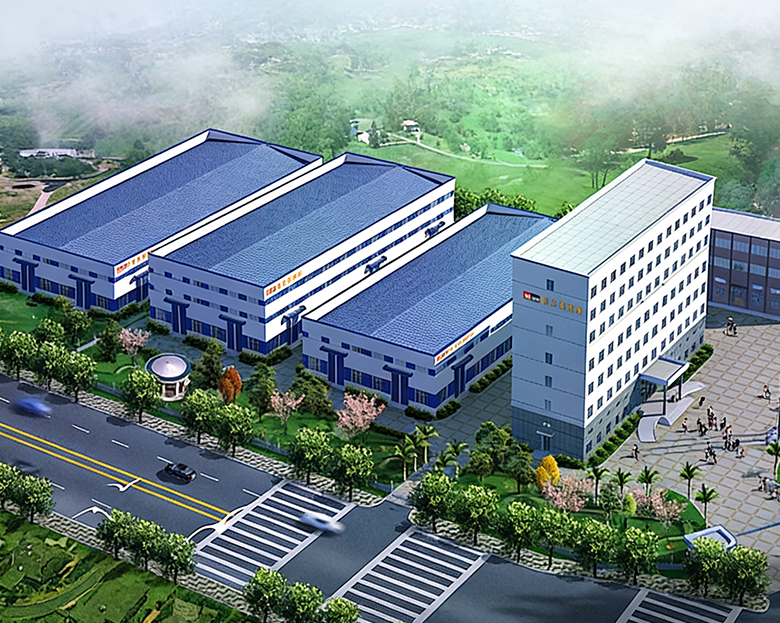
Ningbo Delidong Machinery Technology Co., Ltd., a National High-Tech Enterprise and a leader in intelligent manufacturing systems, has been at the forefront of this transition. By integrating advanced design concepts with robust mechanical engineering, Ningbo Delidong Machinery Technology Co., Ltd. provides equipment that ensures long-term stability and high performance, meeting the stringent requirements of modern capsule production.
Core Structure and Working Principle of the Capsule Injection Molding Machine
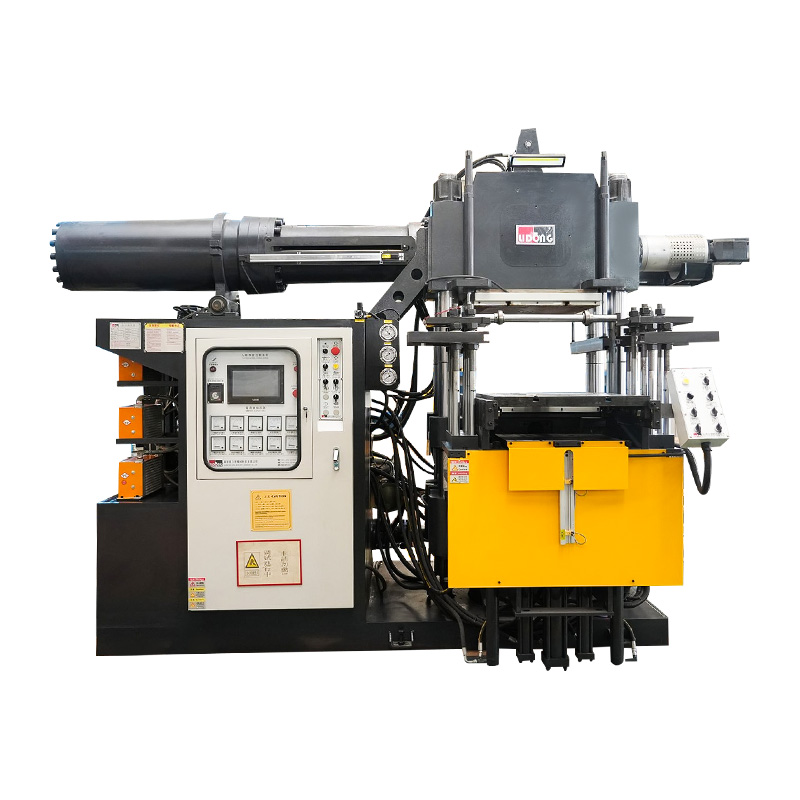
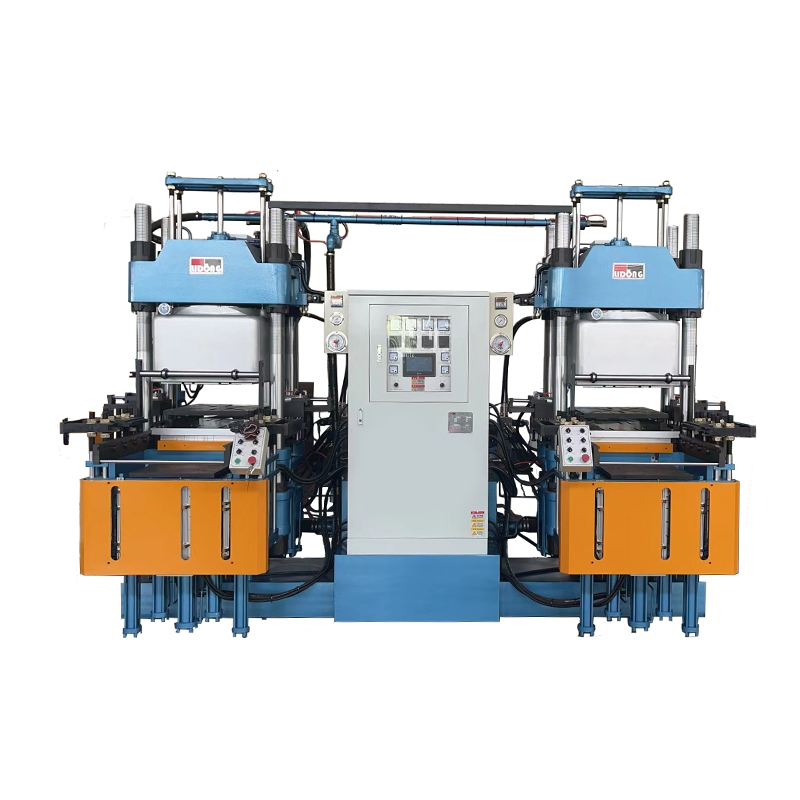
To understand why the Capsule Injection Molding Machine is superior, one must examine its internal architecture. These machines are not merely standard injectors; they are specialized systems designed for thin-wall, high-speed, and ultra-precise applications.
Precision Injection System
How screw design ensures the uniformity of the polymer melt. At the heart of the Capsule Injection Molding Machine is the injection unit. Because capsule walls are often as thin as 0.1mm to 0.3mm, the screw and barrel must be designed to prevent material degradation while ensuring a perfectly homogeneous melt. Ningbo Delidong Machinery Technology Co., Ltd. utilizes specialized screw geometries that provide high-torque plasticization at controlled temperatures, essential for heat-sensitive biological materials.
High-Cavity Mold Design
Engineering challenges of capsule wall thickness control (typically at the 0.1mm level). The efficiency of a Capsule Injection Molding Machine is often measured by its mold capacity. High-precision molds can feature anywhere from 16 to 128 cavities. The clamping unit ensures the mold remains perfectly sealed under intense pressure to prevent flash (excess material at the seams). Since capsules are fragile, the machine employs a multi-stage, air-assisted or mechanical stripping system to ensure the capsule shells are removed without deformation.
Automated Control Center
The role of PLC systems in monitoring pressure, temperature, and cycle time. Modern units produced by Ningbo Delidong Machinery Technology Co., Ltd. incorporate sophisticated PLC (Programmable Logic Controller) systems. These systems monitor variables in real-time, such as injection pressure (ensuring complete cavity filling), cycle time (optimized to fractions of a second), and temperature zones (multiple PID-controlled zones).
Overwhelming Advantages and Technical Parameter Analysis
The Capsule Injection Molding Machine provides dimensional accuracy and consistency, resulting in lower jamming rates on automatic filling machines. It offers diversified material choices, focusing on the compatibility of HPMC, starch, and biodegradable materials. The leap in production efficiency is achieved through optimization of cycle time and reduction of waste rates. Integrated production reduces redundant processes like drying and trimming, achieving a closed-loop from raw material to finished product.
| Feature |
Traditional Dip Molding |
Capsule Injection Molding Machine |
| Wall Thickness Tolerance |
+/- 0.05 mm |
+/- 0.005 mm |
| Drying Time Required |
45 - 60 Minutes |
0 (Instant cooling) |
| Material Compatibility |
Liquid-soluble (Gelatin/HPMC) |
Wide range of Thermoplastics & Bio-polymers |
| Production Speed |
Medium (Limited by drying) |
High (Continuous cycle) |
| Quality Control |
Visual/Weight Sampling |
Real-time sensor-based monitoring |
| Energy Consumption |
High (Due to constant heating) |
Low (Servo-driven efficiency) |
Key Machine Specifications
For a professional-grade Capsule Injection Molding Machine from a manufacturer like Ningbo Delidong Machinery Technology Co., Ltd., the following parameters are standard: Clamping force typically ranges from 50kN to 1500kN depending on cavity count. Injection weight accuracy is within +/- 0.1 grams. Opening stroke is optimized for high-speed retrieval of deep-draw capsule shapes. System pressure can reach up to 160 Bar for high-viscosity plant-based materials.
Material Science and Multi-Dimensional Compatibility in Capsule Injection
In the efficient operation of a Capsule Injection Molding Machine, the choice of material determines the physical properties of the finished product and directly affects the setting of injection process parameters.
Thermoplastic Starch (TPS) and Plant-Based Polymers
As the demand for vegan and specific religious markets grows, the performance of the Capsule Injection Molding Machine in handling HPMC and modified starch is crucial. These materials often have high viscosity and narrow processing temperature windows. Ningbo Delidong Machinery Technology Co., Ltd., through its precision control system, can control barrel temperature fluctuations within a minimal range.
One-Step Enteric and Sustained Release Functions
Advanced Capsule Injection Molding Machines can directly process formulas containing specific polymers. By adjusting injection pressure and mold wall thickness distribution, the machine can produce capsule shells with specific release profiles in a single step.
| Material Type |
Processing Temp (C) |
Hygroscopicity |
Mechanical Strength |
Applicable Injection Pressure |
| Pharma Grade Gelatin |
60 - 90 |
High (13%-16%) |
Medium |
Low |
| HPMC (Plant-based) |
140 - 180 |
Low (5%-8%) |
High |
Medium-High |
| Modified Starch |
120 - 160 |
Medium (8%-12%) |
Medium-High |
Medium |
| Biodegradable Poly |
160 - 210 |
Very Low (<3%) |
Very High |
High |
Application Fields: Beyond Ordinary Tablets
The application of the Capsule Injection Molding Machine has long surpassed traditional cold medicine tablets. Its high-precision characteristics make it irreplaceable in several cutting-edge fields.
Liquid-Filled Capsules (Licaps)
Since injection molding provides a denser and more uniform wall, capsules produced by the Capsule Injection Molding Machine have better mechanical fit at the seal, effectively preventing leakage and isolating oxygen.
Dry Powder Inhaler (DPI) Components
In respiratory treatments, capsules require extreme precision in brittleness and opening accuracy. The automated manufacturing systems provided by Ningbo Delidong Machinery Technology Co., Ltd. ensure that every capsule remains free of debris when punctured.
Two-Color and Multi-Color Injection
Using the double-shot technology of the Capsule Injection Molding Machine, two colors can be produced in one cycle, enabling branding and anti-counterfeiting.
Key Considerations for Purchasing and Operating a Capsule Injection Molding Machine
For enterprises, introducing a Capsule Injection Molding Machine is a long-term capital expenditure. Ningbo Delidong Machinery Technology Co., Ltd. suggests focusing on the following dimensions: Quality equipment should be matched with high-hardness stainless steel molds treated with vacuum heat to withstand millions of cycles. Equipment must comply with Good Manufacturing Practices (GMP). The machine body should use 304 or 316 stainless steel. Ningbo Delidong Machinery Technology Co., Ltd. considers ease of cleaning and low dust emission in its automated equipment designs. A Capsule Injection Molding Machine using servo-motor drives can reduce energy consumption during the pressure-holding phase, saving 30% to 70% compared to traditional motors.
FAQ:
Q1: Why are injection-molded capsules replacing traditional dip-molded capsules? Traditional processes are highly affected by ambient humidity and have uneven wall thickness. The Capsule Injection Molding Machine uses forced mechanical molding, controlling radial size tolerance within +/- 0.01 mm, resulting in lower loss rates on high-speed filling lines.
Q2: Can the Capsule Injection Molding Machine handle fully biodegradable eco-friendly materials? Yes. These materials are highly heat-sensitive. Equipment from Ningbo Delidong Machinery Technology Co., Ltd. uses precise multi-stage temperature control to ensure the melt maintains molecular stability before entering the mold, avoiding bubbles.
Q3: What is the maintenance cost and mold life of this precision equipment? Under normal maintenance, mold cores using high-performance steel can withstand over 5 million cycles, making the depreciation cost per capsule extremely low.
Q4: How is the locking force of the injection capsule adjusted by the machine? The Capsule Injection Molding Machine can incorporate tiny pre-locking structures within the mold design.
| Performance Metric |
Traditional Dip Capsule |
Injection Process (Capsule Machine) |
| Locking Position Accuracy |
Depends on drying shrinkage |
Depends on mold cavity (constant) |
| Tamper-Evident Design |
Limited to simple bands |
Complex snap-fit mechanisms possible |
| Opening Pressure |
High dispersion (+/- 15%) |
Highly consistent (+/- 3%) |
Q5: What are the environmental requirements for a Capsule Injection Molding Machine? Compared to the massive drying rooms of traditional processes, this machine is highly integrated and supports compact layouts, significantly reducing the operating costs of cleanroom workshops.

 English
 عربى
عربى
 中文繁体
中文繁体