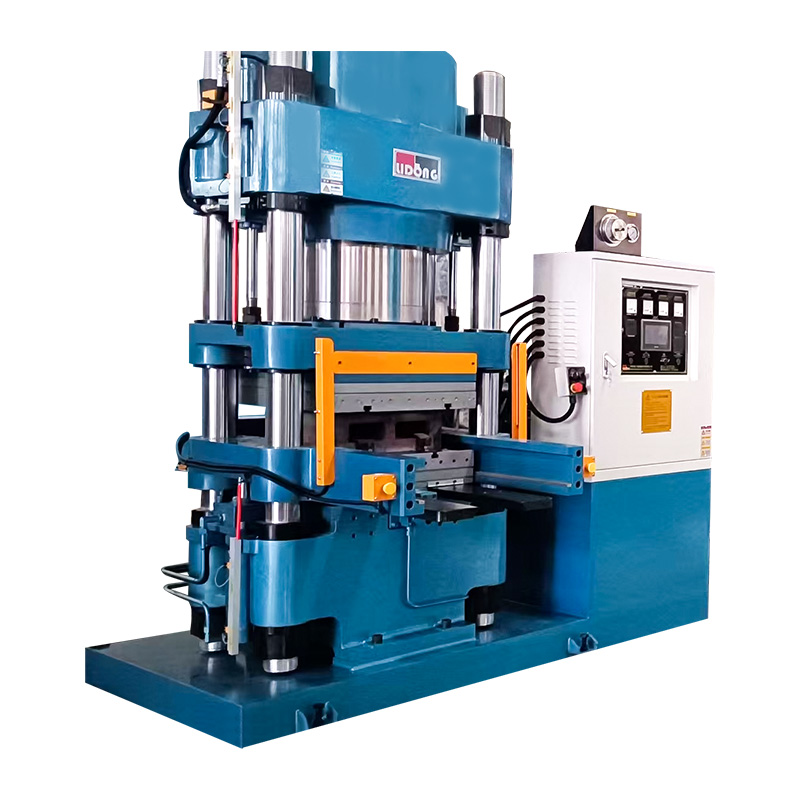
Equipment Definition and Function
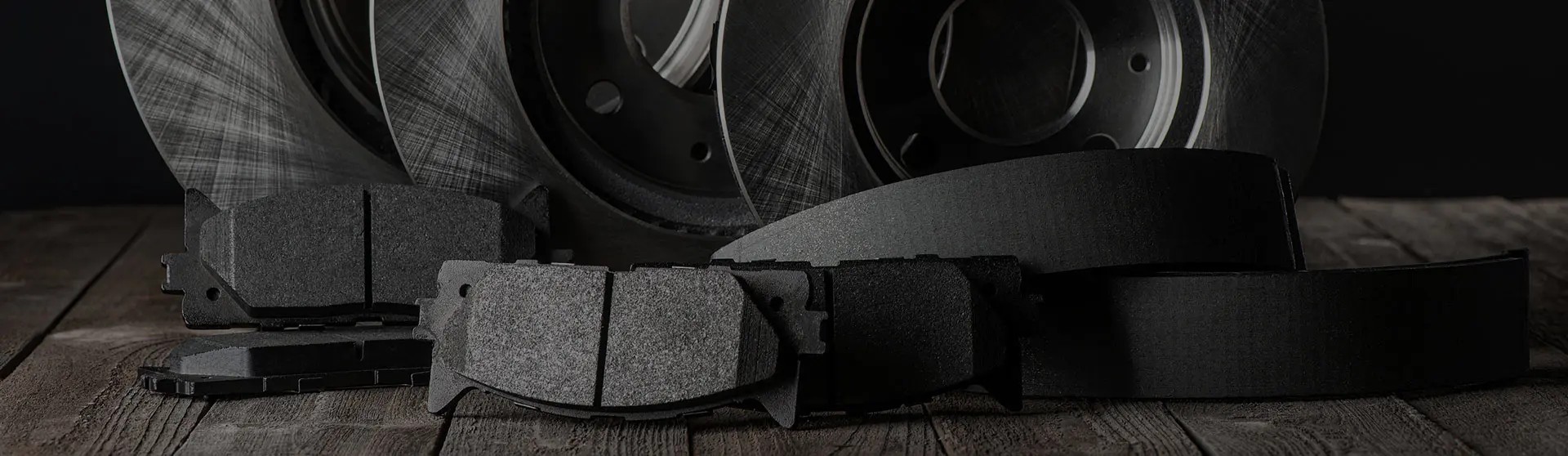
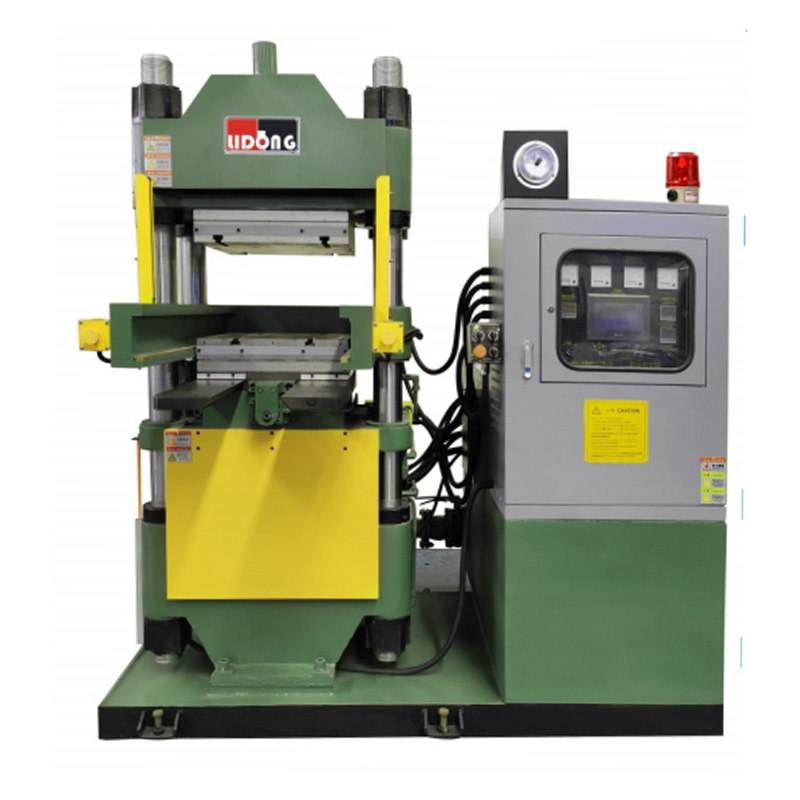
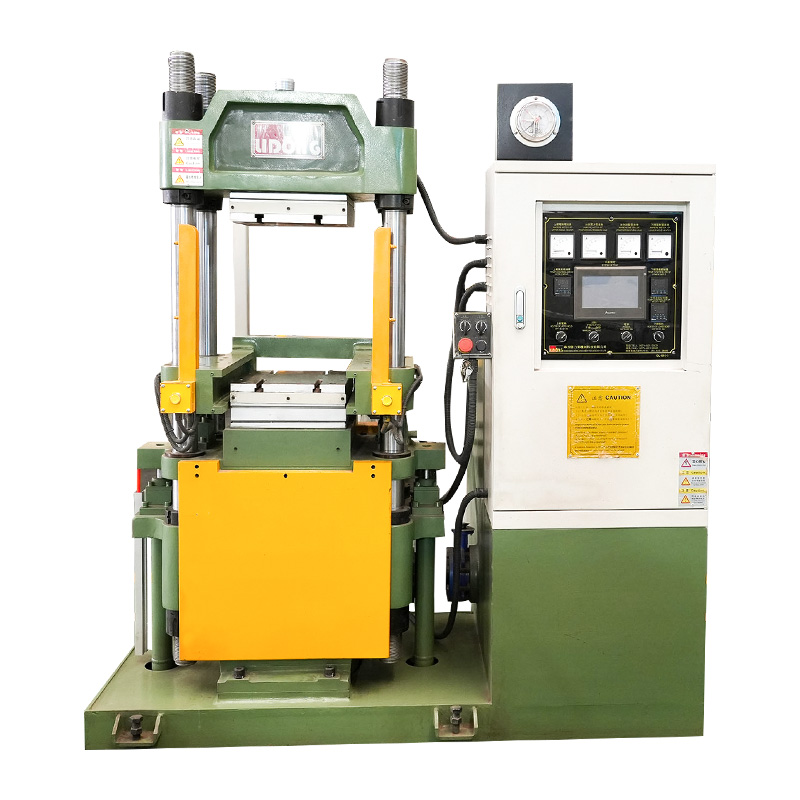
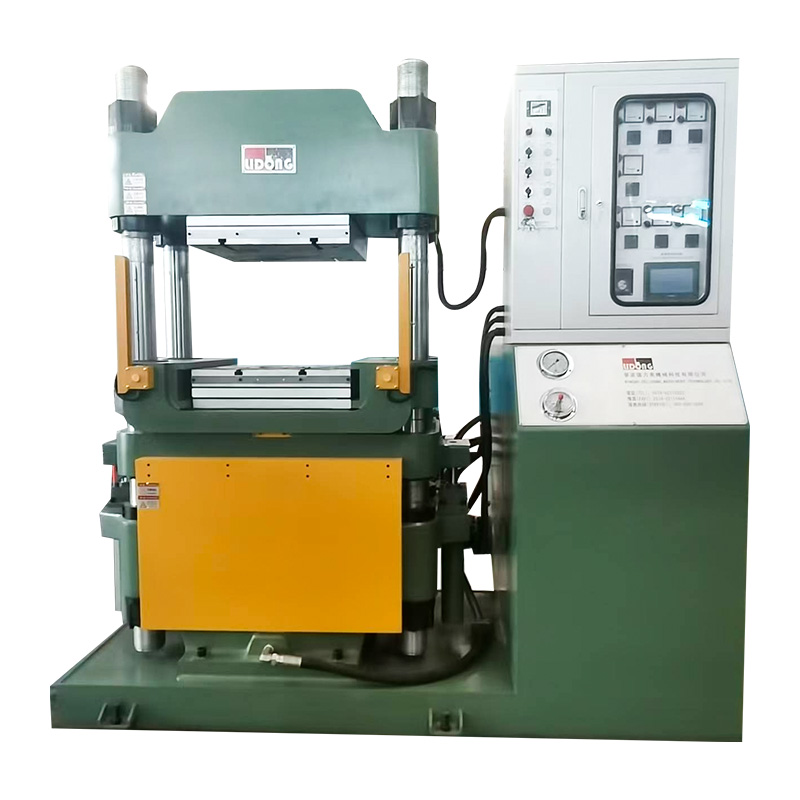
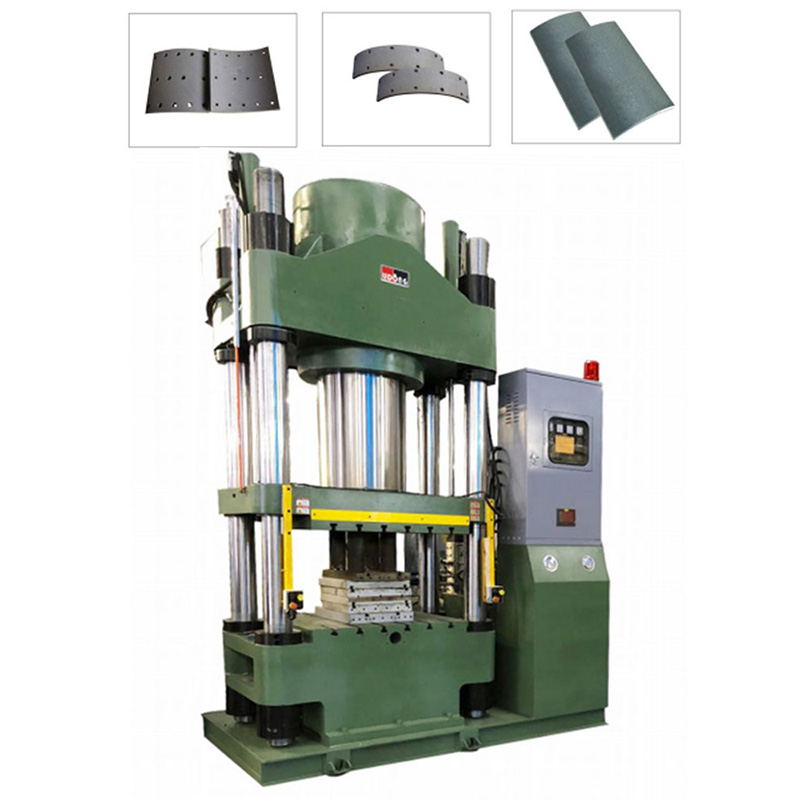
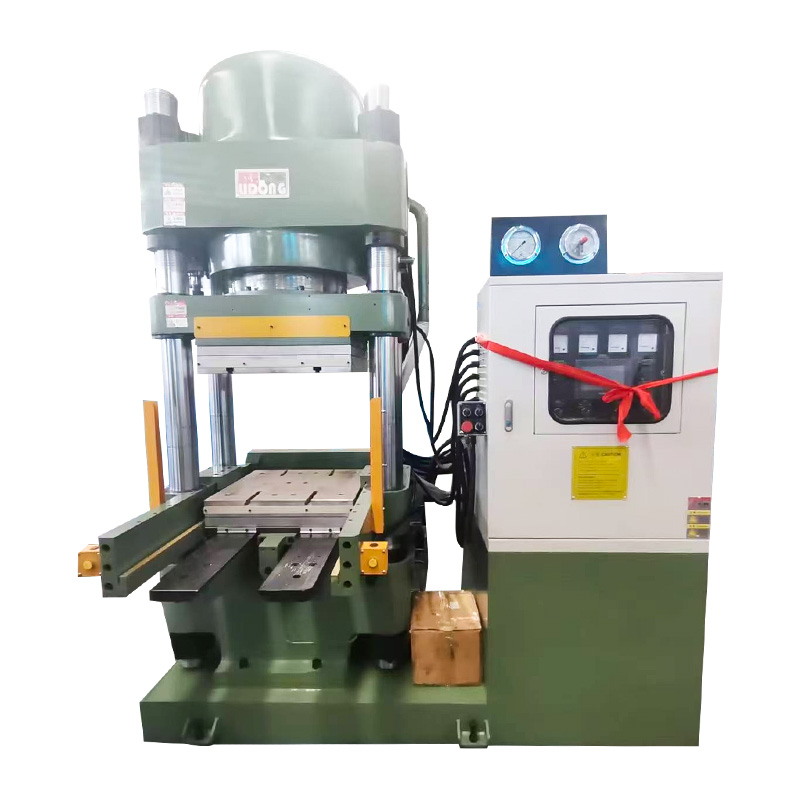
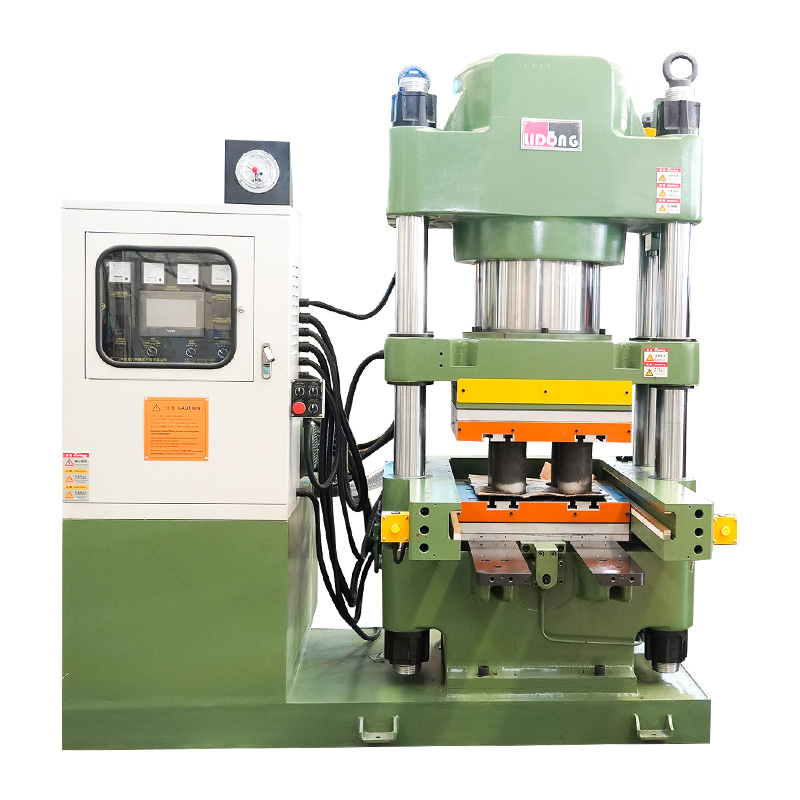
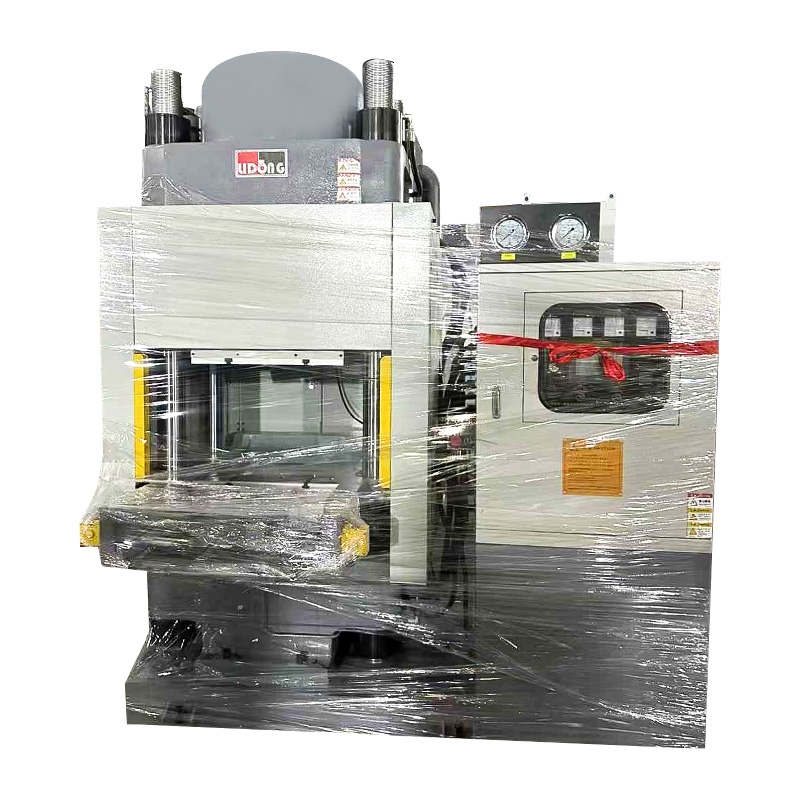
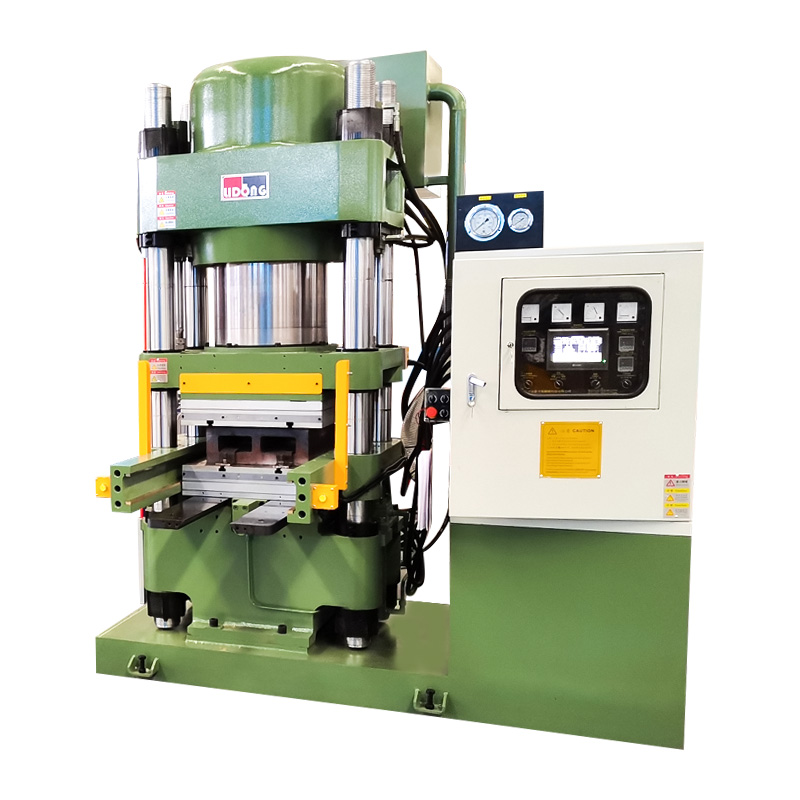
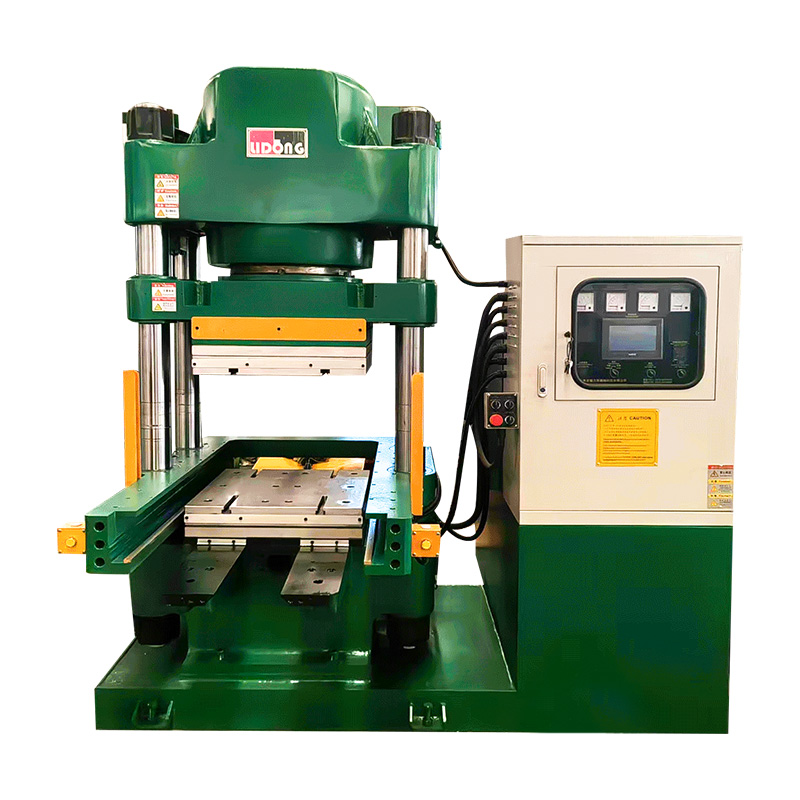
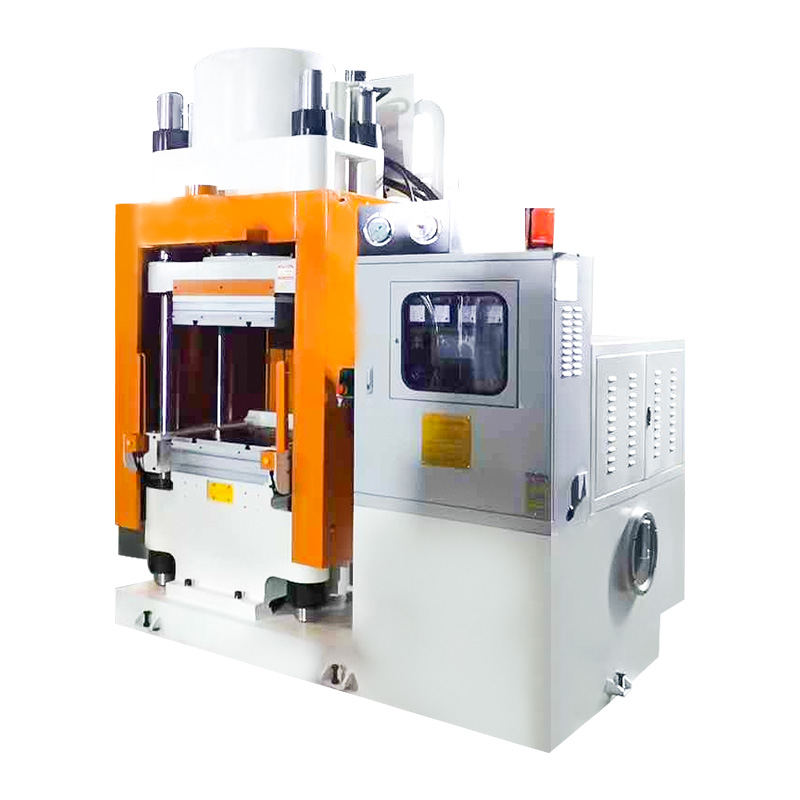
The Motorcycle Brake Pad Press Machine is the core molding equipment in the brake pad manufacturing process. It is mainly used to press and solidify the friction material and steel backing under high temperature and pressure. This equipment not only determines the product's external dimensions but also directly affects the internal structural performance of the brake pad, such as density distribution, shear strength, friction coefficient stability, and high-temperature resistance.
In the brake pad manufacturing process chain, pressing is a crucial step; its quality directly affects subsequent heat treatment, grinding, and the consistency and safety performance of the final product. Therefore, this equipment is often considered a "core piece of equipment" in the entire production line.
Working Principle
The Motorcycle Brake Pad Press Machine primarily operates based on a thermoforming process. During production, pre-mixed friction material (typically composed of resin, metal powder, fiber materials, and fillers) is first filled into the mold cavity according to a specific ratio, while the steel backing is pre-positioned in a designated location.
After the equipment starts, the hydraulic system drives the slide downwards, closing the upper and lower molds and gradually applying pressure. Simultaneously, the heating system heats the mold to a set temperature, causing the resin in the friction material to soften and undergo a chemical reaction. Under continuous pressure and temperature, the material completes the compaction and curing process, forming a strong bond with the steel backing.
The entire process can be subdivided into: a pre-pressing stage, a heating stage, a pressure-holding and curing stage, and a cooling and demolding stage. Different material formulations have different requirements for pressure and temperature profiles; therefore, the equipment typically supports multi-segment program control to adapt to the production needs of different products.
Equipment Structure and Composition
The Motorcycle Brake Pad Press Machine consists of several key systems that work together to ensure production stability and product consistency.
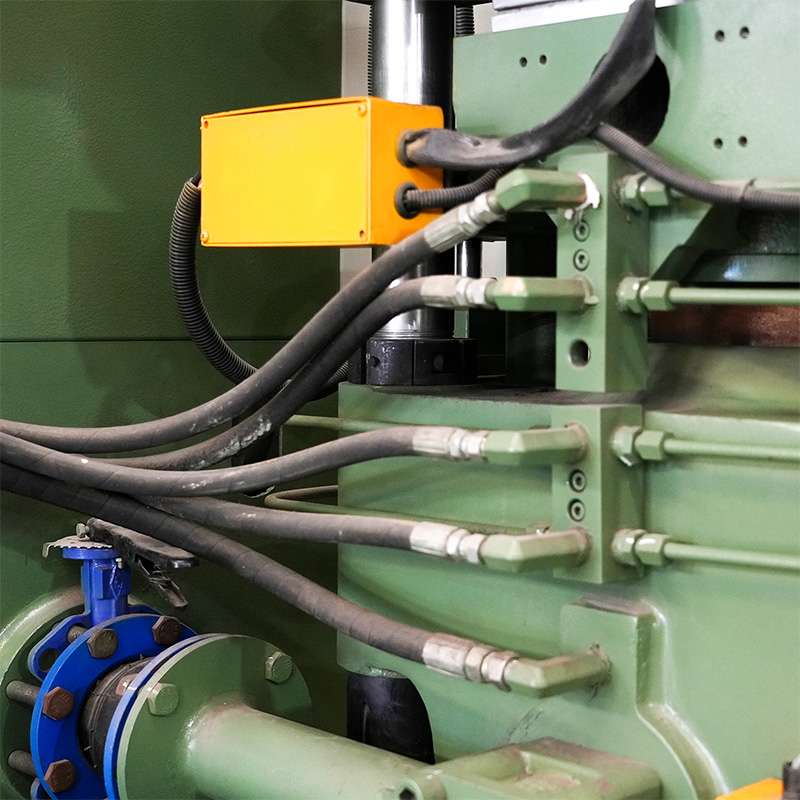
The hydraulic system is the power core of the equipment, mainly composed of hydraulic pumps, cylinders, valve groups, and oil circuits, responsible for providing stable and adjustable pressure output. High-performance equipment is typically equipped with proportional valves or servo hydraulic systems to achieve higher precision pressure control.
The heating system controls the mold temperature, commonly using electric heating elements and heat transfer oil heating. Temperature control systems are usually equipped with multi-point temperature sensors to ensure uniform temperature across the mold, thus preventing uneven internal structure of the product.
The mold system directly determines the shape and dimensional accuracy of the product. It is typically made of high-strength alloy steel and undergoes special heat treatment to improve wear resistance and service life. Mold design must also consider venting structures to prevent air bubbles from affecting product quality.
The control system generally uses a combination of PLC and touch screen to set and monitor parameters such as pressure, temperature, and time. Some high-end equipment also has data logging and remote monitoring functions, facilitating quality traceability and production management.
Equipment Type Classification
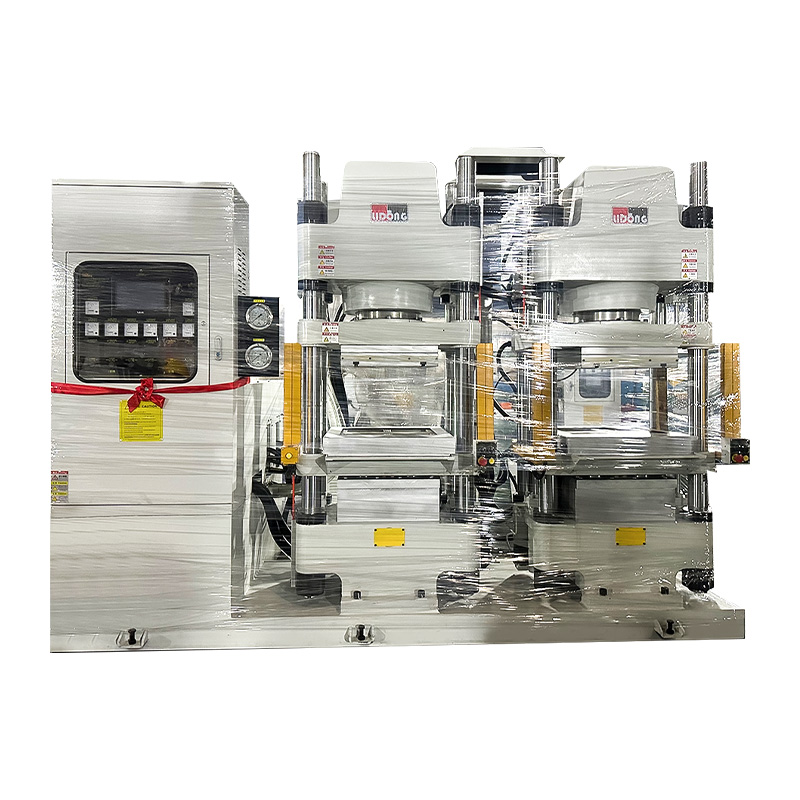
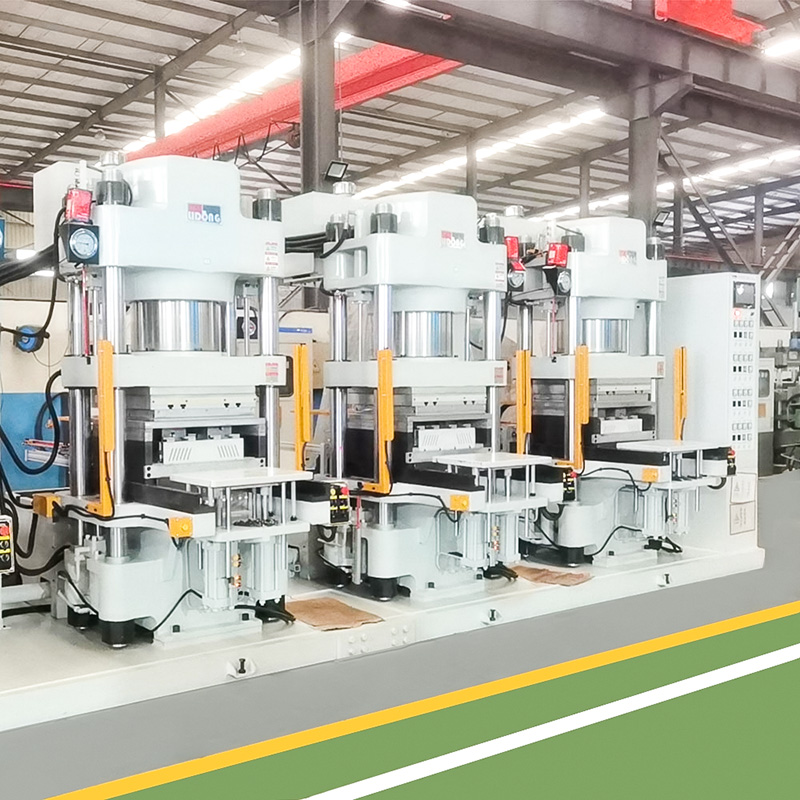
From a structural perspective, equipment can be divided into single-station presses and multi-station presses. Single-station equipment has a simple structure and is suitable for small-batch production or R&D testing; multi-station equipment (such as rotary or linear continuous presses) is suitable for large-scale production, enabling continuous operation and significantly increasing capacity.
From a drive method perspective, it is mainly divided into traditional hydraulic presses and servo presses. Hydraulic presses are technologically mature and have lower costs, suitable for most production scenarios; servo presses are controlled by servo motors, achieving more precise pressure and speed control, while also possessing energy-saving advantages, making them particularly suitable for high-end manufacturing needs.
From an automation level perspective, equipment can be divided into manual, semi-automatic, and fully automatic types. Fully automatic equipment is usually equipped with robotic arms or industrial robots to achieve automatic feeding, picking, and transfer, and can form a complete production line with other process equipment, significantly improving production efficiency and reducing reliance on manual labor.
Core Technology Highlights
Pressure control technology is one of the key aspects of this equipment. Stable and precise pressure output ensures uniform product density, thereby improving the mechanical performance of the brake pads. Advanced equipment typically employs a closed-loop control system, using sensors to provide real-time pressure data feedback for dynamic adjustments.
Temperature control is equally crucial. Uneven mold temperature distribution can lead to localized performance differences in the product, thus requiring a high-precision temperature control system and a well-designed heating layout.
Mold design and manufacturing directly impact product quality and production efficiency. Multi-cavity molds can increase production capacity but also place higher demands on equipment rigidity and pressure uniformity. Furthermore, the mold's venting design, demolding structure, and surface treatment processes also affect the final product quality.
Automation integration capability is also a key technical indicator for current equipment. High-end equipment can be integrated with automatic feeding systems, adhesive spraying equipment, grinding equipment, and testing systems to form a complete intelligent production line.
Industry Application Areas
Motorcycle Brake Pad Press Machines are primarily used by motorcycle brake pad manufacturers, and also widely serve automotive parts suppliers and aftermarket producers. Globally, with the increasing prevalence of motorcycles as a primary mode of transportation in developing countries, the market demand for this type of equipment continues to grow.
Especially in countries like India, Indonesia, Vietnam, and Thailand, where the number of motorcycles is enormous, the demand for brake pads has remained consistently high. Meanwhile, the European and American markets have high requirements for product quality and certification standards, which is also driving the development of equipment towards higher precision and higher stability.
Industry Development Trends
The motorcycle brake pad pressing machine industry is currently accelerating its development towards automation, intelligence, and high-end manufacturing. More and more manufacturers are adopting robotic loading and unloading systems, automatic detection systems, and MES (Manufacturing Execution System) production management systems to achieve digitalization and traceability of the production process, thereby improving overall production efficiency and product consistency.
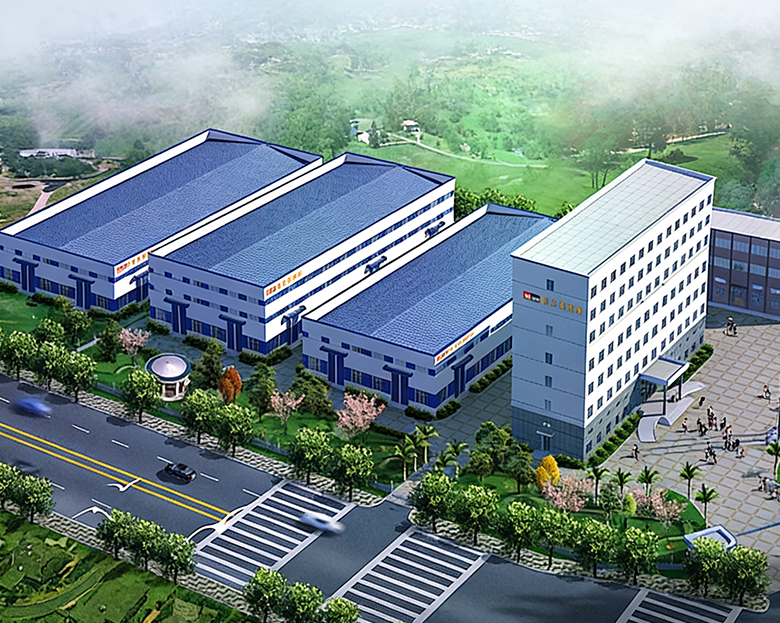
Under this trend, professional equipment manufacturers like Ningbo Delidong Machinery Technology Co., Ltd. are continuously introducing advanced technologies from home and abroad and combining them with the latest design concepts to optimize equipment structure and control systems, ensuring that pressing equipment maintains high stability and precision even during long-term operation. This technological accumulation is crucial for meeting the increasingly stringent quality standards of the brake pad industry.
Energy conservation and environmental protection have also become key areas of focus for industry development. Servo drive systems are gradually replacing traditional hydraulic systems, significantly reducing energy consumption and improving response speed. Simultaneously, the application of intelligent temperature and pressure control systems allows equipment to more accurately match the process requirements of different material formulations.
Furthermore, with the increasing market demand for diversified products, flexible production capabilities have become a key competitive advantage. Companies with non-standard customization capabilities can provide personalized presses and automation solutions based on customer needs, such as customized brake pad pressing equipment and intelligent production lines. This is also one of the important future development directions of the industry.
Key Considerations for Procurement
When selecting motorcycle brake pad pressing machines, customers are increasingly focusing not only on the basic parameters of the equipment but also on the supplier's overall strength and technical support capabilities.
Firstly, there's the equipment performance aspect, including pressure range, temperature control accuracy, production cycle time, and degree of automation. High-performance equipment needs to maintain stable output during long-term operation, which places high demands on manufacturing processes and design capabilities.
Secondly, there's technological R&D capability and industry experience. For example, Ningbo Delidong Machinery Technology Co., Ltd. holds numerous invention and utility model patents and, as a member of the China Friction Materials Association, possesses deep technical expertise in brake pad equipment. Such companies typically have a better understanding of industry needs and can provide more professional solutions.
Thirdly, there's the ability to customize non-standard equipment. Because different customers have significantly different product specifications, material formulations, and production capacity requirements, standardized equipment often cannot fully meet their needs. Therefore, suppliers with non-standard design and complete line integration capabilities have a greater competitive advantage, providing overall solutions from single machines to intelligent manufacturing systems.
Furthermore, a comprehensive after-sales service system is equally crucial. A professional technical support team can provide assurance during equipment installation, commissioning, operation training, and subsequent maintenance, reducing downtime and improving production efficiency.
Industry Pain Points
The motorcycle brake pad pressing machine industry currently faces numerous challenges. For example, under high temperature and pressure conditions, molds wear out quickly, increasing production costs; unstable temperature control systems can lead to fluctuations in product performance; and some equipment has low levels of automation, still relying on manual operation, thus affecting production efficiency and consistency.
To address these issues, leading companies in the industry are continuously optimizing their solutions. Manufacturers like Ningbo Delidong Machinery Technology Co., Ltd. improve the overall stability and durability of their equipment through advanced manufacturing processes and rigorous management systems. Simultaneously, by optimizing heating system design and temperature control algorithms, they effectively improve temperature uniformity and reduce defect rates.
In terms of automation, these companies can provide comprehensive solutions including brake pad presses, automatic loading and unloading systems, and intelligent production lines, thereby reducing reliance on manual labor and improving production efficiency. Furthermore, leveraging their extensive industry experience and long-term domestic and international cooperation, these companies can provide reliable technical support and continuous optimization services tailored to different customer needs.
As industry competition intensifies, companies that can continuously innovate and create value for their customers will occupy a more advantageous position in the market and drive the entire brake pad manufacturing equipment industry to a higher level of development.

 English
 عربى
عربى
 中文繁体
中文繁体