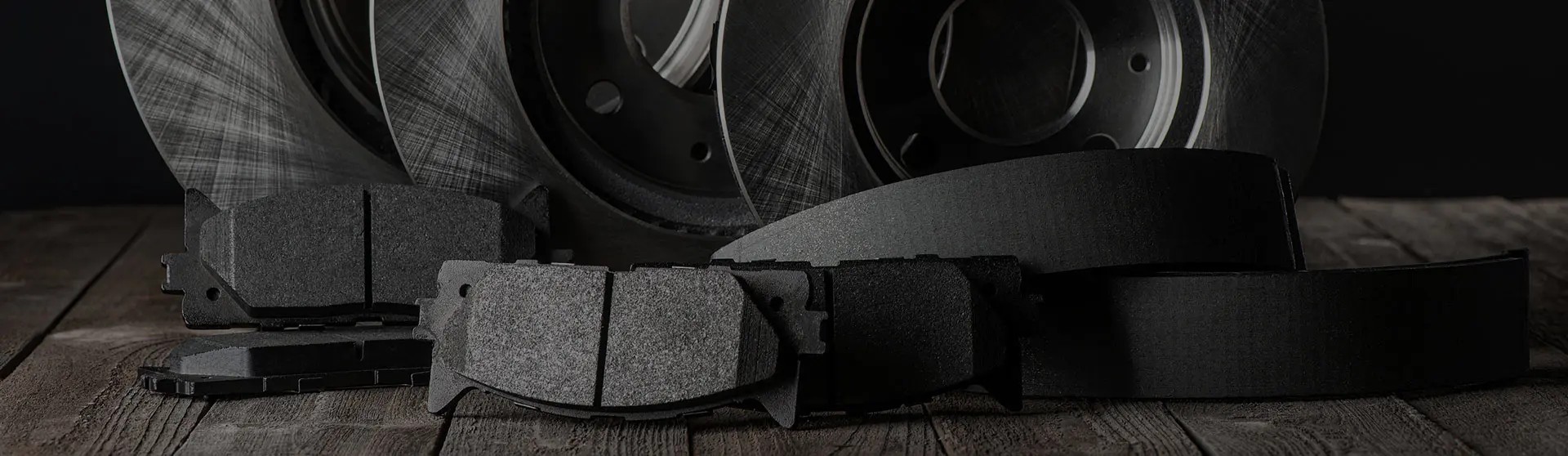
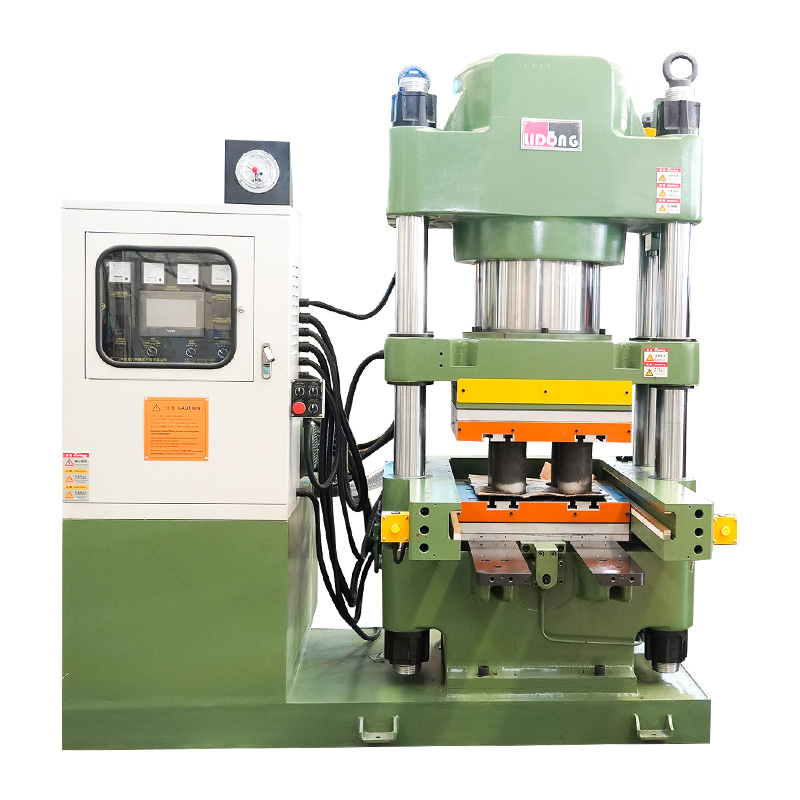
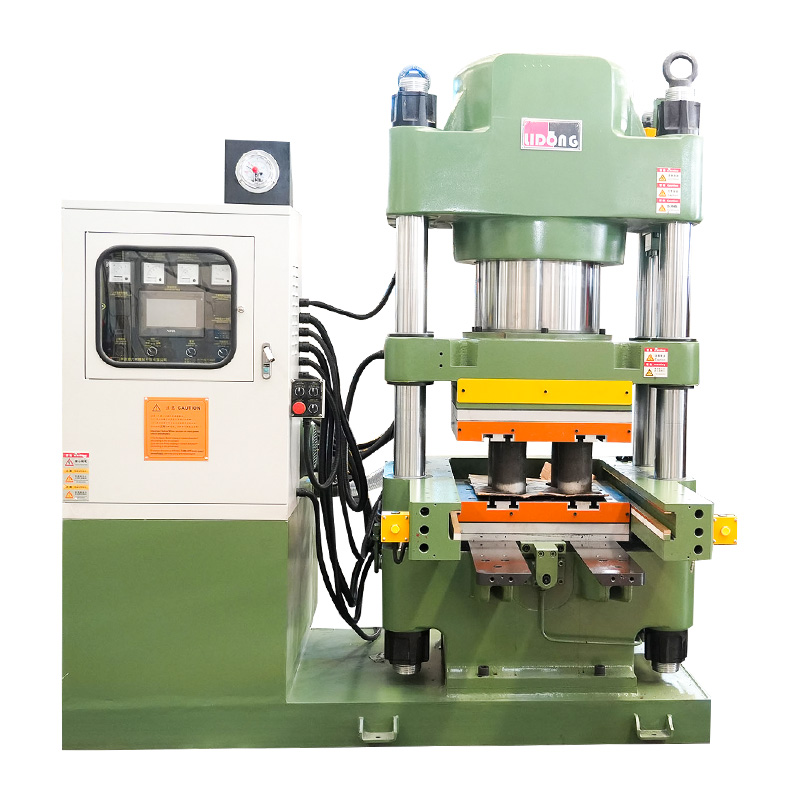
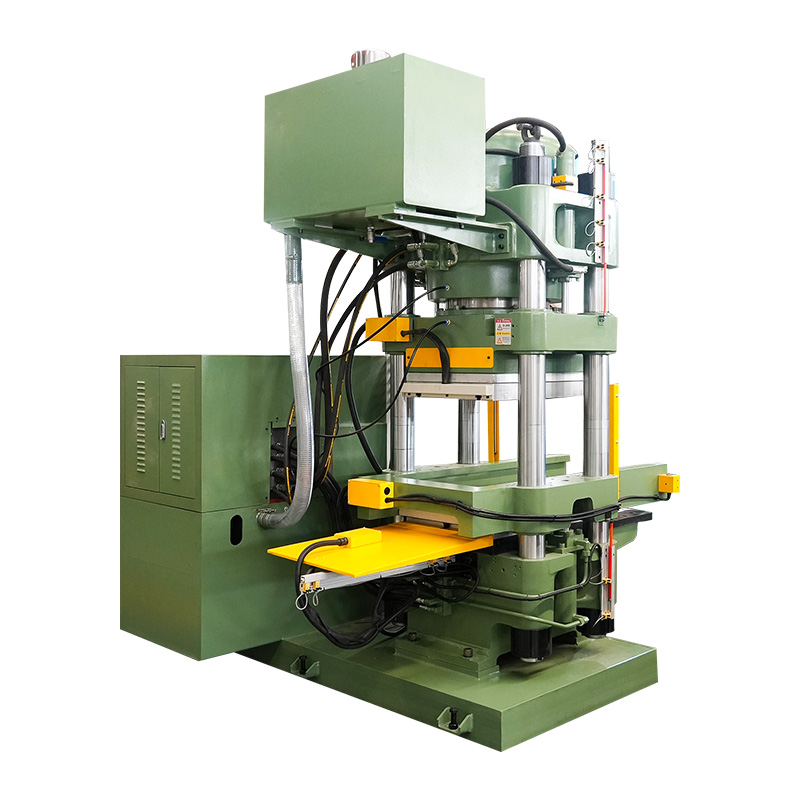
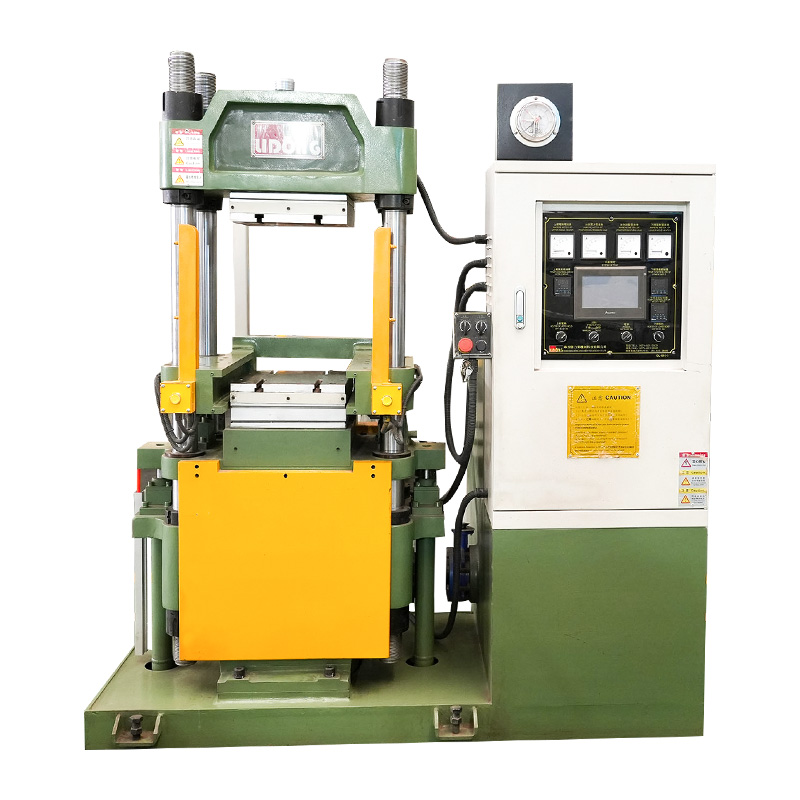
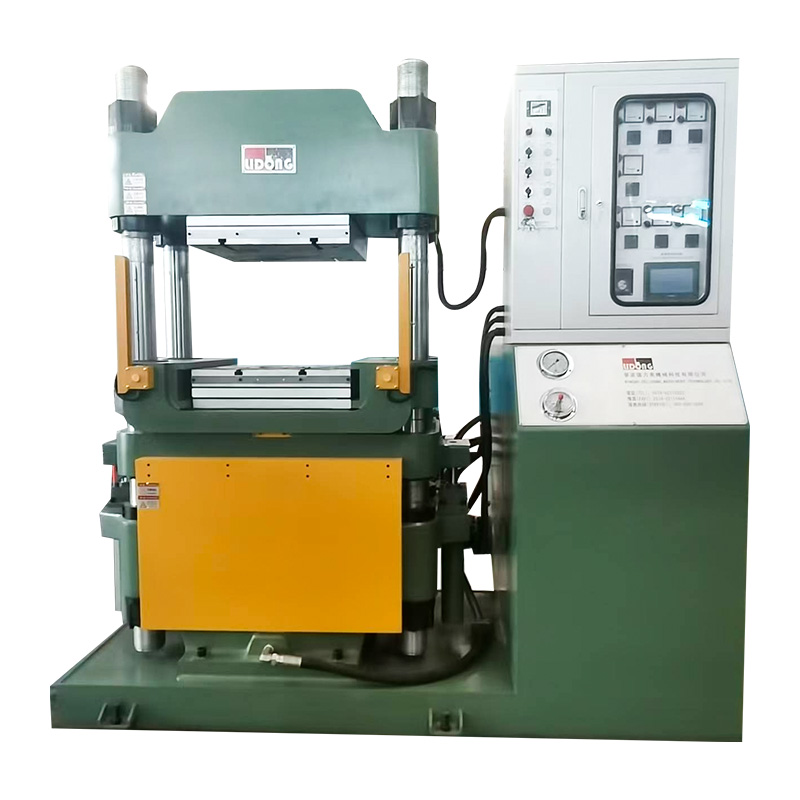
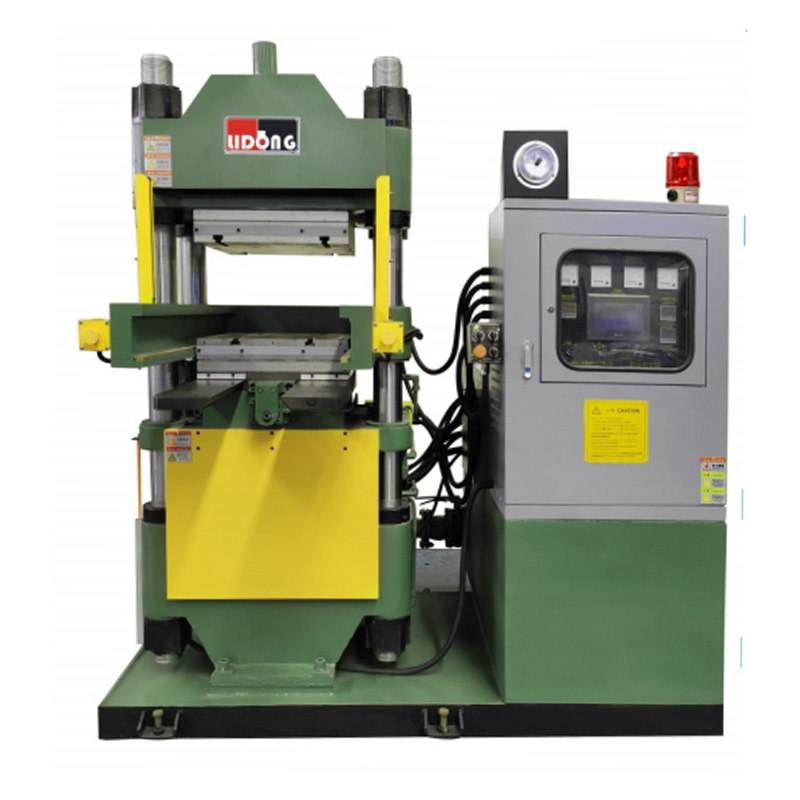
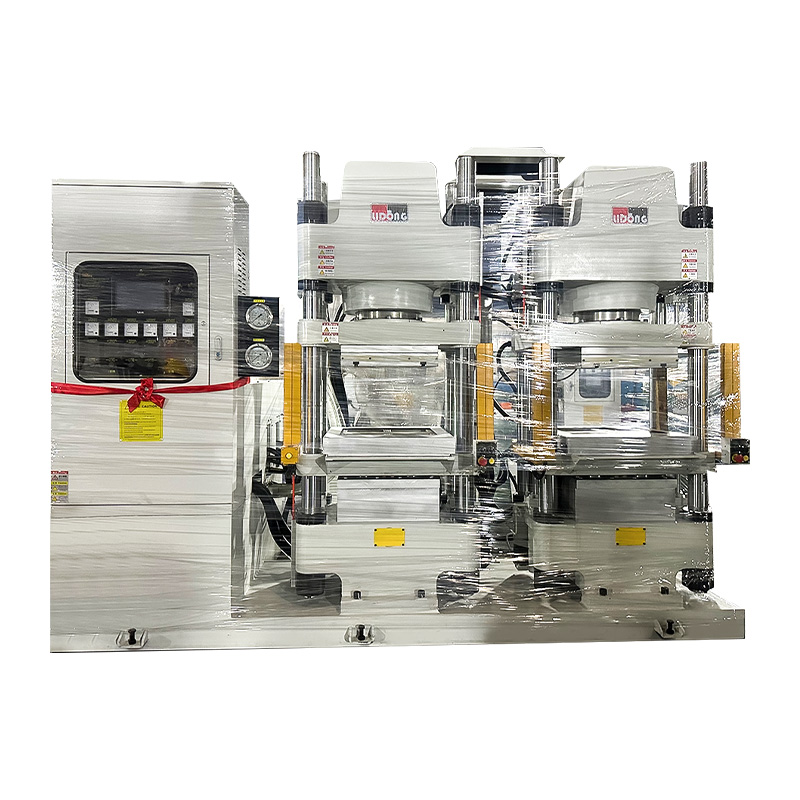
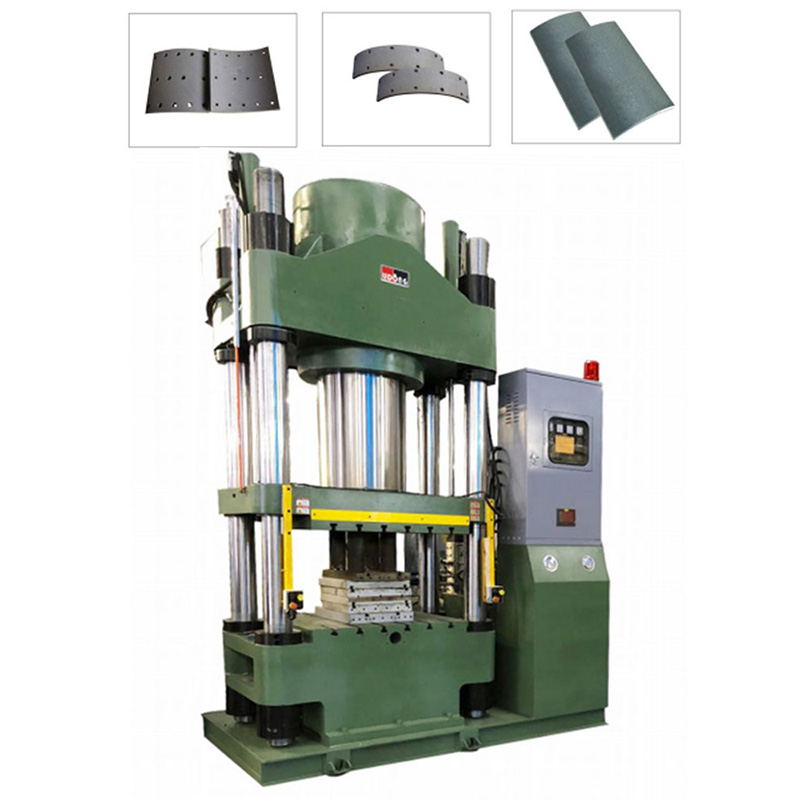
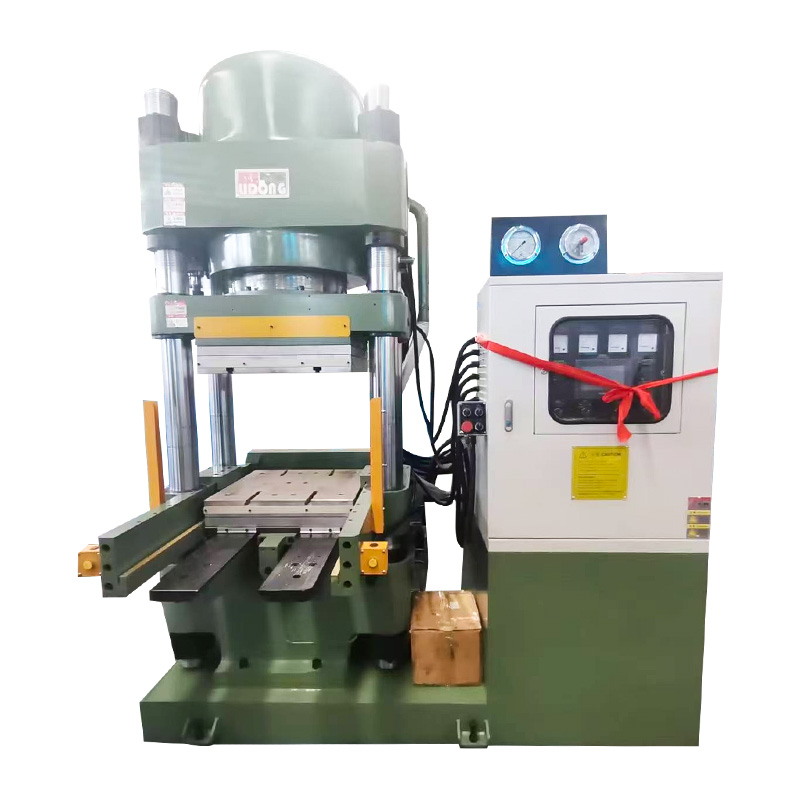
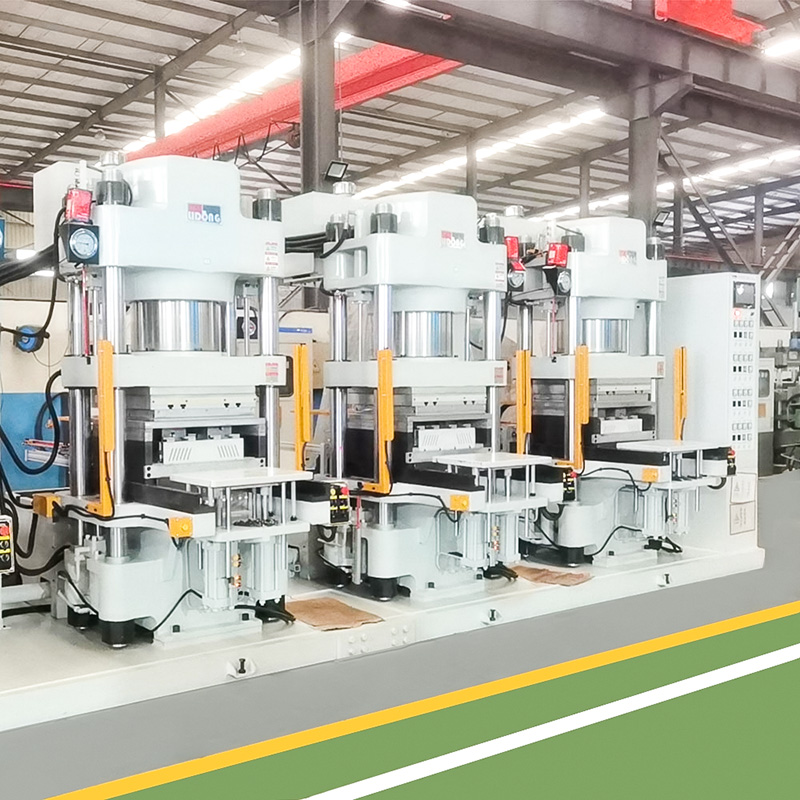
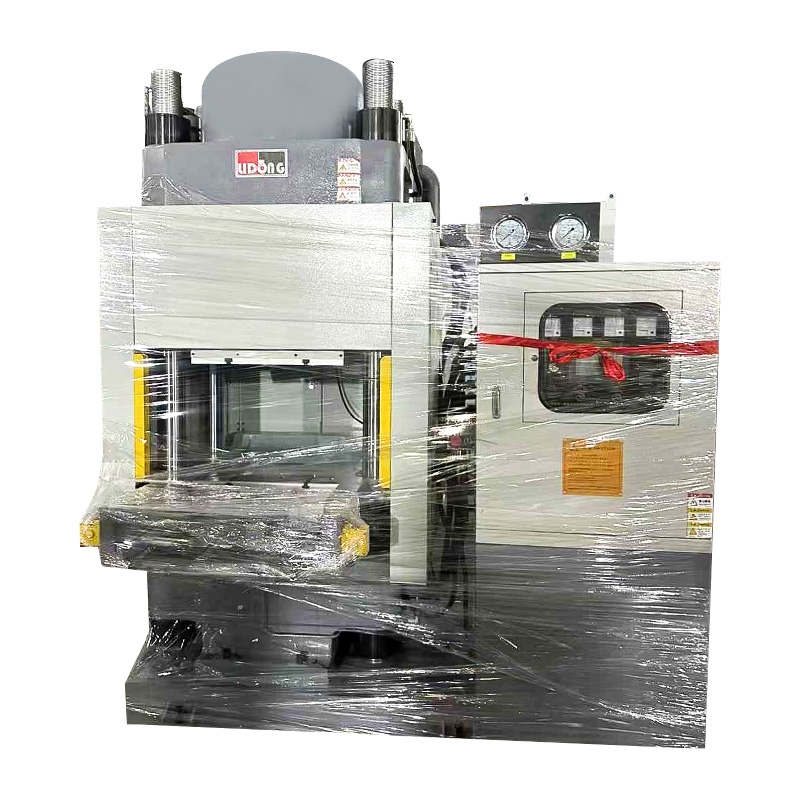
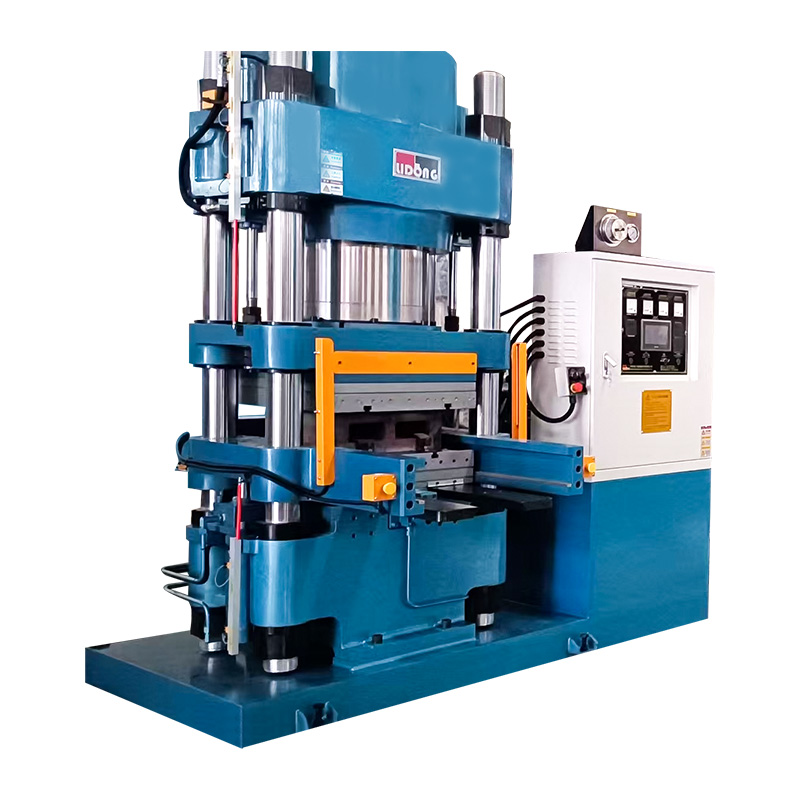
In modern transportation and industrial equipment, the braking system plays a crucial safety role, and the brake pad is the core component that directly generates friction, achieving deceleration and stopping. Due to its operating environment involving high temperature, high pressure, and frequent friction, brake pads must possess a stable structure and reliable performance, which necessitates specialized manufacturing equipment—the Engineering Brake Pad Press Machine.
The Engineering Essence of the Equipment
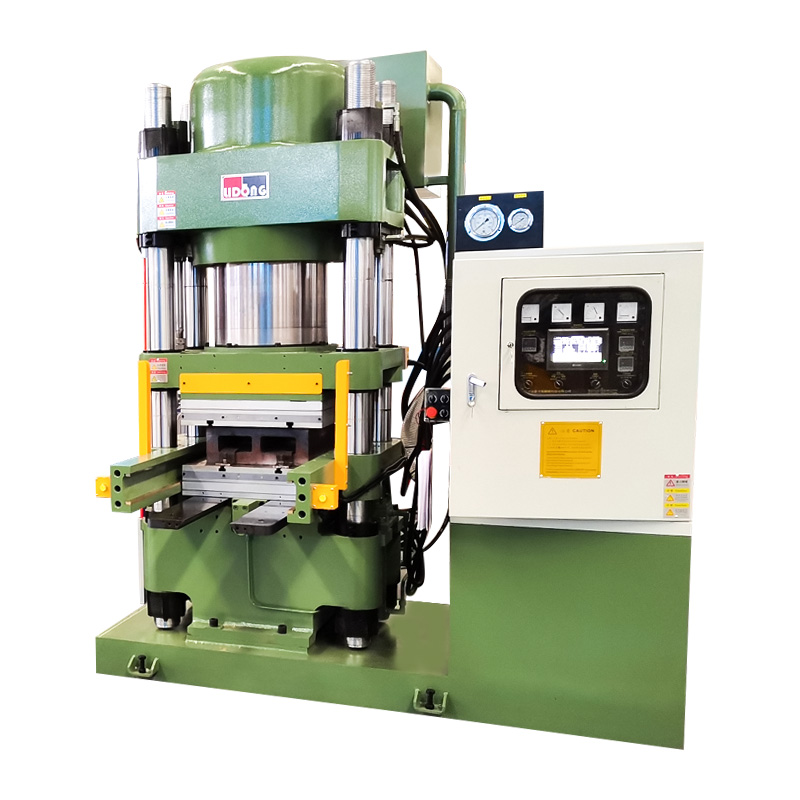
The Engineering Brake Pad Press Machine is not merely an ordinary press, but a specialized piece of equipment integrating mechanical engineering, materials science, and automatic control technology. Its core task is to transform powdered or granular friction materials into brake pads with high density, high strength, and a stable coefficient of friction through a precisely controlled hot pressing process.
- The "Engineering" aspect here is reflected in several aspects:
- Precise control of pressure, temperature, and time
- Engineering design of the mold structure
- Optimization of material flow and curing processes
- Systematic integration and automation design of the entire machine
Detailed Working Process Analysis
The pressing process of brake pads is commonly referred to as "hot pressing," but at the engineering level, it is a complex and delicately controlled process.
First, raw materials, after being formulated and mixed, enter the mold cavity. These materials typically include resin as a binder, metal powder to enhance thermal conductivity and wear resistance, and various fiber materials to improve structural strength.
Next, the equipment begins the pressing cycle. In the heating phase, heating plates raise the mold temperature to a certain range, gradually softening the resin and making it fluid. In the pressurization phase, the hydraulic system provides stable and uniform pressure, compacting the material and fully filling every corner of the mold.
During this process, pressure and temperature are not simply constant values, but vary according to a preset curve. For example, "segmented pressurization" or "stepped heating" methods may be used to ensure a uniform internal structure of the material and avoid the formation of bubbles or cracks.
Subsequently, the pressure holding and curing phase begins, where the material completes a cross-linking reaction in a high-temperature, high-pressure environment, making the structure denser. Finally, in the cooling phase, the mold temperature gradually decreases, allowing the brake pad to stabilize and maintain dimensional accuracy.
Key System Details
Hydraulic System: The hydraulic system is the core power source of the entire machine, responsible for providing stable and adjustable pressure. High-end equipment typically uses servo hydraulic systems, enabling more precise pressure control while reducing energy consumption.
Heating System: The heating system directly affects product quality. Common methods include electric heating plates and heat transfer oil heating. High-quality equipment employs multi-zone temperature control design to achieve uniform mold temperature distribution, avoiding localized overheating or uneven temperature distribution.
Control System: Modern equipment is typically equipped with a PLC control system and a Human-Machine Interface (HMI). Operators can set parameters such as temperature curves, pressure curves, and holding time, and monitor the operating status in real time. Some high-end systems also support data logging and remote monitoring.
Mold System: The mold is crucial in determining the product's shape and precision. Engineering Brake Pad Press Machine molds are typically made of high-strength alloy steel and heat-treated to improve wear resistance. Mold design also needs to consider venting structures to prevent gas stagnation during pressing.
Equipment Types and Structures
Structurally, Engineering Brake Pad Press Machines can be categorized into several types:
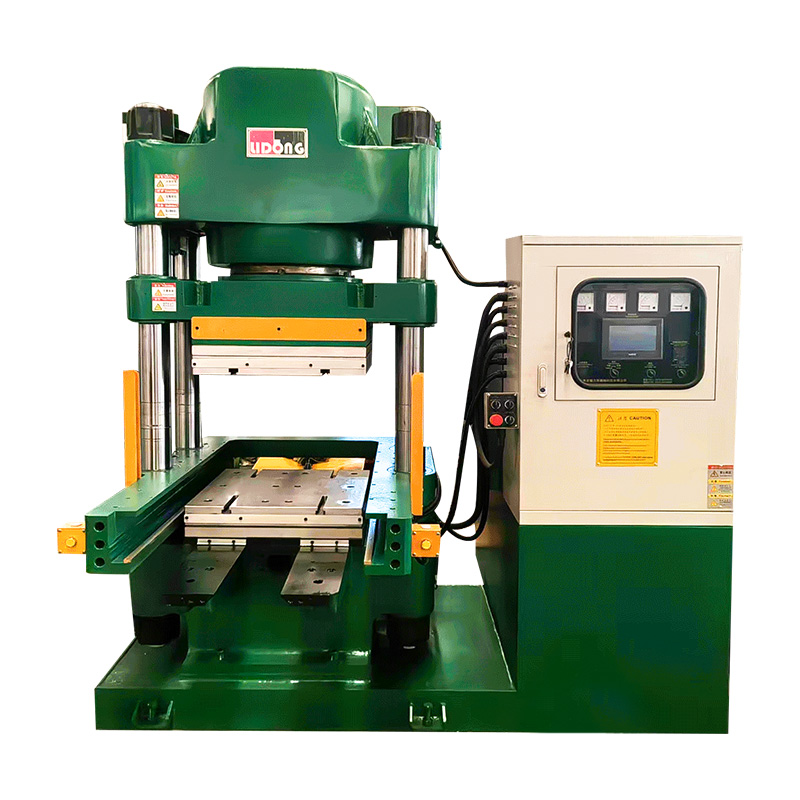
Single-station presses: Suitable for small-batch production or experimental applications; relatively simple to operate and easy to change molds.
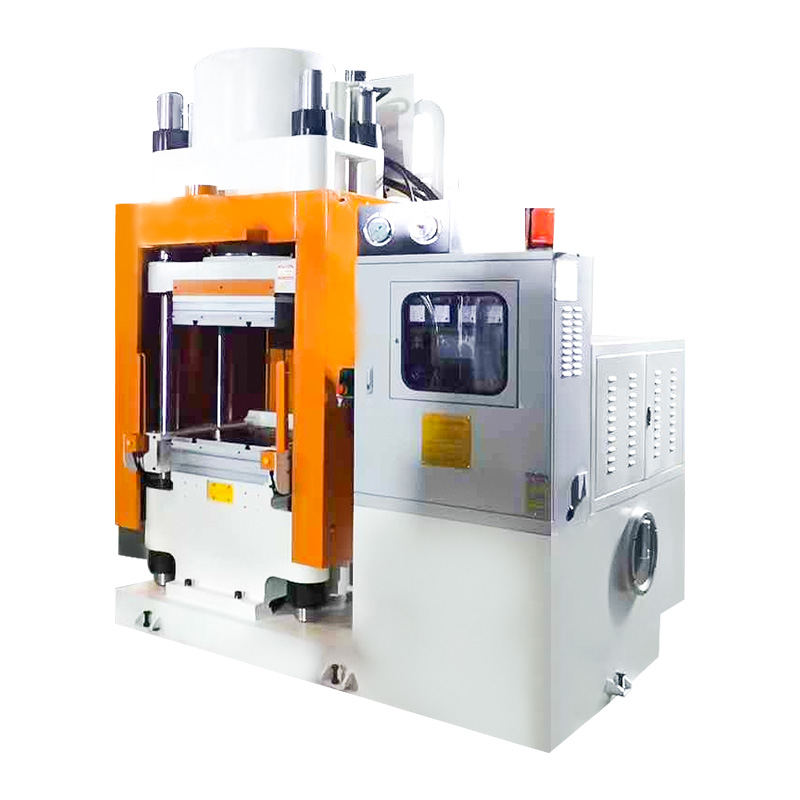
Multi-station presses (multi-layer or multi-column): Can press multiple products simultaneously, significantly improving production efficiency; suitable for large-scale production lines.
Automated production line presses: Combined with robotic arms, conveyor systems, and automatic loading/unloading devices, achieving unmanned production. These machines are typically linked with subsequent grinding, heat treatment, and testing equipment to form a complete production line.
Relationship between Materials and Molding Quality
The performance of brake pads largely depends on the pressing process, which in turn is closely related to material properties. For example:
- Excessive resin content may lead to performance degradation at high temperatures.
- The proportion of metal powder affects thermal conductivity and wear resistance.
- Fiber structure affects crack resistance and overall strength.
The pressing machine needs to adjust temperature, pressure, and holding time according to different formulations to achieve the best molding effect.
Role in Actual Production
In the brake pad production process, the pressing stage is one of the core processes. Its quality directly determines whether the final product meets industry standards, such as:
- Friction coefficient stability
- High-temperature resistance
- Compressive strength
- Dimensional accuracy
Therefore, the pressing machine is not only production equipment but also a crucial link in quality control.
Equipment Development and Technological Trends
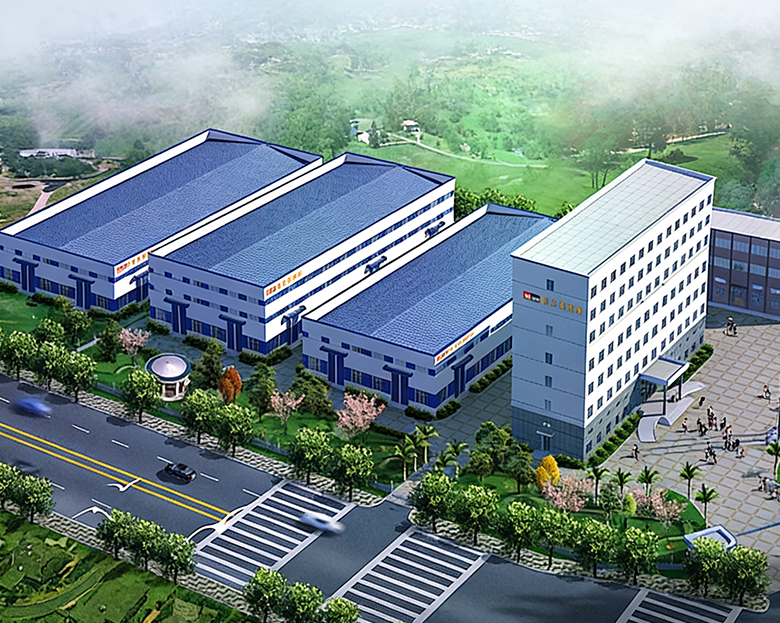
As the manufacturing industry continues to upgrade towards intelligence and high-end technology, engineering brake pad pressing equipment is also undergoing continuous iteration. In this process, specialized manufacturers like Ningbo Delidong Machinery Technology Co., Ltd. are driving technological progress in the industry.
This company specializes in rubber injection molding equipment, vacuum vulcanizing equipment, and various types of brake pad presses (including disc brake pad presses, drum brake pad presses, and engineering machinery brake pad presses), possessing strong non-standard customization capabilities and automated system integration capabilities. This allows its equipment to be better adapted to different material systems and process requirements during the design phase.
In terms of intelligence, the company has introduced intelligent manufacturing systems, combining PLC control, data acquisition, and remote monitoring to achieve digital management of the production process. This approach not only improves the stability of equipment operation but also makes production data traceable, contributing to process optimization and quality control.
In terms of technical design, leveraging numerous invention and utility model patents, as well as its certification as a National High-Tech Enterprise, the company continuously optimizes hydraulic control, temperature uniformity adjustment, and mold matching design, enabling the equipment to maintain high precision and stability during long-term operation.
Regarding energy saving and efficiency, by absorbing advanced design concepts from home and abroad, the equipment gradually adopts more efficient drive systems and heating solutions, reducing energy consumption while ensuring performance and improving overall production cycle time.
Furthermore, with the increasing demand for non-standard automated equipment, these companies are gradually developing towards "complete line solutions," providing not only pressing equipment but also supporting automatic loading and unloading, conveying systems, and post-processing equipment to build a complete intelligent manufacturing production line.
Expanding Industry Applications
The application areas of engineering brake pad pressing equipment are constantly expanding, which places higher demands on equipment manufacturers. Companies like Ningbo Delidong Machinery Technology Co., Ltd., with their stable technical strength and extensive product line, are serving multiple industry sectors.
In the automotive industry, the equipment is mainly used for the large-scale production of disc and drum brake pads. With the development of new energy vehicles, higher requirements are placed on the performance, stability, and lightweighting of braking systems, driving continuous upgrades in pressure control precision and process consistency for pressing equipment.
In the engineering machinery sector, due to the complex working environment, higher requirements are placed on the high-temperature resistance and wear resistance of brake pads, thus requiring pressing equipment with higher tonnage and greater stability. The engineering machinery brake pad press developed by this company is designed specifically for these high-load application scenarios.
In the rail transit and high-end equipment sectors, brake materials typically have more complex formulation systems, requiring pressing equipment with higher control precision and stronger process adaptability. By continuously absorbing advanced international technologies and design concepts, the relevant equipment can meet the needs of these high-end applications.
Meanwhile, at the global market level, the company's products have been widely exported, and it has established long-term and stable cooperative relationships with numerous enterprises. This not only demonstrates the reliability of its equipment but also reflects the company's competitiveness and recognition in the international market.
In the future, as global manufacturing transforms towards intelligent and green manufacturing, companies like Ningbo Delidong Machinery Technology Co., Ltd. will continue to provide customers with more stable and efficient engineering brake pad pressing solutions through technological innovation and quality improvement, while simultaneously driving the entire industry to a higher level of development.

 English
 عربى
عربى
 中文繁体
中文繁体