 English
 عربى
عربى
 中文繁体
中文繁体

Amidst intensifying market competition, rising raw material costs, and shrinking order delivery windows in the brake pad industry, traditional hot-press molding processes are no longer adequate for the demands of modern manufacturing. Legacy production models—characterized by single-cavity presses, manual molding assistance, and manual parameter adjustments—suffer from low capacity, high energy consumption, high defect rates, high labor costs, and slow changeover times, all of which severely constrain the scalable growth of brake pad factories. Upgrading to Delidong’s new automated hot-press molding process and intelligent press equipment represents a critical breakthrough for manufacturers seeking to expand capacity, enhance quality, and reduce costs.
Traditional molding processes typically rely on single-station, single-cavity presses that yield low output per cycle and involve significant equipment idle time. They depend heavily on skilled labor, with the entire workflow—material spreading, mold closing, pressure holding, demolding, and cleaning—being time-consuming and inefficient. Furthermore, legacy equipment suffers from slow pressure response and poor parameter repeatability; every product or mold change requires extensive debugging time, resulting in extremely low efficiency for small-batch, high-variety orders and an inability to meet dynamic market demands.
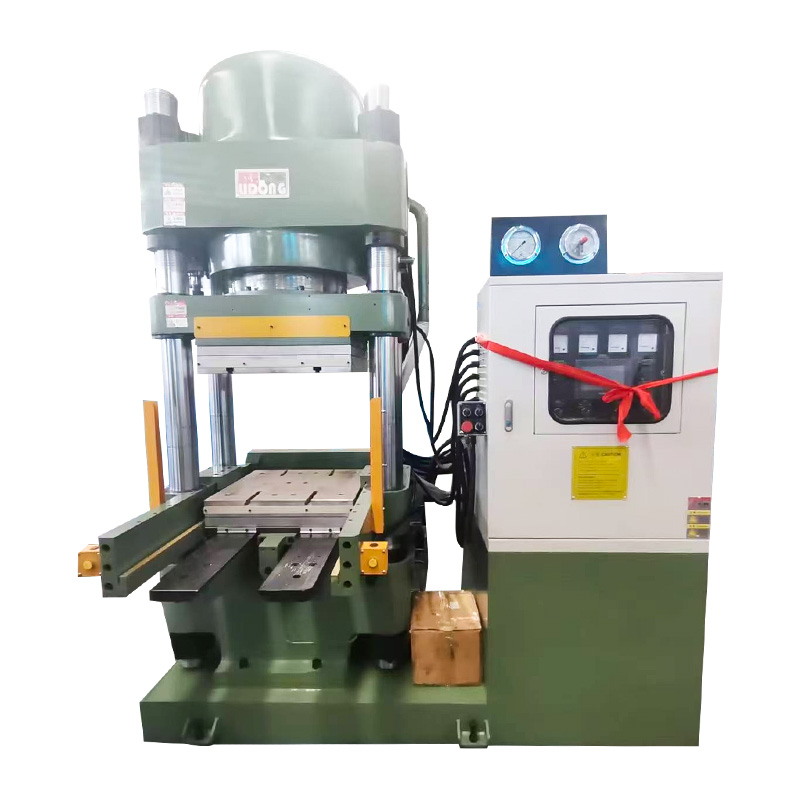
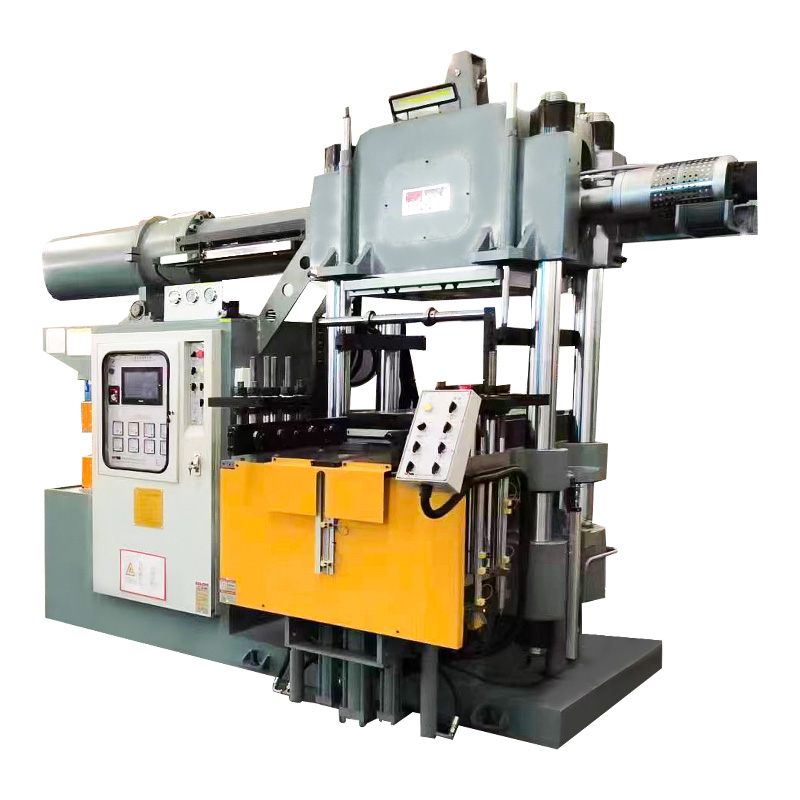
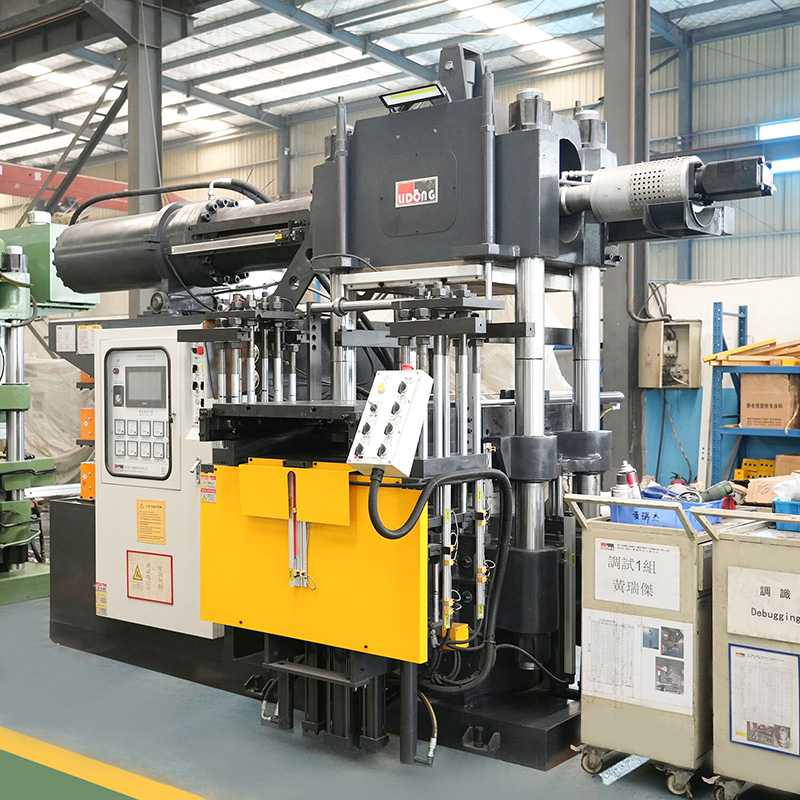
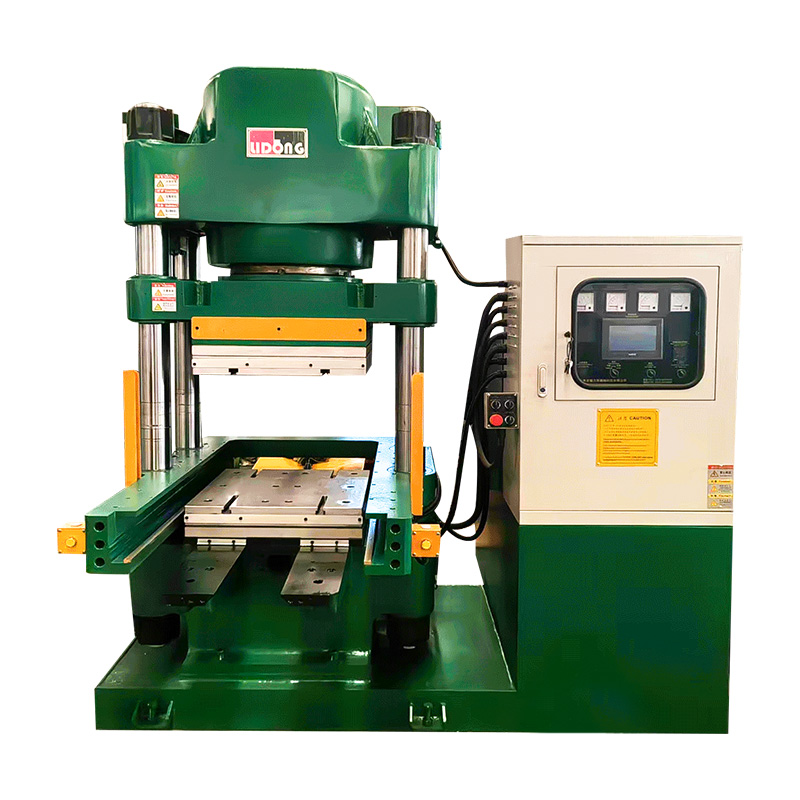
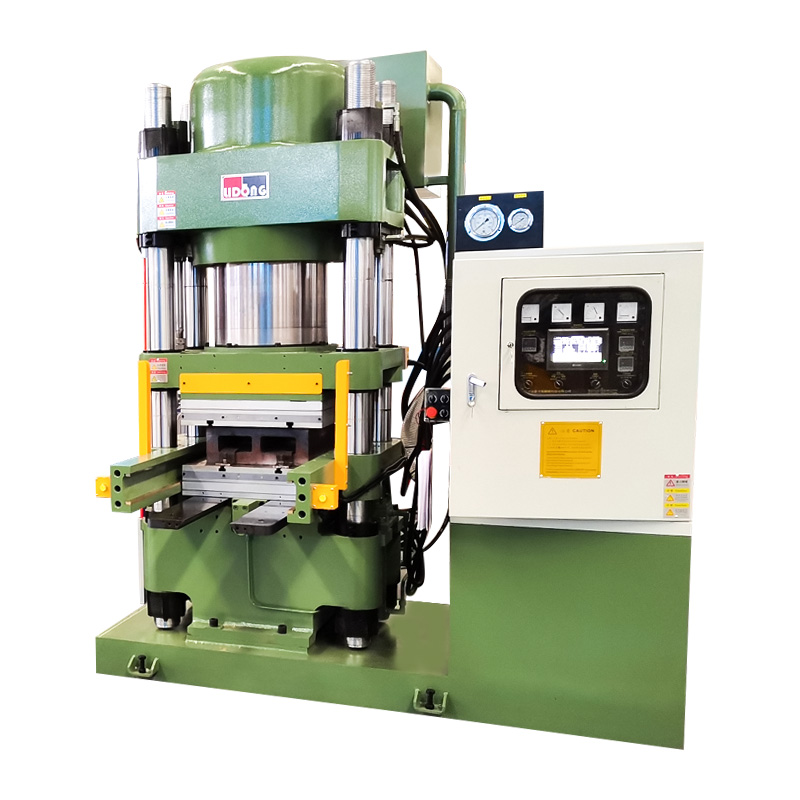
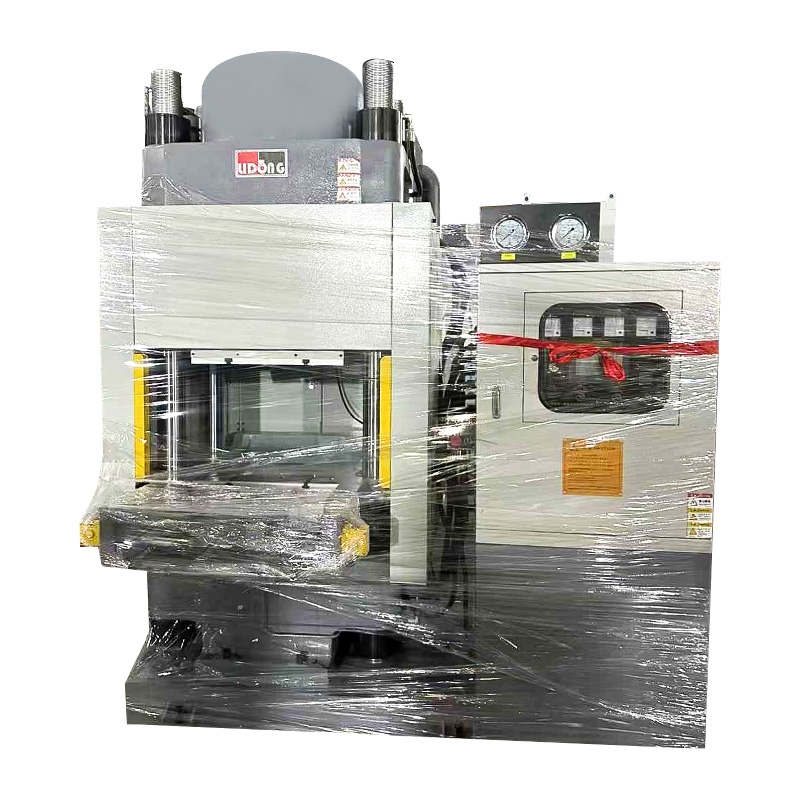
Delidong’s new-generation automated brake pad hot-press molding process completely reimagines traditional workflows through a design centered on multi-station, multi-cavity, intelligent, and modular capabilities. Its proprietary multi-cavity structure enables the simultaneous molding of multiple pads, more than doubling the single-machine capacity compared to traditional equipment. An intelligent control system allows for one-touch storage and switching of process parameters, facilitating rapid changeovers between different vehicle models and brake pad materials while drastically reducing setup time. This system perfectly aligns with modern manufacturing models requiring high product variety, small batch sizes, and fast delivery, comprehensively meeting the capacity upgrade needs of brake pad factories of all sizes.
This new process not only accelerates production speeds but also delivers a dual upgrade in energy efficiency and production stability. The Delidong energy-saving hydraulic control system effectively reduces energy consumption during idling and minimizes wasted work, achieving electricity savings of over 20% compared to traditional presses. Featuring a high-strength steel structure, the equipment offers exceptional stability and balanced pressure output; it maintains consistent performance—without pressure drop or temperature fluctuation—during continuous, long-term operation. This enables stable, 24-hour mass production, eliminating productivity losses caused by frequent downtime for adjustments or equipment malfunctions. Furthermore, the standardized, fully automated process significantly reduces reliance on skilled labor, effectively lowering personnel costs and comprehensively boosting the production line's overall operational efficiency.
Industry trends indicate that intelligent, automated, and high-precision molding processes have become the core focus for the transformation and upgrading of brake pad manufacturing plants. By upgrading to Delidong’s brake pad hot-press molding equipment and associated processes, enterprises can simultaneously increase production capacity, enhance product quality, and reduce costs. This comprehensive improvement in manufacturing capabilities and market competitiveness secures a strategic advantage amidst fierce industry rivalry, enabling the consistent fulfillment of high-quality, demanding export and OEM orders, while driving the digital and intelligent transformation of the enterprise.