How Does Pre-Pressing Eliminate Air Pockets in Brake Pad Manufacturing?
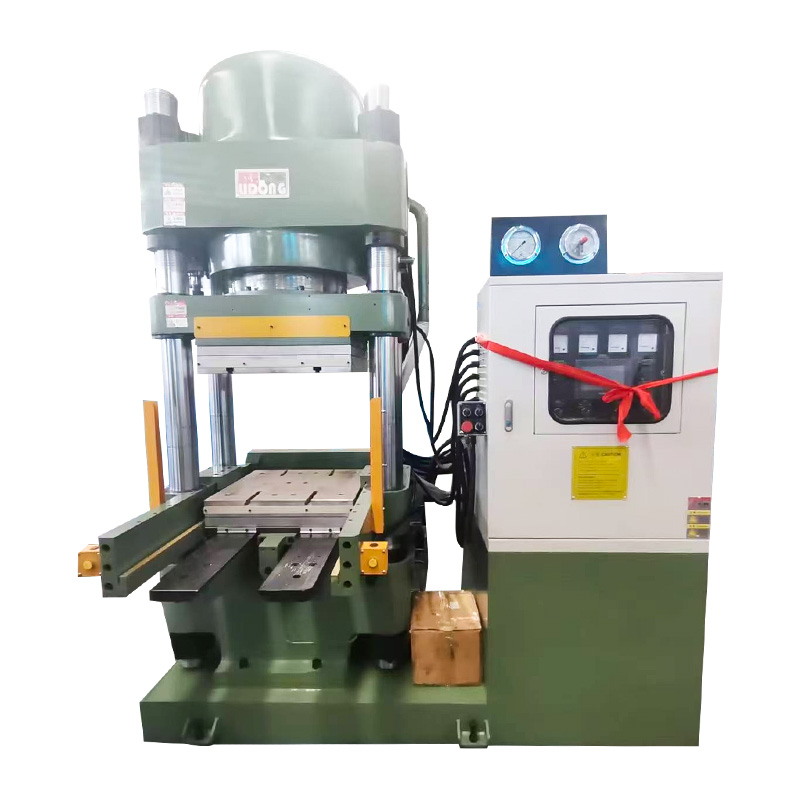
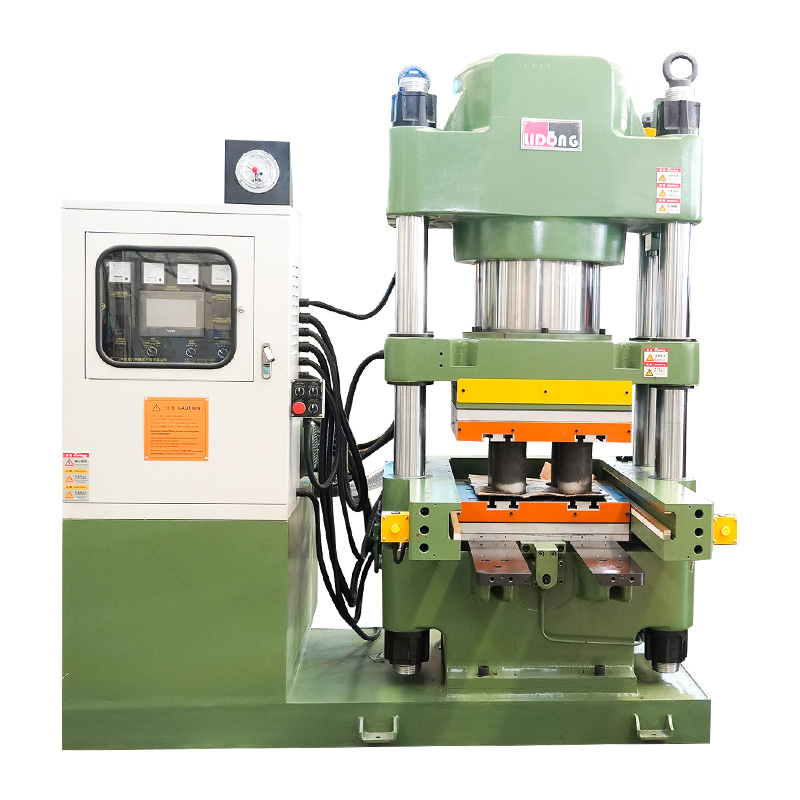
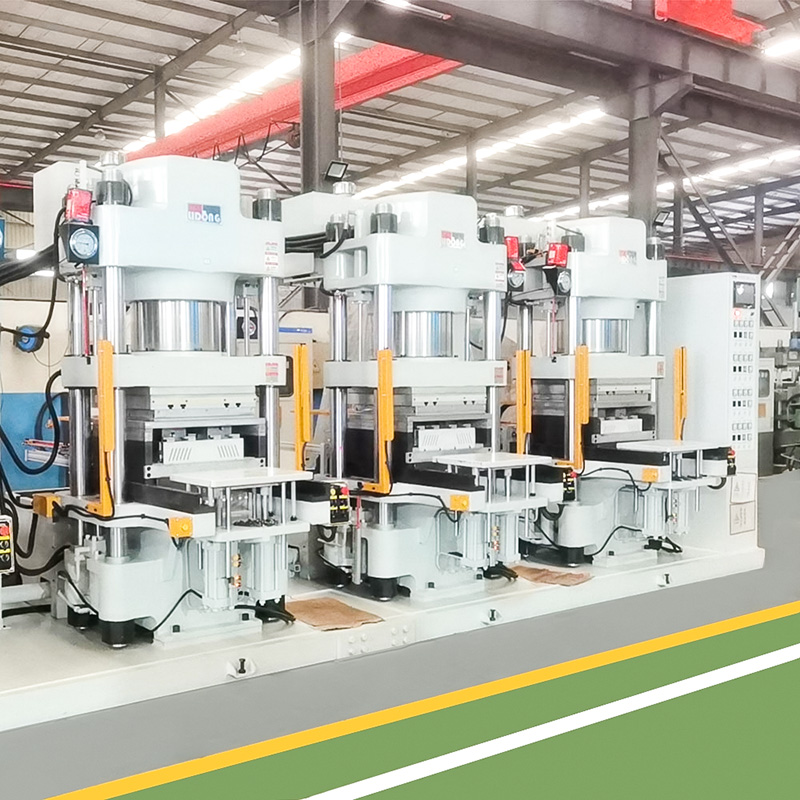
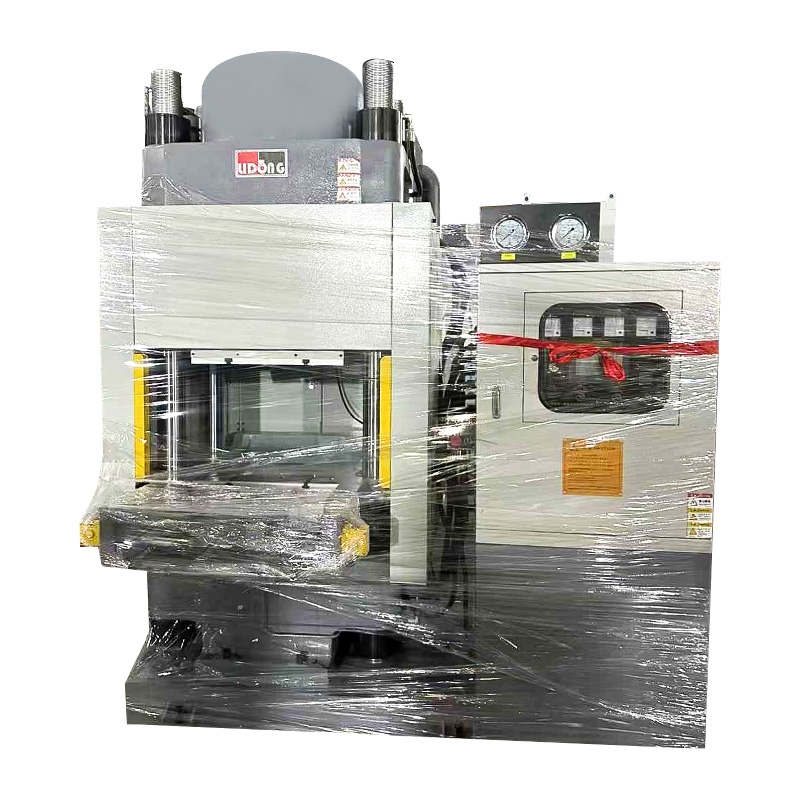
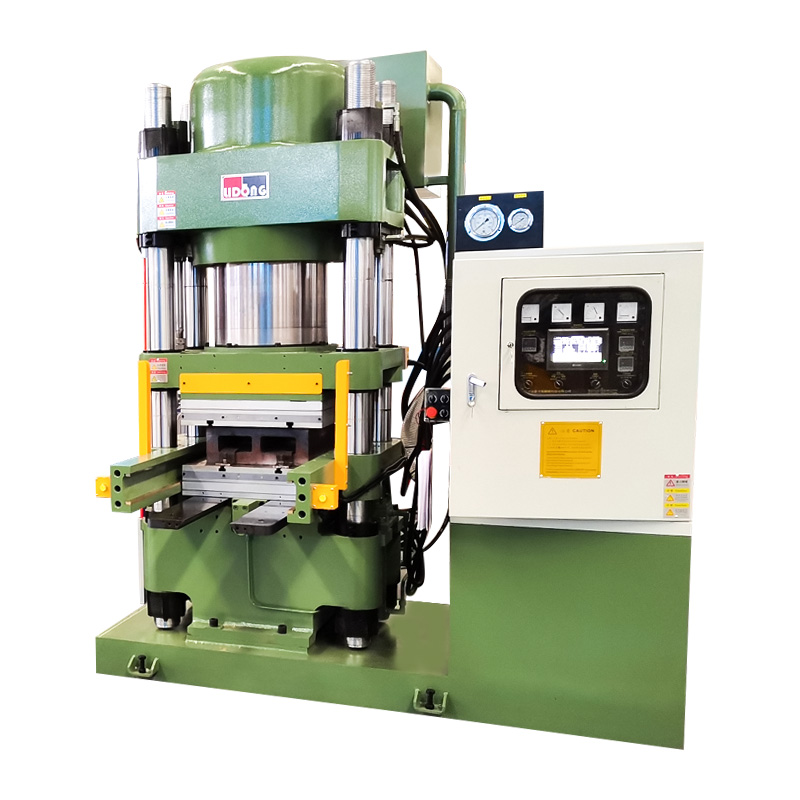
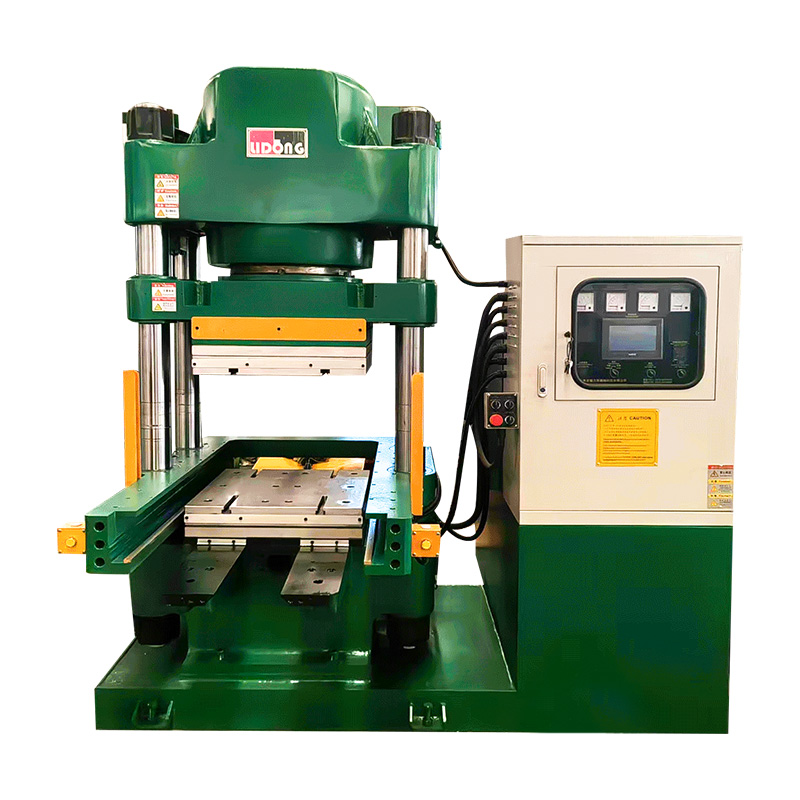
Air pockets are among the most damaging defects that can exist within a brake pad. Invisible from the surface yet deeply consequential to performance, these internal voids represent discontinuities in the friction material structure that act as stress concentration points under the repeated compressive and thermal loading of braking service. A brake pad containing air pockets will experience accelerated crack initiation from these weak points, uneven wear as the voids collapse progressively under load, and potentially catastrophic delamination in high-energy braking events. The pre-pressing forming machine is the manufacturing equipment specifically designed to eliminate air pockets before they can become embedded in the final cured structure making it an essential quality gate in any high-performance brake pad production process.
The root cause of air pocket formation in brake pad manufacturing lies in the nature of the friction material compound itself. A typical brake pad compound is a dry blend of many constituents reinforcing fibers, metallic powders, ceramic particles, lubricants, and thermosetting resin binder in powder or granular form. When this loose blend is charged into a mold cavity, it contains a very high proportion of inter-particle voids filled with air. In an uncontrolled process, this air must escape during the hot-press curing stage but by that point, the rising temperature has reduced the resin viscosity and initiated crosslinking, making it increasingly difficult for trapped air to migrate to the mold venting system before the material solidifies around it. The pre-pressing forming machine addresses this problem at its source by applying controlled hydraulic pressure to the compound at ambient temperature before any resin softening or curing begins creating the conditions for complete, systematic air expulsion from the material structure.
The Physics of Air Expulsion Under Controlled Pressure
The mechanism by which a pre-pressing forming machine expels air from a friction material compound charge involves a careful balance between pressing speed, applied pressure, and mold venting capacity. When the press platen begins to close on the mold-loaded compound, the initial pressure causes the loose particles to rearrange and pack more densely. As packing progresses and inter-particle contact increases, the remaining air is forced into a network of progressively narrowing pathways between particle contacts. For this air to escape rather than becoming trapped, two conditions must be met simultaneously: the pressing speed must be slow enough that air can migrate through the narrowing inter-particle pathways faster than the pathways close under advancing pressure, and the mold venting system must provide sufficient open area and flow capacity to accommodate the volume of air being expelled.
A pre-pressing forming machine designed for effective air elimination uses programmable pressing speed control typically implemented through a servo hydraulic system or a proportional valve-controlled hydraulic circuit that allows the press engineer to define a multi-phase approach profile. An initial slow-close phase allows the compound to begin settling and air to begin migrating toward the mold vents before significant consolidation pressure is applied. A subsequent controlled pressure build-up phase continues air expulsion while progressively increasing consolidation. Only in the final phase is full pressing pressure applied, at which point the material has already been substantially de-aired and the remaining void closure is a straightforward consolidation rather than a competition between pressure increase and air migration.
Mold Venting Design in Pre-Pressing Forming Machines
The mold used in a pre-pressing forming machine plays an active role in the air elimination process through its venting design. Unlike hot-press molds, where venting must be balanced against the risk of resin flash at elevated temperature, pre-pressing molds can be designed with more generous venting because the cold compound has no tendency to flow through vent gaps before it is sufficiently consolidated. This allows pre-pressing mold designers to optimize vent channel geometry specifically for air expulsion performance, positioning vents at the points of last fill in the mold cavity the areas where air is most likely to be trapped as the compound consolidates from the point of initial platen contact outward.
The combination of optimized pressing speed profiles and well-designed mold venting is what makes a pre-pressing forming machine genuinely effective at eliminating air pockets, rather than simply compacting the compound with air still partially trapped within it. Manufacturers who invest in both aspects programmable process control in the machine and engineered venting in the mold tooling achieve pre-pressed compacts with minimal residual porosity that set the foundation for defect-free cured brake pads from the subsequent hot-press stage.
Quantifying Air Pocket Elimination: Before and After Pre-Pressing
The effectiveness of pre-pressing in eliminating air pockets can be quantified through density measurement of the pre-pressed compact compared to the theoretical density of the fully consolidated material. A well-optimized pre-pressing forming machine operation achieves compact densities in the range of 85 to 95 percent of theoretical density, compared to the 50 to 65 percent of theoretical density that is typical of loosely charged compound before pressing. This density increase represents the physical elimination of the majority of the air volume that was initially present in the compound charge air that would otherwise have needed to escape during the hot-press curing cycle under conditions far less favorable for its expulsion.
How to Choose the Right Pre-Pressing Forming Machine for Brake Pad Production?
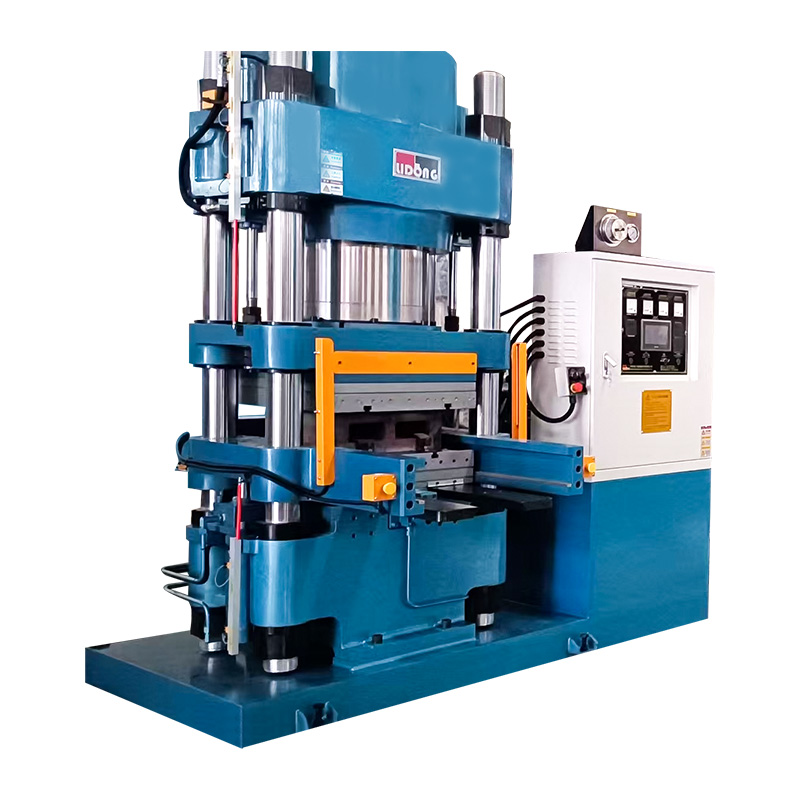
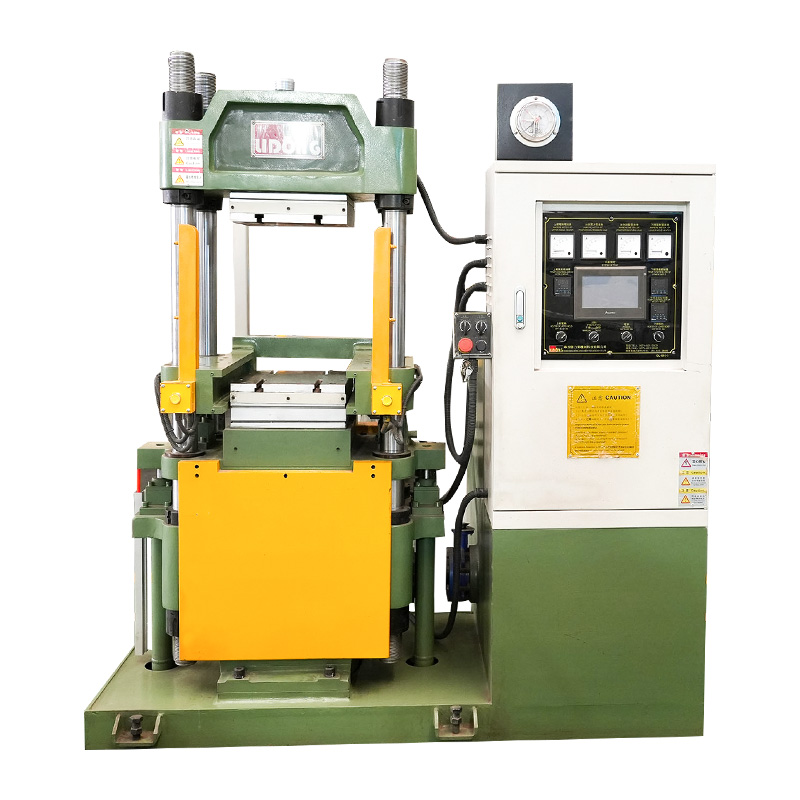
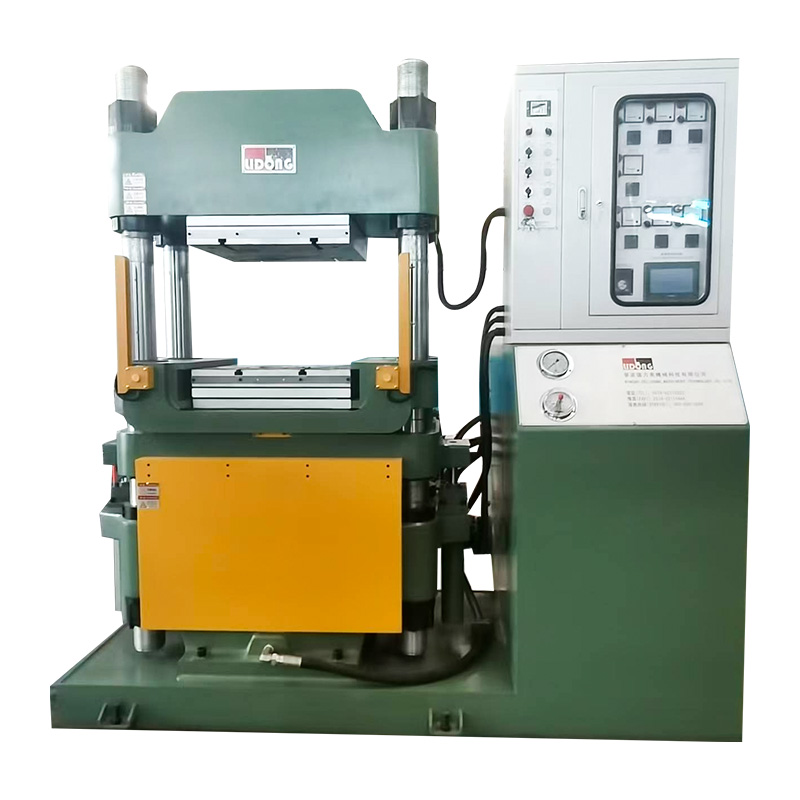
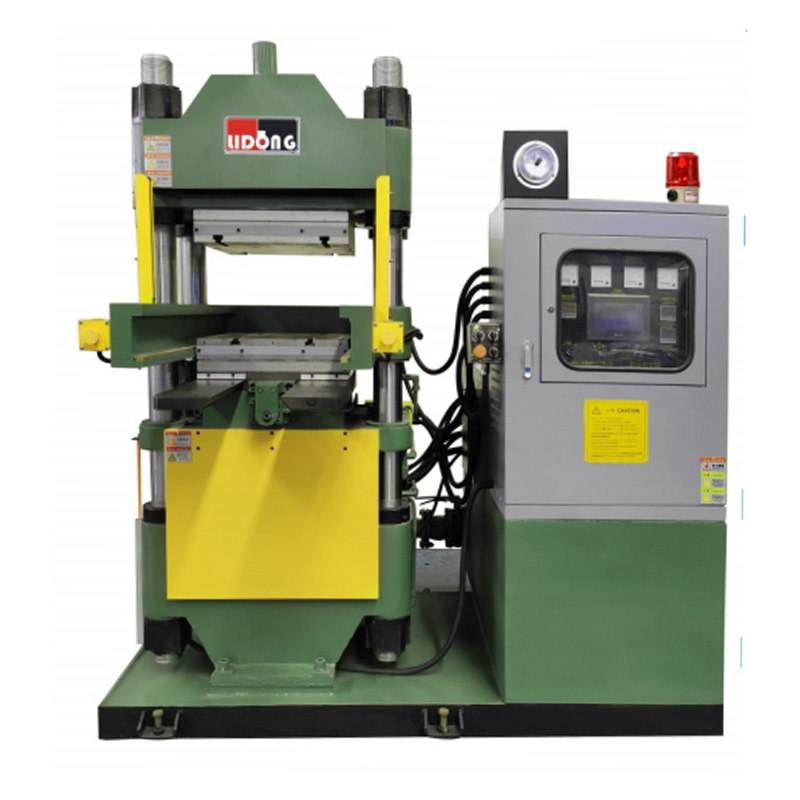
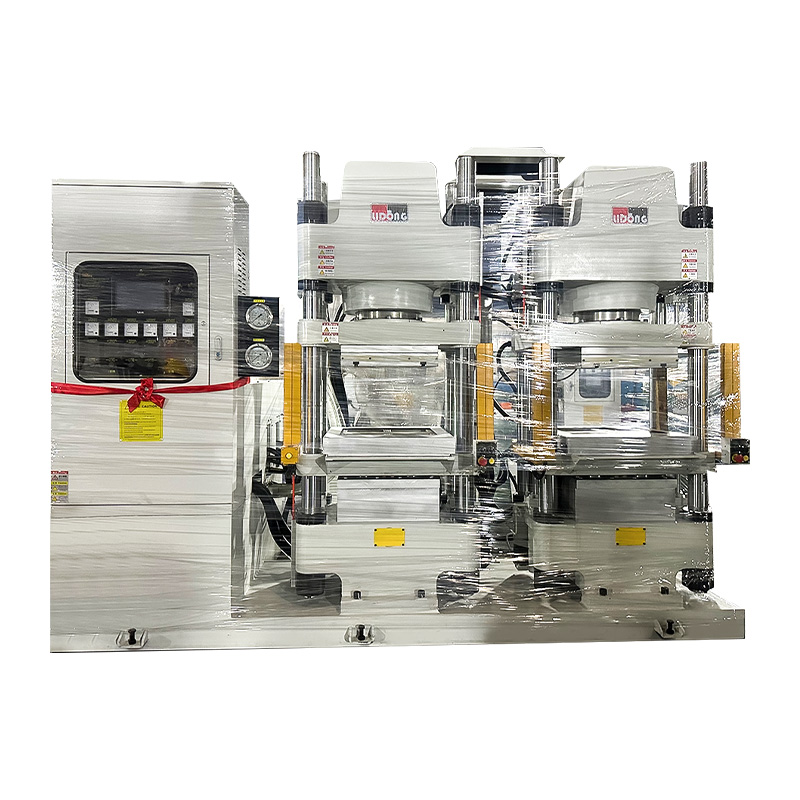
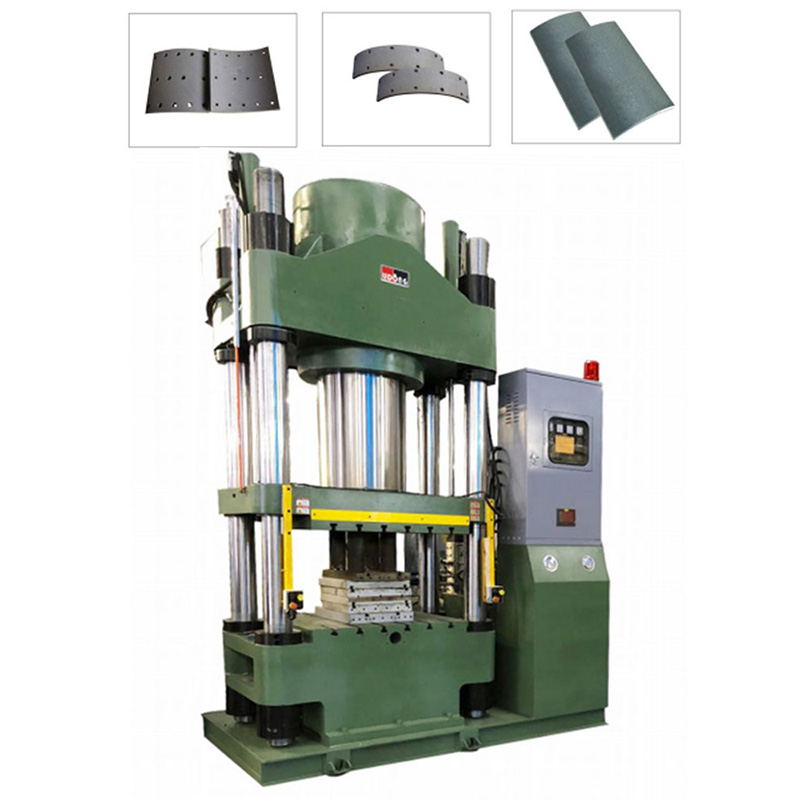
Selecting the right pre-pressing forming machine for a specific brake pad production application requires systematic evaluation of the machine's technical specifications against the requirements of the product being manufactured and the production environment in which it will operate. A pre-pressing forming machine that is correctly specified for the application will deliver consistent preform quality across long production runs with minimal maintenance intervention; one that is misspecified either under-capacity for the production requirement or over-specified for the product complexity will create ongoing process management challenges that affect both quality and productivity.
Pressing Force and Platen Size: Matching Machine Capacity to Mold Requirements
The most fundamental specification parameters of a pre-pressing forming machine are its maximum pressing force and the active platen area available for mold mounting. These two parameters together determine the maximum pressing pressure that the machine can apply to the compound surface calculated as pressing force divided by mold cavity area and the range of mold sizes it can accommodate. For brake pad pre-pressing, typical target pressing pressures range from 30 to 150 megapascals depending on compound formulation and pad specification, with higher pressures required for denser, more consolidated preforms and for compounds with higher proportions of hard, incompressible particles.
When selecting a pre-pressing forming machine, ensure that the rated pressing force provides adequate pressure for the target preform density across the full range of mold sizes used in production, with a safety margin that accounts for the gradual loss of hydraulic efficiency as seals and components wear over the machine's service life. Multi-cavity molds which press several brake pad preforms simultaneously to maximize throughput require a proportionally higher total pressing force than single-cavity molds, and the machine specification must account for the total mold face area of the largest multi-cavity configuration used in production.
Hydraulic System Type: Conventional vs. Servo-Hydraulic
The hydraulic system type is one of the most consequential specification choices in selecting a pre-pressing forming machine. Conventional hydraulic systems use fixed-displacement pumps with on/off or proportional directional control valves they are reliable and relatively straightforward to maintain, but offer limited precision in pressing speed and pressure profile control. Servo-hydraulic systems use variable-displacement pumps driven by servo motors, controlled by closed-loop feedback from position and pressure sensors they offer significantly greater precision in executing programmed pressing profiles, better energy efficiency, and faster response to process deviations.
For high-quality brake pad production where the pre-pressing forming machine must consistently execute the precise slow-close and pressure build-up profiles needed for effective air elimination and uniform density, servo-hydraulic systems deliver a meaningful performance advantage over conventional hydraulic designs. The investment premium for servo-hydraulic technology is typically recovered through reduced scrap rates, improved preform consistency, and lower energy consumption over the machine's service life.
Pre-Pressing Forming Machine Selection Criteria: Comparison Table
The following table summarizes the key specification parameters for pre-pressing forming machine selection, with guidance on the appropriate specification level for different production requirements.
| Specification Parameter |
Standard Production |
High-Volume Production |
High-Performance / Railway Grade |
| Maximum Pressing Force |
200 – 500 kN |
500 – 1,500 kN |
1,000 – 4,000 kN |
| Hydraulic System Type |
Conventional proportional |
Proportional with closed-loop pressure |
Full servo-hydraulic |
| Pressing Speed Control |
Fixed or 2-stage |
Multi-stage programmable |
Continuous profile programmable |
| Pressure Control Precision |
±5% of set point |
±3% of set point |
±1–2% of set point |
| Platen Parallelism |
±0.10 mm under load |
±0.05 mm under load |
±0.02–0.03 mm under load |
| Control System |
Basic PLC with HMI |
Advanced PLC with data logging |
Integrated MES connectivity; full traceability |
| Compound Loading |
Manual |
Semi-automated weigh-dispensing |
Fully automated gravimetric dispensing |
Automation Level and Integration With Production Line
The appropriate level of automation in a pre-pressing forming machine depends on the production volume, the number of different pad specifications in production, and the degree of integration with upstream compound preparation and downstream hot-press operations. At lower production volumes, a manually operated pre-pressing forming machine with basic PLC control may be sufficient. At higher volumes, semi-automated or fully automated pre-pressing forming machines with automated compound dispensing, robotic mold loading and unloading, and conveyor integration with downstream equipment significantly improve throughput and reduce the labor cost and variability associated with manual operation.
Ningbo Delidong Machinery Technology Co., Ltd., recognized as professional Pre-Pressing Forming Machine Manufacturers in the friction material equipment industry, offers pre-pressing forming machines across the full range of automation levels from basic manually-assisted machines suitable for smaller operations to fully automated cells with robotic integration designed for high-volume, multi-specification production environments. The company's extensive portfolio of patents and its National High-Tech Enterprise status reflect the depth of engineering investment applied to both the mechanical design and the automation systems of its pre-pressing forming machine range.
How Does Pre-Pressing Prepare Brake Pads for the Final Molding Process?
The pre-pressing stage of brake pad manufacturing is not an end in itself it is a preparation stage whose primary purpose is to create the optimal starting conditions for the final hot-press curing process that follows. Understanding exactly how the pre-pressed compact differs from a loose compound charge, and why these differences matter so profoundly for the quality of the final cured product, reveals the true value of a pre-pressing forming machine in a high-quality brake pad manufacturing process.
Dimensional Stability and Mold Loading Precision
One of the most immediately practical benefits of pre-pressing is that the resulting compact is a dimensionally stable, handleable object rather than a loose powder charge. A pre-pressed brake pad compact can be handled, transferred, oriented, and loaded into the hot-press mold as a discrete component, with a defined shape that matches the mold cavity geometry. This handleability enables precise, consistent mold loading that is impossible with loose powder the compact can be positioned accurately within the mold, ensuring that all areas of the mold cavity are equally well charged and that any asymmetric features of the pad geometry are correctly oriented relative to the mold.
Precise mold loading in turn supports uniform density in the final cured pad. When a hot-press mold is loaded with a pre-pressed compact that accurately fits the cavity, the hot-press simply needs to apply the final consolidation pressure and heat for curing it does not need to simultaneously manage the compound flow needed to fill a loose powder charge. This simplification of the hot-press task allows the hot-press cycle to be optimized specifically for curing rather than for simultaneous consolidation and curing, producing a more uniformly cured pad with more consistent mechanical properties across its full face area.
Enhanced Adhesion at Material Interfaces
Many brake pad designs incorporate a steel backing plate bonded to the friction material block, with an adhesive layer applied to the backing plate surface before pressing. In direct hot-pressing from loose compound, achieving a strong, uniform adhesive bond between the friction material and the backing plate is challenging because the compound must flow and consolidate against the adhesive surface simultaneously with the curing process, creating competition between flow, adhesion, and cure that is difficult to optimize simultaneously.
Pre-pressing transforms this challenge. A pre-pressed compact placed against the adhesive-coated backing plate in the hot-press mold presents a consolidated, flat surface with good mechanical interlocking potential to the adhesive layer. Under hot-press conditions, the combination of heat and final consolidation pressure drives intimate contact between the compact surface and the adhesive, with complete wetting of the adhesive layer across the full bonding area before the resin cure locks the bond geometry in place. The bond strength and uniformity achieved through this process sequence consistently exceeds what is achievable by direct hot-pressing from loose compound, resulting in brake pads with lower delamination risk and longer effective service life.
Optimizing the Hot-Press Cycle Through Pre-Pressing Preparation
The hot-press curing cycle is the most energy-intensive and time-consuming step in brake pad manufacturing minimizing its duration while maximizing the quality of the cured product is one of the most important process optimization opportunities available to brake pad manufacturers. A pre-pressing forming machine contributes directly to this optimization by sending a pre-consolidated, air-free compact into the hot-press rather than a loose powder charge, which allows the hot-press cycle to focus its thermal and mechanical energy on curing rather than on the compaction and de-airing tasks that the pre-pressing forming machine has already completed.
In practical terms, this means that the hot-press cycle for pre-pressed compacts can typically be shorter than for direct-charged loose compound because the compact reaches the target density and surface condition at lower total energy input than the loose charge and can use a more precisely optimized temperature profile because the process engineer is not forced to compromise between the temperature needed for good compound flow and the temperature appropriate for controlled curing. The result is a higher-quality cured product produced in less time with lower energy consumption per unit: a combination that improves both product quality and manufacturing economics simultaneously.
Structural Integrity and Performance Consistency in the Final Product
The improvements in structural integrity that result from pre-pressing preparation carry through directly into the performance characteristics of the finished brake pad in service. Higher and more uniform density, achieved through the systematic air elimination and controlled consolidation of the pre-pressing forming machine, produces a friction material microstructure with more consistent local hardness, more uniform distribution of reinforcing fibers and friction modifiers, and better resistance to the initiation and propagation of fatigue cracks under cyclic braking loads.
Performance consistency the stability of friction coefficient, wear rate, and noise behavior across a production batch and across the service life of individual pads is one of the most commercially important quality attributes of any brake pad product. End customers in automotive, commercial vehicle, and railway applications all require brake pads that behave predictably, wear at a known rate, and maintain their performance characteristics to the end of their service life. The pre-pressing forming machine's contribution to microstructural uniformity is a key enabler of this performance consistency, which is why the pre-pressing stage has become standard practice in every technically demanding brake pad manufacturing operation.
As a professional Pre-Pressing Forming Machine Factory supplying brake component manufacturers across domestic and international markets, Ningbo Delidong Machinery Technology Co., Ltd. designs each machine with the complete manufacturing process context in mind not just the pre-pressing step in isolation. The company's Council Membership of the China Friction Material Association and its long-term partnerships with major brake pad manufacturers reflect a deep understanding of how pre-pressing forming machine performance connects to final product quality in real production environments. With professional after-sales support including installation, commissioning, operator training, and ongoing technical assistance, Delidong Machinery ensures that customers capture the full quality and efficiency benefits of pre-pressing throughout the operational life of their equipment.

 English
 عربى
عربى
 中文繁体
中文繁体