 English
 عربى
عربى
 中文繁体
中文繁体

Content
Quick Answer: What to Prioritize When Buying
The right plate vulcanizing press comes down to matching platen size and layer count to your product dimensions, choosing a pressure capacity of roughly 3.5-25 MPa depending on your rubber compound, and confirming the heating system can maintain uniform temperature (typically 140-180°C) across the entire platen surface. Undersized platens or insufficient pressure are the two most common sourcing mistakes, leading to incomplete curing, porosity, and inconsistent product quality that costs far more in scrap than the price difference between machine sizes.
As a starting point: small workshops producing rubber sheets, gaskets, or small molded parts typically need single or double-layer presses in the 100-300 ton range, while manufacturers producing conveyor belts, large tires, or thick industrial rubber products generally need multi-layer presses rated 500 tons or higher.
How Plate Vulcanizing Presses Work
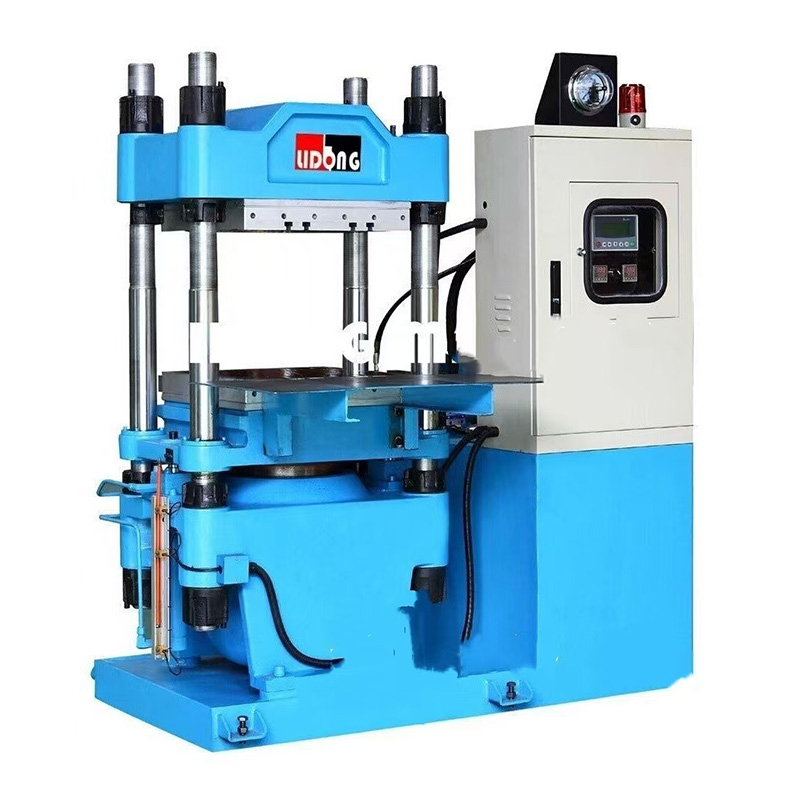
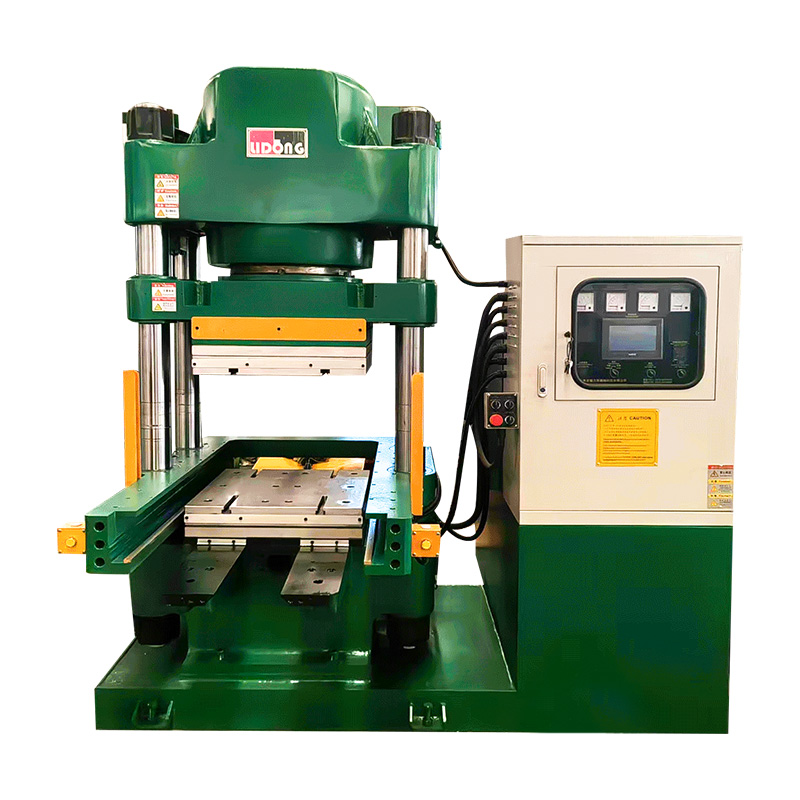
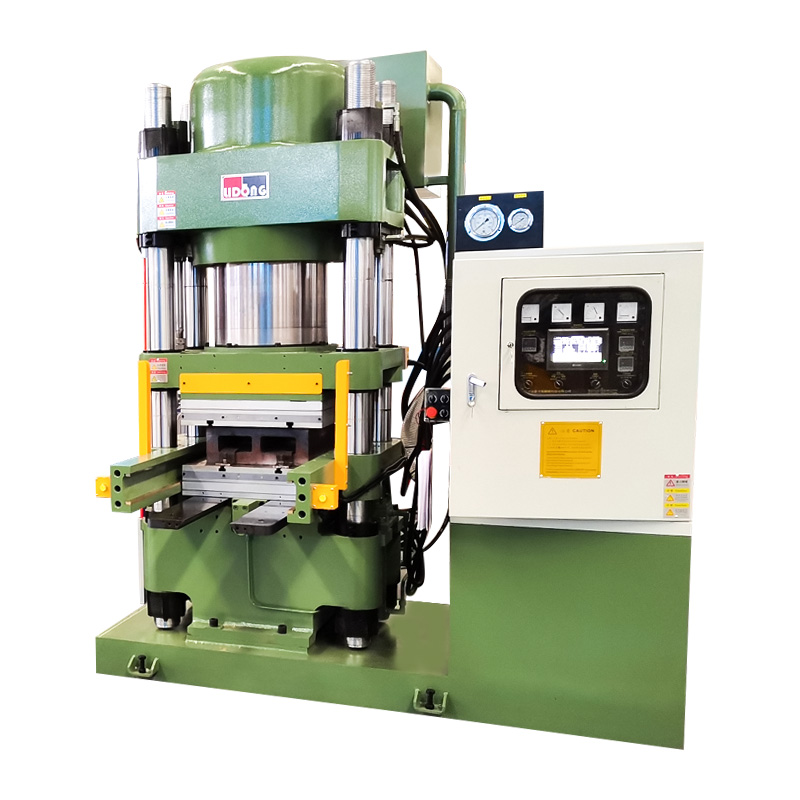
A plate vulcanizing press cures raw rubber compound into its final shape by applying simultaneous heat and pressure between flat steel platens, triggering the crosslinking (vulcanization) reaction that gives rubber its elasticity and strength.
The uncured rubber, often combined with a mold or placed between release sheets, is loaded between the platens. Hydraulic cylinders then apply consistent pressure while electric, steam, or thermal-oil heating elements bring the platens to curing temperature, held for a set dwell time determined by the compound's cure characteristics and product thickness.
Platen Size and Layer Count
Platen dimensions and the number of working layers determine both what products you can produce and how many you can produce per cycle.
| Product Type | Typical Platen Size | Layer Count |
|---|---|---|
| Small gaskets/seals | 300 x 300 mm | 1-2 layers |
| Rubber sheets/mats | 600 x 600 to 1200 x 1200 mm | 2-6 layers |
| Conveyor belts | 1500 x 2000 mm+ | 1 layer (large single platen) |
| Industrial/heavy rubber goods | Custom, up to 3000+ mm | 1-4 layers |
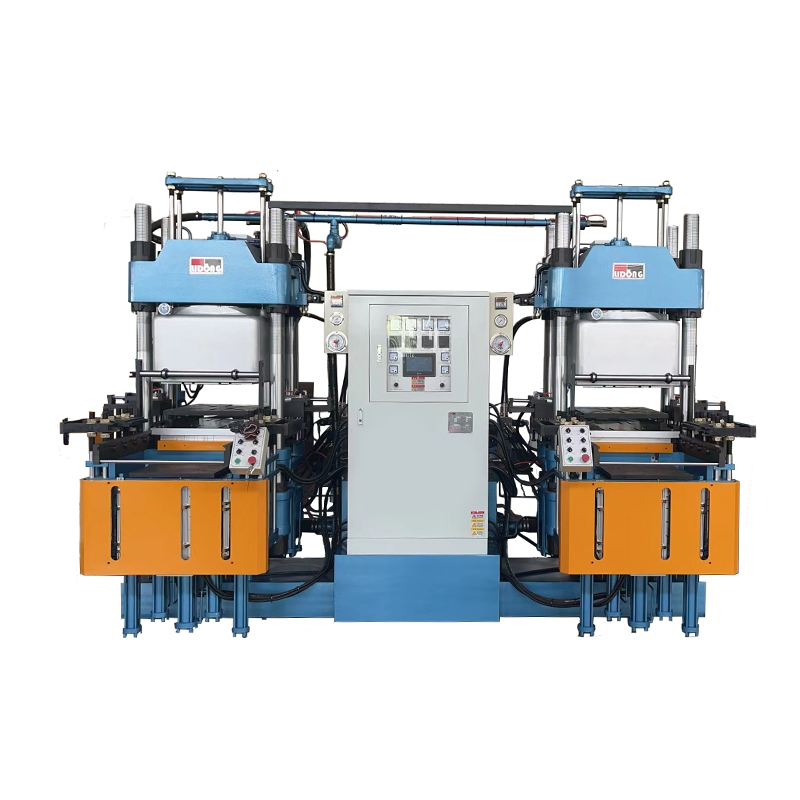
Multi-layer presses can significantly increase output per cycle by curing several product batches simultaneously, but they require more precise temperature control across all layers, since heat distribution naturally varies more in a taller stack than in a single-platen setup.
Pressure and Temperature Specifications
Pressure and temperature settings must match your specific rubber compound and product thickness — using generic settings across different formulations is a common source of quality issues.
Pressure Range
Most plate vulcanizing presses operate in the 3.5-25 MPa range, with thicker or denser rubber compounds requiring higher pressure to eliminate air voids and achieve full mold fill. Insufficient pressure is a leading cause of porosity defects in finished products.
Temperature Uniformity
Curing temperatures typically range from 140°C to 180°C depending on the rubber compound, and platen temperature uniformity should ideally stay within ±2-3°C across the entire surface. Poor uniformity leads to uneven cure states, where some areas are overcured (brittle) while others remain undercured (weak, tacky).
Heating System Types
The heating method affects both operating cost and temperature control precision, and each option has distinct trade-offs.
- Electric heating: fastest to reach target temperature and offers the most precise control, but generally has higher electricity costs at large scale
- Steam heating: cost-effective for facilities that already generate steam for other processes, though temperature control is slightly less precise than electric
- Thermal oil heating: offers excellent temperature uniformity and stability for large platens, making it a common choice for high-volume, large-format presses
Facilities producing a wide variety of small-batch products generally favor electric heating for its faster changeover between temperature settings, while continuous large-scale operations often favor thermal oil systems for long-run stability and lower per-unit energy cost.
Matching Press Type to Application
Different rubber product categories have distinct pressing requirements that should guide your machine selection.
- Rubber gaskets and small molded parts: compact multi-cavity presses with fast cycle times to maximize small-batch throughput.
- Rubber flooring and matting: mid-size single or dual-layer presses with wide platens to accommodate large sheet dimensions.
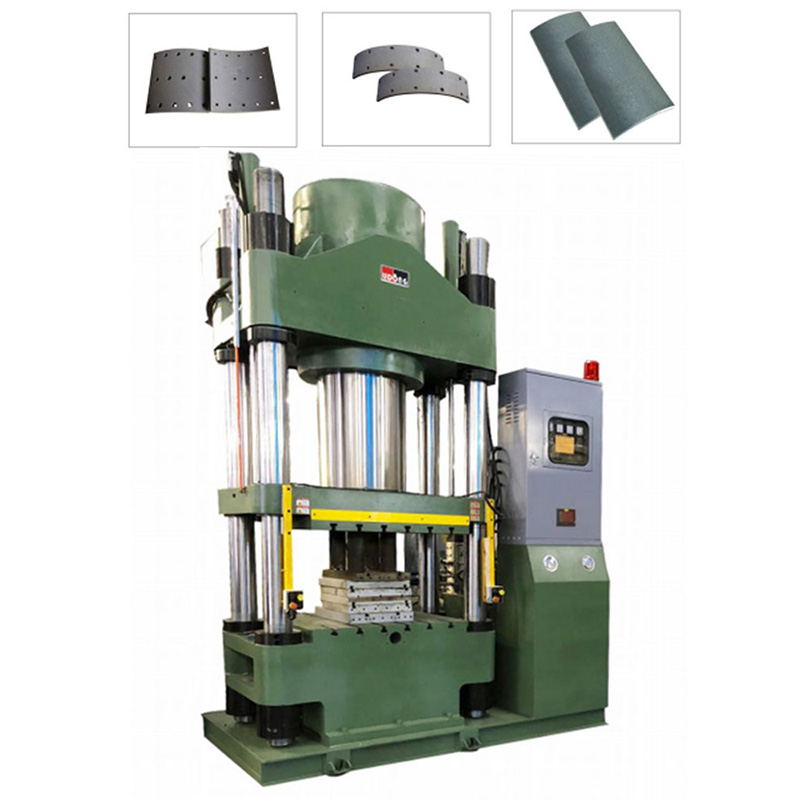
- Conveyor belts and industrial rubber sheeting: large single-platen presses with high tonnage and long platens to handle continuous or near-continuous lengths.
- Rubber-to-metal bonded parts: presses with precise pressure control to avoid distorting embedded metal components during the cure cycle.
Matching platen configuration to product dimensions upfront avoids costly mold rework later, since a press that's too small forces manufacturers to split large products into multiple pressing cycles, adding both time and the risk of seam inconsistencies.
Cost Considerations
Pricing scales significantly with platen size, tonnage, and automation level, so it helps to have a rough budget framework before requesting quotes.
- Small manual presses (under 300 tons): typically $10,000-$40,000
- Mid-size semi-automatic presses (300-600 tons): typically $40,000-$120,000
- Large or fully automatic presses (600+ tons, multi-layer): typically $120,000-$400,000+
Energy consumption is a significant ongoing cost factor that's often underweighted during purchasing decisions — a press with poor insulation or an inefficient heating system can add substantially to operating costs over its service life, sometimes exceeding the upfront price difference between heating system types within just a few years.
Quick Buying Checklist
Before finalizing a purchase, confirm the following:
- Does the platen size accommodate your largest planned product dimension with margin for future formats?
- Is the pressure range appropriate for your rubber compound's density and thickness?
- Can the heating system maintain uniform temperature within an acceptable tolerance across the full platen?
- Does the heating type (electric, steam, thermal oil) fit your facility's existing utility infrastructure?
- Does the machine meet relevant safety and industrial certification standards for your region?
Getting these specifications right from the outset avoids the two most common and expensive sourcing mistakes in this category: undersized platens that limit product range, and inadequate temperature control that leads to inconsistent cure quality.