 English
 عربى
عربى
 中文繁体
中文繁体

Content
A conveyor belt splice that fails is not simply a repair issue. It stops production, turns a planned maintenance window into an emergency call-out, and may damage the carcass beyond economical repair. A conveyor belt vulcanising machine eliminates that risk by turning a mechanically assembled joint into a molecular bond. The purchasing decision, therefore, is not about a model name or a generic catalogue photo. It is about matching heat, pressure, platen geometry, and control accuracy to the belts you actually run.
If you are evaluating your first machine or replacing an old vulcaniser, start with a simple rule: the machine has to make a splice that behaves like the rest of the belt. That requires controlled heat, sustained pressure, and a setup that can handle your belt width and splice pattern every time.
How a conveyor belt vulcanising machine creates a reliable splice
Vulcanisation is the chemical cross-linking of rubber under heat and pressure. In a conveyor belt splice, the machine does three things in a controlled sequence.
- It presses the prepared belt ends together with an uncured rubber insert and filler layers between the carcass plies.
- It heats the splice zone to the curing temperature of the rubber compound, typically 135 to 160 degrees Celsius depending on the cover polymer and the layer thickness.
- It holds the pressure and temperature for a defined dwell time so the rubber flows, cross-links, and becomes an integral part of the belt structure.
The splice pattern is decided before the machine is closed. A stepped splice removes the top cover, bottom cover, and portions of each carcass ply in successive layers. A finger splice cuts interlocking profiles into the belt ends and exposes more bonding area for the rubber compound. The machine's role starts after the belt is prepared, but the platen size and frame width must be sufficient for the whole pattern, not just the visible outer edge.
Uniform pressure matters more than peak pressure. A splice cured with uneven pressure will develop internal voids, and those voids become flexing cracks under normal belt tension. Cold vulcanising can keep a damaged belt moving for a short time, but it cannot reproduce the controlled pressure, temperature gradient, and cooling sequence that a vulcanising machine provides. For long-term service, hot vulcanisation is the standard.
Machine types and where they fit
There is no universal conveyor belt vulcaniser. The choice depends on whether you repair belts in a workshop, on a fixed site, or along mobile conveyor routes.
Portable and sectional belt vulcanisers
For maintenance work along conveyor lines, sectional machines are common. They clamp over the belt, heat from both sides, and are assembled from narrow top and bottom sections to form the required splice length. Buyers should check the width of each section against the widest belt they repair. Also check how the sections are aligned; poor alignment between sections creates a cold line across the splice, which is the first place a joint fails. Portable machines usually rely on hydraulic hoses and hand pumps, so the hose length, pump capacity, and number of clamping points all affect pressure distribution.
Fixed platen presses
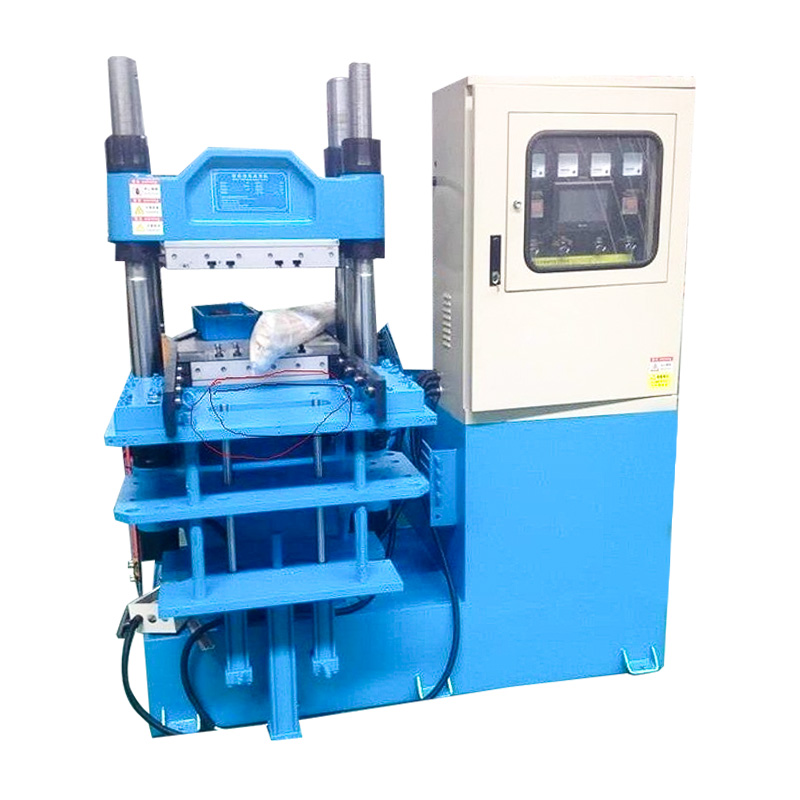
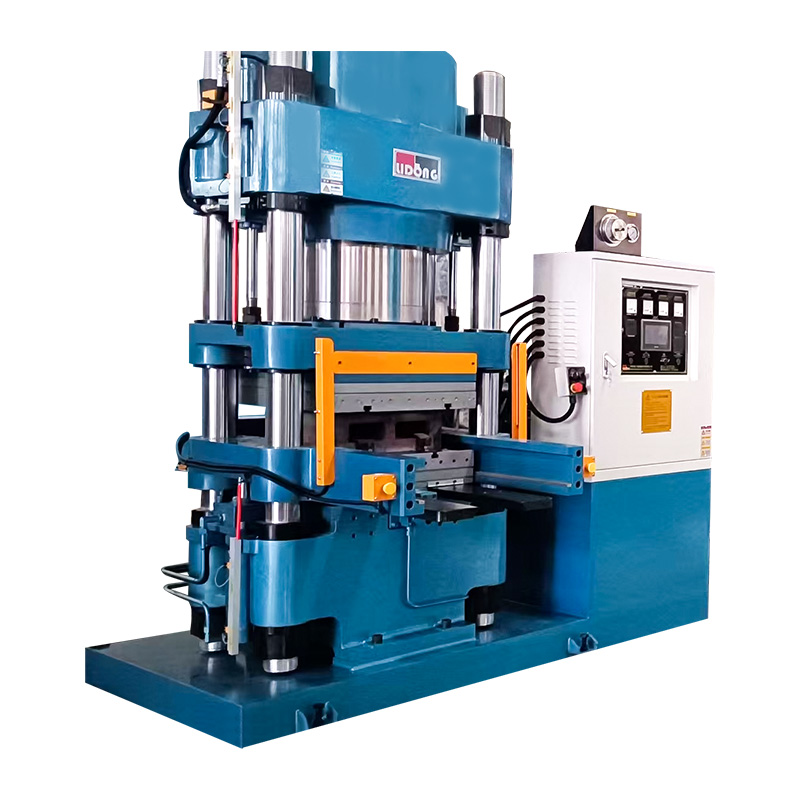
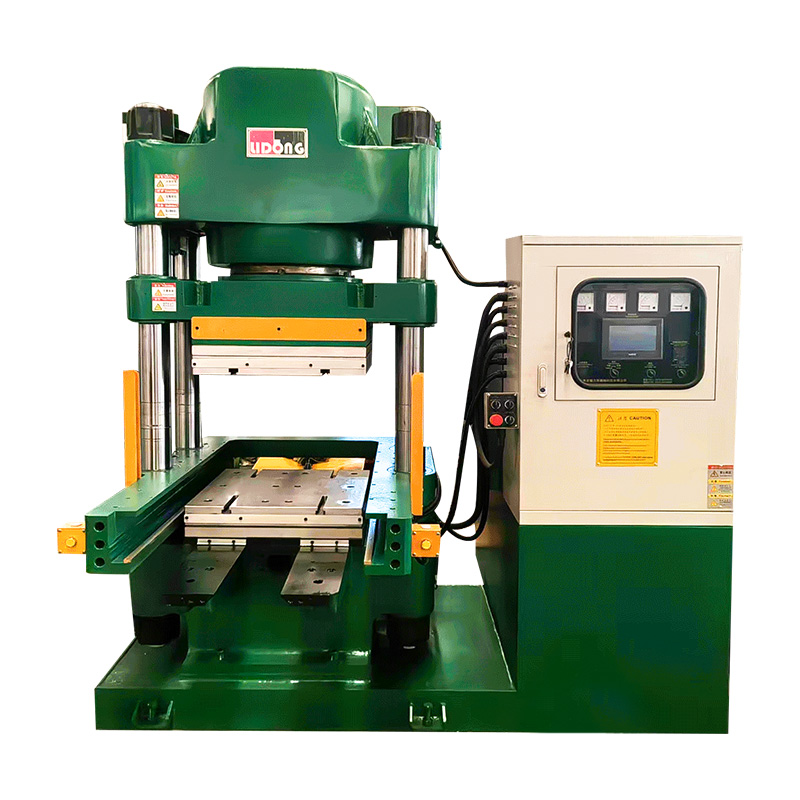
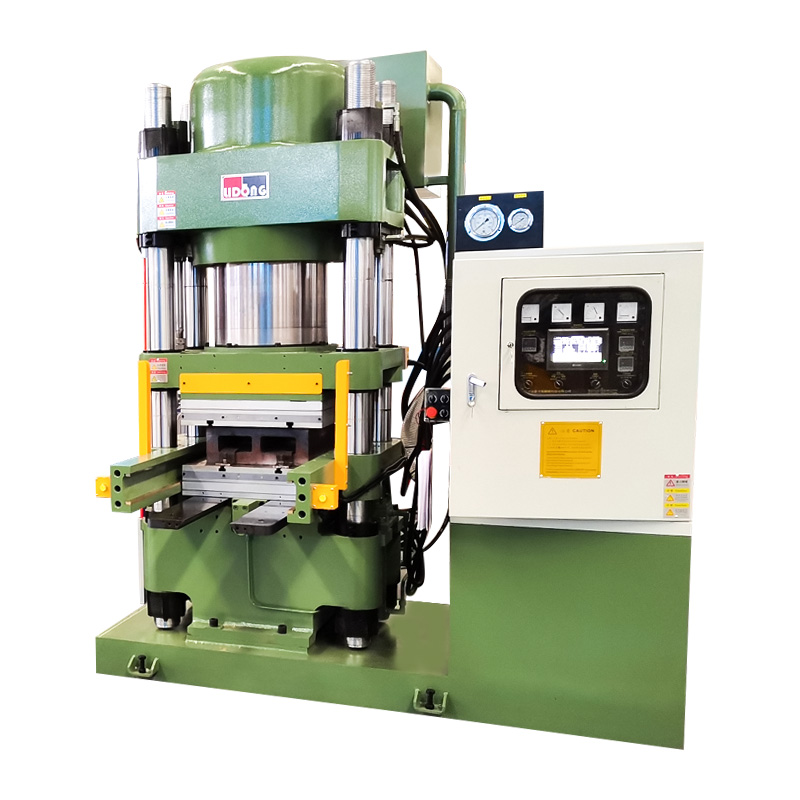
If belts are brought into a workshop, a fixed plate vulcanizing press gives a more rigid frame and more repeatable pressure control. It suits belts up to about 1600 mm wide and is practical when you make several splices per week because platen alignment and setup are faster. The frame must be stiff enough to resist the reaction force of the hydraulic cylinders without bending, since a flexible frame reduces pressure at the centre of the splice.
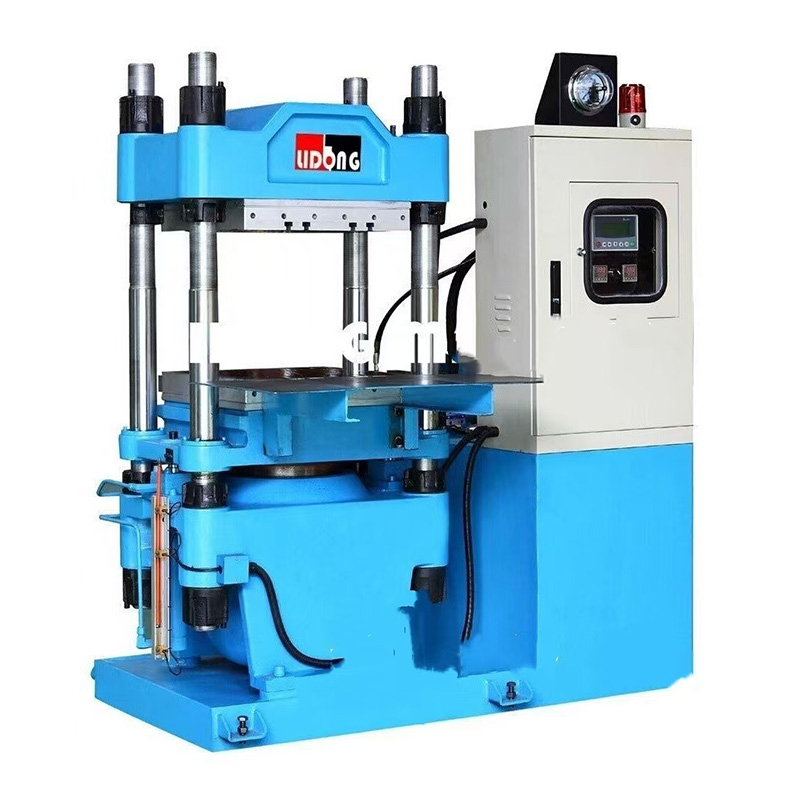 Plate Rubber Machine Manufacturers, Plate Vulcanizing Press FactoryNingbo Delidong Machinery is China Plate Rubber Machine Manufacturers and Plate Vulcanizing Press Factory, we offer custom Plate Vulcaniz...View Product →
Vacuum-assisted curing
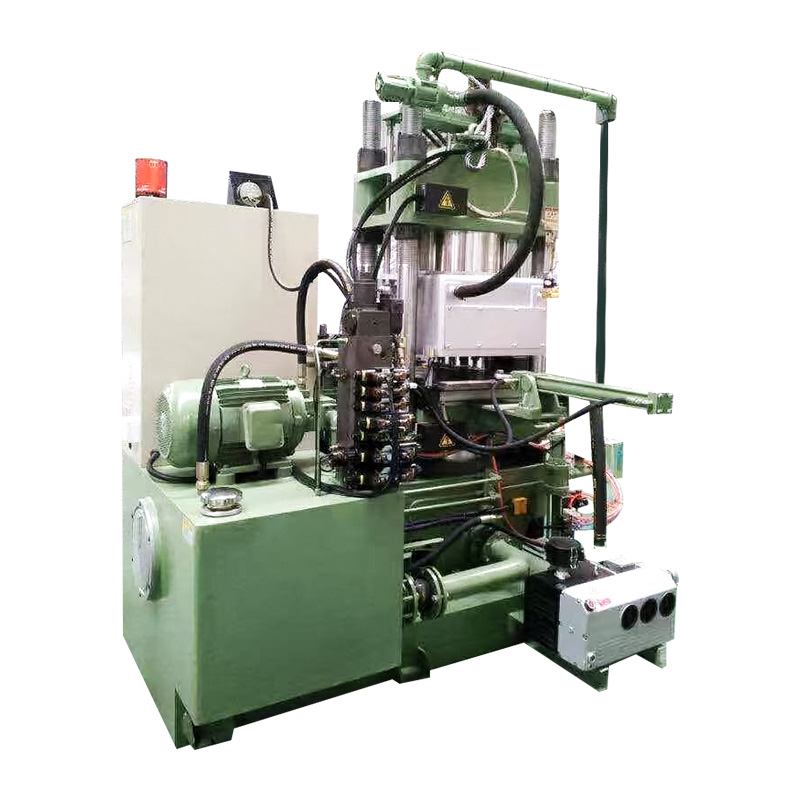
For shops that also produce rubber seals, gaskets, or dense rubber parts, a rubber vacuum vulcanizing machine removes trapped air and steam from the curing zone. Vacuum is not always necessary for open belt splicing, but it becomes valuable when the rubber compound is prone to blistering, when the workshop atmosphere contains dust, or when you cure materials such as silicone and other specialty mixes alongside standard belt repairs.
Selection criteria that decide splice quality
Before comparing prices, list the belt types you must splice. Belt width, carcass construction, cover compound, and splice geometry determine the required platen size, pressure, and heating capacity. A machine chosen for a narrow fabric belt will not have enough platen area or hydraulic force for a steel-cord belt of the same width.
Nylon and polyester fabric belts are relatively tolerant of temperature, but the splice geometry must line up correctly to avoid stress concentrations. Steel-cord belts demand more pressure and a slower temperature ramp, because the cords have a different thermal expansion rate from the rubber. The machine must be able to hold its pressure steady while the platens expand and the belt clamps creep.
| Parameter | What to verify | Practical impact |
|---|---|---|
| Platen size | Width and working length relative to your widest belt and splice pattern | A platen shorter than the splice leaves cold edges, which reduce the fatigue life of the joint. |
| Temperature range | Adjustability up to at least 160 degrees Celsius with stable control | Rubber compounds cure at specific temperatures; under-curing gives soft areas and over-curing makes the splice brittle. |
| Heating zones | Number and position of heating elements across the platen | Even heat distribution prevents uneven cross-link density across the belt width. |
| Pressure capacity | Maximum working pressure and whether it is adjustable | Pressure consolidates the rubber layers and eliminates micro-voids during cure. |
| Pressure holding | Ability to maintain preset pressure for the full curing cycle | Pressure decay allows the splice to relax and can cause peeling under operating tension. |
| Control unit | Digital controls for temperature, pressure, and cure time | Repeatable settings reduce operator dependence and protect the belt carcass. |
| Power supply | Voltage, phase, and current required at the installation point | An existing workshop supply may have insufficient capacity for a multi-zone heating system. |
Do not use the maximum platen width as the only dimension. The distance between the heating elements and the outside edge of the press frame matters, because a heavy belt absorbs heat differently from a light fabric belt. Ask for a temperature survey across the platen at operating temperature, not just a measured reading at one point.
Workshop workflow, site access, and operating cost
Measure the bench space and floor area around the machine. A splice pattern for a 1200 mm wide belt may be 600 to 900 mm long, but the belt also needs free approach distances on both sides. A small machine that cannot accommodate the belt without twisting will still produce a poor splice, even if the platen size looks correct.
On a mine or outdoor conveyor route, a portable vulcaniser needs a stable support frame and controls that can be read under bright daylight or inside a temporary cover. Hydraulic hand pumps are common, but a motorised pump saves significant labour when you splice a wide belt on a regular maintenance schedule. Air cooling after cure is another consideration. Some cures require pressure to be held while the splice cools to below 60 degrees Celsius. If the machine has no cooling circuit, plan for a longer wait on site.
Maintenance, verification, and supplier support
A vulcanising machine is only as reliable as its hydraulics and heating elements. Before purchasing, ask how heating cartridges are replaced, whether zones can be switched off individually, and whether the pressure gauge has a calibration record. If a machine fails during a splice, the belt stays clamped and production waits. Serviceability is therefore a purchasing factor, not an optional extra.
Watch for these warning signs when inspecting any used or new machine:
- A temperature difference of more than 5 degrees Celsius between the edge and centre of the platen will cause uneven cures.
- Hydraulic pressure that drops noticeably during the curing cycle indicates a leaking valve or a worn pump.
- Rubber residue or deep scratches on the platen cause local thickness variation and reduce pressure on the belt.
A manufacturer with experience in rubber vulcanizing machinery can give clearer advice on platen thickness, heater layout, and frame rigidity. Examine the build quality: verify that the frame ribs are welded properly, that the electrical junction box is sealed against dust, and that the pressure holding valves are sized for the platen area. For a complete technical comparison of the process, review this industry guide to rubber vacuum vulcanizing machines before you ask suppliers for commissioning records and test certificates.
Making the final purchase decision
Choose a conveyor belt vulcanising machine that fits a defined location, operates with written procedures, and can be maintained without custom tooling. Treat the belt specification and splice pattern as the primary inputs. Then compare machines on heating uniformity, pressure stability, frame stiffness, and control accuracy rather than on maximum temperature or a large platen in a low-priced package.
If a supplier can demonstrate how its machine behaves on a splice the same width as yours, and can explain the limits of its heating and pressure system, that is a stronger signal than a long list of features. A correctly specified vulcanising machine will hold a splice for years of service; the wrong one will be obvious within the first few weeks.