 English
 عربى
عربى
 中文繁体
中文繁体

Content
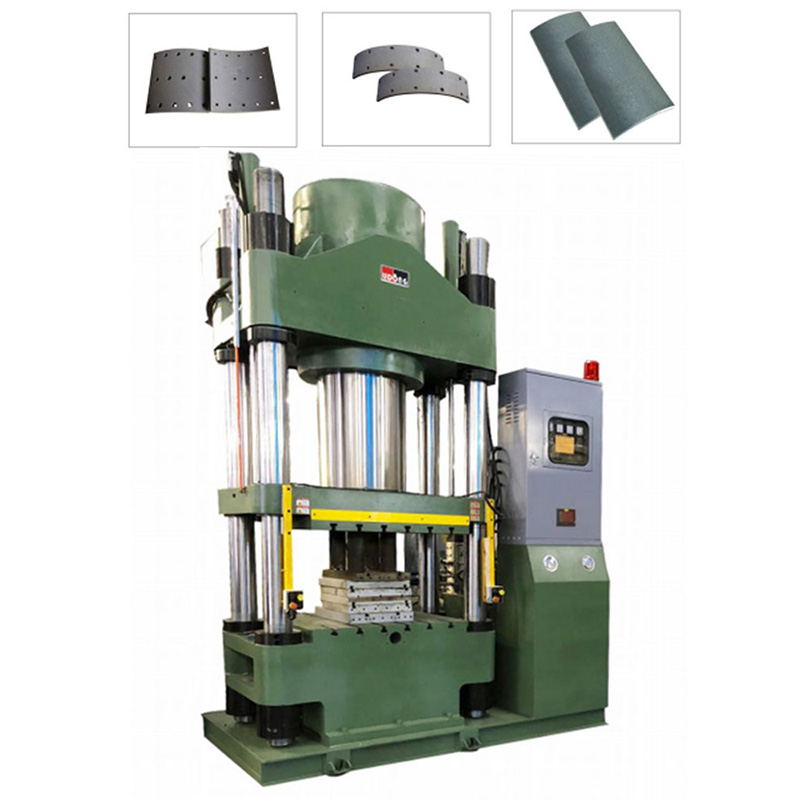
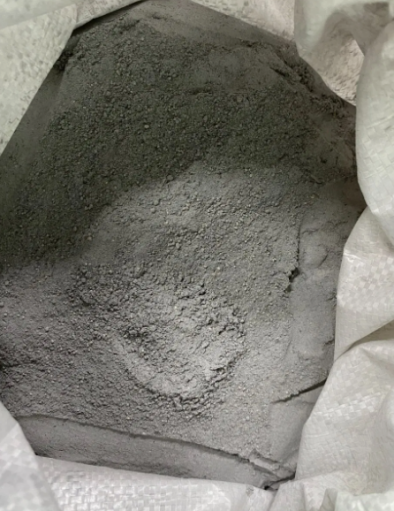
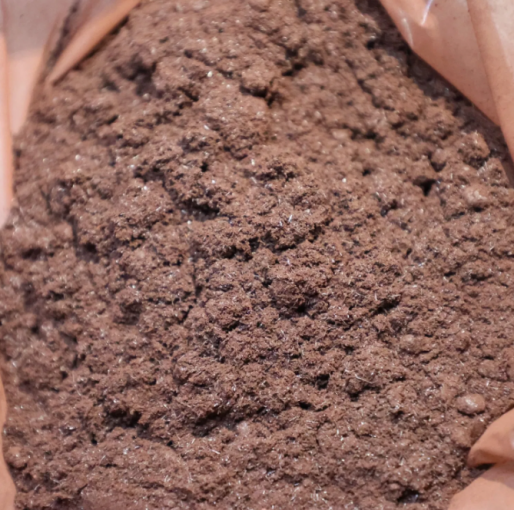
Friction material is the core functional layer of a brake pad, directly determining the brake pad's braking performance, noise reduction, wear resistance, high-temperature resistance, and service life. Different application scenarios—passenger vehicles, commercial vehicles, engineering machinery, motorcycles—require matching friction materials. Scientific material selection is the core prerequisite for producing high-quality, compliant, and cost-effective brake pads. This article provides a detailed analysis of the core performance of mainstream friction materials and offers professional selection recommendations for different production scenarios.
 |
 |
 |
I. Five Core Performance Characteristics of High-Quality Friction Materials
Regardless of the type of friction material, qualified products must meet five core performance standards to be suitable for large-scale mass production and compliant market applications.
1. Stable Friction Coefficient
This is the most critical indicator of a friction material. High-quality materials can maintain a stable friction coefficient under low-temperature, room-temperature, and high-temperature conditions, avoiding thermal fade and insufficient braking force during continuous braking. The friction coefficient fluctuation of qualified commercial friction materials can be controlled within ±0.02, ensuring linear and stable braking with a consistent pedal feel.
2. Excellent High-Temperature and Thermal Stability
At the moment of vehicle braking, brake pad temperature can reach 300-600°C. High-quality friction materials will not decompose, carbonize, or fail under high-temperature conditions, effectively eliminating the risk of brake failure at high temperatures, and are suitable for high-frequency, high-intensity braking scenarios.
3. Low Wear, Long Service Life
While ensuring sufficient braking force, the material itself has a low wear rate and causes minimal wear to the brake disc, effectively extending the brake pad replacement cycle and reducing vehicle maintenance costs.
4. Low Noise, Low Dust, Environmentally Friendly
High-quality environmentally friendly friction materials can effectively suppress brake noise and squealing, produce low brake dust emissions, comply with mainstream global environmental standards, and meet the requirements of mid-to-high-end vehicle OEM supply.
5. Strong Compression Resistance, Good Molding Compatibility
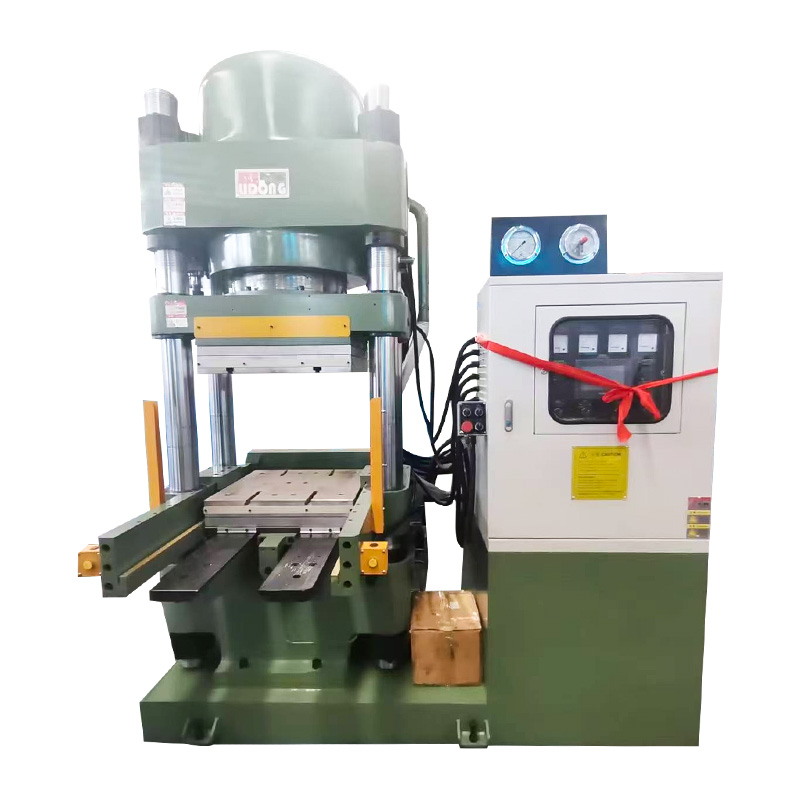
The material is compatible with the hot-press molding process of brake pad presses, with excellent flowability and adhesion, allowing it to bond tightly with the steel backing. After molding, it is resistant to delamination and cracking, resulting in a high finished product pass rate.
II. Comparison of Mainstream Friction Material Types and Characteristics
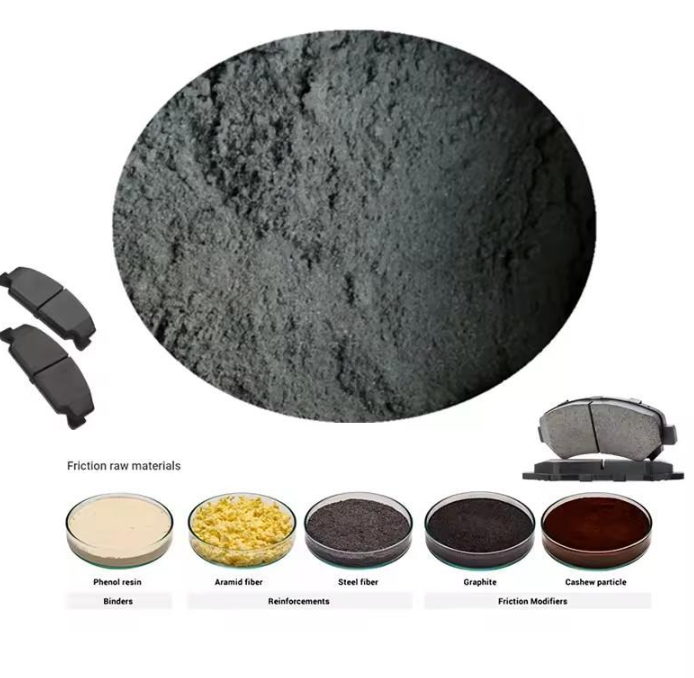
2.1 Semi-Metallic Friction Material
Semi-metallic materials contain 30%-65% steel fiber, iron powder, and other metallic materials, offering excellent heat dissipation performance, high structural strength, high-temperature resistance, and strong braking force, making them suitable for heavy-load, high-frequency braking conditions.
Advantages: Controllable cost, strong load-bearing capacity, good thermal conductivity, suitable for trucks, engineering machinery, and other heavy-duty commercial vehicles
Disadvantages: Noticeable low-temperature braking noise, high dust volume, and a certain degree of wear on the brake disc
2.2 Low-Metallic NAO Organic Material
NAO (Non-Asbestos Organic) low-metallic material is formulated primarily from organic fibers, resin binders, and inorganic fillers, containing no asbestos and low metal content.
Advantages: Low noise, low dust, comfortable braking, high cost-effectiveness, suitable for family passenger cars and light passenger vehicles
Disadvantages: Average high-temperature resistance; prone to thermal fade under prolonged high-load braking
2.3 Ceramic Friction Material
Ceramic friction material is composed of nano-ceramic particles, ceramic fibers, and specialized resin composites, offering extremely strong thermal stability and an extremely low thermal fade rate.
Advantages: Quiet braking, minimal dust, wear-resistant and durable, minimal wear on the brake disc, suitable for high-end passenger vehicles, new energy vehicles, and performance models
Disadvantages: Relatively high raw material cost, not suitable for low-end, low-cost products
2.4 Powder Metallurgy Friction Material
This material is made by pressing and sintering metal powder at high temperature, offering extreme high-temperature resistance and impact resistance, suitable for high-speed rail, heavy industrial machinery, large engineering equipment, and other extreme working conditions.
Advantages: Strong stability under extreme conditions, extremely long service life
Disadvantages: Complex molding process, high production cost, not suitable for ordinary civilian passenger vehicles
III. Scientific Selection Standards for Friction Materials
Family passenger vehicles, light commercial vehicles: Prioritize low-metallic NAO materials, balancing comfort, cost, and basic braking performance
Heavy trucks, engineering machinery, mountainous high-frequency braking vehicles: Choose semi-metallic materials to resist high-temperature thermal fade and ensure heavy-load braking safety
High-end fuel vehicles, new energy vehicles, performance models: Use ceramic friction materials to meet low-noise, environmentally friendly, and high-speed stable braking requirements
Heavy industry, high-speed equipment, and other extreme working conditions: Choose powder metallurgy materials to ensure braking stability under extreme conditions
IV. Material Molding Process Adaptation Techniques
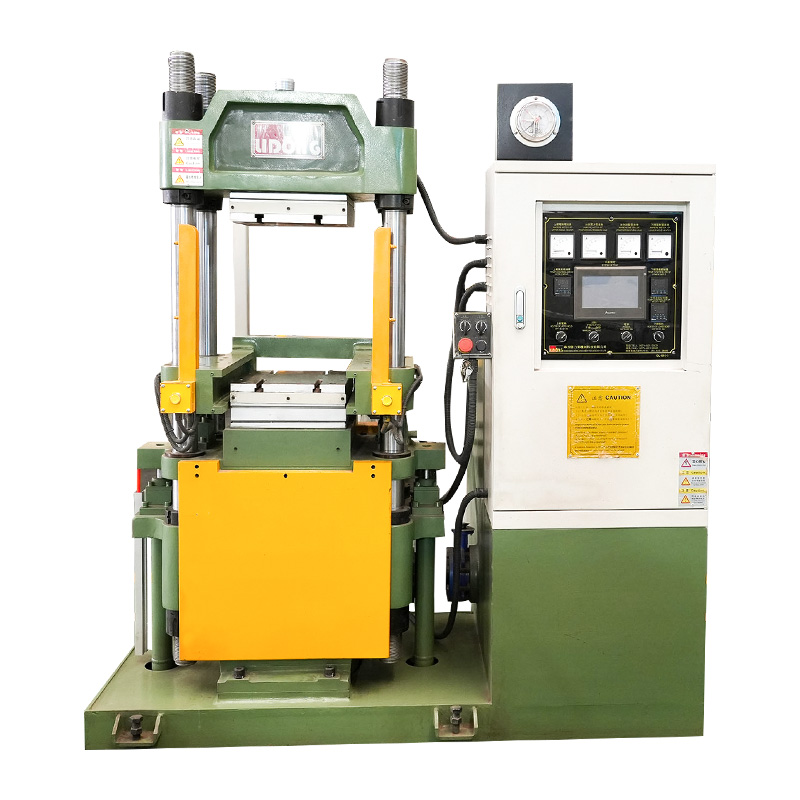
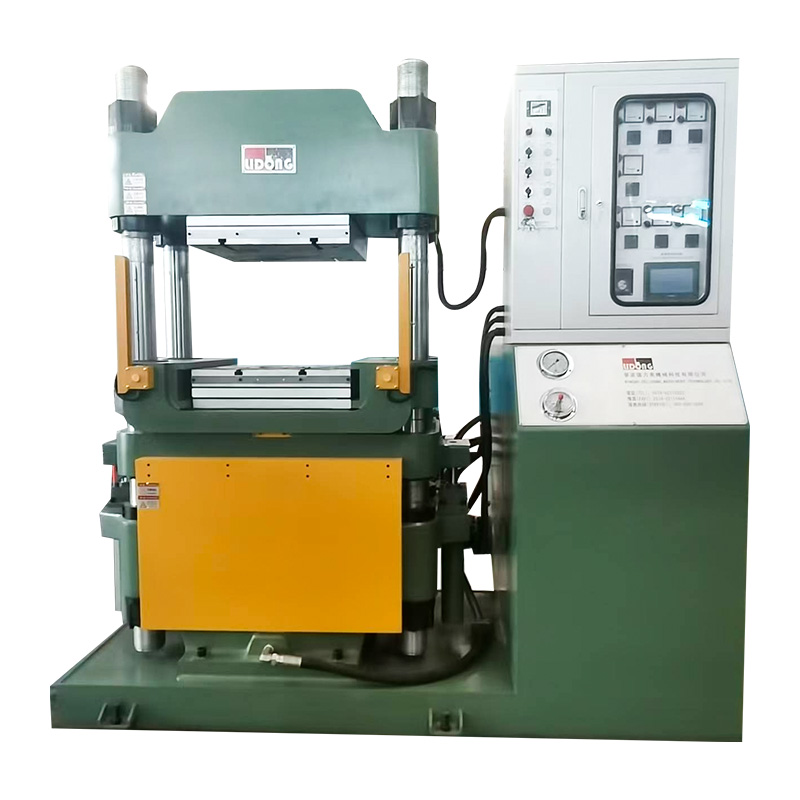
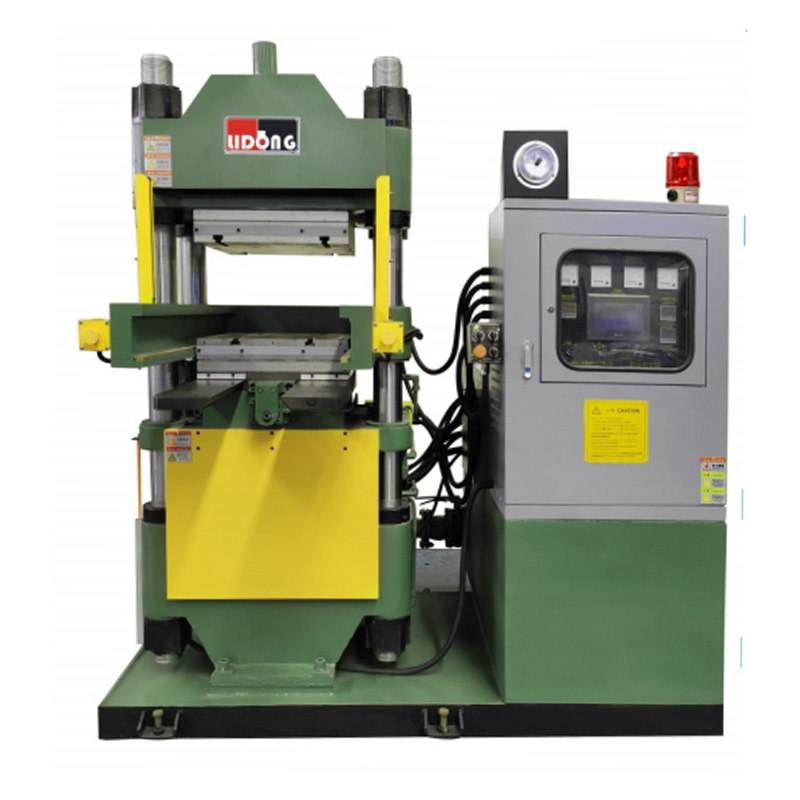
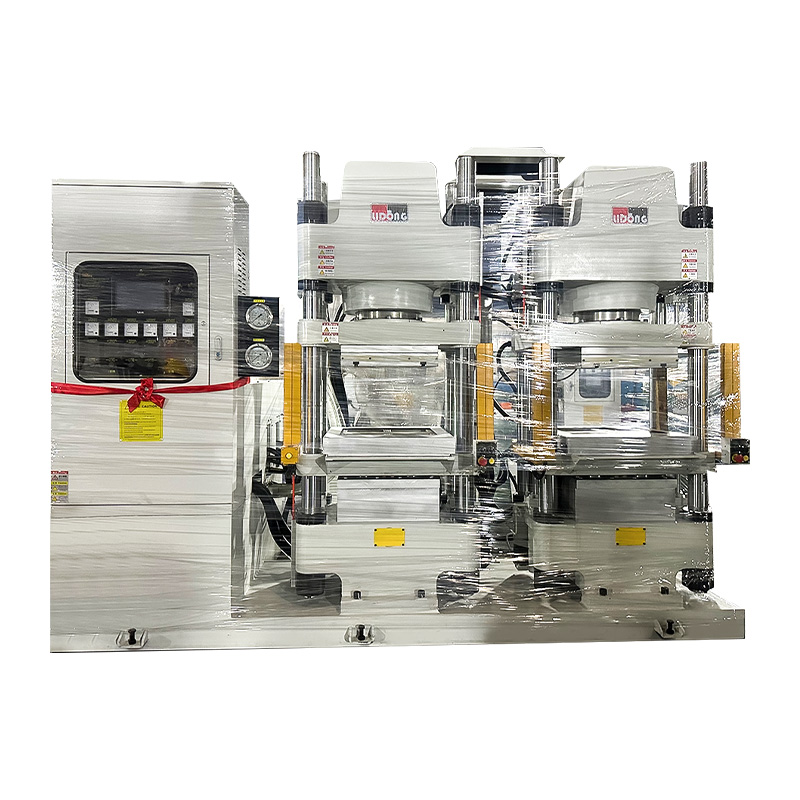
Different friction materials require different brake pad press molding parameters:
Semi-metallic materials: Require higher molding pressure and longer pressure-holding time
Ceramic materials: Require precise constant-temperature control to avoid high temperatures damaging the material's internal structure
NAO materials: Require stable and uniform pressure to ensure consistent density of the finished product
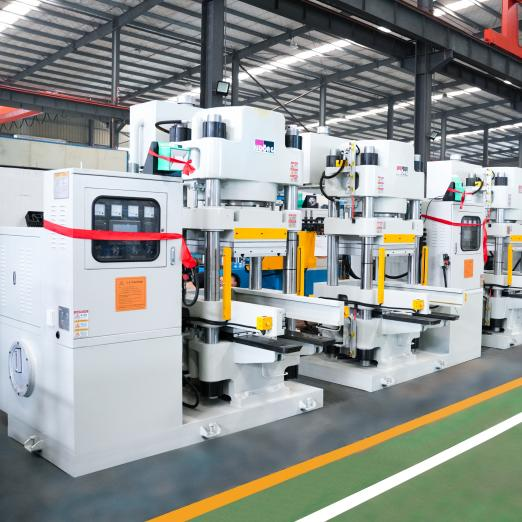
Only by pairing materials with professionally adapted brake pad molding equipment can the performance advantages of each type of friction material be maximized.
Summary
Friction material determines the fundamental quality of a brake pad. Blindly selecting materials can easily lead to hidden risks such as noise, excessive wear, and high-temperature failure. Only by precisely selecting materials based on product positioning and usage scenarios, combined with high-precision molding equipment, can a high-quality brake pad that balances safety, durability, and comfort be created.