 English
 عربى
عربى
 中文繁体
中文繁体

Content
- 1 What Is a Rubber Vacuum Vulcanizing Machine?
- 2 Core Components and Their Functions
- 3 Types of Rubber Vacuum Vulcanizing Machines
- 4 Technical Specifications: What to Look for When Selecting Equipment
- 5 The Vulcanization Process Step-by-Step
- 6 Advantages of Vacuum Vulcanization Over Conventional Methods
- 7 Key Applications Across Industries
- 8 Process Optimization: Getting the Best Results from Your Machine
- 9 Maintenance Requirements and Preventive Care
- 10 Energy Efficiency and Environmental Considerations
- 11 How to Evaluate Suppliers and Compare Quotes
- 12 Future Trends in Rubber Vacuum Vulcanizing Technology
- 13 Frequently Asked Questions (FAQ)
- 13.1 What is the difference between a vacuum vulcanizing machine and a standard hydraulic vulcanizing press?
- 13.2 Which rubber compounds are most suitable for vacuum vulcanization?
- 13.3 How long does a typical vacuum vulcanization cure cycle take?
- 13.4 What vacuum level is necessary for effective rubber vulcanization?
- 13.5 Can a rubber vacuum vulcanizing machine process rubber-to-metal bonded components?
- 13.6 What are the most common causes of product defects in vacuum vulcanization, and how can they be prevented?
- 13.7 How do I determine the right machine size for my production requirements?
- 13.8 Is vacuum vulcanization suitable for liquid silicone rubber (LSR) injection molding?
- 13.9 What safety precautions are required when operating a rubber vacuum vulcanizing machine?
- 13.10 What is the typical service life of a rubber vacuum vulcanizing machine, and what factors affect longevity?
- 14 References
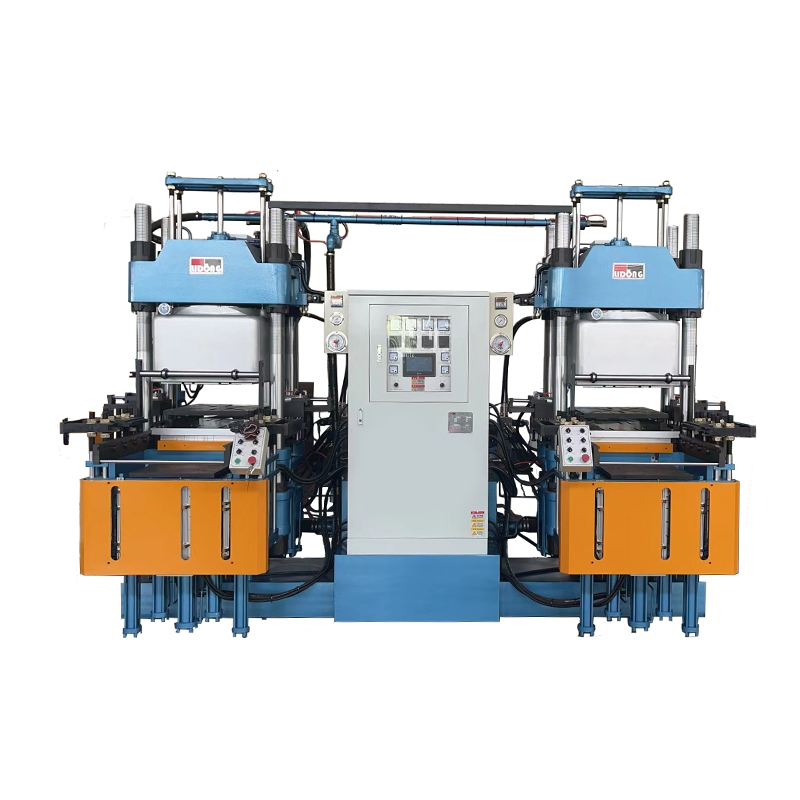
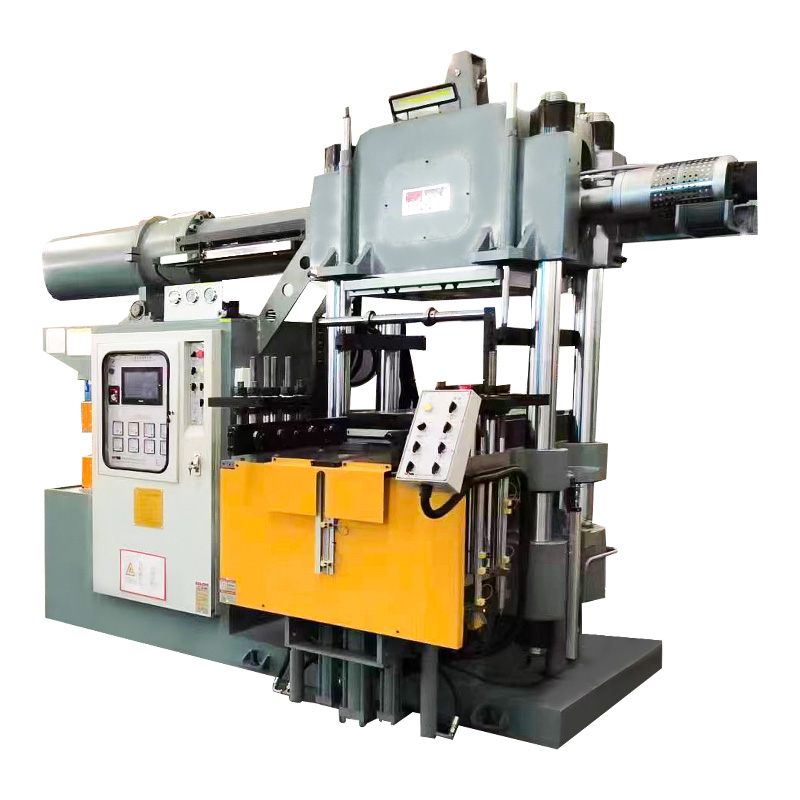
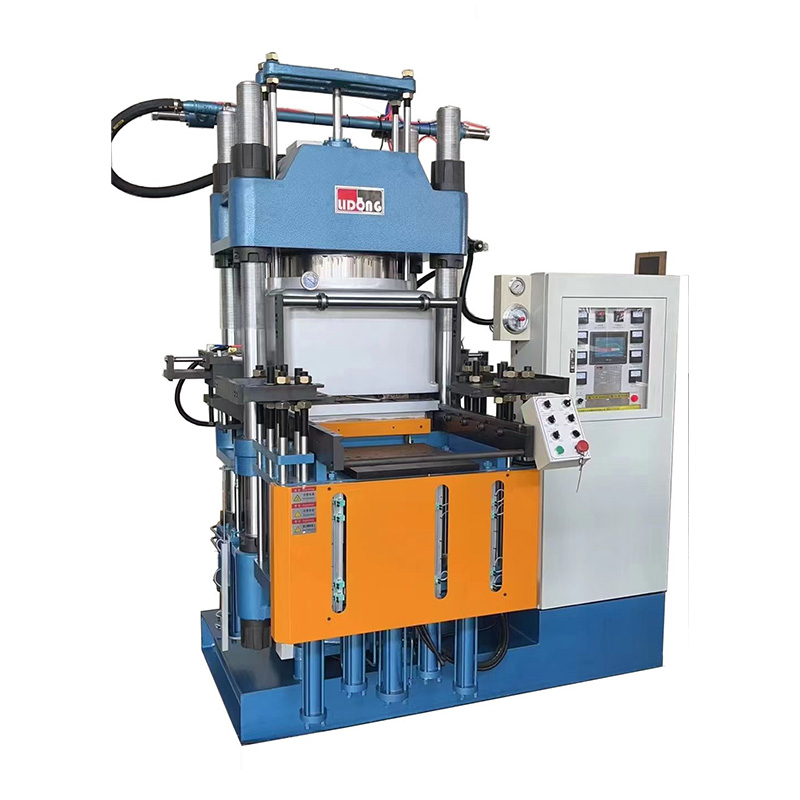
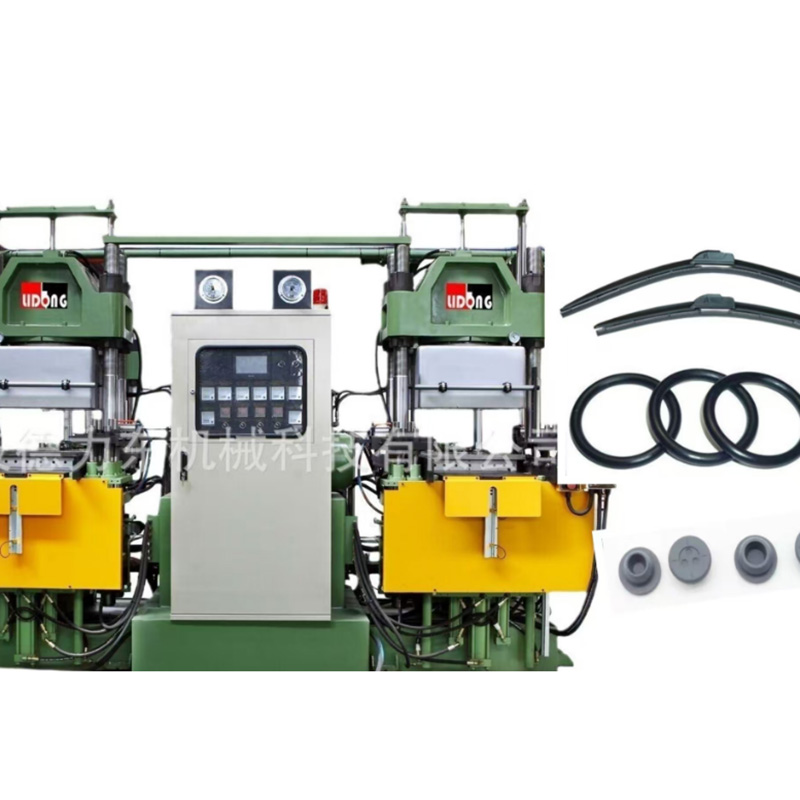
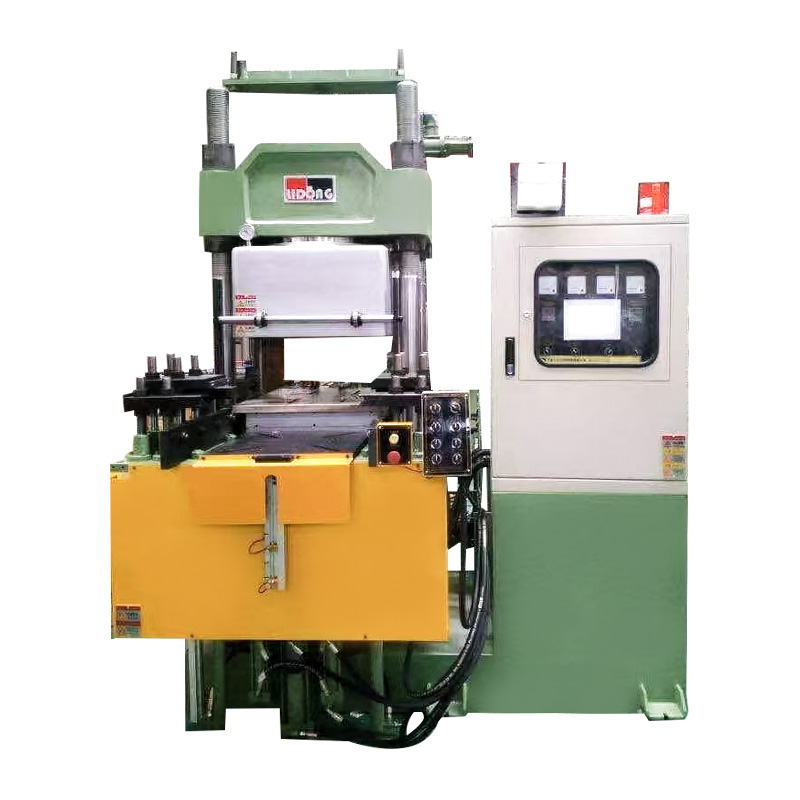
The rubber vacuum vulcanizing machine is an industrial equipment that uses heat and pressure within a vacuum environment to cure rubber compounds, eliminating air entrapment, preventing porosity, and producing superior-quality rubber products with enhanced mechanical properties. It is the preferred vulcanization solution for precision components, complex molds, and high-performance rubber parts across aerospace, automotive, medical, and electronics industries.
What Is a Rubber Vacuum Vulcanizing Machine?
Vulcanization is the chemical process of cross-linking rubber polymer chains using sulfur or other curing agents under heat and pressure, transforming raw rubber into a durable, elastic, and heat-resistant material. A rubber vacuum vulcanizing machine accomplishes this process inside a sealed vacuum chamber, which removes air and moisture from the rubber compound and the mold cavity before and during the curing cycle.
The fundamental working principle involves three sequential operations:
- The rubber compound and mold are placed inside a sealed chamber.
- A vacuum pump evacuates the chamber to a target vacuum level, typically between -0.095 MPa and -0.1 MPa, removing trapped air bubbles and volatile contaminants.
- Heat is applied—either through electric heating plates, steam, or hot oil circulation—to initiate and complete the vulcanization reaction while the vacuum is maintained or released in a controlled manner.
The key distinction between a standard press vulcanizer and a vacuum vulcanizing machine lies in the elimination of air entrapment. In conventional vulcanization, air pockets trapped within the rubber or at the mold-rubber interface result in voids, blisters, and surface defects. The vacuum environment physically removes these air pockets before curing begins, resulting in a denser, more uniform product.
Core Components and Their Functions
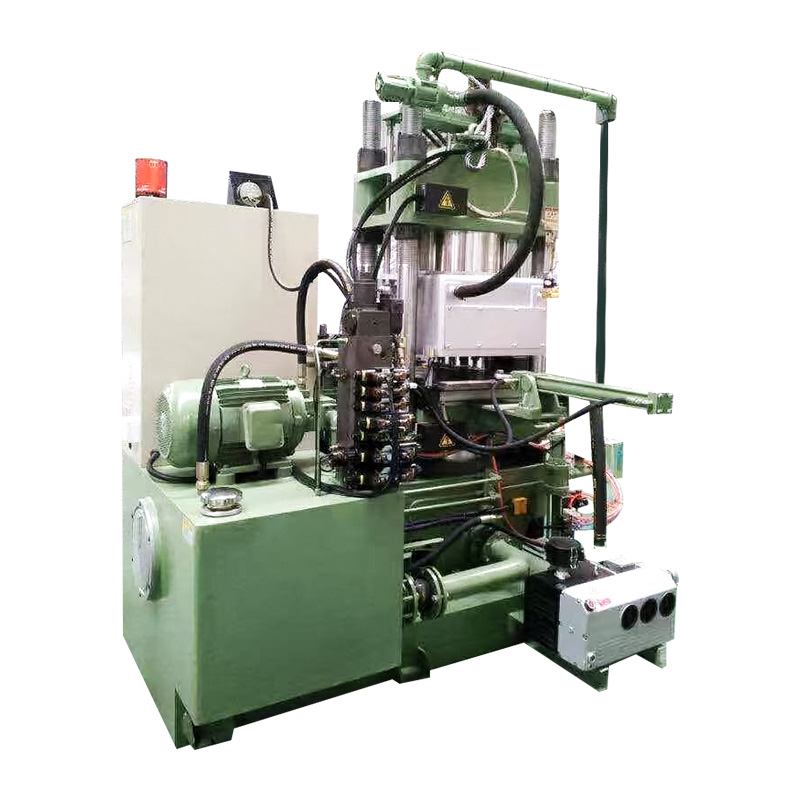
Understanding the architecture of a rubber vacuum vulcanizing machine helps engineers specify the right equipment and maintain it effectively.
Vacuum System
The vacuum system is the defining component that sets this equipment apart. It typically consists of a vacuum pump (rotary vane or oil-sealed type), vacuum reservoir tank, vacuum gauges, solenoid valves, and connecting pipelines. High-performance machines achieve vacuum levels of -0.098 MPa or better, which is sufficient to remove nearly all entrained air from rubber compounds and mold cavities. The pump capacity is matched to the chamber volume to achieve target vacuum within 2–5 minutes in most industrial configurations.
Heating Platens
Electric resistance heating platens are the most common heat source in modern vacuum vulcanizing machines. They are fabricated from high-strength steel with embedded resistance elements, providing uniform temperature distribution across the platen surface. High-end machines maintain temperature uniformity of ±2°C across the platen surface, which is critical for consistent cure depth and product quality. Steam-heated platens are used in large-format machines where higher thermal mass is required, while hot-oil systems are preferred when very high temperatures (above 200°C) are needed.
Hydraulic Pressing System
The hydraulic system generates the clamping force required to hold the mold closed during vulcanization and to apply molding pressure to the rubber compound. Clamping pressures typically range from 5 MPa to 25 MPa depending on the product geometry and rubber formulation. Modern machines use servo-hydraulic systems that allow precise pressure profiling throughout the cure cycle, enabling multi-stage pressure sequences that optimize rubber flow and cure uniformity.
Vacuum Chamber and Sealing
The vacuum chamber must maintain a reliable seal throughout the cure cycle, even at elevated temperatures. Chambers are fabricated from structural steel with machined sealing faces and high-temperature O-ring or lip-seal systems. The chamber volume is sized to accommodate the largest mold stack the machine is designed to process, with typical chamber depths ranging from 150 mm to 600 mm for standard industrial machines.
Control System
Modern rubber vacuum vulcanizing machines are equipped with PLC-based control systems featuring touchscreen HMIs. These systems manage the full cure cycle, including vacuum pump sequencing, temperature ramp-up, pressure application, vacuum hold or release timing, and cool-down. Advanced systems store hundreds of cure recipes and provide real-time data logging for quality traceability. Some high-end models integrate Industry 4.0 connectivity, enabling remote monitoring and process optimization.
Types of Rubber Vacuum Vulcanizing Machines
The market offers several configurations tailored to different production environments and product requirements.
Single-Layer Flat Plate Vacuum Vulcanizing Press
This is the most common configuration for laboratory, toolroom, and small-batch production applications. It features a single set of heated platens with an integrated vacuum chamber around the mold area. Typical platen sizes range from 300×300 mm to 800×800 mm, with clamping forces from 100 kN to 1,000 kN. These machines are valued for their simplicity, ease of loading, and fast changeover between different molds.
Multi-Layer (Daylight) Vacuum Vulcanizing Press
Multi-daylight machines accommodate multiple mold stacks simultaneously, dramatically increasing production throughput without proportionally increasing floor space. A typical 4-daylight machine can process four mold stacks in one cure cycle, effectively quadrupling output compared to a single-layer machine of the same footprint. Platen temperatures can be individually controlled per layer on advanced models, accommodating different rubber formulations or product thicknesses in the same cycle.
Rotary Vacuum Vulcanizing Machine
Rotary configurations use a carousel or turntable to rotate multiple mold stations through loading, curing, and unloading positions. This design enables near-continuous production with short operator cycle times. Rotary vacuum vulcanizers are commonly used for seals, O-rings, gaskets, and other high-volume precision components where cycle times are short (typically 3–8 minutes) and volumes are large.
Autoclave-Type Vacuum Vulcanizing System
For very large or complex rubber-metal bonded components—such as aircraft engine mounts, large industrial vibration isolators, or submarine hull sections—autoclave-type systems provide vulcanization in a large-diameter cylindrical pressure vessel. The rubber assembly is placed inside, vacuum is drawn, and then pressure (up to 10 bar) and heat are applied via hot air or steam. Autoclave systems handle parts that are impossible to process in a conventional platen press.
Vacuum Bag Molding Systems
Used primarily in composite and specialty rubber applications, vacuum bag systems enclose the rubber lay-up or compound in a flexible vacuum bag that is evacuated before and during cure in an oven or autoclave. This approach is highly flexible for non-standard geometries and is widely used in aerospace rubber component fabrication.
Technical Specifications: What to Look for When Selecting Equipment
Choosing the right rubber vacuum vulcanizing machine requires careful evaluation of technical specifications against production requirements.
| Parameter | Laboratory / Toolroom | Medium Production | High-Volume Production |
|---|---|---|---|
| Platen Size (mm) | 300×300 – 400×400 | 500×500 – 700×700 | 800×800 – 1200×1200 |
| Clamping Force (kN) | 100 – 300 | 500 – 1,500 | 2,000 – 10,000 |
| Max Temperature (°C) | 200 | 220 | 250+ |
| Vacuum Level (MPa) | -0.095 to -0.1 | -0.098 to -0.1 | -0.1 (with booster pump) |
| Temperature Uniformity | ±3°C | ±2°C | ±1.5°C |
| Daylight Openings | 1 | 1–4 | 4–12 |
| Installed Power (kW) | 5 – 15 | 20 – 60 | 80 – 300+ |
Beyond the numbers in the table above, buyers should evaluate the quality of the vacuum sealing system, the responsiveness of the temperature control loop, the type of hydraulic system (fixed-displacement vs. servo-hydraulic), and the level of after-sales support offered by the manufacturer.
The Vulcanization Process Step-by-Step
A thorough understanding of the cure cycle enables process engineers to optimize quality and throughput.
Step 1: Compound Preparation and Mold Loading
The rubber compound—whether a pre-form, strip, or sheet—is cut or weighed to the correct charge weight for the mold cavity. The mold is cleaned, inspected, and treated with mold release agent. The rubber charge is placed in the mold cavity, and the mold is closed. The loaded mold is then positioned between the heated platens of the vacuum vulcanizing machine. For multi-cavity or multi-layer setups, all molds are loaded before the chamber door is sealed.
Step 2: Chamber Sealing and Vacuum Evacuation
Once the mold stack is positioned, the vacuum chamber is sealed and the vacuum pump is activated. The chamber pressure drops from atmospheric (approximately 0.1 MPa absolute) to the target vacuum level, typically below 1,000 Pa (0.01 bar) absolute, within 2–5 minutes depending on chamber volume and pump capacity. This evacuation step removes:
- Air entrained within the rubber compound during mixing and calendering
- Air trapped in mold cavities and at rubber-mold interfaces
- Moisture and low-boiling-point volatiles that could cause porosity
- Residual mold release agents and surface contaminants
Step 3: Pressure Application and Cure Initiation
With vacuum established, the hydraulic system applies clamping force to close the platens against the mold stack. The mold pressure compresses the rubber compound, promoting flow into fine mold details and establishing intimate contact with metal inserts or fabric reinforcements. Platen temperature—which has typically been pre-set and pre-heated before loading—initiates the vulcanization reaction immediately upon contact with the rubber compound.
Step 4: Isothermal Cure Hold
The cure hold phase is the core of the vulcanization process. Temperature and pressure are maintained for the prescribed cure time, which is determined by the rubber formulation and the minimum cure time at the specified temperature. Common cure parameters:
- Natural rubber (NR) general-purpose compounds: 150–160°C, 8–15 minutes
- EPDM sealing compounds: 160–175°C, 5–10 minutes
- Silicone rubber (VMQ): 160–180°C, 5–8 minutes (post-cure in oven required)
- Fluoroelastomer (FKM/Viton): 175–200°C, 5–15 minutes
- Neoprene (CR): 150–165°C, 10–20 minutes
During the cure hold, the vacuum may be maintained, gradually released, or pulsed depending on the compound and product requirements. Maintaining vacuum during cure prevents reintroduction of air, while controlled venting can assist rubber flow in complex geometries.
Step 5: Mold Opening and Part Demolding
At the end of the cure cycle, the hydraulic system releases pressure, the chamber vents to atmosphere, and the platens open. The mold is extracted from the machine, opened, and the cured rubber part is demolded. Flash removal, visual inspection, and dimensional checks are performed before parts proceed to downstream operations.
Advantages of Vacuum Vulcanization Over Conventional Methods
The investment in vacuum vulcanizing technology is justified by measurable improvements in product quality, yield, and process capability.
Elimination of Porosity and Voids
This is the primary advantage. Conventional vulcanization in open molds or simple hydraulic presses frequently produces parts with internal voids, surface blisters, and subsurface porosity—especially when processing thick sections, compounds with high filler loading, or rubber bonded to metal inserts with complex internal channels. Vacuum vulcanization reduces void content to below 0.5% by volume in most applications, compared to 2–5% or more in conventional processes. This translates directly to improved fatigue life, pressure-holding capability, and dimensional consistency.
Improved Surface Quality
The absence of air at the mold-rubber interface allows the compound to fully replicate fine mold surface details. Products molded under vacuum exhibit sharper parting lines, better replication of mold textures, and fewer surface defects. For products where surface appearance is critical—such as medical devices, automotive interior seals, or consumer products—vacuum vulcanization eliminates costly secondary finishing operations.
Better Bonding in Rubber-Metal and Rubber-Fabric Composites
Many industrial rubber products incorporate metal inserts, steel wire reinforcement, or fabric plies. Air trapped at the rubber-substrate interface is the primary cause of adhesion failure in these products. Vacuum evacuation ensures complete and intimate contact between the rubber compound and all substrate surfaces before and during cure. Bond strength improvements of 20–40% compared to conventional press vulcanization have been documented in rubber-to-metal bonded vibration isolators and rubber-coated roller applications.
Lower Porosity in Thick Sections
Thick-section rubber products (wall thickness greater than 20 mm) are particularly prone to porosity because the surface cures faster than the core, trapping gas evolution from the curing reaction in the interior. Vacuum vulcanization removes the air before cure begins, and careful temperature profiling ensures that the core reaches cure temperature before the surface over-cures, resulting in uniform cross-linking throughout the section.
Reduced Flash and Material Waste
Because vacuum evacuation removes air from the mold cavity before pressure is applied, the rubber compound flows into mold details more uniformly and completely with lower injection pressure. This reduces flash generation at parting lines and reduces the charge weight needed to completely fill the cavity, lowering material consumption by 3–8% in typical production scenarios.
Compliance with High-Performance Standards
Industries including aerospace (AS9100), medical devices (ISO 13485), and defense procurement routinely specify vacuum vulcanization as a mandatory process requirement for critical rubber components. Having vacuum vulcanizing capability is often a prerequisite for supplier qualification in these sectors.
Key Applications Across Industries
The rubber vacuum vulcanizing machine is not a niche piece of equipment—it is a production workhorse across a wide range of industries where rubber quality cannot be compromised.
Aerospace and Defense
Aircraft engine mounts, fuselage door seals, hydraulic system O-rings, anti-vibration pads, and fuel system gaskets are routinely produced using vacuum vulcanization. The aerospace industry's zero-tolerance approach to material defects makes vacuum processing mandatory. For example, engine mount isolators on commercial aircraft must pass 100% ultrasonic inspection, a test that immediately rejects any part with internal voids—a standard that only vacuum vulcanization can reliably meet.
Automotive
Automotive applications include intake manifold gaskets, powertrain vibration isolators, steering rack boots, brake system seals, electric vehicle battery pack seals, and NVH (noise, vibration, harshness) control components. The automotive sector drives high-volume demand for vacuum vulcanizing equipment, particularly multi-daylight machines capable of producing thousands of parts per day with consistent quality.
Medical Devices
Silicone rubber medical components—including diaphragms, valve seats, tubing connectors, and implant-adjacent sealing elements—require void-free construction to ensure sterilization integrity and biocompatibility. Medical-grade silicone vacuum vulcanization typically uses ultra-high purity mold release agents or no release agents at all, with clean-room adjacent processing environments to prevent particulate contamination.
Electronics and Semiconductor
Semiconductor fabrication equipment uses fluoroelastomer (FKM) O-rings, gaskets, and diaphragms in aggressive chemical environments. Even microscopic voids in these components can trap process chemicals, causing contamination events that ruin entire wafer batches worth hundreds of thousands of dollars. Vacuum vulcanization is standard practice for all semiconductor-grade elastomeric components.
Oil and Gas
Downhole tools, wellhead sealing systems, blowout preventer (BOP) elements, and pipeline isolation tools operate under extreme pressure and temperature differentials. Void-free rubber construction is critical for pressure integrity in these life-safety applications. BOP packer elements typically require vacuum-vulcanized HNBR or NBR rubber capable of holding wellbore pressures exceeding 10,000 psi (690 bar).
Industrial Rollers and Belts
Large industrial rollers—used in paper mills, printing presses, textile machinery, and steel processing lines—are vulcanized in autoclave-type vacuum systems to ensure uniform rubber hardness and bond strength from the surface to the core across diameters that may exceed 500 mm. Without vacuum processing, thick rubber coverings on these rollers would be riddled with internal voids, leading to premature delamination under dynamic loading.
Process Optimization: Getting the Best Results from Your Machine
Owning a rubber vacuum vulcanizing machine is only the first step. Process optimization is an ongoing discipline that directly impacts product quality and profitability.
Compound Rheology and Scorch Safety
The rubber compound's scorch time (ts2)—the time before premature cure begins—must exceed the combined time required to load the mold, evacuate the chamber, and achieve full clamping pressure. A scorch safety margin of at least 2 minutes between the end of mold loading and the start of cure is recommended for most vacuum vulcanizing applications. Compounds with insufficient scorch safety will pre-cure during evacuation, resulting in short shots, surface defects, and mold damage.
Vacuum Hold Strategy
The timing and duration of vacuum application profoundly affects product quality. Three common strategies:
- Pre-cure vacuum only: Vacuum is held until pressure is applied, then released. Best for compounds that require controlled flash generation to ensure complete cavity fill.
- Full-cure vacuum: Vacuum is maintained throughout the cure cycle. Best for thick-section products and high-void-risk compounds.
- Pulsed vacuum: Vacuum is cycled on and off during cure to assist rubber flow in complex geometries while preventing excessive flash.
Temperature Profiling
Multi-stage temperature ramps can improve cure uniformity in thick-section products. A typical optimized profile might involve heating to 120°C and holding for 2 minutes to allow rubber flow before ramping to the final cure temperature of 160°C. This pre-flow stage allows the compound to fully fill the mold cavity before the onset of significant cross-linking, reducing void formation in complex geometries.
Platen Parallelism and Mold Alignment
Uneven clamping force distribution due to platen misalignment causes non-uniform rubber pressure across the mold, leading to variable cure depth, flash on one side, and short shots on the opposite side. Platen parallelism should be verified and adjusted at least annually, or whenever a significant change in product defect rate is observed. Platen parallelism tolerance of less than 0.1 mm across the full platen surface is the standard for precision rubber molding.
Mold Temperature Mapping
Even with high-quality electric platens rated at ±2°C uniformity, actual mold cavity temperatures may vary more significantly due to mold geometry, material, and the thermal mass of rubber compounds. Periodic temperature mapping of the mold using embedded thermocouples or thermal imaging (after cure cycle) identifies hot and cold spots that can be compensated through platen temperature adjustment or mold redesign.
Maintenance Requirements and Preventive Care
A rubber vacuum vulcanizing machine is a precision industrial asset that requires structured preventive maintenance to deliver consistent performance over its service life, which typically spans 15–25 years with proper care.
Vacuum System Maintenance
The vacuum pump is the most maintenance-intensive component. Rotary vane pumps require oil changes every 500–1,000 operating hours, depending on the vapor load processed. Oil contamination with rubber process volatiles reduces pump efficiency and ultimate vacuum level. Inlet filters and trap assemblies must be cleaned or replaced monthly in high-production environments. Ultimate vacuum level should be checked weekly using a calibrated vacuum gauge; a degradation of more than 10% from the pump's specification indicates a need for service.
Heating System Maintenance
Electric heating elements have a finite service life, typically 30,000–50,000 hours under normal operating conditions. Resistance measurements of heating circuits should be performed annually to identify elements approaching failure before they cause production disruptions. Temperature sensor calibration—using NIST-traceable reference thermometers—should be performed at least annually and whenever temperature uniformity complaints arise.
Hydraulic System Service
Hydraulic oil should be sampled and analyzed every 6 months for viscosity, acid number, water content, and particle contamination. Oil change intervals are typically 2,000–4,000 hours depending on operating conditions. Hydraulic seals in cylinders and valves should be inspected annually and replaced proactively before leakage occurs. Hydraulic filter elements require replacement every 500–1,000 hours or when differential pressure indicators signal bypass.
Vacuum Chamber Seals
The chamber door seal or perimeter O-ring is a consumable that must be inspected daily and replaced when wear, compression set, or surface damage is observed. A leaking chamber seal prevents achieving target vacuum levels and compromises product quality. High-temperature silicone O-rings rated to at least 200°C should be used for chamber seals to ensure adequate service life.
Platen Surface Care
Platen surfaces must be kept clean and free of rubber flash, mold release residue, and corrosion. Mild abrasive cleaning with a non-scratching pad after each production run prevents buildup that degrades heat transfer uniformity. Rust protection coatings or nickel plating of platen surfaces is standard practice in humid production environments.
Energy Efficiency and Environmental Considerations
As energy costs and environmental regulations increase in importance, the energy efficiency of rubber vulcanizing equipment has become a significant selection criterion.
Servo-Hydraulic vs. Fixed-Displacement Hydraulic Systems
Traditional fixed-displacement hydraulic power units consume full rated power continuously, regardless of actual system demand. Servo-hydraulic systems—which use variable-speed servo motors to drive the hydraulic pump—consume power only proportional to actual system demand. Servo-hydraulic systems reduce energy consumption by 40–60% compared to fixed-displacement systems in typical vulcanization press applications, with payback periods of 2–4 years at industrial electricity rates.
Thermal Insulation
Platen and chamber insulation quality significantly affects energy consumption during the idle and warm-up periods between production cycles. High-quality ceramic fiber insulation panels around the platen perimeter reduce heat loss by up to 30% compared to uninsulated designs, reducing both warm-up time and steady-state energy consumption.
Heat Recovery
Some large-format vulcanizing systems incorporate heat exchangers on the platen cooling water circuit to recover thermal energy during the cooling phase of the cure cycle. This recovered energy can preheat incoming process water or contribute to facility space heating, reducing overall plant energy consumption.
Vacuum Pump Selection
Dry-running vacuum pumps (claw or screw type) eliminate the need for pump oil and the associated oil mist exhaust, reducing environmental impact and maintenance costs. While dry pumps have higher initial cost than oil-sealed rotary vane pumps, they eliminate oil change intervals and the disposal cost of contaminated pump oil, with total cost of ownership often lower over a 10-year horizon.
How to Evaluate Suppliers and Compare Quotes
Purchasing a rubber vacuum vulcanizing machine is a significant capital investment. A structured evaluation framework reduces the risk of selecting inappropriate equipment.
Technical Specification Verification
Require suppliers to provide factory acceptance test (FAT) reports for machines of the same model, showing measured vacuum level, platen temperature uniformity, and hydraulic pressure accuracy. Claims in brochures are not sufficient—ask for third-party calibration certificates for temperature and pressure instrumentation.
Reference Visits and Customer References
Request contact information for at least three existing customers operating machines of the same model in similar applications. Site visits to reference customers are the most effective due diligence method and should be conducted before finalizing any significant equipment purchase. Key questions to ask reference customers include equipment reliability record, frequency and cost of unplanned downtime, quality of after-sales technical support, and accuracy of lead time and delivery commitments.
Spare Parts Availability
Confirm that critical spare parts—including vacuum pump service kits, heating elements, hydraulic seals, and control system components—are stocked regionally and can be delivered within 48–72 hours. For machines that are critical to production flow, a minimum spare parts kit should be purchased with the machine and kept on-site.
Training and Commissioning
Comprehensive operator and maintenance training should be included as part of the machine purchase contract. The supplier's commissioning engineer should verify performance against specification at your facility before final acceptance. Insist on written performance acceptance criteria agreed upon before delivery, not after.
Total Cost of Ownership Analysis
Purchase price is typically only 40–60% of the 10-year total cost of ownership for industrial vulcanizing equipment. Energy consumption, maintenance labor, spare parts, downtime risk, and productivity impact all contribute substantially to the true cost. A systematic total cost of ownership comparison between alternative suppliers often reveals that the lowest-priced machine carries the highest long-term cost.
Future Trends in Rubber Vacuum Vulcanizing Technology
The rubber processing industry continues to evolve, and vacuum vulcanizing machine technology is advancing to meet new demands.
Industry 4.0 and Process Data Analytics
Modern machines increasingly incorporate OPC-UA or MQTT connectivity to enable real-time process data streaming to plant manufacturing execution systems (MES) and cloud-based analytics platforms. By correlating process parameters (vacuum level, temperature profile, pressure curve) with product quality data from downstream inspection, manufacturers can build predictive quality models that detect process deviations before defective parts are produced. Early adopters of this approach have reported scrap rate reductions of 30–50% and significant improvements in process capability indices (Cpk).
Electric Direct Drive Heating with PID+AI Control
Advanced temperature control systems are incorporating AI-assisted PID tuning that continuously adapts control parameters based on measured thermal response, compensating for mold-to-mold variation, ambient temperature changes, and heating element aging. This technology promises to maintain temperature uniformity within ±1°C even in large-format platens throughout the machine's service life without manual recalibration.
Sustainable Materials and Green Processing
Growing regulatory pressure on rubber processing chemicals—particularly sulfur-based curing agents and certain plasticizers—is driving development of vacuum-compatible peroxide cure systems and bio-based rubber compounds. Vacuum vulcanization is particularly well-suited to peroxide-cured silicone and EPDM formulations, which benefit significantly from the oxygen-free environment provided by vacuum evacuation (oxygen inhibits peroxide cross-linking at the rubber surface).
Hybrid Heating Systems
Research into microwave-assisted vacuum vulcanization has demonstrated the ability to heat thick-section rubber products volumetrically rather than from the surface inward, dramatically reducing cure times and improving cross-link density uniformity. Commercial hybrid microwave-platen vacuum vulcanizing systems are beginning to enter the market for specialty applications where throughput and cure uniformity are critical.
The rubber vacuum vulcanizing machine represents a mature yet continuously evolving technology. Manufacturers who invest in understanding its capabilities, optimizing its process parameters, and maintaining it proactively will enjoy a sustained competitive advantage in quality, yield, and the ability to access high-value markets where rubber performance cannot be compromised.
Frequently Asked Questions (FAQ)
What is the difference between a vacuum vulcanizing machine and a standard hydraulic vulcanizing press?
A standard hydraulic vulcanizing press applies heat and clamping pressure to cure rubber but operates at atmospheric conditions, meaning air can remain trapped within the rubber compound and mold cavity during cure. A rubber vacuum vulcanizing machine adds a sealed vacuum chamber around the mold area and evacuates air to vacuum levels of -0.095 MPa to -0.1 MPa before and during cure. This elimination of entrapped air is the critical distinction—it prevents internal voids, surface blisters, and adhesion failures that are unavoidable in conventional press vulcanization for demanding applications. For simple, low-requirement rubber products, a standard press may be adequate; for precision, thick-section, or composite rubber components, vacuum vulcanization is the superior and often mandatory process.
Which rubber compounds are most suitable for vacuum vulcanization?
Virtually all commercially important rubber compounds can be processed in a vacuum vulcanizing machine, but the technology delivers the greatest benefit for compounds that are particularly prone to void formation or that are used in critical applications. These include:
- Silicone rubber (VMQ/HCR): highly prone to surface inhibition from atmospheric oxygen when using peroxide cure systems; vacuum eliminates this effect entirely.
- Fluoroelastomers (FKM/Viton): used in semiconductor and chemical processing where even submicron voids are unacceptable.
- EPDM: widely used for automotive and construction sealing, benefits from vacuum processing in thick-section applications.
- Natural rubber (NR) and HNBR: used in aerospace vibration isolators and oil field components where internal void content is a life-safety concern.
- Neoprene (CR) and NBR: standard industrial compounds where vacuum processing improves quality and reduces scrap in high-precision molds.
Compounds with very short scorch times relative to the chamber evacuation time require reformulation or process adjustment before vacuum vulcanization can be applied successfully.
How long does a typical vacuum vulcanization cure cycle take?
A complete cure cycle in a rubber vacuum vulcanizing machine consists of several phases: mold loading (1–5 minutes), chamber sealing and vacuum evacuation (2–5 minutes), pressure application and heat-up (1–3 minutes), isothermal cure hold (3–20 minutes depending on compound and product thickness), and mold opening and demolding (1–3 minutes). Total cycle times typically range from 8 to 35 minutes for most industrial rubber products. Silicone and EPDM compounds with fast cure systems at high temperatures (175°C+) can achieve total cycle times below 10 minutes, while thick-section NR or HNBR components may require 25–40 minutes including the extended cure hold. Post-cure in a separate oven (required for some silicone and fluoroelastomer compounds) adds additional time outside the machine.
What vacuum level is necessary for effective rubber vulcanization?
For most industrial rubber vulcanization applications, a vacuum level of -0.095 MPa to -0.098 MPa (absolute pressure of 2,000–5,000 Pa) is sufficient to remove the vast majority of entrapped air and prevent porosity. For the most demanding applications—including aerospace-grade components, semiconductor seals, and medical devices—machines capable of achieving -0.1 MPa or better (absolute pressure below 1,000 Pa) are specified. It is important to measure vacuum level at the mold cavity, not just at the pump outlet, as restrictions and leaks in the vacuum circuit can cause significant pressure drops. A well-designed vacuum circuit with large-bore stainless steel pipework and high-quality solenoid valves minimizes this pressure differential.
Can a rubber vacuum vulcanizing machine process rubber-to-metal bonded components?
Yes, and this is one of its most important applications. Rubber-to-metal bonded components—such as engine mounts, suspension bushings, vibration isolators, and bonded seals—are ideally processed in vacuum vulcanizing machines. The vacuum evacuation step removes air from the interface between the rubber compound and the metal insert surface (which has been pre-treated with adhesive primer), ensuring complete and intimate contact before cure begins. This results in bond strength improvements of 20–40% compared to conventional press vulcanization and dramatically reduces the incidence of adhesion failure, which is the primary failure mode of rubber-metal bonded products in service. Metal inserts should be thoroughly degreased, shot-blasted, and primed before loading to maximize the benefit of vacuum processing.
What are the most common causes of product defects in vacuum vulcanization, and how can they be prevented?
Despite the advantages of vacuum processing, several defect types can still occur if process parameters are not properly controlled:
- Residual porosity: Usually caused by a vacuum system leak, contaminated pump oil reducing ultimate vacuum, or insufficient evacuation time. Check chamber seals, pump oil condition, and evacuation time against the pump's capacity curve.
- Pre-cure (scorch): Occurs when the rubber compound begins to cure during the evacuation phase before full mold pressure is applied. Increase compound scorch time through formulation adjustment or reduce evacuation time by upgrading pump capacity.
- Short shots (incomplete cavity fill): Caused by insufficient rubber charge weight, excessive compound viscosity, or premature cure. Verify charge weight, compound Mooney viscosity, and mold temperature uniformity.
- Dimensional variation: Often caused by platen temperature non-uniformity or inconsistent mold clamping force. Verify platen temperature mapping and hydraulic pressure calibration.
- Surface sticking: Inadequate or unevenly applied mold release agent, or surface contamination of the mold. Implement a consistent mold cleaning and release agent application protocol.
How do I determine the right machine size for my production requirements?
Machine size selection should be based on four primary factors: the largest mold footprint you need to process (determines minimum platen size, with a recommended 50–100 mm clearance on all sides between the mold and the platen edge), the maximum clamping force required (calculated as mold projected area multiplied by the required molding pressure, typically 5–15 MPa for compression molding), the required throughput in parts per day (determines whether a single-daylight or multi-daylight machine is needed), and the maximum rubber product thickness (determines the required daylight opening). It is standard practice to specify a machine with 20–30% headroom above calculated maximum requirements to accommodate future product mix changes and to avoid operating permanently at the machine's rated limits.
Is vacuum vulcanization suitable for liquid silicone rubber (LSR) injection molding?
Liquid silicone rubber (LSR) injection molding uses a fundamentally different process from compression or transfer molding—the LSR compound is injected under pressure into a closed, heated mold. While conventional LSR injection molding machines do not use a separate vacuum chamber in the same way as a compression-type vacuum vulcanizing machine, many modern LSR injection molding systems incorporate vacuum-assisted mold filling, where the mold cavity is evacuated through the parting line or dedicated vacuum ports just before injection. This prevents air entrapment in fine details and undercuts. For the purposes of equipment classification, a vacuum-assisted LSR injection molding machine is a distinct category from a rubber vacuum vulcanizing press, though both exploit the same fundamental benefit of air removal to achieve void-free vulcanized rubber products.
What safety precautions are required when operating a rubber vacuum vulcanizing machine?
Safe operation requires attention to several hazard categories. Thermal hazards: platens and molds reach temperatures of 150–250°C; appropriate heat-resistant gloves, face shields, and protective clothing must be worn during mold loading and unloading. Hydraulic hazards: high-pressure hydraulic systems (typically 160–250 bar) require regular hose and fitting inspection; never work under a raised platen without mechanical safety locks engaged. Vacuum hazards: while the vacuum itself poses limited direct risk, rapid venting of the chamber can cause sudden movement of unsecured items; always vent chambers in a controlled, gradual manner. Chemical hazards: rubber processing generates volatile organic compounds (VOCs) and curing agent decomposition products during the vulcanization cycle; adequate local exhaust ventilation at the machine must be provided and maintained. Operators should receive documented training on all these hazard categories before operating the equipment independently.
What is the typical service life of a rubber vacuum vulcanizing machine, and what factors affect longevity?
A well-maintained rubber vacuum vulcanizing machine from a reputable manufacturer has a service life of 15–25 years for the main structural and hydraulic components. The factors that most strongly influence longevity are: quality of preventive maintenance (especially vacuum pump oil changes and hydraulic oil analysis), operating temperature (machines consistently run at or near maximum rated temperature experience faster wear of seals and insulation), quality of the rubber compounds processed (highly abrasive or chemically aggressive compounds accelerate mold wear and platen surface degradation), and the quality of incoming electrical power (voltage spikes and harmonics cause premature failure of control electronics and heating elements). Control systems and vacuum pumps typically require overhaul or replacement on a 10–15 year cycle even on well-maintained machines, as electronic components and pump internals have finite service lives independent of maintenance quality.
References
- Morton, M. (Ed.). (1987). Rubber Technology (3rd ed.). Van Nostrand Reinhold.
- Mark, J. E., Erman, B., & Roland, C. M. (Eds.). (2013). The Science and Technology of Rubber (4th ed.). Academic Press.
- Brydson, J. A. (1988). Rubbery Materials and Their Compounds. Elsevier Applied Science.
- American Society for Testing and Materials (ASTM). (2023). ASTM D2084: Standard Test Method for Rubber Property—Vulcanization Using Oscillating Disk Cure Meter. ASTM International.
- International Organization for Standardization. (2017). ISO 3417: Rubber — Measurement of Vulcanization Characteristics with the Oscillating Disc Curemeter. ISO.
- Harper, C. A. (Ed.). (2006). Handbook of Plastics Technologies. McGraw-Hill.
- Coran, A. Y. (2013). Vulcanization. In B. Erman, J. E. Mark, & C. M. Roland (Eds.), The Science and Technology of Rubber (4th ed., pp. 337–381). Academic Press.
- SAE International. (2021). SAE AMS-R-6855: Rubber, Silicone, Sheet, Strip, and Molded Parts. SAE International.
- Rodgers, B. (Ed.). (2004). Rubber Compounding: Chemistry and Applications. Marcel Dekker.
- Bhowmick, A. K., & Stephens, H. L. (Eds.). (2001). Handbook of Elastomers (2nd ed.). Marcel Dekker.