 English
 عربى
عربى
 中文繁体
中文繁体

Content
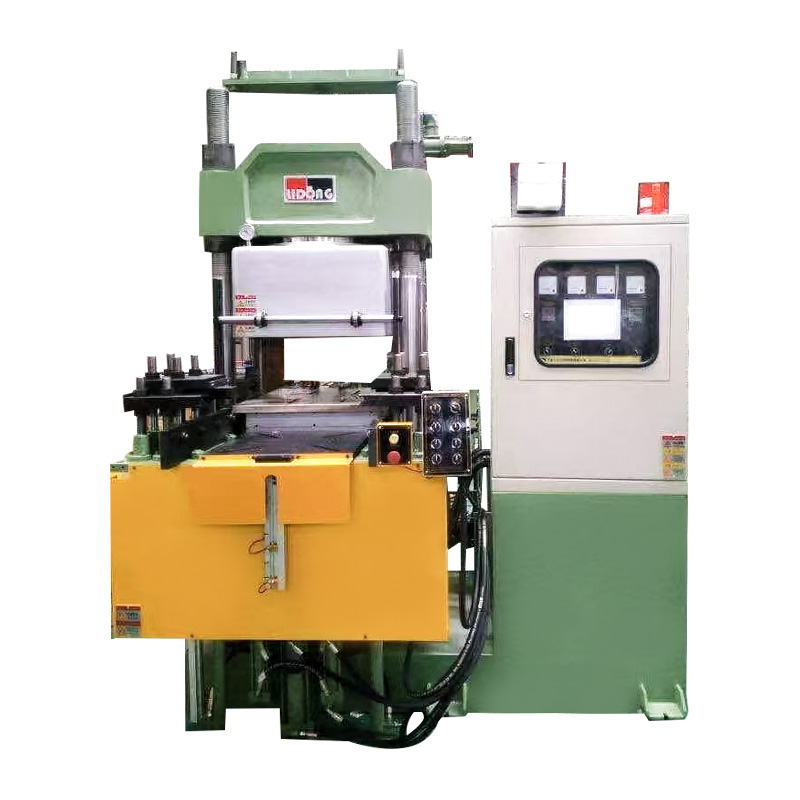
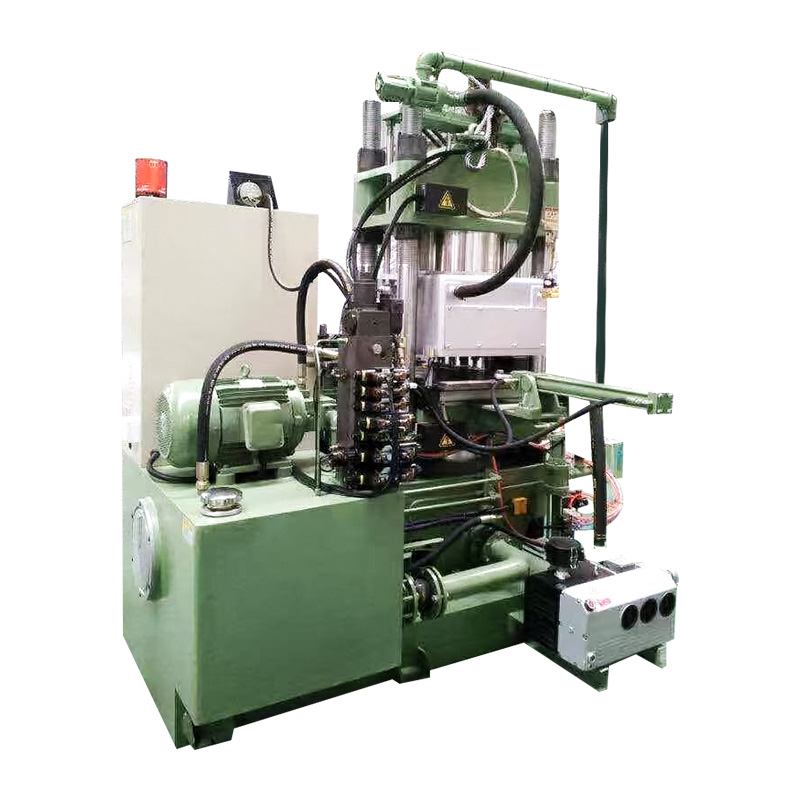
Operating a rubber vulcanizing machine involves complex processes that combine high temperature, high pressure, and mechanical movement. These factors make safety precautions not just important, but essential for ensuring smooth production and protecting operators from potential hazards. In industrial environments, accidents often occur due to negligence, lack of training, or improper machine handling. Therefore, understanding and implementing comprehensive safety measures is critical for both productivity and workplace safety.
A well-structured safety system should include proper training, routine inspections, use of personal protective equipment (PPE), and strict adherence to standard operating procedures. Additionally, companies should cultivate a safety-first culture, where operators are encouraged to report risks and follow protocols without shortcuts. By doing so, manufacturers can reduce downtime, improve efficiency, and extend the lifespan of their equipment.
Understanding the Hazards
High Temperature Risks
Rubber vulcanization requires heating materials to high temperatures, often exceeding 150°C or more depending on the formulation. Direct contact with heated molds, plates, or finished products can cause severe burns. Even indirect exposure, such as radiant heat, can lead to discomfort or long-term health effects. Operators must always be aware of heat zones and avoid unnecessary contact with heated components.
High Pressure Dangers
Most rubber vulcanizing machines operate using hydraulic systems that generate immense pressure. If the system malfunctions or is improperly handled, it can result in sudden releases of pressure, causing serious injuries such as crushing or impact trauma. Proper pressure regulation and regular inspection of hydraulic components are essential to mitigate these risks.
Mechanical and Moving Parts
The presence of moving components such as clamps, pistons, and molds creates entanglement hazards. Loose clothing, jewelry, or even inattentiveness can lead to accidents. Machine guarding systems and safety interlocks should always be in place and never bypassed.
Electrical Hazards
Electrical systems power most vulcanizing machines, and faulty wiring or poor grounding can result in electric shock or fire hazards. Regular electrical inspections and compliance with safety standards are necessary to maintain a safe working environment.
Essential Safety Precautions
Personal Protective Equipment (PPE)
Operators must wear appropriate PPE at all times. This includes heat-resistant gloves to handle hot molds, safety goggles to protect against debris or splashes, and protective clothing to minimize burn risks. Steel-toe shoes are also recommended to prevent foot injuries from heavy molds or equipment parts.
Machine Inspection Before Operation
Before starting the machine, a thorough inspection should be conducted. This includes checking for hydraulic leaks, verifying that electrical connections are secure, and ensuring that all safety guards are properly installed. Any abnormalities should be reported and resolved before operation begins.
Training and Standard Operating Procedures
Proper training is one of the most effective ways to prevent accidents. Operators should be familiar with the machine’s manual, understand operational limits, and follow step-by-step procedures. Regular refresher training sessions can help reinforce safety awareness and introduce updated practices.
Monitoring Temperature and Pressure
Maintaining correct temperature and pressure levels is critical. Operators should continuously monitor gauges and control systems to ensure the machine operates within safe limits. Overheating or over-pressurizing can not only damage the machine but also pose serious safety risks.
Safe Material Handling
Handling rubber materials and molds safely is equally important. Tools such as tongs or automated handling systems should be used to avoid direct contact with hot surfaces. Additionally, materials should be loaded and unloaded carefully to prevent misalignment or sudden movements.
Safety Reference Table
| Hazard Type | Potential Risk | Preventive Measure | Recommended Tools/Equipment |
|---|---|---|---|
| High Temperature | Burns and heat exposure | Avoid direct contact, allow cooling | Heat-resistant gloves, tongs |
| High Pressure | Crushing or sudden pressure release | Maintain pressure limits, inspect system | Pressure gauges, safety valves |
| Moving Parts | Entanglement or mechanical injury | Keep distance, use guards | Safety guards, emergency stop |
| Electrical Risks | Shock or fire | Proper grounding, routine inspection | Insulation tools, circuit testers |
Emergency Preparedness and Response
Emergency Stop and Shutdown Procedures
Every operator should know the exact location and function of emergency stop buttons. In case of malfunction or danger, the machine must be stopped immediately to prevent escalation. Emergency shutdown procedures should be clearly displayed near the machine.
Fire Safety Measures
Since high temperatures are involved, there is always a risk of fire. Fire extinguishers suitable for electrical and industrial fires should be easily accessible. Regular fire drills can help ensure that employees respond quickly and effectively during emergencies.
First Aid and Incident Response
A well-equipped first aid kit should be available in the workplace. In case of burns, immediate cooling of the affected area and medical attention are necessary. Companies should also establish a clear incident reporting system to analyze and prevent future accidents.
FAQ
Q1: Why is PPE essential when operating a rubber vulcanizing machine?
A1: PPE provides a critical layer of protection against heat, pressure, and mechanical hazards, significantly reducing the risk of injury.
Q2: How often should machines be inspected?
A2: Machines should be inspected daily before operation and undergo periodic maintenance checks as recommended by the manufacturer.
Q3: What should be done in case of a hydraulic leak?
A3: Stop the machine immediately, isolate the affected area, and have qualified personnel repair the issue before resuming operation.
Q4: Can automation improve safety?
A4: Yes, automated systems reduce manual handling, minimize human error, and enhance overall safety.
References
- Occupational Safety and Health Administration (OSHA) – Machinery Safety Guidelines
- ISO 12100: Safety of Machinery – General Principles for Design
- Rubber Manufacturing Industry Safety Standards and Best Practices
- Industrial Equipment Safety Handbook, 2023 Edition