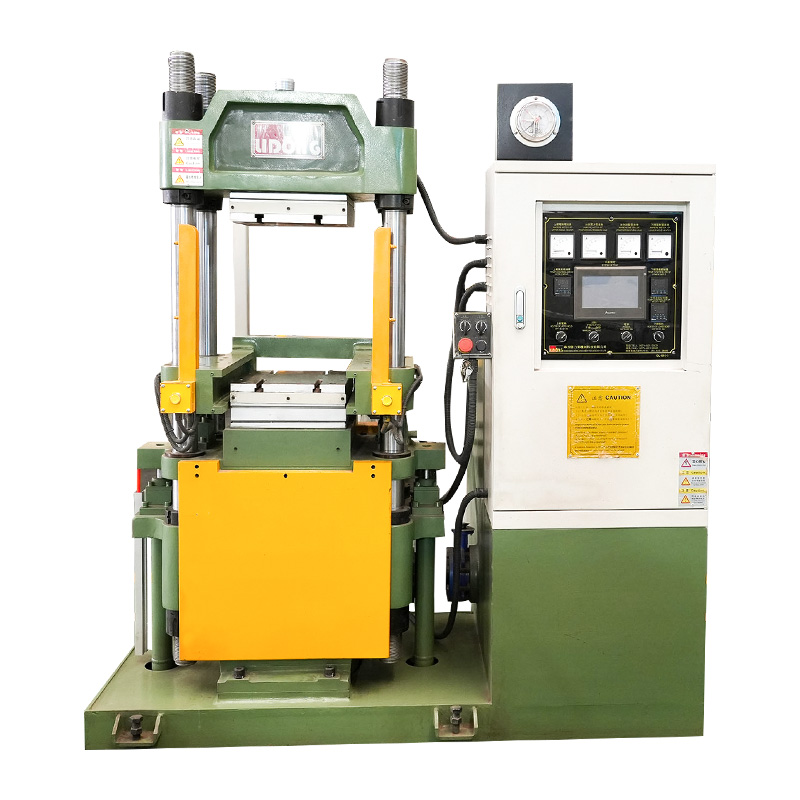
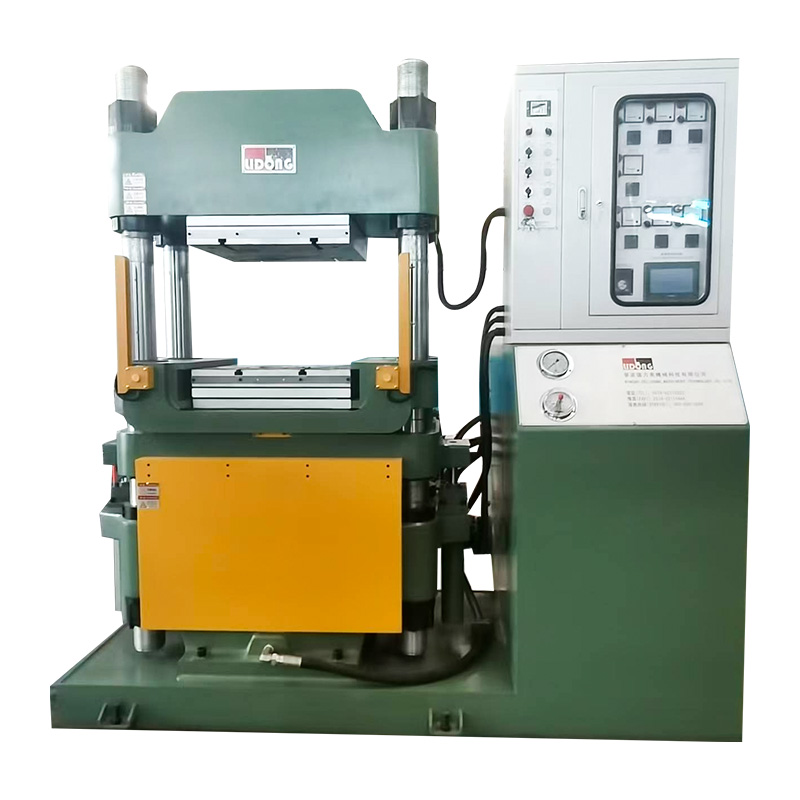
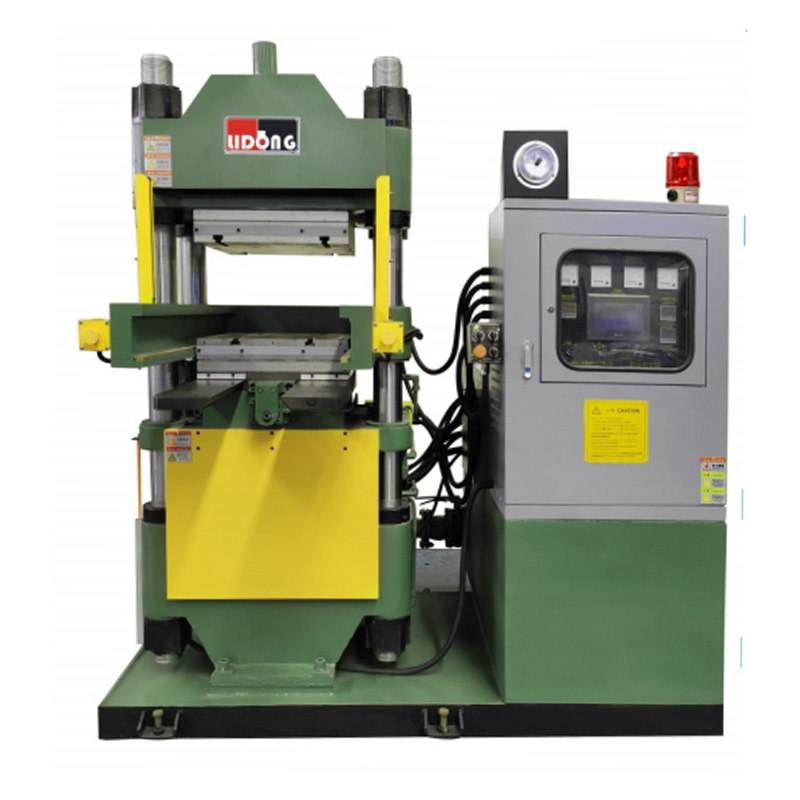
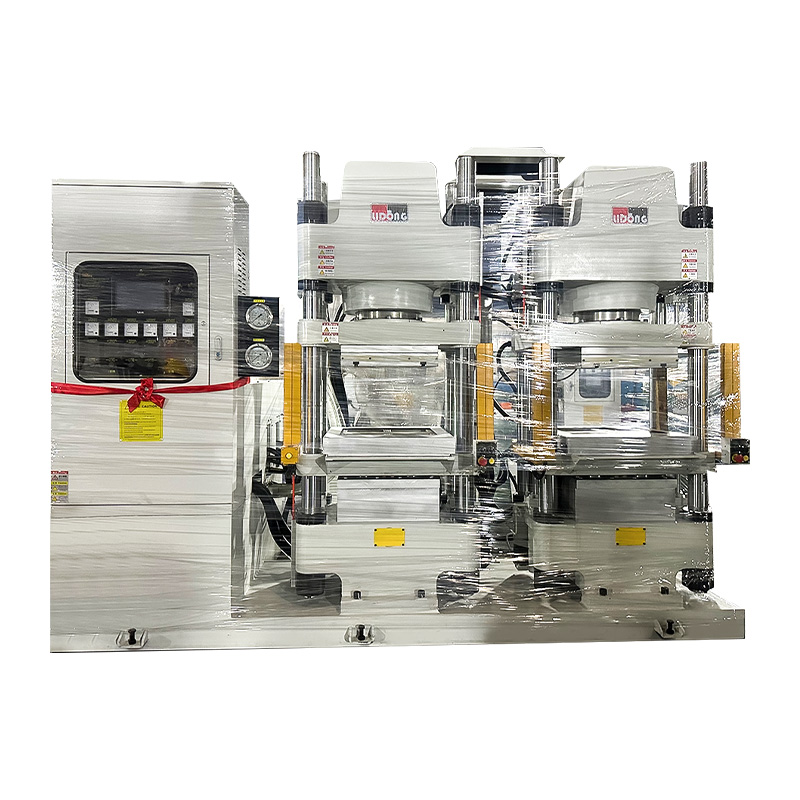
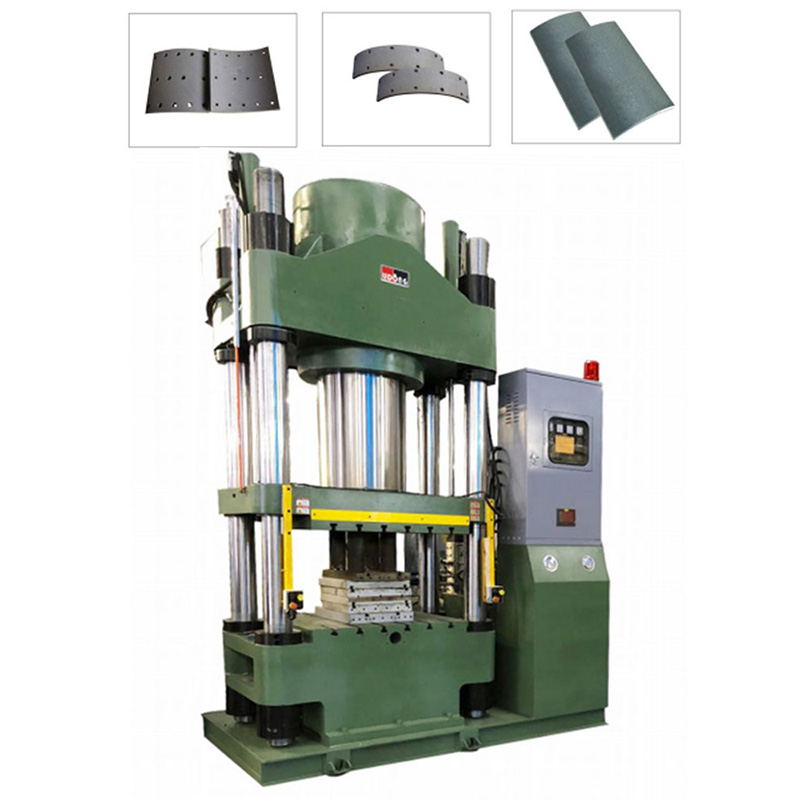
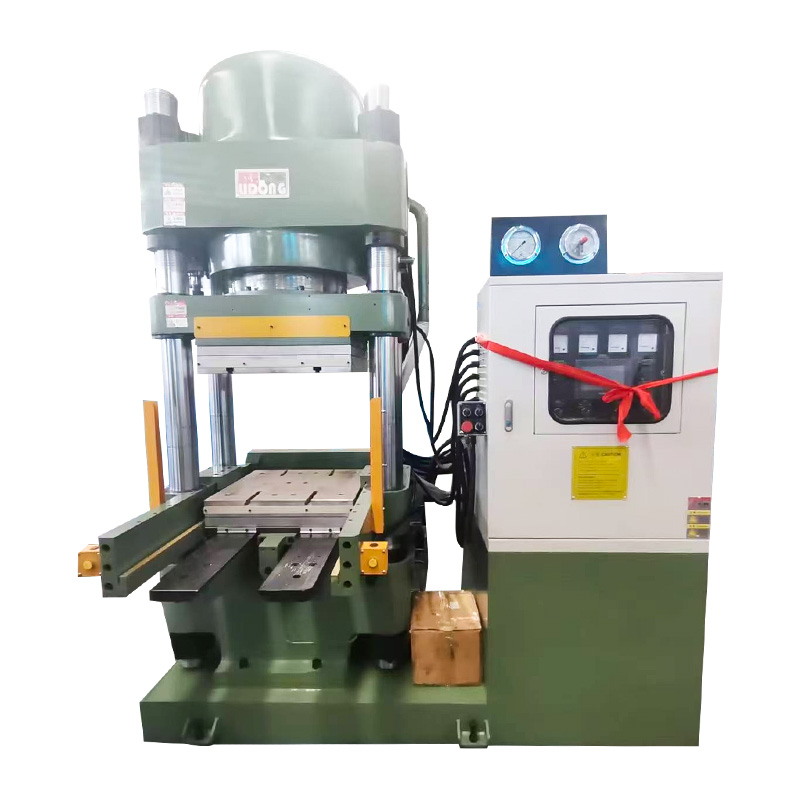
Overview of Electric Brake Pad Press Machine
Definition and Core Function of Electric Brake Pad Press Machine
An Electric Brake Pad Press Machine is an advanced type of forming and molding equipment used in the production of brake pads, where the pressing force is generated primarily through servo motors and electromechanical transmission systems rather than traditional hydraulic systems. This type of brake pad press machine is designed to deliver precise, programmable, and repeatable pressing operations, making it suitable for modern automated manufacturing environments that require high levels of accuracy, energy efficiency, and process control.
In the context of brake pad manufacturing, the electric brake pad press machine performs the critical function of compressing friction materials, backing plates, and bonding agents into a mold cavity under controlled temperature and pressure conditions. The electric drive system replaces hydraulic oil-based force transmission with direct mechanical force generated by servo-driven ball screws, gear mechanisms, or direct-drive motors. This structural difference fundamentally changes how pressure is applied, controlled, and maintained during the molding process.
Electric brake pad press machines are particularly valued in applications where precision, repeatability, and cleanliness are important. Because there is no hydraulic oil involved, these machines eliminate the risk of oil leakage, reduce maintenance requirements associated with hydraulic systems, and improve environmental compliance. This makes them suitable for industries that prioritize clean manufacturing environments and reduced operational risks.
Electric Drive System Components in Brake Pad Press Machine
The electric brake pad press machine consists of several key components that form the electromechanical system responsible for generating pressing force and controlling motion. The main components typically include:
- Servo motors
- Servo drives
- Ball screw or roller screw transmission systems
- Linear guides and motion rails
- Motion control controller (CNC or PLC-based system)
- Encoder feedback devices
- Power supply units
- Human-machine interface (HMI)
Servo motors serve as the primary driving force in electric press machines. These motors convert electrical energy into rotational motion with high precision and responsiveness. Servo drives regulate the operation of the motors by controlling voltage, current, and frequency based on commands from the control system.
The ball screw mechanism converts the rotational motion of the servo motor into linear motion. This linear motion is transmitted to the press platen, allowing it to apply force to the brake pad mold. The precision of the ball screw system enables accurate positioning and smooth motion, which is essential for maintaining consistent pressure during molding.
Linear guides ensure stable and guided movement of the pressing components, reducing friction and mechanical deviation. Encoder feedback systems continuously monitor the position, speed, and torque of the servo motor, providing real-time data to the control system for closed-loop control.
Working Principle of Electric Brake Pad Press Machine
The working principle of an electric brake pad press machine is based on electromechanical force conversion and closed-loop motion control. When the machine is activated, the control system sends signals to the servo drive, which powers the servo motor to rotate. The rotational motion is transmitted through the ball screw mechanism, converting it into linear downward movement of the press platen.
As the platen moves downward, it compresses the brake pad material placed inside the mold cavity. The applied force is determined by the torque generated by the servo motor and the mechanical advantage of the transmission system. Unlike hydraulic systems that rely on fluid pressure, electric systems calculate and regulate force through motor torque and position control.
The control system continuously monitors feedback from encoders and adjusts the motor output to maintain the desired force and position. This closed-loop feedback mechanism ensures high precision in pressure application, allowing for fine adjustments during different stages of the pressing cycle.
The operation process typically includes multiple stages:
- Positioning stage: The platen moves to the initial contact position above the mold
- Contact stage: The platen gently contacts the material surface
- Pressing stage: The motor applies increasing force to compress the material
- Holding stage: The system maintains a constant force or position for a defined duration
- Release stage: The platen retracts to its initial position
- Reset stage: The system prepares for the next cycle
Each stage is controlled through programmable parameters, enabling customization of pressing profiles based on different brake pad formulations and production requirements.
Structural Configurations of Electric Brake Pad Press Machine
Electric brake pad press machines are available in various structural designs depending on production needs, load requirements, and automation levels. Common configurations include:
Frame-type electric press machine
This design features a rigid steel frame that provides structural stability during high-force operations. The frame absorbs and distributes the reaction forces generated during pressing, ensuring minimal deformation and high accuracy.
Four-column electric press machine
This configuration uses four vertical columns to guide the movement of the press platen. It offers balanced force distribution and is widely used in applications requiring uniform pressure across the mold surface.
Single-axis servo press machine
This type uses a single servo-driven axis to generate pressing force. It is commonly used in smaller-scale production or laboratory environments where flexibility and compact design are important.
Multi-axis synchronized press systems
Advanced electric press machines may include multiple servo axes working in synchronization. These systems are used in high-end manufacturing setups where complex pressing profiles and multi-point force distribution are required.
Advantages of Electric Brake Pad Press Machine in Manufacturing
Electric brake pad press machines offer several operational characteristics that align with modern manufacturing requirements. One of the most notable advantages is the high level of precision in force and position control. Servo motor systems allow for exact adjustment of pressing force, displacement, and speed, enabling manufacturers to achieve consistent product quality across production batches.
Energy efficiency is another key advantage. Electric systems consume power only when motion is required, whereas hydraulic systems often require continuous operation of pumps to maintain pressure. This leads to reduced energy consumption and lower operational costs over time.
Electric press machines also provide a cleaner working environment due to the absence of hydraulic oil. This eliminates risks associated with oil leakage, contamination, and disposal, making the system more environmentally friendly and easier to maintain.
The responsiveness of servo-driven systems allows for faster cycle times and improved production efficiency. Acceleration and deceleration can be precisely controlled, reducing idle time between pressing cycles and increasing throughput in automated production lines.
Maintenance requirements for electric brake pad press machines are generally lower compared to hydraulic systems. There are no hydraulic fluids to replace, no seals prone to leakage, and fewer components subject to wear due to fluid pressure. This reduces downtime and simplifies maintenance procedures.
Role of Electric Brake Pad Press Machine in Hot Press Molding Process
In the hot press molding process used for brake pad production, the electric brake pad press machine plays a critical role in applying controlled force while the mold is heated to the required temperature. The heating system, typically integrated into the mold plates, works in conjunction with the press to facilitate the curing of resin-based friction materials.
As the electric press applies force to the mold, the material inside undergoes compaction and densification. The controlled pressure ensures that the material fills the mold cavity completely, eliminating air pockets and achieving uniform density distribution.
The temperature within the mold activates the resin components in the friction material, causing them to soften and bind the fibers and fillers together. The electric press maintains precise force levels during this process, ensuring that the material remains under optimal conditions for curing.
Because electric systems offer highly accurate force control, they are particularly effective in processes that require multi-stage pressing profiles. Operators can define different force levels at different stages of the cycle, such as initial compaction, intermediate pressing, and final curing pressure.
Control Systems and Smart Manufacturing Integration
Electric brake pad press machines are typically equipped with advanced digital control systems that enable precise monitoring and management of the entire pressing process. These systems often include PLCs, industrial computers, and touchscreen HMIs that provide real-time visualization of machine status and process parameters.
The control system allows operators to program pressing recipes, including force curves, displacement profiles, temperature settings, and cycle timing. These parameters can be stored and reused, ensuring consistency across production runs.
Integration with smart manufacturing systems is another important feature of electric press machines. They can be connected to factory networks for data collection, remote monitoring, and predictive maintenance. Real-time data such as pressure curves, motor load, and cycle counts can be analyzed to optimize production efficiency and identify potential issues before they lead to downtime.
Electric brake pad press machines are also compatible with automation equipment such as robotic arms, conveyor systems, and automatic feeding devices. This enables fully automated brake pad production lines where materials are loaded, pressed, and unloaded without manual intervention.
Application Scope in Brake Pad Manufacturing
Electric brake pad press machines are widely used in various segments of the brake pad manufacturing industry, particularly in environments that require high precision, automation, and clean operation. Their applications include:
- High-end automotive brake pad production
- Precision friction material manufacturing
- Prototype development and testing
- Small-batch customized production
- Automated production lines with integrated robotics
- Research and development laboratories for friction materials
The flexibility of electric press systems allows manufacturers to adjust pressing parameters for different formulations, including semi-metallic, ceramic, and organic brake pad materials. This adaptability makes electric brake pad press machines suitable for both standard production and specialized applications where process control and repeatability are critical.
Performance Comparison of Hydraulic vs Electric Brake Pad Press Machine
Pressure Generation and Force Control in Brake Pad Press Machine Systems
In the context of brake pad manufacturing, the ability of a brake pad press machine to generate and control force directly influences product density, structural integrity, and friction performance. Hydraulic brake pad press machines generate force through pressurized hydraulic fluid acting on a cylinder piston, while electric brake pad press machines rely on servo motors driving mechanical transmission systems such as ball screws or roller screws to produce linear force.
In a hydraulic brake pad press machine, pressure is generated by a hydraulic pump that pressurizes oil within a closed system. The pressurized fluid is transmitted through valves and pipelines into hydraulic cylinders, where it pushes the piston downward. The magnitude of the force depends on the fluid pressure and the piston area. Force control is achieved by regulating the hydraulic pressure using proportional valves, servo valves, and pressure sensors. The system is inherently capable of producing very high tonnage, which makes hydraulic presses suitable for heavy-duty brake pad molding processes that require deep compression.
In contrast, an electric brake pad press machine generates force through the torque of a servo motor. The motor rotates a ball screw mechanism, converting rotational motion into linear motion. The linear force applied to the brake pad mold is a function of motor torque, screw lead, and mechanical efficiency. Force control is achieved through closed-loop feedback systems that monitor motor current, position, and speed using encoders and sensors. The precision of force control in electric systems is typically higher due to digital control algorithms and real-time feedback adjustment.
The difference in force generation mechanisms also affects how each brake pad press machine behaves under varying load conditions. Hydraulic systems maintain pressure through fluid dynamics, which can introduce slight variations due to temperature changes, fluid viscosity, and valve response. Electric systems maintain force through direct motor control, allowing for more consistent and repeatable force application across cycles.
Precision, Positioning Accuracy, and Repeatability in Brake Pad Press Machine Operation
Precision and repeatability are critical performance indicators in brake pad manufacturing, where uniform density and dimensional accuracy directly impact product quality. Electric brake pad press machines generally offer higher positioning accuracy due to the use of servo motors, encoder feedback, and ball screw mechanisms with minimal backlash.
In an electric brake pad press machine, the position of the press platen is continuously monitored by high-resolution encoders attached to the servo motor. The control system uses this feedback to adjust motor output in real time, ensuring that the platen reaches the exact programmed position within tight tolerances. This level of precision enables manufacturers to control mold filling, compression depth, and material distribution with high consistency.
Hydraulic brake pad press machines, while capable of achieving accurate positioning, rely on hydraulic fluid displacement and valve control, which may introduce minor variations in positioning due to factors such as oil compressibility, temperature fluctuations, and valve response delays. Position control in hydraulic systems is typically achieved using linear transducers (such as LVDTs) and proportional control valves, but the response speed and resolution are generally lower compared to servo-driven electric systems.
Repeatability in electric brake pad press machines is enhanced by the digital nature of control systems. Once a pressing profile is programmed, the machine can reproduce identical motion and force curves across multiple cycles. This consistency is particularly important in automated production lines where large volumes of brake pads must meet strict quality standards.
Hydraulic systems also provide repeatability, but their performance may be influenced by hydraulic oil condition, seal wear, and system calibration. Over time, these factors can introduce slight deviations in pressing behavior, requiring periodic maintenance and recalibration to maintain performance stability.
Energy Consumption and Operational Efficiency of Brake Pad Press Machine Types
Energy consumption is a significant factor in evaluating the performance of brake pad press machines, especially in large-scale manufacturing environments where machines operate continuously. Electric brake pad press machines are generally more energy-efficient due to their on-demand power usage. Servo motors consume energy primarily during active motion and pressing phases, and they can reduce or shut off power during idle periods.
Hydraulic brake pad press machines, on the other hand, require continuous operation of the hydraulic pump to maintain system pressure, even when the machine is not actively pressing. This results in constant energy consumption, which can be higher compared to electric systems. Additionally, hydraulic systems generate heat during operation, requiring cooling systems that further increase energy usage.
In terms of operational efficiency, electric brake pad press machines benefit from faster response times and shorter cycle durations. Servo-driven systems can accelerate and decelerate quickly, reducing idle time between pressing cycles. This contributes to higher throughput in automated production lines.
Hydraulic machines, while capable of handling high loads, may have slower response times due to the time required to build and release hydraulic pressure. The presence of fluid dynamics introduces latency in the system, which can affect cycle times in high-speed production environments.
Energy efficiency in electric brake pad press machines also contributes to reduced operational costs over the machine’s lifecycle. Lower energy consumption, combined with reduced cooling requirements, can significantly impact total cost of ownership in long-term operations.
Maintenance Requirements and System Reliability in Brake Pad Press Machine Design
Maintenance requirements differ significantly between hydraulic and electric brake pad press machines due to the nature of their operating systems. Hydraulic systems involve multiple components that require regular inspection and maintenance, including hydraulic pumps, valves, seals, hoses, and hydraulic oil. The hydraulic oil itself must be periodically replaced or filtered to maintain system performance and prevent contamination.
Leakage is a common maintenance concern in hydraulic brake pad press machines. Over time, seals and connections may degrade, leading to oil leaks that can affect system pressure and cleanliness. Addressing these issues requires routine inspection and component replacement, which contributes to maintenance workload and downtime.
Electric brake pad press machines eliminate the need for hydraulic oil, reducing the number of components that require maintenance. The primary maintenance tasks involve inspecting servo motors, lubricating mechanical transmission components such as ball screws, and ensuring that electrical connections and control systems are functioning properly. The absence of fluid-based systems reduces the risk of leakage and contamination, contributing to a cleaner operating environment.
System reliability in electric brake pad press machines is influenced by the durability of servo motors, drives, and mechanical components. These systems are designed for long service life with minimal wear, provided that proper maintenance is performed. Hydraulic systems, while robust and capable of handling high loads, may experience performance degradation over time due to fluid contamination, seal wear, and component fatigue.
Production Speed and Cycle Time Performance of Brake Pad Press Machine Systems
Production speed and cycle time are key performance metrics in brake pad manufacturing, particularly in high-volume production environments. Electric brake pad press machines generally offer faster cycle times due to the rapid response of servo motors and the ability to precisely control acceleration and deceleration.
The motion control capabilities of electric systems allow for optimized pressing profiles that minimize idle time between stages. Operators can program multi-stage pressing sequences with variable speeds and forces, enabling efficient material compaction while maintaining quality standards. The ability to fine-tune motion parameters contributes to shorter overall cycle times and higher production throughput.
Hydraulic brake pad press machines typically have longer cycle times due to the time required to build and release hydraulic pressure. The flow of hydraulic fluid through valves and pipelines introduces inherent delays in the system. Additionally, the need to maintain pressure during holding stages may require continuous pump operation, which can affect cycle optimization.
In applications where high tonnage is required, hydraulic machines may still be preferred despite longer cycle times, as they can deliver sustained force for heavy-duty pressing operations. However, in automated production lines where speed and efficiency are critical, electric brake pad press machines provide advantages in terms of cycle optimization and throughput.
Control Accuracy, Process Stability, and Data Feedback in Brake Pad Press Machine Systems
Modern brake pad press machines rely heavily on control systems to ensure process stability and product consistency. Electric brake pad press machines excel in this area due to their integration with advanced servo control systems, real-time data feedback, and digital process monitoring.
In electric systems, parameters such as force, position, velocity, and torque are continuously monitored and adjusted using closed-loop control algorithms. This enables the machine to maintain precise control over the pressing process, even in the presence of variations in material properties or environmental conditions.
Hydraulic brake pad press machines also incorporate control systems, but their feedback mechanisms are often based on pressure sensors and linear displacement sensors. While these systems can achieve stable operation, the response time and precision of adjustments are generally lower compared to electric servo systems.
Data feedback in electric brake pad press machines plays a significant role in process optimization and quality control. Production data such as force curves, displacement profiles, and cycle times can be recorded and analyzed to identify trends, detect anomalies, and improve process parameters. Integration with industrial networks and smart manufacturing platforms further enhances the ability to monitor and control production in real time.
Hydraulic systems can also be equipped with data monitoring capabilities, but the level of granularity and responsiveness is typically less advanced than that of electric systems. This difference affects the ability to implement advanced process control strategies and predictive maintenance systems.
Noise, Vibration, and Environmental Impact in Brake Pad Press Machine Operation
Noise and vibration are important considerations in industrial environments, particularly in facilities where multiple machines operate simultaneously. Electric brake pad press machines generally produce lower noise levels compared to hydraulic machines, as they do not rely on continuously running hydraulic pumps.
The primary sources of noise in electric systems are servo motors and mechanical transmission components, which operate smoothly and generate relatively low vibration. The absence of fluid flow and pump noise contributes to a quieter working environment.
Hydraulic brake pad press machines generate noise from hydraulic pumps, fluid flow through valves, and mechanical interactions within the system. The continuous operation of pumps contributes to higher ambient noise levels, which may require additional soundproofing measures in the production environment.
Vibration levels in electric systems are typically lower due to precise motion control and reduced mechanical shock during operation. Hydraulic systems may experience pressure fluctuations and fluid dynamics effects that contribute to vibration, especially during rapid pressure changes.
From an environmental perspective, electric brake pad press machines eliminate the risk of hydraulic oil leakage, reducing the potential for contamination and environmental hazards. Hydraulic systems require proper handling and disposal of oil, as well as measures to prevent leaks and spills.
Energy Efficiency of Hydraulic Brake Pad Press Machine vs Electric Brake Pad Press Machine
Energy Consumption Mechanisms in Hydraulic Brake Pad Press Machine
Hydraulic brake pad press machines rely on fluid power systems to generate and maintain pressing force, and the energy consumption characteristics are fundamentally tied to how hydraulic energy is produced, transmitted, and dissipated. In a typical hydraulic brake pad press machine, an electric motor drives a hydraulic pump, which continuously pressurizes hydraulic oil stored in a reservoir. This pressurized fluid is then routed through valves and pipelines to hydraulic cylinders, where it is converted into mechanical force to drive the press platen.
One of the primary energy consumption characteristics of a hydraulic brake pad press machine is the continuous operation of the hydraulic pump. Even when the machine is not actively pressing a brake pad, the pump often remains running to maintain system pressure, compensate for internal leakage, and keep the hydraulic circuit ready for the next cycle. This results in a baseline energy consumption that persists throughout the operation of the machine, regardless of production demand.
Hydraulic systems inherently involve energy losses due to fluid friction, internal leakage, heat generation, and throttling losses in valves. As hydraulic oil flows through pipelines, valves, and connectors, energy is dissipated as heat due to resistance within the system. Proportional and directional control valves regulate pressure and flow, but these components often introduce throttling losses, where excess energy is converted into thermal energy rather than being used for mechanical work.
Heat generation is a significant byproduct of hydraulic energy conversion. The inefficiencies in the system cause hydraulic oil temperature to rise during operation, requiring auxiliary cooling systems such as oil coolers, heat exchangers, or cooling fans. These cooling systems themselves consume additional electrical energy, further increasing the overall energy footprint of the hydraulic brake pad press machine.
The energy required to maintain pressure during the holding stage of the pressing cycle also contributes to consumption. Hydraulic systems must continuously supply pressure to counteract leakage and maintain force on the mold. This continuous pressure maintenance requires the pump and motor to operate, unlike systems that can decouple energy supply during idle periods.
Hydraulic brake pad press machines may also experience inefficiencies due to oversized pumps or motors selected to handle peak load conditions. In many cases, the system operates below its maximum capacity, leading to suboptimal energy utilization. Flow control methods such as throttling can further reduce efficiency, as excess hydraulic energy is converted into heat rather than being used for productive work.
Energy Consumption Mechanisms in Electric Brake Pad Press Machine
Electric brake pad press machines utilize servo motors and electromechanical transmission systems to generate pressing force, resulting in a fundamentally different energy consumption profile compared to hydraulic systems. In an electric brake pad press machine, electrical energy is converted directly into mechanical motion through servo drives, ball screws, or roller screws, eliminating the need for fluid-based energy transmission.
Servo motors are highly efficient in converting electrical energy into mechanical torque, especially when operating under variable load conditions. The energy consumption of an electric brake pad press machine is closely aligned with the actual workload of the pressing process. During active pressing, the servo motor draws power to generate the required force, while during idle periods, energy consumption drops significantly as the motor reduces or ceases activity.
Unlike hydraulic systems that require continuous pump operation, electric brake pad press machines operate on a demand-based energy model. Energy is consumed only when motion or force is required, which reduces unnecessary power usage during standby or non-pressing phases. This characteristic contributes to lower overall energy consumption, particularly in production environments with intermittent or batch-based operations.
Electric systems also avoid energy losses associated with fluid friction, leakage, and throttling. The mechanical transmission system, including ball screws and linear guides, is designed to minimize friction and maximize efficiency in converting rotational motion into linear force. While mechanical losses still exist due to friction between components, these losses are generally lower and more predictable compared to hydraulic energy losses.
Regenerative capabilities in some advanced electric brake pad press machines further enhance energy efficiency. During deceleration or downward motion of the platen, the servo motor can operate in generator mode, converting mechanical energy back into electrical energy. This regenerated energy can be fed back into the system or reused within the machine, reducing net energy consumption.
Electric brake pad press machines also eliminate the need for auxiliary systems such as hydraulic oil cooling units. Since there is no hydraulic fluid to manage, there is no requirement for continuous cooling to dissipate heat generated by fluid compression and flow. This reduces both direct energy consumption and indirect energy usage associated with thermal management systems.
Comparative Analysis of Idle Energy Consumption in Brake Pad Press Machine Systems
Idle energy consumption is a critical factor when evaluating the efficiency of brake pad press machines, particularly in production environments where machines may remain powered on for extended periods without active operation. Hydraulic brake pad press machines typically exhibit higher idle energy consumption due to the continuous operation of hydraulic pumps and associated auxiliary systems.
Even when no pressing action is taking place, the hydraulic pump must maintain system pressure and circulate fluid within the circuit. This requires the electric motor driving the pump to remain active, consuming a steady amount of electrical energy. Additionally, components such as cooling fans, oil circulation systems, and control units continue to operate during idle periods, contributing to baseline energy usage.
In contrast, electric brake pad press machines can significantly reduce energy consumption during idle periods by placing servo motors into low-power or standby modes. When the machine is not actively pressing, the servo system reduces torque output and power draw, maintaining only minimal energy usage required for control electronics and standby readiness.
The ability to enter energy-saving modes is a key advantage of electric brake pad press machines in automated production environments. Machines can be programmed to reduce power consumption during pauses in production, shift changes, or maintenance intervals, resulting in more efficient use of electrical energy across the entire production cycle.
Idle energy efficiency is particularly relevant in facilities with multiple machines operating simultaneously. In such environments, cumulative energy savings from reduced idle consumption can have a significant impact on overall operational costs and energy management strategies.
Energy Efficiency During Pressing Cycles in Brake Pad Press Machine Operation
During active pressing cycles, both hydraulic and electric brake pad press machines consume energy to generate the force required for molding brake pads. The efficiency of energy usage during this phase depends on how effectively each system converts input energy into mechanical work applied to the mold.
In hydraulic brake pad press machines, energy is transmitted through pressurized fluid, and efficiency is affected by factors such as pump efficiency, valve losses, fluid friction, and leakage. A portion of the input energy is lost as heat during fluid compression and flow through the system. The efficiency of the hydraulic system can vary depending on operating conditions, load levels, and system design.
Electric brake pad press machines convert electrical energy directly into mechanical force through servo motors and mechanical transmission systems. The efficiency of servo motors is typically high, especially when operating within their optimal load range. The use of ball screws or roller screws further enhances mechanical efficiency by minimizing friction and maximizing force transmission.
During pressing cycles, electric systems can adjust motor output dynamically based on load conditions, ensuring that energy is supplied only as needed. This precise control reduces unnecessary energy expenditure and improves the overall efficiency of the pressing process.
The ability to control force and position independently in electric brake pad press machines allows for optimized energy usage during different stages of the pressing cycle. For example, lower force levels may be used during initial contact stages, while higher force is applied during final compaction, aligning energy consumption with process requirements.
Hydraulic systems, while capable of delivering high force, may not achieve the same level of dynamic energy optimization due to the continuous nature of fluid pressure generation. Energy usage in hydraulic systems is less directly correlated with instantaneous load changes, leading to potential inefficiencies during variable load conditions.
Impact of Heating Systems on Energy Efficiency in Brake Pad Press Machine
In brake pad manufacturing, both hydraulic and electric brake pad press machines are typically integrated with heating systems as part of the hot press molding process. The heating system plays a significant role in overall energy consumption, as it is responsible for raising and maintaining mold temperatures required for resin curing.
Hydraulic brake pad press machines often use separate heating systems such as electric heaters or thermal oil heating units to heat the mold plates. These systems operate in conjunction with the hydraulic system, and their energy consumption contributes to the total energy footprint of the machine.
Electric brake pad press machines also incorporate heating systems, but the integration between pressing and heating processes can be more tightly controlled through centralized digital control systems. Temperature profiles can be precisely programmed and synchronized with pressing cycles, allowing for optimized energy usage in both heating and pressing operations.
Energy efficiency in heating is influenced by factors such as insulation, temperature control accuracy, and heat transfer efficiency. Both types of brake pad press machines require careful thermal management to minimize heat loss and ensure consistent curing conditions. However, electric systems may benefit from more precise coordination between motion control and temperature control, reducing energy waste during idle or transitional phases.
The interaction between pressing energy and heating energy is an important consideration in evaluating overall system efficiency. In both hydraulic and electric brake pad press machines, the total energy consumption includes contributions from mechanical force generation and thermal energy required for molding. The efficiency of each subsystem affects the cumulative energy performance of the machine.
Energy Optimization Features in Modern Brake Pad Press Machine Systems
Modern brake pad press machines, particularly electric models, incorporate various energy optimization features designed to reduce power consumption and improve operational efficiency. These features include intelligent motion control algorithms, adaptive force control, energy recovery systems, and smart standby modes.
In electric brake pad press machines, servo drives can optimize motor operation based on real-time load conditions. Advanced control algorithms adjust motor torque, speed, and acceleration to minimize energy usage while maintaining required performance levels. This dynamic optimization helps reduce peak power demand and smooth out energy consumption profiles.
Energy regeneration is another feature available in some electric brake pad press machines. During certain phases of operation, such as platen descent or deceleration, kinetic energy can be converted back into electrical energy and fed back into the system. This recovered energy can be reused or stored, reducing net energy consumption.
Hydraulic brake pad press machines may incorporate energy-saving technologies such as variable frequency drives (VFDs) for pump motors, which allow motor speed to be adjusted based on demand. This helps reduce energy consumption compared to fixed-speed pump systems. However, the overall efficiency gains may still be limited by the inherent losses associated with fluid-based energy transmission.
Smart control systems in both hydraulic and electric brake pad press machines enable monitoring of energy usage, process parameters, and machine performance. Data collected from sensors and controllers can be used to analyze energy consumption patterns, identify inefficiencies, and implement process improvements.
Integration with factory energy management systems allows manufacturers to track and optimize energy usage across multiple machines and production lines. This is particularly relevant in large-scale manufacturing environments where energy costs represent a significant portion of operational expenses.

 English
 عربى
عربى
 中文繁体
中文繁体