 English
 عربى
عربى
 中文繁体
中文繁体

Content
- 1 What Vulcanization Actually Does to a Tire
- 2 Types of Vulcanizing Machines Used in Tire Plants
- 3 How Vulcanizing Machines Impact Tire Quality
- 4 The Role of Automation in Modern Tire Vulcanization
- 5 Energy Consumption and Efficiency Considerations
- 6 Vulcanizing Machine Requirements by Tire Category
- 7 Emerging Trends: Smart Vulcanizing Machines
- 8 Key Takeaways for Tire Manufacturers
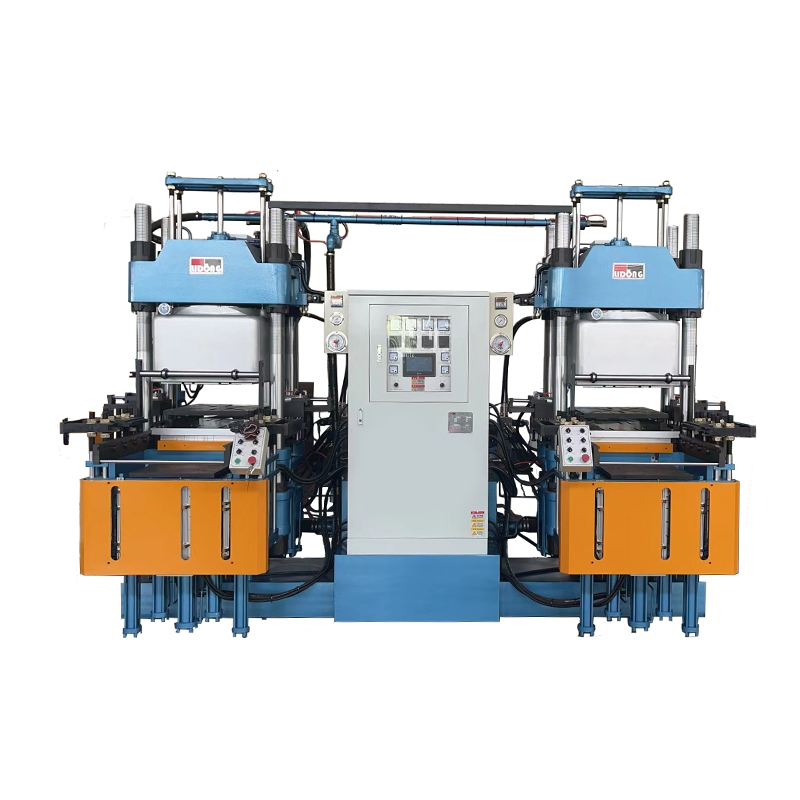
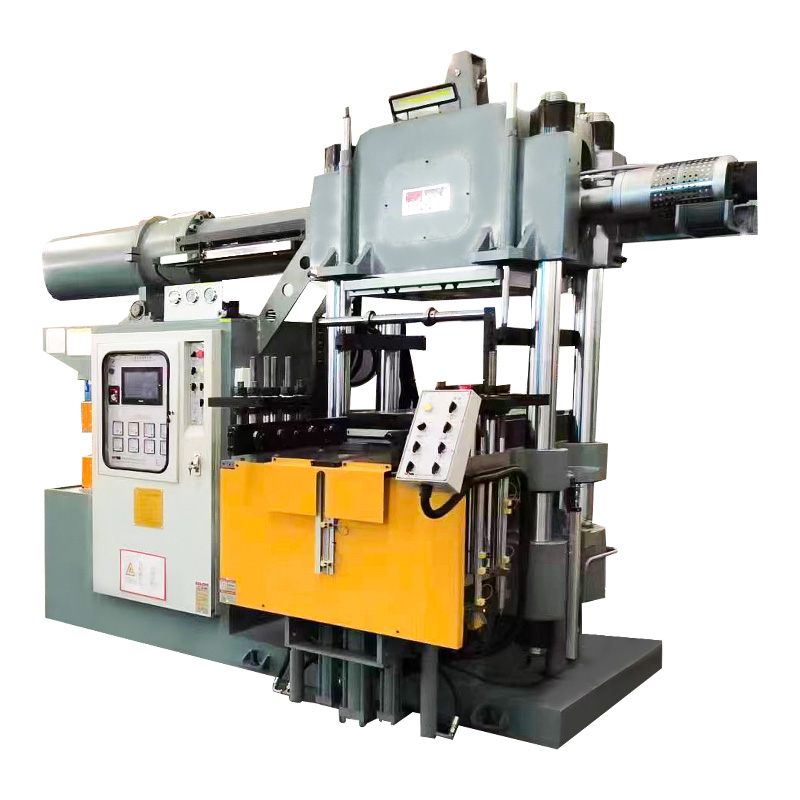
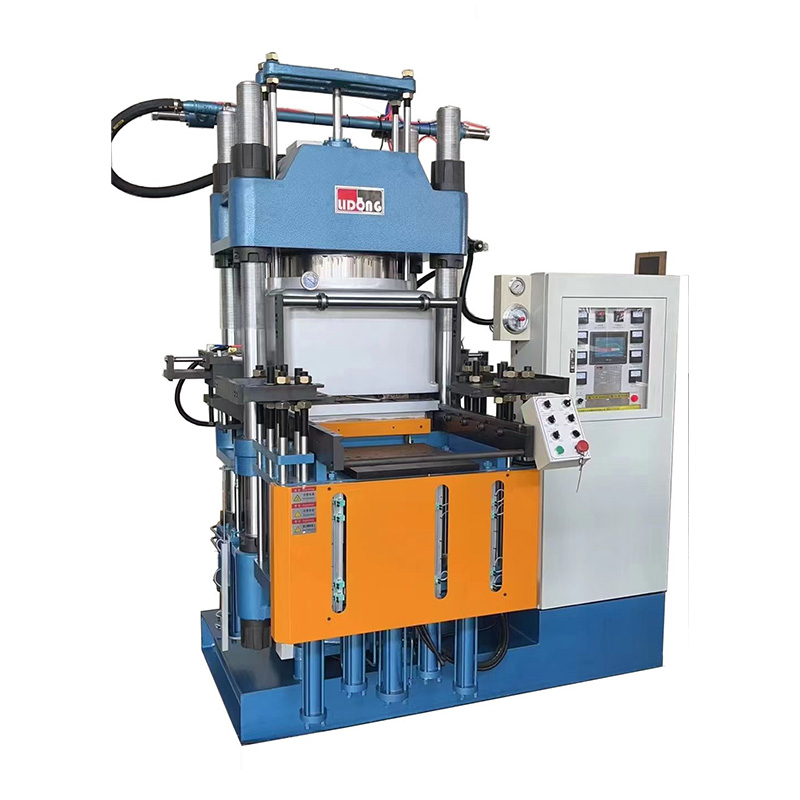
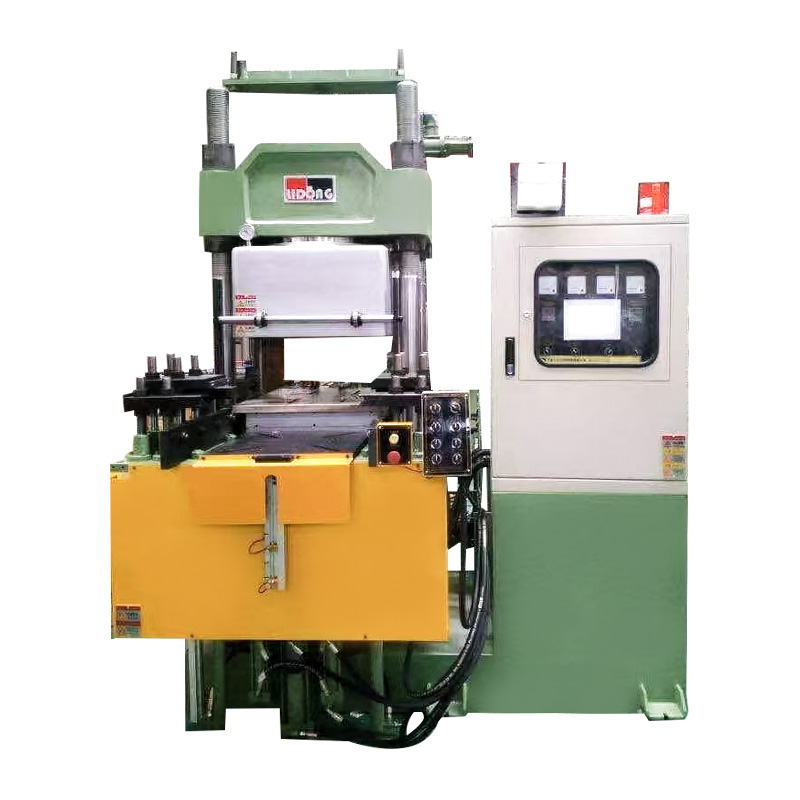
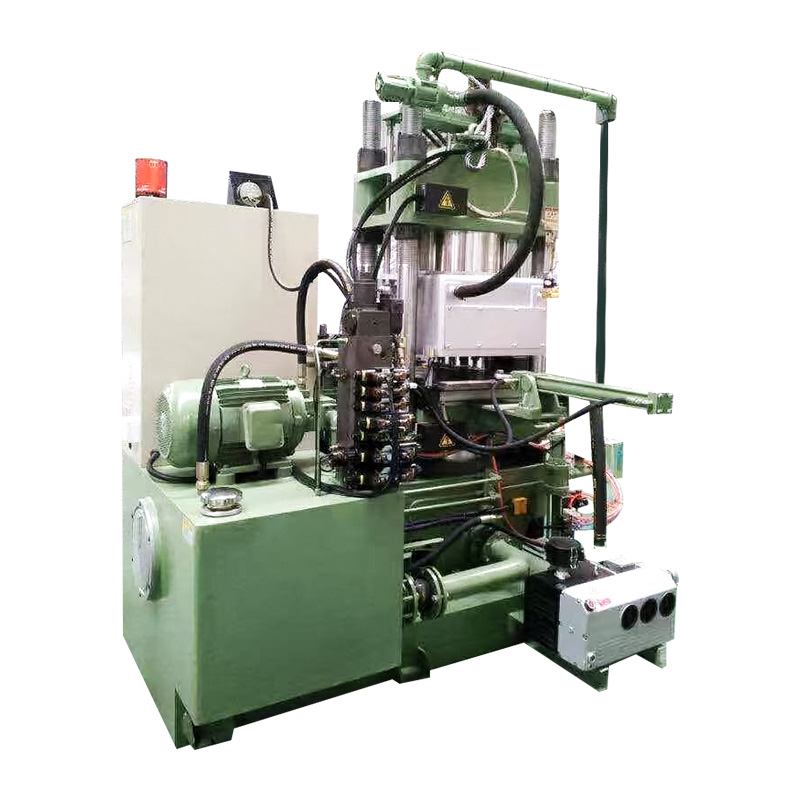
The rubber vulcanizing machine is the core equipment in tire manufacturing, responsible for transforming raw rubber compounds into durable, high-performance tires through a controlled heat-and-pressure curing process. Without vulcanization, rubber would remain too soft and unstable for road use. In modern tire plants, vulcanizing machines directly determine product quality, production efficiency, and operational cost — making them indispensable at every scale of manufacturing.
What Vulcanization Actually Does to a Tire
Vulcanization is a chemical process in which sulfur cross-links are formed between rubber polymer chains under heat and pressure. In tire production, this transforms a green (uncured) tire — which is fragile and dimensionally unstable — into a finished product with predictable mechanical properties.
Key changes that occur during vulcanization include:
- Tensile strength increases from roughly 2–3 MPa (uncured) to 15–25 MPa (cured)
- Elastic recovery improves significantly, enabling tires to return to shape after deformation
- Heat resistance and abrasion resistance are greatly enhanced
- The tire tread pattern is permanently embossed by the mold under pressure
A typical passenger car tire is cured at 160–180°C for 10–15 minutes, while truck or off-road tires may require pressures exceeding 2.5 MPa and cure times of 30–60 minutes depending on thickness and compound formulation.
Types of Vulcanizing Machines Used in Tire Plants
Tire manufacturers select vulcanizing equipment based on tire type, production volume, and automation level. The three dominant machine types are:
| Machine Type | Primary Use | Key Advantage | Typical Output |
|---|---|---|---|
| Bladder Vulcanizing Press | Passenger & light truck tires | High precision, uniform cure | 200–400 tires/day per unit |
| Segmented Mold Press | High-performance & run-flat tires | Complex tread geometry | 100–200 tires/day per unit |
| Pot Vulcanizer | Large OTR & industrial tires | Handles very large diameters | 4–20 tires/day per unit |
The bladder press remains the most widely deployed type globally. Leading manufacturers such as HF TireTech and McNeil & NRM produce dual-mold presses that can cure two tires simultaneously, significantly improving throughput per machine footprint.
How Vulcanizing Machines Impact Tire Quality
The vulcanizing machine controls three critical variables that directly determine the structural integrity and performance of each tire:
Temperature Uniformity
Uneven heat distribution causes under-cure or over-cure zones, resulting in weak spots or brittle areas. Modern machines use steam or electric heating platens with closed-loop PID temperature control, maintaining temperature variation within ±2°C across the mold surface. Michelin's manufacturing standards, for instance, require less than 3°C deviation across the entire tire cross-section during cure.
Clamping Pressure
Insufficient pressure leads to porosity, incomplete tread molding, or delamination between tire plies. Hydraulic vulcanizing presses maintain consistent clamping forces — typically 1,500 to 3,500 kN for passenger tires — ensuring the green tire conforms precisely to the mold cavity.
Cure Time Accuracy
Over-vulcanization degrades rubber elasticity (a phenomenon called "reversion"), while under-vulcanization leaves the compound too soft. Modern cure-monitoring systems use virtual cure sensors and rheometer data to calculate the optimal cure time dynamically, reducing rejects caused by timing errors by up to 40% compared to fixed-timer systems.
The Role of Automation in Modern Tire Vulcanization
Automation has fundamentally changed how vulcanizing machines integrate into the tire production line. In a fully automated plant, the vulcanizing press is connected to upstream and downstream systems through robotic loading and unloading arms, conveyor systems, and centralized MES (Manufacturing Execution Systems).
Specific automation benefits in tire vulcanization include:
- Cycle time reduction: Automated presses achieve mold open-to-close cycles in under 8 seconds, vs. 20–30 seconds for manual-assist operations
- Consistent bladder inflation: Automated nitrogen or steam bladder systems eliminate pressure inconsistencies caused by manual valve adjustments
- Real-time fault detection: Sensors monitor mold alignment, hydraulic pressure, and cure progression, triggering automatic shutdowns if parameters deviate
- Data traceability: Each tire's cure data (time, temp, pressure) is logged by serial number, enabling full quality traceability
Continental AG reported that after deploying fully automated vulcanizing lines in its Hanover plant, overall equipment effectiveness (OEE) improved from 72% to 89%, with scrap rates falling by over 25%.
Energy Consumption and Efficiency Considerations
Vulcanization is the most energy-intensive stage in tire production, accounting for approximately 30–40% of total plant energy consumption. A single bladder press consumes between 15 and 35 kWh per operating hour depending on tire size and heating method.
Manufacturers reduce energy costs through several strategies:
- Electric heating elements replacing steam systems, reducing heat loss by up to 20%
- Mold insulation upgrades that reduce idle-state heat dissipation
- Heat recovery systems that capture exhaust steam or hot water for use in pre-heating green tires
- Optimized cure scheduling via MES to minimize cold-start cycles and idle press time
Bridgestone's "Ecology & Economy" tire plant initiative documented energy savings of over 12% per tire after retrofitting vulcanizing presses with electric heating and advanced cure optimization software.
Vulcanizing Machine Requirements by Tire Category
Different tire categories impose very different demands on vulcanizing equipment. The table below summarizes the key machine requirements across major tire segments:
| Tire Category | Cure Temp (°C) | Cure Time (min) | Clamping Force (kN) | Special Requirement |
|---|---|---|---|---|
| Passenger Car | 160–175 | 10–15 | 1,500–2,500 | High throughput, dual-mold |
| Light Truck / SUV | 165–180 | 15–25 | 2,000–3,000 | Reinforced bead curing |
| Heavy Truck | 150–165 | 30–60 | 3,000–5,000 | Deep sidewall penetration |
| OTR / Mining | 140–160 | 60–300+ | 5,000–20,000+ | Pot-type press, extended cure |
Emerging Trends: Smart Vulcanizing Machines
The next generation of rubber vulcanizing machines is being shaped by Industry 4.0 technologies. Several leading equipment makers and tire manufacturers are deploying:
- Digital twin simulations: Virtual models of the curing press allow engineers to test new cure programs without stopping production, reducing development time by up to 60%
- AI-based cure optimization: Machine learning models analyze historical cure data to predict and adjust dwell time in real time, compensating for batch-to-batch compound variation
- Predictive maintenance integration: Vibration, temperature, and hydraulic pressure sensors feed data to cloud platforms that flag component wear before failure occurs, reducing unplanned downtime by 30–50%
- Carbon footprint tracking: Newer presses embed energy metering per cure cycle, supporting tire manufacturers' Scope 1 emission reporting commitments
Yokohama Rubber has piloted AI-controlled vulcanizing presses at its Philippines plant, achieving a 3.2% reduction in energy use per tire and a measurable improvement in uniformity index scores across production batches.
Key Takeaways for Tire Manufacturers
For plant engineers, procurement teams, and operations managers, the strategic importance of rubber vulcanizing machines can be summarized as follows:
- Vulcanizing machines are not interchangeable across tire categories — machine spec must match the tire's size, compound, and structural requirements
- Investment in temperature and pressure control accuracy directly reduces scrap rates and warranty returns
- Automation integration is no longer optional for high-volume competitive production — manual or semi-automated presses are increasingly limited to specialty or low-volume applications
- Energy optimization in the cure stage offers one of the highest ROI opportunities in the entire tire manufacturing process
- Smart machine upgrades (sensors, MES integration, AI cure control) can be retrofitted to existing presses and deliver measurable quality and efficiency gains within 12–24 months