 English
 عربى
عربى
 中文繁体
中文繁体

Content
- 1 How Each Press Generates and Applies Pressure
- 2 Pressure Accuracy: Which Press Holds Tighter Tolerances?
- 3 Energy Consumption: The Real Cost Over Time
- 4 Maintenance: Complexity, Downtime, and Contamination Risk
- 5 Maximum Load Capacity: Where Hydraulic Presses Still Dominate
- 6 Speed and Process Control Flexibility
- 7 Total Cost of Ownership Over 10 Years
- 8 Which Type Should You Choose?
If you need a straightforward answer: hydraulic plate vulcanizing presses excel in high-tonnage, heavy-duty applications where raw clamping force is the priority, while electric plate vulcanizing presses are the better choice when precision, energy efficiency, and low maintenance matter most. The right choice depends on your production scale, budget, and quality requirements — and this article breaks down every key dimension to help you decide.
How Each Press Generates and Applies Pressure
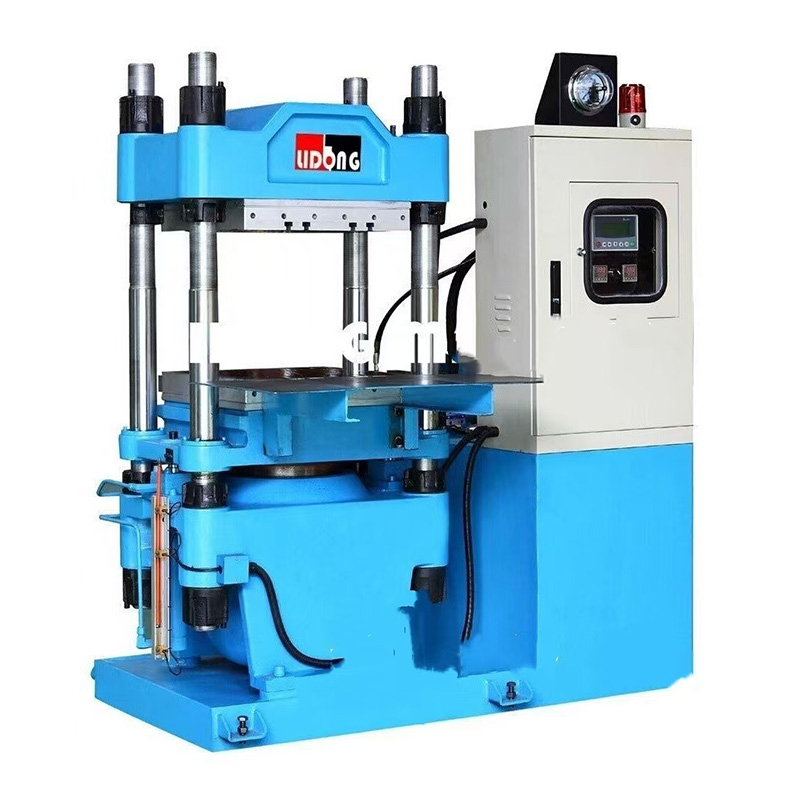
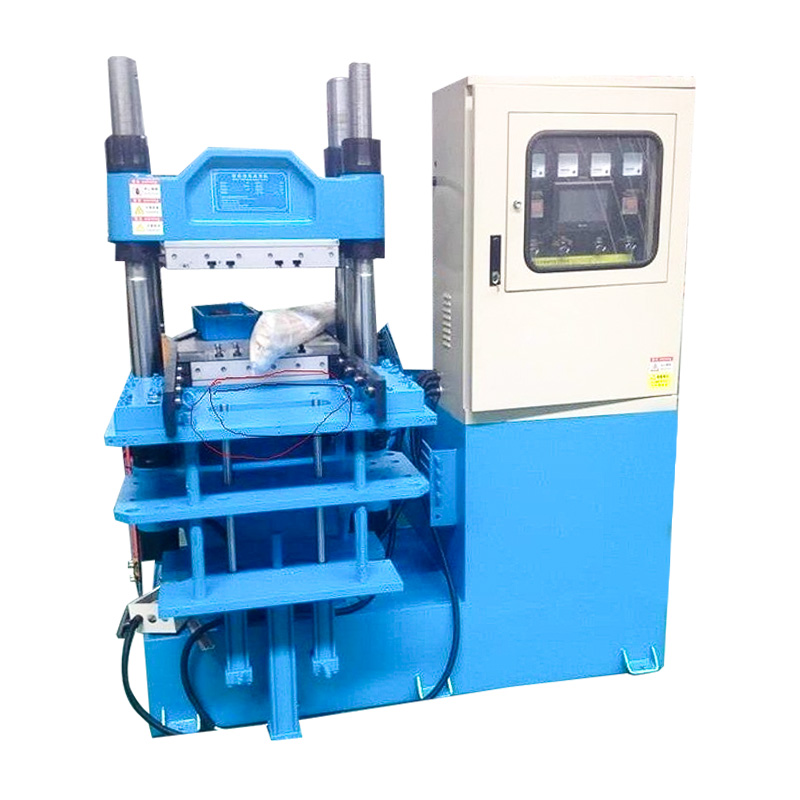
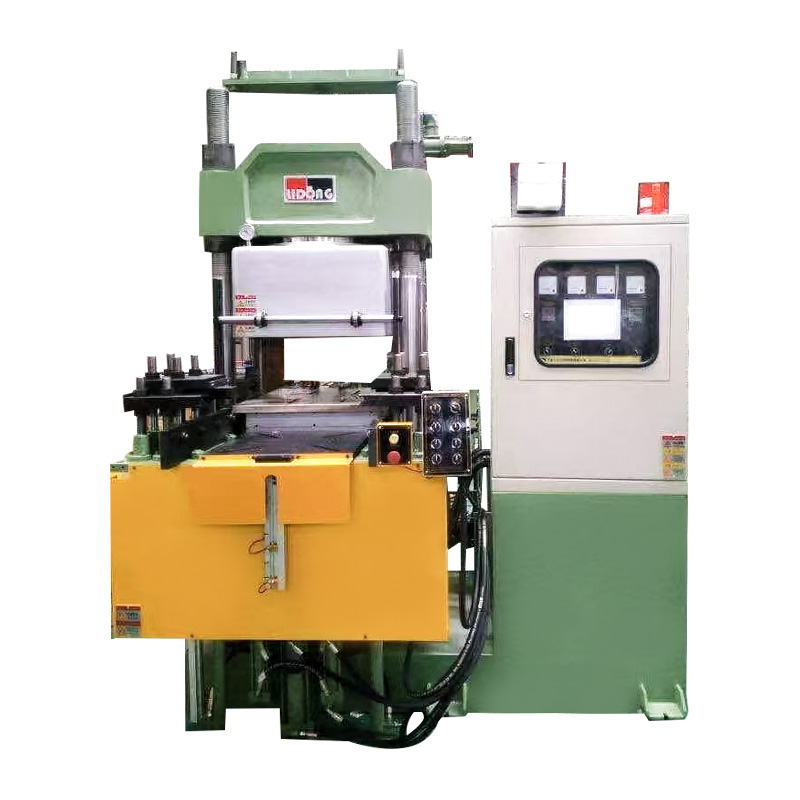
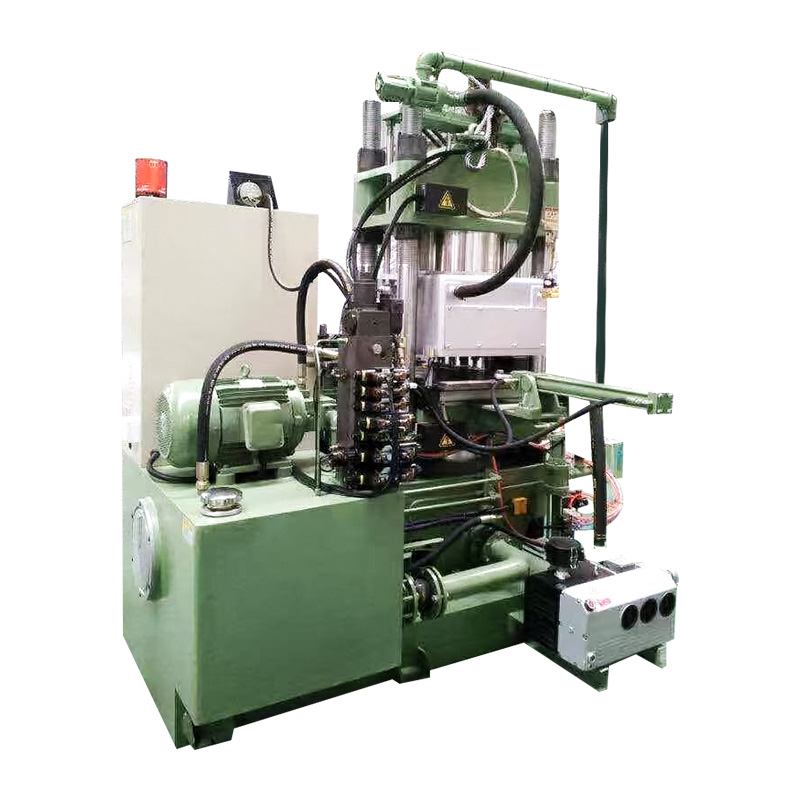
A hydraulic plate vulcanizing press uses a hydraulic pump and cylinder to drive pressurized oil through the system, pushing the platens together with high clamping force. Pressure is controlled via hydraulic valves and can reach several hundred — or even thousands — of tons depending on the machine's design.
An electric plate vulcanizing press replaces the hydraulic circuit entirely with servo motors and electric screw or toggle mechanisms. A closed-loop feedback system continuously monitors and adjusts pressure in real time, giving the machine near-instant responsiveness to any deviation from the target value.
This fundamental difference in drive technology is what shapes every other distinction between the two types.
Pressure Accuracy: Which Press Holds Tighter Tolerances?
Hydraulic systems can experience pressure drift caused by oil temperature fluctuations, seal wear, and pump aging. In practice, a conventional hydraulic press may show pressure variation of ±3–5% over a long vulcanization cycle, which is acceptable for most standard rubber products but problematic for precision parts.
Electric servo-driven presses maintain pressure repeatability within ±0.5–1%, making them the preferred choice for high-tolerance applications such as automotive rubber seals, medical-grade gaskets, or multi-layer composite rubber sheets where dimensional consistency is critical.
For example, an automotive seal manufacturer switching from hydraulic to electric plate vulcanizing presses reported a reduction in part rejection rates from 4.2% down to 0.8%, directly attributable to tighter pressure control during the vulcanization dwell phase.
Energy Consumption: The Real Cost Over Time
A hydraulic plate vulcanizing press runs its pump motor continuously — even during the pressure-holding phase — because hydraulic systems need active pressure maintenance. This results in significant idle energy waste.
An electric press only draws power during actual movement and load adjustment. Independent tests across several rubber manufacturing facilities have consistently found energy savings of 40–60% when replacing hydraulic presses with electric equivalents at the same tonnage rating.
Consider a mid-sized factory running 10 presses for two shifts daily (16 hours). If each hydraulic press consumes an average of 15 kW/h and electricity costs €0.18/kWh, the annual energy bill per press is approximately €15,768. An electric press under the same conditions may average 7 kW/h, reducing the annual cost to around €7,358 per press — a saving of over €84,000 across 10 machines annually.
Maintenance: Complexity, Downtime, and Contamination Risk
Hydraulic plate vulcanizing presses require a more intensive maintenance regime, including:
- Hydraulic oil changes every 2,000–4,000 operating hours
- Regular inspection and replacement of seals, hoses, and O-rings
- Pump and valve servicing to prevent pressure loss
- Monitoring for hydraulic oil leaks, which can contaminate rubber products
Electric presses have significantly fewer wear components. Servo motors and ball screws are highly durable, and there is no fluid system to monitor. Typical planned maintenance intervals for electric presses can extend to 6,000–10,000 hours, reducing both maintenance labor costs and unplanned downtime.
In industries such as food-contact rubber products or pharmaceutical seals, the complete absence of hydraulic oil in electric presses is not just a maintenance benefit — it is often a compliance requirement.
Maximum Load Capacity: Where Hydraulic Presses Still Dominate
For very high-tonnage applications, hydraulic plate vulcanizing presses remain the industry standard. Common use cases include:
- Conveyor belt vulcanizing and splicing — often requiring 500–3,000 tons of clamping force
- Large rubber flooring and matting production
- Industrial rubber lining sheets for mining or chemical equipment
Electric plate vulcanizing presses are commercially viable up to approximately 300–500 tons for most standard configurations. Beyond that threshold, the mechanical complexity and cost of electric drive systems make hydraulic solutions more practical.
Speed and Process Control Flexibility
Electric plate vulcanizing presses offer superior programmability. Operators can define:
- Multi-stage pressure ramp profiles (e.g., gradual pressure buildup to prevent rubber flow defects)
- Precise dwell time at each pressure stage
- Controlled decompression speed at cycle end to avoid surface blistering
Hydraulic presses can replicate some of this control with proportional valve systems, but the response lag in hydraulic circuits means transition between stages is typically 2–5× slower than equivalent electric systems. For short-cycle vulcanization processes (under 3 minutes), this lag can meaningfully impact throughput.
Total Cost of Ownership Over 10 Years
While hydraulic plate vulcanizing presses typically cost 20–35% less upfront than comparable electric models, the full financial picture shifts over time. When accounting for energy, maintenance labor, hydraulic consumables, and downtime losses, electric presses often achieve a lower total cost of ownership within 3–5 years of operation.
| Cost Factor | Hydraulic Press | Electric Press |
|---|---|---|
| Initial Purchase Price | Lower (baseline) | 20–35% higher |
| Annual Energy Cost | High (continuous pump load) | 40–60% lower |
| Maintenance Interval | Every 2,000–4,000 hrs | Every 6,000–10,000 hrs |
| Contamination Risk | Moderate (oil leaks) | None |
| Max Tonnage Available | Thousands of tons | Up to ~300–500 tons |
| Pressure Repeatability | ±3–5% | ±0.5–1% |
| Best Application | Heavy-duty, high-tonnage | Precision, clean environments |
Which Type Should You Choose?
Choose a hydraulic plate vulcanizing press if:
- Your application requires more than 500 tons of clamping force
- You are vulcanizing large conveyor belts, thick rubber sheets, or industrial linings
- Upfront capital cost is a primary constraint
- Pressure precision within ±5% is acceptable for your product
Choose an electric plate vulcanizing press if:
- You require tight dimensional tolerances and high product consistency
- Reducing long-term energy and maintenance costs is a strategic priority
- Your production environment demands cleanliness (food, medical, pharmaceutical rubber)
- You need programmable, multi-stage vulcanization cycle control
Understanding these differences allows manufacturers to align their press selection with both immediate production requirements and long-term operational goals — avoiding the costly mistake of optimizing for purchase price alone.