 English
 عربى
عربى
 中文繁体
中文繁体

Content
- 1 Why Rubber Type Matters for Vulcanization Parameters
- 2 Natural Rubber: Cure Characteristics and Press Settings
- 3 Common Synthetic Rubbers and Their Vulcanization Requirements
- 4 Side-by-Side Parameter Comparison Across Rubber Types
- 5 Press Features That Enable Multi-Rubber Capability
- 6 Real-World Application Examples
- 7 The One Rubber Type That Needs Extra Caution: Fluoroelastomers (FKM/Viton)
- 8 Practical Takeaway for Manufacturers
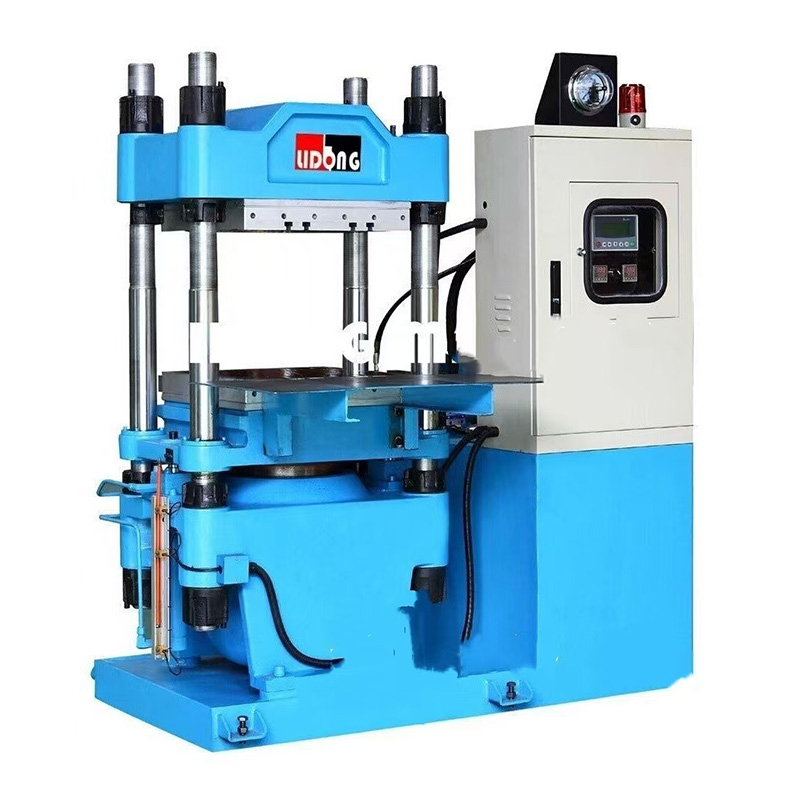
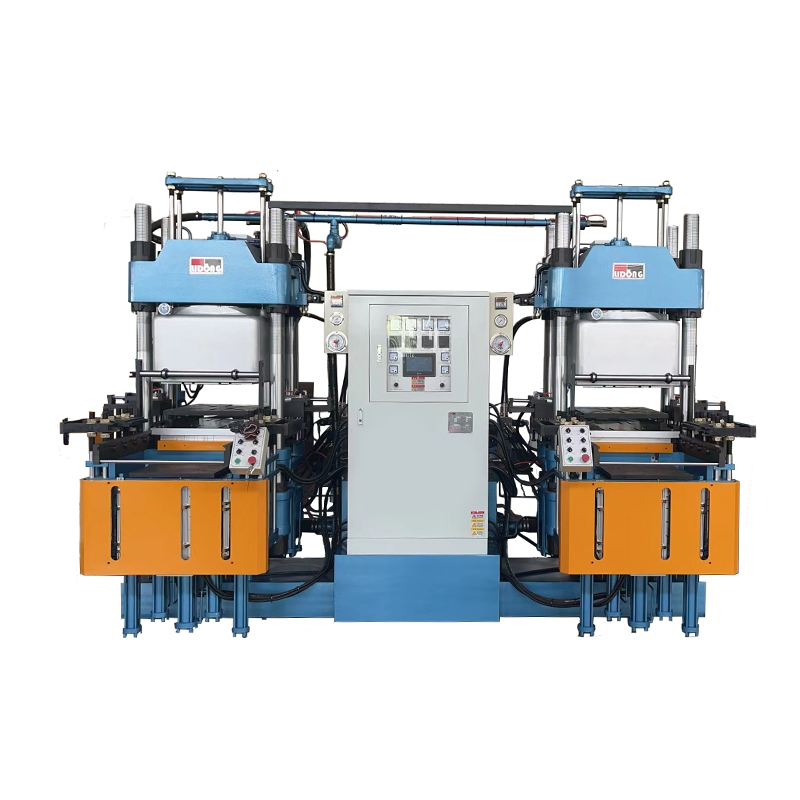
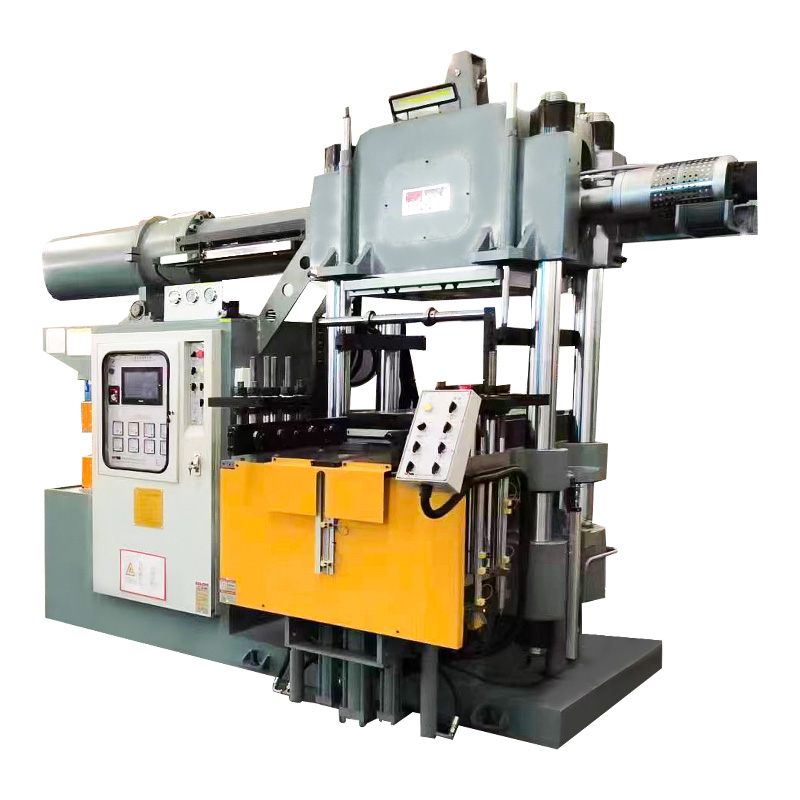
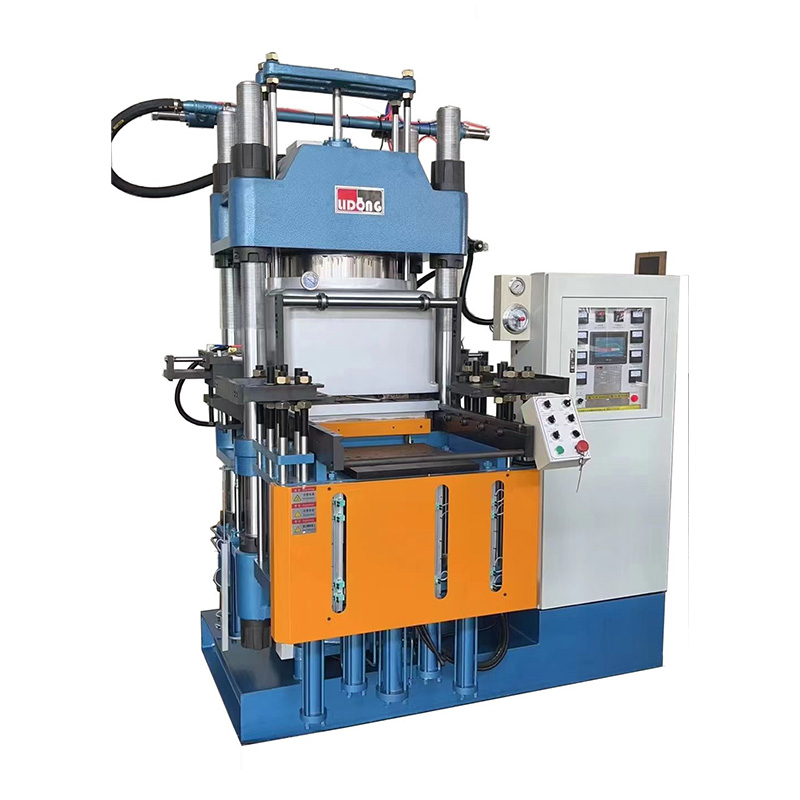
Yes — a plate vulcanizing press can process both natural rubber (NR) and most synthetic rubber types, but not with a single fixed setup. The key variables — temperature, pressure, cure time, and mold release — must be adjusted to match the specific chemistry of each rubber compound. Understanding those adjustments is what separates consistent, high-quality output from batch failures and material waste.
Why Rubber Type Matters for Vulcanization Parameters
Vulcanization is a chemical crosslinking process. Heat and pressure from the press activate sulfur or peroxide cure systems within the rubber compound, forming durable molecular bridges. The reaction rate, optimal temperature window, and maximum safe pressure all differ depending on the polymer backbone of the rubber.
Natural rubber is derived from latex and has a relatively predictable cure profile. Synthetic rubbers — including SBR, EPDM, NBR, silicone, and neoprene — are engineered polymers, each designed for specific performance properties, and each requiring a different cure system and process window.
Running a synthetic rubber formulation on parameters calibrated for natural rubber is one of the most common causes of under-cure, surface defects, and premature product failure in vulcanizing operations.
Natural Rubber: Cure Characteristics and Press Settings
Natural rubber (NR) vulcanizes efficiently using sulfur-based cure systems. It has a broad processing window, meaning small deviations in temperature or time are generally tolerable without significant quality loss — making it forgiving for operators.
Typical plate vulcanizing press settings for natural rubber:
- Temperature: 140–160°C
- Pressure: 10–15 MPa
- Cure time: 10–20 minutes depending on thickness
- Cure system: Sulfur + accelerators (CBS, TBBS)
NR delivers excellent tensile strength (up to 30 MPa uncured compound) and is widely used in conveyor belts, vibration dampers, and seals — all of which are commonly produced on plate vulcanizing presses.
Common Synthetic Rubbers and Their Vulcanization Requirements
Each major synthetic rubber type has a distinct cure profile that must be programmed into the plate vulcanizing press before production begins. Below is a practical overview of the most widely processed synthetic rubbers:
SBR (Styrene-Butadiene Rubber)
SBR is the most widely used synthetic rubber globally, common in tire treads, flooring, and shoe soles. It requires slightly higher temperatures than NR and has a narrower processing window.
- Temperature: 150–170°C
- Pressure: 10–15 MPa
- Cure time: 15–25 minutes
EPDM (Ethylene Propylene Diene Monomer)
EPDM is valued for its outstanding ozone, UV, and weather resistance. It is widely used in roofing membranes, automotive door seals, and outdoor rubber components. EPDM requires higher cure temperatures than NR or SBR.
- Temperature: 160–180°C
- Pressure: 10–20 MPa
- Cure time: 10–30 minutes
- Note: Can use sulfur or peroxide cure systems; peroxide gives better heat resistance in the finished product
NBR (Nitrile Butadiene Rubber)
NBR is the standard choice for oil-resistant applications: fuel hoses, gaskets, O-rings, and industrial seals. Its high acrylonitrile content demands careful temperature control to avoid scorching.
- Temperature: 150–170°C
- Pressure: 10–15 MPa
- Cure time: 10–20 minutes
Silicone Rubber (VMQ/HTV)
High-temperature vulcanizing (HTV) silicone is used in medical devices, food-contact products, and high-heat applications. Silicone requires peroxide cure systems and typically higher platen temperatures than other rubbers.
- Temperature: 165–200°C
- Pressure: 5–15 MPa (lower pressure than most rubbers to avoid flow defects)
- Cure time: 5–15 minutes
- Note: Requires post-cure oven treatment (usually 200°C for 4 hours) to fully remove peroxide byproducts
Neoprene / CR (Chloroprene Rubber)
Neoprene offers good flame resistance and moderate oil resistance, making it common in industrial hoses, cable jacketing, and wetsuits. It is sensitive to over-cure, which causes brittleness.
- Temperature: 150–165°C
- Pressure: 10–14 MPa
- Cure time: 10–20 minutes
Side-by-Side Parameter Comparison Across Rubber Types
| Rubber Type | Cure Temp (°C) | Pressure (MPa) | Cure Time (min) | Cure System | Key Watch-Out |
|---|---|---|---|---|---|
| Natural Rubber (NR) | 140–160 | 10–15 | 10–20 | Sulfur | Wide window, forgiving |
| SBR | 150–170 | 10–15 | 15–25 | Sulfur | Narrower window than NR |
| EPDM | 160–180 | 10–20 | 10–30 | Sulfur or Peroxide | Cure system choice affects heat resistance |
| NBR | 150–170 | 10–15 | 10–20 | Sulfur | Prone to scorching |
| Silicone (HTV) | 165–200 | 5–15 | 5–15 | Peroxide | Requires post-cure oven step |
| Neoprene (CR) | 150–165 | 10–14 | 10–20 | Metal oxides | Over-cure causes brittleness |
Press Features That Enable Multi-Rubber Capability
Not every plate vulcanizing press is equally well-suited for multi-rubber production. The following machine features are critical when a single press must handle both natural and synthetic rubber compounds:
- Wide temperature range: The press should reliably hold temperatures from 140°C (NR minimum) up to at least 200°C (silicone maximum). Platen temperature uniformity within ±2°C across the platen surface is the accepted industry benchmark for precision work.
- Programmable cure profiles: Multi-stage temperature and pressure programming allows operators to store separate cure recipes for each rubber type and switch between them without manual recalibration errors.
- Precise pressure control: Some synthetics (particularly silicone) require lower platenn pressure than NR. A press with fine-grained pressure adjustment — ideally in increments of 0.1 MPa — prevents flow defects in low-viscosity compounds.
- Mold surface compatibility: Silicone and fluorosilicone compounds are notorious for sticking to steel molds. Molds used for silicone vulcanization should be coated with PTFE release agent or feature chrome-plated surfaces to prevent adhesion and contamination of subsequent batches.
- Thorough cleaning protocols between compounds: Residual accelerators or peroxide from one rubber type can contaminate the next batch. Cross-contamination between sulfur-cured and peroxide-cured systems is a particularly significant quality risk.
Real-World Application Examples
To make the above parameters tangible, here is how different rubber types map to finished products commonly manufactured on plate vulcanizing presses:
- Conveyor belt splicing: Typically NR or SBR, processed at 145–155°C with high clamping tonnage. A standard 1,200 mm wide belt splice may require 20–30 minutes cure time at 12 MPa.
- Automotive door and window seals: Predominantly EPDM, processed at 170–180°C using peroxide cure for improved long-term compression set resistance.
- Oil-resistant industrial gaskets: NBR at 160°C and 12 MPa; typical cure time 15 minutes for a 5 mm thick gasket.
- Medical-grade silicone sheets: HTV silicone at 180°C, 8 MPa for 10 minutes, followed by 4-hour post-cure at 200°C to eliminate residual peroxide volatiles — a mandatory step for products with any patient contact.
- Wetsuit and marine rubber components: Neoprene at 155°C, carefully timed to avoid the over-cure brittleness risk.
The One Rubber Type That Needs Extra Caution: Fluoroelastomers (FKM/Viton)
Fluoroelastomers (commonly sold under the Viton brand) deserve special mention because they are significantly more demanding than other synthetic rubbers when processed on a plate vulcanizing press.
FKM compounds require:
- Temperature: 175–200°C for press cure, plus mandatory post-cure at 230°C for 16–24 hours
- Pressure: 14–20 MPa to prevent porosity in the cured compound
- Dedicated molds and tooling — FKM compounds release hydrofluoric acid traces during cure, which can corrode standard steel tooling and cross-contaminate other rubber batches if shared equipment is used
For manufacturers intending to process FKM regularly, dedicated press platens or at minimum dedicated mold inserts are strongly recommended to protect equipment and ensure product purity.
Practical Takeaway for Manufacturers
A plate vulcanizing press is a versatile platform. The machine itself is not the limiting factor — your process control and recipe management are. Facilities that successfully run multiple rubber types on the same press share three common practices:
- Documented cure recipes per compound — temperature, pressure, time, and cure system stored in the press controller or production management system, never relied on from memory
- Material changeover protocols — defined cleaning steps between incompatible rubber systems, especially at the boundary between sulfur-cured and peroxide-cured compounds
- Regular rheometer testing — using a moving die rheometer (MDR) to verify the cure characteristics of each incoming compound lot before committing to a full press run, reducing the risk of batch scrap from off-spec raw materials
With the right equipment features and process discipline, a single well-specified plate vulcanizing press can serve as the production core for a facility handling five or more distinct rubber materials — from natural rubber conveyor belts to precision silicone medical components.