 English
 عربى
عربى
 中文繁体
中文繁体

Content
- 1 The Science Behind Vulcanization
- 2 Core Components of a Rubber Vulcanizing Machine
- 3 How a Rubber Vulcanizing Machine Works: Step by Step
- 4 Main Types of Rubber Vulcanizing Machines
- 5 Key Operating Parameters and Their Effects
- 6 Industries and Products That Rely on Rubber Vulcanizing Machines
- 7 Common Defects Caused by Improper Vulcanization
- 8 How to Select the Right Rubber Vulcanizing Machine
- 9 Why the Vulcanizing Machine Is the Heart of Rubber Manufacturing
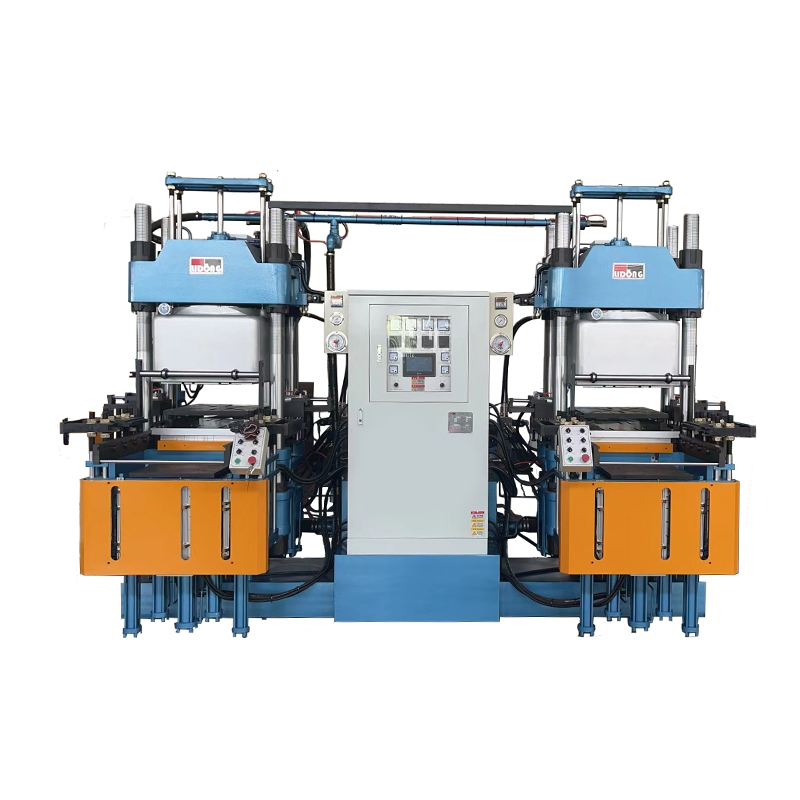
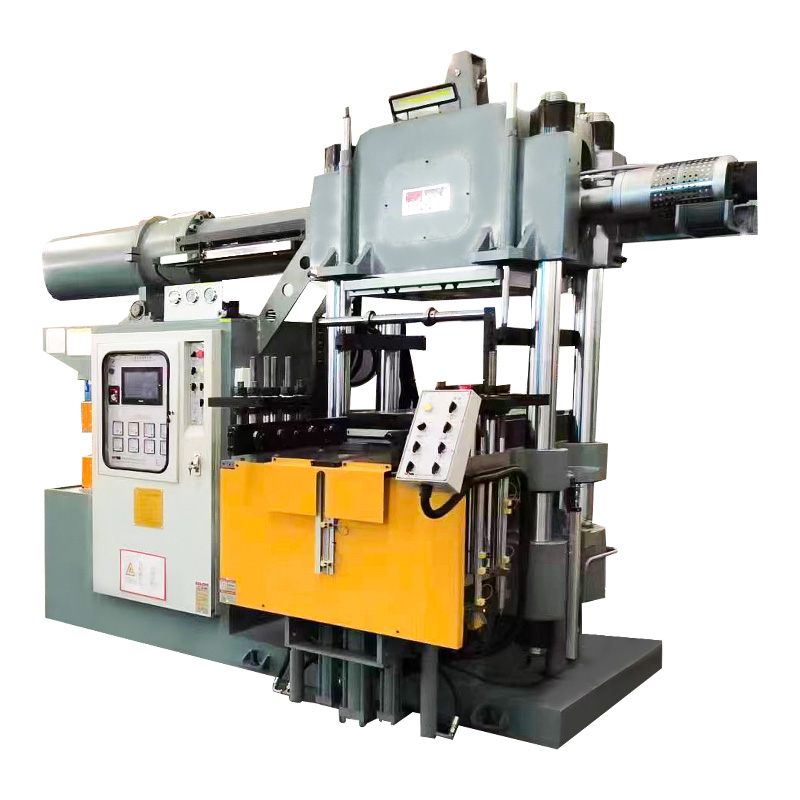
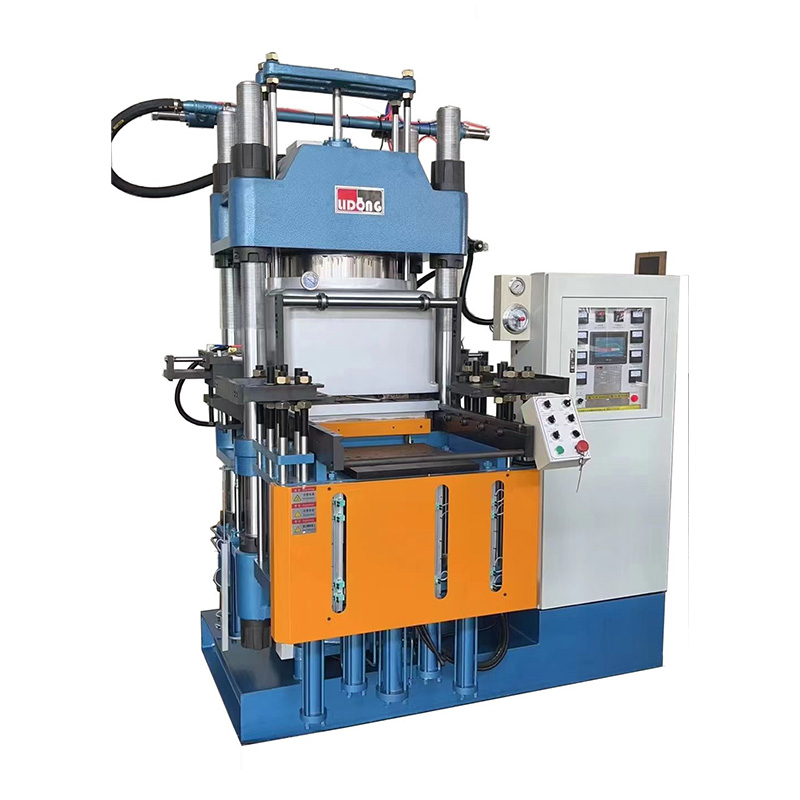
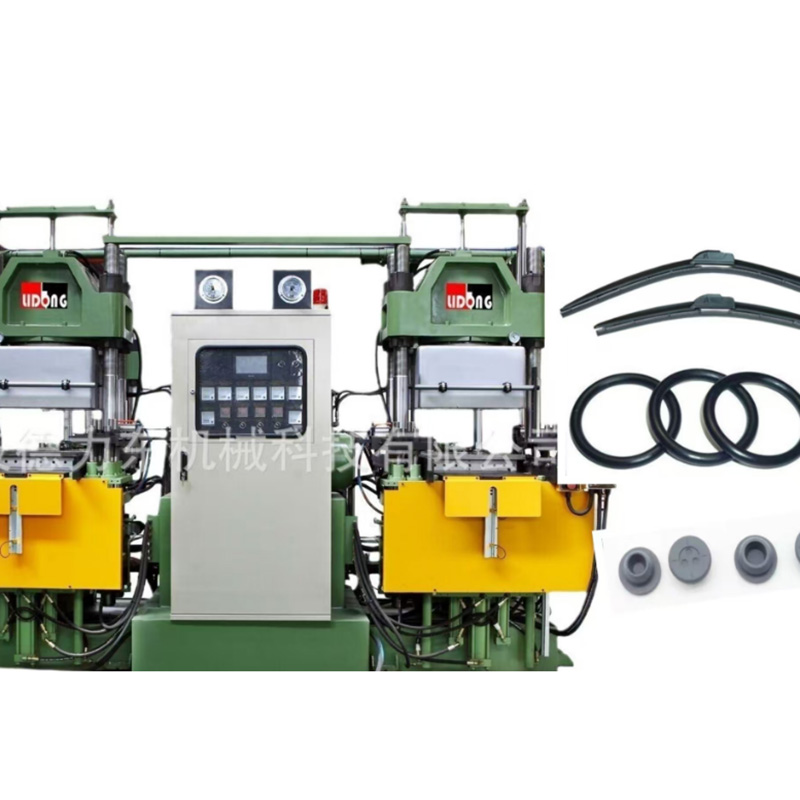
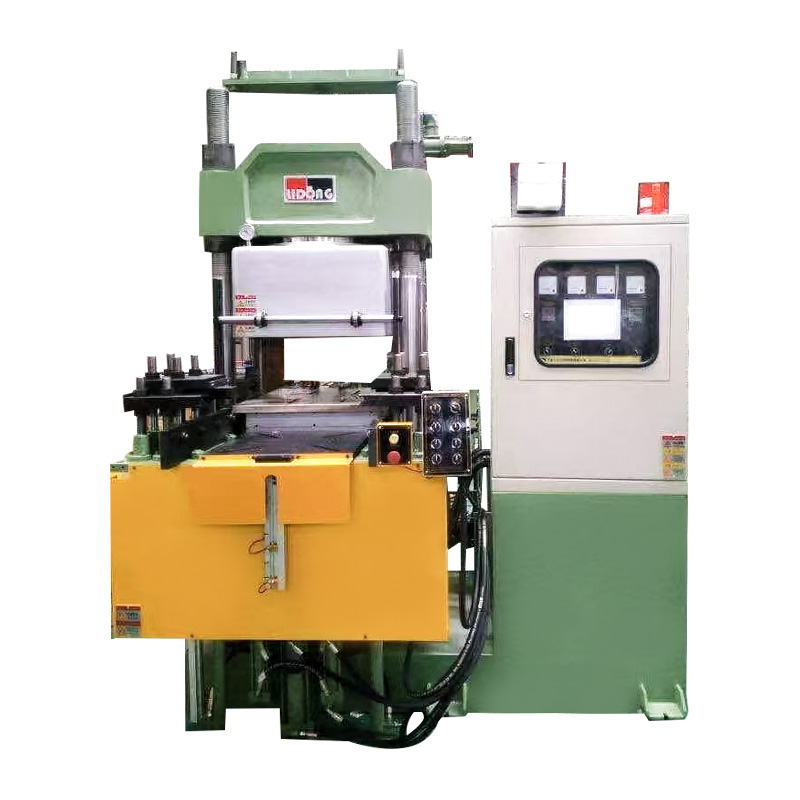
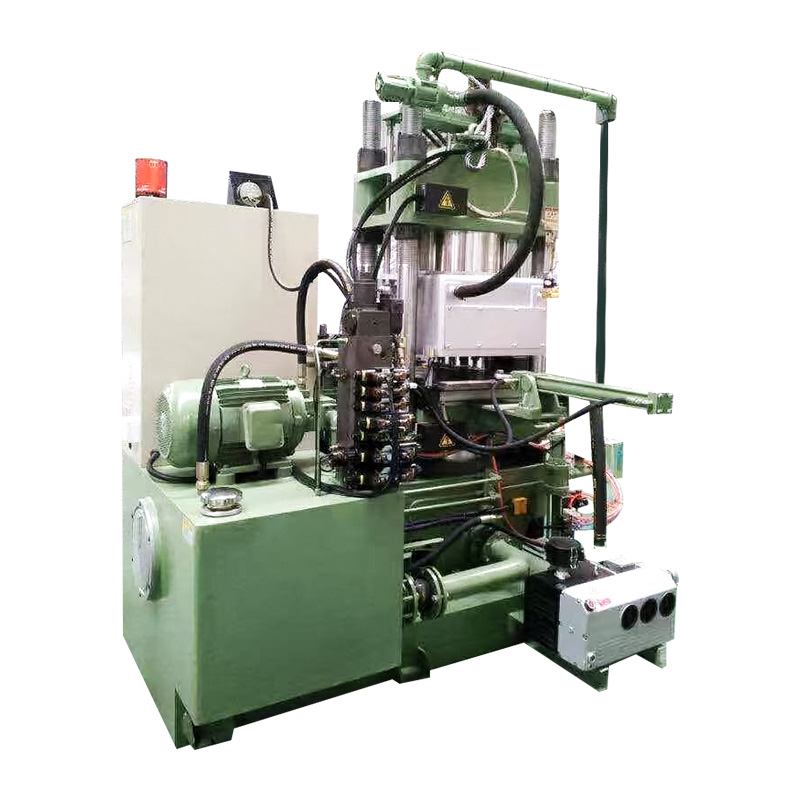
A rubber vulcanizing machine is industrial equipment that uses controlled heat, pressure, and time to chemically cure raw rubber into a strong, elastic, and durable material. The process — vulcanization — forms cross-links between rubber polymer chains through sulfur bonds, permanently changing the rubber's physical properties. Without this machine, rubber products would be too soft, sticky, and unstable for any practical application. From passenger car tires to industrial seals, virtually every rubber product in daily use has passed through a vulcanizing machine at some point in its production.
The Science Behind Vulcanization
Natural and synthetic rubber in their raw state consist of long, tangled polymer chains that slide past one another easily — which is why unvulcanized rubber is soft and deformable. Vulcanization introduces sulfur-based cross-links that chemically bond these chains together at regular intervals, creating a three-dimensional molecular network.
The key chemical changes that occur during vulcanization include:
- Sulfur atoms form bridges between adjacent polymer chains at temperatures typically between 140°C and 200°C
- Accelerators (such as CBS or TBBS) and activators (zinc oxide + stearic acid) are added to the rubber compound to control the speed and density of cross-linking
- The degree of cross-linking — measured by the sulfur-to-rubber ratio — determines the final hardness: soft rubber uses 1–3% sulfur, while hard rubber (ebonite) can use up to 30–50%
- Tensile strength typically rises from 2–3 MPa (uncured) to 15–25 MPa (cured), with elongation at break exceeding 400–600%
Charles Goodyear discovered the vulcanization process in 1839, but modern industrial vulcanizing machines have turned that chemistry into a precise, repeatable, and highly automated manufacturing process.
Core Components of a Rubber Vulcanizing Machine
Understanding how a vulcanizing machine works requires familiarity with its main structural components. While designs vary by machine type, most share the following key parts:
Heating System
The heating system raises and maintains the mold temperature required for curing. Two primary methods are used in industry:
- Steam heating: Saturated steam at 0.5–1.5 MPa is circulated through channels in the platen or mold. It is cost-effective for large-volume production but requires a boiler system and careful pressure regulation.
- Electric heating: Resistance heating elements are embedded in the platens. This method offers superior temperature uniformity (within ±1–2°C) and is preferred for precision parts and smaller-batch production.
Hydraulic Clamping System
A hydraulic cylinder applies the clamping force that closes the mold halves and holds them together under pressure throughout the cure cycle. Clamping forces range from 500 kN for small component presses to over 20,000 kN for large tire presses. Precise pressure control prevents flash (rubber overflow at the mold parting line) and ensures the part fills the cavity completely.
Mold or Platen
The mold defines the shape, surface texture, and final dimensions of the rubber part. Molds are typically machined from P20 steel or aluminum alloy and are precision-engineered for dimensional tolerances as tight as ±0.05 mm. In tire manufacturing, segmented molds create the tread pattern and sidewall markings during the cure cycle.
Control System
Modern machines use PLC (Programmable Logic Controller) or CNC-based control panels to manage and monitor temperature, pressure, and curing time simultaneously. Operators set cure parameters via a touchscreen HMI, and the system logs each cycle's data for quality traceability. Advanced machines link to factory MES platforms for centralized production management.
Frame and Platen Structure
The machine frame must withstand repeated high clamping forces without deflection. Most industrial presses use a four-column or C-frame design. The platens — the heated metal plates that sandwich the mold — must remain flat and parallel under load to ensure even pressure distribution across the mold face.
How a Rubber Vulcanizing Machine Works: Step by Step
The vulcanization cycle follows a well-defined sequence of operations. While the specifics vary by machine type and product, the fundamental process steps are consistent across applications:
- Mold Preparation: The mold cavity is cleaned and coated with a release agent to prevent the cured rubber from sticking. Mold temperature is brought to the target cure temperature before loading.
- Loading the Green Compound: Pre-weighed and pre-formed raw rubber compound (called the "green" part) is placed into the open mold cavity. For tires, the assembled green tire is loaded onto the press center mechanism.
- Mold Closing and Pressurization: The hydraulic system closes the mold halves and builds clamping pressure to the programmed setpoint. For compression molding, excess material is squeezed out through flash grooves; for injection or transfer molding, rubber is injected into a sealed cavity.
- Curing (Dwell) Phase: With the mold closed, heat transfers from the platens or steam channels through the mold walls into the rubber. The rubber compound reaches cure temperature, and the cross-linking reaction begins. The machine holds temperature and pressure constant for the programmed dwell time.
- Cure Completion and Mold Opening: Once the cure timer expires (or the control system confirms cure completion via sensors), pressure is released, and the mold opens. In automated presses, robotic arms or ejector pins remove the cured part.
- Post-Cure Handling: Parts are cooled, inspected, trimmed of flash, and moved to the next production stage. Some rubber compounds require a post-cure oven step for additional property development.
Main Types of Rubber Vulcanizing Machines
Several machine configurations exist, each suited to different rubber products, production volumes, and compound types:
| Machine Type | Working Principle | Typical Products | Key Advantage |
|---|---|---|---|
| Compression Molding Press | Rubber placed in open mold, closed under pressure | Seals, gaskets, O-rings, mounts | Low tooling cost, versatile |
| Transfer Molding Press | Rubber forced from pot through sprues into closed mold | Complex shapes, over-molded parts | Good dimensional accuracy |
| Injection Molding Press | Rubber injected under high pressure into sealed cavity | Precision automotive parts, medical components | Fastest cycle time, minimal waste |
| Tire Bladder Press | Internal bladder inflates to press green tire against mold | Passenger, truck, motorcycle tires | Uniform pressure on complex geometry |
| Autoclave / Pot Vulcanizer | Steam pressure vessel cures large or batch items | Hoses, large industrial rolls, OTR tires | Handles large and irregular shapes |
| Continuous Vulcanizing Line (CV) | Extruded rubber passes through heated tube or salt bath | Cables, profiles, weather strips | High-volume, continuous output |
Key Operating Parameters and Their Effects
The quality of every vulcanized rubber product depends on the precise control of three interdependent variables — often called the "vulcanization triangle":
Temperature
Temperature drives the rate of cross-linking. As a general rule, every 10°C increase in cure temperature approximately halves the required cure time (Arrhenius relationship). However, exceeding the optimal temperature causes "reversion" — degradation of the rubber network — which reduces tensile strength and elasticity. Most rubber compounds have an optimal cure window between 150°C and 180°C.
Pressure
Pressure ensures the rubber compound completely fills the mold cavity, eliminates voids and porosity, and maintains part geometry during the cure. Insufficient pressure leads to defects such as blistering, incomplete fill, or delamination. Typical molding pressures range from 5 MPa for soft rubber seals to over 20 MPa for high-density technical parts.
Time
Cure time must be sufficient to complete cross-linking throughout the entire cross-section of the part. Thick parts require longer dwell times because heat must conduct from the mold surface to the center. Engineers use rheometer data (MDR curves) to determine the optimal cure window — the time between T10 (10% cure) and T90 (90% cure) — for each rubber formulation.
Industries and Products That Rely on Rubber Vulcanizing Machines
The global rubber goods market — valued at over $250 billion USD — relies almost entirely on vulcanizing machines for production. Key industries and product categories include:
- Automotive: Tires, engine mounts, door seals, bushings, hoses, and vibration dampeners
- Aerospace: O-rings, fuel system seals, and vibration isolation pads requiring tight dimensional tolerances
- Construction: Conveyor belts, expansion joints, waterproofing membranes, and bridge bearings
- Medical: Gloves, tubing, catheters, and equipment diaphragms (often using peroxide or radiation cure instead of sulfur)
- Consumer goods: Footwear soles, sporting goods, and household appliance gaskets
- Energy & mining: Drill pipe protectors, pump diaphragms, and large conveyor belts used in harsh environments
Common Defects Caused by Improper Vulcanization
When any of the three cure parameters fall outside their acceptable range, characteristic defects appear in the finished rubber part:
| Defect | Root Cause | Impact on Product |
|---|---|---|
| Under-cure (soft spots) | Too low temperature or too short cure time | Low strength, poor wear resistance, permanent deformation |
| Over-cure (reversion) | Too high temperature or excessive cure time | Brittle texture, cracking, reduced elongation |
| Porosity / blistering | Insufficient clamping pressure, moisture in compound | Internal voids, structural weakness, leakage in seals |
| Flash / overflow | Excess rubber charge or worn mold parting line | Dimensional non-conformance, trimming required |
| Incomplete fill | Too little compound, premature cure, or low pressure | Missing features, rejected parts |
| Uneven cure | Non-uniform mold temperature or pressure distribution | Property variation within a single part |
How to Select the Right Rubber Vulcanizing Machine
Choosing the correct vulcanizing machine requires matching equipment specifications to product requirements and production targets. The most important selection criteria are:
- Product geometry and size: Flat parts suit compression presses; complex shapes require injection or transfer machines; very large parts need autoclaves or pot vulcanizers
- Required clamping force: Calculate based on projected mold area × cavity pressure. Under-sizing the press causes flash and dimensional issues
- Heating method: Electric heating for precision and uniformity; steam for high-volume and cost efficiency
- Automation level: Manual loading for low-volume specialty work; fully automated robotic systems for mass production exceeding 500 parts/hour
- Platen size: Must accommodate the mold footprint with adequate safety margin (typically mold size + 50–100 mm clearance on each side)
- Daylight opening: Sufficient vertical space must exist when the press is open to load and unload parts without interference
Why the Vulcanizing Machine Is the Heart of Rubber Manufacturing
The rubber vulcanizing machine transforms a chemically reactive but physically weak material into one of the most versatile engineering materials in existence. By precisely controlling temperature, pressure, and time, it enables manufacturers to produce rubber products with consistent, predictable, and application-specific properties — from the soft flexibility of a medical glove to the extreme durability of a mining conveyor belt.
For any manufacturer working with rubber compounds, the vulcanizing machine is not simply a piece of equipment — it is the process step that determines everything about the final product's performance, quality, and market viability. Investing in the right machine type, maintaining accurate process control, and understanding the underlying chemistry are the three pillars of successful rubber vulcanization.