 English
 عربى
عربى
 中文繁体
中文繁体

Content
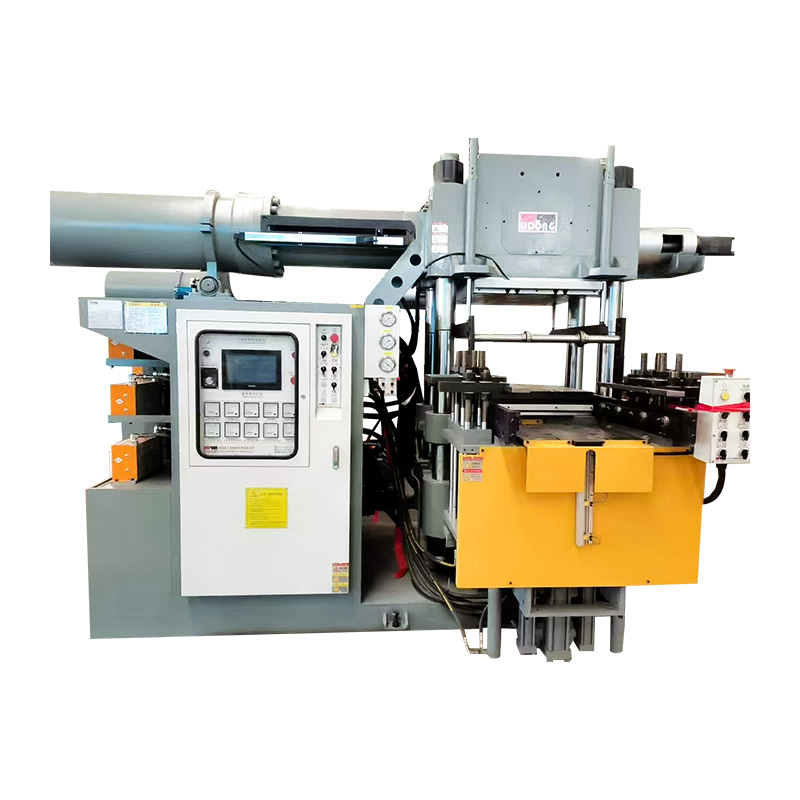
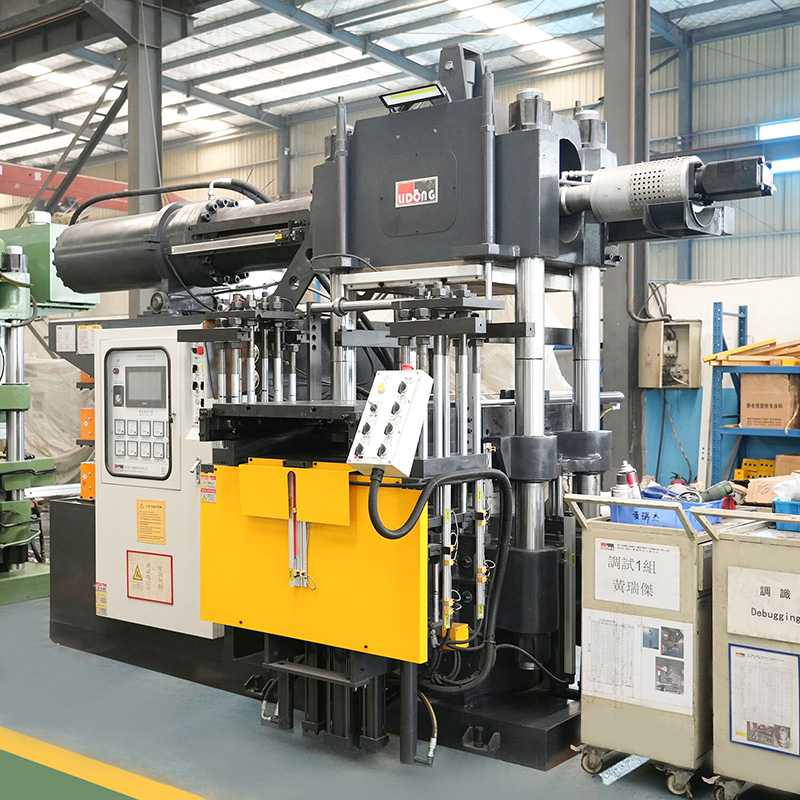
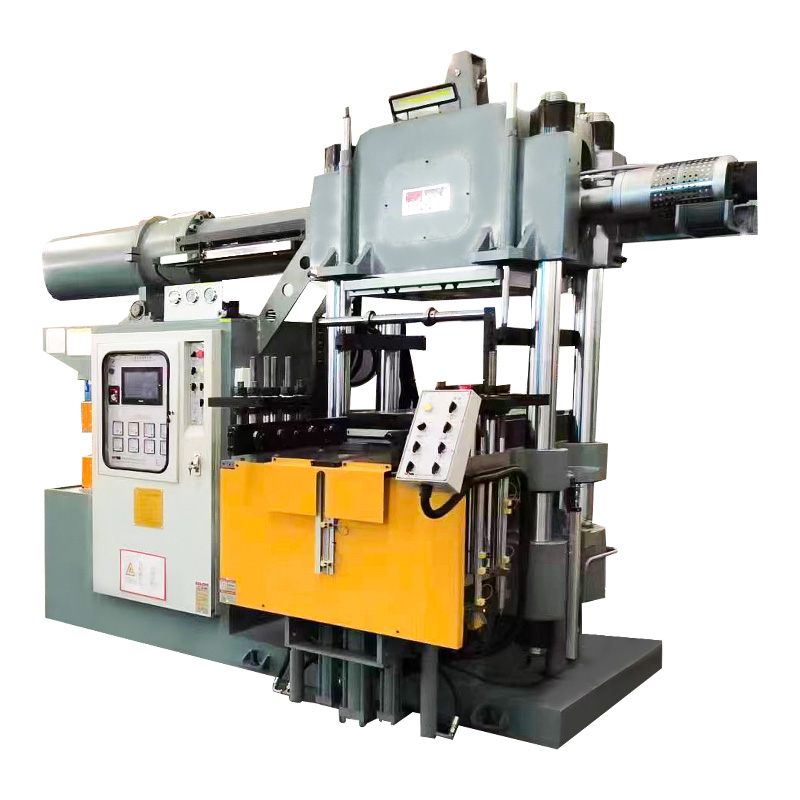
Choosing the best Liquid Silicone Injection Machine (LSR injection molding machine) is a critical decision that directly influences product quality, production efficiency, and long-term operational costs. With the increasing demand for silicone products in industries such as medical, automotive, electronics, and baby care, manufacturers must carefully evaluate multiple factors before investing in equipment. A well-selected machine not only ensures stable production but also enhances competitiveness in global markets.
Production Volume and Output Requirements
Understanding Your Manufacturing Scale
Before selecting a machine, it is essential to clearly define your production goals. Production volume determines the type, size, and automation level of the machine you need. For high-volume manufacturing environments, such as automotive or medical component production, fully automated liquid silicone injection machines are often the best choice. These machines can operate continuously with minimal human intervention, ensuring consistent output and reducing labor costs.
On the other hand, small-scale manufacturers or companies focusing on customized products may benefit from semi-automatic or compact machines. These systems offer greater flexibility, making them suitable for short production runs or frequent product changes. Choosing a machine that aligns with your production capacity helps avoid unnecessary investment while ensuring efficiency.
Balancing Efficiency and Flexibility
High-output machines typically come with advanced automation features, including robotic arms and integrated control systems. While these features increase efficiency, they may not always be necessary for smaller operations. Therefore, businesses should strike a balance between efficiency and flexibility, ensuring that the machine can adapt to future production needs without excessive cost.
Machine Type: Vertical vs Horizontal
Vertical Liquid Silicone Injection Machines
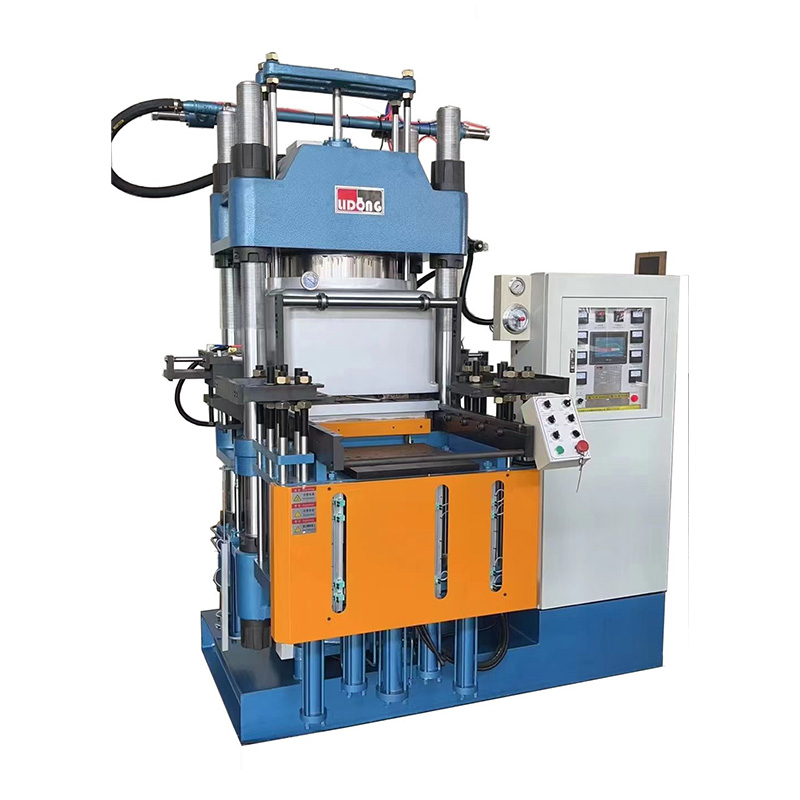
Vertical machines are widely used for precision molding and insert molding applications. Their design allows operators to easily place inserts into molds, making them ideal for producing components that require embedded metal or plastic parts. These machines are commonly used in industries such as electronics and medical devices, where precision is critical.
Horizontal Liquid Silicone Injection Machines
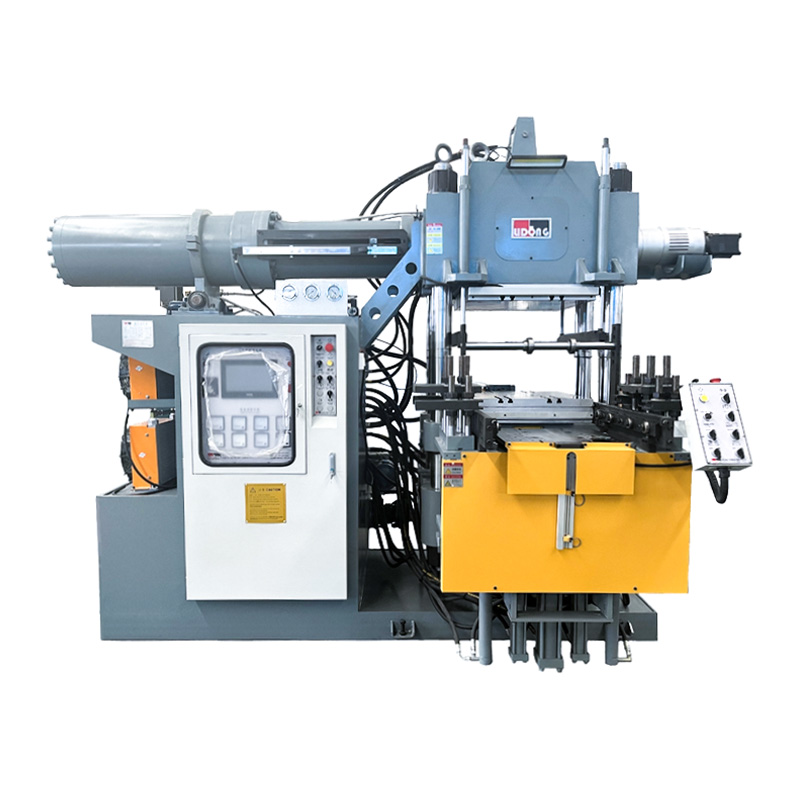
Horizontal machines are better suited for large-scale, automated production. They are easier to integrate with robotic systems and conveyor belts, making them highly efficient for mass production. These machines are often used in automotive and consumer goods manufacturing, where high output and consistency are required.
Choosing the Right Configuration
The choice between vertical and horizontal machines depends on your product design and production process. If your products involve complex structures or insert molding, a vertical machine is recommended. For high-speed, large-volume production, a horizontal machine is the better option.
Precision and Temperature Control
Importance of Accurate Temperature Management
Liquid silicone rubber (LSR) processing requires strict temperature control to ensure proper curing and product quality. The injection unit typically operates at a lower temperature to maintain the material in a liquid state, while the mold is heated to a higher temperature to initiate vulcanization. Any deviation in temperature can lead to defects such as incomplete curing, air bubbles, or poor surface finish.
Advanced Control Systems
Modern machines are equipped with advanced temperature control systems that allow precise adjustments and real-time monitoring. These systems ensure consistent processing conditions, which is especially important for industries with strict quality standards, such as medical and food-grade manufacturing.
Impact on Product Quality
Accurate temperature and pressure control not only improve product consistency but also reduce material waste and production downtime. Investing in a machine with high-precision control systems can significantly enhance overall manufacturing performance.
Automation and Smart Features
Role of Automation in Modern Manufacturing
Automation is a key factor in improving production efficiency and reducing labor dependency. Modern liquid silicone injection machines often include features such as automatic material feeding, mixing, injection, curing, and demolding. These integrated systems streamline the entire production process and minimize human error.
Smart Monitoring and Data Integration
Many advanced machines are equipped with smart monitoring systems that provide real-time data on temperature, pressure, and cycle times. This data can be used to optimize production processes, identify issues early, and improve overall efficiency. Some machines also support remote monitoring and integration with factory management systems.
Long-Term Benefits
Although automated machines require a higher initial investment, they offer significant long-term benefits, including lower labor costs, higher productivity, and improved product quality. For manufacturers aiming to scale their operations, automation is a crucial consideration.
Material Compatibility and Application Industry
Wide Range of Applications
Liquid silicone injection machines are used across various industries, including medical devices, automotive components, consumer electronics, and baby products. Each industry has specific requirements in terms of material properties, precision, and production standards.
Industry-Specific Requirements
For example, medical and food-grade products require machines that can operate in cleanroom environments and meet strict regulatory standards. Automotive applications demand high durability and consistent performance, while consumer products often require flexibility in design and production.
Ensuring Compatibility
When choosing a machine, it is important to ensure that it is compatible with the type of silicone material you plan to use. This includes checking the machine’s mixing ratio system, injection pressure, and temperature range. Proper compatibility ensures efficient processing and high-quality output.
Cost vs Long-Term ROI
Initial Investment vs Operational Costs
While the initial cost of a liquid silicone injection machine is an important consideration, it should not be the only factor. Businesses must also evaluate long-term operational costs, including energy consumption, maintenance, and labor.
Evaluating Return on Investment
A high-quality machine with advanced features may have a higher upfront cost, but it can deliver better efficiency, lower defect rates, and reduced downtime. These factors contribute to a higher return on investment over time.
Strategic Decision-Making
Manufacturers should take a long-term perspective when selecting equipment. Investing in reliable and efficient machinery can enhance production capabilities, improve product quality, and strengthen market competitiveness.
Comparison Table of Key Selection Factors
| Factor | Small-Scale Production | Medium-Scale Production | Large-Scale Production |
|---|---|---|---|
| Machine Type | Vertical / Compact | Vertical or Horizontal | Horizontal |
| Automation Level | Low to Medium | Medium to High | Fully Automated |
| Precision Requirement | Medium | High | Very High |
| Investment Cost | Low | Medium | High |
| Typical Applications | Custom products | Industrial components | Mass production industries |
FAQ
Q1: What is the most important factor when choosing a liquid silicone injection machine?
A1: Production volume and product requirements are the most critical factors, as they determine the machine type and configuration.
Q2: Are fully automated machines worth the investment?
A2: Yes, for large-scale production, automated machines significantly improve efficiency and reduce labor costs, offering better long-term returns.
Q3: How does temperature control affect product quality?
A3: Precise temperature control ensures proper curing, reduces defects, and improves overall product consistency.
Q4: Can one machine handle different types of silicone products?
A4: Yes, but it depends on the machine’s compatibility and configuration. Some machines are designed for multi-purpose use.
References
- ISO 9001 Quality Management Systems – Manufacturing Standards
- Liquid Silicone Rubber Processing Guidelines – Industry Handbook
- Injection Molding Technology and Equipment, Manufacturing Press
- Industrial Automation in Rubber Processing – Engineering Journal