 English
 عربى
 中文繁体

Content
Every September, a good part of the composites industry lives off a single schedule for a week. In 2025, that schedule belonged to CAMX, the Composites and Advanced Materials Expo, which ran from September 8 to 11 at the Orange County Convention Center in Orlando, Florida. The conference program covered all four days, while the exhibit hall in the West Building opened from September 9 to 11.
At DLD Press, we build hydraulic presses that shape rubber and friction materials, so we follow CAMX with a very specific question in mind: what are engineers designing now, and how will those parts eventually be molded, cured, and pressed? This article is our reading of the CAMX 2025 schedule — the dates, the daily rhythm, the kind of content that filled the program, and the practical lessons we would pass on to anyone already planning for the next edition.
CAMX 2025 at a Glance
The essentials are simple enough to keep in one place, and it is worth doing so, because CAMX information usually arrives spread across a show directory, a conference program, and a floor plan.
| Item | Detail |
|---|---|
| Event | CAMX 2025, the Composites and Advanced Materials Expo |
| Conference dates | September 8-11, 2025 |
| Exhibit hall dates | September 9-11, 2025 |
| Venue | Orange County Convention Center, West Building |
| City | Orlando, Florida, United States |
| Program size | More than 100 conference sessions |
| Organizations behind it | ACMA and SAMPE |
Two details are easy to miss. First, the conference and the exhibit hall do not open on the same day: sessions began Monday, September 8, while the floor opened on Tuesday, September 9. Second, the West Building designation matters when you plan transport and hotel choice, because the convention center campus is large enough that the wrong entrance can quietly cost you half an hour of a short morning.
The CAMX 2025 Schedule, Day by Day
The week followed a familiar shape: the conference starts a day before the floor opens, the middle days carry the heaviest traffic, and the final day runs lighter as people head for the airport.
| Day | Date | Conference | Exhibit hall | Character of the day |
|---|---|---|---|---|
| Day 1 | Monday, September 8 | Yes | Closed | Education and technical sessions only; a calmer start |
| Day 2 | Tuesday, September 9 | Yes | Open | Exhibit hall opens; heaviest foot traffic of the week |
| Day 3 | Wednesday, September 10 | Yes | Open | Peak day for meetings, booth visits, and press coverage |
| Day 4 | Thursday, September 11 | Yes | Open | Final day; lighter crowds, good for short follow-ups |
If you have attended a large materials show before, you already know this rhythm. The practical takeaway is worth writing down anyway: put the technical sessions you truly care about on Monday and Tuesday morning, and keep the afternoons for the floor once it opens, because booth conversations have a habit of running long and pushing everything else aside.
What the Conference Program Covered
With more than 100 sessions on the schedule, CAMX 2025 cannot be reduced to a sentence, but the content fell into a few recognizable groups:
- Materials and resin systems: new thermoset and thermoplastic chemistry, additives, and the properties that decide how a part behaves later.
- Process and manufacturing technology: molding, curing, tooling, automation, and the equipment decisions that follow from all three.
- Testing, quality, and certification: how parts are validated and what the standards actually require.
- Sustainability and recycling: reclaiming scrap, cutting energy per part, and thinking in full lifecycles.
- Business and workforce: market outlook, supply chain pressure, and the skilled-people shortage every plant is feeling.
For a machinery builder, the second group is home ground. One thread that runs through both composites and rubber processing is vacuum. Pulling air out of a mold before the press closes reduces porosity and produces a more consistent part, whether you are curing a large laminate or a dense rubber seal. That is precisely why we spend so much development time on the vacuum systems in our own machines.
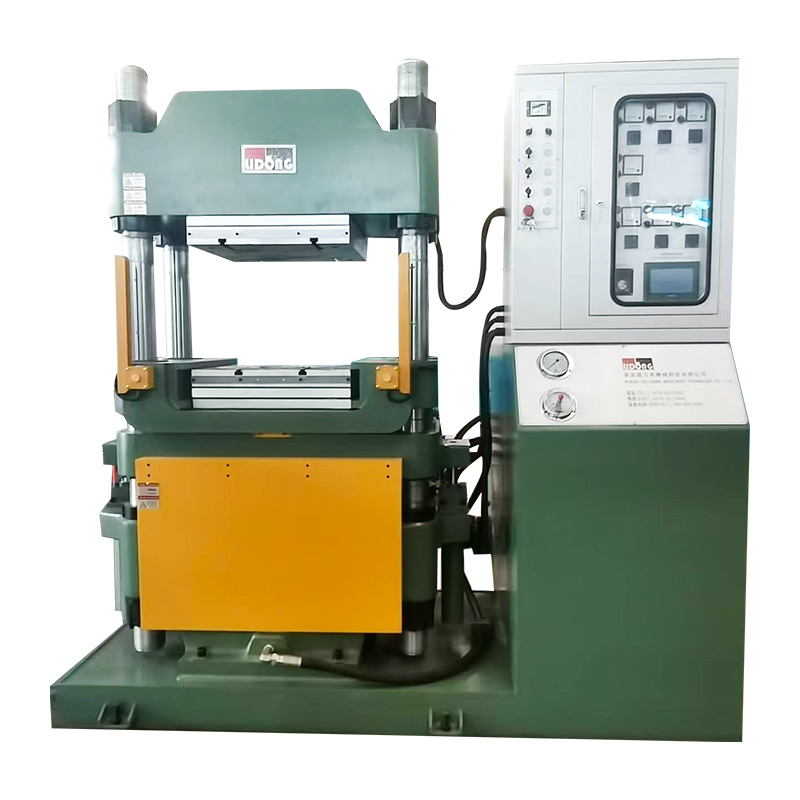
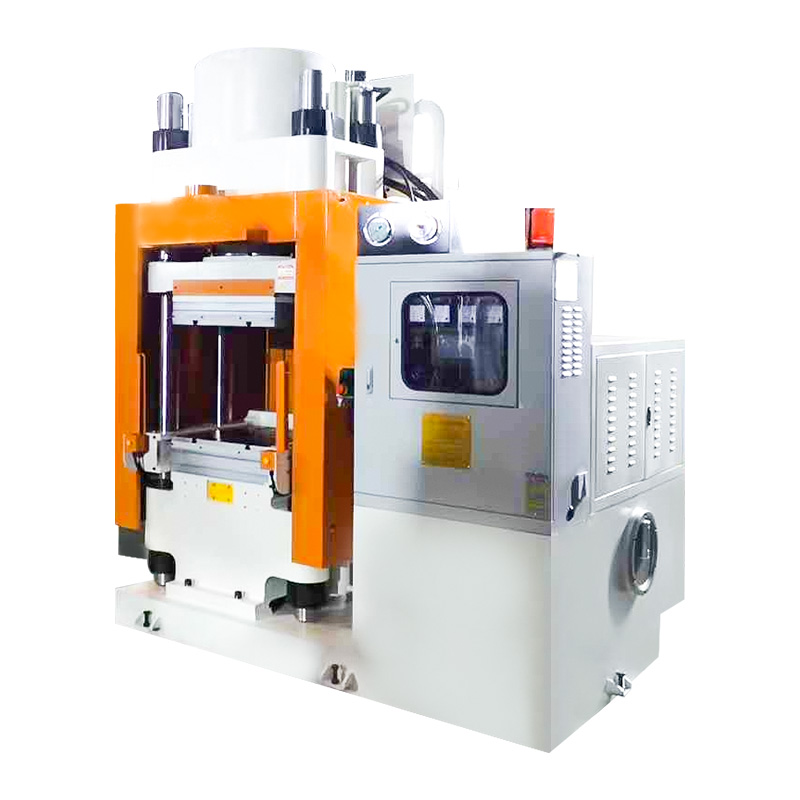
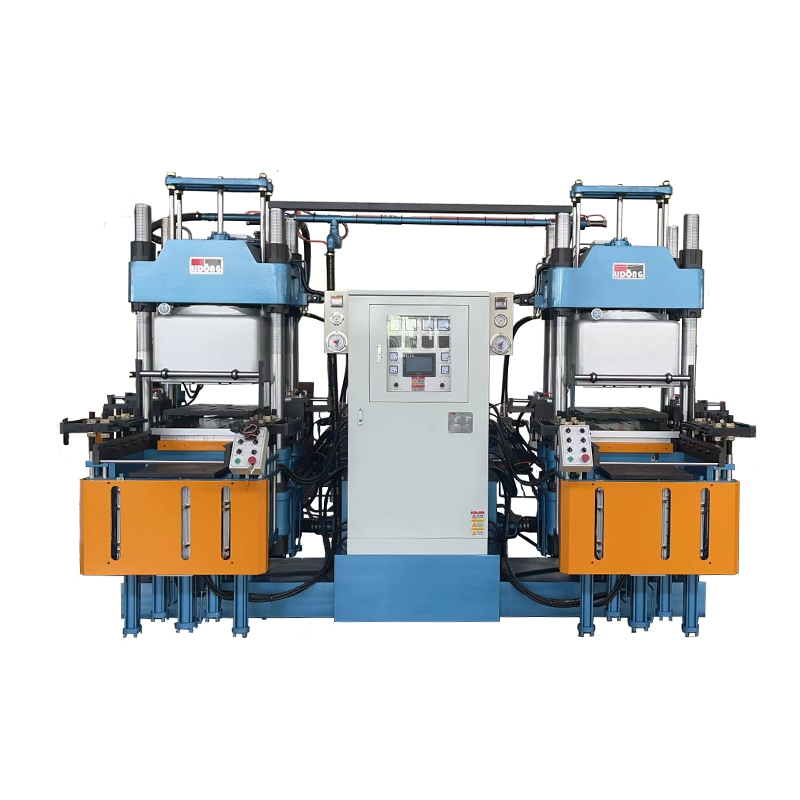 Custom Rubber Vacuum Vulcanizing Machine for Seals and GasketsFor rubber seals and gaskets, this custom vacuum vulcanizing machine uses vacuum to reduce trapped air and moisture, with multiple LD-PV models.View Product →
Why a Press Builder Watches a Composites Expo
From the outside, composites and rubber look like separate industries. Up close, the physics are close relatives. A thermoset prepreg and a rubber compound both need heat, pressure, and time applied in a controlled sequence. Both punish uneven temperature across the platen. Both reward a well-designed mold and a repeatable cycle. The differences sit in flow behavior, cure kinetics, release, and tolerance — the details that keep process engineers busy for years.
The same questions arrive at our own workbench, which is organized around two families of equipment: vulcanizing and injection machines for rubber, and presses for brake pads and other friction materials. A plate vulcanizing press, for instance, lives or dies on platen flatness, temperature uniformity, and how easily an operator can change a mold between shifts.
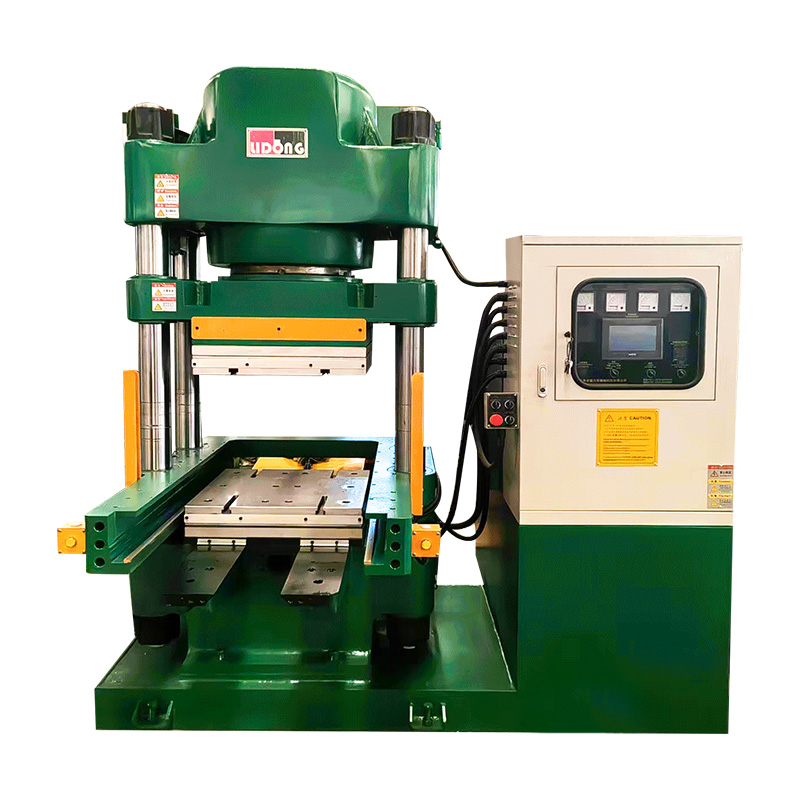
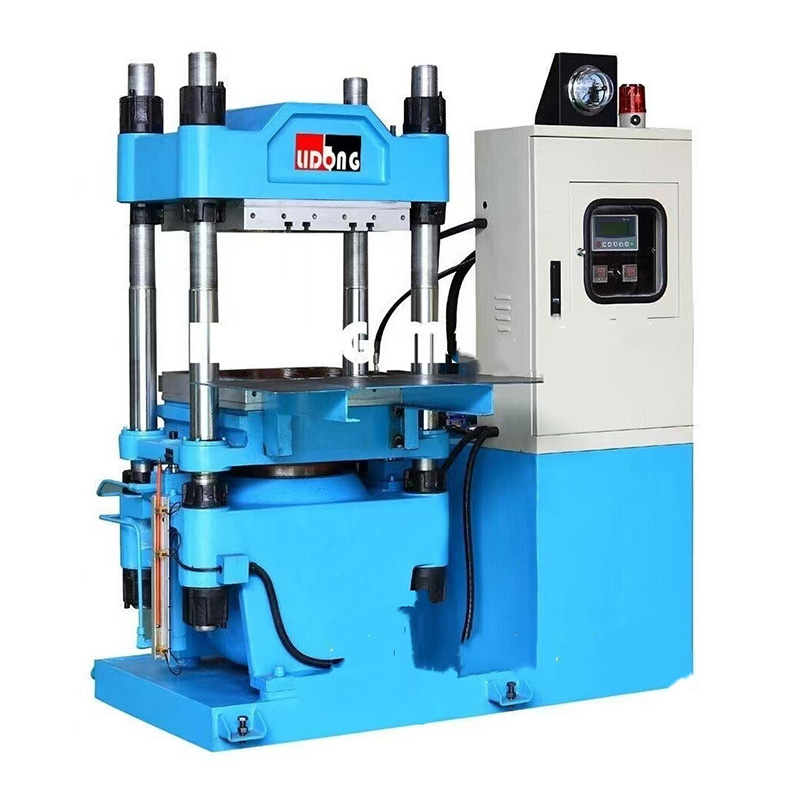 Custom Plate Vulcanizing Press for Rubber Sheets and HosesAvailable in hydraulic, mechanical, and pneumatic types, this custom press handles rubber sheets, hoses, conveyor belts, and gaskets with controlled heat and pressure.View Product →
Whenever we walk a show like CAMX, we come back with the same checklist of questions from customers: what tonnage do I need, how many cavities can I run, how long is the cure, and what happens when the part changes next year? Those are good questions, and they are much easier to answer with a real part in hand than with a catalogue alone.
From the Show Floor to the Shop Floor
In our experience, the most useful conversations happen in the two or three weeks after a show, not during it. People return to the plant, look at their line with fresh eyes, and start asking what it would take to press a new formulation or lift output on an existing one. Friction materials are a good example. Brake pads and shoes are composite products in every practical sense — fibers, fillers, binders, and a curing step — and the pressing stage decides density, flatness, and consistency from part to part.
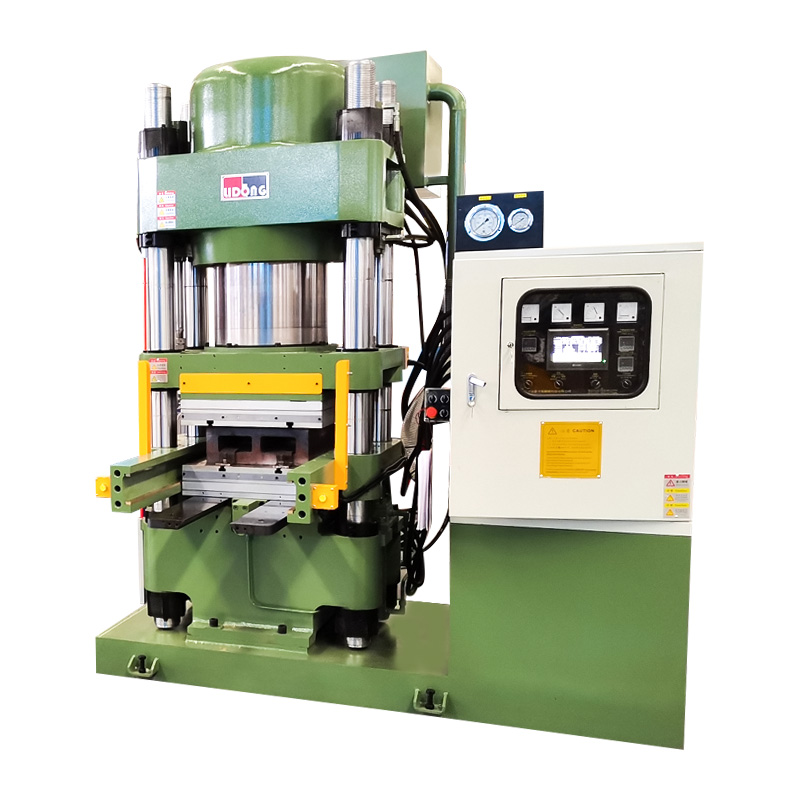
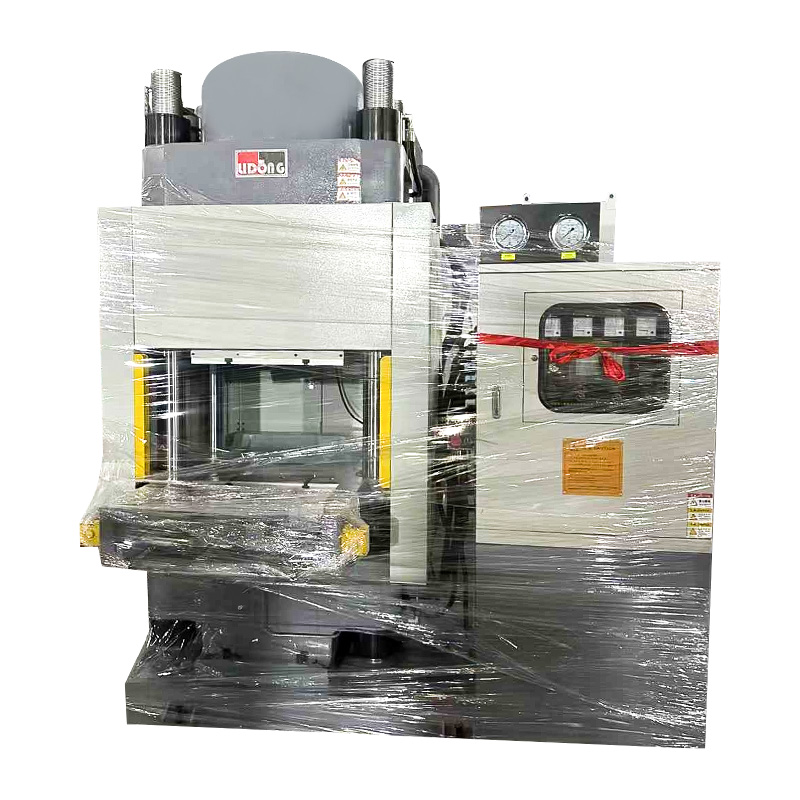
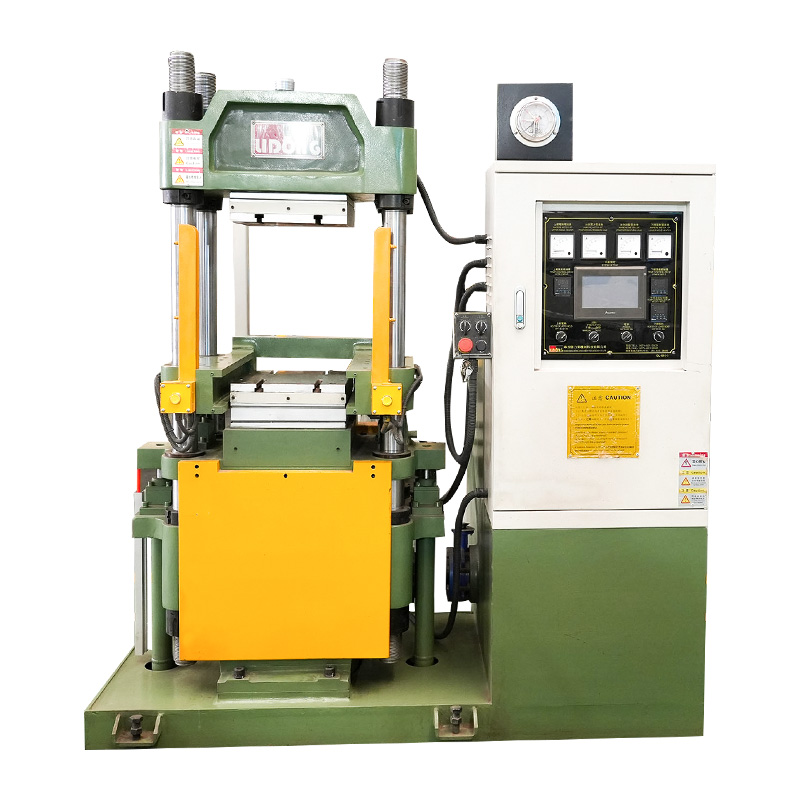 Car Disc Brake Pad Press Machine for Automotive Friction ManufacturingA hydraulic hot press for brake pad production, with customizable pressure, PLC-controlled automation, and LD-BM models for small-batch or mass output.View Product →
If that comparison is on your mind, our buying guide on brake pad press tonnage, automation, and output walks through how to match a press to a product mix rather than to a single part number. The same logic applies to rubber: choose the platform around the range of work you expect over five years, not the job in front of you today.
Practical Notes If You Plan to Attend the Next Edition
Whether the next CAMX lands in Orlando again or moves, a little preparation changes the week completely. These are the habits that have served us well:
- Register early and reserve housing the moment dates are announced; Orlando hotel blocks fill quickly around a show of this size.
- Choose two or three themes before you travel, and treat everything else as optional.
- Keep mornings for sessions and afternoons for the exhibit floor, since the floor rewards unhurried conversations.
- Bring real data: a part drawing, a current cycle time, a defect sample, or a target output figure.
- Leave the last afternoon open for the meetings you did not plan, which are often the ones that matter.
- Follow up within a week, while the details of the conversation are still fresh on both sides.
CAMX 2025 is behind us now, but its schedule still tells a useful story about where the industry is putting its attention: lighter structures, tighter process control, and less waste per part. Those priorities reach the shop floor through the press, the mold, and the cycle — the part of the chain we work in every day.
If a curing, vulcanizing, or pressing problem is sitting on your own line right now, we are glad to talk it through. That conversation usually starts with a part and ends with a machine configuration, which is exactly the kind of exchange a good trade show week is meant to spark.