 English
 عربى
عربى
 中文繁体
中文繁体

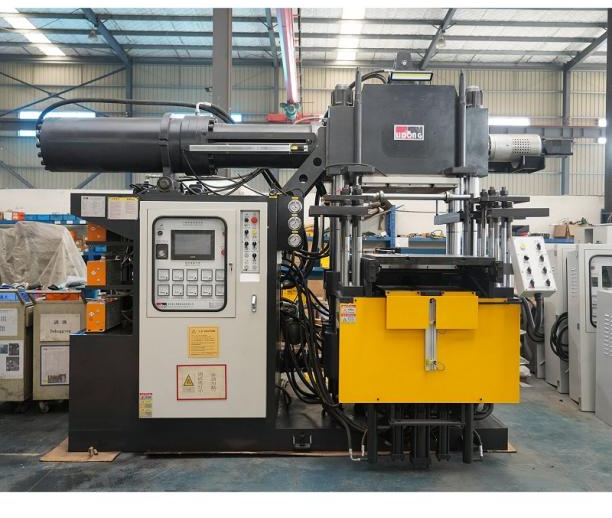
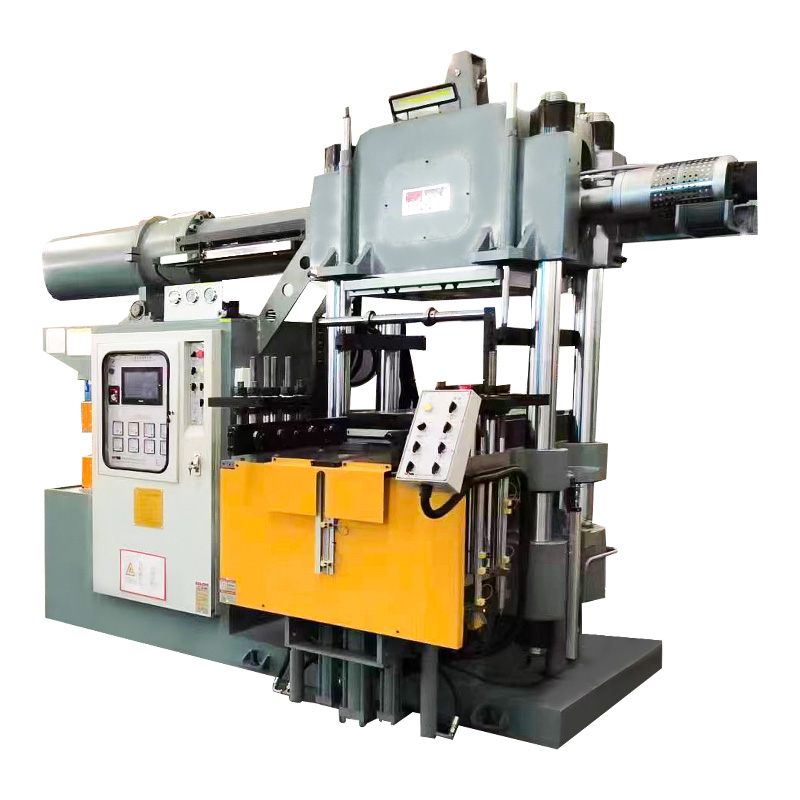
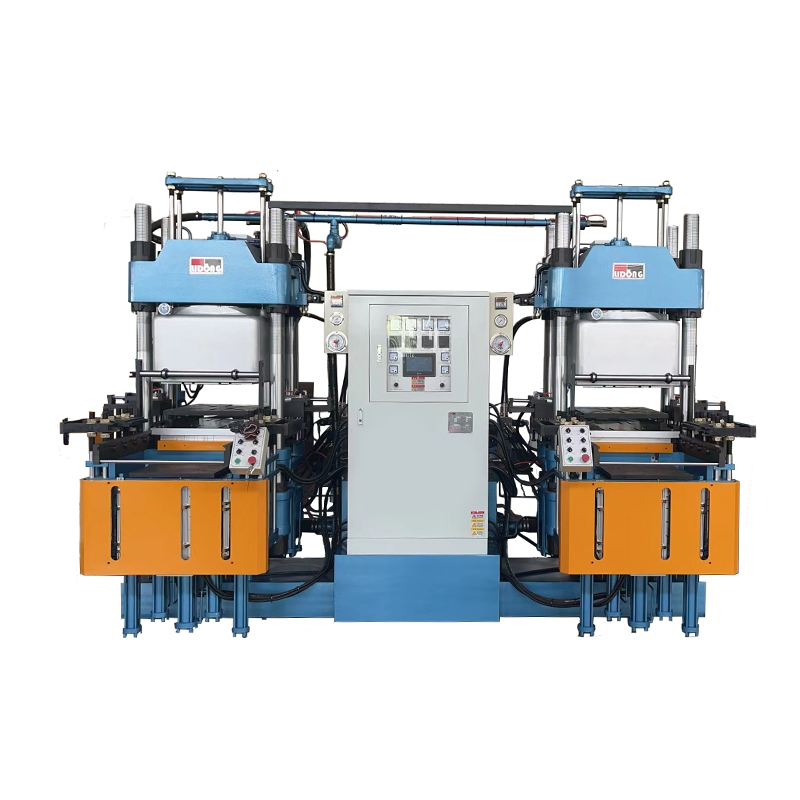
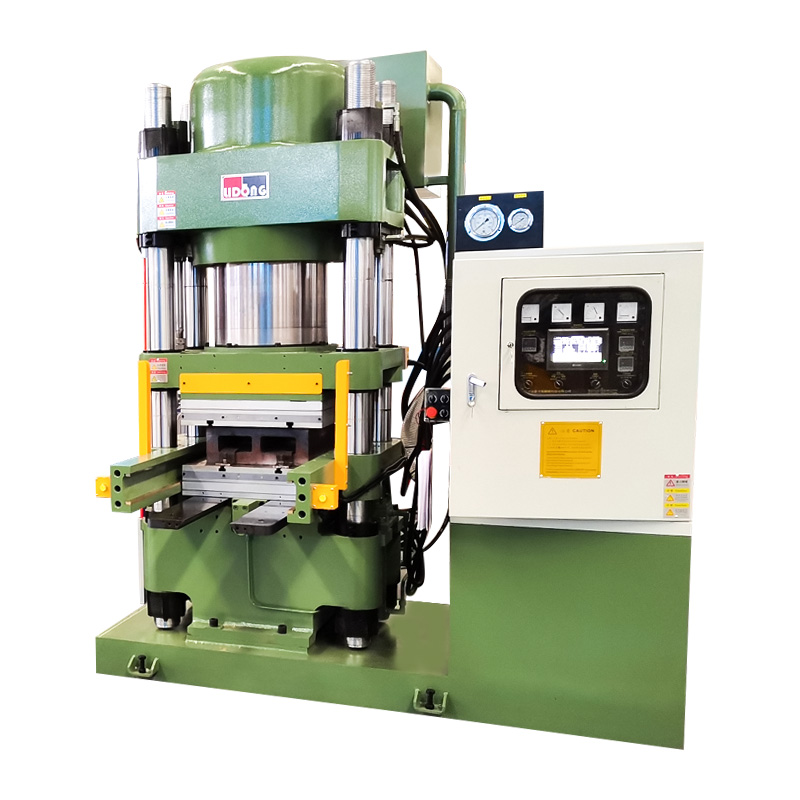
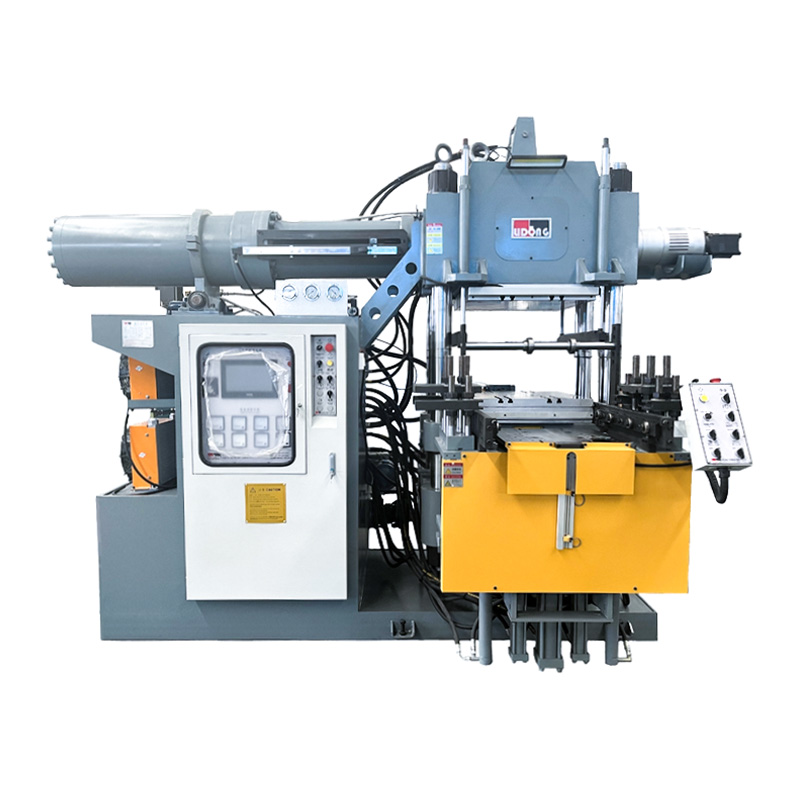
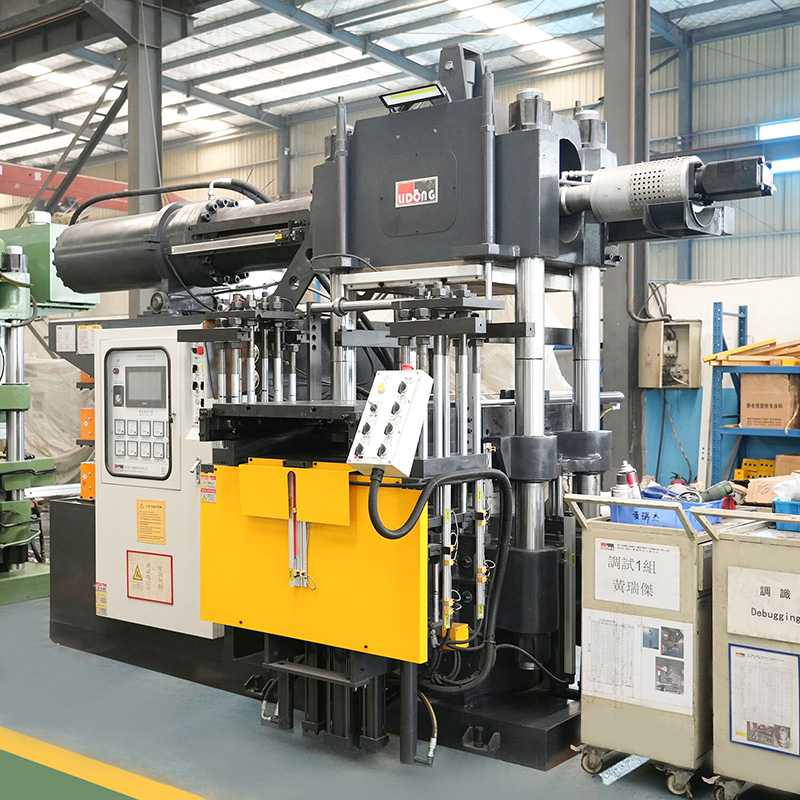
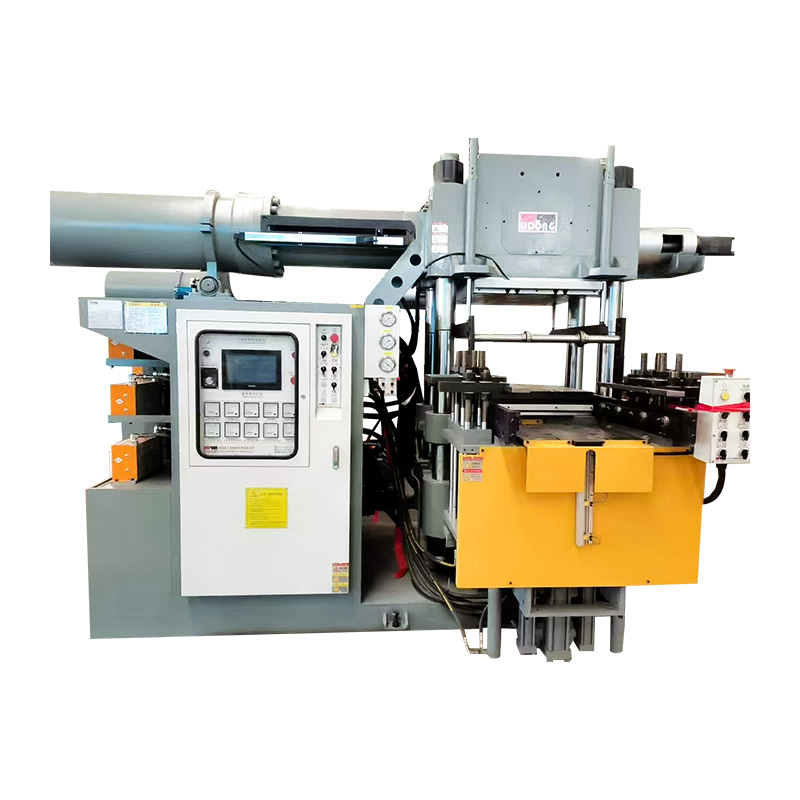
As the rubber products industry continues to pursue higher production efficiency and product consistency, rubber injection molding machines have become key production equipment for an increasing number of manufacturers. Compared with traditional compression molding, rubber injection molding offers clear advantages, but it is not suitable for every product. Understanding its strengths and weaknesses helps companies choose the production method that best fits their needs.
01Advantages
Six core strengths that set this equipment apart from conventional compression molding machines.
Built on Taiwanese craftsmanship, with a factory established on the mainland. The four major components are all designed as ultra high strength castings, and the overall machine weighs 9.5 tons, leading the industry, while comparable machines from peers typically weigh only around 8.6 tons.
Ultra quiet operation with low noise, energy saving and environmentally friendly, using less electricity. On average this saves about 12000 yuan in electricity per shift per year, and for 24 hour production the average annual electricity savings reach about 25000 yuan.
The ejector mechanism remains fixed and does not need to rise or fall with the movement of the platen, making the machine safer and more reliable. This also avoids the leverage prying force of an external ejector mechanism and eliminates lateral force on the main cylinder, making the main cylinder more durable and long lasting.
Makes the injection unit more stable and reliable throughout the production cycle.
An oversized injection cylinder delivers strong injection force, resulting in more powerful and flexible injection performance.
During holidays or breaks, the injection seat can rise or lower with a single button press, reducing heat conduction after the injection system stops and avoiding rubber vulcanization and clogging caused by residual heat.
02Disadvantages
Four practical limitations to weigh before switching from compression molding.
Higher Equipment Investment
Compared with traditional flat vulcanizing machines, rubber injection machines have a higher initial purchase cost.
Higher Mold Requirements
Injection molds require careful design of runners, venting, and temperature control systems, resulting in relatively higher mold manufacturing costs.
Higher Maintenance Requirements
The hydraulic system, injection system, and electrical control system require regular maintenance to ensure long term, stable operation of the equipment.
Not Suitable for Very Small Batch Production
For projects with low output and frequent product changes, traditional compression molding may be more cost effective.
03Summary
Rubber injection molding machines offer high efficiency, high precision, and a high degree of automation, making them well suited to medium and large batch production. Although the equipment investment is higher, over the long term it can improve production efficiency, reduce waste, and improve product quality, creating greater economic value for enterprises.