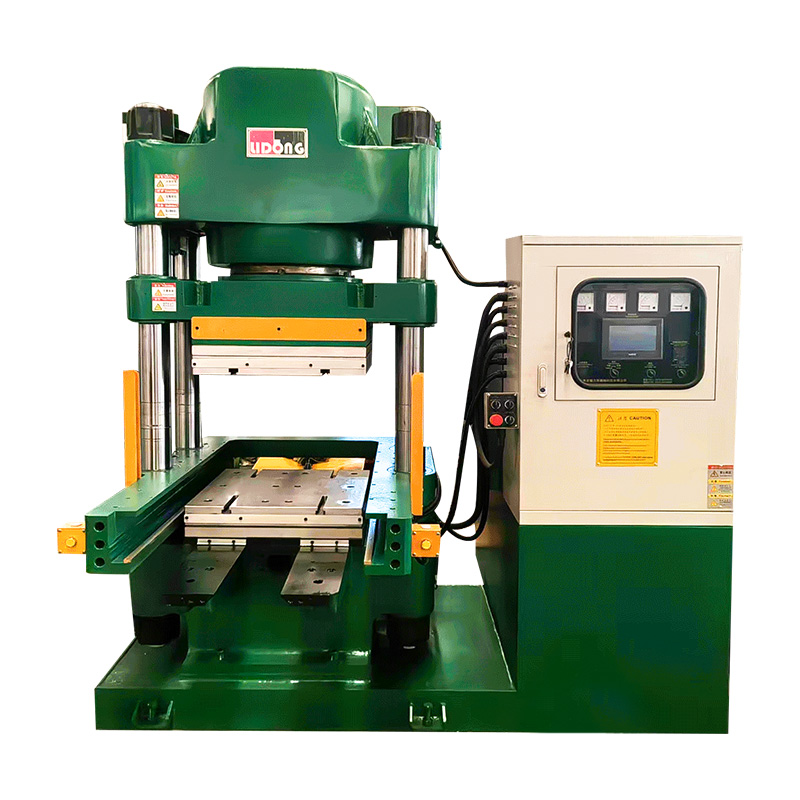
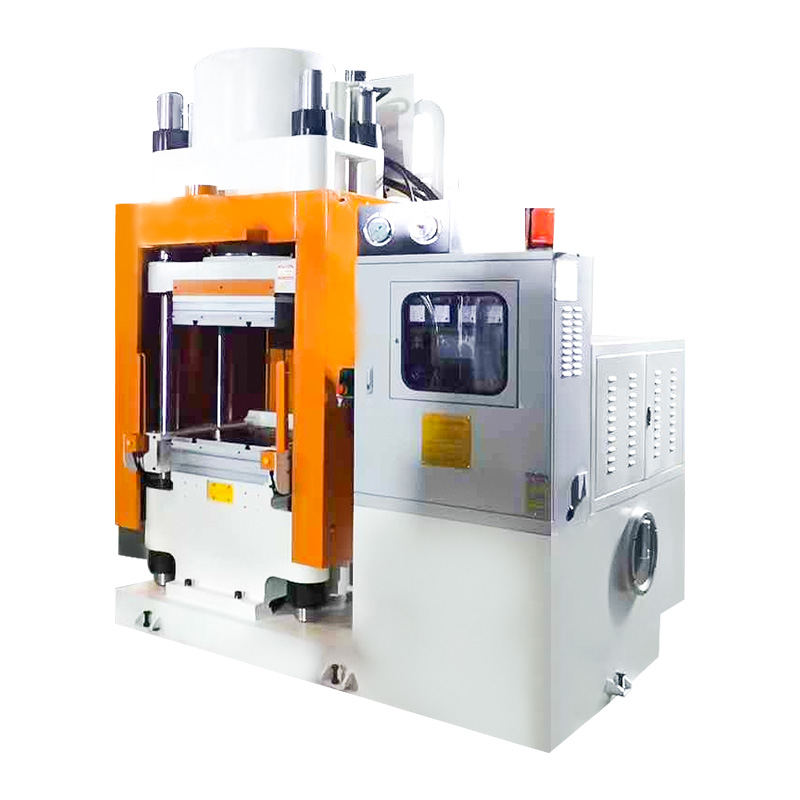
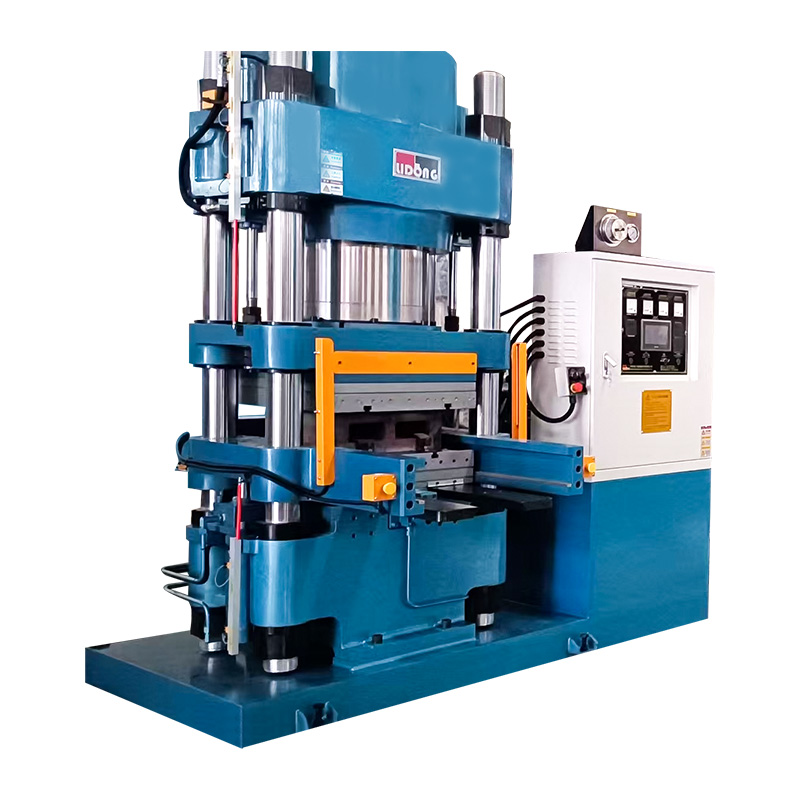
Impact of Maximum Pressing Force and Stroke on Drum Brake Pad Press Machine Performance
Role of Maximum Pressing Force in Brake Pad Quality
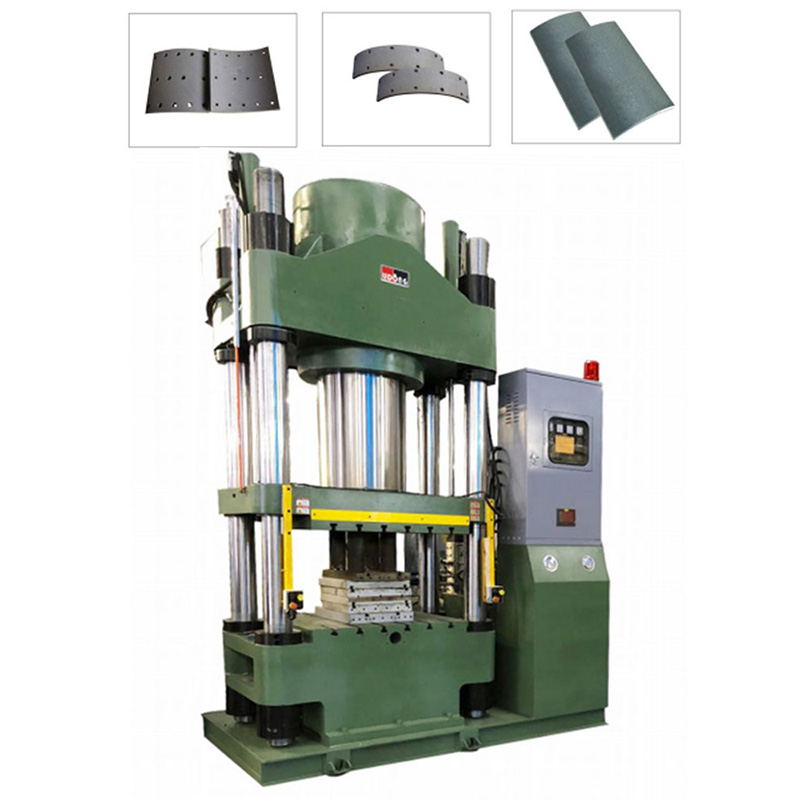
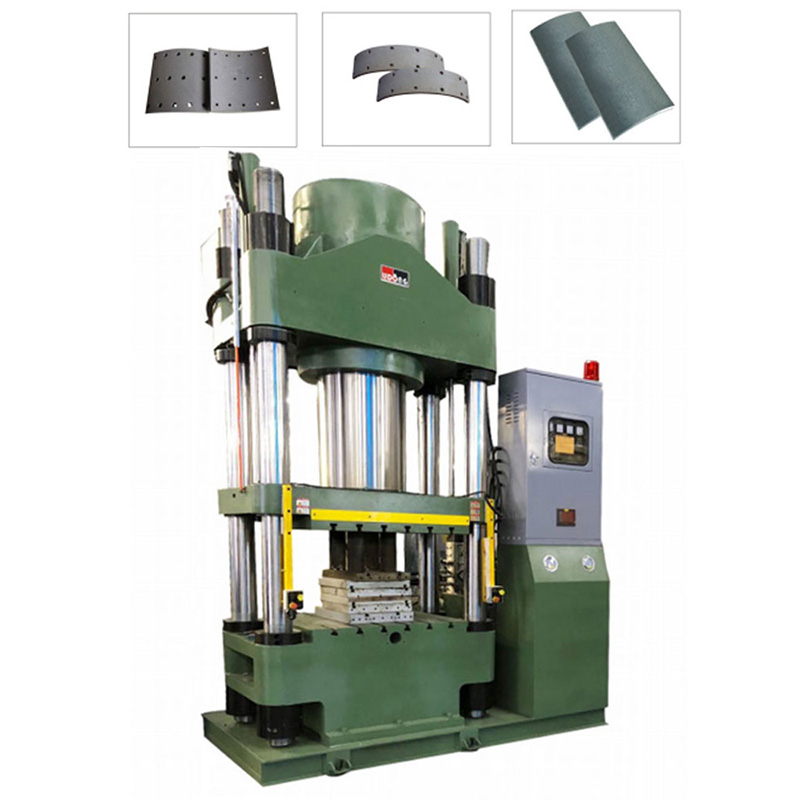
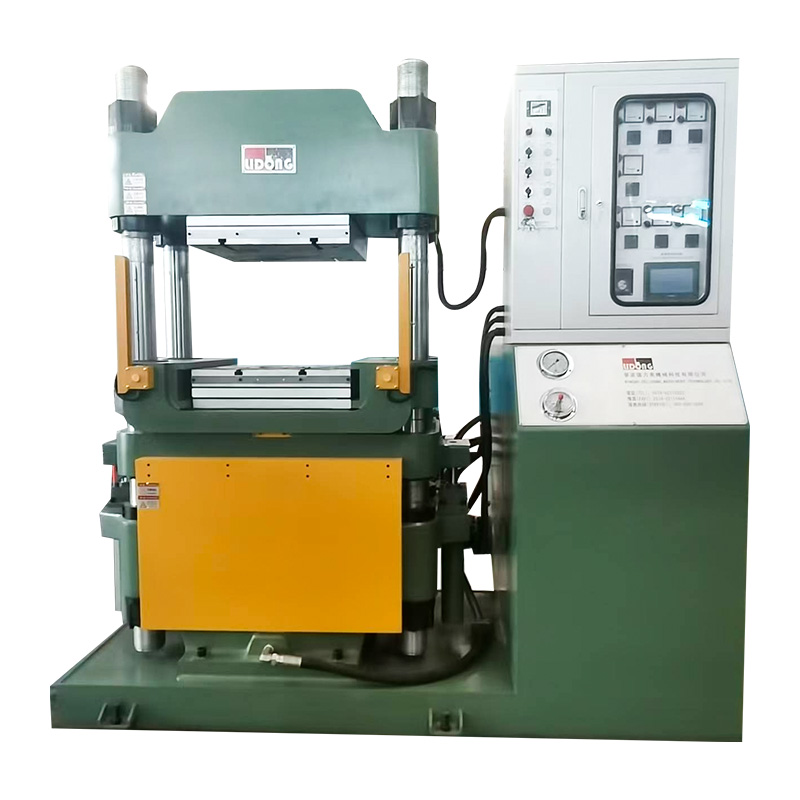
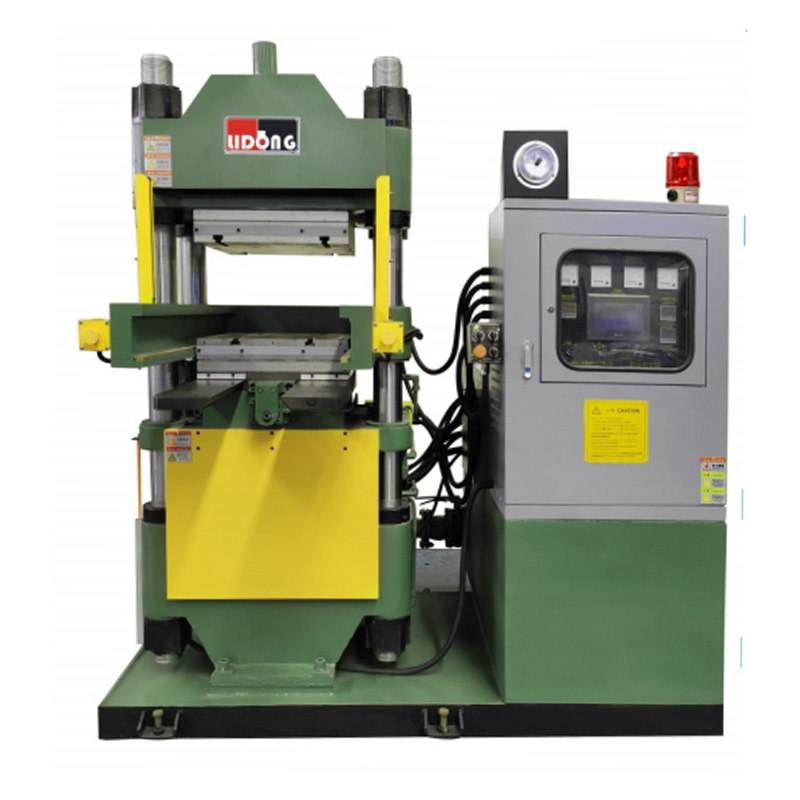
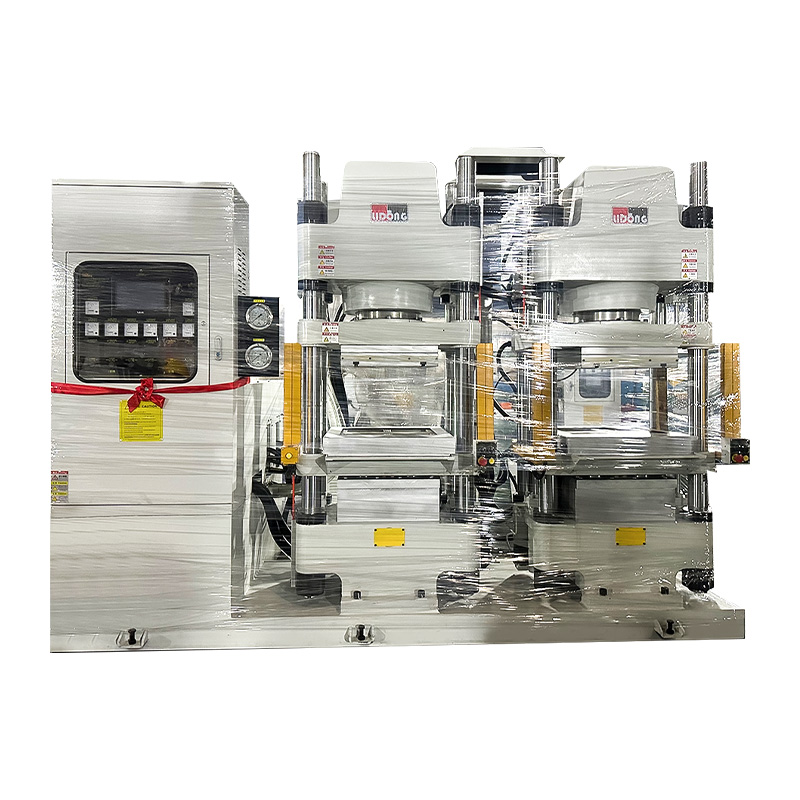
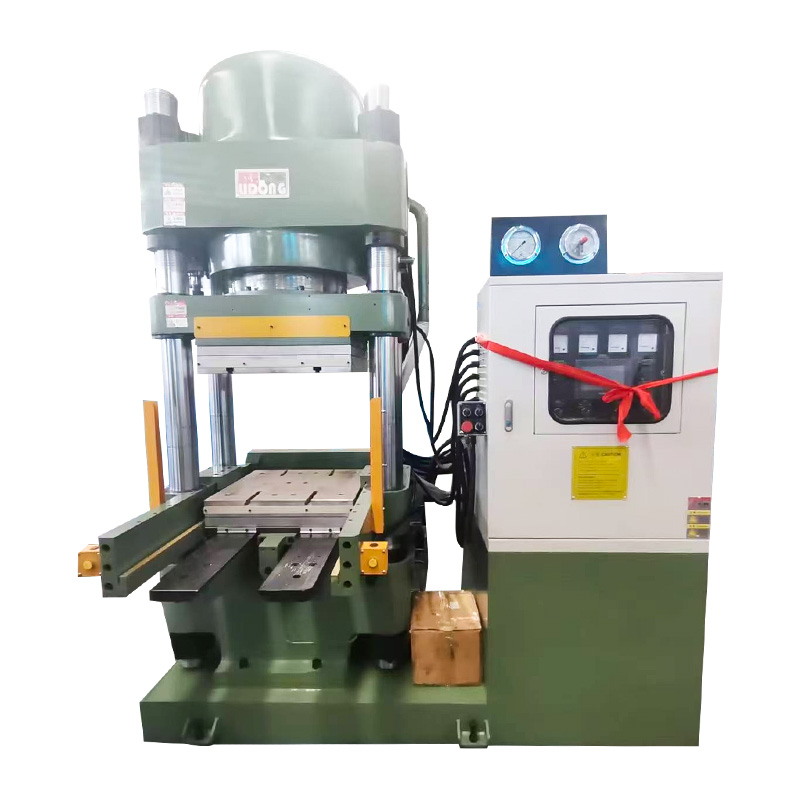
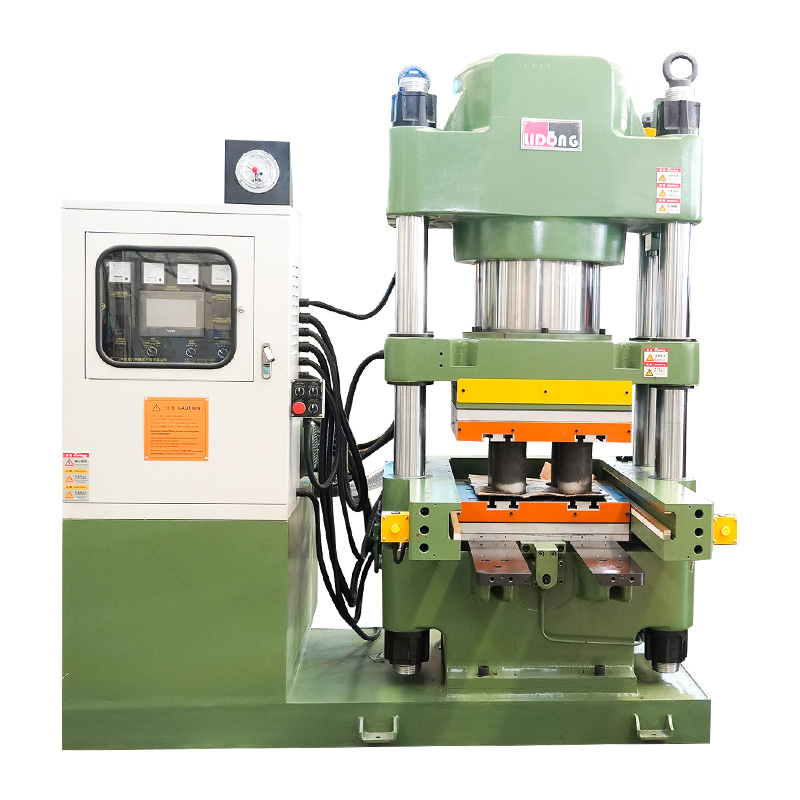
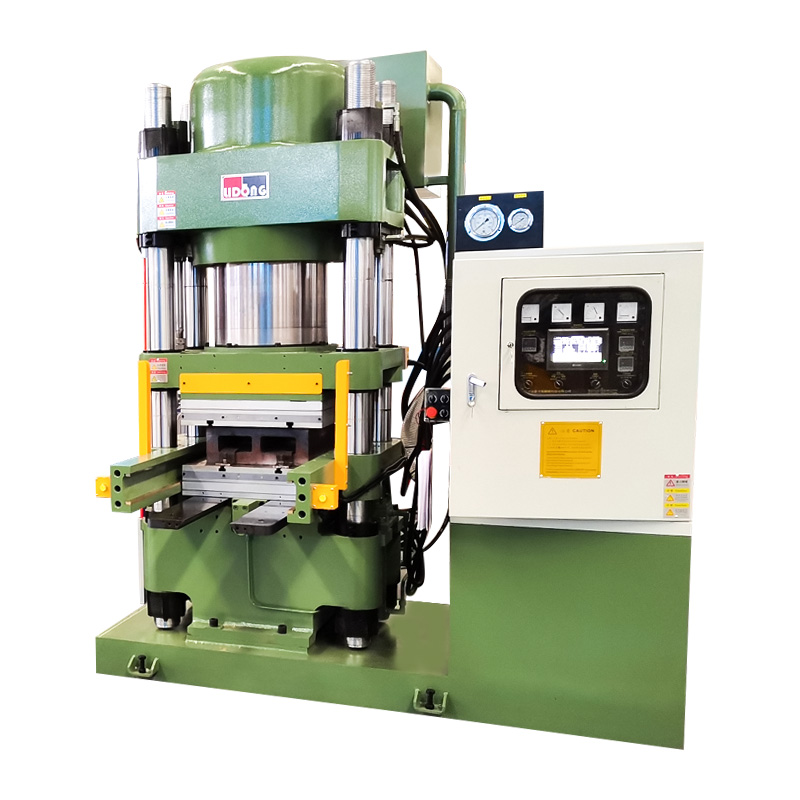
The maximum pressing force in a drum brake pad press machine directly influences the density and structural integrity of the brake pad material. Ningbo Delidong Machinery Technology Co., Ltd. designs presses capable of delivering precise and adjustable pressing force suitable for different types of friction materials. Consistent application of the correct pressing force ensures that the pad material is compacted evenly, preventing voids or inconsistent density that could affect braking performance. Proper force application also supports dimensional stability, reducing the need for secondary processing or adjustments after pressing.
Influence of Stroke Length on Material Filling
The stroke of the press, or the distance the pressing plate travels, affects how the material is distributed within the mold cavity. A suitable stroke length allows the friction material to flow and fill all areas of the mold evenly, which is critical for complex pad shapes used in drum brakes. Machines from Ningbo Delidong Machinery Technology Co., Ltd. are engineered with adjustable stroke settings to accommodate various pad designs, ensuring uniform filling and reducing the risk of surface irregularities or incomplete molding.
Interaction Between Pressing Force and Stroke
The combination of pressing force and stroke must be carefully calibrated to achieve consistent brake pad quality. Excessive force with insufficient stroke may lead to over-compression, while a long stroke with insufficient force could result in under-compaction. Ningbo Delidong’s presses allow fine-tuning of both parameters to match the characteristics of the friction material and mold geometry. This interaction ensures that each brake pad meets dimensional requirements and functional specifications.
Impact on Curing and Bonding of Friction Material
After the pressing cycle, the friction material requires curing to achieve the desired physical properties. Maximum pressing force and stroke influence how densely the material is packed, which in turn affects heat transfer during curing. Uniform density achieved through correct force and stroke settings promotes consistent curing and bonding within the pad. Ningbo Delidong Machinery Technology Co., Ltd. considers these factors in machine design to support reliable pad performance in both single-unit and high-volume production scenarios.
Effect on Surface Finish and Dimensional Accuracy
The pressing parameters also impact the surface quality and dimensional accuracy of drum brake pads. Evenly distributed force combined with optimal stroke minimizes surface defects and maintains uniform thickness. Machines from Ningbo Delidong incorporate precise hydraulic and servo control systems to maintain these parameters within tight tolerances, which is particularly important for brake pads that require accurate fitting into brake drums.
Monitoring and Adjustment Features
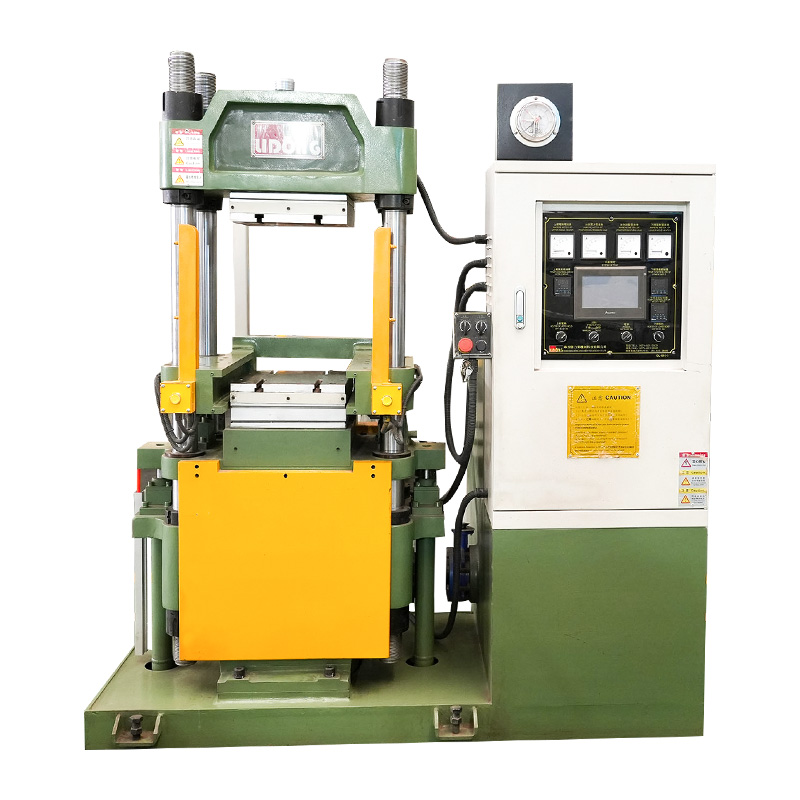
To maintain consistent production quality, modern drum brake pad presses include monitoring systems that track pressing force, stroke, and cycle timing. Ningbo Delidong Machinery Technology Co., Ltd. equips its machines with interfaces that allow operators to adjust parameters in real time and observe process trends. This capability enables quick corrective action if deviations occur, ensuring that all pads produced meet the expected performance standards.
Key Press Parameters Table
| Parameter |
Impact on Brake Pad Quality |
Control Method |
| Maximum Pressing Force |
Determines density, compaction uniformity, and structural integrity |
Hydraulic or servo-controlled force regulation |
| Stroke Length |
Controls material filling and surface uniformity |
Adjustable mechanical or electronic stroke settings |
| Cycle Time |
Affects curing consistency and production throughput |
Automated timers integrated with control system |
| Mold Alignment |
Maintains dimensional accuracy and reduces flash formation |
Precision clamping systems and alignment sensors |
| Temperature During Pressing |
Supports consistent bonding and curing of friction material |
Thermal sensors and regulated heating/cooling circuits |
Application Considerations for High-Volume Production
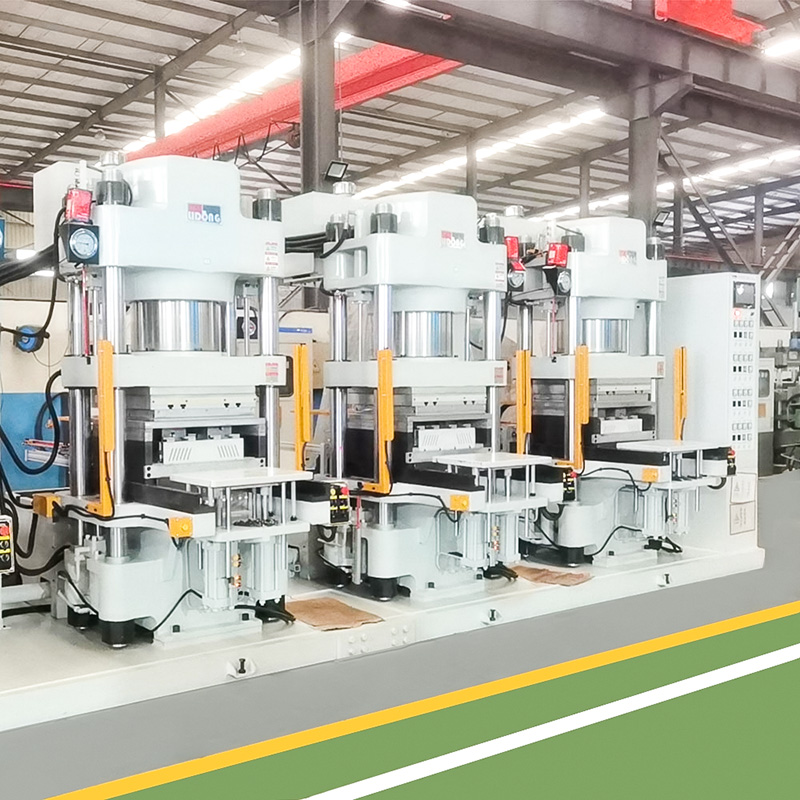
In high-volume manufacturing environments, consistent pressing force and stroke are critical to reduce variability between batches. Machines from Ningbo Delidong Machinery Technology Co., Ltd. allow operators to store optimized settings for different drum brake pad types. This ensures repeatability across production cycles, reduces material waste, and maintains uniform quality for both small-scale and large-scale production runs. The ability to combine adjustable force, stroke, and real-time monitoring provides flexibility while supporting operational efficiency.
FAQ
Q: How does Ningbo Delidong ensure consistent pressing force in drum brake pad press machines?
A: Ningbo Delidong Machinery Technology Co., Ltd. designs drum brake pad presses with hydraulic and servo-controlled systems to provide stable pressing force throughout the cycle. This helps maintain uniform density and structural integrity in brake pads, reducing variations in performance and dimensional accuracy.
Q: Can drum brake pad press machines handle customized pad shapes or materials?
A: Yes, the machines from Ningbo Delidong are capable of non-standard customization. Adjustable molds, stroke settings, and pressing profiles allow production of complex drum brake pad shapes while maintaining consistent compaction and surface quality.
Q: How does monitoring and fault detection improve machine reliability?
A: Integrated monitoring systems in Ningbo Delidong’s drum brake pad presses track key parameters such as pressing force, stroke, cycle time, and hydraulic pressure. Fault detection alerts operators to deviations early, supporting timely maintenance and minimizing unplanned downtime.
Q: What maintenance practices are recommended for long-term performance?
A: Routine inspections of hydraulic components, lubrication of moving parts, mold cleaning, and monitoring control systems are recommended. Ningbo Delidong provides guidance on preventive maintenance schedules to maintain stable performance and consistent brake pad quality over time.
Q: How does stroke length affect the quality of drum brake pads?
A: Stroke length determines how effectively the friction material fills the mold. Adjustable stroke settings in Ningbo Delidong machines ensure even material distribution, reducing the risk of incomplete molding or surface irregularities, and supporting uniform pad thickness.
Q: Are these machines compatible with intelligent manufacturing systems?
A: Drum brake pad press machines from Ningbo Delidong can integrate with intelligent manufacturing systems, allowing data collection, process analysis, and predictive maintenance. This integration helps maintain consistent quality and operational efficiency across production lines.
Q: How do hydraulic fluid and temperature control impact machine performance?
A: Proper hydraulic fluid quality and stable temperature control are essential for consistent pressing performance. Machines from Ningbo Delidong incorporate temperature-regulated hydraulic circuits to maintain system stability, ensuring uniform pressing force and minimizing variation in pad density.

 English
 عربى
عربى
 中文繁体
中文繁体