
 English
 عربى
 中文繁体

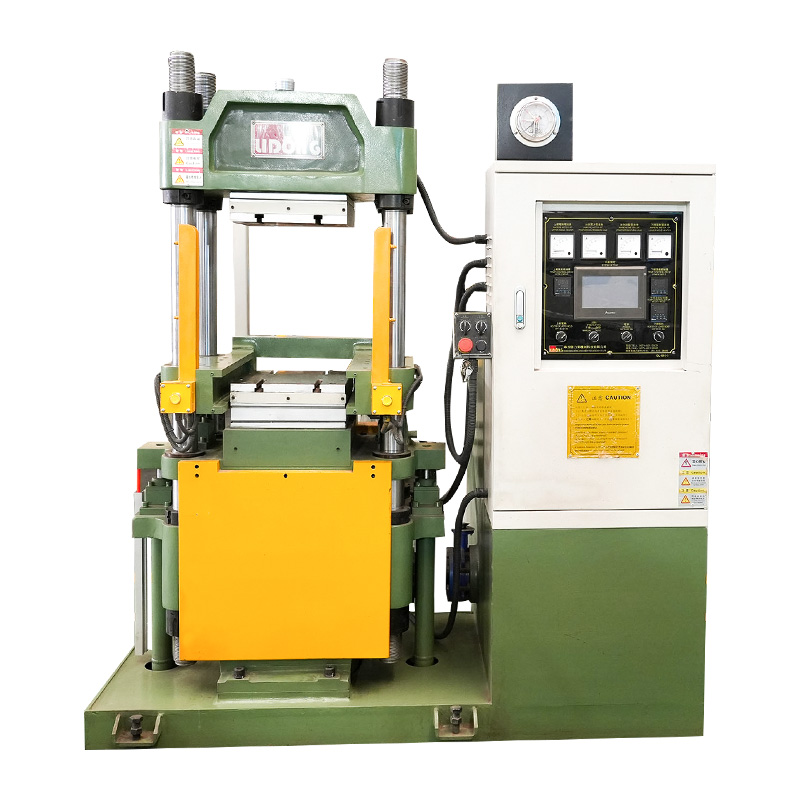
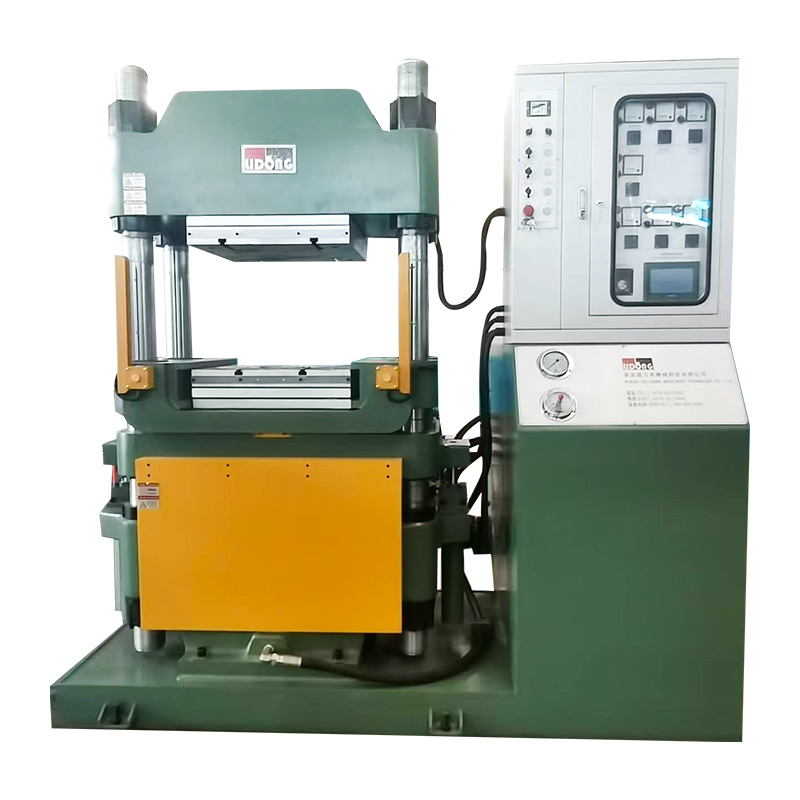
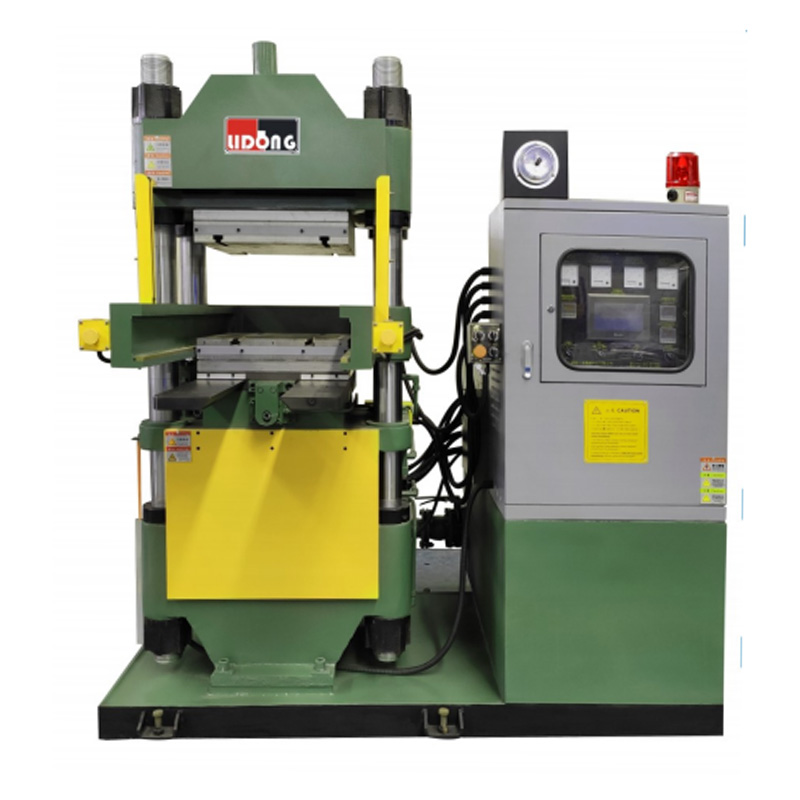
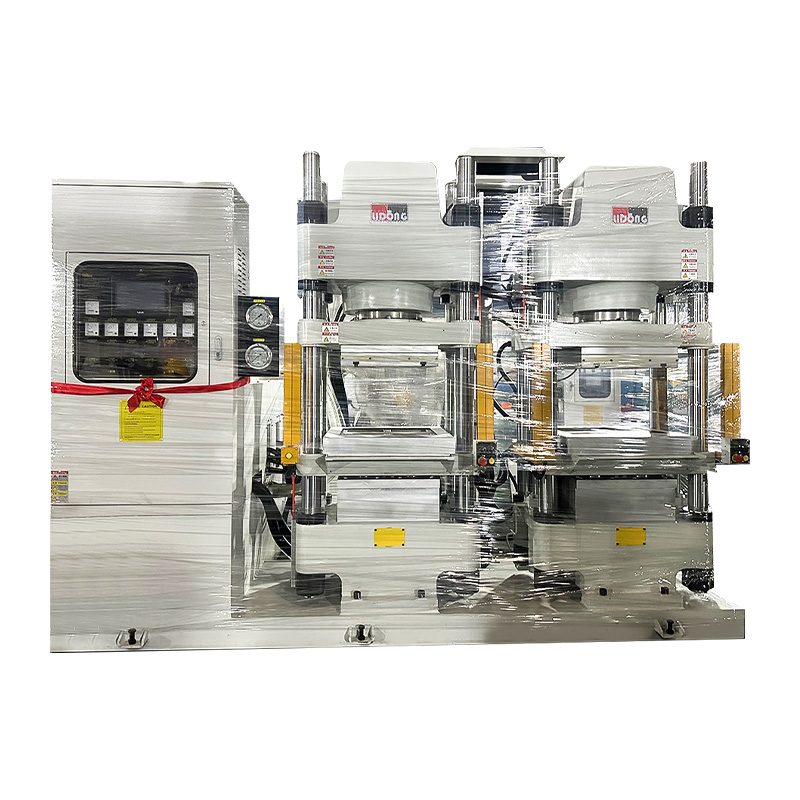
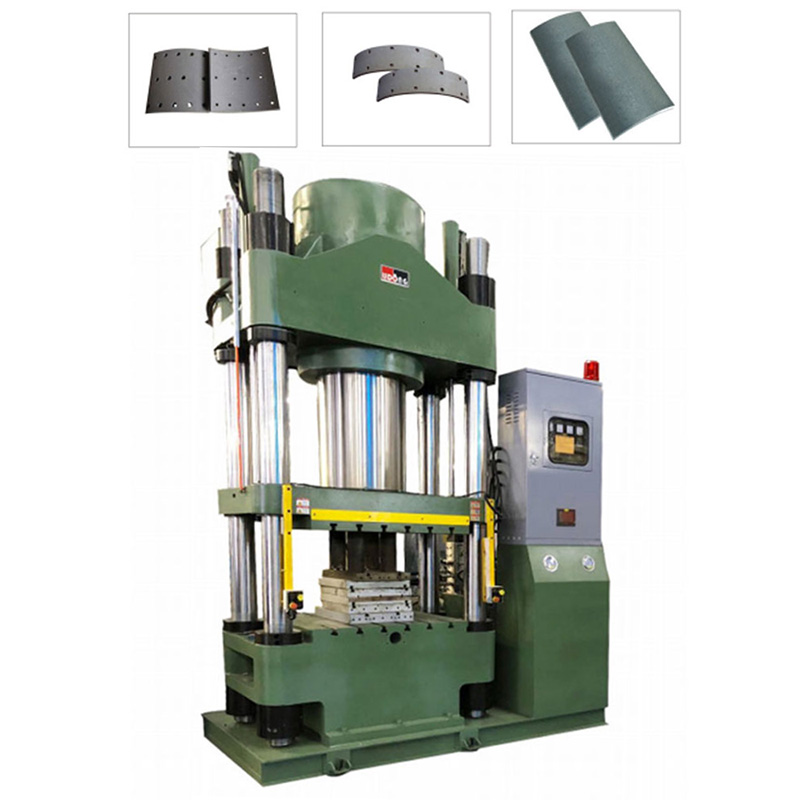
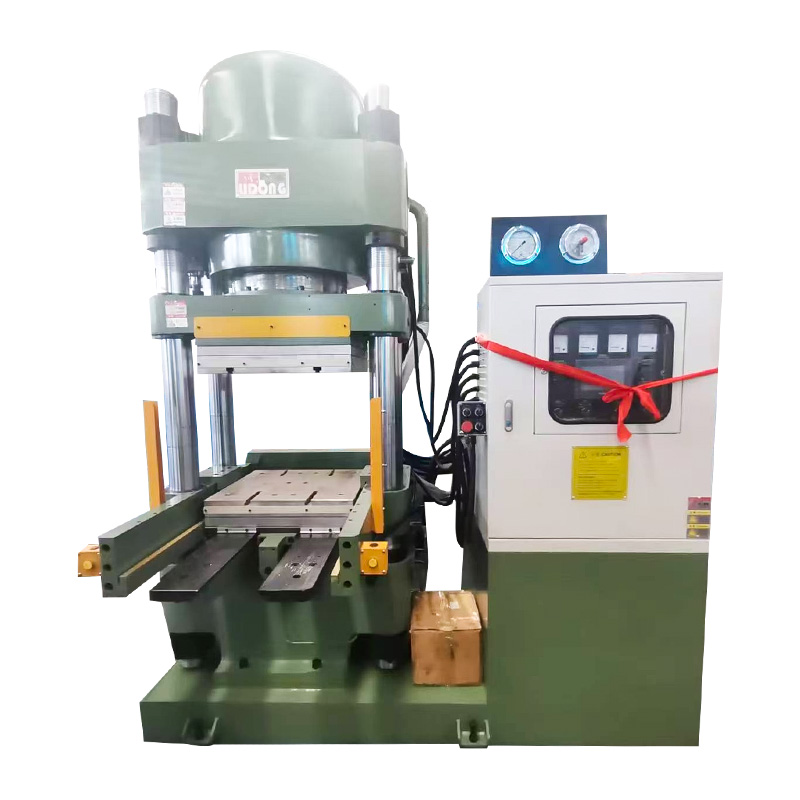
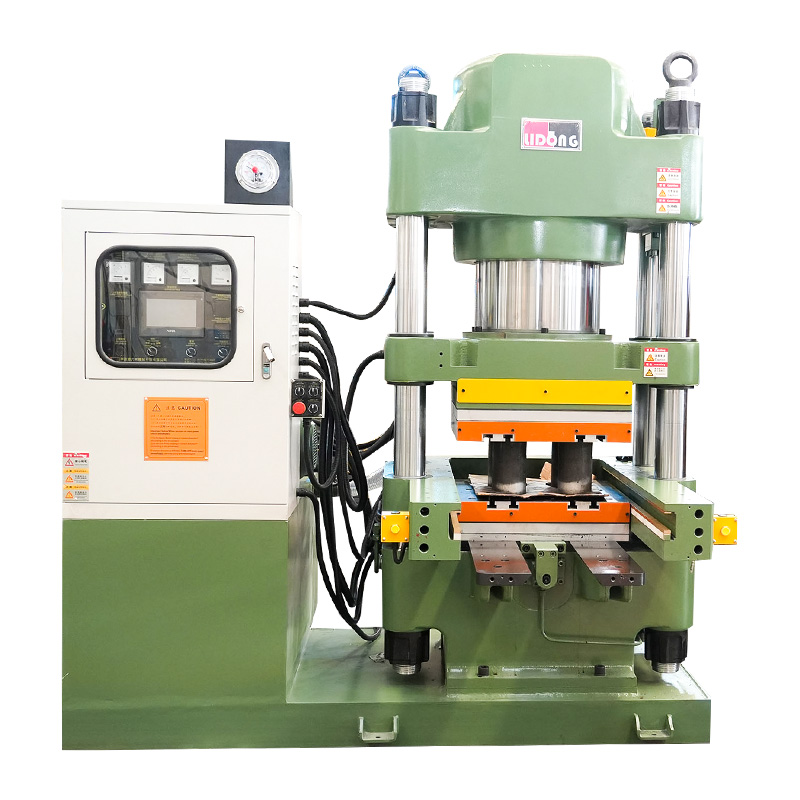
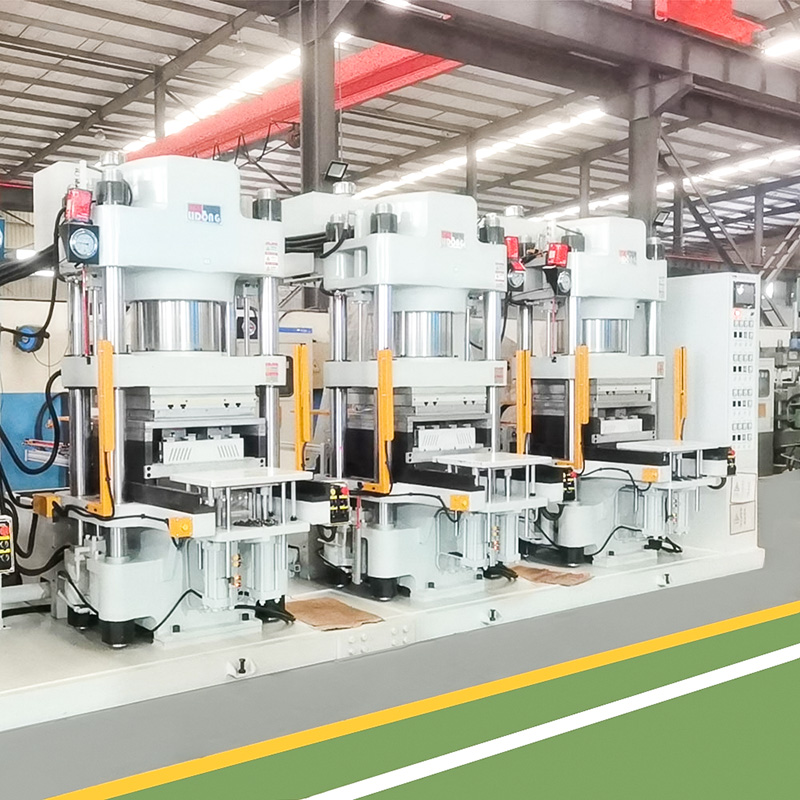
Technical Parameters
The table lists typical configurable values for hot presses used in wind turbine pad production. Final specifications depend on your pad size, mold layout and formulation, and are confirmed in the technical agreement.
| Parameter | Typical Range | Relevance to Wind Turbine Pads |
|---|---|---|
| Clamping force | About 100 - 600 tons | Medium to large pads, a few to a dozen per mold |
| Specific pressure on the pad | Often about 20 - 50 MPa, set by formulation | Controls density and strength |
| Platen size | About 400 x 400 mm to 1000 x 1000 mm | Fits a range of pad shapes |
| Platen temperature | Up to about 200 degrees C | Resin cure, usually around 150 to 180 degrees C |
| Temperature uniformity | About plus or minus 2 degrees C | Even cure and consistent friction behavior |
| Degassing steps | Programmable, adjustable opening and dwell | Releases gas from the friction layer |
| Pressure holding | Programmable with automatic make-up | Steady pressure over the cure |
| Stroke control | Position sensing with accurate stop | Consistent pad thickness |
| Mold handling | Slide-out table, cart or crane points | Safe handling of molds for varied pad shapes |
| Control | PLC with touchscreen, recipe lock and data storage | Records for each batch |
How to read the table: for turbine pads, the numbers to compare are temperature uniformity, pressure repeatability and the quality of cycle records. A pad of about 100 square centimeters at 40 MPa needs roughly 40 tons, so a mold with six pads suggests a press of about 250 tons, though actual sizes and pressures depend on your product.
Because volumes are moderate and shapes vary by turbine model, a press with a flexible recipe library and a wide platen range usually serves better than one built only for a single pad. Please send your pad drawings, thickness, mold dimensions, cavity numbers, formulation and annual volume, and we will recommend a clamp size, platen size and record options.
Practical advice. Ask your customers what records they require before you choose the press. It is easier to configure data storage in advance than to add it later.
Special Focus: Stable Friction, Weather and Long Service Life
Wind turbine pads are judged by their behavior over years in service. The table links the main needs to what the press can contribute.
| Requirement | Why It Matters | What the Press Contributes |
|---|---|---|
| Stable friction across temperature | Turbines face cold starts and hot days | Full, even cure and consistent density |
| Low noise | Yaw brakes can squeal during rotation | Even density, stable cure, repeatable cycles |
| Low dust and long life | Maintenance at height is difficult | Dense, well-bonded material and repeatable pressing |
| Corrosion and moisture resistance | Salt, rain and humidity | Complete cure and good bonding to the plate |
| Batch consistency | Fleets of identical turbines | Recipe lock and complete cycle records |
| Traceability | Turbine makers audit suppliers | Time-stamped data linked to batch numbers |
Points that decide results:
- Pad type. Yaw pads are commonly resin-bonded composites or semi-metallic materials, while high-speed shaft and rotor brakes may use sintered metal pads, which need a different high-temperature process. Our copper sintered friction press page covers that route.
- Back plate protection. Plates are often protected against corrosion with coatings or special treatments, and the molding process must not damage them. Heat and pressure must suit the coating.
- Degassing and cure. Trapped gas can leave voids that affect friction and wear. Staged degassing and steady holds reduce this risk.
- Sample testing. Pad makers often check friction on a test bench across temperature, and compare results between batches. Stable pressing conditions make these comparisons meaningful.
- Finishing. Post-cure, grinding, chamfering, slotting and coating are separate steps that also affect noise and life.
Formulation and testing belong to your technical team and your customer. The press gives stable, repeatable molding conditions, which is the base on which a long-life pad is built.
Honest advice. If your annual volume is small and your pad shapes are many, a flexible mid-size press with good records is usually better value than a large high-speed press.
Automation and Control System
For wind turbine pads, repeatability and records matter more than raw speed. The control system should hold every cycle identical and document it.
- Recipe memory and lock: temperature, pressure steps, degassing count, opening distance, dwell, hold time and stroke limits are stored by pad model, and changes need the right password level.
- Multi-step pressure control: initial compaction, degassing and final hold are set separately.
- Position-based stroke control: an accurate stop and position sensing give consistent pad thickness.
- Zoned temperature control: separate sensors and outputs keep platens even and limit overshoot, with alarms for any zone that drifts.
- Alarm and event log: faults and setting changes are recorded with time stamps.
- Cycle data storage: temperature, pressure, stroke and time can be stored for each cycle, linked to a batch number and exported if you permit it.
Handling and automation: molds for varied pad shapes are changed often. Slide-out tables, carts and loading frames shorten changeover and reduce risk. Weighing the friction mix for each cavity helps density consistency, and a simple weighing station can be placed next to the press.
Operator view. The touchscreen shows the active recipe, platen temperatures, pressure curve and cycle time remaining. An English manual and training material are provided, and remote support is available when your technician sets up a new mold.
Record tip. Agree with your customer which values to store and for how long. A simple, consistent record format is easier to audit than a large unstructured one.
Operator note. Show the cure time remaining and the number of the current degassing step on the screen, so the operator can see where the cycle stands. For audited production, a short on-screen checklist at the start of each batch, covering recipe, mold number and material batch, makes records much more complete.
Structure and Materials
A wind turbine pad press is built for accuracy and repeatability. The structure keeps the platen faces flat and parallel, and the heating system keeps temperature even over long production campaigns.
| Component | Design and Material | Purpose |
|---|---|---|
| Press frame | Heavy welded steel structure, stress relieved | Low deflection at rated tonnage |
| Platens | Alloy steel, ground flat, zoned heating | Even heat and flat contact with the mold |
| Heating | Electric rods or thermal oil channels, PID control | Stable temperature and fast recovery |
| Insulation | Boards and shields on platens and guides | Lower heat loss and protection for seals |
| Guide system | Hardened, wear-resistant, adjustable | Keeps platens parallel through the stroke |
| Main cylinder | Quality seals, position sensor | Uniform force and accurate thickness |
| Mold carrier | Slide-out table or cart rated for the mold weight | Safe and fast mold changes |
| Hydraulic station | Separate unit, filtered and cooled | Stable pressure and clean oil |
Stability over time: because turbine pads are made in batches that may be repeated years later, the press must give the same result in the next campaign as in the last. We use hardened guides, quality seals and stiff frames, and we check parallelism and flatness at the factory. A periodic recheck after months of service is recommended.
Sensor quality: temperature, pressure and position sensors are the source of your records. We use quality sensors, route cables carefully to avoid heat and noise problems and provide calibration records from the factory test.
Maintenance. Clean platens regularly with non-scratching tools, keep guides lubricated, check cylinder seals and sensors, and change hydraulic oil and filters according to the manual. Keep a maintenance and calibration log for audits.
Before shipment, each press is run under load, and temperature uniformity, pressure holding, stroke accuracy and safety functions are checked.
Safety and Energy Efficiency
Hot molds, hydraulic pressure and moderate to heavy molds mean that safety design and routines matter in turbine pad production as in any friction plant.
- Emergency stop at the operator position and at the loading side
- Light curtain or guard doors connected to the PLC
- Hydraulic overpressure protection with a relief valve and pressure monitoring
- Independent over-temperature protection on each heating zone
- Mold carrier stops and locks that hold molds in position during loading
- Insulated surfaces and warning labels on hot parts
Handling advice: use carts, rails or a crane for molds, wear heat-resistant gloves and sleeves, and keep walkways clear. Heating the resin releases vapors, and friction mix is dusty, so provide local exhaust above the press, dust collection at feeding and grinding areas and suitable respiratory protection according to local rules. Follow the safety data sheets of your materials, and keep coated back plates away from sources of contamination.
Energy efficiency: good insulation and PID control keep heating costs low, and zoned heating avoids wasting heat when smaller molds are used on a larger platen. A variable-speed hydraulic system uses power mainly while the press moves, which matters because holds are long. A stand-by temperature function saves energy between campaigns and during mold changes, and low scrap saves raw material and the energy already spent on it.
Tell us your working hours and local power price, and we will compare options in the quotation.
Training and records. Keep a log of safety checks, carrier inspections, sensor calibration and oil changes. A monthly test of the emergency stop, light curtain and over-temperature cut-off keeps the press dependable. We provide an English checklist that you can adapt to your own procedures.







