
 English
 عربى
 中文繁体

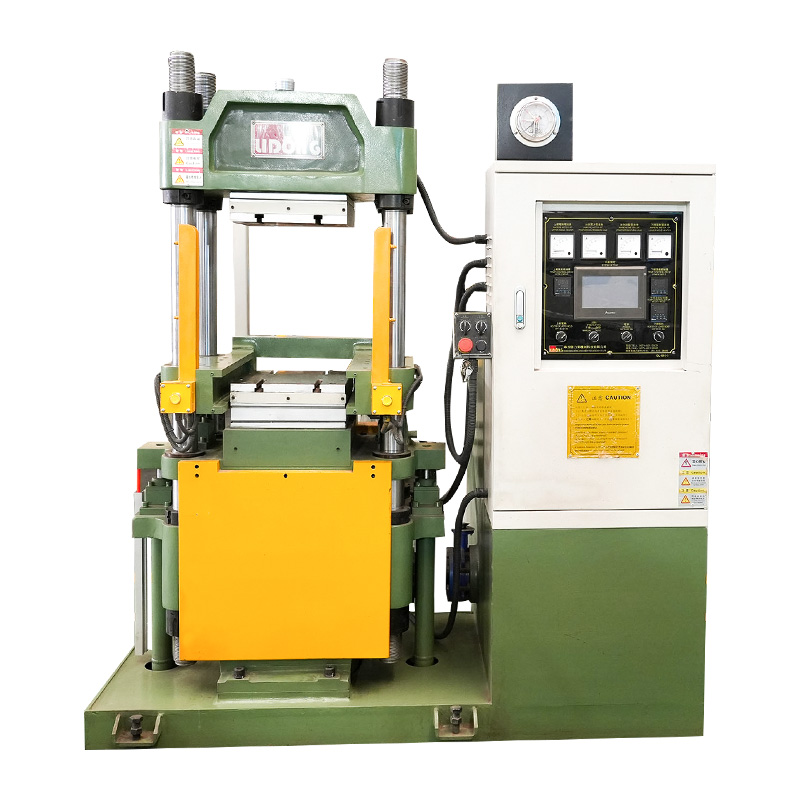
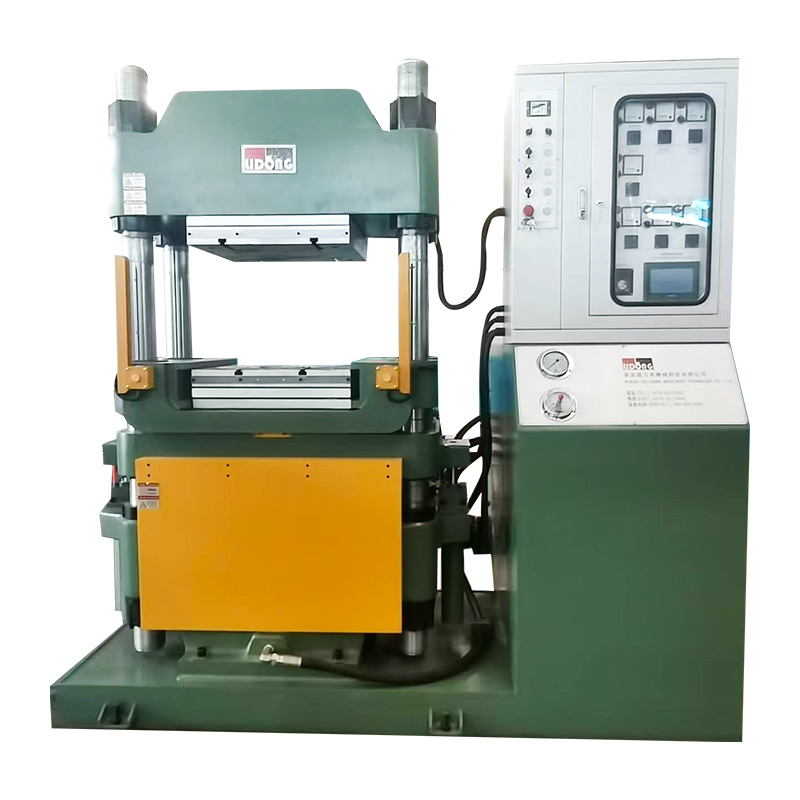
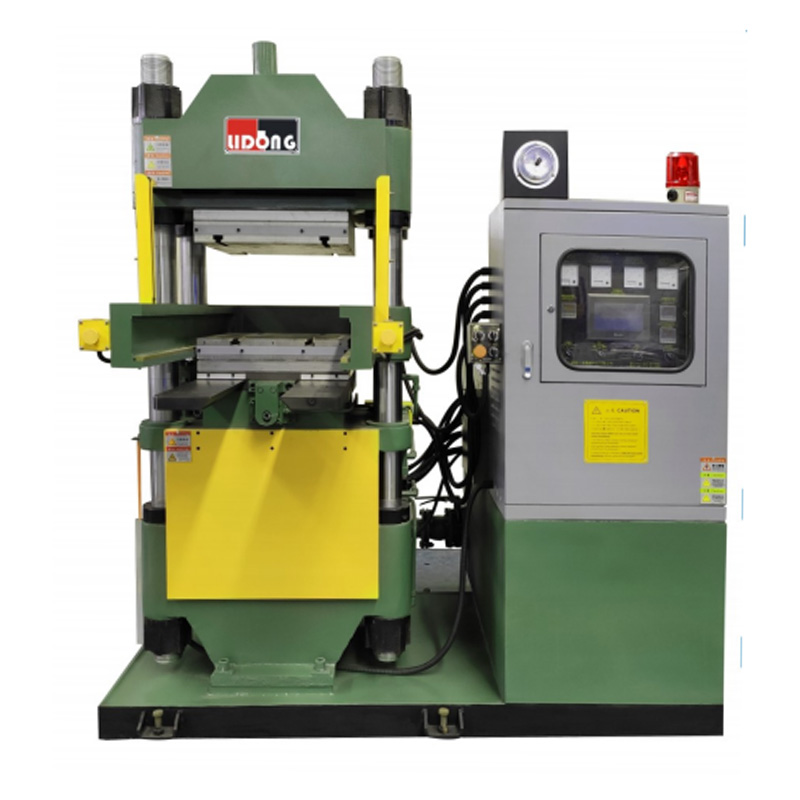
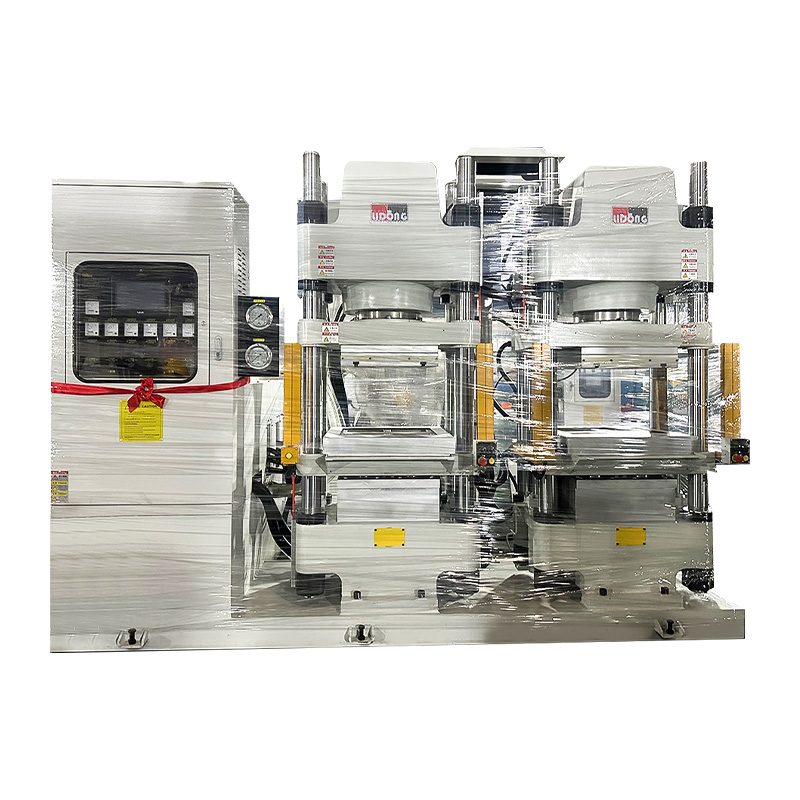
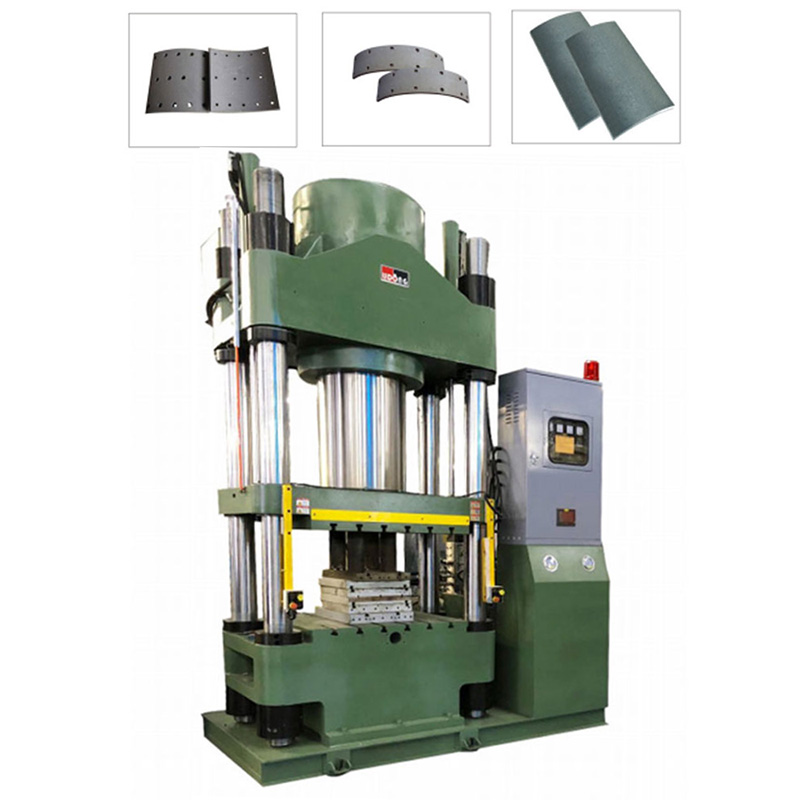
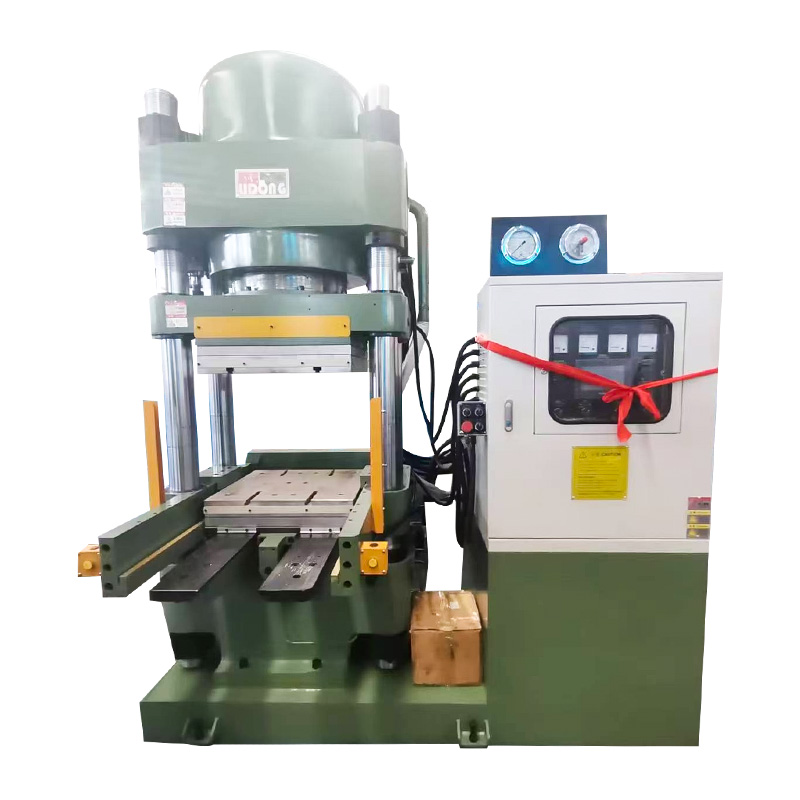
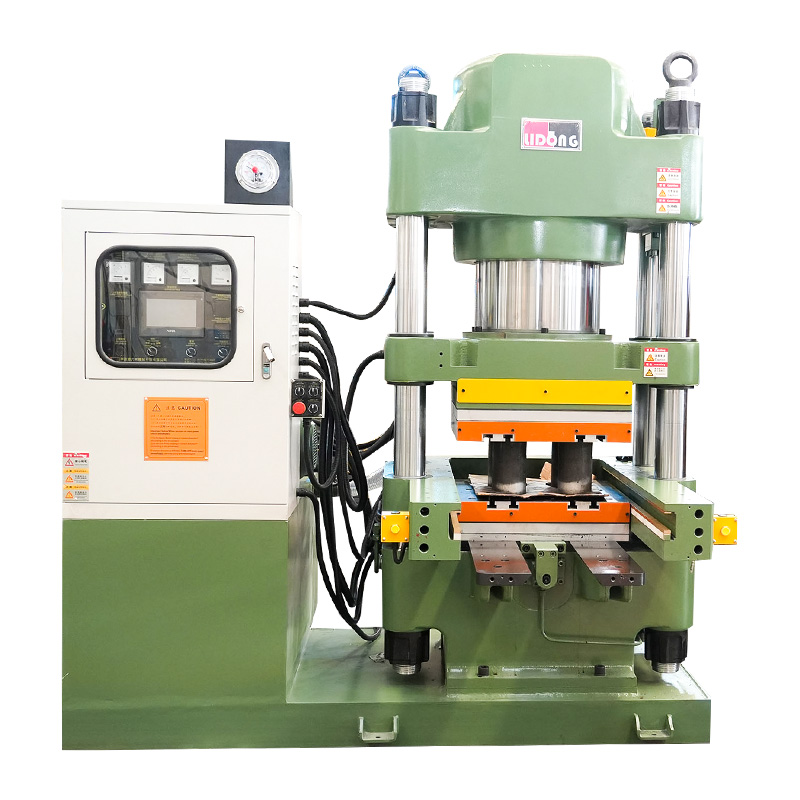
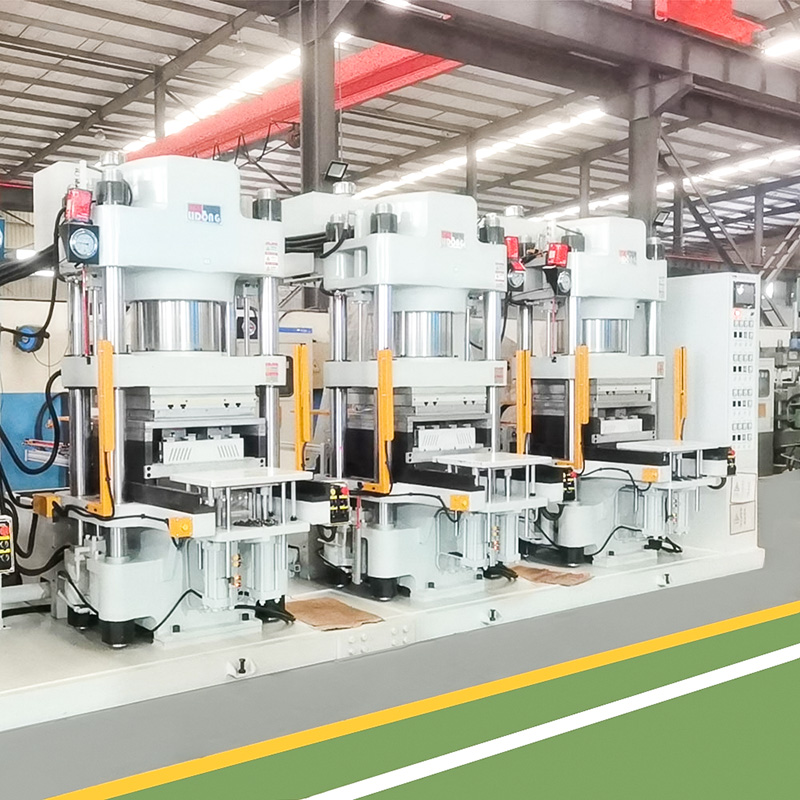
Technical Parameters
The table lists typical configurable features of the PLC control on a brake pad press. Final specifications depend on your process and records needs, and are confirmed in the technical agreement.
| Feature | Typical Configuration | Benefit |
|---|---|---|
| Controller | Industrial PLC of a mainstream brand, matched to your region's support | Reliable control and available spare parts |
| Operator interface | Color touchscreen, English and other languages on request | Clear operation and training |
| Recipes | Stored sets for each pad and mold, many recipes | Quick changeover and repeatable cycles |
| User levels | Operator, technician and engineer, with passwords | Protects settings from accidental changes |
| Temperature control | Independent PID zones | Even heat, little overshoot |
| Pressure and position control | Closed loop with sensors, staged profile | Repeatable pressure curve and thickness |
| Alarm management | Time-stamped alarms with plain messages | Faster troubleshooting |
| Data logging | Temperature, pressure, stroke and time for each cycle | Records and trend analysis |
| Data export | USB or Ethernet, file or network transfer | Audits and analysis |
| Remote support | Optional, only with your permission | Faster help from our engineers |
How to read the table: two features decide most of the value in daily use: recipes with user levels and data logging with export. The first protects the process, and the second proves it. Fancy graphics matter far less than clear alarm messages and a simple way to find a recipe.
Please tell us how many pad models you run, who will operate the press, what records your customers ask for and whether the press must connect to a factory system. We will recommend a configuration, and we will avoid features that you will not use.
Practical advice. Ask to see the screens, not only the specification. A control that a new operator can understand after a short training saves mistakes and time.
Special Focus: What the PLC Really Does on a Hot Press
The table shows the main control tasks and how each one supports pad quality.
| Control Task | What the PLC Does | Effect on Pad Quality |
|---|---|---|
| Temperature control | Reads each zone sensor and adjusts heater power with PID | Even cure, no overshoot, stable hold |
| Pressure profile | Follows set steps for compaction, degassing and hold, with make-up | Gas release and even density |
| Position and stroke | Monitors mold travel and stops at set positions | Consistent thickness and flash control |
| Cycle timing | Starts the cure timer when conditions are met, opens at the end | Avoids under-cure and over-cure |
| Interlocks and safety | Monitors guards, light curtains and limit switches | Operator protection |
| Recipe management | Loads and locks stored settings | Same cycle on every shift |
| Records and alarms | Stores data and flags deviations | Traceability and quick diagnosis |
Points that decide results:
- Sensor quality. A PLC can only control what it can measure. Good temperature, pressure and position sensors, correctly placed and regularly calibrated, matter more than the controller brand.
- Program structure. A clear, well-documented program is easier to maintain and to extend. We provide documentation, and we discuss with you who can edit what.
- Recipe discipline. A recipe library is useful only if recipes are named, checked and protected. Use clear names and keep a master copy.
- Alarm design. Too many alarms are ignored, while too few hide problems. We set alarms for deviations that matter and give each a clear message.
- Backup. Store a copy of the program and recipes outside the machine. If a controller fails, a backup shortens downtime from days to hours.
For safety functions, such as light curtains and emergency stops, we use appropriate safety relays or safety controllers, separate from the normal control logic where required. Our precision temperature control brake pad press page and our automatic feeding brake pad press page describe two areas where PLC capabilities matter especially.
Honest advice. If your process is stable and you run few pad models, a simple PLC with a basic screen is enough. We would rather configure what you need than sell a system with functions you never use.
Automation and Control System
This is the section where the control system is the product, so here are the main functions in more detail.
- Recipe management: create, copy, rename and lock recipes, with a clear display of which one is active and whether it was changed.
- User levels: operators can start and stop cycles and select recipes, technicians can adjust parameters within limits and engineers can change everything. Changes are logged with time and user level.
- Manual and automatic modes: manual mode allows slow movements for mold setting and maintenance with safe limits, and automatic mode runs the full cycle.
- Trend charts: live curves of temperature, pressure and stroke are shown during the cycle and can be reviewed afterward.
- Alarm history: alarms are stored with date and time, and each has a short explanation and a suggested check.
- Production counters: cycles, pads and shift totals are displayed and exported.
Connectivity: the PLC can export data by USB or Ethernet and can connect to a factory network using common industrial protocols, as agreed in the contract. Remote access is optional, switched on only by you, and protected by passwords and network rules set by your IT team.
Cyber security basics: change default passwords, keep the machine off public networks, limit user rights and keep a backup. We discuss these with your IT staff during setup.
Operator view. The touchscreen shows the active recipe, platen temperatures, pressure curve and cycle time remaining. An English manual and training material are provided, with training screens for new operators.
Operator note. Show the pressing stage, the live pressure value and the cure time remaining on the screen, so the operator can see where the cycle stands. A short on-screen checklist at the start of each batch, covering recipe, mold number and material batch, makes records much more complete.
Structure and Materials
A good control system needs a good electrical installation. The cabinet, wiring and sensors determine how reliable the PLC will be in a hot, dusty friction plant.
| Component | Design and Material | Purpose |
|---|---|---|
| Control cabinet | Sealed steel cabinet, ventilated or air-conditioned as needed, away from hot parts | Protects electronics from heat and dust |
| PLC and I/O modules | Industrial grade, with spare capacity | Reliable control and room for additions |
| Touchscreen | Industrial color display, protected front | Clear, durable interface |
| Power circuits | Contactors or solid-state relays for heaters, with protection | Safe and accurate heater control |
| Wiring | Labeled, heat-resistant cables in hot areas, shielded signal cables | Reliable signals, easier service |
| Sensors | Thermocouples or resistance sensors, pressure transducers, position sensors | Accurate feedback |
| Safety devices | Safety relays or controller, light curtains, interlock switches | Operator protection |
| Grounding and surge protection | Proper ground, filters where needed | Stable operation in noisy plants |
Heat and dust: friction plants are hot and dusty, and conductive metal dust can damage electronics. We place cabinets away from heat sources, use sealed enclosures with filtered ventilation or cooling, and route cables away from hot surfaces.
Documentation: a good wiring diagram and a labeled cabinet make service much easier. We provide electrical diagrams in English, a parts list with brands and ratings and a copy of the PLC program for your use, as agreed in the contract.
Spare capacity: we leave spare inputs and outputs in the PLC and space in the cabinet, so that later additions, such as automatic feeding or extra sensors, do not require a new controller.
Maintenance. Clean cabinet filters on schedule, check terminals for tightness, test sensors against reference instruments, keep a backup of the program and recipes and check the battery and memory status of the controller as stated in the manual.
Before shipment, the control system is tested with the press running under load, and all safety functions and alarms are checked.
Safety and Energy Efficiency
The PLC is also the center of the press's safety logic and an important tool for saving energy.
- Emergency stop circuits that act independently of the normal program
- Light curtain or guard door monitoring with safety relays or a safety controller
- Independent over-temperature protection on each heating zone, separate from the PID control
- Sensor failure detection that stops heating or movement if a sensor reads implausibly
- Hydraulic overpressure protection with a relief valve and pressure monitoring
- Controlled restart after a stop or power failure, with a clear message and a safe sequence
Handling advice: restrict program access to trained staff, use password levels and keep a log of changes. Never bypass safety devices to speed up work, and test emergency stops and interlocks on a schedule. Hot molds, hydraulic pressure and dusty friction mix still require heat-resistant gloves, local exhaust and suitable respiratory protection.
Energy efficiency: the PLC saves energy by controlling heaters precisely without overshoot, by keeping platens at a stand-by temperature during breaks and returning them quickly to the setpoint, by running the hydraulic pump only when needed and by showing energy use per shift if a meter is fitted. Good control also reduces scrap, which saves raw material and the energy already spent on it.
Tell us your working hours and local power price, and we will compare options in the quotation.
Training and records. Keep a log of safety checks, backups, sensor calibration and oil changes. A monthly test of the emergency stop, light curtain and over-temperature cut-off keeps the press dependable.







