English
 عربى
 中文繁体
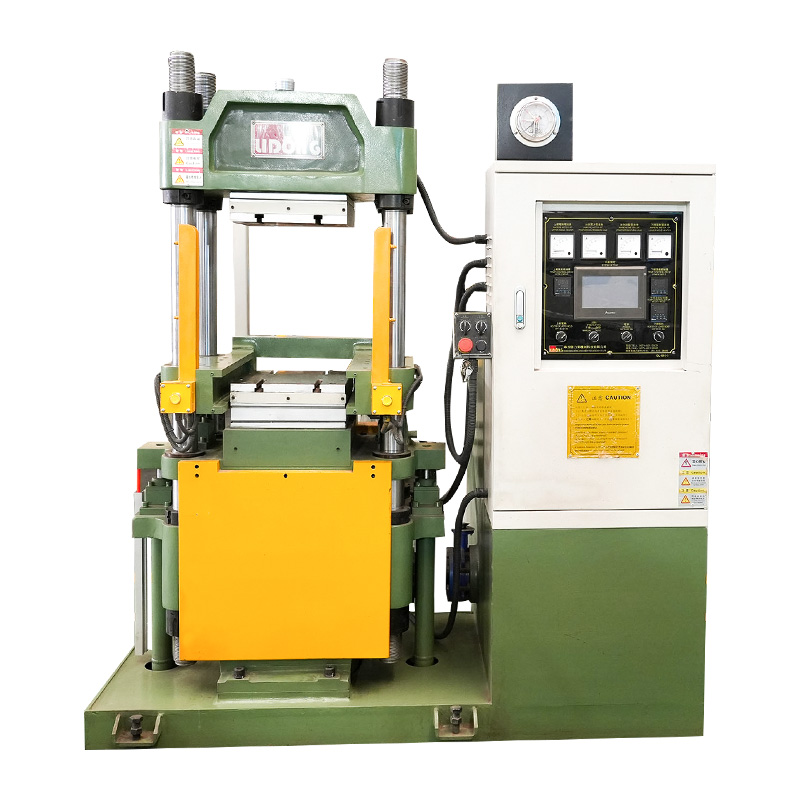
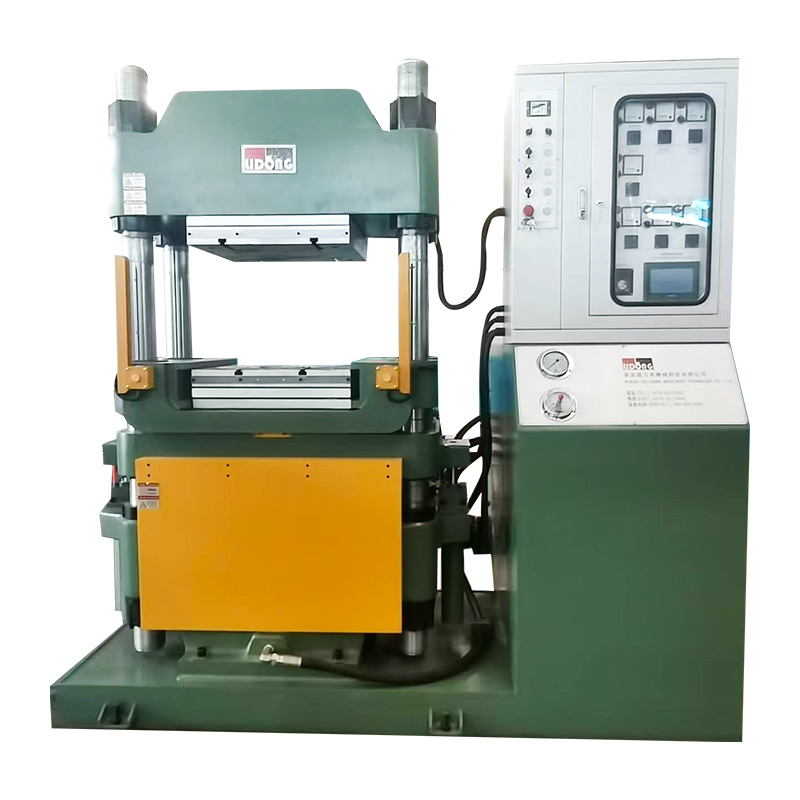
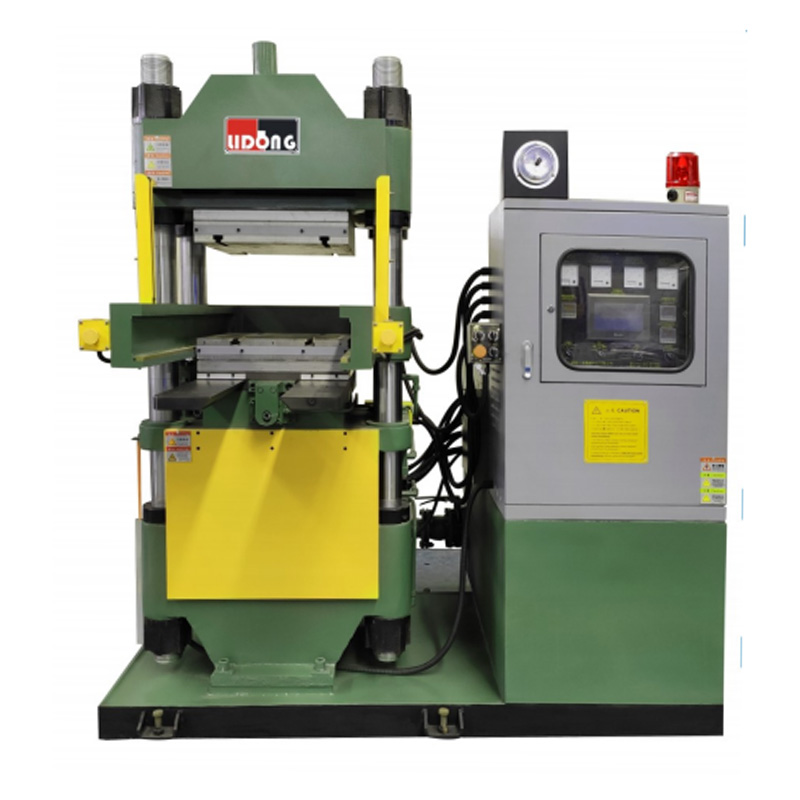
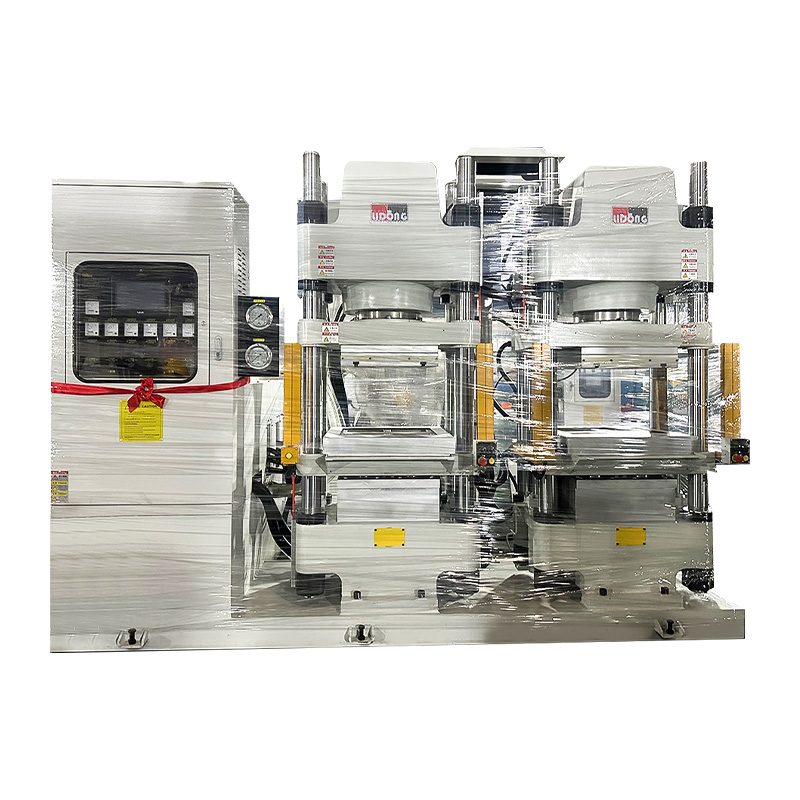
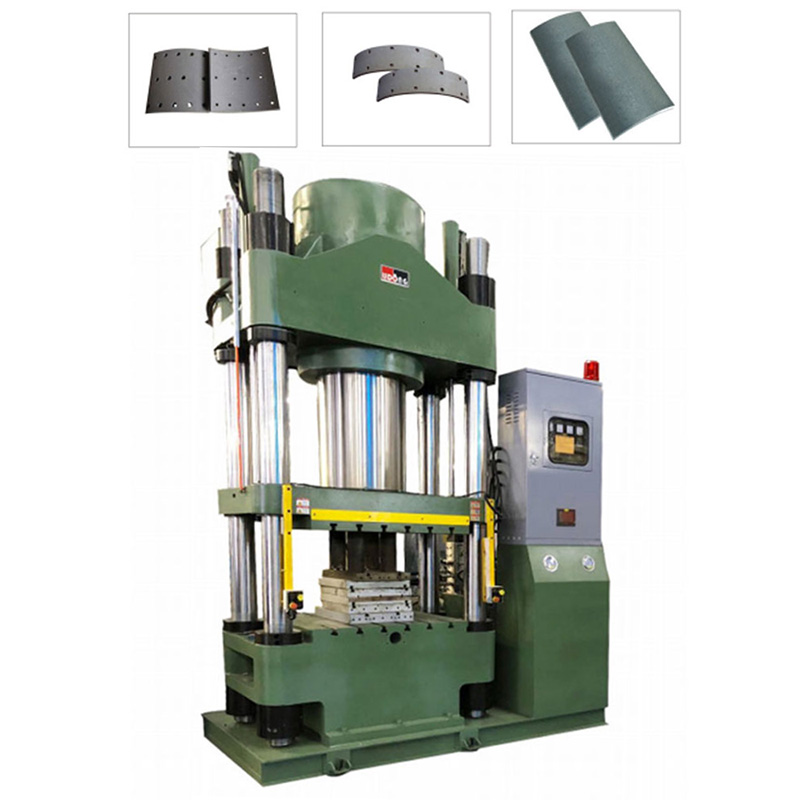
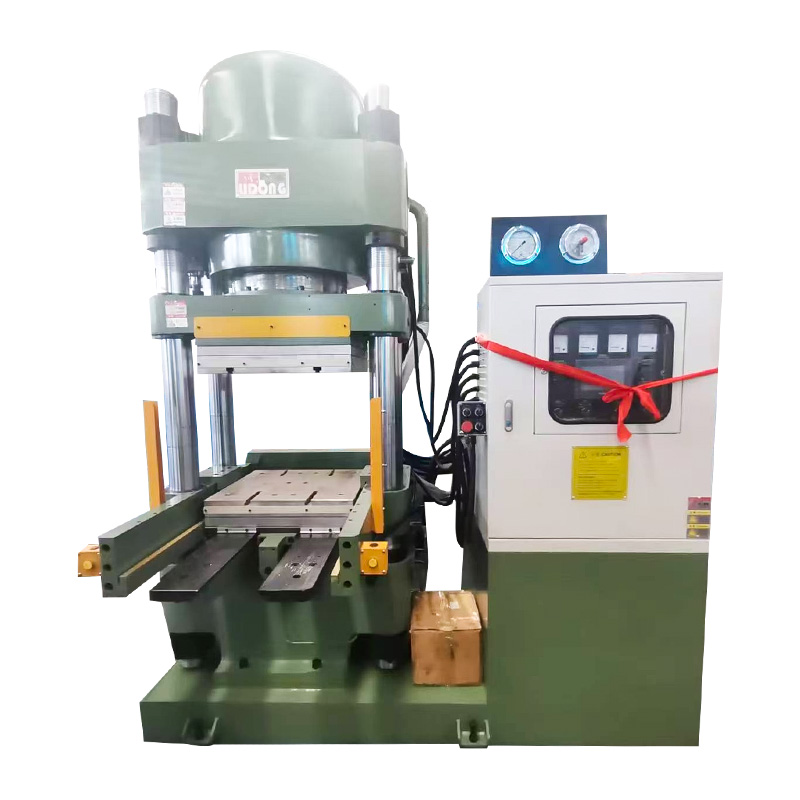
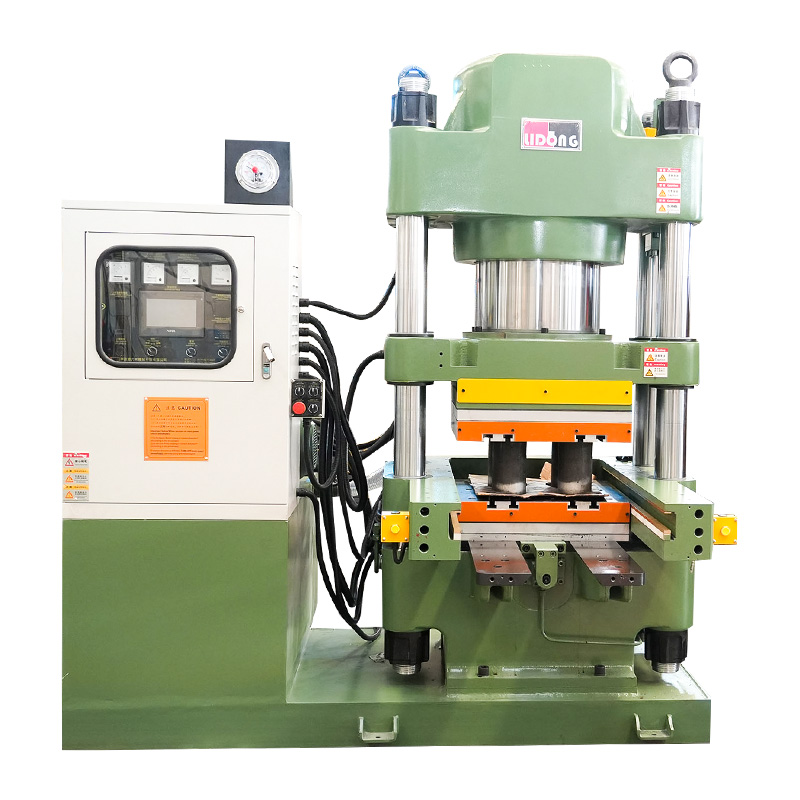
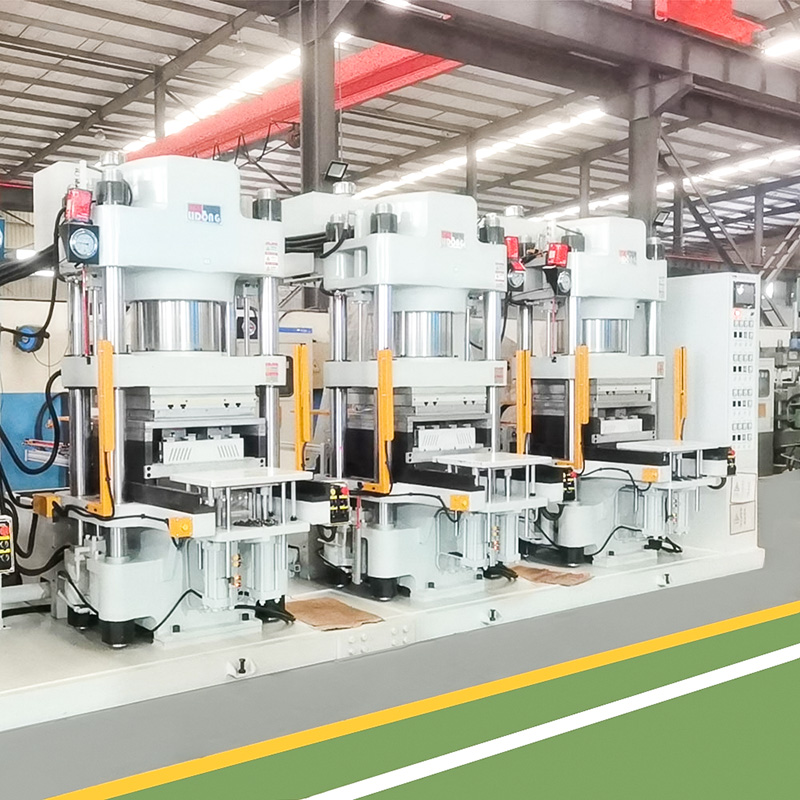
Technical Parameters
The table lists typical configurable values for presses used in powder metallurgy brake pad production. Final specifications depend on your pad design, powder and tooling, and are confirmed in the technical agreement.
| Parameter | Typical Range | Relevance to Powder Pressing |
|---|---|---|
| Pressing force | About 100 - 1500 tons | Set by pressing area and pressure |
| Pressing pressure | Often several hundred MPa, set by the powder mix | Determines green density |
| Pressing method | Single-action or double-action (top and bottom punch) | Double-action reduces density gradient |
| Stroke control | Position sensing with accurate stop and limits | Dimensional accuracy and density |
| Fill depth control | Adjustable lower punch position | Powder volume per pad |
| Pressure profile | Multi-step: fill, precompact, compact, dwell, release | Air escape and density distribution |
| Ejection | Hydraulic with controlled speed and support | Prevents cracks from spring-back |
| Die change | Quick-change die holders, slide-out table | Many pad models, frequent changes |
| Control | PLC with touchscreen, recipe lock and data storage | Records for each pressed pad |
How to read the table: in powder pressing, the pressing method, stroke control and pressure profile matter more than tonnage alone. As a simple example, a pad with a pressing area of about 60 square centimeters at 350 MPa needs roughly 210 tons, but how that force is applied decides the quality. A press that can only push from one side leaves a dense top and a less dense bottom.
Fill depth control is also important. Metal powders are heavy, and a small error in fill volume changes both density and thickness. Please send your pad drawings, die concept, powder type, target density and annual volume, and we will recommend a press size, pressing method and control package.
Practical advice. Decide your pressing method together with your die maker before ordering the press. The tooling and the press must be planned as one system.
Special Focus: Density Gradients, Cracks and Die Design
Most problems in powder pressing can be traced to a few causes. The table links them to remedies in the press and the tooling.
| Problem | Likely Cause | What Helps |
|---|---|---|
| Density gradient in the pad | Powder rubs the die wall, force transmits poorly through the powder | Double-action pressing, floating die, lubricated die wall, lower height-to-width ratio |
| Uneven fill | Poor powder flow or feed shoe design | Better powder preparation, vibration, controlled feed shoe, weighing |
| Cracks on ejection | Spring-back and stored stress | Slow, supported ejection, die taper, pressure release steps |
| Lamination | Trapped air, too fast compaction | Precompact step, slower pressure rise, venting |
| Dimension variation | Spring-back and fill variation | Accurate stroke control and repeatable filling |
| Tool wear | Abrasive metal and ceramic powders | Hardened tooling and coatings, clean die area |
Points that decide results:
- Double-action pressing. Moving both punches, or letting the die float, reduces the density gradient caused by wall friction. It needs a press with a second hydraulic axis or a floating die system, and the choice depends on the pad height.
- Precompaction. A gentle first stage removes air before full pressure is applied, which lowers the risk of lamination.
- Powder preparation. Particle size, moisture and lubricant content influence flow and compaction. The press cannot correct a poor mix.
- Steel plate positioning. If the plate is pressed together with the powder, it must be positioned accurately and held flat.
- Downstream steps. Sintering, finishing and testing are separate. Some routes also include a re-pressing or sizing step, and we can discuss that with you.
Formulation, sintering and testing belong to your technical team and your customer. The press provides stable, repeatable pressing conditions and, together with good tooling, a uniform green body.
Honest advice. A very thick pad is harder to press uniformly than a thin one. If your design allows, discuss pad geometry with your engineers early, because a small change in thickness can solve a large density problem.
Automation and Control System
Powder pressing is a sequence of filling, compacting and ejecting, and the control system should coordinate all of them and record each cycle.
- Recipe memory and lock: fill depth, precompaction, pressing force, dwell, release speed, ejection steps and stroke limits are stored for each pad type and die, and changes need the right password level.
- Multi-step pressure profile: precompact, compact, dwell and controlled release are set separately.
- Double-action coordination: upper and lower axes move in a set relation, such as equal travel or equal pressure, with the control managing the sequence.
- Position-based stroke control: accurate position sensing and limits give repeatable thickness and density.
- Fill and weighing checks (optional): powder weight can be checked before pressing and linked to the cycle record.
- Alarm and event log with cycle data: faults, setting changes, pressure, stroke and time are recorded and can be exported if you permit it.
Handling and automation: for higher volumes, an automatic powder feed shoe, a plate loading device and a transfer unit for green pads can be added in stages. Because powder is dusty, enclosed feeding and local extraction are often part of the design.
Operator view. The touchscreen shows the active recipe, pressing stage, pressure profile and cycle count. An English manual and training material are provided, and remote support is available when your technician sets up a new die.
Tuning tip. Change one parameter at a time, such as the precompaction pressure or the release speed, and record the result on a few pads, including a cross-section hardness check if available.
Structure and Materials
A powder pressing machine must deliver very high force accurately and repeatedly, and it must resist abrasive metal dust. Its structure is designed around those needs.
| Component | Design and Material | Purpose |
|---|---|---|
| Press frame | Very heavy welded or forged structure, stress relieved | Minimal deflection at high tonnage |
| Main cylinder | Large bore, quality seals, position sensor | Smooth force and accurate upper punch stroke |
| Lower axis (double-action) | Cylinder with position control or floating die support | Reduces density gradient |
| Platens and die table | Thick alloy steel, ground flat and parallel | Even load transfer to the die |
| Guide system | Large hardened guides, adjustable | Accurate alignment under load |
| Ejection system | Hydraulic cylinder with controlled speed | Gentle release of green pads |
| Hydraulic station | Servo or proportional control, filtered and cooled | Smooth pressure profile and stable oil |
| Covers and wipers | Protection for rods, guides and sensors | Keeps abrasive powder out |
Why alignment matters: punches and dies are made to tight clearances, and a small misalignment under load damages tooling and creates uneven density. We use heavy frames, well-guided platens and carefully placed cylinders, and we check parallelism and alignment at the factory.
Hydraulic quality: smooth pressure rise and release require quality servo or proportional valves and clean oil. We use filtration and cooling, and recommend oil sampling at regular intervals.
Maintenance. Clean powder from the table and sensors with suitable vacuum equipment, keep guides lubricated, check cylinder seals and change hydraulic oil and filters according to the manual. Inspect punches, dies and die holders on a schedule, since abrasive powders wear tooling.
Before shipment, each press is run under load, and pressure control, stroke accuracy, alignment and safety functions are checked.
Safety and Energy Efficiency
Pressing metal powders combines heavy tooling, stored hydraulic energy and fine metal dust, so safety must be planned for the press and the powder area.
- Emergency stop at the operator position and at the loading side
- Light curtain or guard doors connected to the PLC, so the press cannot move while anyone is in the working area
- Hydraulic overpressure protection with relief valves and pressure monitoring
- Die and tooling guards to protect against ejected fragments
- Safe die handling with lifting points and carts
- Dust extraction connections at the feeding and pressing area
Handling advice: metal powders are harmful to breathe, and some fine metal dusts can be combustible when dispersed in air. Provide dust extraction at powder handling and pressing stations, control ignition sources, ground equipment where needed, keep surfaces clean and follow the safety data sheets of your powders and your local rules for protective equipment and explosion protection. Explosion protection requirements depend on the powder and local rules, so please assess them for your site. Use rated lifting devices for dies, and never reach into the die area when the press is active.
Energy efficiency: a servo-controlled hydraulic system uses power mainly while the press moves and holds pressure, instead of running a pump at full flow all the time. Low scrap saves expensive powders and the energy of the sintering furnace, which is often the largest energy user in the line.
Tell us your working hours and local power price, and we will compare options in the quotation.
Training and records. Keep a log of safety checks, guard tests, dust system checks and oil changes. A monthly test of the emergency stop, light curtain and pressure relief function keeps the press dependable.