
 English
 عربى
 中文繁体

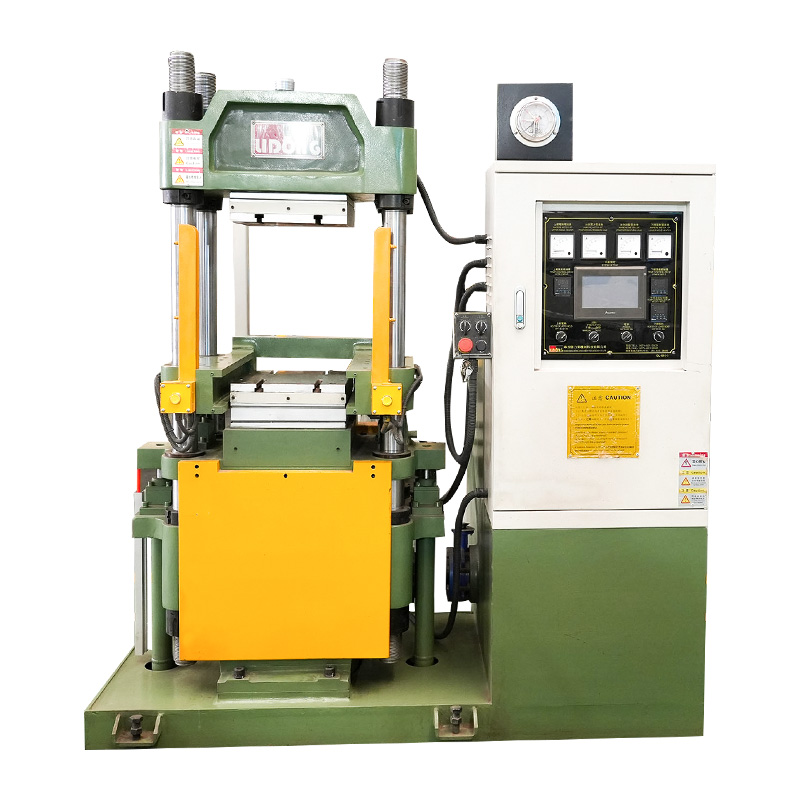
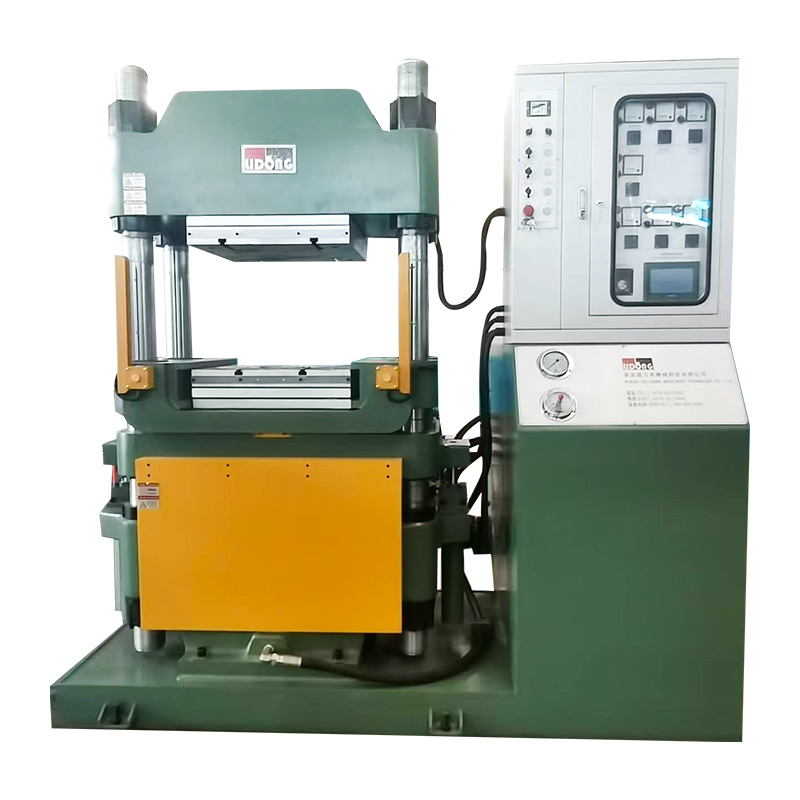
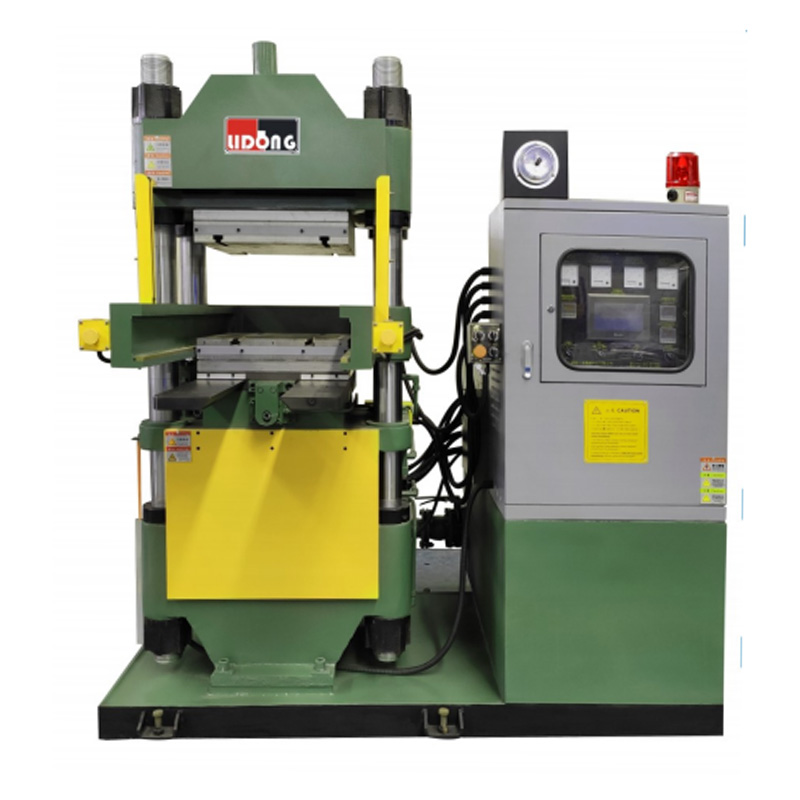
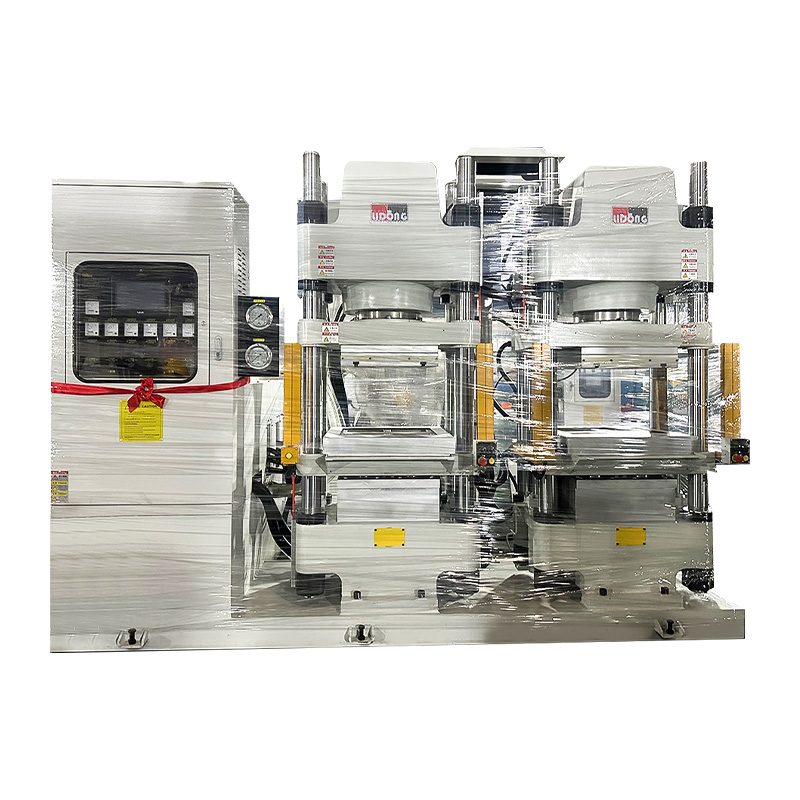
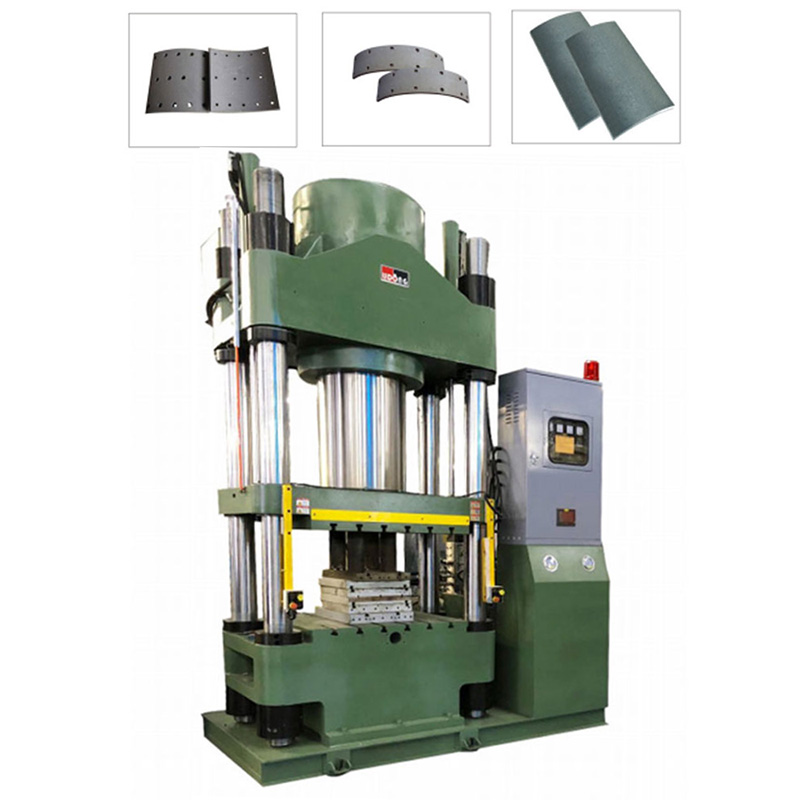
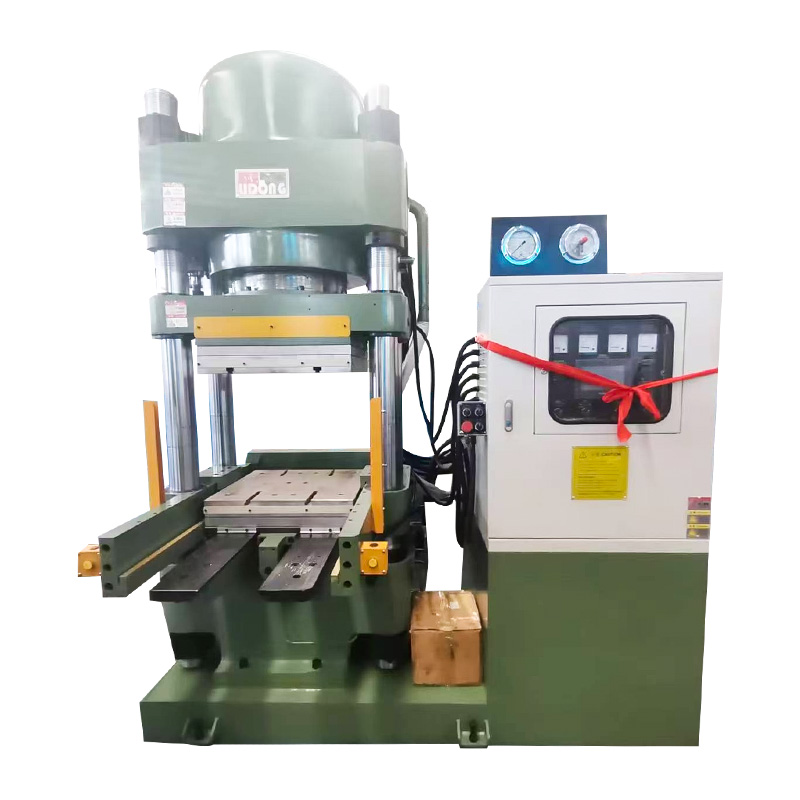
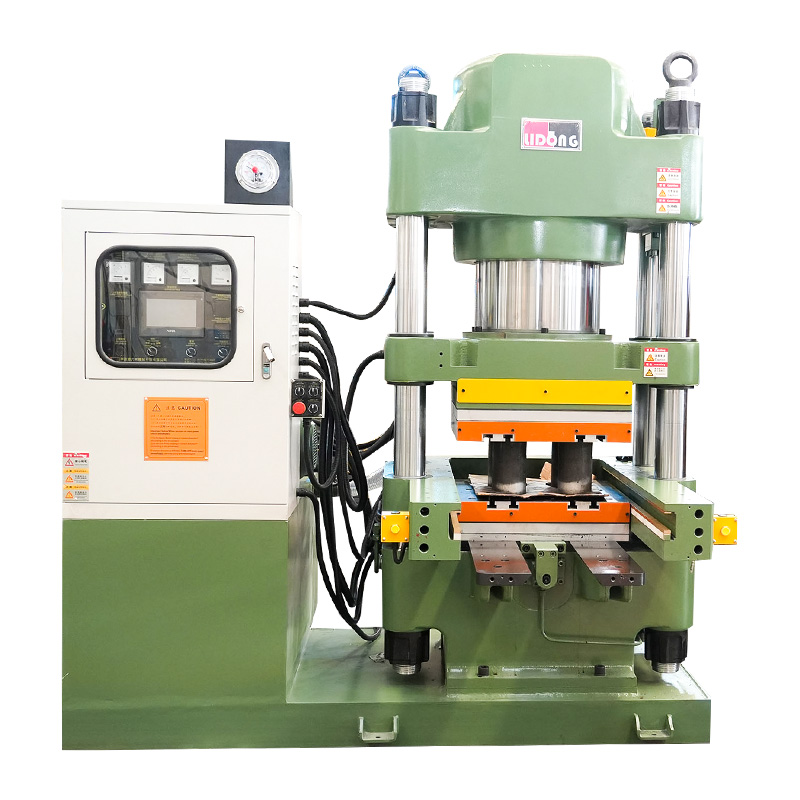
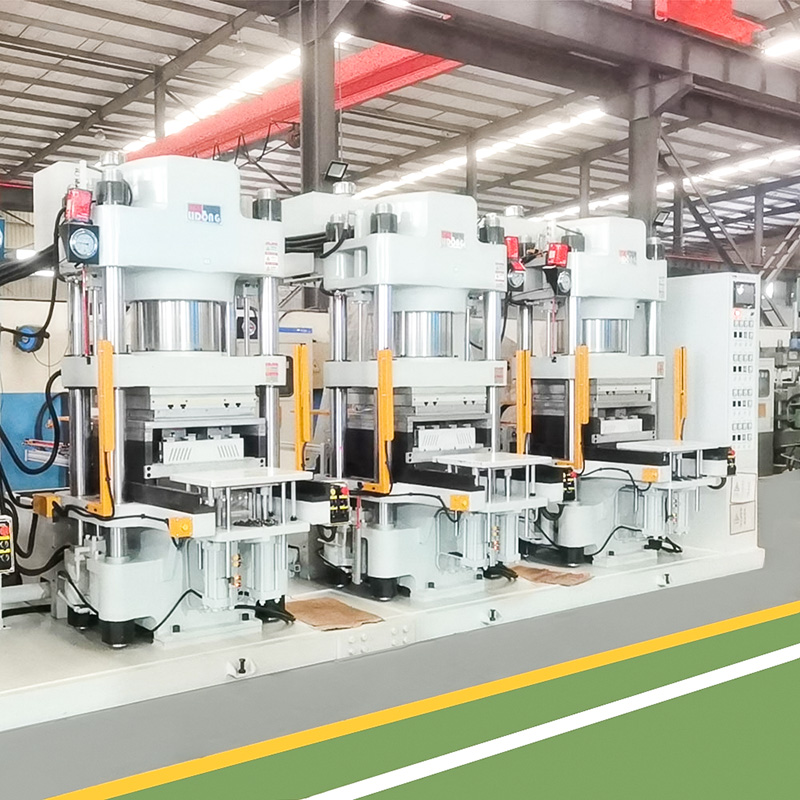
Technical Parameters
The table lists typical configurable features and values for automatic feeding on brake pad presses. Final specifications depend on your pads, mix and layout, and are confirmed in the technical agreement.
| Parameter | Typical Range | Relevance to Automatic Feeding |
|---|---|---|
| Feeding method | Gravimetric (by weight) or volumetric dosing | Fill accuracy and speed |
| Fill weight range | From tens of grams to several kilograms per cavity | Matches small pads up to large blocks |
| Fill accuracy | Depends on mix flow and method, confirmed by trial | Density and thickness consistency |
| Cavity number | Single to many cavities per mold | Feeder layout and cycle time |
| Layer feeding | One or two layers, optional underlayer | Two-layer pads |
| Plate loading | Magazine, pick-and-place or manual with locating aids | Plate position and speed |
| Mold transfer | Shuttle, cart or robot, with press synchronization | Continuous work, hot mold handling |
| Unloading | Take-out device, tray or conveyor | Pad removal and cooling |
| Dust control | Enclosed hoppers and extraction connections | Cleaner workshop, drier mix |
| Control | PLC with touchscreen, recipe lock and interface to the press | One recipe for press and feeder |
How to read the table: the most important item is fill accuracy with your real mix. Friction mix is light, fibrous and sometimes sticky, so published accuracy figures for other powders do not apply. A feeding trial with your mix is the only reliable way to know what is achievable.
The second point is cycle balance. If feeding and loading take longer than the cure, the press waits, and automation does not raise output. We therefore look at the whole cycle, including feeding, loading, pressing, curing, opening and unloading. Please send your pad drawings, cavity layout, mix sample or data, cycle time and output target, and we will recommend a feeding concept and press layout.
Practical advice. Ask for a trial with your own mix before you commit to a feeding system. Fill weight scatter and bridging problems appear quickly in a trial.
Special Focus: Levels of Automation and When Each Pays Back
Automatic feeding is a range, not a single machine. The table compares common levels.
| Level | What Is Automated | Typical Fit | Consideration |
|---|---|---|---|
| Manual with aids | Weighing station, loading frame, locating magnets | Small and medium volume, many models | Lowest cost, depends on operator skill |
| Semi-automatic feeding | Weighing and dosing into a feeder tray or hopper, manual plate loading | Medium volume, consistent mix | Good gain in fill accuracy and dust |
| Automatic feeding and plate loading | Dosing, spreading, plate placement, mold transfer | High volume, few models | Higher investment, needs stable mix flow |
| Full cell with take-out | Feeding, loading, pressing, take-out and stacking | Very high volume, dedicated lines | Highest output, least flexible |
Points that decide the right level:
- Volume per model. Automation pays back when each model runs long enough to repay the setup time. Many models with small batches favor simpler aids.
- Mix behavior. Fibrous or sticky mixes may need preforming, vibration, agitators or special hoppers. A trial shows what is needed.
- Plate handling. Plates must arrive clean, flat and oriented. Poor incoming plates are a common reason for automatic loading to stall.
- Changeover. Cleaning the feeder and changing tooling must be quick, or automation loses its advantage for mixed production.
- Maintenance and skills. Automatic equipment needs trained technicians and spare parts. Plan for them from the start.
Our friction material preforming press page describes preforming, which often makes automatic feeding easier, and our multi-cavity brake pad mold press page explains how cavity number affects loading time.
Honest advice. A well-organized manual line with weighing stations and loading frames often beats a poorly matched automatic cell. Start with the step that removes your largest problem, whether it is fill variation, dust or labor, and expand from there.
Automation and Control System
An automatic feeding line works only if the feeder, loader and press act as one system. The control must synchronize them and keep a record.
- Single recipe for the whole cell: fill weights, layer sequence, plate type, press temperature, pressure steps and cure time are stored together for each pad, and changes need the right password level.
- Weighing and dosing control: target weight, tolerance and correction are managed per cavity, and out-of-tolerance fills raise an alarm or are rejected.
- Sequence interlocks: the mold cannot enter the press until feeding is complete, and the press cannot close while the loader is inside.
- Cycle synchronization: feeding of the next mold runs during the cure of the current one, which keeps the press busy.
- Fault handling: a missing plate, empty hopper or jammed feeder stops the sequence safely and shows a clear message.
- Data recording: fill weights, press curves, temperature and time are recorded for each cycle and can be exported if you permit it.
Handling and automation: hot molds need heat-resistant transfer equipment, and the feeder must be kept away from the heat so the mix does not warm or dry out. Layouts that separate the hot press area from the mix area are usually best.
Operator view. The touchscreen shows the active recipe, fill weights per cavity, press temperature and cycle time remaining. An English manual and training material are provided, and remote support is available when your technician sets up a new mold.
Changeover tip. Prepare a written changeover list for each product, covering feeder cleaning, plate magazine change, mold change and recipe selection, and keep it at the cell.
Structure and Materials
The press in an automatic line must be stiff and accurate, and it must give clear access for loading and take-out equipment.
| Component | Design and Material | Purpose |
|---|---|---|
| Press frame | Heavy welded steel structure, stress relieved | Stable base for repeated automatic cycles |
| Platens and opening | Ground flat, with sufficient opening for loaders | Free path for feeder and take-out |
| Mold shuttle or cart | Rails, drive and locks, rated for mold weight | Moves molds in and out of the press |
| Feeder | Hopper with agitator or vibration, dosing device, stainless contact parts where needed | Accurate, repeatable fill |
| Weighing system | Load cells, enclosure against dust and vibration | Accurate weight measurement |
| Plate loader | Magazine and pick-and-place device or robot | Accurate plate position |
| Guarding | Fixed guards, doors and light curtains around the cell | Operator safety |
| Dust extraction connections | Enclosures and ports at feeder and loader | Cleaner workshop |
Press opening and access: automatic loaders need space and clear paths. The opening stroke, the position of guards and the side access are planned from the beginning, since changing them afterwards is difficult.
Heat protection: feeders and load cells must be kept away from radiant heat from the press. We use shields, spacing and, where needed, cooling air so that the mix and sensors stay in their working range.
Materials: contact parts that touch friction mix are abrasive and sometimes sticky. We select hardened or coated surfaces and design them for easy cleaning and replacement.
Maintenance. Clean the feeder and load cells on schedule, calibrate the weighing system with reference weights, check belts, rails and grippers, keep guides lubricated, and change hydraulic oil and filters according to the manual.
Before shipment, the press is run under load, and the feeding and loading equipment is tested with a representative material where arranged.
Safety and Energy Efficiency
Automatic cells combine hot presses with moving loaders, so safety must cover both the press and the automation.
- Fixed guarding and interlocked doors around the whole cell
- Light curtains at loading and unloading openings
- Emergency stops at operator positions and on the cell guarding
- Safe restart procedures after any stop, with clear reset steps
- Hydraulic overpressure protection with a relief valve and pressure monitoring
- Independent over-temperature protection on each heating zone
Handling advice: robots and shuttles can move without warning, so nobody should enter the cell unless the system is locked out. Plan access for cleaning and maintenance with safe procedures. Friction mix is dusty and may contain materials that are harmful to breathe, and some fine dusts can be combustible when dispersed in air, so provide dust extraction at the feeder and loader, control ignition sources, ground equipment where needed and follow the safety data sheets and your local rules. Hot molds and platens need heat-resistant tools and clear warnings.
Energy efficiency: automation keeps the press working more of the time and keeps the mold hot between cycles, which means more pads per kilowatt-hour. Good insulation, zoned heating and a stand-by temperature function reduce idle losses, and a variable-speed hydraulic system uses power mainly while the press moves. Accurate filling also reduces scrap, which saves raw material and the energy already spent on it.
Tell us your working hours and local power price, and we will compare options in the quotation.
Training and records. Keep a log of safety checks, interlock tests, weighing calibration and oil changes. A monthly test of the emergency stops, light curtains and door interlocks keeps the cell dependable.







