English
 عربى
 中文繁体

Content
- 1 Cold Forging Presses: The Quiet Power Behind Strong Metal Parts
- 2 What Is a Cold Forging Press?
- 3 How a Cold Forging Press Turns a Blank Into a Part
- 4 Types of Cold Forging Presses
- 5 Key Specifications That Shape the Buying Decision
- 6 Where Cold Forging Presses Create Value
- 7 Materials and Applications
- 8 Cold Forging vs Hot Forging: A Practical Comparison
- 9 Common Challenges and How to Read Them
- 10 A Selection Checklist for Cold Forging Press Projects
- 11 Where Cold Press Forming Fits in Friction Materials
- 12 Maintenance and Safety Habits That Protect Uptime
- 13 Frequently Asked Questions
- 13.1 What is the difference between a cold forging press and a cold press forming machine?
- 13.2 What tonnage do I need?
- 13.3 Can cold forging replace machining?
- 13.4 What materials can be cold forged?
- 13.5 How long does tooling last?
- 13.6 Why choose a servo press?
- 13.7 How do I reduce cracking?
- 13.8 What maintenance matters most?
- 14 A Practical Path Forward
Cold Forging Presses: The Quiet Power Behind Strong Metal Parts
Cold forging presses do not rely on heat to persuade metal into shape. They use force, precision tooling, and controlled material flow to turn wire, bar stock, or cut blanks into strong, near-net-shape parts. For manufacturers facing rising material costs, tight tolerances, and pressure to shorten machining time, that combination is hard to ignore.
This guide looks at how cold forging presses work, the machine types you will meet, the specifications that matter, and the process decisions that separate a stable production line from a constant troubleshooting loop. It also explains where cold press forming fits in friction material production, a related but distinct application.
What Is a Cold Forging Press?
A cold forging press is a high-force forming machine that shapes metal below its recrystallization temperature, usually at room temperature. The press holds a set of dies, drives a ram or slide, and forces the workpiece through a sequence of operations such as upsetting, forward extrusion, backward extrusion, heading, coining, or sizing.
The machine is only half the story. Cold forging works because the tooling, lubrication, blank preparation, and press motion are designed as one system. Change one element and the others often need attention too.
Force with control
Tonnage is not enough. Ram parallelism, frame stiffness, and repeatable bottom-dead-center control decide whether force reaches the part evenly.
Tooling writes the rules
Die geometry, entry radius, land length, and surface finish guide material flow. A small tooling change can shift the whole process window.
Material moves, not melts
The workpiece is displaced rather than softened by heat. Grain structure follows the new shape, which can help strength and fatigue life.
Volume matters
Cold forging presses are most comfortable in repeatable, higher-volume work where tooling cost can be spread across stable production runs.
Tight tolerances
Good machines and good dies can hold dimensions close enough to reduce or remove later machining on selected features.
Automation ready
Bar feeders, transfer systems, ejection chutes, and inspection stations turn a press into a production cell, not a stand-alone machine.
How a Cold Forging Press Turns a Blank Into a Part
Most cold forging jobs are progressive. A single press may carry several stations, and the part moves from one die cavity to the next without leaving the machine. The exact sequence depends on the part family, but the logic is usually similar.
Blank preparation
Wire or bar is cut, sheared, annealed, coated, or lubricated. Blank weight and surface condition set the starting point for every later station.
Feeding and alignment
The blank enters the first die with controlled position. Misalignment here becomes die wear, fold defects, or short fills later.
First forming station
Upsetting, heading, or extrusion begins the shape. The material is forced into a controlled flow path rather than simply crushed.
Transfer between stations
Mechanical fingers or grippers move the part to the next cavity. Transfer timing must match ram motion to avoid scuffing or distortion.
Finishing and coining
Final stations refine dimensions, corners, and surface detail. Coining can improve flatness or sharpen features without extra machining.
Ejection and inspection
The part leaves the die and enters a chute, bin, or inspection station. Weight checks, length checks, and visual checks catch drift before it becomes scrap.
Types of Cold Forging Presses
Buyers will encounter several press architectures. Each has a different force curve, speed profile, and best-fit production pattern. The table below is a practical starting point, not a ranking.
| Press type | How force is applied | Best fit | Watch-outs |
|---|---|---|---|
| Hydraulic cold forging press | Hydraulic fluid drives the ram with adjustable pressure and stroke. | Deep extrusion, larger parts, pressure-sensitive forming, and jobs that need dwell or controlled speed. | Cycle times can be longer; oil temperature and pressure stability need attention. |
| Mechanical crank press | A flywheel and crank convert rotary energy into a fixed stroke. | High-volume simple parts where the stroke and tonnage curve are well matched. | Force increases near the bottom of the stroke; setup and die height are critical. |
| Servo press | Servo motors control ram motion, speed, and position with high flexibility. | Complex profiles, energy-sensitive work, and processes that benefit from programmable motion. | Higher control complexity and a greater need for skilled programming. |
| Screw press | A screw and flywheel deliver an energy-controlled blow. | Heading, coining, and selected impact-forming jobs. | Stroke consistency can be less predictable for long, demanding forming sequences. |
| Multi-station former | Integrated transfer moves the part through several dies in one cycle. | Fasteners, symmetrical parts, and complex shapes with stable high volume. | Tooling cost and changeover discipline are significant. |
Key Specifications That Shape the Buying Decision
Cold forging press selection is not a single-number exercise. Tonnage matters, but it is only useful when read together with stroke, bed size, frame stiffness, speed, and tooling interface.
Tonnage
Rated force must cover the forming load with a sensible margin. Too little tonnage causes short fills and die overload; too much can encourage poor process discipline.
Stroke and daylight
These define what can be loaded, formed, and ejected. Deep extrusion and multi-station tooling often need more space than buyers first expect.
Bed size and die space
The die set must fit with room for clamping, transfer fingers, sensors, and maintenance access. A crowded bed slows changeover and raises risk.
Frame stiffness
Deflection under load affects part accuracy and die life. A stiff frame keeps parallelism and energy transfer more predictable.
Speed and cycle profile
Fast is not always productive. The ram motion must match material flow, transfer timing, and ejection without creating shock or heat.
Control and monitoring
Force, position, pressure, and tonnage monitoring help operators see drift. Data logging is useful for troubleshooting and quality records.
Tooling interface
Clamping, die height adjustment, and quick-change features decide how much uptime you lose during setup and repair.
Energy and service
Hydraulic vs. servo vs. mechanical choices affect power use, maintenance skill requirements, and spare-parts planning.
Where Cold Forging Presses Create Value
The strongest business case is rarely "one benefit." It is the combination of material yield, repeatability, and reduced machining on a part that is needed in volume.
- Material savings: Near-net forming reduces chips and scrap compared with cutting from solid bar.
- Grain flow: Deformation can align the material structure with the part shape, which may improve strength and fatigue resistance.
- Surface quality: Good dies and lubrication can produce finishes that need little or no secondary work.
- Cycle consistency: Once the process window is set, a well-controlled press repeats it part after part.
- Automation potential: Bar feeding, transfer, and ejection can be integrated into a compact cell.
The bar chart is directional. Actual results depend on part geometry, material grade, tooling design, press condition, and production discipline.
Materials and Applications
Cold forging is used across fasteners, automotive components, bearings, hand tools, electrical parts, and general industrial hardware. Material choice affects press load, tooling wear, lubrication, and the need for intermediate annealing.
Carbon and alloy steel
Common for bolts, nuts, pins, shafts, and structural parts.
Stainless steel
Used where corrosion resistance matters, but it demands careful lubrication and die design.
Aluminum alloys
Good for lightweight parts, though flow behavior and surface protection need attention.
Copper and brass
Common in electrical contacts, fittings, and decorative hardware.
Automotive parts
Fasteners, steering components, transmission parts, and sensor housings.
Aerospace hardware
Selected high-strength parts where grain flow and repeatability are valued.
Hand tools and hardware
Sockets, bits, connectors, and small structural pieces with demanding shapes.
Electrical and energy parts
Conductive components and fittings that need controlled geometry and surface quality.
Cold Forging vs Hot Forging: A Practical Comparison
The choice is not about which process is "better." It is about which process fits the part, the material, the tolerance chain, and the production volume.
| Criterion | Cold forging | Hot forging |
|---|---|---|
| Temperature | Usually room temperature | Above recrystallization temperature |
| Force requirement | Higher for many geometries | Lower flow stress, but thermal management is complex |
| Tolerances | Generally tighter | More generous, often requiring machining |
| Surface finish | Can be very good with proper tooling | Scale and oxidation may require cleaning |
| Grain flow | Follows the formed shape closely | Also present, but thermal effects differ |
| Typical parts | Fasteners, pins, shafts, bearings, small precision parts | Larger structural parts, crankshafts, connecting rods, heavy hardware |
Common Challenges and How to Read Them
Most cold forging problems show up as cracks, wear, short fills, or weight drift. The useful question is not "what is wrong with the press?" but "which part of the system changed?"
Why do cracks appear?
Poor blank quality, insufficient annealing, sharp die transitions, low lubrication, or excessive reduction per station can all exceed the material's ductility.
Why does tooling wear so fast?
Abrasive material, scale, misalignment, inadequate coating, or excessive die pressure can shorten die life. Wear patterns usually point to the cause.
Why is tonnage not reaching setpoint?
Hydraulic pressure loss, seal wear, oil temperature, control drift, or a binding slide can reduce effective force. Check the simple causes first.
How do you control part weight?
Blank weight, die fill, ejection consistency, and material flow all matter. In-process weighing is often more useful than occasional sampling.
When faults repeat, a structured review of common cold press forming issues can help separate tooling problems from machine problems before parts are scrapped.
A Selection Checklist for Cold Forging Press Projects
Use this checklist to keep the technical and commercial conversations connected. It works for a single press purchase and for a larger cell with automation.
Define the part family
List shapes, sizes, materials, tolerances, and annual volumes. A press that fits one part may be wrong for the next three.
Calculate forming load
Work with a tooling engineer to estimate tonnage with a safe margin. Do not size the press from a competitor's brochure alone.
Confirm stroke and daylight
Check die height, punch length, transfer clearance, and ejection space. These details decide whether the tooling can actually run.
Review tooling strategy
Decide whether dies will be built in-house, sourced, or co-developed. Tooling quality often matters more than a small press price difference.
Check stiffness and parallelism
Ask for deflection data and maintenance records. A worn frame can make good tooling behave badly.
Plan material handling
Feeders, unscramblers, conveyors, and inspection stations should be considered as part of the cycle, not added later.
Request sample validation
Run the actual material and a representative part. A successful sample run with documented parameters is worth more than a specification sheet.
Agree on support
Clarify installation, training, spare parts, response time, and remote support. Uptime depends on what happens after the press arrives.
Where Cold Press Forming Fits in Friction Materials
Metal cold forging and friction material cold preforming are different processes, but they share a demand for repeatable pressure, stable tooling, and uniform filling. In brake pad production, a cold preform gives the friction mix a dense, handleable shape before hot pressing. The goal is not to melt or fuse the material; it is to create a consistent density profile that survives transfer and supports the final cure.
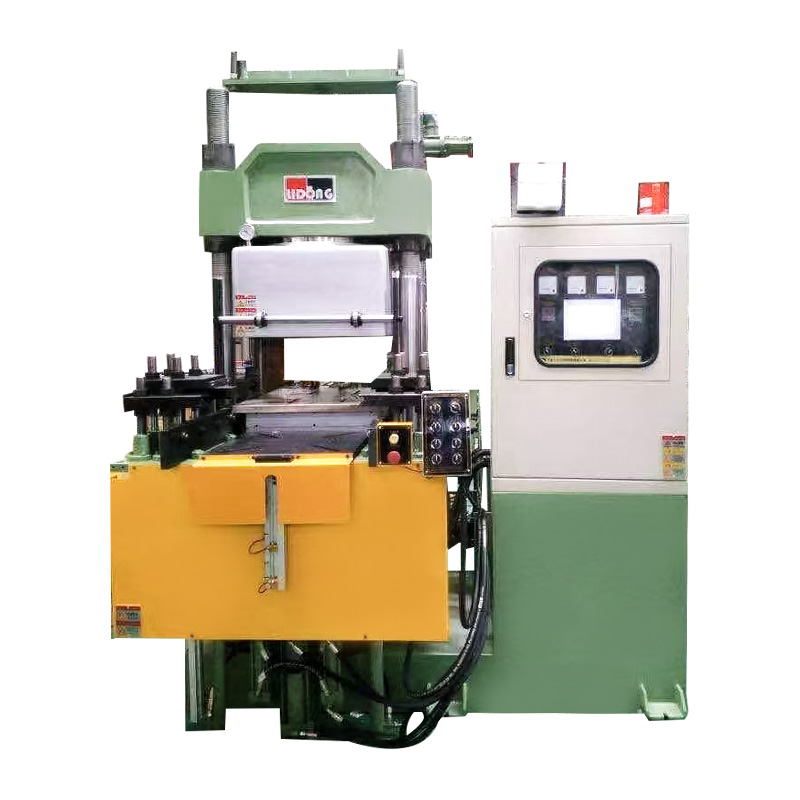
Delidong builds cold press forming equipment for this stage, with a focus on practical shop-floor operation rather than lab-only conditions.
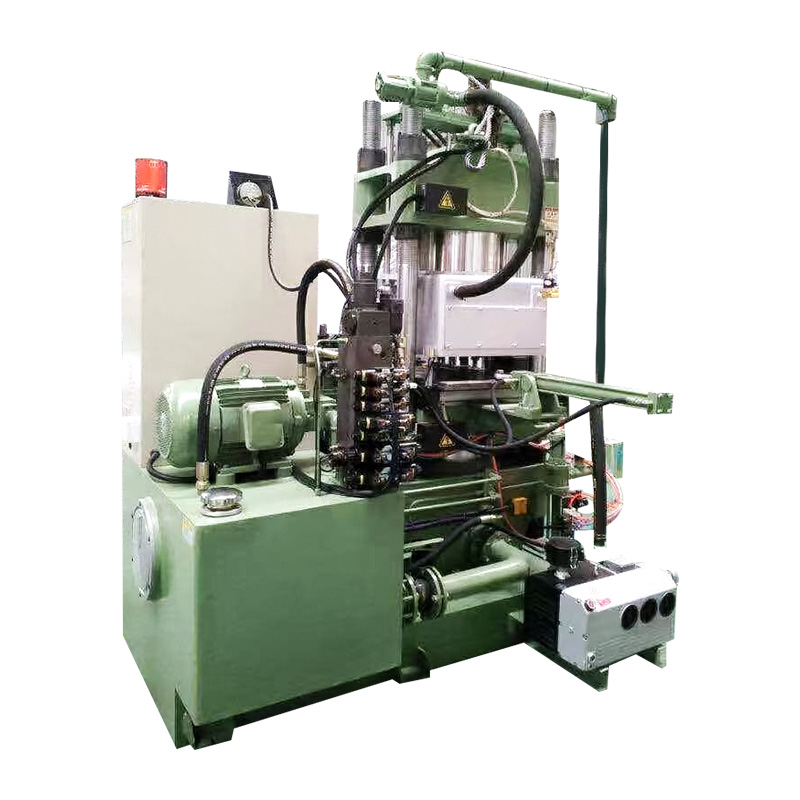
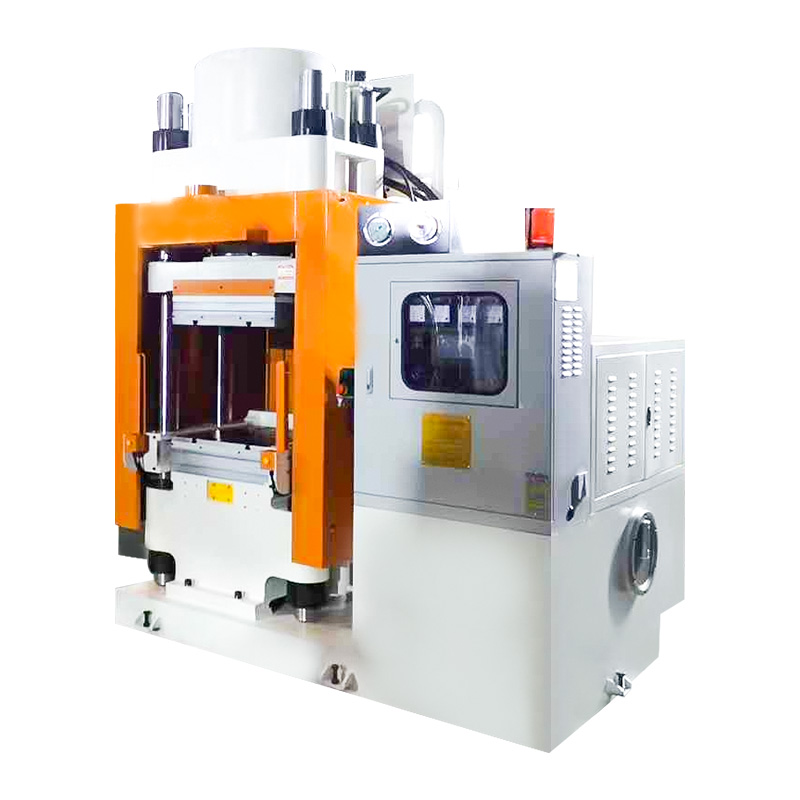 Cold Press Forming Machine for Brake Pad PreformsView this press for cold-forming friction material into stable preforms before hot-press curing, with controlled hydraulic pressure and automated charge consistency.View Product →
A prepressing forming machine is often used earlier in the sequence to remove entrapped air, reduce spring-back, and improve weight consistency. When the preform is right, the hot press has less work to do and the finished pad is more likely to hold its geometry.
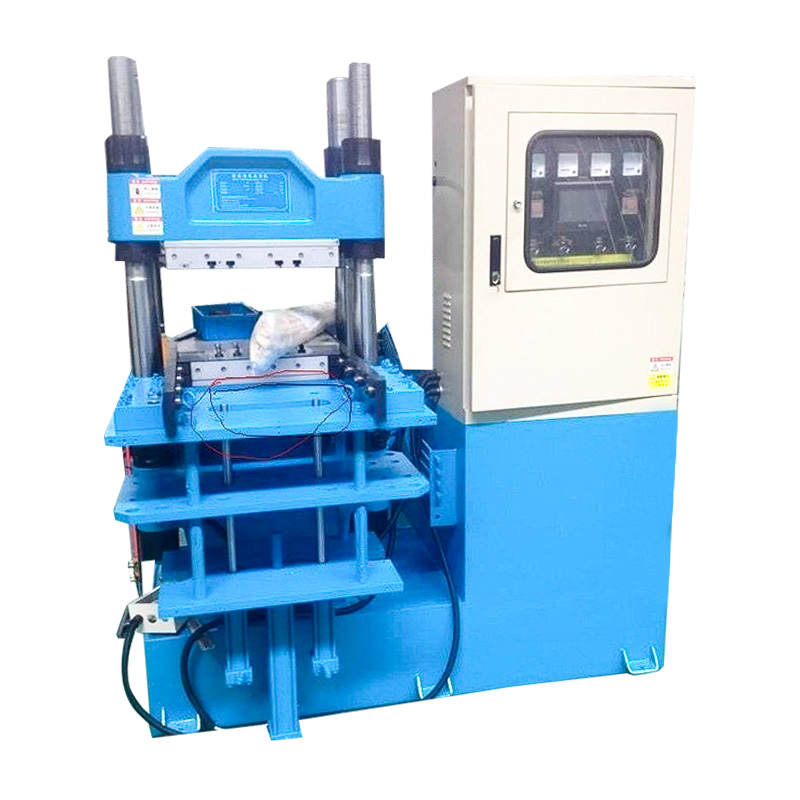
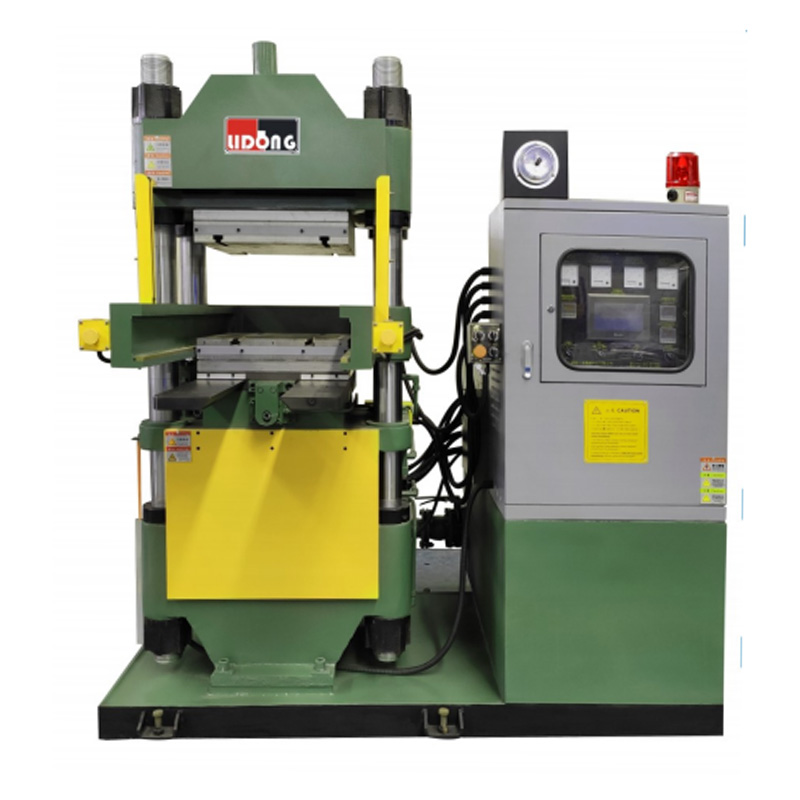
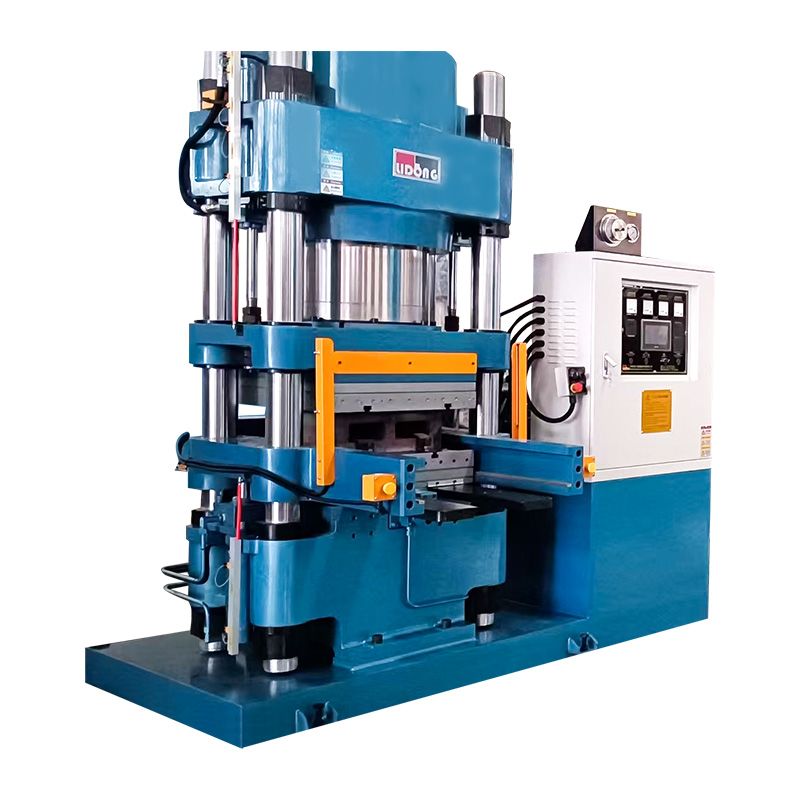 Pre-Pressing Forming Machine for Brake Pad ManufacturingCompare this pre-pressing machine for controlled compaction before final molding, supporting material distribution, density consistency, and repeatable brake pad production.View Product →
For teams comparing equipment, it helps to review the full friction material preforming press arrangement, including filling, ejection, and transfer. The press is only one part of the cell; the material handling around it decides whether the cycle is repeatable.
Maintenance and Safety Habits That Protect Uptime
Cold forging presses are robust, but they are not maintenance-free. Small checks done on schedule prevent most unplanned stops.
Daily
Check lubrication, hydraulic pressure, oil level, guards, sensors, and emergency stops. Listen for unusual noise during the first few cycles.
Weekly
Inspect die wear, clamp condition, bolts, filters, and alignment. Clean transfer fingers and ejection paths before debris causes a jam.
Monthly
Review oil analysis, calibration, safety interlocks, and tonnage monitoring. Compare current readings with the commissioning baseline.
Annually
Inspect frame condition, hydraulic hoses, electrical cabinets, and control software. Plan rebuilds before wear becomes a quality problem.
Safety deserves the same discipline. Lockout/tagout, light curtains, two-hand controls, die-handling procedures, and proper PPE are not optional extras around high-tonnage equipment. A press that is easy to operate safely is also easier to keep productive.
Frequently Asked Questions
What is the difference between a cold forging press and a cold press forming machine?
A cold forging press usually shapes metal at room temperature with high tonnage and hardened dies. A cold press forming machine may use similar pressure and tooling principles for another material, such as friction material preforms for brake pads.
What tonnage do I need?
It depends on material, part geometry, die design, and the number of stations. Estimate forming load with a tooling engineer, then add a practical margin for variation and future parts.
Can cold forging replace machining?
Sometimes it can reduce machining on selected features, but rarely all of it. The best projects use cold forging for near-net shape and reserve machining for critical surfaces or holes.
What materials can be cold forged?
Carbon steel, alloy steel, stainless steel, aluminum, copper, brass, and selected other metals are common. Ductility, surface condition, and lubrication decide how well a material will flow.
How long does tooling last?
Die life varies widely with material abrasiveness, coating, lubrication, press alignment, and production volume. Monitoring wear and tracking shots per die is more useful than a generic number.
Why choose a servo press?
Servo presses offer programmable ram motion, which can help with complex shapes, energy control, and process tuning. They also require more skilled programming and maintenance support.
How do I reduce cracking?
Review blank quality, annealing, die radii, reduction ratios, lubrication, and alignment. Cracks usually begin where material flow is restricted or ductility is exhausted.
What maintenance matters most?
Lubrication, hydraulic stability, die alignment, and safety interlocks are the core. Daily checks and baseline data catch drift before it becomes scrap or downtime.
A Practical Path Forward
Cold forging presses reward careful planning. The machine must match the part, the tooling must match the material, and the production team must understand the process window. When those pieces align, cold forging can deliver strong parts, good surface quality, and efficient material use.
For friction material producers, the same discipline applies to cold press forming and prepressing. Delidong's experience in brake pad presses and rubber molding equipment can help teams review the forming stage as part of a complete production flow, not as an isolated machine purchase.