
 English
 عربى
 中文繁体

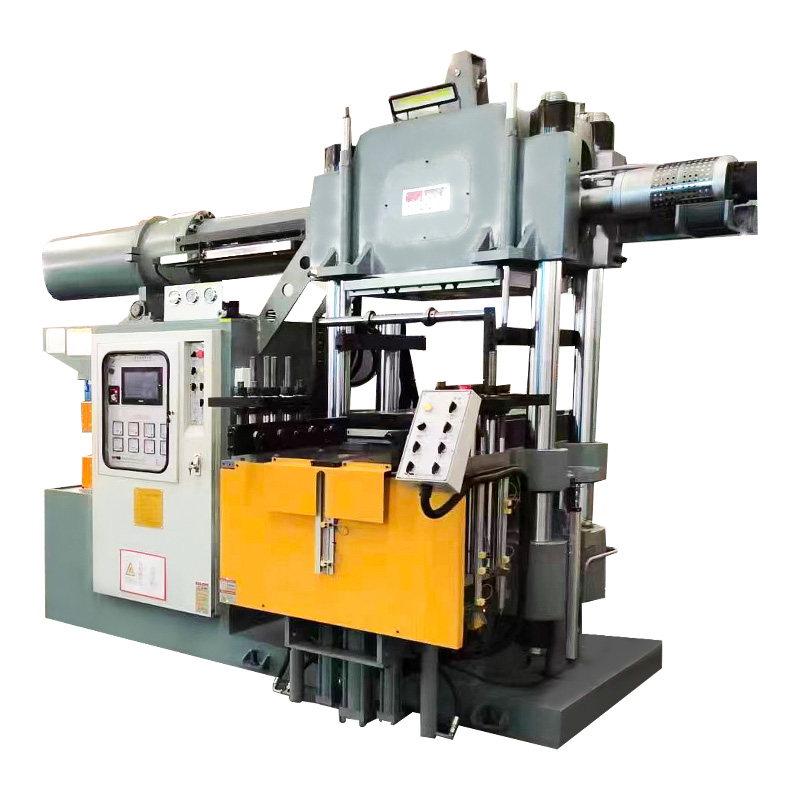
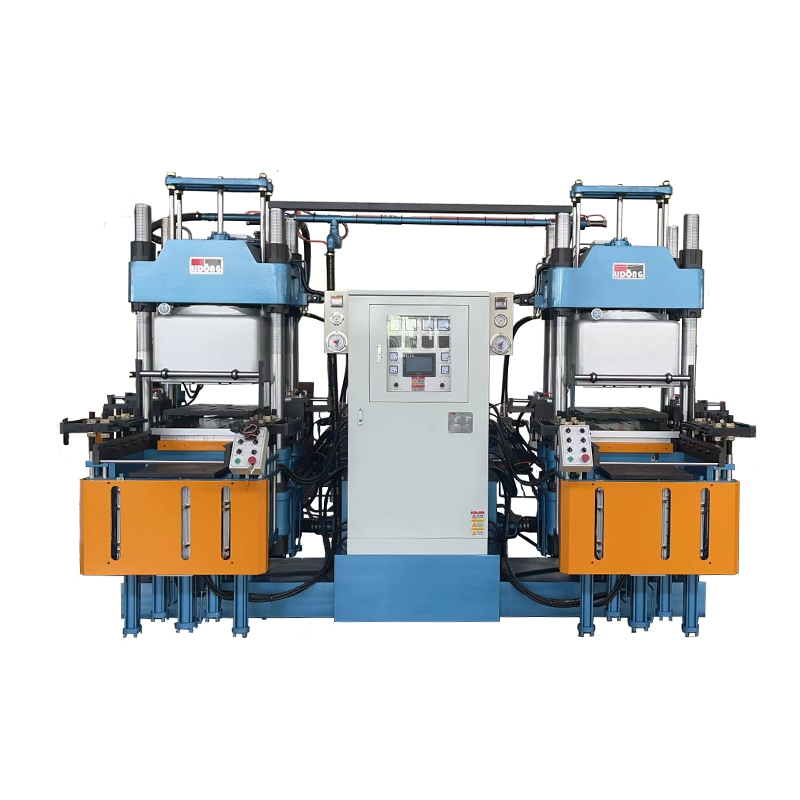
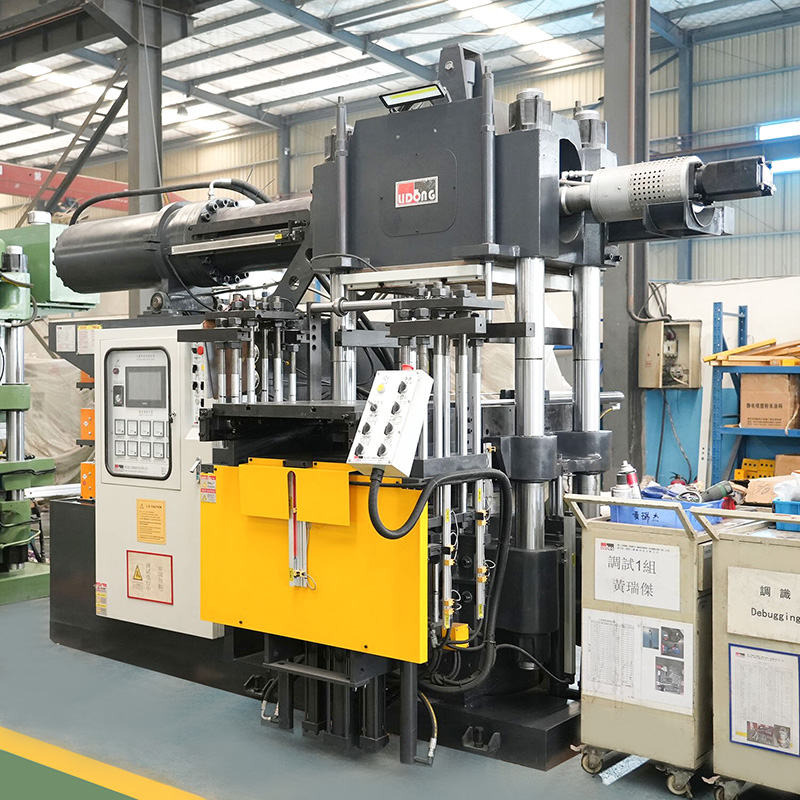
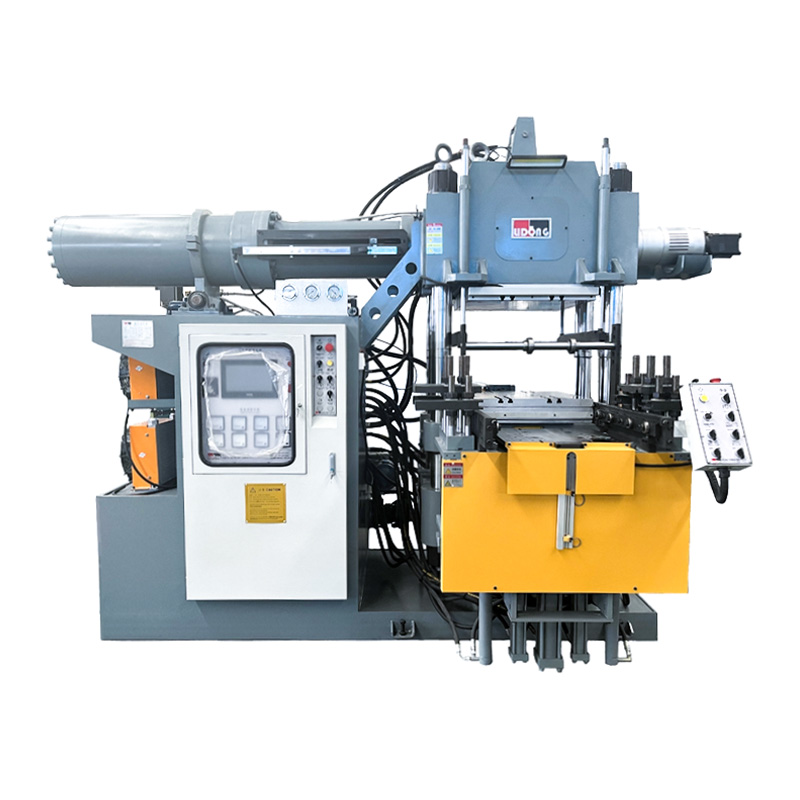
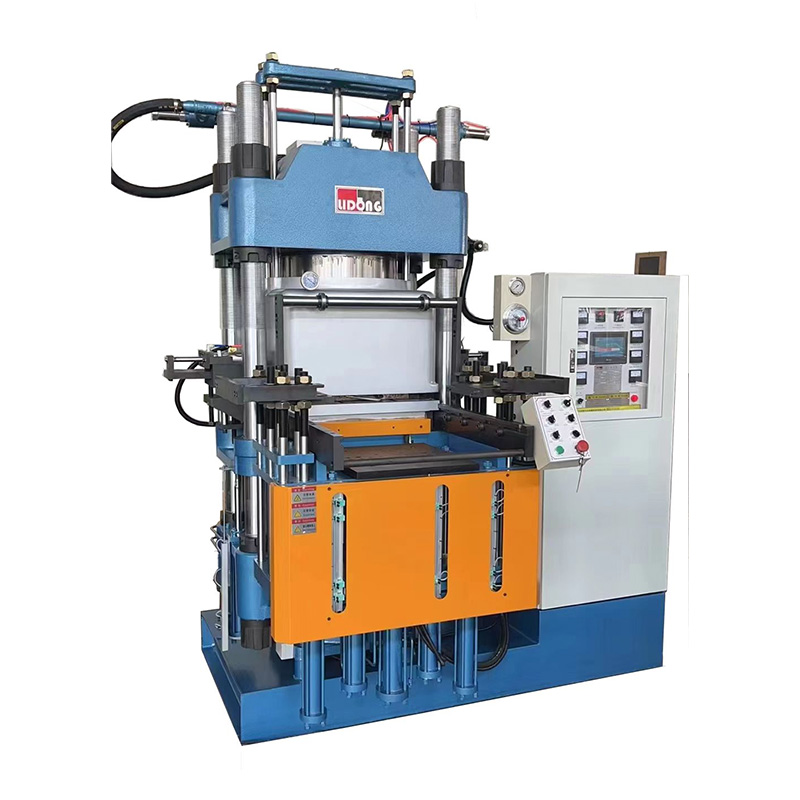
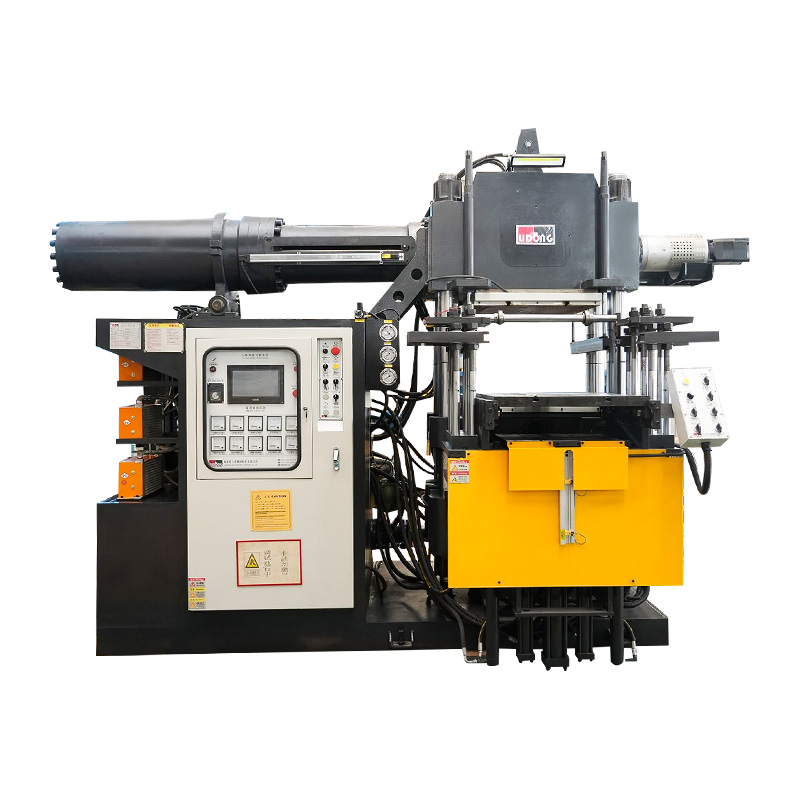
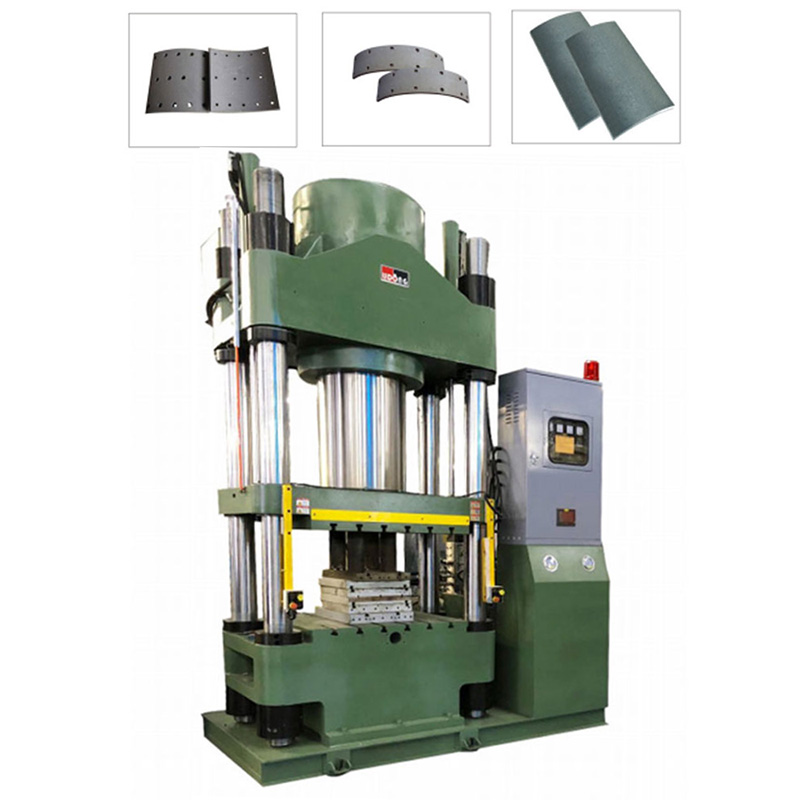
Technical Parameters
The table shows typical configurable values for presses used in valve rubber seal molding. Valve parts vary from a small stem seal to a large butterfly liner, so final specifications are agreed in the technical agreement after we review your mold drawings.
| Parameter | Typical Range | Relevance to Valve Seals |
|---|---|---|
| Clamping force | 100 - 800 tons | Set by projected area of the mold and the compound |
| Platen size | About 400 x 400 mm up to 1000 x 1000 mm | Large liners and multi-cavity molds need larger platens |
| Daylights | 1 - 6 layers | More layers help small seals with short cure times |
| Platen temperature | Up to 200 degrees C standard | Higher range available for some FKM and silicone |
| Temperature uniformity | About plus or minus 2 degrees C | Even cure over the whole sealing face |
| Pressure control | Programmable, with automatic make-up | Keeps the mold closed during cure |
| Vacuum option | Chamber type, about -0.095 MPa and below | Reduces trapped air in thick seats and liners |
| Heating | Electric rods or thermal oil, in zones | Chosen by platen size and temperature target |
| Control | PLC with touchscreen and recipe memory | One recipe for each seal and compound |
How to read the table: for valve seals, the three numbers that matter most are platen size, temperature uniformity and clamping force. Large liners and seats have a wide projected area, so a press with too little force will open slightly and produce flash on the sealing face. A press with uneven heat will give soft areas that wear early in service.
Please send your mold dimensions, the number of cavities, the compound and the output you need per shift. We will recommend a press size and layer number, and we will tell you if a smaller or simpler machine is enough. Ordering a press that is too large costs more in price, power and floor space, while a press that is too small limits your future molds.
Practical advice. Choose the platen to fit your largest regular mold with room to handle it, and leave a margin in tonnage for new valve sizes you may add later.
Special Focus: Sealing Face, Bonded Inserts and Compound Choice
Buyers of valve seal equipment usually start from product problems, not from machine specifications. The table links common valve seal types to what the press must deliver.
| Valve Seal Type | Common Material | What the Press Must Deliver |
|---|---|---|
| Butterfly valve liner | EPDM, NBR, sometimes FKM | Parallel platens and even heat over a large ring-shaped mold |
| Ball valve seat | NBR, FKM, PTFE-filled blends | Accurate dimensions and a clean, flash-free sealing lip |
| Gate valve wedge or disc coating | EPDM, NBR | Reliable bond to the metal core and uniform thickness |
| Stem seal and O-ring | NBR, FKM, HNBR, silicone | Short, stable cure and low compression set |
| Diaphragm | EPDM, NBR with fabric reinforcement | Even pressure so the fabric stays flat and centered |
Points that decide quality:
- Sealing face. Flash on or near the sealing lip leaks in service. Parallel platens, a well-kept mold and the correct preform weight reduce flash.
- Bonded inserts. Metal parts must be clean, primed and held in position. Even pressure and temperature across the insert help the bond, and the press must not shift the insert during closing.
- Compression set. This depends on the compound and on a full, even cure. Short or uneven cure leads to seals that relax and leak.
- Post-cure. FKM and some silicone seals need post-curing in an oven, which is a separate step and separate equipment.
Compound formulation, metal preparation and bonding agents belong to your rubber and bonding suppliers, and the press cannot replace them. Our role is to provide a stable and repeatable curing condition. For bonded products, our rubber-to-metal bonding machine page covers that process in more detail.
Mold maintenance. The sealing edge in the mold wears over time. Plan regular inspection of mold edges and vents, because no press can make a good seal from a worn mold.
Automation and Control System
Valve seals are often made in many sizes with moderate batch quantities, so the control system should make changeovers quick and keep every cure identical.
- Recipe memory: temperature, pressure steps, cure time and breathing steps are stored for each seal size and compound.
- Breathing function: programmable open-and-close steps in the early cure release trapped gas and moisture, which reduces blisters on the sealing face.
- Automatic cure timer and auto-open: the press opens at the end of the cure, so that seals are not over-cured when the operator is busy.
- PID temperature control: each heating zone has its own sensor and output, which limits overshoot.
- Vacuum sequence (optional): pump-down, hold and release are timed by the PLC, with a sensor confirming the vacuum level.
- Alarms and counters: over-temperature, pressure and sensor faults are shown on the screen, and a cycle counter records output.
Mold handling: larger valve molds are heavy and hot. Slide-out tables, mold carts or a lifting frame make loading safer and faster. For high-volume small seals, a mold shuttle arrangement or an automatic mold loading and unloading system can be added later, so that the next mold is prepared while the current one cures.
We suggest starting with a PLC press and simple handling aids, and expanding step by step as your product mix becomes stable. The electrical design can be prepared in advance for these upgrades.
Operator view. The touchscreen shows the active recipe, temperature and the cure time remaining. Settings can be locked by password, and an English manual and basic training material are provided. Remote support is available when your technician has a question about a new seal size.
Structure and Materials
A valve seal press works under high load and constant heat. The structure and materials decide whether it keeps its accuracy over years of production.
| Component | Design and Material | Purpose |
|---|---|---|
| Press frame | Welded steel structure, stress relieved | Rigid base that resists bending under full load |
| Platens | Alloy steel, ground flat, with zoned heating | Even heat and flat contact with the mold |
| Heating elements | Electric rods or thermal oil channels | Fast warm-up and stable temperature |
| Insulation | Boards on the sides and top of the platens | Lower heat loss and safer outer surfaces |
| Guide system | Wear-resistant guides with adjustable clearance | Keeps platens parallel for a flash-free sealing face |
| Cylinders | Quality seals, well-placed for even force | Smooth and uniform pressure over the mold |
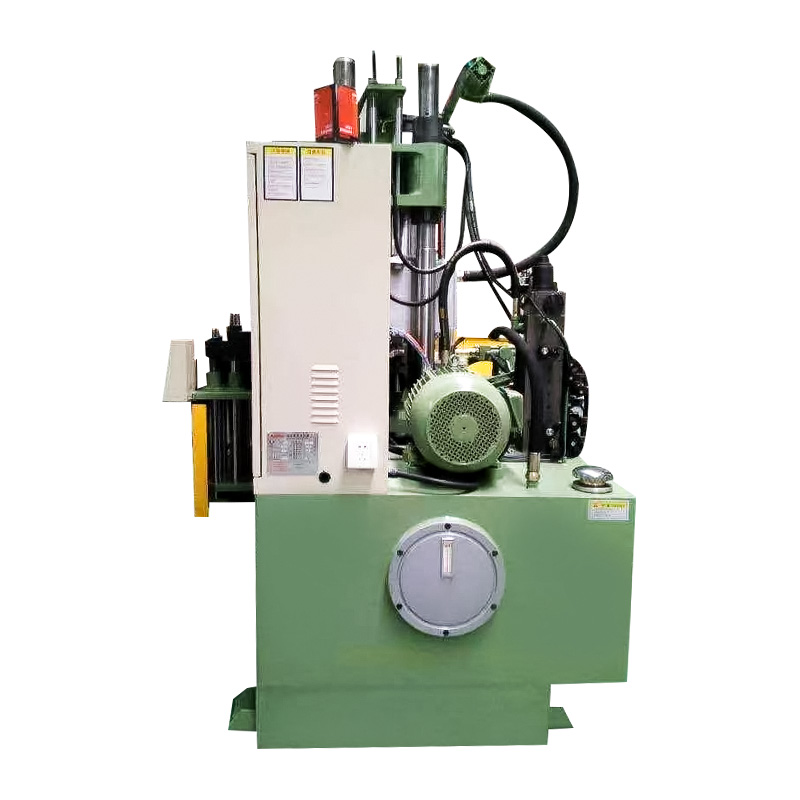
| Hydraulic station | Separate unit with filtration and cooling | Stable oil temperature and clean oil |
Why parallelism matters: a platen pair that closes out of parallel by even a small amount makes one side of a liner or seat thicker than the other and creates flash on the sealing face. We check parallelism and platen flatness at our factory and can share the measurements with you. We also recommend a periodic recheck after the press has been in service.
For humid workshops or plants that cure large amounts of release agent and rubber residue, surface protection of platens and guides can be adapted. For vacuum models, welded chambers with heat-resistant seals are used, and seal sets are available as spares.
Maintenance. Clean platen surfaces regularly with non-scratching tools, since rubber residue slows heat transfer and creates cold spots. Keep guides lubricated, check cylinder seals, and change hydraulic oil and filters according to the manual. The design allows seal replacement without taking the whole press apart.
Before shipment, each press is run under load, and temperature, pressure holding and safety functions are checked.
Safety and Energy Efficiency
Valve seal curing combines heat, high pressure and heavy molds, so safety must be part of the daily routine and not an afterthought.
- Emergency stop at the operator position and at the loading side
- Light curtain or guard doors connected to the PLC, so the press cannot close while a hand is in the opening
- Hydraulic overpressure protection with a relief valve and pressure monitoring
- Independent over-temperature protection on each heating zone
- Insulated outer surfaces and warning labels on hot parts
- Vacuum chamber interlock on vacuum models, so the chamber cannot open until pressure equalizes
Handling advice: valve molds can be heavy. Use lifting aids and mold carts, wear heat-resistant gloves and sleeves, and keep walkways clear. Rubber curing can release vapors, especially with FKM and silicone, so provide ventilation above the press and near any post-cure oven.
Energy efficiency: good insulation and PID control reduce the power needed to reach and hold temperature. A variable-speed hydraulic system uses power mainly while the press moves, which matters because pressure holding is often the longest stage of the cycle. A stand-by temperature function saves energy during breaks, and a press sized close to your mold needs less heating power than an oversized one.
Tell us your working hours and local power price, and we will compare configurations in the quotation.
Training and records. Keep a simple log of safety checks and oil changes. A monthly test of the emergency stop, light curtain and over-temperature cut-off takes only a few minutes and keeps the press dependable. We provide an English checklist that you can adapt to your own safety procedures.







