English
 عربى
 中文繁体
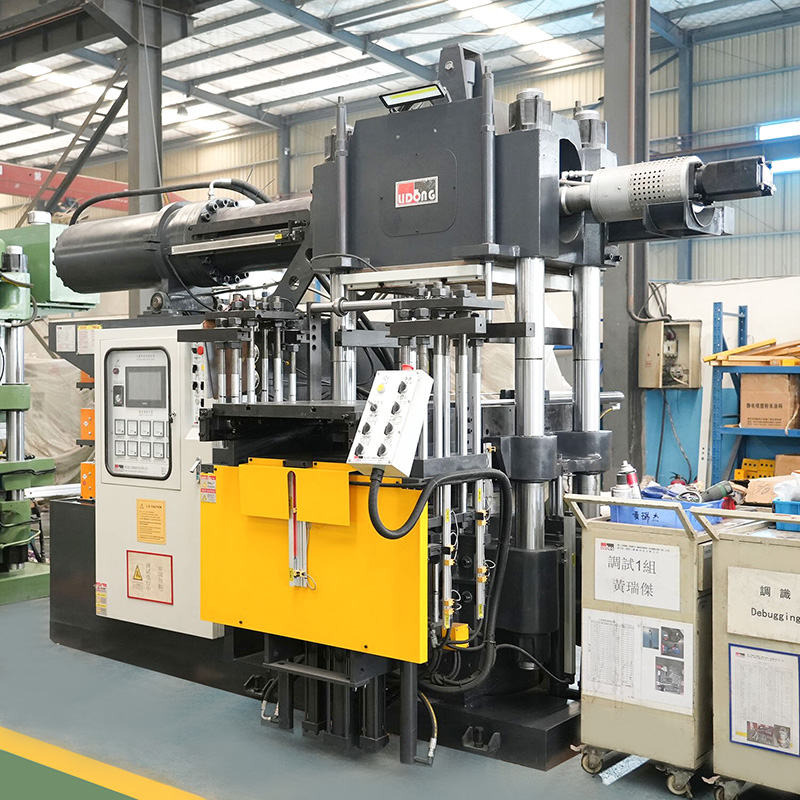
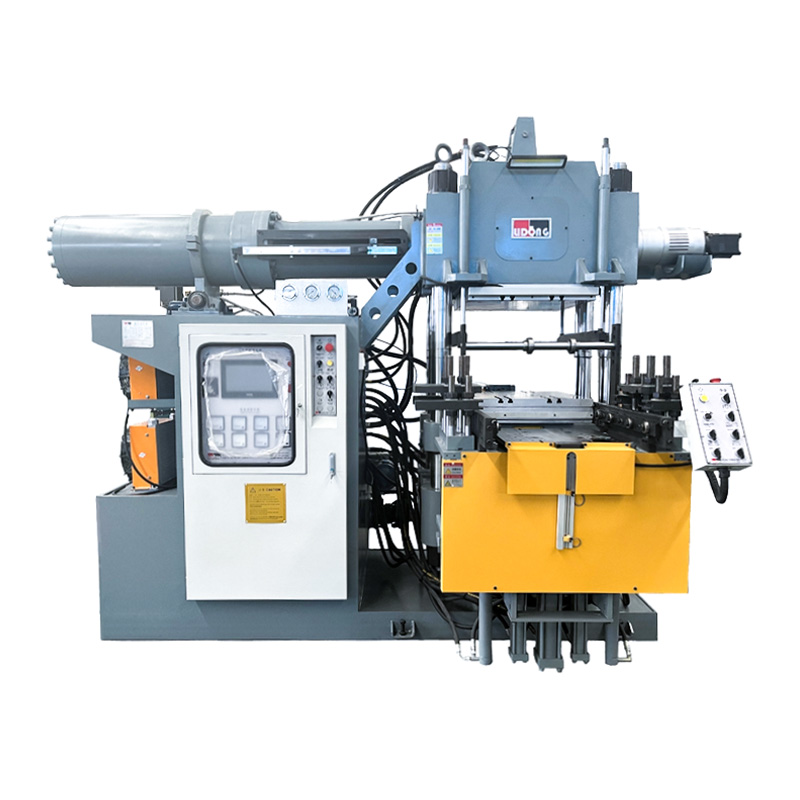
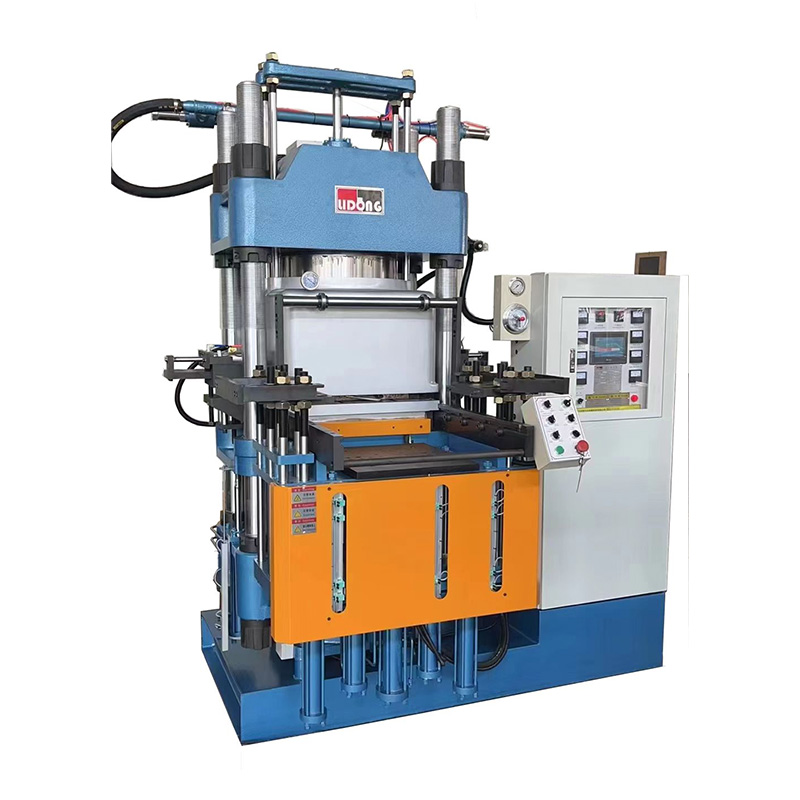
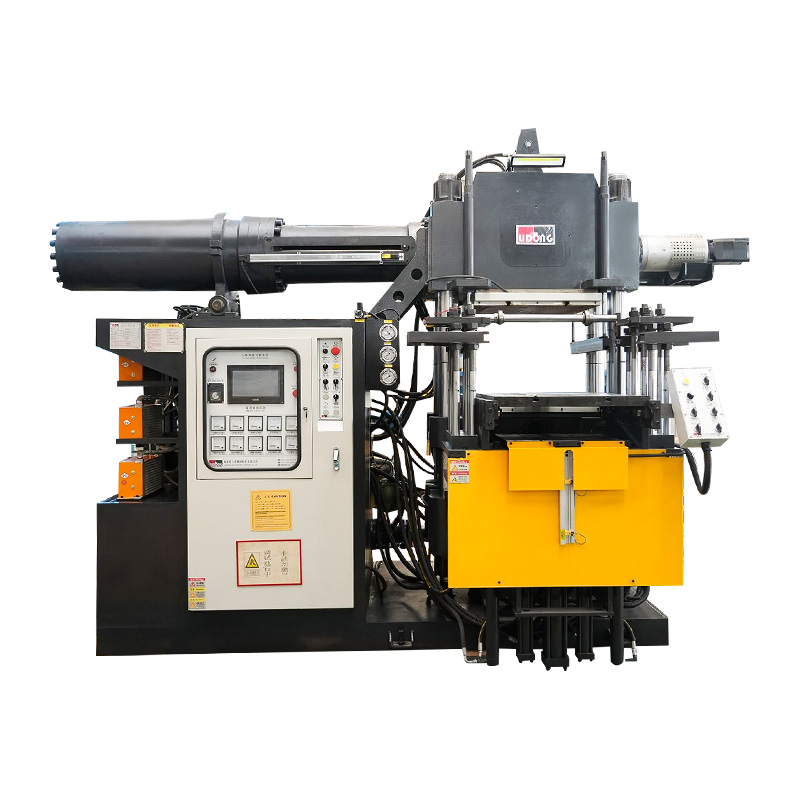
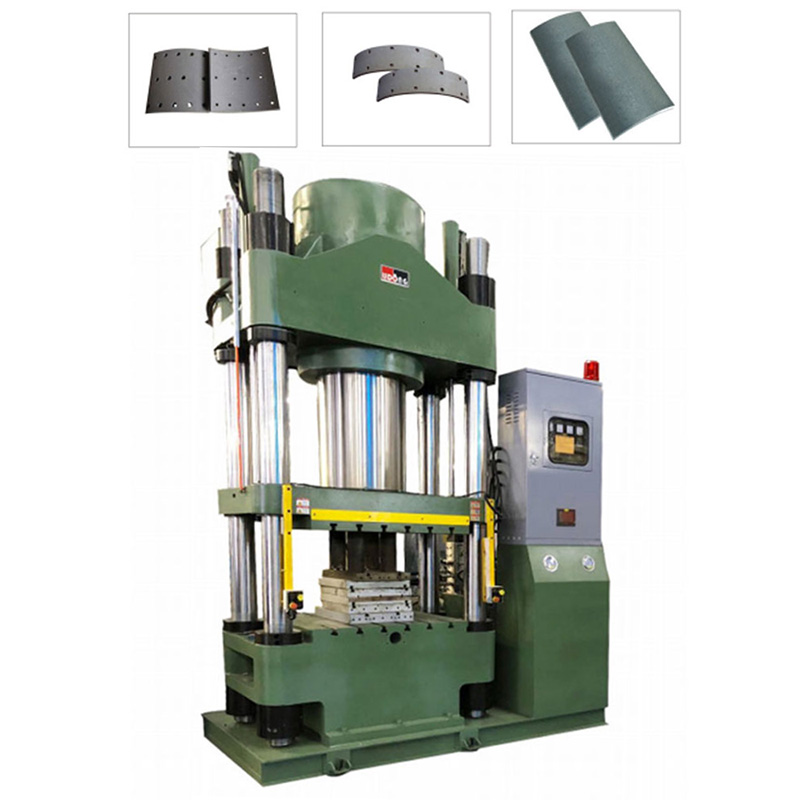
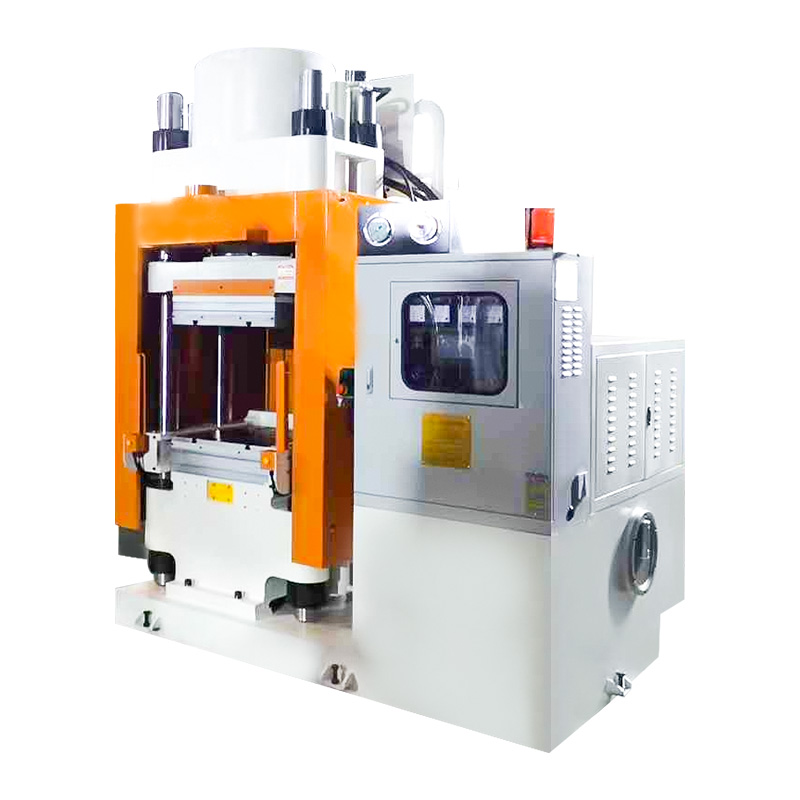
Technical Parameters
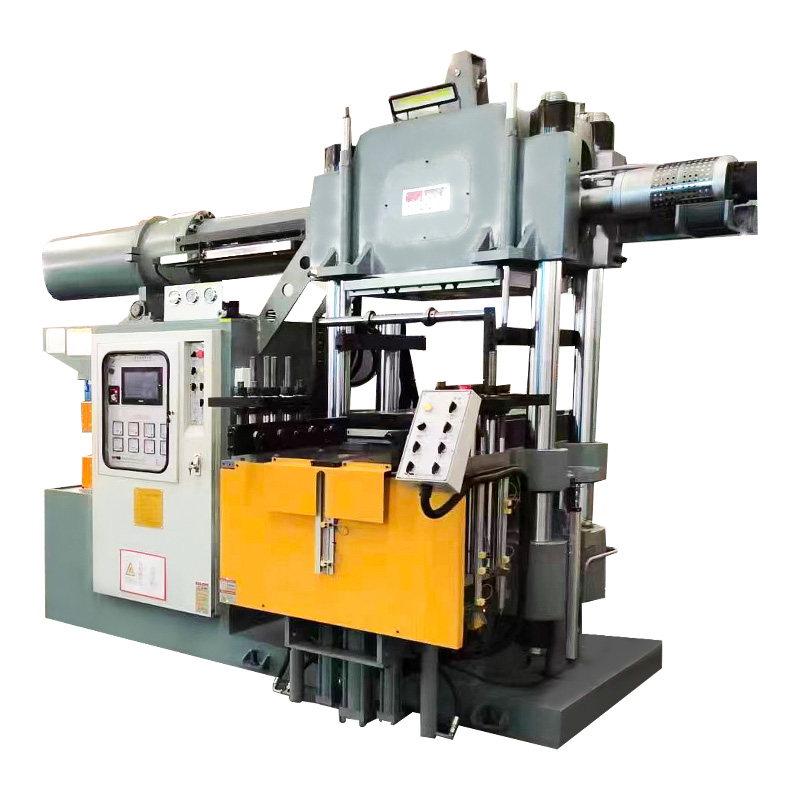
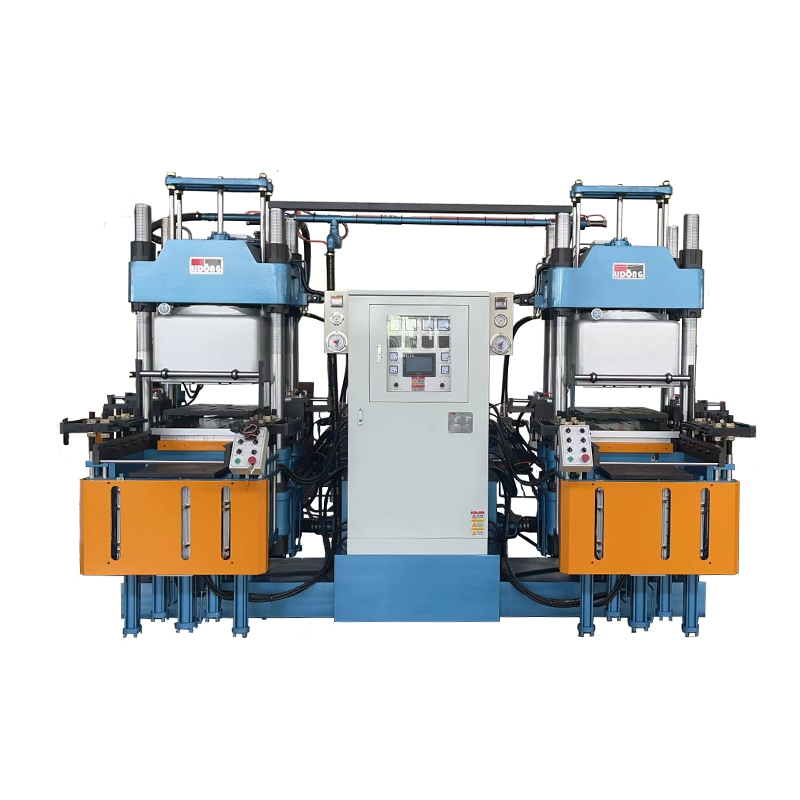
The following are typical configurable ranges for a rubber bushing molding machine. Exact figures depend on your mold size, cavity number and compound, and are confirmed in the technical agreement.
| Parameter | Typical Range | Relevance to Bushing Molding |
|---|---|---|
| Clamping force | 100 - 800 tons | Multi-cavity molds with inserts need high and steady force |
| Platen size | 500 x 500 to 1000 x 1000 mm typical | Matches mold size and cavity layout |
| Daylights | 1 - 4 layers | More layers raise output for long cure times |
| Platen temperature | Up to 200 degrees C standard | Higher range available on request |
| Temperature uniformity | About plus or minus 2 degrees C | Even cure and consistent bond in every cavity |
| Opening stroke | Adjustable, large enough for inserts | Room to load metal parts and remove parts |
| Breathing function | Programmable | Releases gas from compound and bonding agent |
| Pressure holding | Automatic make-up | Keeps the mold closed while rubber expands |
| Control | PLC with touchscreen | Recipes for each bushing type |
Reading the table: bushing molds are often heavy because of the steel mold body and the many inserts. When selecting a press, check the opening stroke and platen load capacity as well as tonnage. Cure times for thick bushings can be long, which makes multi-layer presses or a shuttle system especially valuable.
Send us your mold drawing, the number of cavities and the compound type. We will calculate the tonnage and propose a platen size and layer number that suit your daily output.
Checklist before you finalize the specification: confirm the heaviest mold weight, the mold height with inserts loaded, the number of cavities, the compound cure time and the target daily output. Also decide whether you want vacuum assistance, a shuttle table or a data recording option now or later. Writing these items into the technical agreement avoids surprises, and our engineers will help you complete the list so that nothing important is missed before production of the press begins.
Special Focus: Concentricity, Voids and Cure Time
Bushing manufacturers talk about three issues more than any others. Each is influenced by the press in a different way.
- Concentricity. The inner sleeve must stay centered while the rubber flows around it. This is mainly a mold and insert design issue, but a press with good parallelism and gentle initial closing helps avoid shifting the insert.
- Voids and porosity. Thick rubber sections trap air and gas. Programmable breathing, correct preform shape and, for demanding parts, vacuum assistance reduce internal voids.
- Long cure time. Thick bushings need long cures, which limits output. More daylights, a shuttle system or a loading device keep the platens busy.
- Insert temperature. Cold metal inserts slow the cure at the bond line. Pre-heating inserts before loading improves bonding and shortens the cycle.
Comparing options for higher output:
| Option | Output Gain | Investment | Best When |
|---|---|---|---|
| Add daylights | High | Medium | Cure time is long and molds are small |
| Mold shuttle system | Medium to high | Medium to high | Loading time is a big part of the cycle |
| Second press | High | High | Demand is large and stable |
We usually start by asking how long your cure takes and how long loading takes, because that ratio tells us which option gives the best return.
Practical note on inserts. Metal sleeves should be clean, correctly coated and stored without contamination. Fingerprints, oil or long waiting times between coating and molding all reduce bond quality, whatever press you use. Good preparation and a stable press together give the best results, so we encourage customers to review the whole process, from insert preparation to post-cure handling, when they are looking for ways to lower reject rates.
Automation and Control System
Bushing production is labor-intensive because every cycle involves loading inserts and unloading finished parts. Good control and sensible automation reduce effort and variation.
- Programmable cycle: low-pressure closing, breathing steps, full pressure, hold and opening are adjusted separately.
- Recipe storage: every bushing type has its own saved settings, including temperature and cure time.
- Multi-zone temperature control: each platen is regulated by its own sensors for stable heat.
- Cure countdown: the operator sees the time remaining, and the press can open automatically at the end.
- Alarm and fault history: temperature, oil level and pressure alarms are shown and recorded.
For higher output, we offer a mold shuttle or slide-out table, so the operator prepares the next mold outside the hot press. A loading and unloading frame can be added for multi-cavity molds, where inserts are placed by hand but the rubber and parts move together. Full robot loading is possible for large, stable programs, but we usually advise starting with a semi-automatic design and expanding later.
The PLC controls press, shuttle and heating together, so the cycle stays synchronized and safe.
Operator view. The touchscreen shows the recipe name, platen temperatures, pressure and cure time remaining on one page. Supervisors can lock recipes with a password, so that settings are not changed by mistake. Messages for alarms are written in clear English, with suggestions for common faults. We provide an English manual and basic training material, and remote help is available if your technician wants advice when setting a recipe for a new bushing.
Upgrade path. Many customers begin with a PLC press and a manual loading table, then add a shuttle or loading frame when volume grows. Because the cabinet and frame are prepared in advance, the upgrade takes days rather than weeks, and your stored recipes remain valid.
Structure and Materials
A bushing press must carry heavy molds, keep platens parallel and withstand daily heating and cooling. The structure is designed with these loads in mind.
| Component | Design and Material | Benefit for Bushing Molding |
|---|---|---|
| Frame | Welded steel structure, stress relieved | Stable under heavy molds and high force |
| Platens | Alloy steel, precision ground, thick section | Even heat and flat mold support |
| Guide system | Wear-resistant guides | Parallel closing protects insert position |
| Cylinder | Honed cylinder with quality seals | Smooth and accurate pressure control |
| Insulation | Boards between platen and frame | Lower heat loss and cooler frame |
| Hydraulic system | Separate station, filters and cooling | Stable oil temperature and long oil life |
Heavy mold handling: bushing molds can weigh several hundred kilograms. We design the platen surface with T-slots or clamping holes where required, and we recommend lifting points or a mold cart for safe handling.
For a bushing press, the lower platen load rating is as important as the upper one. Please tell us the heaviest mold you expect to use, so that we can confirm the structure and the shuttle design, if any, can carry it safely over many years.
Installation and upkeep. A bushing press with heavy molds needs a flat, strong floor and a level installation. We provide a foundation drawing and installation guide with each machine. In daily use, simple habits protect accuracy: weekly guide lubrication, regular checks of hydraulic oil and filters, and an annual check of platen flatness and parallelism. Heating rods and sensors can be replaced without removing the platens, which keeps repair stoppages short.
Corrosion and surface care. For humid workshops, phosphating or protective painting can be applied to the frame, and platen surfaces can be coated to resist rust. Tell us about your environment, and we will choose suitable protection.
Safety and Energy Efficiency
Heavy molds, hot surfaces and metal inserts make bushing presses a place where careful safety design is essential.
- Emergency stop at operator and loading positions
- Light curtain or guard doors connected to the PLC
- Hydraulic pressure relief and monitored pressure sensor
- Independent over-temperature protection for every heating zone
- Mechanical support or safety block for maintenance under the platen
- Insulated covers and warning labels on hot parts
Handling advice: use mold carts or lifting aids for heavy molds, wear heat-resistant gloves and safety shoes, and never place hands between the platens when the hydraulic unit is running. Pre-heated inserts also become hot, so handle them with tongs or suitable fixtures.
Energy: bushing cures are long, so the press holds pressure and temperature for most of the cycle. Good insulation, PID temperature control and a variable-speed hydraulic pump cut energy use in this holding stage. A stand-by temperature function helps during breaks and shift changes.
Tell us your working hours and local power price, and we will compare configurations in the quotation.
Training and records. Keep a simple log of safety checks, oil changes and sensor calibration. A short monthly review that includes a test of the emergency stop, the light curtain and the over-temperature cut-off takes very little time and keeps the press dependable. We can provide a one-page English checklist that you can adapt to your own safety procedures, and use it when training new operators on the machine.
Fume control. Bonding agents and compounds can release vapors during curing. Local exhaust above the press, or a simple hood, keeps the air clean and improves operator comfort. We can leave suitable mounting points on the frame.