
 English
 عربى
 中文繁体

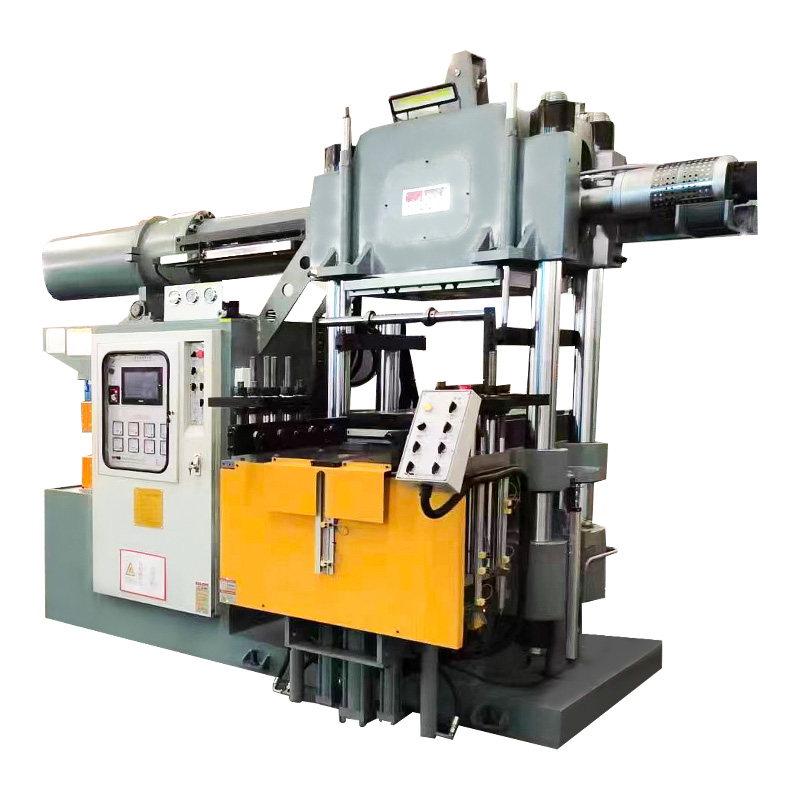
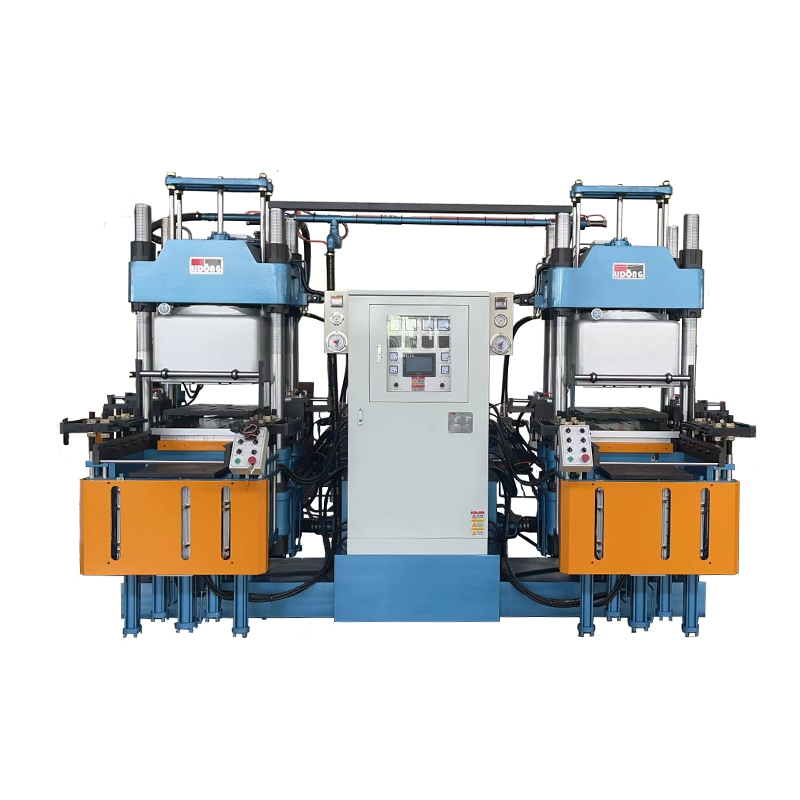
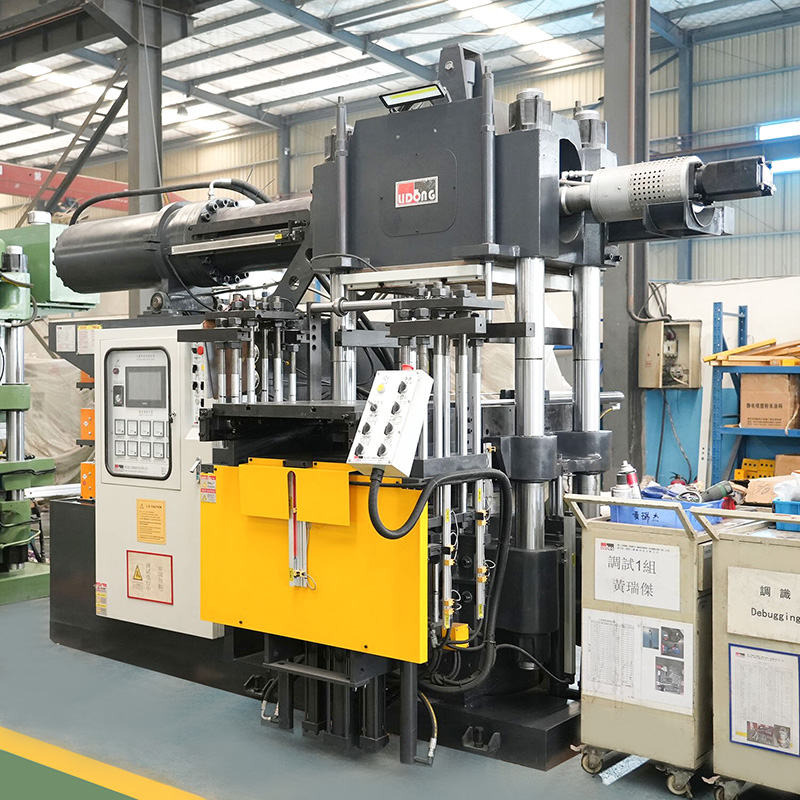
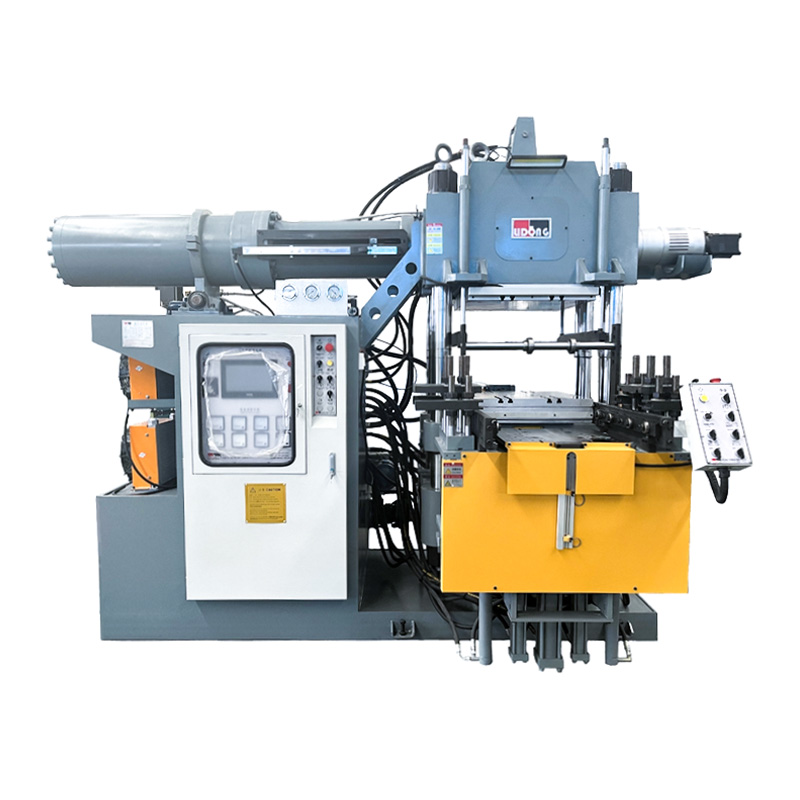
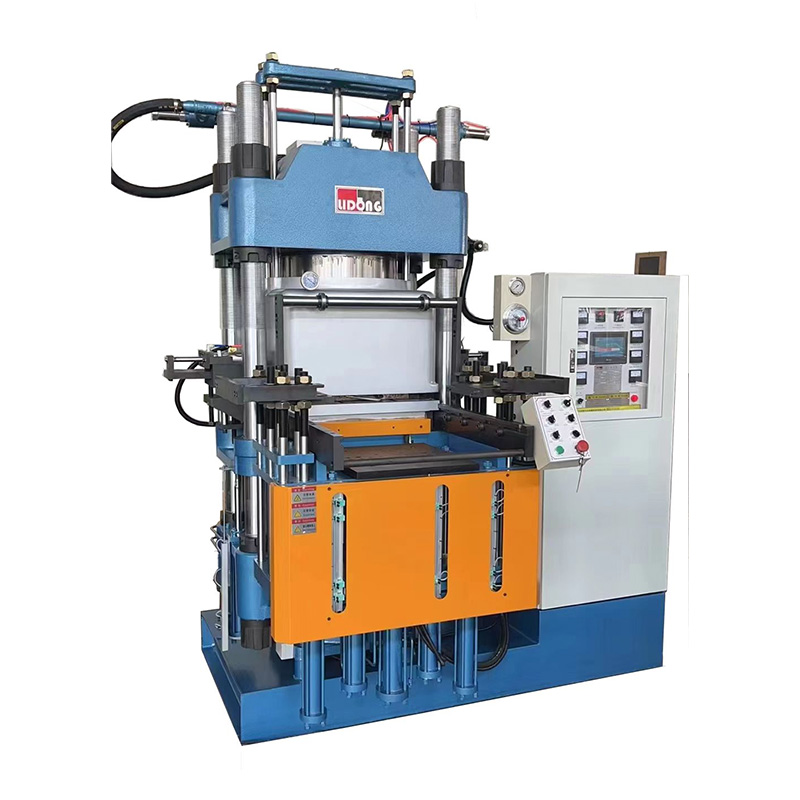
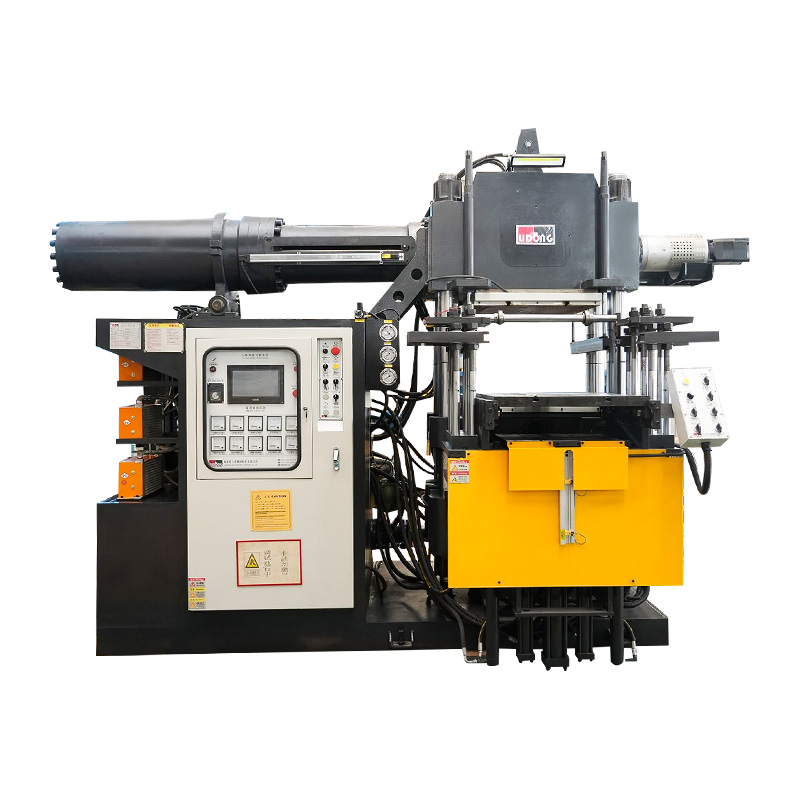
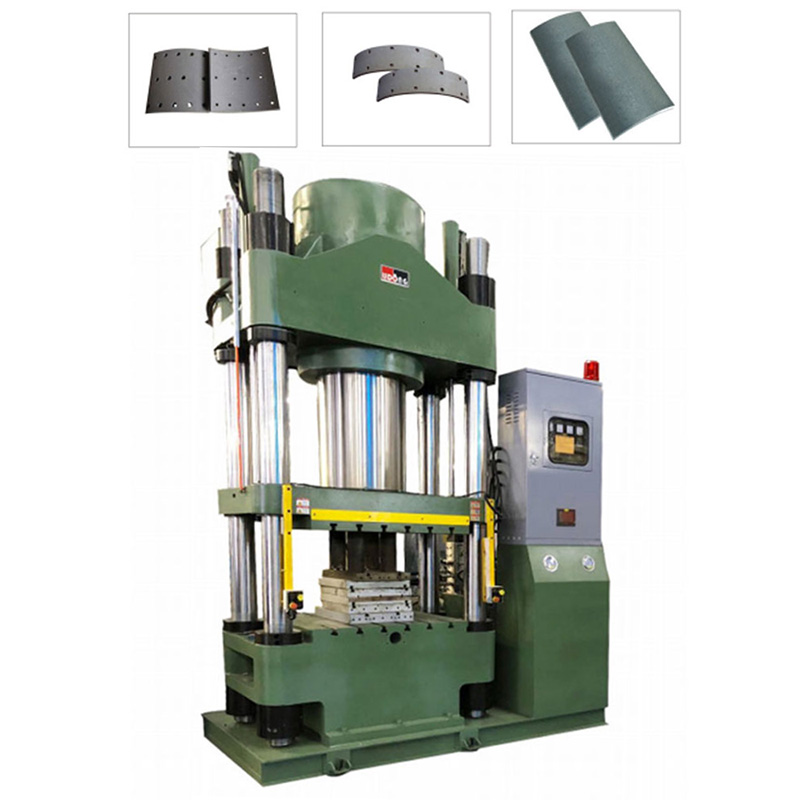
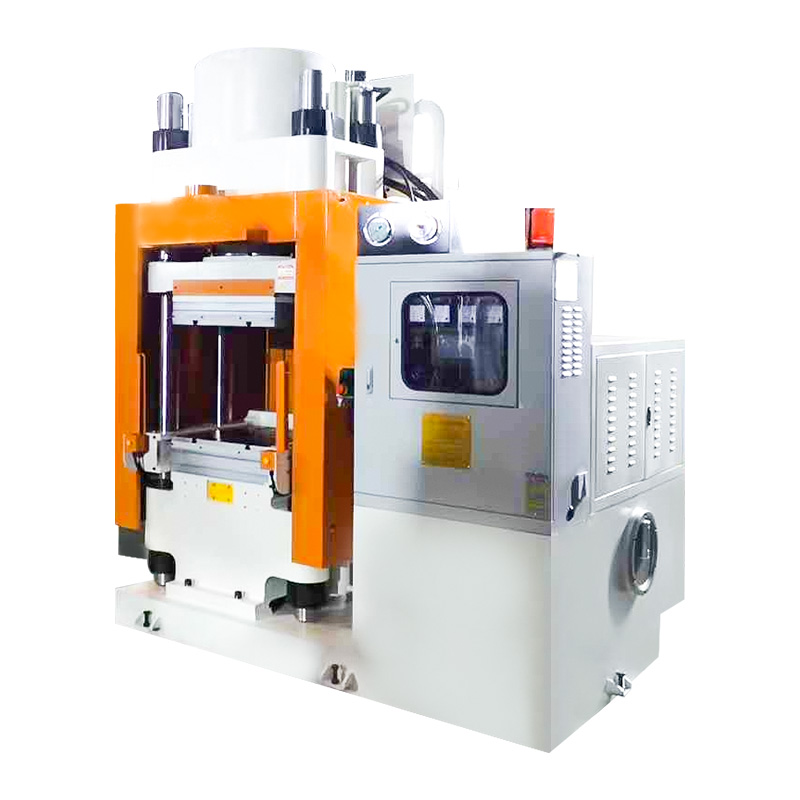
Technical Parameters
The table lists typical configurable values for a vacuum chamber rubber molding machine. As each chamber is built around the customer's mold, the final specification is confirmed in the technical agreement.
| Parameter | Typical Range | Notes |
|---|---|---|
| Clamping force | 100 - 1000 tons | Chosen by projected mold area |
| Chamber inner size | From about 500 x 500 mm up to large custom sizes | Should be close to mold size to shorten pump-down |
| Chamber height / opening | Matched to press stroke and daylight | Allows room for mold and insert handling |
| Vacuum level | About -0.095 to -0.1 MPa (gauge) | Depends on pump and seal condition |
| Pump-down time | Usually seconds to about one minute | Depends on chamber volume and pump capacity |
| Seal type | Heat-resistant rubber or silicone seals | Replaceable, with spare sets supplied |
| Platen temperature | Up to 200 degrees C standard | Higher on request |
| Door or chamber type | Lift-up, side-opening or drawer type | Selected by mold handling method |
| Control | PLC with touchscreen | Recipe storage and alarms |
Notes for buyers: a larger chamber looks flexible, but it makes pump-down slower and the pump bigger. We usually advise customers to size the chamber for their largest regular mold and not for an occasional exception. If you have molds of very different sizes, tell us, and we can recommend adjustable inserts or a second, smaller press.
How to Select the Right Size
Selection normally follows four steps:
- Calculate the projected area of all cavities and multiply by the cavity pressure of your compound to find the required clamping force.
- Add a safety margin of about 15 to 25 percent, so the press does not run at its limit every cycle.
- Check platen size and daylight against the mold, including the space needed for loading and inserts.
- Review output: if one layer is not enough, a multi-layer press raises output without more floor space.
Our engineers can complete this calculation for you from a drawing.
Key Considerations for Chamber Design
When buyers compare vacuum chamber machines, the chamber design is usually where the real differences are found. These are the questions worth asking every supplier:
- How is the chamber sealed? Seal material, groove design and compression decide leak rate and service life. Ask how often seals should be replaced and how long that takes.
- Where does the heat go? A chamber that heats the walls uses more energy and stresses the seals. Good designs keep the seal area cooler than the platens.
- How is the mold loaded? A lift-up chamber suits manual loading. A drawer or side-opening design suits automatic mold transfer and heavy molds.
- What about electrical and hydraulic feed-throughs? Heater cables, thermocouples and ejector lines must pass the wall without leaks.
- Is there a viewing or inspection option? Sight windows help during process development, though they add a possible leak point.
Quick comparison:
| Chamber Type | Loading | Pump-Down | Best For |
|---|---|---|---|
| Lift-up bell type | Manual or crane | Fast for small molds | Small and medium molds |
| Side-opening door | Manual or cart | Medium | Heavy molds, easy access |
| Drawer or shuttle type | Automatic transfer | Medium | Higher output and automation |
We will recommend the simplest chamber that fits your molds, because simpler designs usually mean fewer leaks and lower maintenance.
Common Buying Mistakes
After many projects, we see the same mistakes repeated:
- Choosing by tonnage alone. Two presses with the same tonnage can behave very differently if platen flatness and temperature control differ.
- Ignoring mold maintenance. A worn mold wastes the benefit of a good press.
- Buying too large. Oversized equipment costs more to run and heat.
- Skipping spare parts. Wear items such as the chamber seals, feed-through fittings and vacuum pump are cheap to stock and expensive to wait for.
Avoiding these four points saves more money than most negotiations on price.
Automation and Control System
In a chamber-type machine, the control system must coordinate the chamber door, vacuum pump, press closing and heating in the right order. Delidong uses a PLC and touchscreen to handle the sequence safely and repeatably.
- Sequence control: chamber close, leak check, pump-down, press close, cure, vacuum release, chamber open.
- Leak check function: the PLC can monitor vacuum rise after pump stop and show an alarm when seals need attention.
- Vacuum monitoring: a vacuum sensor reports real chamber pressure, so cure start can depend on actual vacuum, not just on time.
- Recipe storage: chamber, press and temperature settings are saved for each mold.
- Safe venting: chamber release speed is controlled to avoid disturbing the mold and the loose parts.
- Remote support: with a network option, our engineers can help diagnose problems.
For higher output, the chamber can be integrated with automatic mold shuttle systems, where one mold cures while another is loaded outside. This reduces idle time and keeps the platens hot. We design the interface so that the chamber door, mold carrier and press are synchronized, and operators see the whole cycle on one screen. If you are unsure how much automation you need, we can quote a manual version first and prepare the electrical design for a future upgrade.
Operator Experience and Training
Even a well-designed system must be easy to run on the shop floor. The touchscreen uses clear step names and plain parameter fields, so a new operator can load a stored recipe, check the cure status and handle common alarms after a short training session. We provide an English manual and, when needed, a short video guide for daily operation. Supervisors can lock critical parameters with a password, so that settings which affect how quickly the chamber is evacuated and how well it stays sealed are not changed by accident. Remote support is available if your engineer wants a second opinion on a recipe.
Structure and Materials
A vacuum chamber is subject to atmospheric pressure from outside, heat from the platens and repeated opening and closing. The structure must handle all three without deformation or leaks.
| Component | Design and Material | Purpose |
|---|---|---|
| Chamber wall | Welded steel plate with ribs | Resists atmospheric load without bending |
| Sealing flange | Machined flat surfaces, precise seal groove | Gives uniform seal compression |
| Seals | Heat-resistant rubber or silicone, replaceable | Maintains vacuum through heat cycles |
| Press frame | Welded steel frame, stress relieved | Stable under full clamping force |
| Platens | Alloy steel, machined and drilled | Flat surfaces and even heat |
| Feed-throughs | Sealed fittings for cables and sensors | Keep vacuum while powering heaters |
| Insulation | Boards and shields near seals | Protect seals, reduce heat loss |
Attention to detail: flange flatness is checked after welding, because small distortions cause leaks that are hard to find later. The seal area is shielded from direct platen heat, which noticeably prolongs seal life.
If your products need special surface cleanliness, for example for electrical or medical parts, we can adjust the internal finish of the chamber and select suitable lubricants and hydraulic oil.
Maintenance-Friendly Design
A machine that is easy to maintain keeps its accuracy longer. We place service points, such as filters, valves and sensors, where a technician can reach them without removing large parts. Guide surfaces and seals are designed as replaceable items, and the manual lists a suggested inspection routine: daily visual checks, weekly lubrication and cleaning, and a deeper check every few months. Pay special attention to the chamber seals, feed-through fittings and vacuum pump, because these items influence how quickly the chamber is evacuated and how well it stays sealed more than any other part of the machine.
Safety and Energy Efficiency
A vacuum chamber adds safety points that an ordinary press does not have. Delidong includes the following protections:
- Chamber interlock: the chamber cannot be opened while vacuum remains, and the press cannot close with the chamber open.
- Pressure relief on the hydraulic circuit with monitored pressure sensors
- Emergency stop at the operator position and at the loading side
- Over-temperature protection independent of the main controller
- Guarding or light curtains where the operator reaches the mold
- Hot-surface insulation and warning labels on the chamber and platens
Energy efficiency starts with a chamber size close to the mold, since there is less volume to pump and less area to lose heat from. Insulation around the platens and chamber lowers power draw during long cure cycles. A variable-speed pump drive for the vacuum pump, and an energy-saving hydraulic unit, reduce electricity use while the press holds pressure.
Maintenance also affects both safety and energy use. A well-sealed chamber lets the pump run less, so we include simple leak-check routines in the manual and in the PLC.
Daily Safety Habits
Good equipment still needs good habits. We suggest the following routine for every shift:
- Check emergency stop and guard function before starting production
- Wear heat-resistant gloves and avoid reaching between platens
- Never bypass interlocks, even for a quick adjustment
- Report oil leaks or unusual noise immediately
- Lock out power before maintenance work
We include warning labels and a safety section in the English manual.
Ask for a safety walk-through. During commissioning, our engineer or your own technician should test every emergency stop, guard and interlock together, and record the result. For vacuum chamber molding, also confirm the alarm behavior for temperature and pressure faults, because these are the situations where a quick and predictable stop matters most. A short written checklist from this test is useful for your internal safety file and for new staff training.







