
 English
 عربى
 中文繁体

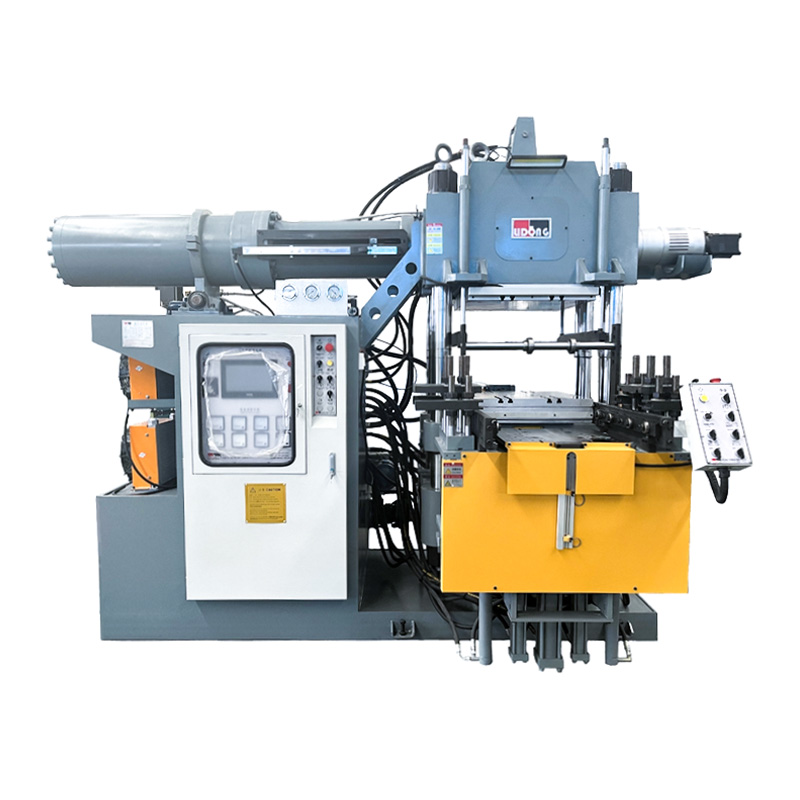
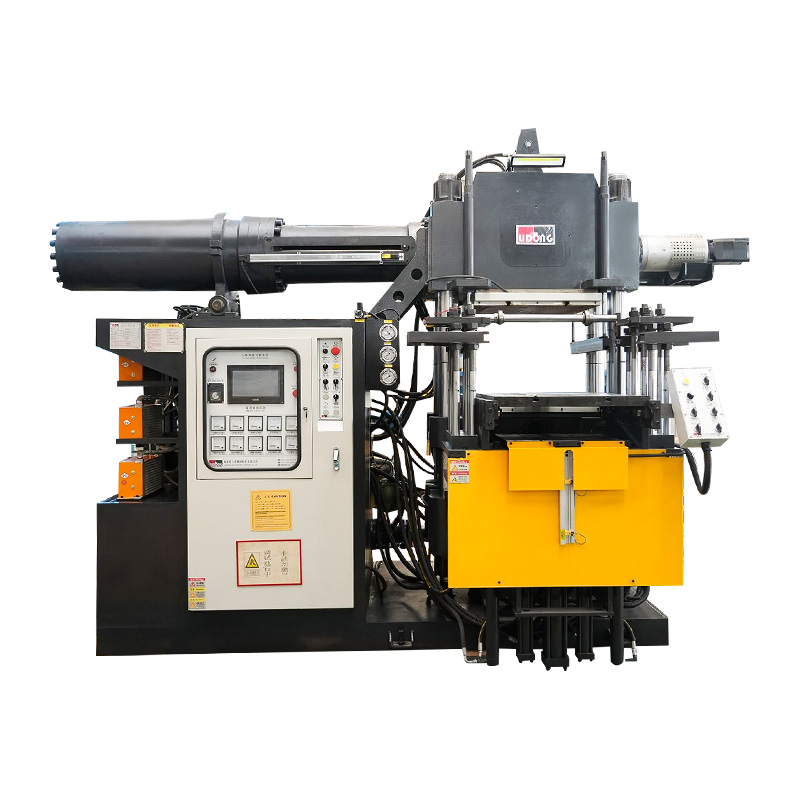
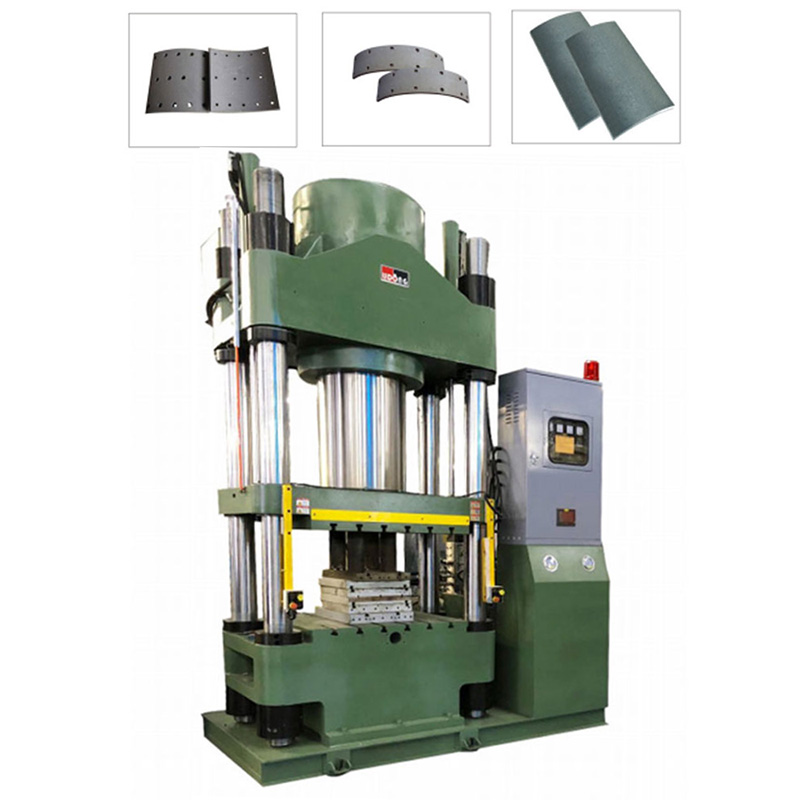
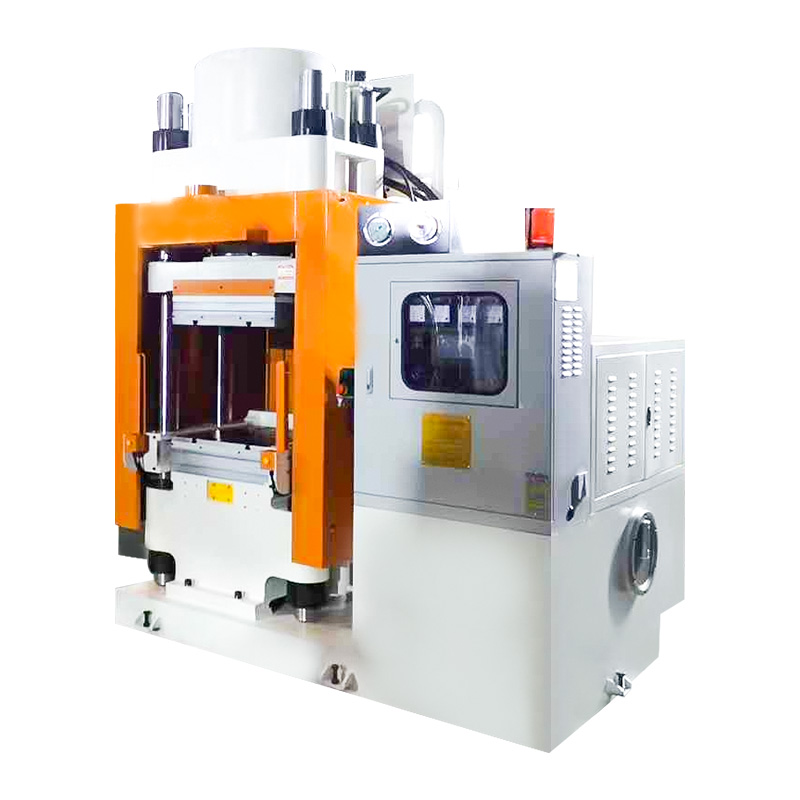
Technical Parameters
The table lists typical configurable values for presses used in pharmaceutical stopper molding. Final specifications depend on your mold size, cavity number and compound, and are confirmed in the technical agreement.
| Parameter | Typical Range | Relevance to Stoppers |
|---|---|---|
| Clamping force | 100 - 400 tons | Multi-cavity molds have a large projected area |
| Platen size | About 500 x 500 mm to 900 x 900 mm | Fits molds with many cavities |
| Daylights | 1 - 4 layers | More layers raise output when cure time is short |
| Platen temperature | Up to about 200 degrees C | Match to the cure system of the compound |
| Temperature uniformity | About plus or minus 2 degrees C | Even cure in every cavity |
| Vacuum | Chamber type, about -0.095 MPa and below | Removes air before and during closing |
| Pressure control | Programmable with automatic make-up | Keeps the mold fully closed through the cure |
| Breathing steps | Programmable open-and-close steps | Helps release gas from the compound |
| Control | PLC with touchscreen, recipe lock, data storage | Repeatable cycles and records |
How to read the table: for stoppers, temperature uniformity, vacuum quality and parallelism are more important than very high tonnage. A mold with many small cavities can show cure differences between center and edge if the platen is not even, and a small leak in the vacuum system can leave bubbles in several cavities at once.
Please send your mold dimensions, cavity number, compound type, cure time and your output target. We will recommend a platen size, tonnage and layer number, and we will tell you if vacuum is really needed for your process.
Practical advice. Ask any supplier for a temperature map across the platen, and for a vacuum leak rate test, not only for a maximum vacuum figure. These two checks show more about real performance than a catalog value.
Special Focus: Cure, Cleanliness and Defect Control
Pharmaceutical buyers think in terms of reject rate and particles. The table links common stopper defects to what the press can influence.
| Defect or Concern | Likely Cause | What Helps in the Press |
|---|---|---|
| Bubbles or voids | Trapped air or moisture in the compound | Vacuum chamber, breathing steps, dry material |
| Flash on the sealing edge | Platens not parallel or worn molds | Parallel closing, enough tonnage, mold care |
| Soft or uneven cure | Temperature gradient across the platen | Zoned heating, temperature mapping |
| Surface marks or stains | Release agent, residue or mold wear | Clean platens and molds, suitable release practice |
| Dimension variation | Uneven pressure or temperature | Stable pressure holding, even heat |
| Particles on stoppers | Dust, rubber fragments, oil | Clean workshop, covers and drip trays, proper washing later |
Points to consider when choosing equipment:
- Vacuum design. Chamber seals must hold through many heat cycles, and a sensor should confirm the vacuum level before pressure is applied.
- Oil control. Hydraulic oil must not reach the molds, so covers, trays and careful routing are important.
- Mold handling. Easy loading frames and carts reduce contact with molds and limit damage to the cavity surface.
- Downstream steps. Punching, washing, siliconization, drying and sterilization are separate processes. The press supports them by giving a clean, uniform molded part.
Our own pages on vacuum degassing vulcanizing machines and butyl rubber stopper curing machines give related details. We will tell you honestly if a standard plate press is enough for your product, or if vacuum is essential.
Compound note. Halobutyl compounds are sensitive to temperature and contamination. Keep compound storage cool and clean, and avoid cross-contamination between compounds in the mixing and preform steps. The press cannot correct problems that start earlier in the line.
Automation and Control System
Pharmaceutical stopper production depends on repeatable cycles and records, so the control system must keep every setting steady and show what happened in each cycle.
- Recipe storage and lock: temperature, pressure steps, vacuum parameters, breathing steps and cure time are saved for each mold and compound, and recipes can be protected by password level.
- Vacuum sequence: pump-down, hold and release are timed, and the PLC checks the vacuum level before the mold closes fully.
- Zoned temperature control: separate sensors and outputs along the platens reduce gradients.
- Automatic cure timer and auto-open: the press opens when the cure ends, which prevents over-cure.
- Alarm and event log: over-temperature, pressure, vacuum and sensor faults are recorded with time stamps.
- Cycle data storage: temperature, pressure, vacuum and time can be stored for each cycle and exported, if you permit it.
Handling: molds with many cavities are heavy and delicate. Slide-out tables, loading frames and mold carts make loading safer and faster. For higher volume, a shuttle arrangement or automatic mold loading and unloading can be added, so that the next mold is prepared while the current one cures.
Access levels. Operators, technicians and quality staff can have different password levels, so only authorized people can change a recipe, and each change is recorded. This helps the document control that pharmaceutical customers expect.
Operator view. The touchscreen shows the active recipe, platen temperatures, vacuum level and cure time remaining. An English manual and training material are provided, and remote support is available.
Changeover tip. Name each recipe after the mold number and compound code, so any operator can recall the right settings quickly, and keep a printed sheet of proven vacuum and breathing settings near the press for new staff.
Structure and Materials
A stopper press must stay accurate and clean for years, and it must keep a good vacuum through repeated heating. The structure is designed with these points in mind.
| Component | Design and Material | Purpose |
|---|---|---|
| Press frame | Welded steel, stress relieved | Rigid base for parallel closing |
| Platens | Alloy steel, ground flat, zoned heating | Even heat and flat contact with the mold |
| Vacuum chamber | Welded steel with heat-resistant seals | Holds vacuum during the heat cycle |
| Insulation | Boards and shields on platens and chamber | Lower heat loss, protection for seals and sensors |
| Guide system | Wear-resistant guides, adjustable | Keeps platens parallel and flash low |
| Cylinders | Quality seals, well placed | Smooth and uniform pressure |
| Hydraulic station | Separate unit with filtration and cooling, drip trays | Clean oil and less contamination risk |
Detail that matters: the chamber seal is the part that wears first. We use heat-resistant seals, make them easy to replace and supply spare sets. A simple vacuum leak test routine in the PLC helps your staff find problems early.
Where the workshop is controlled, surfaces near the molds can be designed for easy cleaning, with removable covers and trays. Please share your cleanliness requirements at the inquiry stage, since they change materials and layout.
Maintenance. Clean platens regularly with non-scratching tools, check seals and vacuum fittings, keep guides lubricated and change hydraulic oil and filters according to the manual. Keep a log of these steps for your quality system.
Before shipment, each press is run under load, and temperature uniformity, vacuum performance, pressure holding and safety functions are checked.
Surface and materials note. Keep lubricants and hydraulic components away from the mold area, and use covers over cylinders and guides. A clean press is easier to qualify and easier for your own quality staff to inspect.
Safety and Energy Efficiency
Stopper presses combine high temperature, pressure and vacuum, and they are often run for long shifts, so safety and operating comfort matter.
- Emergency stop at the operator position and at the loading side
- Light curtain or guard doors connected to the PLC
- Hydraulic overpressure protection with a relief valve and pressure monitoring
- Independent over-temperature protection on each heating zone
- Vacuum chamber interlock so the chamber cannot open until pressure equalizes
- Insulated surfaces and warning labels on hot parts
Handling advice: molds with many cavities are heavy and hot. Use slide-out tables, carts and lifting aids, and wear heat-resistant gloves and sleeves. Curing butyl compounds can release vapors, so provide local ventilation above the press and keep the work area tidy.
Energy efficiency: good insulation and PID control keep heating costs low. A vacuum chamber sized close to the mold needs less pumping and less heating. A variable-speed hydraulic system uses power mainly while the press moves, which matters because holding stages are long. A stand-by temperature function saves energy during breaks, and fewer rejected stoppers save both compound and energy.
Tell us your working hours and local power price, and we will compare options in the quotation.
Training and records. Keep a log of safety checks, vacuum leak tests and oil changes. A monthly test of the emergency stop, light curtain, vacuum interlock and over-temperature cut-off takes little time and keeps the press dependable. We provide an English checklist that you can adapt to your own procedures.
Fume and housekeeping. Keep the floor around the press tidy, collect flash and trimmings in a bin and remove them regularly. Store release agents and cleaning solvents in labeled containers away from hot surfaces, and follow the supplier's safety data sheets. A clean, well-ventilated workshop lowers the risk of slips, burns and unpleasant odors during long shifts.







