English
 عربى
 中文繁体

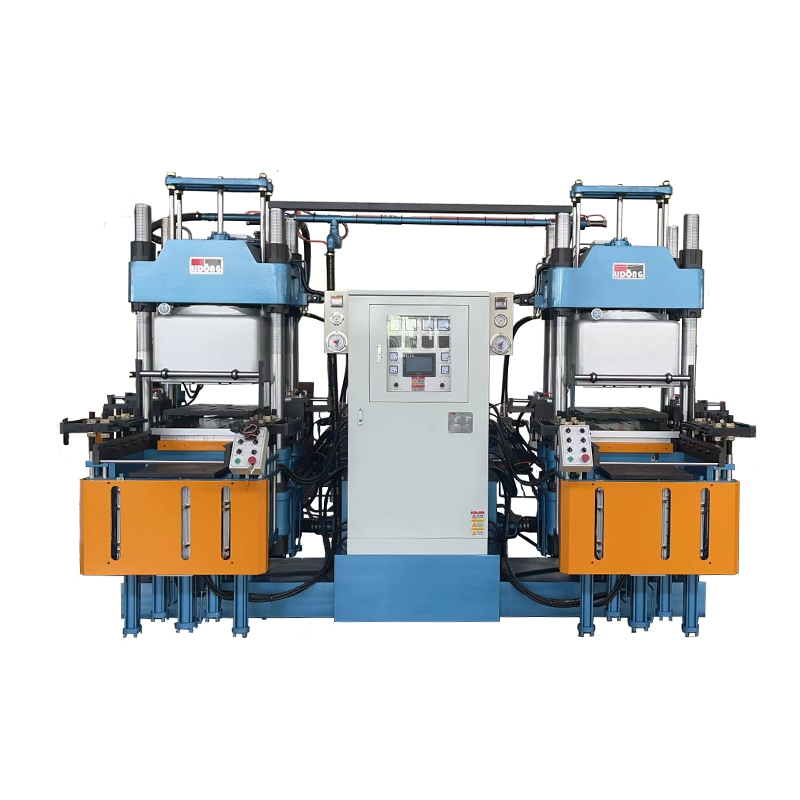
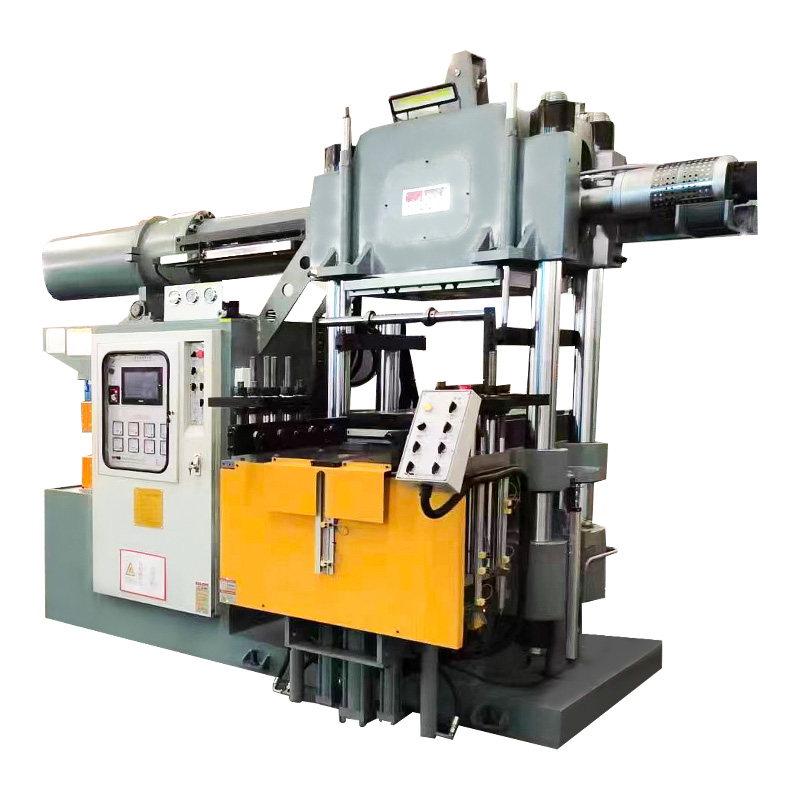
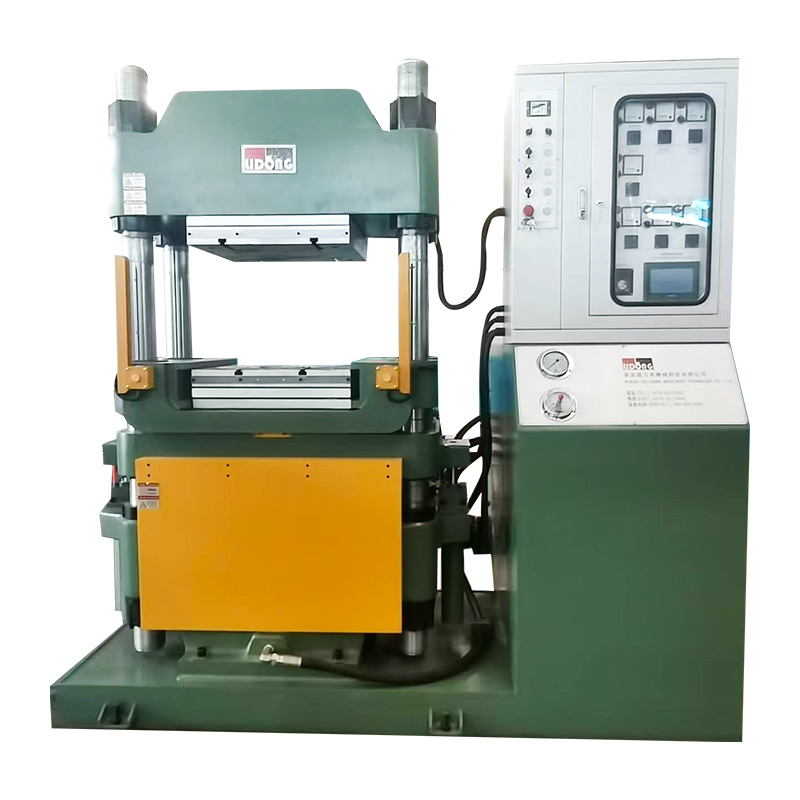
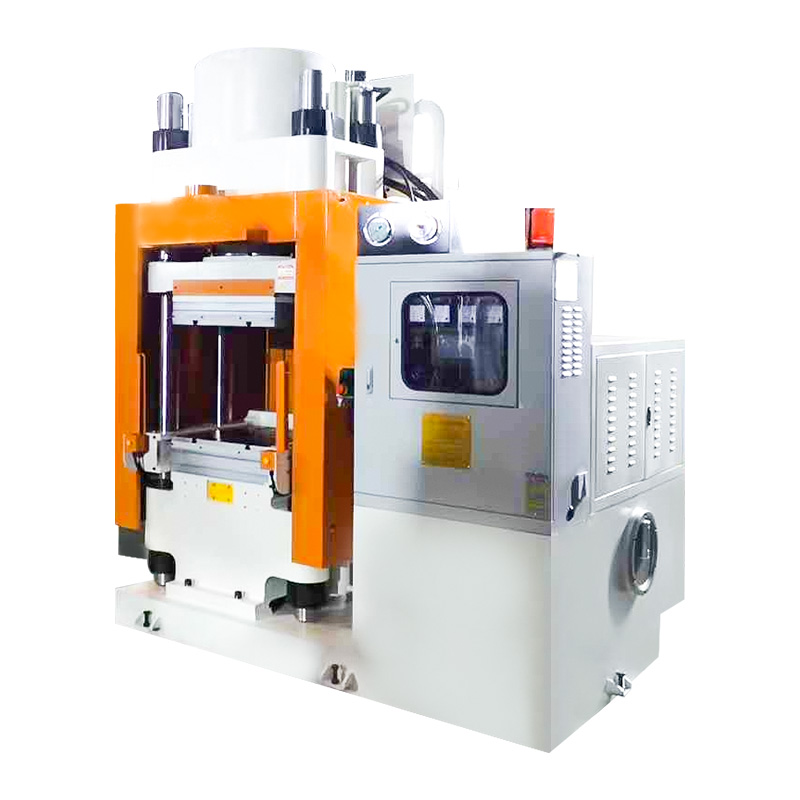
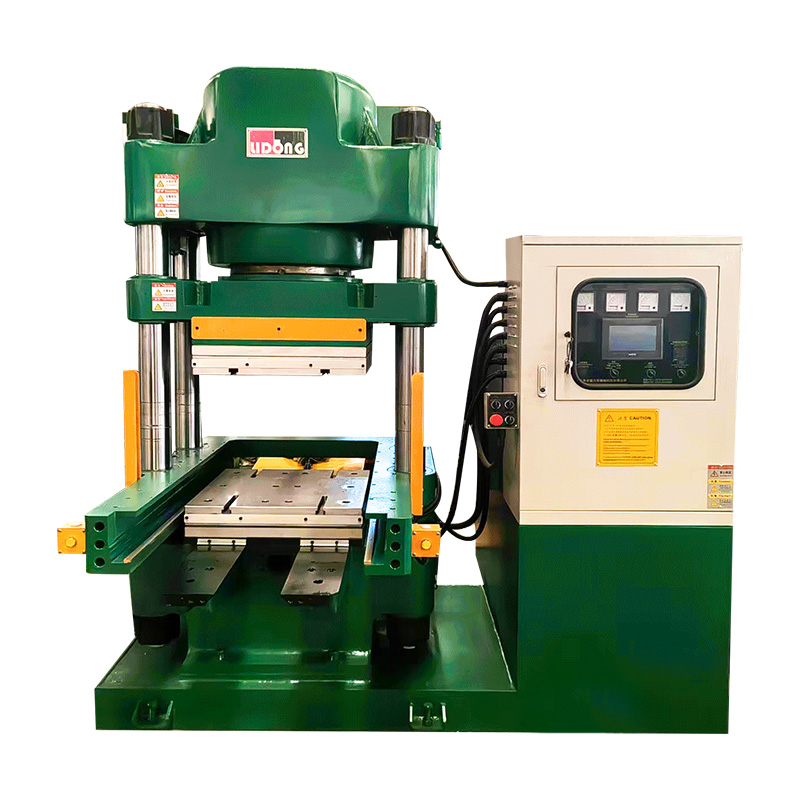
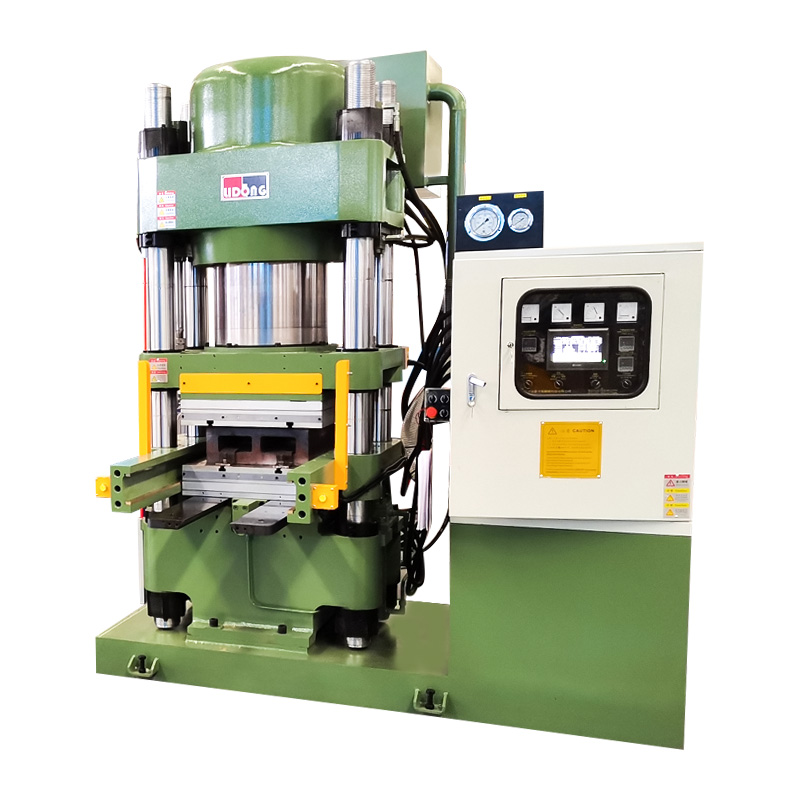
Technical Parameters
The table lists typical configurable values for a rubber gasket press curing machine. The final specification is confirmed in the quotation after we review your mold and compound.
| Parameter | Typical Range | Relevance to Gasket Curing |
|---|---|---|
| Clamping force | 50 - 500 tons | Multi-cavity molds need steady force to limit flash |
| Platen size | 400 x 400 to 800 x 800 mm typical | Fits multi-cavity gasket molds |
| Daylights | 1 - 6 layers | Raises output for fast-curing gasket compounds |
| Platen temperature | Up to 200 degrees C standard | Higher range on request for FKM and silicone |
| Temperature uniformity | About plus or minus 2 degrees C | Affects compression set consistency |
| Parallelism | Checked before delivery | Prevents uneven flash and thickness |
| Breathing function | Programmable count, height and delay | Releases gas in the early cure |
| Pressure holding | Automatic make-up | Keeps cavities filled while rubber expands |
| Control | PLC with touchscreen | Recipe storage per mold |
Gasket-specific tips: because gasket cure times are often short, loading and unloading can take as long as the cure itself. In that case, a press with several layers, or a mold-change aid, brings more output than a bigger tonnage.
For thin gaskets, cavity pressure is usually modest, but total force still must cover the full mold area. Tell us the compound and the mold dimensions, and we will calculate the tonnage and suggest a layer number.
Choosing the press for your gasket range. If you make many different gasket sizes, choose a platen that comfortably holds your largest multi-cavity mold. If you make a few high-volume parts, a multi-layer press with a loading frame often gives the best result. Share a list of your gasket products with sizes and compounds, and we will suggest a platen size, layer number and heating power that match, instead of a one-size-fits-all model.
Special Focus: Flash, Compression Set and Dimensional Control
Gasket buyers rarely ask first about tonnage. They ask about flash, compression set and tolerance. These three are linked directly to how the press behaves.
- Flash. It comes from excess rubber, a worn mold or uneven closing. A press with good parallelism and stable pressure helps, but mold condition and preform weight matter just as much.
- Compression set. This depends on proper cure. Under-cured gaskets will lose their sealing force over time. Even temperature across the platen means every cavity receives the same cure.
- Dimensional accuracy. Shrinkage after molding depends on cure temperature and time. Stable recipes give predictable shrinkage.
- Surface quality. Gas and trapped air cause pits on sealing faces. Breathing steps or vacuum assistance reduce them.
Quick guide to common problems:
| Problem | Likely Cause | What Helps |
|---|---|---|
| Heavy flash | Too much rubber, worn mold, uneven closing | Correct preform weight, mold repair, parallel platens |
| Pits on sealing face | Trapped air or moisture | Breathing steps, vacuum assist, dry compound |
| Soft or sticky gasket | Under-cure | Higher temperature or longer cure |
| Inconsistent size | Temperature variation | Zone control and stable recipes |
Where the problem is in the mold or the compound, we will say so directly instead of recommending a more expensive press.
A word on molds. Even the best press cannot produce good gaskets from a worn or badly vented mold. Check parting lines, vent grooves and cavity wear regularly, and keep preform weight consistent. Many customers find that a small investment in mold repair and a preform cutter reduces flash more than a change of press. We are happy to review your mold drawing and give practical advice with no obligation.
Automation and Control System
Gasket factories often run many molds with short cures, so a good control system saves time on every changeover and keeps results steady.
- Recipe memory: one stored recipe for each gasket mold, covering temperature, cure time and breathing steps.
- Programmable breathing: setting for number of breaths, lift height and pause, tuned to the compound.
- Pressure stage control: a gentle first stage helps rubber fill the cavities without sealing the vents.
- Auto-open at end of cure: avoids over-curing during busy loading.
- Production counter: shows cycles and parts per shift.
- Alarm history: faults are recorded for troubleshooting.
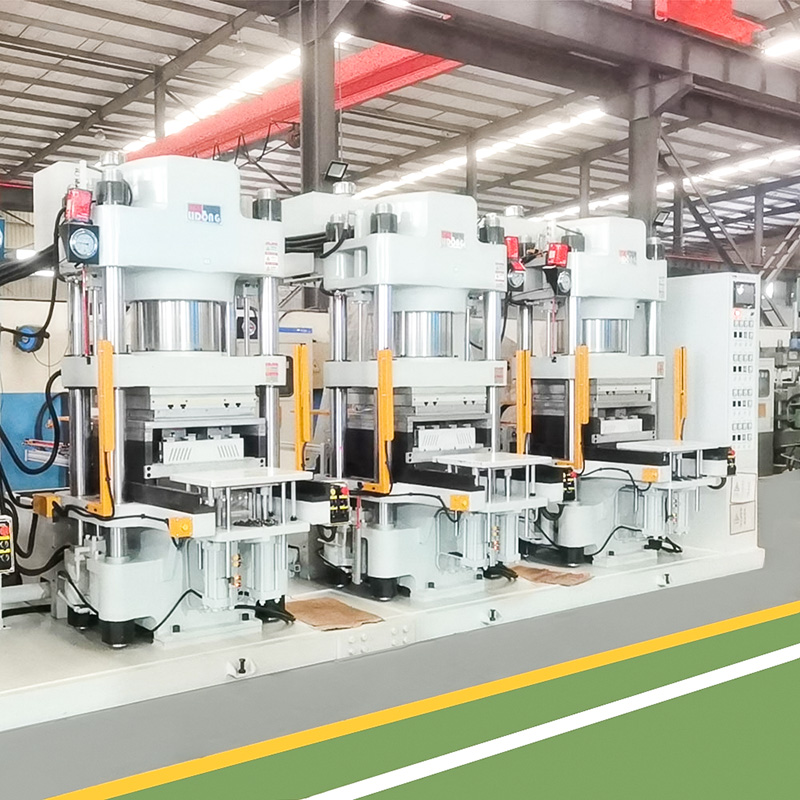
For high output, many gasket makers add a mold carrier or loading frame, so molds are prepared outside the press while another cures. This keeps the platens hot, shortens the real cycle and lowers the effort for operators. An automatic demolding or unloading device can be added when gasket volume grows.
The PLC coordinates the press and the loading device, so the operator sets the recipe, presses start and handles the loaded molds. If you are unsure how much to automate, begin with a PLC press and leave interfaces for later expansion.
Operator view. The touchscreen shows the active recipe, temperature, cure countdown and the number of cycles completed. Alarms are displayed in plain language. Supervisors can lock recipes so that settings cannot be changed accidentally during a busy shift. We provide an English manual and training material, and remote help is available whenever your technician wants a second opinion on a recipe for a new gasket.
Because gasket programs change often, a clear recipe naming system helps. We suggest naming each recipe after the mold number, so any operator can find the correct settings quickly.
Structure and Materials
Gaskets are thin, so small mechanical errors become visible defects. A press for gasket curing is built for parallelism, even heat and repeatable closing.
| Component | Design and Material | Benefit for Gasket Curing |
|---|---|---|
| Frame | Welded steel structure, stress relieved | No bending under repeated load |
| Platens | Ground alloy steel with even heating layout | Even cure in all cavities |
| Guide system | Hardened, wear-resistant guides | Keeps platens parallel, reduces flash |
| Cylinder | Honed cylinder with high-quality seals | Smooth, repeatable pressure |
| Insulation | Boards on platen sides and back | Stable temperature, lower energy use |
| Hydraulic valves | Quality valves, optional proportional control | Smooth pressure ramp-up |
Why guides matter: worn guides allow a small sideways shift, which shows up as uneven flash on one side of every gasket. We use wear-resistant guide surfaces and recommend periodic checks of the clearance.
For corrosive compounds or humid areas, surface protection can be adapted. If you use bonding agents or release agents, tell us, since they may affect platen surface care.
Before shipment, each press is checked for flatness, parallelism and heating response, and the test results can be shared on request.
Maintenance in practice. Check guide clearance and lubrication every week, inspect hydraulic oil and filters regularly, and verify platen temperature with a surface thermometer from time to time. These simple steps keep parallelism and temperature accuracy close to their original values. Platens and guides are designed for long service, and spare seals, heating rods and sensors are available from us so repairs do not stop your production for long.
The hydraulic unit sits separately from the hot platens, which keeps oil cooler and extends its life, and the electrical cabinet is placed away from heat for stable operation.
Safety and Energy Efficiency
Gasket plants often have operators loading molds all day, so safe design and good ergonomics are important.
- Emergency stop and guarded mold area with interlocks
- Two-hand or light curtain protection for press closing
- Pressure relief and sensors for hydraulic safety
- Independent over-temperature protection on each zone
- Hot surface covers and warning labels
- Suitable loading height and optional loading frames to reduce strain
Energy and material savings: in gasket work, energy is closely tied to scrap and trimming. Every flash-free or defect-free gasket avoids extra heating, extra material and extra labor. On the machine side, platen insulation and PID control reduce heat waste, and a variable-speed hydraulic system saves power during holding.
Keeping the platens hot between short cures is another useful method. A stand-by temperature setting prevents full cool-down during breaks, which would waste more energy when reheating.
We can compare energy options in the quotation if you share your operating hours and local power price.
Operator comfort and safety. Gasket work involves frequent loading of hot molds. We recommend a loading height that avoids bending, heat-resistant gloves and long tools for removing parts. Where volume justifies it, a loading frame or take-out device reduces direct contact with hot platens. A tidy work area, with trays for parts and flash, also reduces accidents. We can review your layout during commissioning and suggest simple improvements.
Training and records. Keep a simple log of safety checks, oil changes and thermocouple calibration. A short monthly review, including a test of the emergency stop and the over-temperature cut-off, takes very little time and keeps the press dependable. We can provide a one-page English checklist template that you can adapt to your own safety procedures and operator training.