English
 عربى
 中文繁体
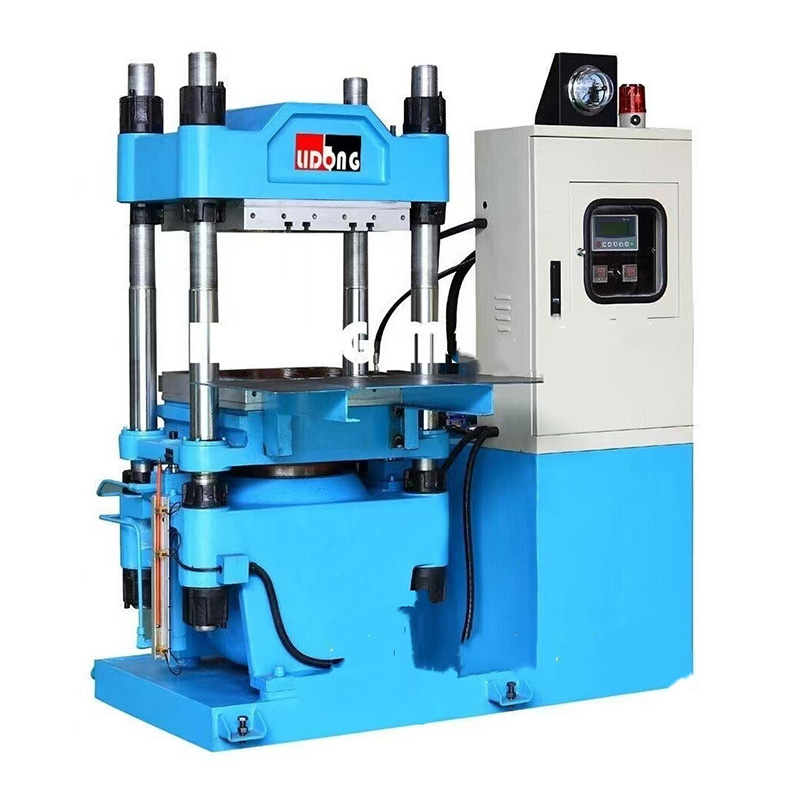
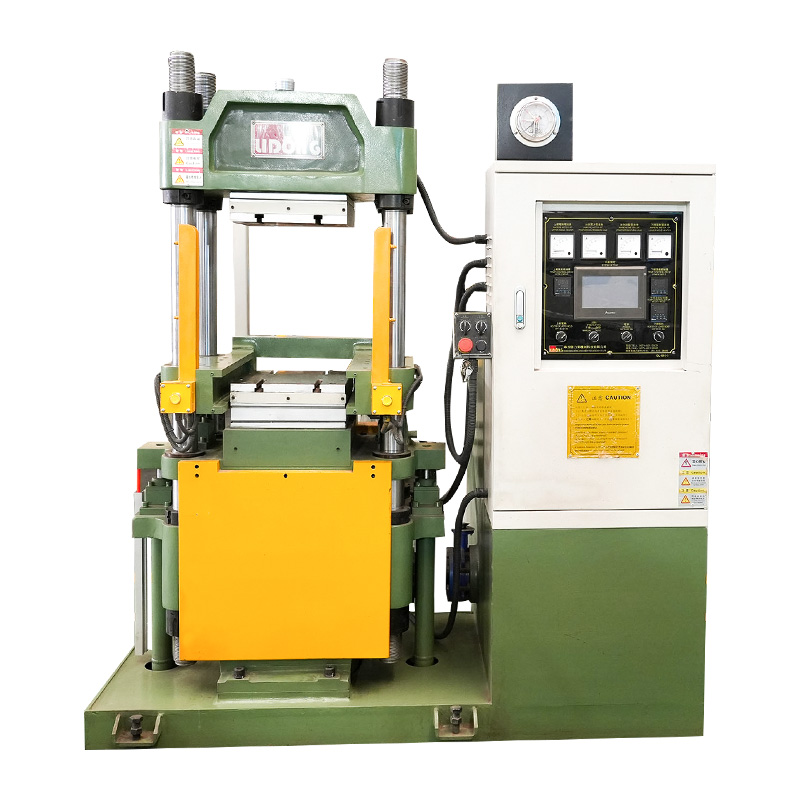
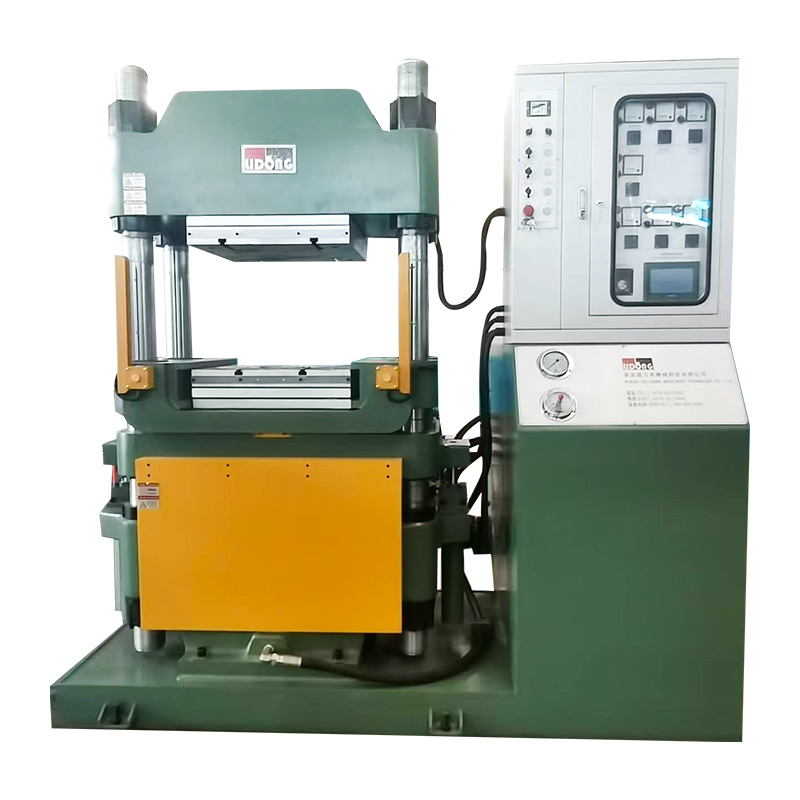
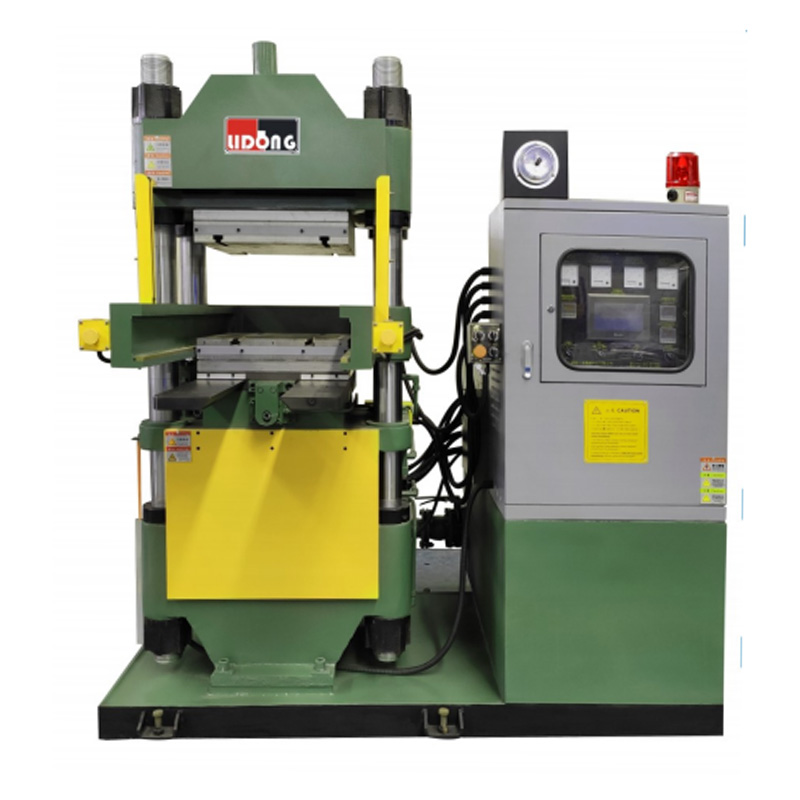
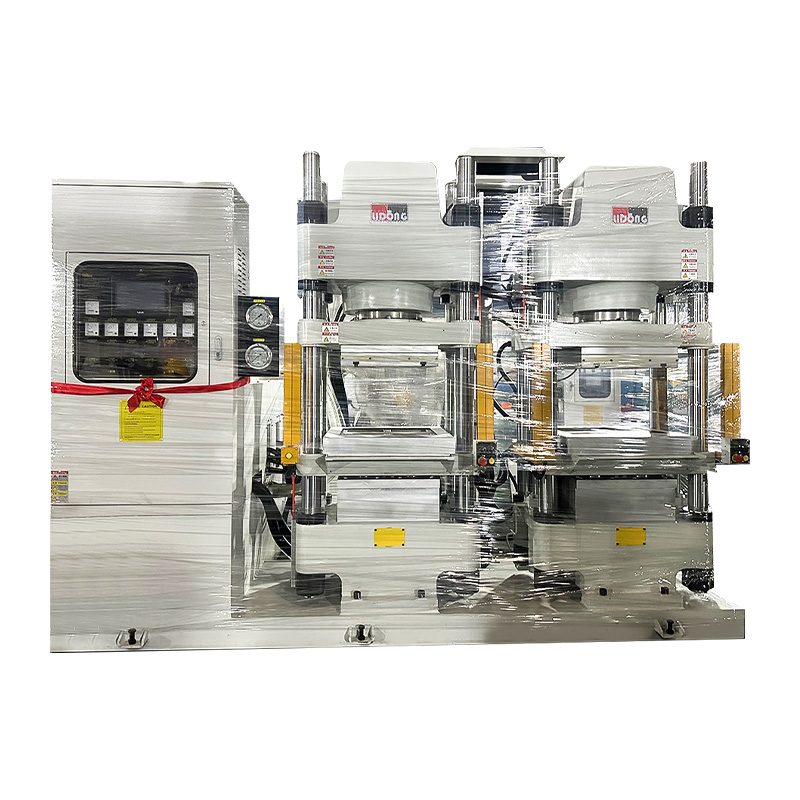
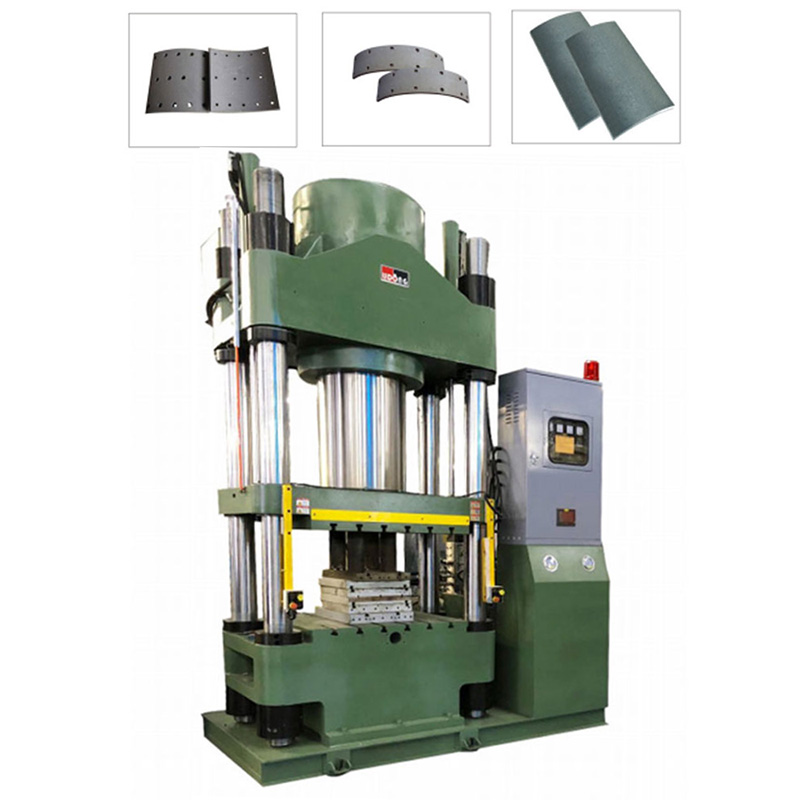
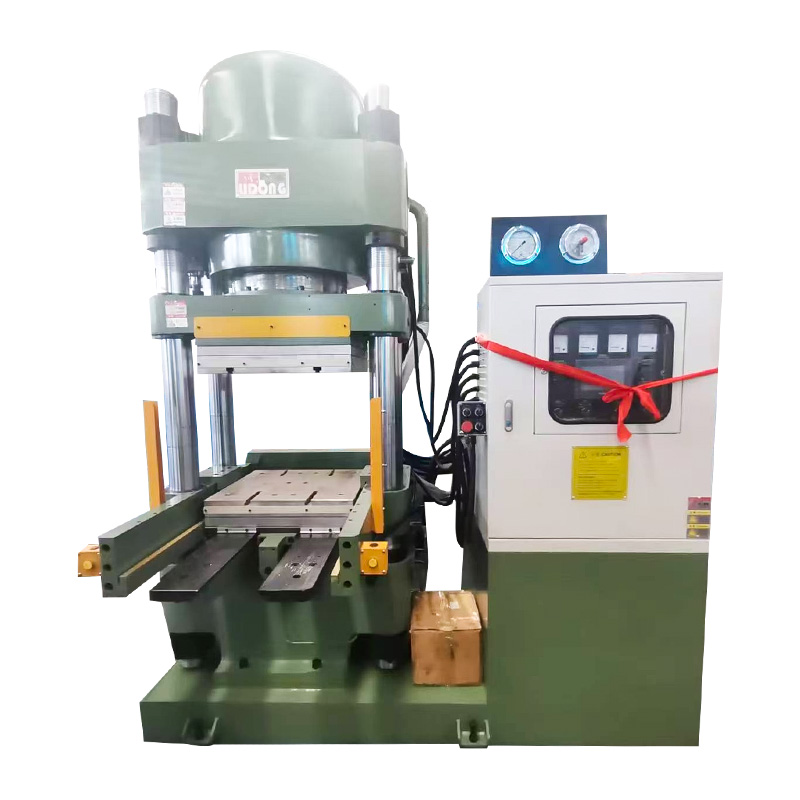
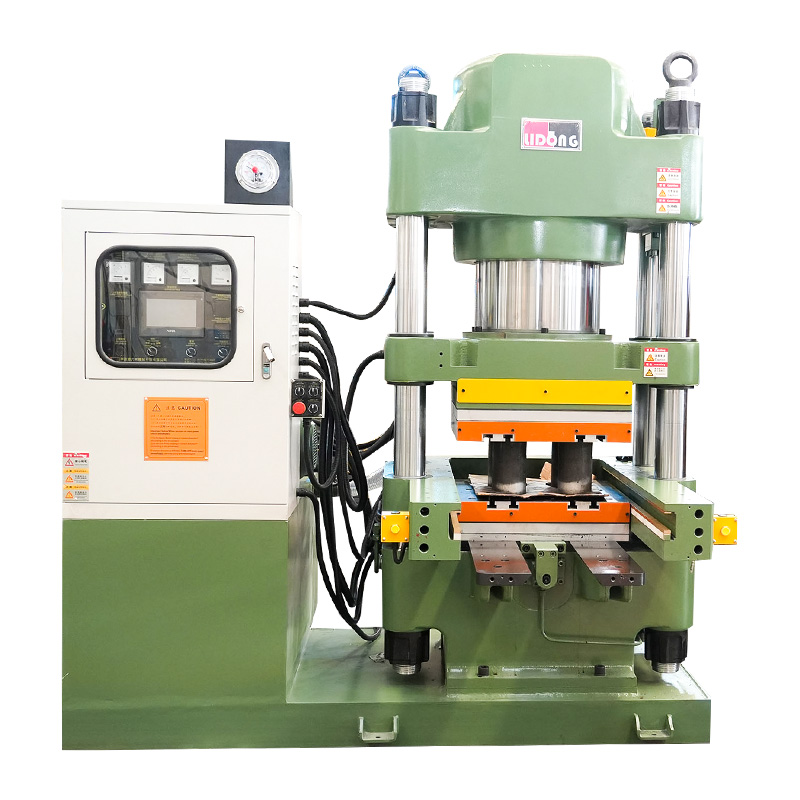
Technical Parameters
The table lists typical configurable values for presses used to bond friction material to steel plates. Final specifications depend on your plate and pad size, adhesive and route, and are confirmed in the technical agreement.
| Parameter | Typical Range | Relevance to Bonding |
|---|---|---|
| Clamping force | About 50 - 1000 tons | Set by pad area and pressure; lower for adhesive-only bonding |
| Pressure on the bond | Set by adhesive and route, often tens of MPa for molded pads | Wets the surfaces and closes the bond line |
| Platen size | About 400 x 400 mm to 1100 x 1100 mm | Fits multi-pad molds or bonding fixtures |
| Platen temperature | Up to about 200 degrees C | Adhesive and resin cure, commonly around 150 to 180 degrees C |
| Temperature uniformity | About plus or minus 2 degrees C | Even bond cure over the plate |
| Platen flatness and parallelism | Ground flat, checked under load | Even pressure over the bond line |
| Dwell time | Programmable with automatic make-up | Full adhesive cure |
| Degassing steps | Programmable | Keeps gas out of the bond line |
| Fixture handling | Slide-out table, loading frame, plate positioning aids | Accurate plate position |
| Control | PLC with touchscreen, recipe lock and data storage | Records for bond-critical settings |
How to read the table: for bonding, the most important points are temperature uniformity, parallelism and dwell control. Adhesives have a cure window defined by temperature and time. If part of the plate is cooler than the rest, that part cures late or incompletely, and the shear strength there is lower.
For adhesive bonding of pre-cured blocks, pressure is much lower than for molding, but it must be even and steady during the whole cure. Please send your plate and pad drawings, adhesive data sheet, route and output target, and we will recommend a press, a fixture concept and a control package.
Practical advice. Follow the adhesive supplier's data sheet for temperature, time and pressure, and ask us to build those limits into the recipe. A press that cannot hold the adhesive's window will never give a reliable bond.
Special Focus: Plate Preparation, Adhesive Cure and Shear Strength
The table links common bond problems to their causes and to what helps in the press and the process.
| Problem | Likely Cause | What Helps |
|---|---|---|
| Low shear strength | Contaminated plate, wrong adhesive layer, low cure temperature | Clean, blasted plates, correct coating, full temperature and dwell |
| Edge lifting | Pressure drops at the plate edge, gas at the bond line | Parallel platens, degassing steps, mold edge design |
| Scatter between pads | Uneven temperature or pressure across the mold | Zoned heating, temperature map, stiff frame |
| Bond failure at the plate surface | Poor surface preparation or aged adhesive layer | Fresh coating, controlled storage time |
| Bond failure inside the friction layer | Poor density or under-cure of the material | Correct pressure curve and cure time |
| Plate distortion | Uneven pressure or heat on a thin plate | Flat platens, even heating, plate support |
Points that decide results:
- Plate preparation. Degreasing, shot blasting, chemical treatment and coating are separate steps and often decide bond strength more than the press does. Keep prepared plates clean and use them within the adhesive supplier's time limit.
- Adhesive layer. Thickness and coverage must be even. Too thin leaves gaps, and too thick can squeeze out or stay soft.
- Underlayer. Many pads have an underlayer between the plate and the friction layer, which also contributes to bonding and heat insulation, and it needs the same even cure.
- Testing. Shear tests, such as those defined in ISO standards, are carried out on finished pads at room and elevated temperature, and often after water or salt exposure. Test results are the real judge of the bond.
- Post-cure and finishing. Oven post-cure and later steps can also affect the bond, and they are separate processes.
Plate treatment, adhesive choice and testing belong to your technical team and your adhesive supplier. The press provides stable, repeatable heat and pressure so that the adhesive can do its job.
Honest advice. If your bond failures come mainly from plate contamination or adhesive aging, press changes will not solve them. A short audit of plate handling often finds the cause faster than any machine change.
Automation and Control System
A bond depends on conditions staying inside a narrow window for the whole cure. The control system should keep them there and prove it.
- Recipe memory and lock: temperature, pressure steps, degassing count, dwell, hold time and stroke limits are stored for each pad and adhesive, and changes need the right password level.
- Dwell timer with temperature condition: the cure time can start only when the platens reach the set temperature, so a cold start does not shorten the cure.
- Multi-step pressure control: initial compaction, degassing and final hold are set separately.
- Zoned temperature control: separate sensors and outputs keep platens even and limit overshoot, with alarms if a zone drifts.
- Pressure make-up: pressure stays steady during the hold, which keeps the bond line closed.
- Alarm and event log with cycle data: temperature, pressure and time are recorded and can be exported if you permit it.
Handling and automation: accurate plate positioning matters for bond quality. Plate loading frames, locating pins and magnets in the mold, and automatic plate feeding can be added in stages. For adhesive bonding of linings and shoes, fixtures that hold parts in position during the cure can be designed with you.
Operator view. The touchscreen shows the active recipe, platen temperatures, pressure curve and cure time remaining. An English manual and training material are provided, and remote support is available when your technician sets up a new mold.
Record tip. Link each cycle to a plate coating lot and an adhesive lot. When a shear test fails, these links show quickly whether the problem lies in materials or in the cycle.
Structure and Materials
A bonding press must hold even pressure and temperature over the plate area, so flatness and thermal design are the main structural points.
| Component | Design and Material | Purpose |
|---|---|---|
| Press frame | Heavy welded steel structure, stress relieved | Low deflection, even pressure |
| Platens | Alloy steel, ground flat, zoned heating | Even heat and flat contact over the bond line |
| Heating | Electric rods or thermal oil channels, PID control | Stable temperature across the cure window |
| Insulation | Boards and shields on platens and guides | Lower heat loss and protection for seals |
| Guide system | Hardened, wear-resistant, adjustable | Keeps platens parallel through the stroke |
| Main cylinder | Quality seals, position sensor | Smooth force and accurate closing |
| Plate positioning aids | Locating pins, magnets or fixtures in the mold | Accurate plate position |
| Hydraulic station | Separate unit, filtered and cooled | Stable pressure and clean oil |
Why flatness and parallelism matter: the bond line is only a fraction of a millimeter thick. A small gap or pressure difference over the plate shows up directly as a thin or weak area in the bond. We grind the platens flat, use stiff frames and check parallelism under load at the factory.
Cleanliness: oil, release agent and dust near the molds can contaminate coated plates. Drip trays, covers and a clean layout reduce this risk, and we can discuss them for your workshop.
Maintenance. Clean platens regularly with non-scratching tools, since resin and adhesive residues slow heat transfer and create cold spots. Keep guides lubricated, check cylinder seals and sensors, and change hydraulic oil and filters according to the manual. Recheck temperature uniformity after months of service.
Before shipment, each press is run under load, and temperature uniformity, parallelism, pressure holding and safety functions are checked.
Safety and Energy Efficiency
Bonding presses combine hot platens, hydraulic pressure and adhesives, so safety needs attention at the press and at the coating area.
- Emergency stop at the operator position and at the loading side
- Light curtain or guard doors connected to the PLC
- Hydraulic overpressure protection with a relief valve and pressure monitoring
- Independent over-temperature protection on each heating zone
- Insulated surfaces and warning labels on hot parts
- Safe handling aids for molds, fixtures and plates
Handling advice: heating adhesives and resins releases vapors, so provide local exhaust above the press and at the coating and drying area. Adhesives and solvents may be flammable or harmful, so store them in labeled containers, keep them away from hot surfaces, and follow the safety data sheets and your local rules. Wear heat-resistant gloves and sleeves, and suitable respiratory protection where needed. Shot blasting produces dust and noise and needs its own protection.
Energy efficiency: good insulation and PID control keep heating costs low, and a variable-speed hydraulic system uses power mainly while the press moves, which matters because dwell stages are long. A stand-by temperature function saves energy during mold changes. A reliable bond also means less rework and scrap, which saves material and the energy already spent on it.
Tell us your working hours and local power price, and we will compare options in the quotation.
Training and records. Keep a log of safety checks, temperature checks and oil changes. A monthly test of the emergency stop, light curtain and over-temperature cut-off keeps the press dependable.
Housekeeping. Keep coated plates in closed trays away from oil, dust and moisture, and mark the coating date on each tray. Wipe platens and mold faces at fixed intervals, because even a thin film of release agent or oil on a plate can weaken a bond.