
 English
 عربى
 中文繁体

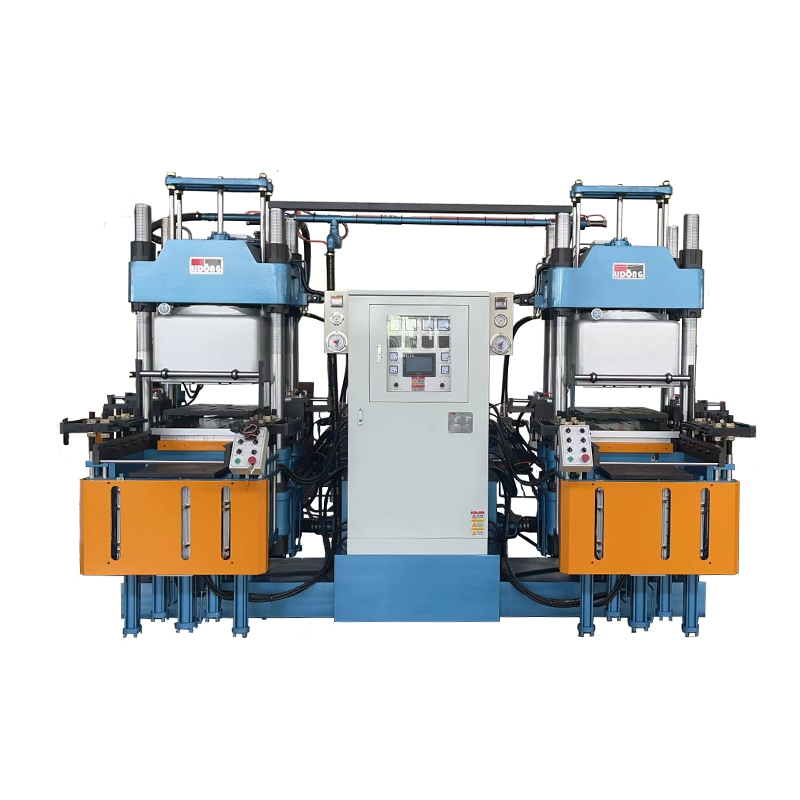
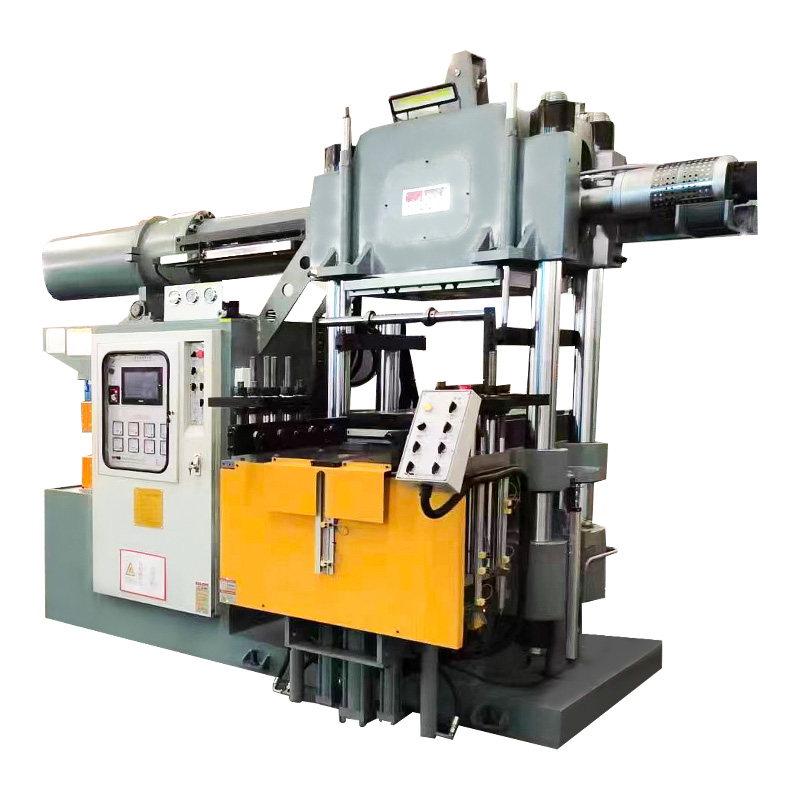
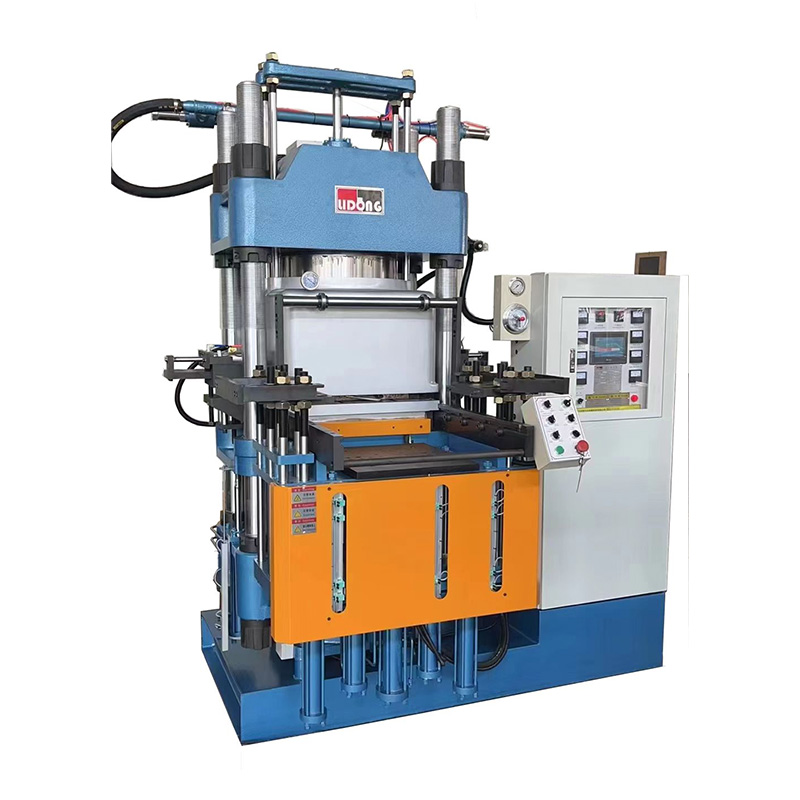
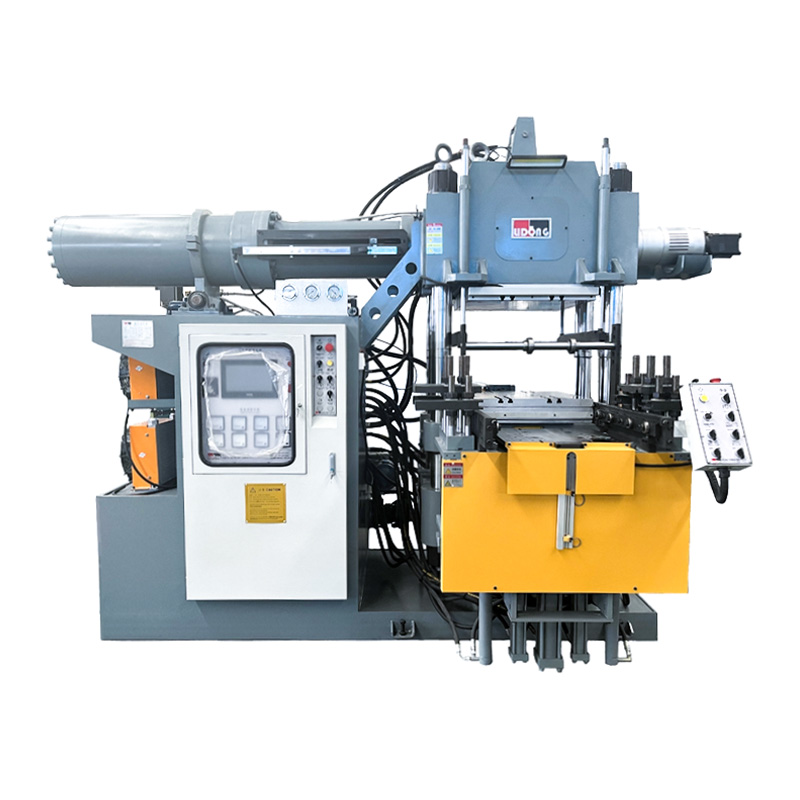
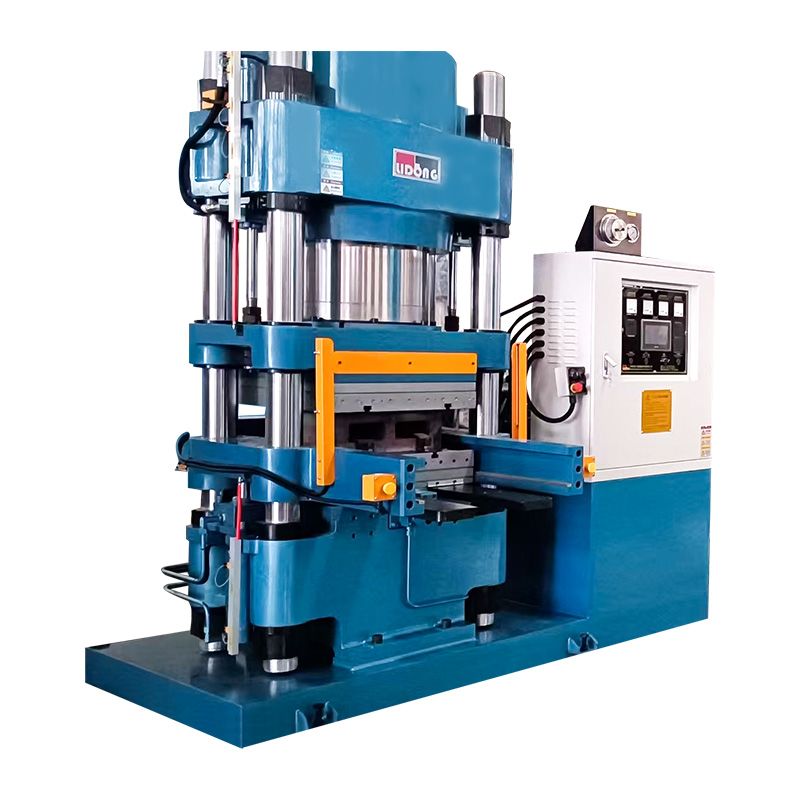
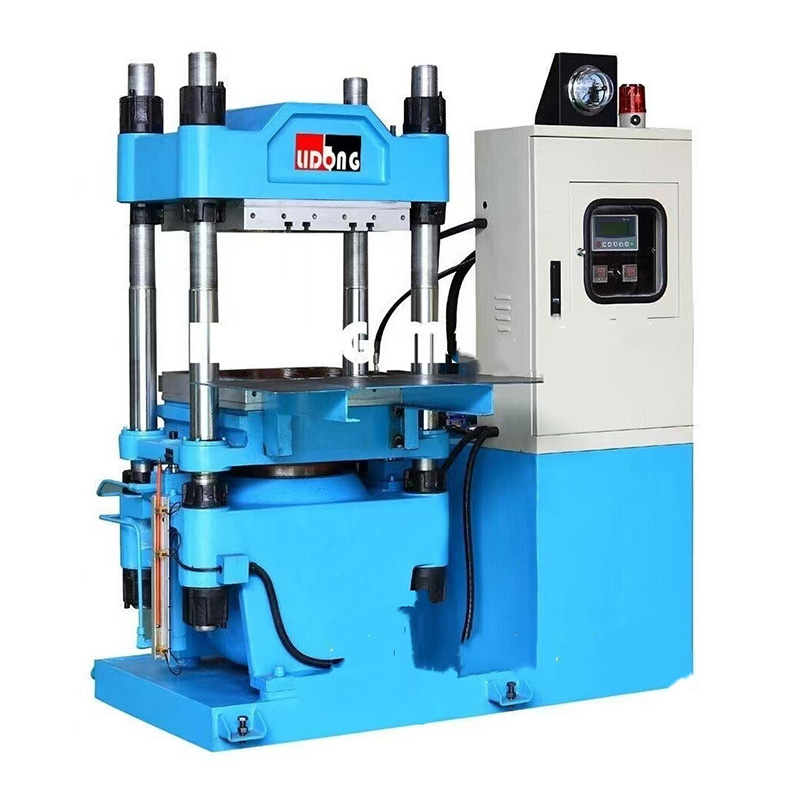
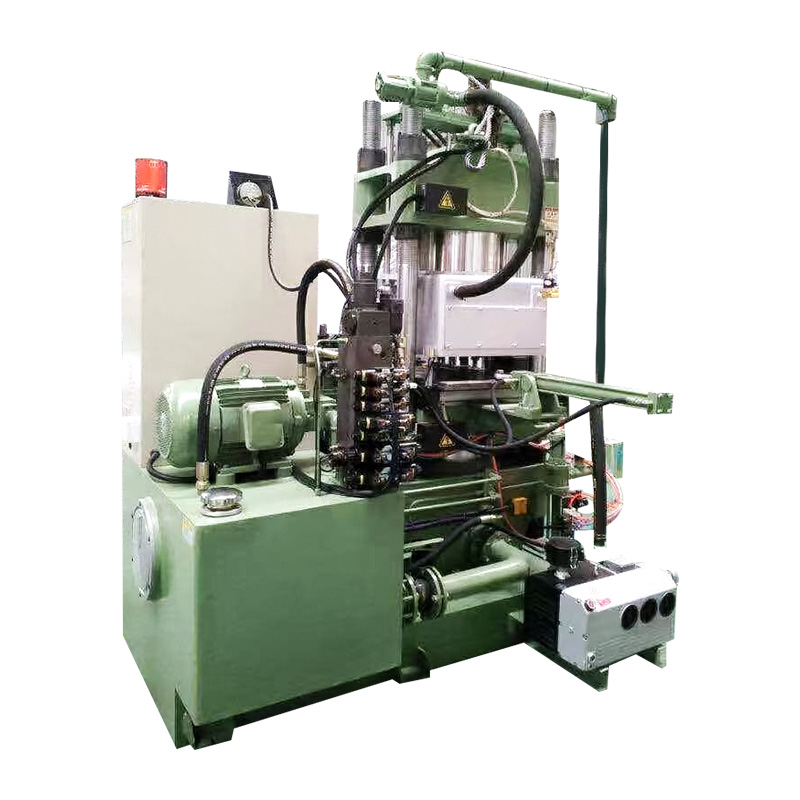
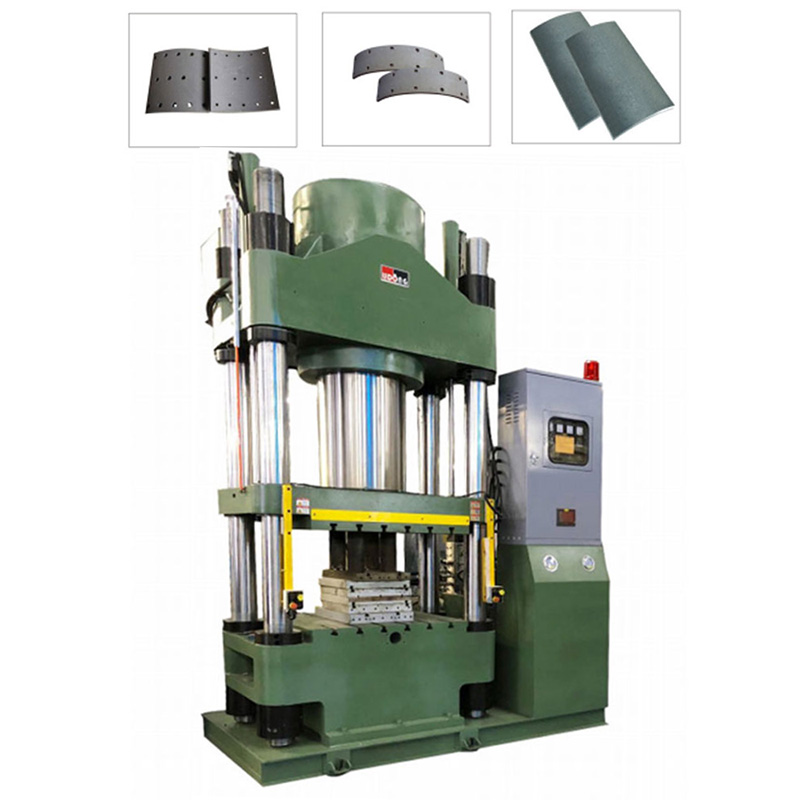
Technical Parameters
These are typical configurable values for a hot plate rubber pressing machine. The final specification is confirmed in the quotation, since heating method and platen size change the figures.
| Parameter | Typical Range | Notes |
|---|---|---|
| Clamping force | 25 - 1000 tons | Based on mold projected area and cavity pressure |
| Platen size | From 300 x 300 mm to 1200 x 1200 mm and larger | Custom size available |
| Daylights | 1 - 6 layers | Matches output target |
| Max platen temperature | Up to 200 degrees C standard; higher on request | Set by heating medium |
| Temperature uniformity | About plus or minus 2 degrees C | Depends on channel layout and insulation |
| Heating-up time | Depends on platen mass and power | Ask for the estimated time to cure temperature |
| Heating methods | Electric rods, steam, thermal oil | Choose by site conditions |
| Opening stroke | Matched to mold height and loading method | Allows room for inserts |
| Control | Temperature controller or PLC with touchscreen | Basic or advanced |
What to compare: two presses with the same tonnage may heat very differently. Ask for heating power in kW per platen, platen thickness and insulation details. A thick platen with strong heating recovers faster after mold change, while a thin one saves cost but may show larger temperature variation.
If you plan to run many different molds, we suggest choosing a platen size for the largest regular mold, with an opening stroke that leaves room for mold handling and inserts.
Practical advice on choosing size. Do not buy a platen much larger than your molds. A plate that is too big takes longer to heat, wastes energy and often has cooler edges that your small mold will never reach anyway. Equally, avoid choosing a platen that your largest mold just fits, since you need room for clamps, handles and thermocouples. Leaving about fifty millimeters free on each side is a common and sensible rule.
Special Focus: Choosing the Heating Method
The heating system is the part of a hot plate press that buyers often under-evaluate. Each method has real advantages and drawbacks:
| Heating Method | Advantages | Drawbacks | Best For |
|---|---|---|---|
| Electric heating rods | Simple, clean, easy to install and control | Higher running cost where power is expensive | Most export customers, small and medium plants |
| Steam heating | Even heat, low cost if a boiler is already available | Needs a boiler and piping, limited temperature | Large plants with existing steam |
| Thermal oil heating | Very even, high temperature possible | Needs an oil heater and careful maintenance | High-temperature or large platens |
Other points worth checking:
- Heating channel or rod layout. Good layout keeps the plate edge hot and avoids cold corners.
- Sensor position. A sensor close to the plate surface reacts faster than one deep in the plate.
- Zone control. Separate zones allow adjustment of edge and center temperature.
- Thermal insulation. Insulation sheets cut energy cost and keep the frame from heating up.
For most customers outside China, we recommend electric heating, because it needs no boiler or oil system and is easiest to maintain. We will explain the other methods in detail if your plant already has a steam supply.
Our recommendation in short. If your plant has no boiler and no oil heater, choose electric heating. If steam is already available and cheap, steam is a good choice for large presses. Thermal oil is best kept for special cases, such as high platen temperatures or very large platens that need extra even heating. We will give honest advice based on your site, even when this means selecting the simpler and less expensive option.
Automation and Control System
Hot plate presses range from simple manual machines to semi-automatic systems. The right level depends on how many parts you make and how consistent they must be.
- Basic control: a digital temperature controller and a timer, with manual or semi-automatic pressing. Low cost and easy to run.
- PLC with touchscreen: programmable pressing stages, breathing steps, cure timer, recipe storage and alarm display.
- Auto-breathing: the press opens slightly during the early cure to let gas out, with settings for count and height.
- Automatic pressure compensation: pump restarts only when the pressure drops below a set value.
- Auto mold opening: the press opens at the end of the cure, so over-curing is avoided when the operator is busy.
Choosing the level: if you run few products and skilled operators, basic control may be enough. If you have many molds, several shifts or strict quality targets, PLC control is worth the extra cost because it removes much of the variation between operators.
Later, loading devices, mold carriers or shuttle systems can be added. We prepare the electrical design in advance if you tell us your plan, so upgrading does not mean replacing the cabinet.
Operator view. On the PLC version, the touchscreen shows temperature, pressure and cure time clearly, and a progress bar tells the operator how long remains. Alarms appear with plain text messages, so fault finding is quick. Settings can be locked by password. We provide an English manual and basic training material, and our engineers can help set your first recipes by video call if you wish.
Structure and Materials
A hot plate press must stay accurate while being heated and cooled many times a day. Structure and materials are chosen with this thermal cycle in mind.
- Welded steel frame, stress relieved by heat treatment, to avoid slow deformation over years of use
- Alloy steel platens, machined flat, with drilled channels or holes for heating rods
- Insulation boards between the platens and the frame, protecting the structure and lowering heat loss
- Hardened guide surfaces that keep the platens parallel during movement
- Quality hydraulic components, such as cylinder, valves and pump, selected for stable pressure and low noise
- Separate hydraulic station to keep oil away from hot platens
A compact press can be built as a frame-type machine, while a more open design uses four columns for easier mold access. Both are available, and we will suggest one after learning how you load your molds.
Surface treatment such as phosphating or painting protects the machine in humid workshops. If your plant is near the sea or very damp, mention it and we will adjust the protection accordingly.
Each press is checked for platen flatness, parallelism and temperature response before leaving our workshop.
Foundation and installation. A hot plate press does not need a deep foundation, but the floor must be level and strong enough for the weight and the pressing force. We supply a foundation and layout drawing with every order, including space for the hydraulic station and electrical cabinet. Keep room around the press for mold handling and maintenance. Good installation is the cheapest way to keep platens parallel and results consistent.
Safety and Energy Efficiency
Hot plates reach high temperatures and high pressure, so the press needs reliable protection for operators.
- Emergency stop within reach of the operator
- Safety guard or light curtain at the mold area
- Pressure relief valve in the hydraulic circuit
- Over-temperature cut-off separate from the main controller
- Insulated covers and warning signs on hot parts
- Lockout points for safe maintenance
Energy points to compare:
| Feature | Effect on Energy Use |
|---|---|
| Platen insulation | Reduces heat loss to air and frame |
| PID temperature control | Avoids overshoot and unnecessary heating |
| Variable-speed hydraulic pump | Uses power mainly when moving or building pressure |
| Correct platen size | A platen larger than needed wastes energy |
| Stand-by temperature setting | Lowers heat during breaks without full cooling |
Because a heated press can stand idle for long periods, a stand-by mode is a simple and effective way to save energy. We include it in the PLC version and can explain how to set it for your shift pattern.
Everyday safety routine. Test the emergency stop at the beginning of each shift, wear heat-resistant gloves and avoid reaching between hot plates. Never remove guards to speed up work. Keep the floor around the press dry and free of oil, since hot, heavy molds are dangerous when someone slips. A short safety briefing for new operators, using our manual as the basis, prevents most common accidents on this type of machine.
Training and records. Keep a simple log of safety checks, oil changes and thermocouple calibration. A short monthly review, including a test of the emergency stop and the over-temperature cut-off, takes very little time and keeps the press dependable. We can provide a one-page English checklist template that you can adapt to your own safety procedures and operator training.







