English
 عربى
 中文繁体
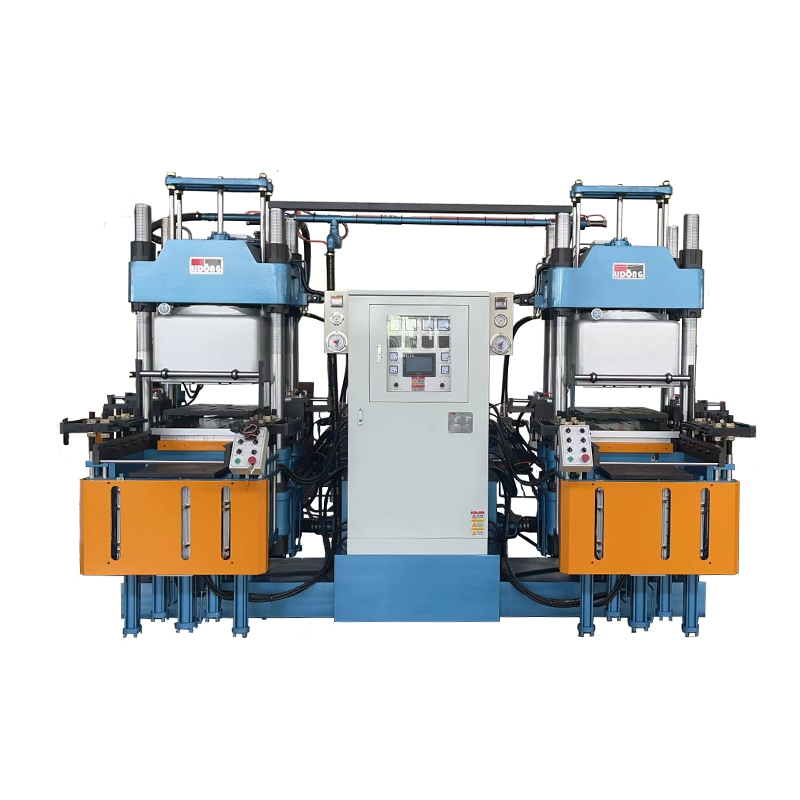
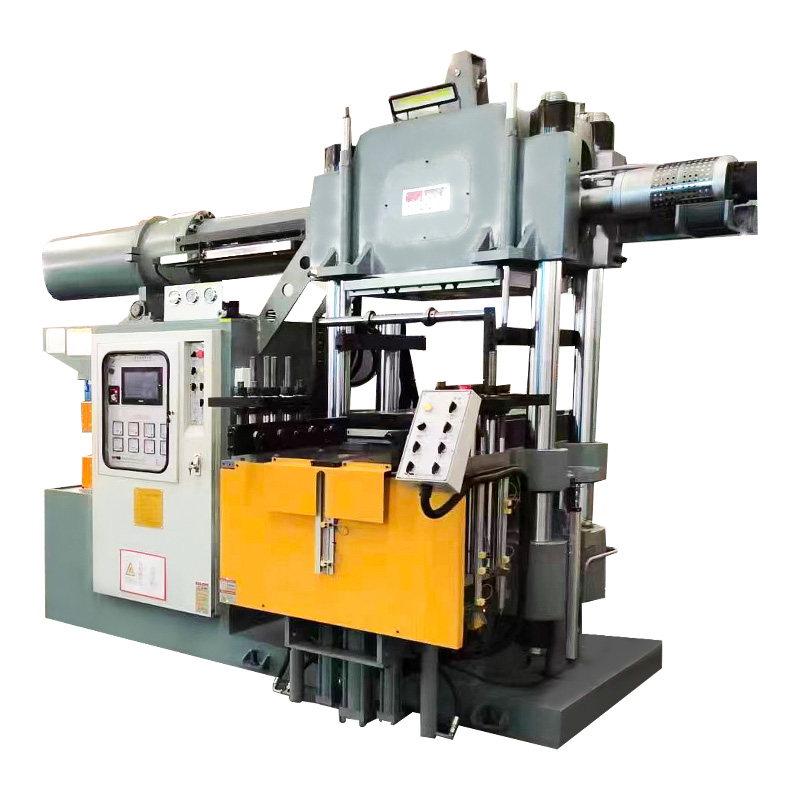
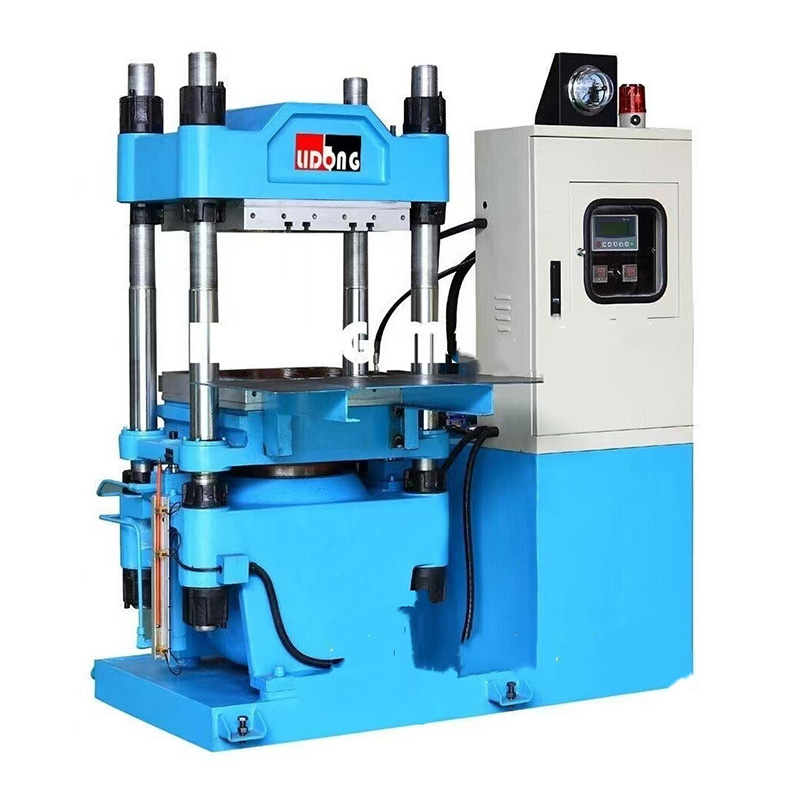
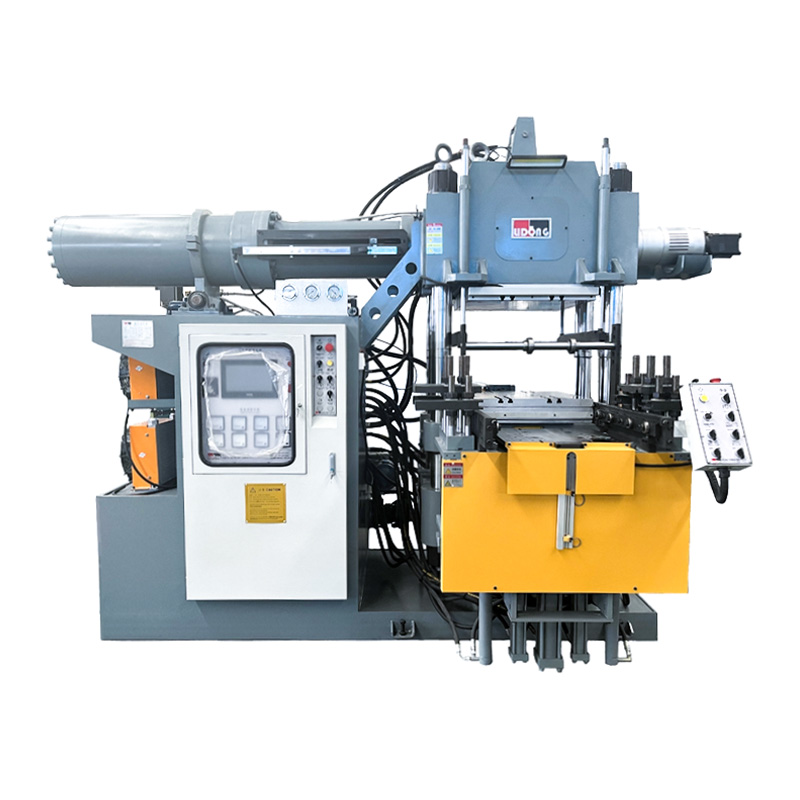
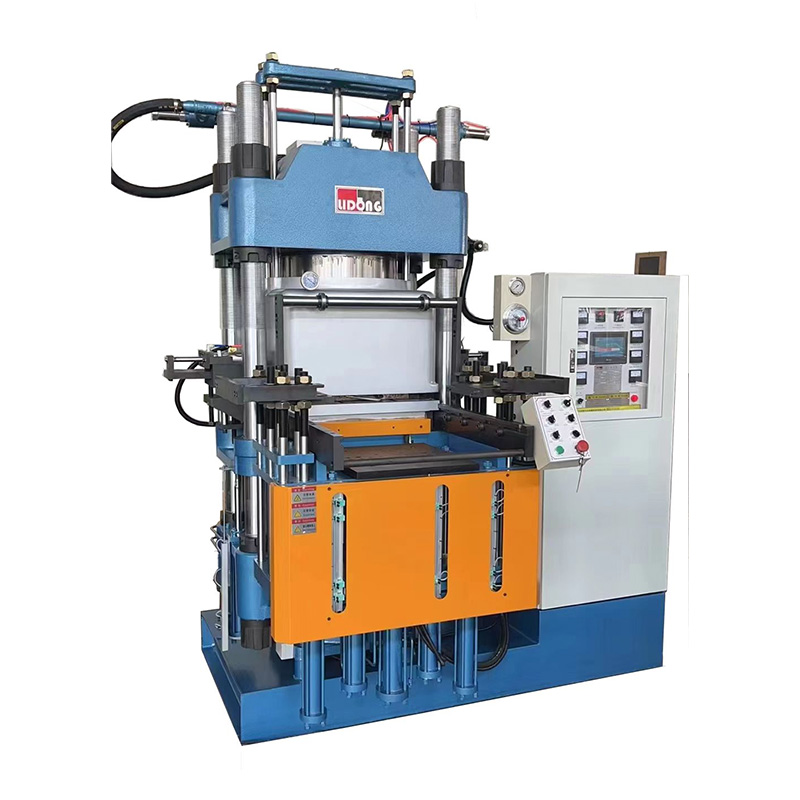
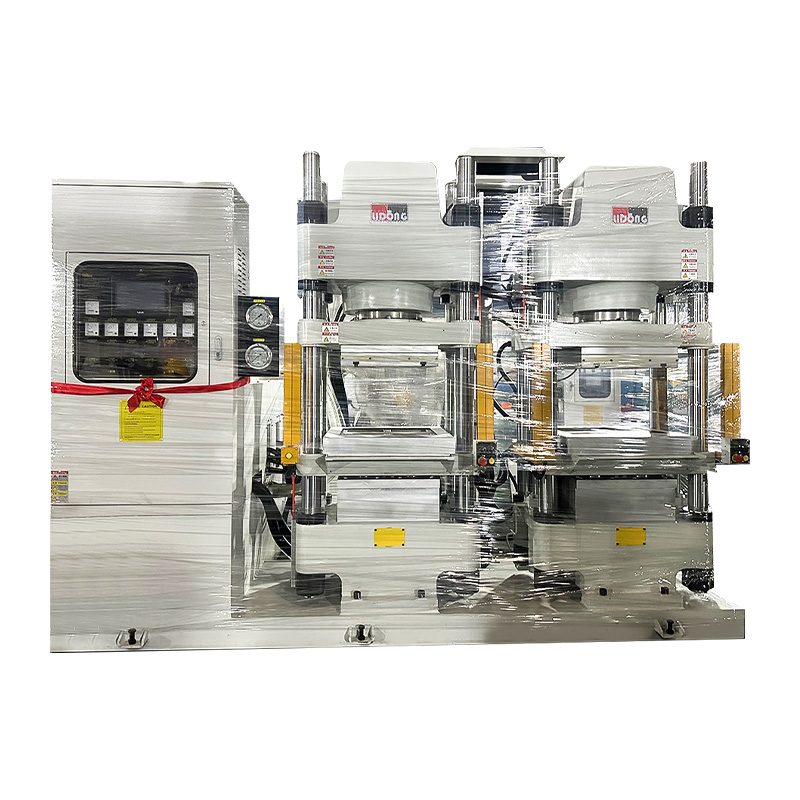
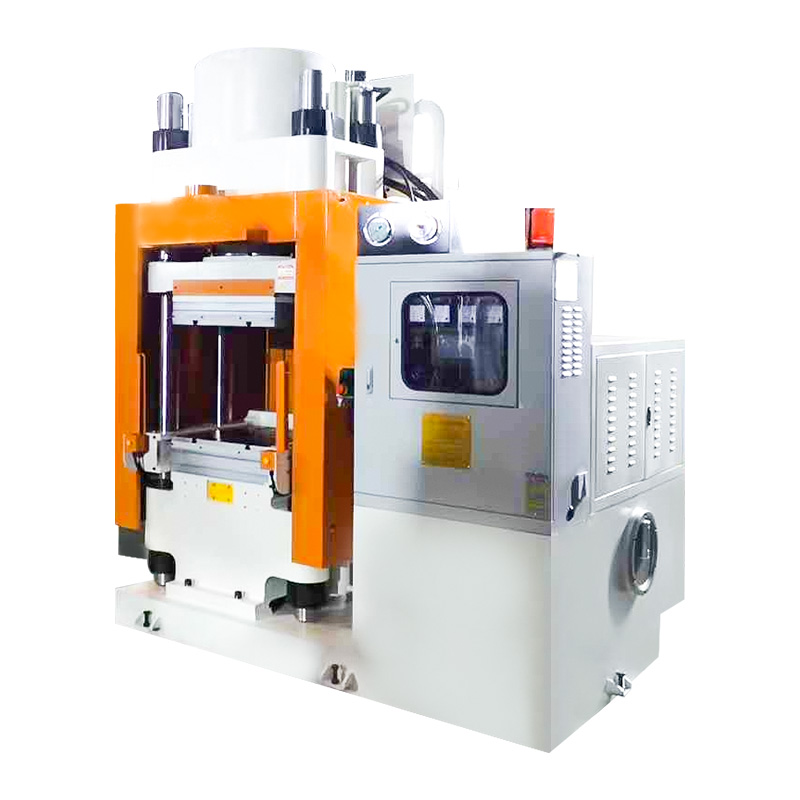
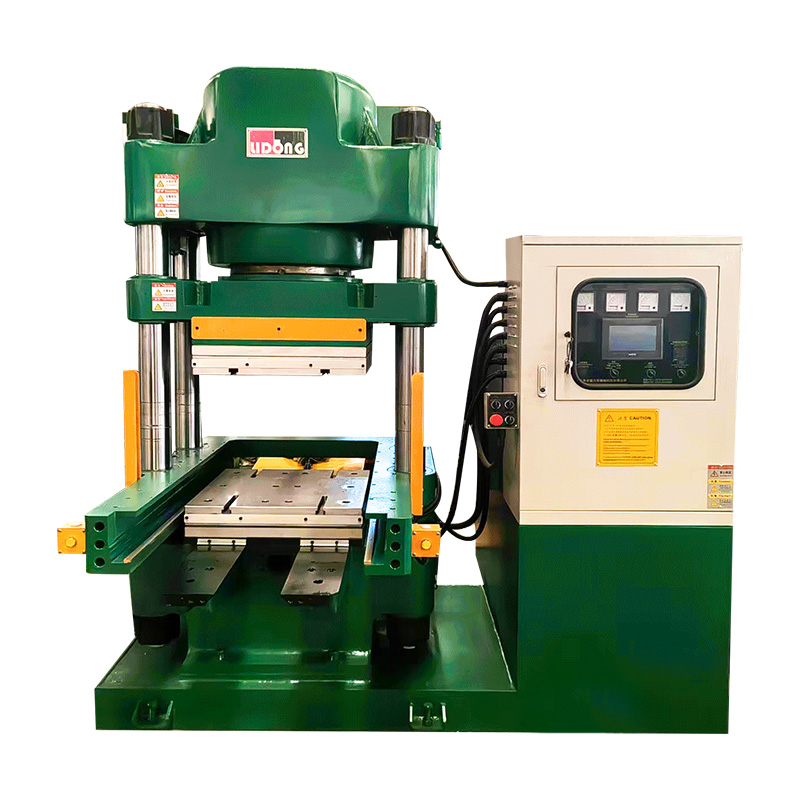
Technical Parameters
The values below are typical configurable ranges for a flat plate rubber curing machine. Final figures are agreed in the technical agreement for each order, because plate size and layer number change with the product.
| Parameter | Typical Range | Notes |
|---|---|---|
| Clamping force | 50 - 1000 tons and above | Based on plate area and required curing pressure |
| Platen size | From 400 x 400 mm to over 1500 x 2000 mm | Large custom sizes available |
| Daylights (layers) | 1 - 10 layers | More layers raise output per press |
| Platen temperature | Up to 200 degrees C standard | Higher range on request |
| Temperature uniformity | About plus or minus 2 to 3 degrees C | Depends on size and heating medium |
| Platen flatness | Machined and checked before delivery | Directly affects product thickness |
| Pressure control | Programmable with automatic make-up | Keeps pressure steady through the cure |
| Heating method | Electric, steam or heat-transfer oil | Chosen by site conditions |
| Control system | PLC with touchscreen | Recipe storage and alarm records |
How to read this table: for sheet products, unit pressure (force divided by sheet area) matters more than total tonnage. A very large platen at low unit pressure can under-cure the surface, while too much pressure can squeeze the rubber out and cause thickness variation. Tell us your product size, thickness and compound, and we will calculate the required tonnage and recommend a layer number that matches your daily output target.
If you plan to cure laminated products with fabric or steel layers, mention it at the start, since this changes the pressure program.
Typical selection steps: first find the largest sheet or pad you plan to cure and add room for the mold frame. Second, calculate the unit pressure needed by your compound. Third, choose the layer number from your daily output and cure time. Fourth, choose the heating method that suits your site. We can walk through these steps with you by e-mail or video call, and the result goes into the technical agreement so both sides know exactly what is being built.
Special Focus: What Matters in Flat Curing
Flat products look simple, but they punish small machine errors. A one-millimeter variation across a large sheet is easy to see and easy to measure. These are the points experienced buyers check first:
- Platen parallelism. If the platens are not parallel under load, one side of the sheet is thicker. Ask for the flatness and parallelism figures and how they are checked.
- Edge-to-center temperature. Large plates tend to run cooler at the edges. Good heating channel layout and insulation reduce this gap.
- Layer-to-layer consistency. In a multi-layer press, the top and bottom layers can heat differently. Individual zone control gives better balance.
- Loading and unloading time. Slow loading cools the platens and creates differences between layers. A loader or unloader reduces this problem.
- Frame stiffness. A flexing frame creates a crowned plate, which gives a thicker center.
Comparison of curing approaches for sheet products:
| Approach | Output | Thickness Control | Best For |
|---|---|---|---|
| Single-layer press | Low | Good | Samples, thick or special sheets |
| Multi-layer plate press | High | Good with zone control | Regular sheet and pad output |
| Continuous rotary curing | Very high | Excellent for long strips | Very long, uniform products |
Continuous systems are not our focus, so if you need one we will say so, and recommend multi-layer presses where they fit better.
Mistakes we often see: buyers sometimes choose the largest platen to be safe, and then find that the press heats slowly and uses far more energy than needed. Others buy too many layers and cannot load them quickly enough, so the first layers over-cure while the last are still being filled. A balanced choice, with a loader if needed, is almost always better than the biggest possible machine.
Automation and Control System
On a flat plate press, control means keeping every layer and every zone on target while many sheets are loaded and unloaded. Delidong uses a PLC with a touchscreen to keep the cure repeatable from shift to shift.
- Staged pressing: low-pressure closing, build-up and holding are set separately, so the rubber flows before the full pressure arrives.
- Zone temperature control: each platen or zone has its own sensor and PID output.
- Cure timer per cycle: the timer starts when the target temperature and pressure are reached, not when the press closes.
- Recipe memory: save settings for each product, thickness and compound.
- Alarm display: over-temperature, low oil level, pressure fault and sensor errors are shown clearly.
For larger presses, we recommend a loader and unloader or a charging frame, so all layers are filled and emptied together. This keeps platen temperature stable, reduces the heavy manual work of handling hot sheets and shortens the real cycle time. The PLC controls the loader, the press and the heating, so the operator mainly watches and confirms.
If you plan to add automation later, tell us now. We can leave room in the cabinet and the frame, which costs far less than a rebuild.
Operator view. The touchscreen shows the temperature of each zone, the pressure curve and the remaining cure time on one page. Passwords protect critical settings, so only supervisors can change the recipe. An English manual and short training video are supplied, and remote help is available if your technician wants to check a setting. After a short session, a new operator can usually run stored recipes and handle common alarms without our engineers on site.
Structure and Materials
With large flat platens, stiffness is quality. The press frame carries the force over a wide area, and even a small deflection shows up as uneven product thickness.
| Component | Design and Material | Why It Matters |
|---|---|---|
| Frame | Heavy welded steel plate, stress relieved, or four-column structure | Resists bending under full load |
| Platens | Alloy steel, precision ground, drilled with heating channels | Flat surface and even heat |
| Guides | Wear-resistant guide columns or bars | Keeps plates parallel during movement |
| Main cylinder | Honed cylinder with quality seals | Smooth pressure and long service life |
| Insulation | Insulation boards between platens and the frame | Less heat loss, lower energy use |
| Hydraulic station | Separate unit with filters and cooling | Stable oil temperature and cleaner oil |
Frame choices: a frame-type structure is compact and stiff, which suits many standard sizes. A four-column structure gives easier access to the plate area and works well for large or multi-layer presses. We recommend the structure after looking at your product size and the way you load the press.
Platens are machined and checked before assembly, and the finished press is tested under load before shipment, so flatness and parallelism are confirmed at our factory instead of at yours.
Keeping it accurate over time. Large platens stay flat for years if the press is installed on a solid, level foundation and the hydraulic oil is kept clean. We include a foundation drawing and a levelling guide with every large press. A simple routine of weekly oil checks, guide lubrication and a yearly flatness check protects thickness accuracy. Heating rods and sensors are designed to be changed without removing the platens, which shortens repair time.
Safety and Energy Efficiency
Large plate presses move heavy parts and hot surfaces, so safety is part of the design from the beginning.
- Emergency stop buttons at the operator side and at the loading area
- Light curtains or guarding where the operator reaches between platens
- Hydraulic overpressure protection with a relief valve and pressure sensor
- Independent over-temperature protection on every heating zone
- Mechanical safety props for maintenance under the moving platen, available on request
- Warning labels and insulated covers on hot surfaces
On energy, platen heating usually accounts for the largest share of the electricity bill. Good insulation and PID control reduce this directly. For multi-layer presses, heating all layers at once with one loading cycle avoids repeated reheating. On the hydraulic side, a variable-speed or servo pump uses power mainly during movement and build-up, which helps because the long holding stage requires little power.
Energy savings depend on duty cycle and local power prices, so we do not promise a fixed number. We can compare configurations during the quotation stage if you give us your daily operating hours.
Handling hot sheets safely. Freshly cured sheets are hot and heavy. We advise using heat-resistant gloves, long handling tools and, for large sheets, lifting aids or a take-out device. Provide enough free space around the press for safe movement. A clear walkway, good lighting and marked hot areas reduce accidents more than any single device. During commissioning, our engineer can review your layout and suggest simple improvements for operator safety.
Training and records. Keep a simple written log of safety checks, oil changes and sensor calibration. A short monthly review of this log, together with a test of the emergency stop and the over-temperature cut-off, takes very little time and keeps a large plate press dependable. We can provide a one-page checklist template in English that you may adapt to your own safety procedures.