 English
 عربى
عربى
 中文繁体
中文繁体

Content
In today’s automotive and industrial braking systems industry, efficiency, precision, and safety are critical in manufacturing brake shoes. Modern Brake Shoe Press Machines have embraced automation to address these demands. Automation plays a pivotal role in increasing production efficiency, reducing labor costs, improving product consistency, and enhancing overall safety.
Understanding Brake Shoe Press Machines
What is a Brake Shoe Press Machine?
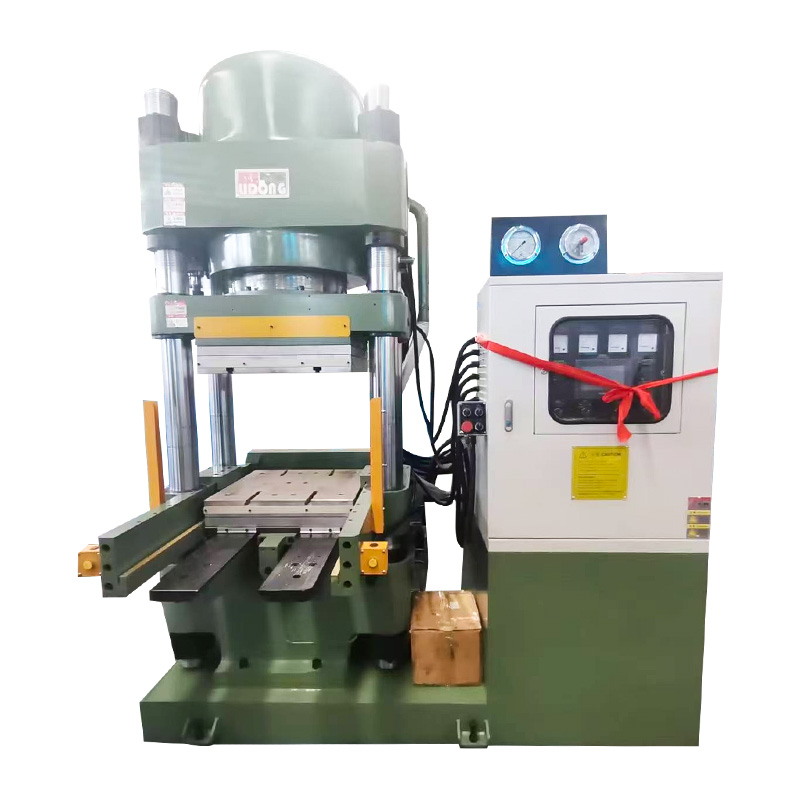
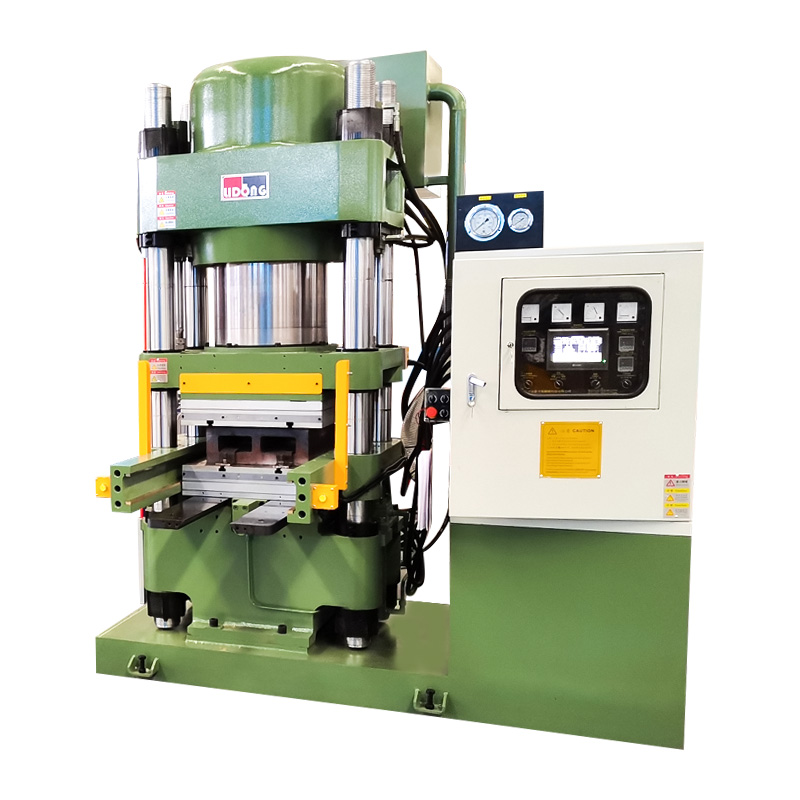
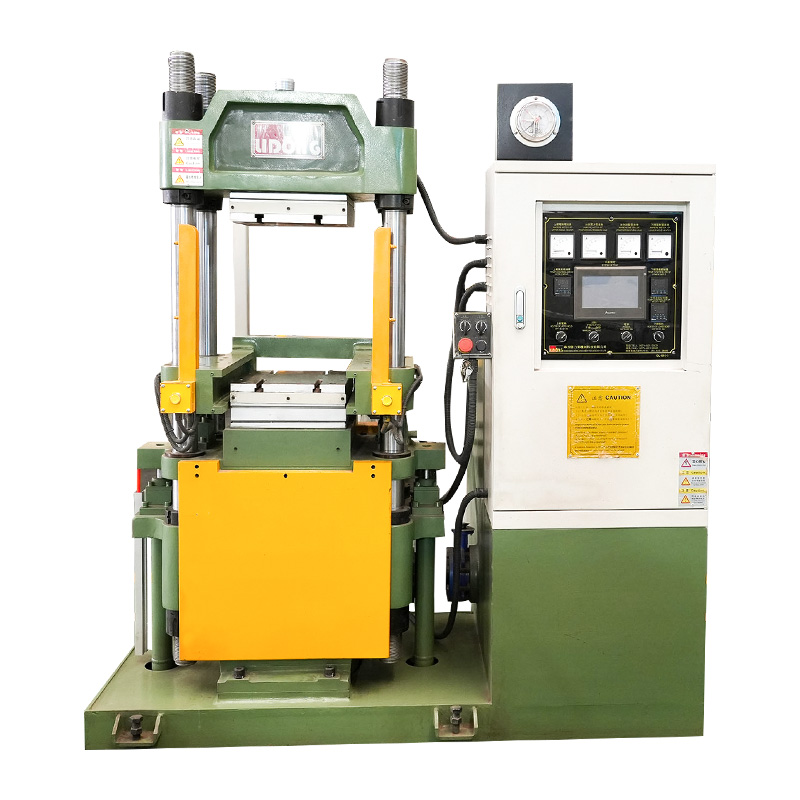
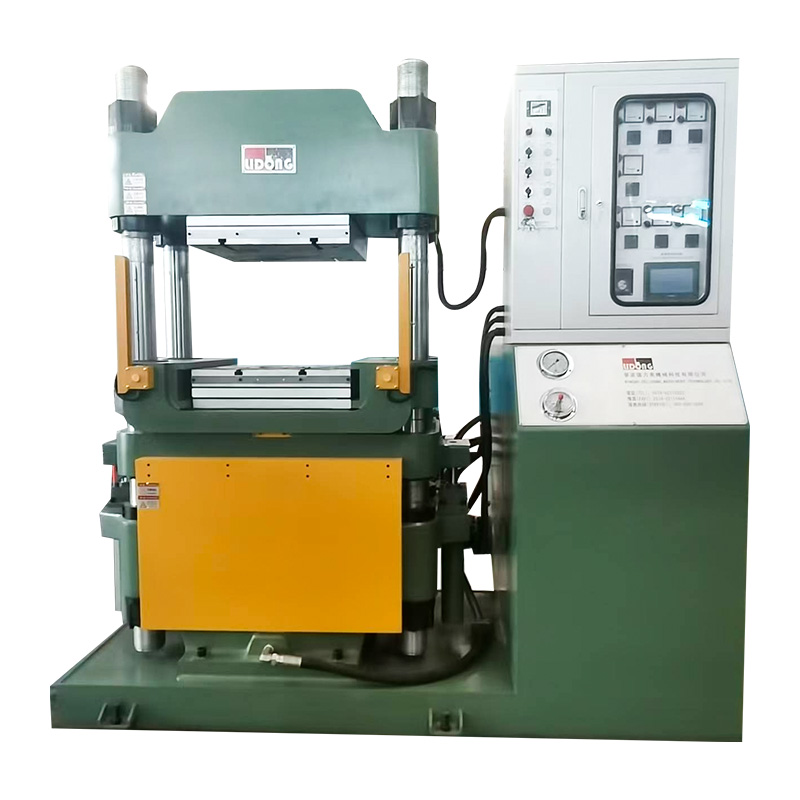
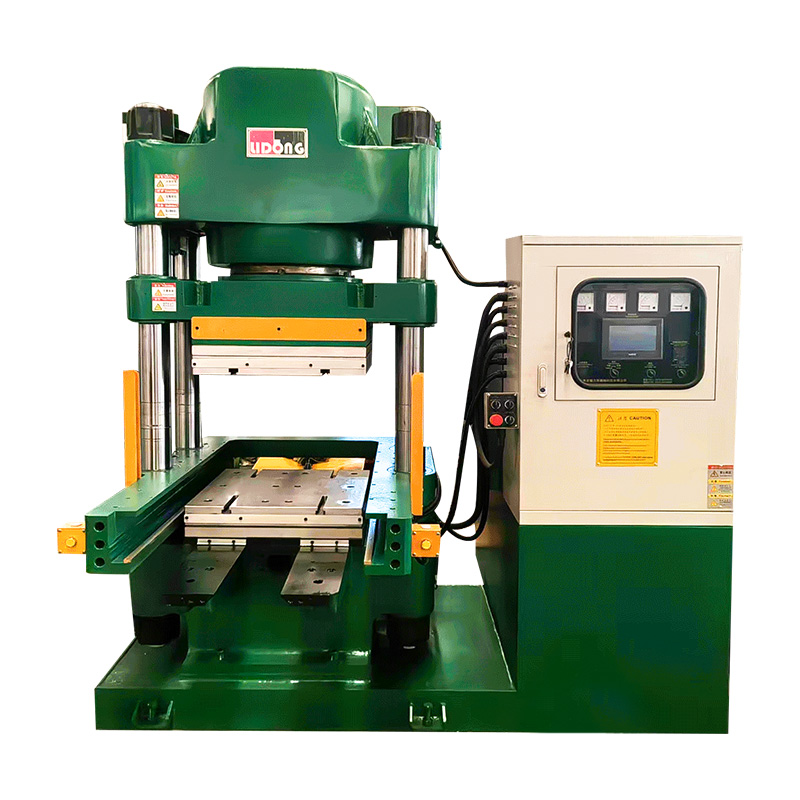
A Brake Shoe Press Machine is used to assemble, compress, and shape brake shoes. It combines metal backplates, friction materials, adhesives, and other components to produce brake shoes that meet stringent automotive safety standards.
Core Functions of Brake Shoe Press Machines
- Compress friction material onto metal backplates with consistent pressure
- Ensure uniform thickness and adhesion of the brake lining
- Handle high-volume production while maintaining precise tolerances
Without automation, these processes are labor-intensive, prone to human error, and slower, which limits production capacity.
How Automation Transforms Brake Shoe Press Machines
Increased Production Efficiency
Automated brake shoe press machines can perform multiple cycles per minute, vastly outperforming manual operations. This efficiency allows manufacturers to meet high production demands with minimal downtime.
Efficiency Benefits
- Reduced cycle time per brake shoe
- Continuous operation with minimal supervision
- Increased throughput and faster delivery times
Consistent Quality
Automation ensures that every brake shoe is pressed under precisely controlled pressure, temperature, and timing. This consistency reduces the chance of defective products and ensures all brake shoes meet quality standards.
Key Metrics Improved by Automation
- Uniform thickness of friction lining
- Consistent bonding between components
- Reduced variability in product performance
Reduced Labor Costs
Automated machines require fewer operators, reducing labor expenses. While human oversight is still needed for safety and quality inspections, automation decreases dependency on manual labor.
Example Table: Manual vs. Automated Brake Shoe Press Machine Performance
| Feature | Manual Press Machine | Automated Press Machine |
|---|---|---|
| Cycle Time per Brake Shoe | 5–8 minutes | 1–2 minutes |
| Labor Requirement | 2–4 operators per machine | 1 operator per machine |
| Defect Rate | 3–5% | <1% |
| Production Capacity (per shift) | 100–200 units | 500–800 units |
Enhanced Safety
Brake shoe pressing involves high pressures, heavy materials, and sometimes hot adhesives. Automation reduces direct human interaction with dangerous components, lowering the risk of accidents.
Safety Features Enabled by Automation
- Interlocks and emergency stop systems
- Reduced manual handling of heavy components
- Sensors to detect and prevent unsafe operations
Advanced Automation Features
Programmable Logic Controllers (PLC)
PLCs control all critical parameters such as pressure, temperature, and pressing time. They allow manufacturers to program different cycles for multiple brake shoe types without manual recalibration.
Robotic Material Handling
Automated robots can load raw materials and remove finished products, reducing labor requirements and the risk of damage during handling.
Real-Time Monitoring and Data Collection
Sensors and monitoring systems track production parameters in real time. Data collected helps optimize processes, detect anomalies early, and improve predictive maintenance.
The Impact of Automation on High-Volume Production
Scalability
Automation allows manufacturers to increase output without proportional increases in labor, making it easier to meet large orders and high-demand periods.
Reduced Bottlenecks
Automated machines streamline workflows, eliminate manual delays, and enable continuous production, reducing downtime and increasing overall productivity.
Flexibility
Automated brake shoe press machines can switch between models quickly, making production lines adaptable for multiple product types, which is crucial for suppliers serving diverse clients.
Future Trends in Automated Brake Shoe Press Machines
Industry 4.0 Integration
Modern machines can connect to digital networks for predictive maintenance, remote monitoring, and analytics, improving efficiency and preventing unexpected machine failures.
AI and Advanced Robotics
Artificial intelligence can adjust pressing parameters in real time, optimize material use, and reduce waste while ensuring consistent quality.
Eco-Friendly Automation
Automated processes reduce material waste and energy consumption, making brake shoe production more sustainable and environmentally responsible.
FAQ About Automation in Brake Shoe Press Machines
Q1: Can automation completely replace human operators?
A: No. While automation reduces labor requirements, human supervision is still necessary for safety, quality checks, and troubleshooting.
Q2: Are automated brake shoe press machines suitable for all types of brake shoes?
A: Yes. Modern machines handle various brake shoe types, including drum brakes, disc pads, and industrial brake components.
Q3: How does automation affect maintenance?
A: While automated machines require scheduled maintenance, predictive monitoring reduces unexpected downtime and ensures smooth operation.
Q4: Is automation cost-effective for small manufacturers?
A: The upfront cost may be high, but automation reduces labor, defects, and production time, making it cost-effective over time.
References
- Zhang, W. (2022). Automation in Brake Manufacturing: Efficiency and Safety. Automotive Engineering Journal, 15(4), 45–60.
- Kumar, S. (2021). Modern Press Machines for Brake Production: Trends and Technology. Industrial Machinery Review, 10(3), 22–38.
- Li, H., & Chen, T. (2020). PLC and Robotics in Automotive Part Manufacturing. Journal of Manufacturing Systems, 18(2), 14–27.