 English
 عربى
عربى
 中文繁体
中文繁体

Content
- 1 The Core Culprits: Hydraulic System Failures
- 2 Thermal Instability: The Impact of Fluid Temperature
- 3 Mechanical and Structural Interference
- 4 Technical Comparison: Pressure Loss Symptoms and Diagnostic Steps
- 5 Preventive Maintenance: Securing the Bonding Process
- 6 FAQ: Frequently Asked Questions
- 7 References & Technical Literature
The Core Culprits: Hydraulic System Failures
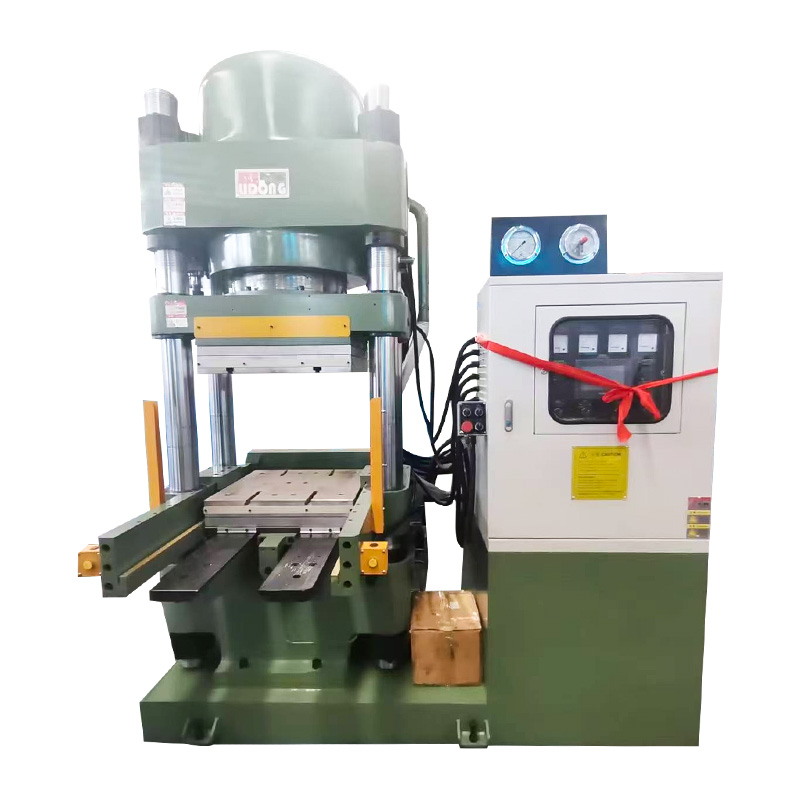
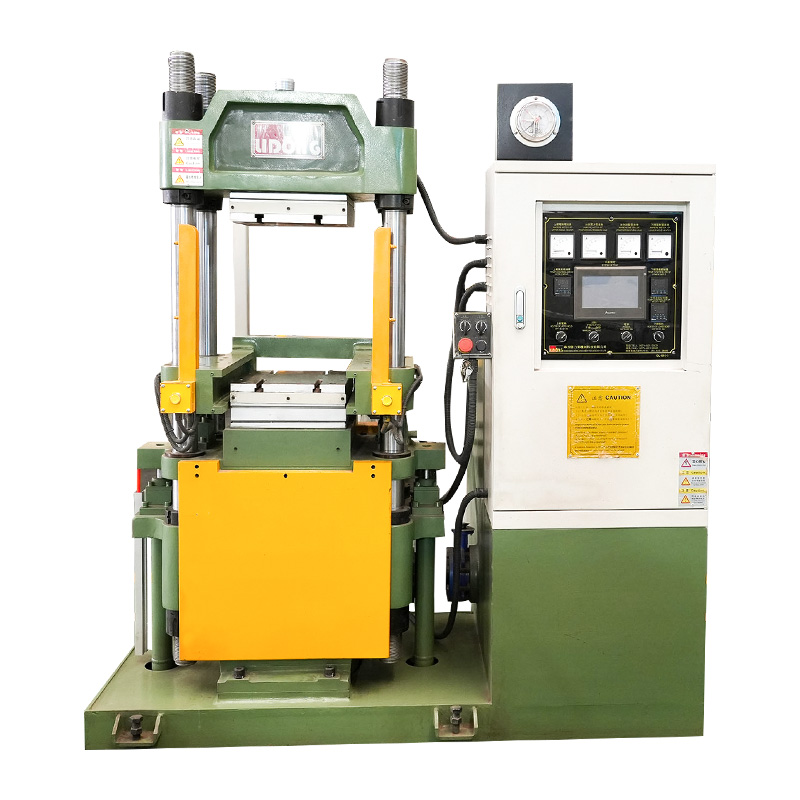
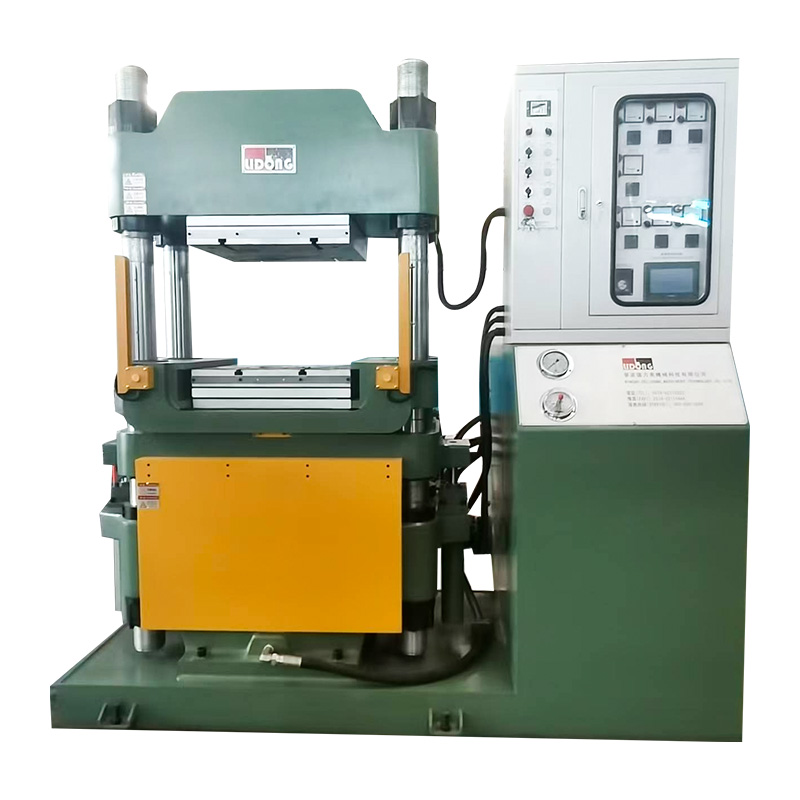
The hydraulic system is the muscular heart of a brake shoe press. It operates on Pascal’s Principle, where pressure applied to a confined fluid is transmitted undiminished in every direction. However, in an industrial setting, this “confined” environment is subject to extreme stress, vibration, and wear. When a machine fails to hold its target tonnage, the primary suspect is almost always a breach in the hydraulic circuit’s integrity.
Internal vs. External Leakage Dynamics
External leaks are the most straightforward to diagnose, usually manifesting as visible puddles of hydraulic fluid around fittings, hoses, or the cylinder rod. However, internal leakage is the “silent killer” of production efficiency. This occurs when high-pressure fluid bypasses internal seals within the cylinder or control valves. In a brake shoe press, the piston seals inside the main ram are under constant duress. If these seals become hardened or scarred, fluid “slips” from the pressure side to the return side. The gauge might momentarily reach the target 50 or 100 tons, but it will immediately begin to “drift” downward as the fluid escapes internally. This leads to inconsistent bonding, as the friction material is not held against the shoe with the constant force required for the adhesive to cure correctly.
Valve Contamination and Malfunction
Modern brake shoe presses rely on a series of sophisticated valves, including pressure relief valves, check valves, and solenoid-operated directional valves. These components have incredibly tight tolerances, often measured in microns. The introduction of even microscopic contaminants—such as metal shavings from pump wear or airborne dust—can prevent a valve from seating perfectly. If a check valve, designed to lock pressure in the cylinder during the curing phase, remains even slightly open due to debris, the pressure will bleed back to the reservoir. This results in a “soft” press cycle that fails to meet the safety specifications required for automotive braking systems.
Thermal Instability: The Impact of Fluid Temperature
Industrial hydraulic systems generate significant heat as energy is transferred from the electric motor to the fluid and finally to the mechanical ram. In the context of a brake shoe press, which often operates in high-cycle environments, managing this thermal energy is not just about machine longevity; it is a prerequisite for pressure stability.
Viscosity Thinning and Volumetric Efficiency
All hydraulic fluids have a specific Viscosity Index (VI). As the temperature of the oil rises, its viscosity—or thickness—decreases. When the fluid becomes too thin, the hydraulic pump’s volumetric efficiency drops; it effectively has to work harder to move the same amount of fluid. More importantly, thin oil escapes through internal clearances and worn seals much faster than cool, viscous oil. If a manufacturing plant finds that their brake shoe press performs perfectly during the morning shift but begins to lose pressure in the afternoon, the culprit is almost certainly the rising temperature of the hydraulic fluid. This “thermal drift” is a major cause of rejected parts in unconditioned factory environments.
The Breakdown of Elastomer Seals
The seals used in a brake shoe press are typically made of high-performance elastomers like Nitrile or Viton. These materials are designed to remain flexible and provide a tight seal under pressure. However, chronic overheating (temperatures exceeding causes these elastomers to undergo a chemical change known as “heat set.” The seals become brittle and lose their ability to spring back against the cylinder walls. Once this elasticity is lost, the seal can no longer compensate for the microscopic gaps between the piston and the bore, leading to persistent pressure loss. In 2026, many high-end presses are equipped with integrated oil coolers and thermal sensors that automatically pause the cycle if the oil temperature exceeds safe operating parameters, thereby protecting both the machine and the product quality.
Mechanical and Structural Interference
Sometimes, a loss of pressure is not a fluid problem at all, but rather a mechanical one. In industrial physics, we must distinguish between “hydraulic pressure” (measured at the pump) and “effective force” (applied to the brake shoe). Mechanical interference can create a discrepancy between these two values.
Parallelism and Binding in the Guide System
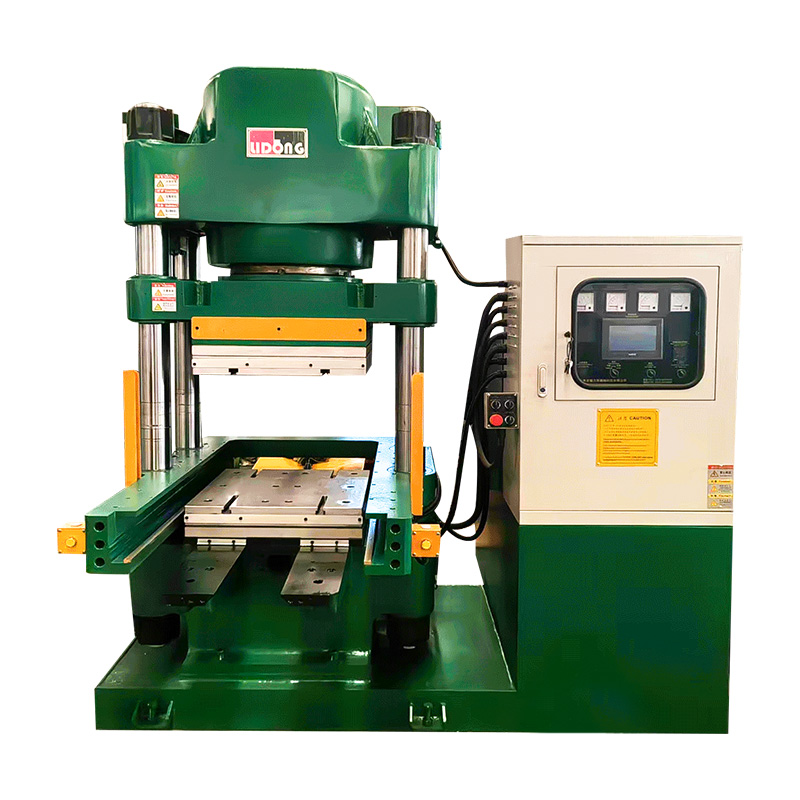
A Brake Shoe Press Machine must apply force perfectly perpendicular to the bonding surface to ensure the adhesive is distributed evenly. To achieve this, the moving platen is guided by chrome-plated pillars or gibs. If these guides become misaligned due to floor settling or uneven wear, the platen can “bind” or “cock” during its descent. This mechanical friction creates a false reading: the pressure gauge might show that the cylinder is under high pressure, but much of that energy is being expended to overcome the friction of the jammed guides. Consequently, the actual force reaching the brake shoe is insufficient, leading to “weak spots” in the bonding area that can fail under the intense heat of actual braking.
Structural Flexing and Fatigue
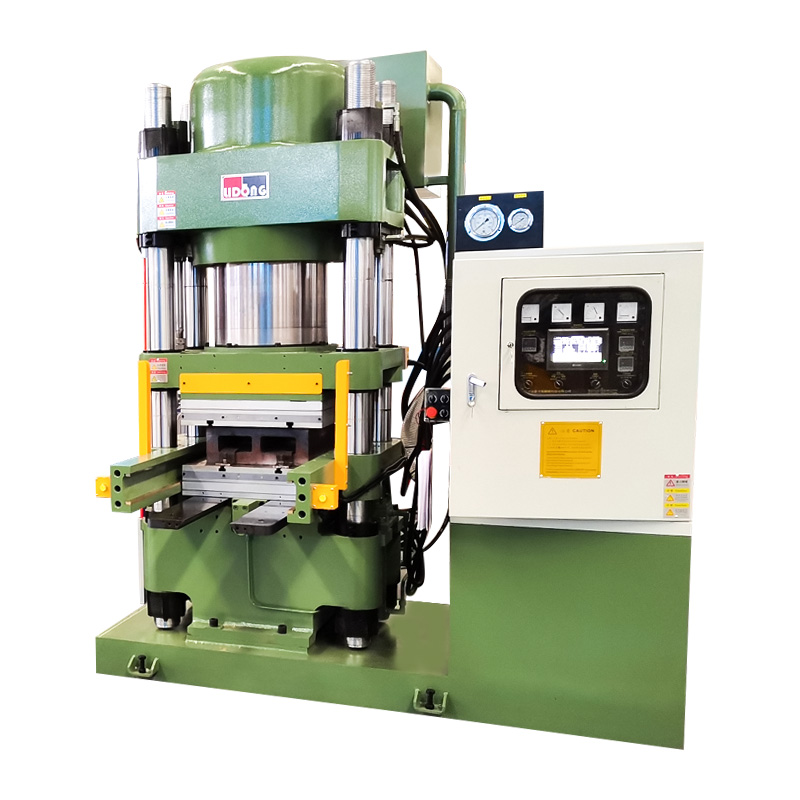
In heavy-duty applications, the frame of the press itself is subject to “deflection.” A poorly designed or aging C-frame press may actually “open up” or flex slightly when reaching maximum tonnage. This structural stretching acts like a massive spring. As the frame expands, the volume within the hydraulic system effectively increases, causing a momentary drop in pressure as the pump struggles to keep up with the expanding structure. This is often referred to as “frame stretch.” Over thousands of cycles, this flexing can lead to metal fatigue and permanent misalignment, making it impossible for the machine to hold a steady pressure. High-quality four-post presses are generally preferred for brake shoe manufacturing specifically because their symmetrical design minimizes this deflection.
Technical Comparison: Pressure Loss Symptoms and Diagnostic Steps
To effectively troubleshoot a brake shoe press, operators must be able to match symptoms with specific mechanical failures. The following table serves as a diagnostic roadmap for maintenance teams.
| Symptom | Primary Suspect | Diagnostic Procedure |
|---|---|---|
| Pressure drops only when the pump is turned off | Leaking Check Valve | Isolate the cylinder and monitor the gauge |
| Spongy movement followed by pressure drop | Air Entrapment | Bleed air from the high points of the cylinder |
| Rapid pressure loss during the “hold” phase | Internal Piston Seal Leak | Perform a “bypass test” on the cylinder |
| Pressure loss accompanied by high-pitched noise | Pump Cavitation | Check oil level and suction filters |
| Pressure varies with the ambient temperature | Oil Viscosity Issue | Analyze oil samples and check cooling system |
Preventive Maintenance: Securing the Bonding Process
The most effective way to address pressure loss is to prevent it through a rigorous maintenance and monitoring program. In the era of Industry 4.0, “predictive maintenance” has replaced reactive repairs.
Filtration and Oil Hygiene
Contamination is the root cause of roughly $80%$ of hydraulic failures. Implementing a “Kidney Loop” filtration system can continuously clean the oil even while the press is in operation. By maintaining a target ISO Cleanliness Code (such as 16/14/11), manufacturers can ensure that the delicate surfaces of the pressure-holding valves remain free from erosive particles. Furthermore, regular oil analysis should be conducted to monitor for the depletion of anti-wear additives and the presence of moisture, which can cause the oil to emulsify and lose its pressure-handling capabilities.
Digital Calibration and Real-Time Monitoring
The traditional analog needle gauge is no longer sufficient for modern safety-critical components. Upgrading a brake shoe press with Digital Pressure Transducers and a PLC (Programmable Logic Controller) allows for the creation of “Pressure-Time” graphs for every single part produced. These systems can be programmed with “Envelope Limits”—if the pressure drops by even $1%$ during the bonding cycle, the system triggers an alarm and marks the part as a reject. This digital oversight ensures that every brake shoe leaving the factory meets the exact pressure specifications required for safe vehicle operation, shielding the manufacturer from liability and the consumer from danger.
FAQ: Frequently Asked Questions
Q: Can a loose electrical connection cause pressure loss?
A: Indirectly, yes. If the electrical signal to the proportional pressure valve is intermittent due to a loose wire or faulty solenoid coil, the valve may fluctuate, causing the hydraulic pressure to drop or become unstable.
Q: Why does my press make a “chattering” sound when it reaches full pressure?
A: This is usually a sign of “relief valve chatter.” It happens when the relief valve opens and closes rapidly, often because the pressure setting is too close to the pump’s maximum output or because the valve spring is fatigued.
Q: Is it safe to “over-pressurize” the machine to compensate for a leak?
A: Absolutely not. Over-pressurizing can lead to catastrophic structural failure of the press frame or the bursting of hydraulic hoses, posing a severe safety risk to operators.
References & Technical Literature
- Hydraulic Control Systems: Theory and Practice, Noah D. Manring (2025 Edition).
- Standardizing the Brake Shoe Bonding Process, Automotive Manufacturing Review, Vol. 12.
- ISO 4406: Hydraulic Fluid Power – Fluids – Method for Coding the Level of Contamination by Solid Particles.