 English
 عربى
عربى
 中文繁体
中文繁体

Content
What Is a Brake Pad Press Machine? Direct Answer
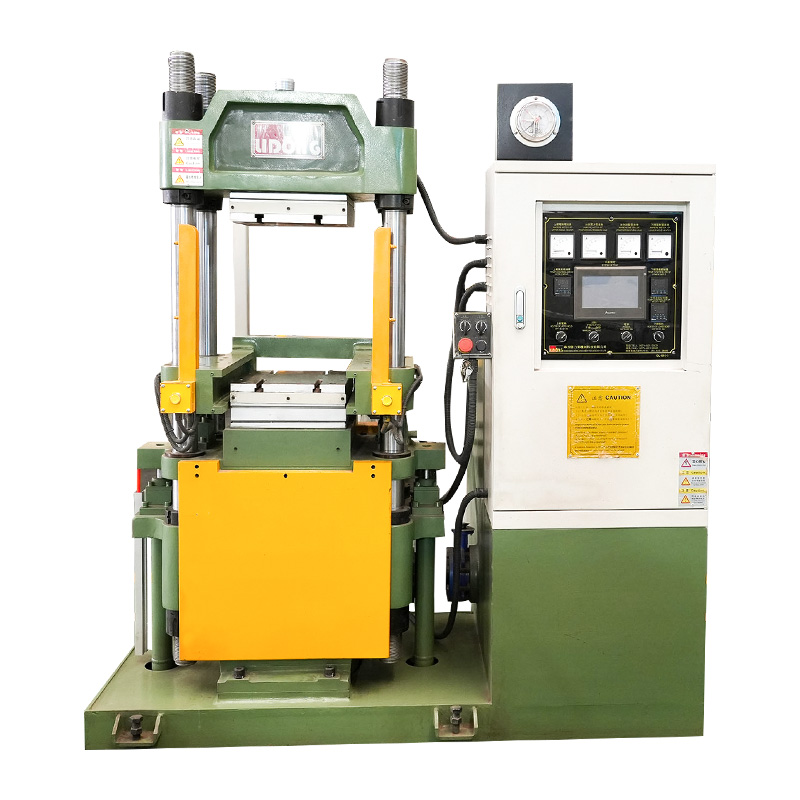
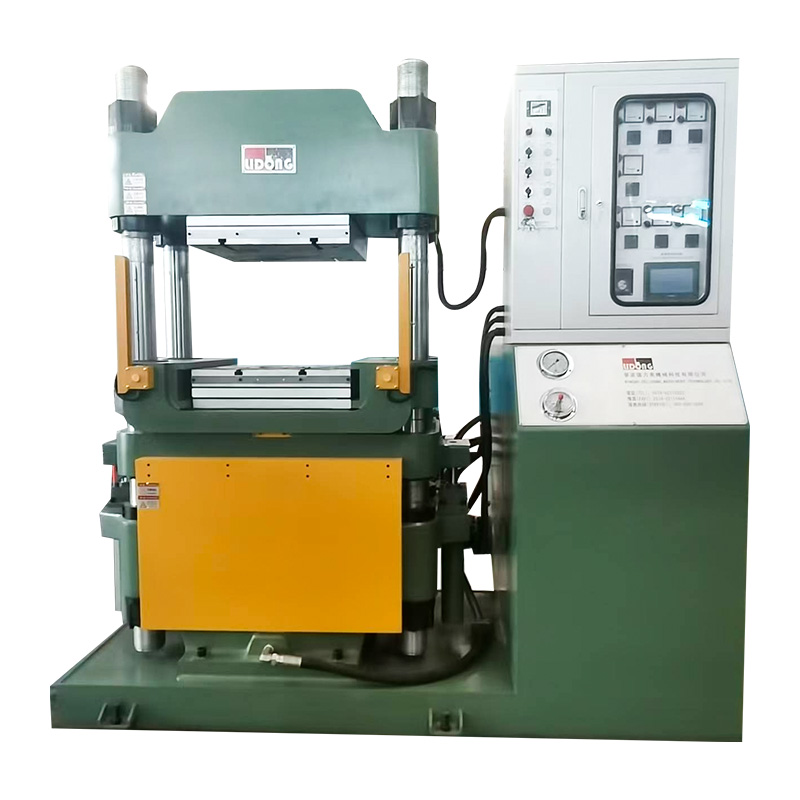
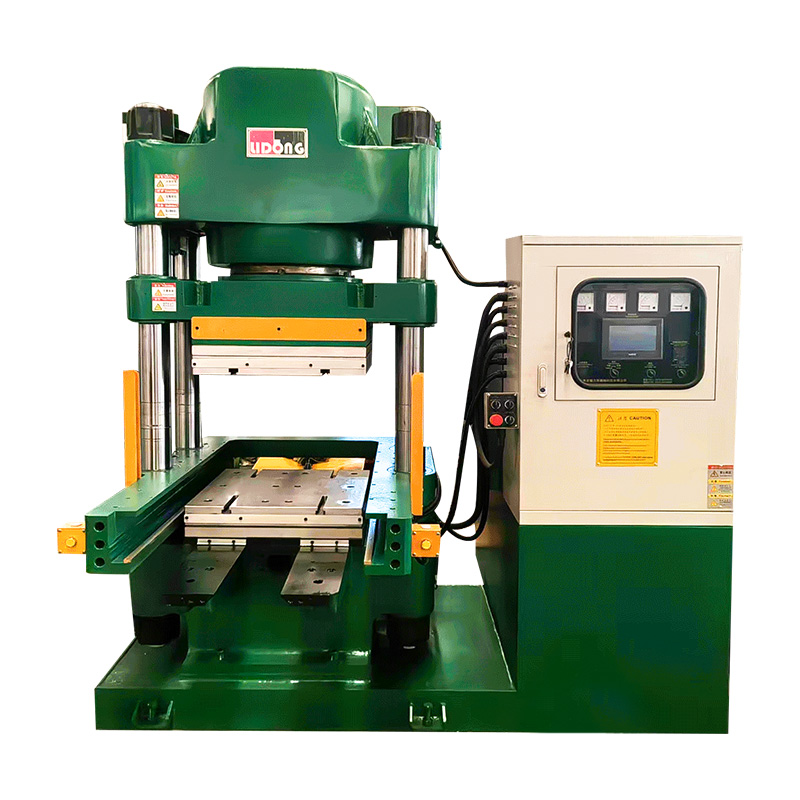
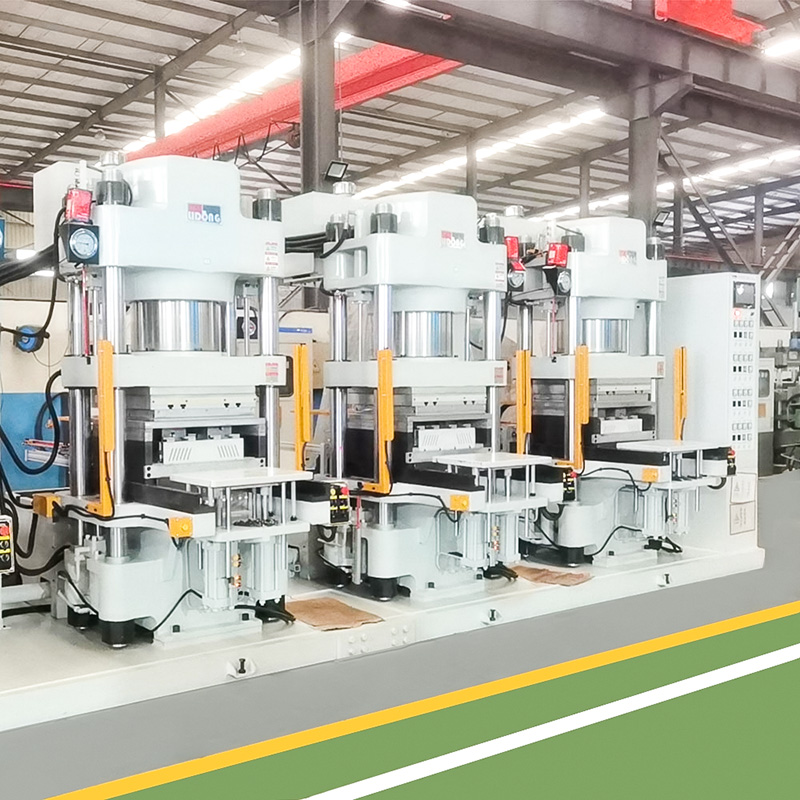
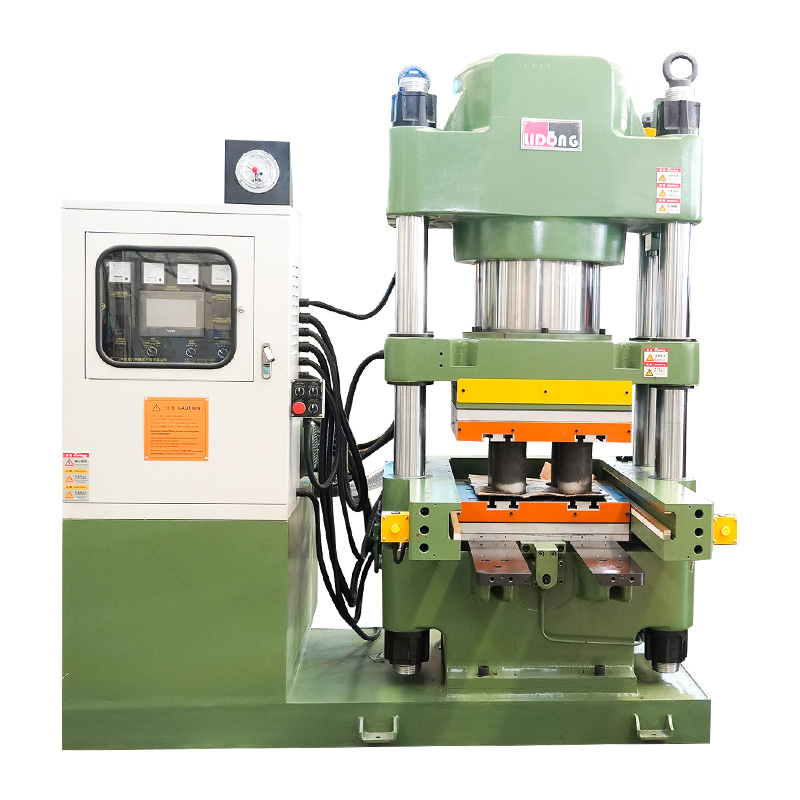
A brake pad press machine is an industrial hydraulic or mechanical press used to shape friction material into a solid, dense brake pad by applying high pressure and, in most cases, heat. The machine compresses a mixture of friction compound (containing resins, fibers, fillers, and friction modifiers) into a mold attached to a steel backing plate, forming the finished brake pad core. Most brake pad press machines operate at pressures between 100-400 tons, depending on pad size and material density requirements.
In short: a brake pad press machine is the core forming step in brake pad manufacturing, transforming loose friction powder into a solid, durable pad ready for curing, grinding, and finishing.
How a Brake Pad Press Machine Works
Step-by-Step Pressing Process
- Material loading: A pre-weighed quantity of friction compound powder is placed into the mold cavity, along with a steel backing plate coated with adhesive
- Preheating (optional): Some machines preheat the mold to 150-180°C to improve bonding between the friction material and backing plate
- Pressing: The hydraulic ram applies high pressure (typically 150-300 tons) for a set dwell time, usually ranging from 1-5 minutes depending on pad thickness
- De-molding: The pressed (or "green") brake pad is ejected from the mold, retaining its shape but not yet fully cured
- Curing: The green pad is transferred to an oven for post-curing at 180-250°C for several hours to fully harden the resin binder
Types of Brake Pad Press Machines
| Machine Type | Key Feature | Best Suited For |
|---|---|---|
| Cold Press Machine | Presses at room temperature, cured separately | Lower-cost production lines |
| Hot Press Machine | Heated mold combines pressing and partial curing | Mid-to-high volume manufacturers |
| Multi-Station Rotary Press | Multiple molds on a rotating table for continuous output | Large-scale automated factories |
Key Components and Specifications to Consider
- Tonnage (pressing force): Determines the maximum pad size and density achievable, commonly ranging from 100 to 500 tons
- Heating system: Electric heating plates that maintain consistent mold temperature for proper resin curing
- Mold and die set: Custom-shaped to match specific brake pad models for various vehicle types
- Control system: PLC-based controls allow precise adjustment of pressure, time, and temperature for repeatable quality
- Safety guards: Light curtains and interlocks to protect operators from the high-pressure ram
Why the Right Press Machine Matters for Brake Pad Quality
Inconsistent pressure or temperature during pressing can lead to defects such as cracking, delamination from the backing plate, or uneven density — issues that directly affect braking performance and pad lifespan. Precise tonnage control and uniform heat distribution across the mold are essential for producing pads that meet safety standards and perform consistently under high-temperature braking conditions.
For manufacturers, choosing a press machine with the right tonnage range, reliable PLC controls, and durable molds is a key step toward producing brake pads that are safe, consistent, and cost-effective at scale.